Michigan Gardeners, October Is The Time To Save Coneflower Seeds For Next Year
October in a Michigan garden has a particular kind of energy that rewards the gardeners paying attention.
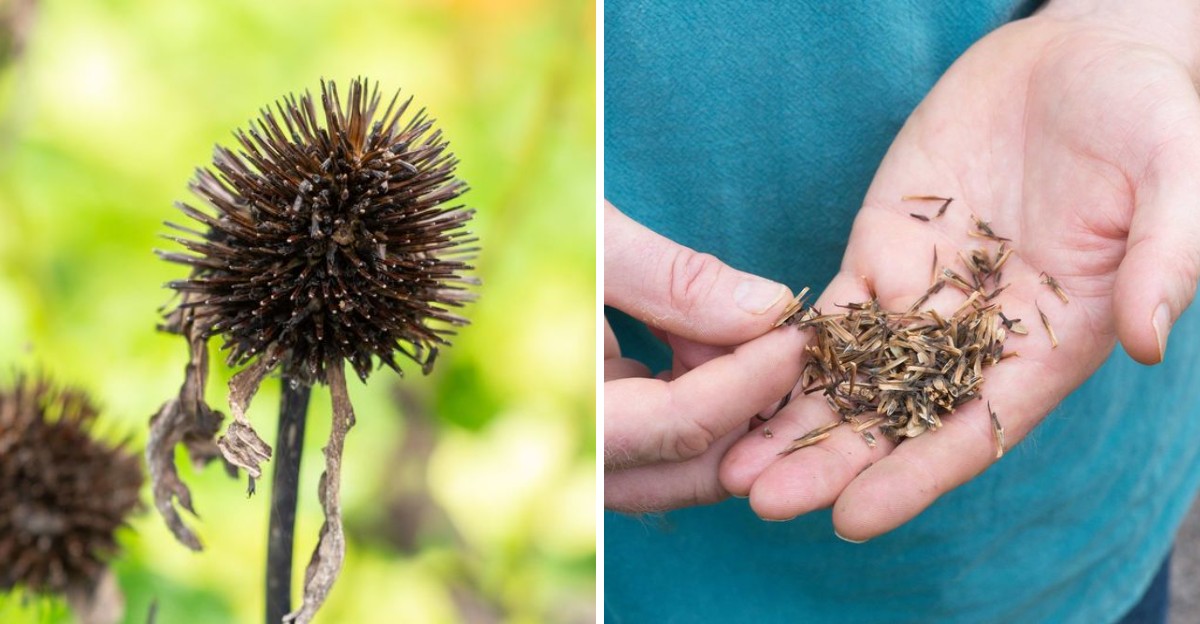
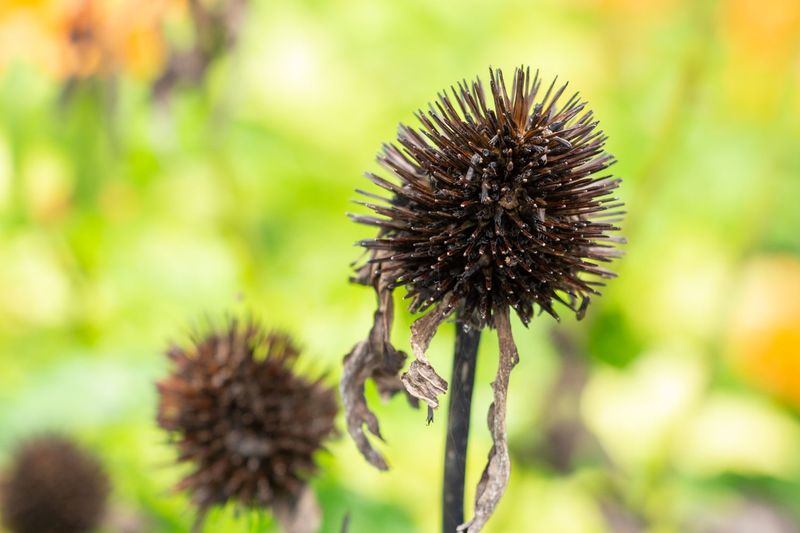
While most of the beds are winding down, the coneflowers are still standing tall with dark, spiky seed heads that rattle gently in the breeze and look exactly like tiny hedgehogs.
That is not an accident, by the way. Echinacea literally means hedgehog in Greek, which is one of those fun facts that makes a plant even more interesting to grow.
Those rattling heads are also holding something genuinely useful: free plants for next summer, waiting to be collected before weather makes the decision for you. A paper bag, a pair of gloves, and about twenty minutes is really all this takes.
The cider is optional but strongly recommended.
1. Watch For Brown, Crispy Heads In Your Garden
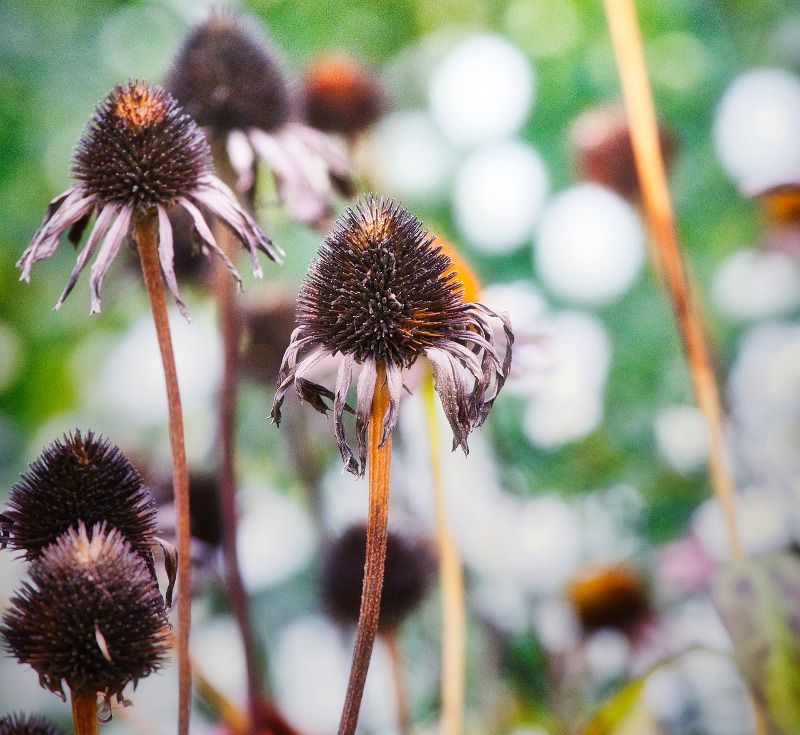
Picture a coneflower in July, all bright pink petals and busy bees. By October, that same flower looks like a tiny brown pincushion.
That brown look is exactly what you want to see. Petals droop or fall off, and the center cone turns dark and firm.
Give the cone a gentle squeeze with your fingers. If it feels dry and a bit prickly, the seeds inside are likely ready.
Green or soft cones need more time on the plant. Seeds picked too early may not sprout well next spring, so patience really pays off here.
A good trick is to check your plants every few days. Michigan falls can swing from sunny and warm to cold and wet in a single week.
You might notice some heads ripen faster than others. Plants in full sun usually finish first, while shady ones lag behind a little.
Keep a small notebook or phone note with the dates you check. Over the years, you will learn the exact timing for your own yard.
Fun fact: the name Echinacea comes from the Greek word for hedgehog. Once you touch a ripe cone, that name will make perfect sense.
So take a slow stroll through your beds this month. Those crunchy brown heads are your signal that seed season has arrived.
2. Pick A Dry Afternoon For Harvest Day
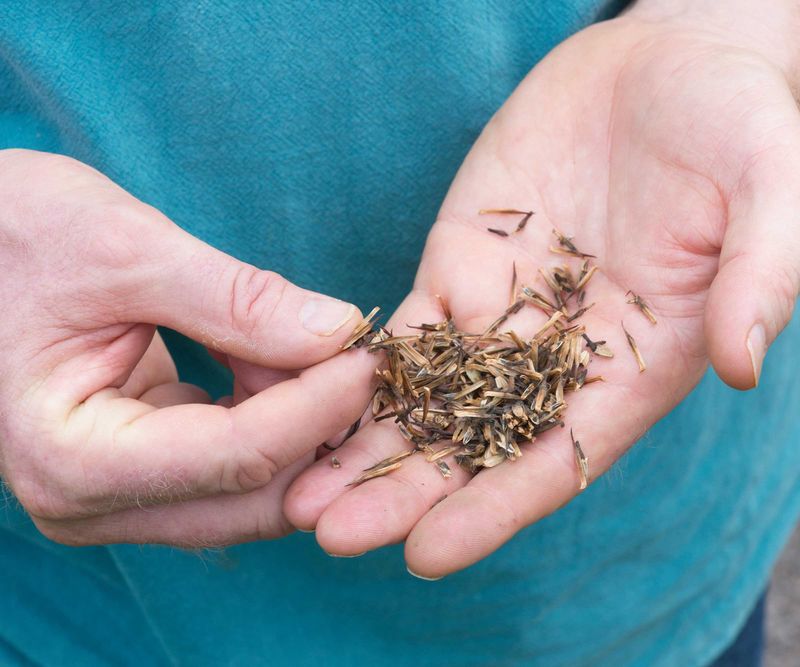
Timing is everything, and the weather plays a big role. Wet seeds are a recipe for mold, which can spoil your whole harvest.
Aim for a sunny afternoon after a few dry days. Morning dew usually burns off by around noon, leaving the cones nice and crisp.
Michigan in October loves to surprise us with sudden showers. Checking the forecast the night before can save you a wasted trip outside.
If rain keeps showing up, do not panic. You can snip the heads and let them finish drying indoors, which works just fine.
Wind is another thing to think about. A breezy day can scatter loose seeds before you even get your bag in place.
Calm, bright days make the job easier and more fun. You can take your time without chasing tiny seeds across the lawn.
Think of harvest day as a small fall event. Bring a warm drink, play some music, and enjoy the quiet garden while you work.
Your Michigan Garden Changes Every Week. Your Plan Should Too.
Gardening in Michigan changes quickly throughout the season. Every Friday you’ll receive a simple weekly plan showing exactly what to plant, prune, fertilize, harvest, and protect so you never miss the right timing.
Kids often love this part too. Give them a small bag and let them help, since the job is simple and safe with gloves.
A little planning around the weather makes every step that follows smoother. Dry cones mean happy seeds and fewer headaches later on.
3. Gather Simple Tools Every Seed Saver Needs
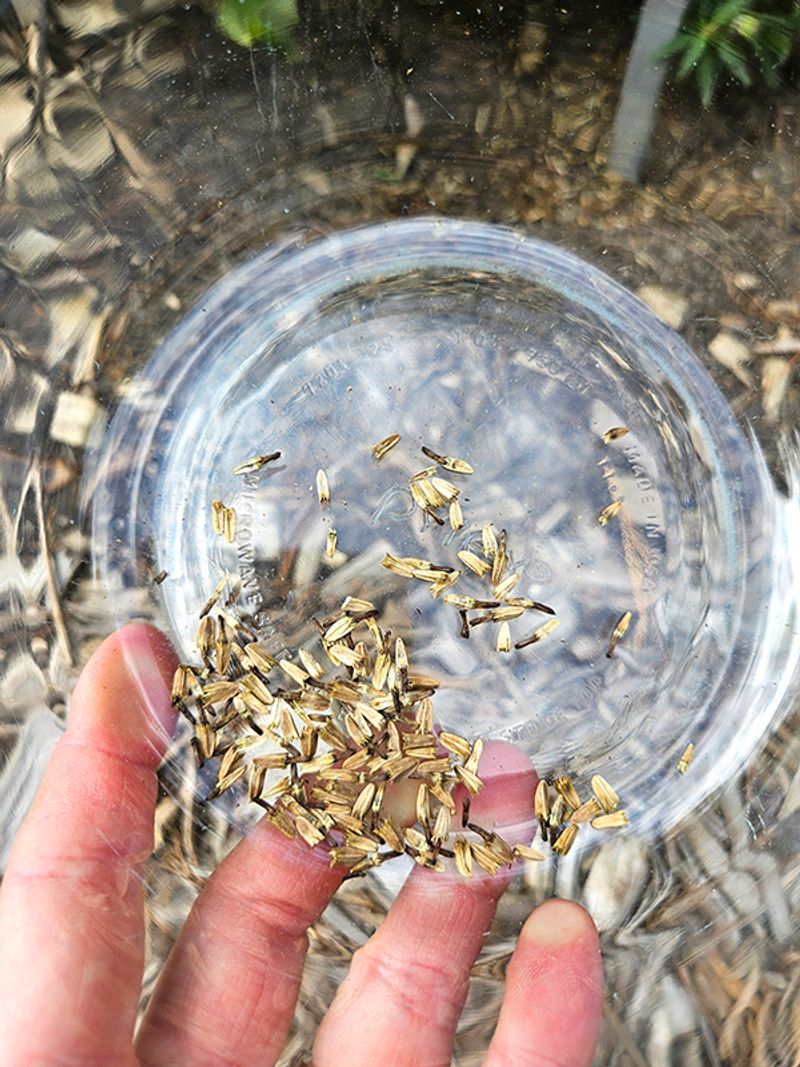
Good news for your wallet: seed saving costs almost nothing. You probably have most of the supplies sitting in a kitchen drawer right now.
Start with a sturdy pair of garden gloves. Coneflower cones are spiky, and bare hands can get poked and scratched quickly.
Next, grab a pair of clean, sharp pruning snips or scissors. Clean cuts help the plant and make the job much faster.
Paper bags are the real stars of the show. Unlike plastic, they let moisture escape, so seeds stay dry and fresh.
Brown lunch bags work great, and so do old envelopes. Just avoid anything that traps air and sweat inside.
You will also want a marker and some labels. Write the plant color, variety, and date on every bag you fill.
Many gardeners grow several kinds of coneflowers. Without labels, those seeds can get mixed up faster than you might think.
A shallow tray or old baking sheet is handy too. It gives you a flat spot to spread out cones for drying later.
Finally, keep a small bowl nearby for cleaned seeds. Having everything ready before you head outside keeps the whole process calm and tidy.
4. Snip Coneflower Heads The Smart Way
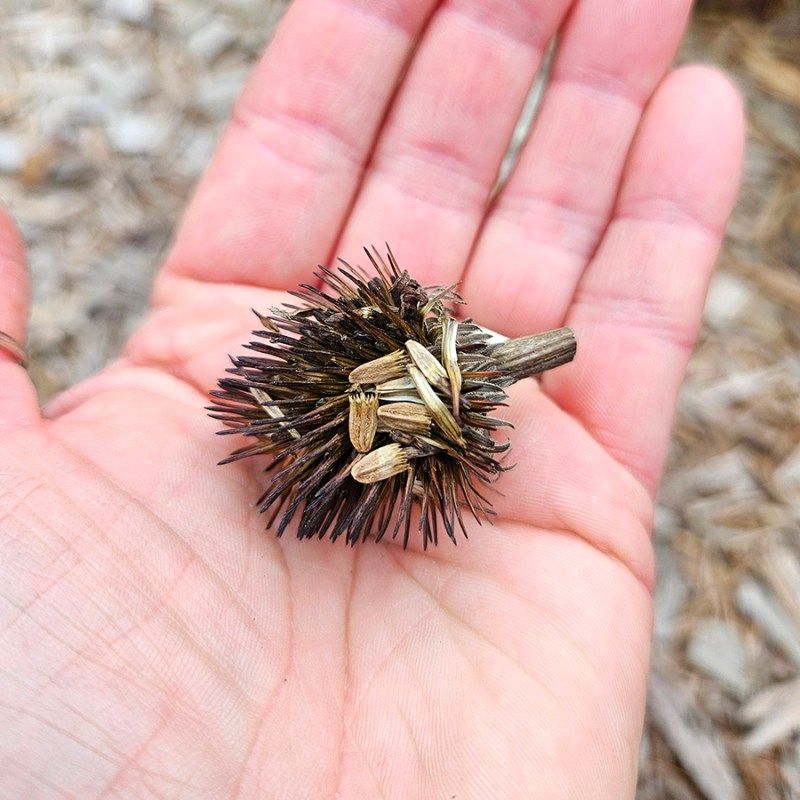
Here comes the fun part, and it only takes a few minutes. Hold a paper bag right under the cone before you make your cut.
Snip the stem a few inches below the seed head. That extra stem gives you something easy to hold while you work.
Let the cone drop straight into the bag. Loose seeds will fall inside instead of landing on the ground.
Try to pick heads from your healthiest, strongest plants. Seeds from sturdy parents usually grow into sturdy babies next year.
You do not need to take every single cone. Leaving some behind helps local wildlife through the long Michigan winter.
Goldfinches especially adore coneflower seeds. Watching them perch and peck at the cones is a real treat on a chilly morning.
A fair split might be half for you and half for the birds. Everyone wins, and your garden stays lively all season.
Keep each color or variety in its own bag. Mixing them is fine if you want surprises, but labels help if you like order.
Once your bags are full, fold the tops loosely. Carry them inside gently so the seeds stay snug and ready for drying.
5. Dry Your Harvest Indoors Before Frost Hits
Even cones that feel dry outside may still hold a little moisture. A week or two of indoor drying makes a huge difference.
Spread the heads on a tray, screen, or sheet of newspaper. Keep them in a single layer so air can reach every side.
Choose a spot that is warm, dry, and out of direct sun. A spare room shelf, a dry basement corner, or a garage works well.
Michigan basements can get damp, so check yours first. If it smells musty, pick a different place for your seeds.
Turn the cones every couple of days. That small habit helps them dry evenly and keeps mold from sneaking in.
Some gardeners hang stems upside down inside paper bags. Seeds drop to the bottom as they loosen, which saves time later.
Keep pets and curious kids away from the drying area. Spiky cones can be tempting to paw at or play with.
You will know they are ready when seeds loosen with a light tap. The cones should feel brittle, almost like dry cereal.
Getting this step right protects all your hard work. Well dried seeds store better and sprout more reliably when spring rolls around.
6. Separate Seeds From Chaff Like A Pro
Ever tried to shell sunflower seeds by hand? Coneflowers are a close cousin, and the process feels pretty similar.
Put your gloves back on for this step. Rub the dried cone gently between your hands over a large bowl.
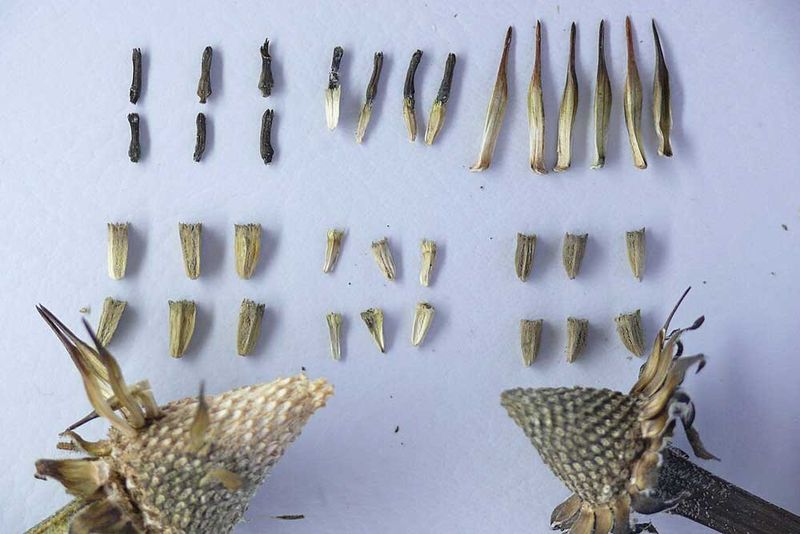
Seeds will start to fall out along with bits of spiky fluff. That fluffy stuff is called chaff, and it can be removed.
Coneflower seeds look like small, grayish tan wedges. They are a bit shaped like tiny arrowheads with a pointy tip.
To clear away chaff, try a trick farmers have used for centuries. Pour the mix slowly from one bowl to another in a light breeze.
The lighter chaff floats away while heavier seeds drop down. A small fan on low speed works if you are indoors.
A kitchen strainer can help too. Shake it gently and watch the fine bits sift through while seeds stay behind.
Do not stress about getting every speck perfect. A little chaff will not hurt your seeds or your planting plans.
Many Michigan gardeners make a cozy evening of this job. Put on a favorite show, sort seeds, and enjoy the quiet rhythm of the work.
7. Store Seeds Safely Through The Long Winter
Winter here can stretch from November well into April. Your seeds need a safe home during those long, snowy months.
Paper envelopes are a great first choice. Label each one with the variety, color, and harvest date before sealing.
For extra protection, place the envelopes in a glass jar. Add a small silica packet, like the ones found in shoe boxes, to soak up moisture.
Store the jar somewhere cool, dark, and dry. A closet shelf or the back of a pantry works nicely.
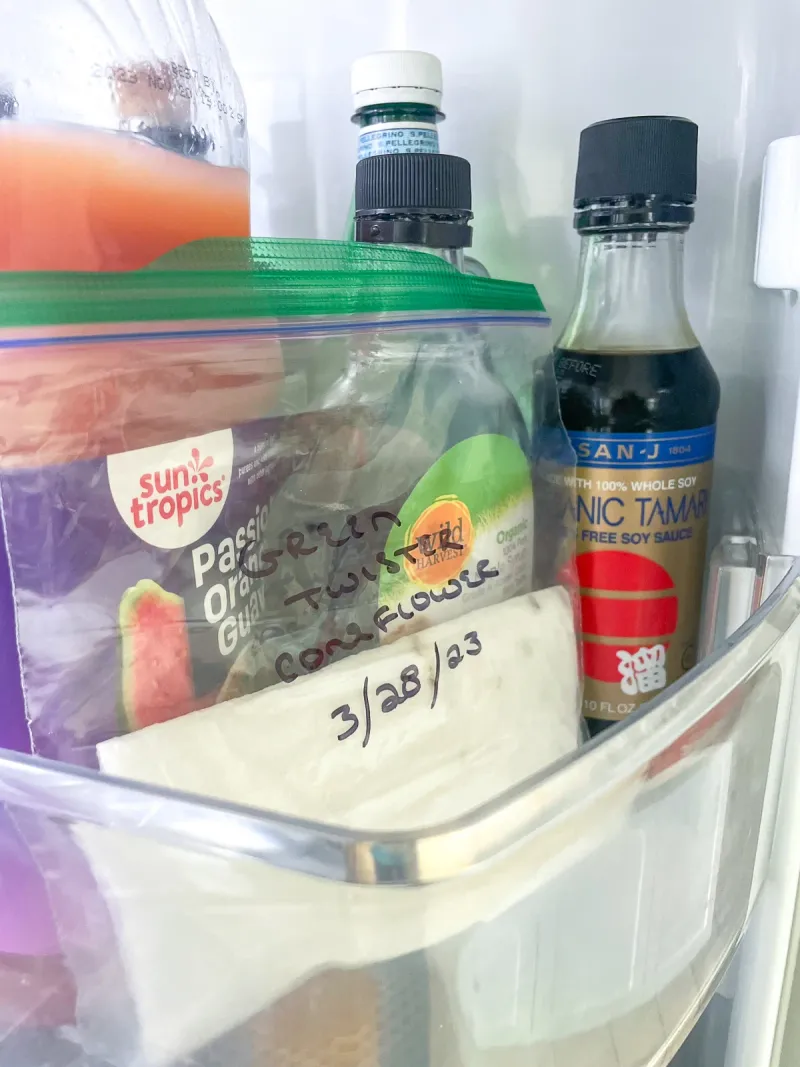
Some gardeners keep seeds in the fridge. The steady cool temperature can help seeds stay fresh for longer, and refrigerated coneflower seeds stored in sealed jars have been known to last several years.
Avoid spots near the furnace, stove, or a sunny window. Heat and light can weaken seeds before you get a chance to plant them.
Properly stored coneflower seeds generally last one to three years at room temperature. Fresher seeds tend to sprout more reliably, so plan to use them sooner rather than later.
Consider keeping a simple seed list on paper. It helps you remember what you have when spring fever strikes.
Sharing is part of the joy too. Many Michigan libraries and garden clubs host seed swaps, a friendly way to trade your extras.
8. Give Seeds A Cold Rest Like Nature Does
Mother Nature has a clever trick up her sleeve. Many coneflower seeds perform better after a chilly rest before they wake up and sprout.
Gardeners call this process cold stratification. It sounds fancy, but it simply means copying a cold, damp winter.
The easiest method is to sow seeds outdoors in late fall. Michigan snow and freezing temps handle the whole job for you.
Scatter seeds on loose soil and press them in lightly. Coneflower seeds need some light to germinate, so leave them uncovered or add only the thinnest possible dusting of soil.
Prefer starting seeds indoors in spring? Then try the fridge method instead, which works about as well.
Mix seeds with a spoonful of damp sand or a damp paper towel. Seal them in a labeled bag and tuck it in the fridge.
For common purple coneflower, Echinacea purpurea, around three to four weeks of cold rest tends to work well. Other species like Echinacea angustifolia or pallida generally benefit from a longer period of eight to twelve weeks, so it is worth looking up the specific variety you are growing.
Once the cold rest is done, plant them in small pots. Sprouts usually appear within a couple of weeks near a bright window.
Fun fact: many native prairie plants rely on this same winter chill. It is their built-in way of waiting for the right season.
9. Plan Next Year’s Coneflower Bed Now
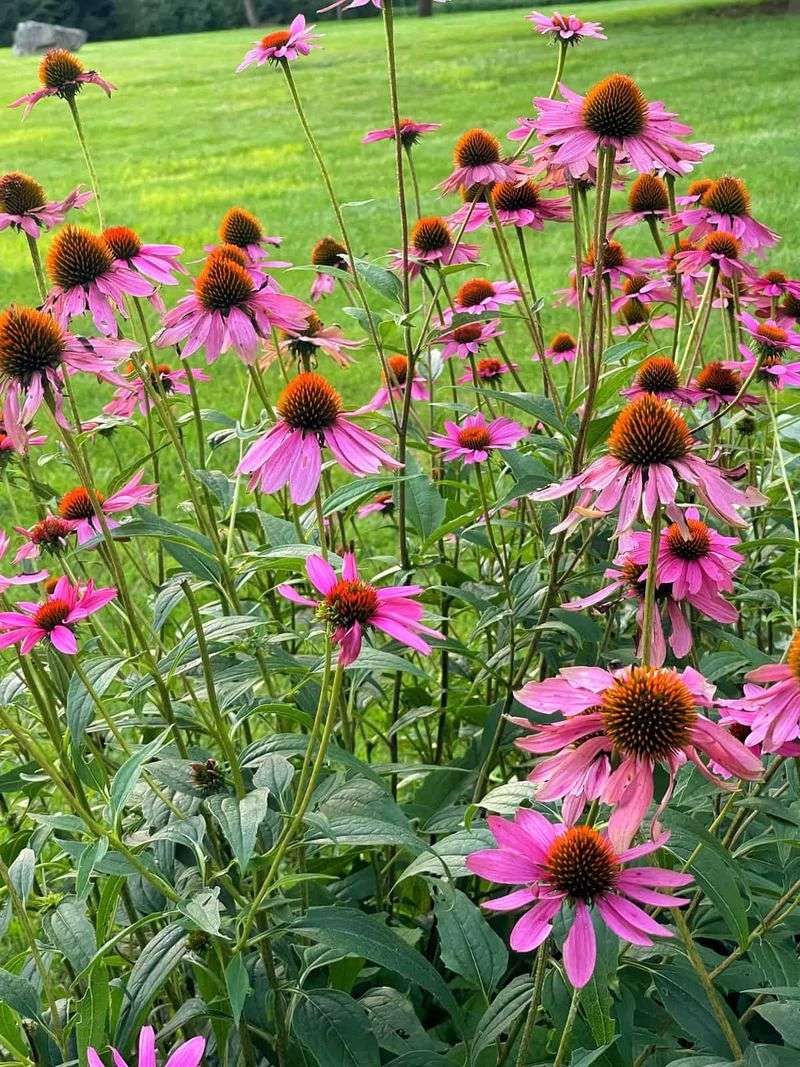
Imagine next July with rows of fresh blooms buzzing with bees. All of that color started with a handful of seeds from this fall.
Now is the perfect time to sketch out your plans. Pick a sunny spot that gets at least six hours of light each day.
Coneflowers are tough and handle dry spells well. They like soil that drains nicely, so avoid low spots where water pools.
Think about pairing them with other native friends. Black-eyed Susans, bee balm, and little bluestem grass look lovely nearby.
Michigan has a strong native plant community for good reason. These plants support local bees, butterflies, and birds in powerful ways.
Keep in mind that seed grown plants may look different from the parent. Hybrid types often produce unexpected colors or shapes rather than a reliable copy of the original plant.
That surprise is part of the fun. You might end up with a one of a kind flower nobody else has.
Most coneflowers grown from seed focus on root and foliage development in their first year and bloom reliably in their second season. A little patience rewards you with years of hardy, long lasting color.
Save a few seeds for friends or neighbors too. Before long, your whole Michigan street could be glowing with coneflowers every summer.