The Soil Test Detroit Gardeners Should Do Before Growing Food In Older Yards
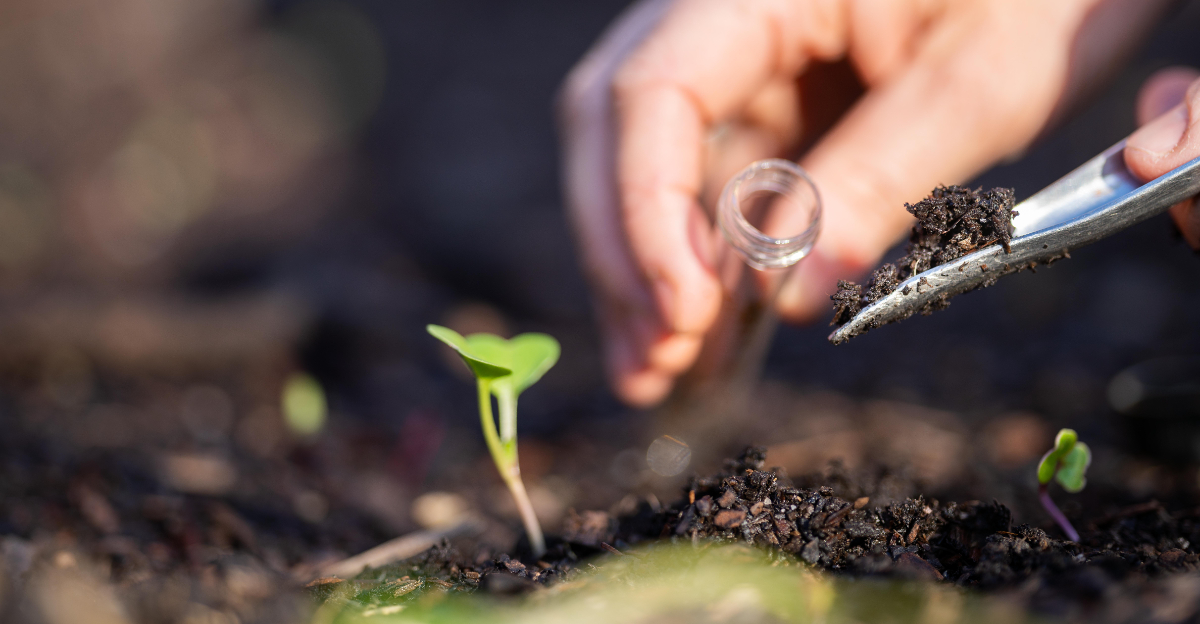
Turning a patch of Detroit dirt into a thriving garden feels like reclaiming something the city almost lost. Yet beneath that soil, old paint chips and leaded gasoline residue may still be sitting quietly across Michigan’s older neighborhoods.
Heavy metals do not announce themselves with a smell or a strange color. They just settle into the ground and stay there, sometimes for generations, long after the source is gone.
A backyard that looks perfectly healthy can carry contamination levels high enough to matter, especially for kids who tend to put dirty hands near their mouths. The fix is not complicated, though.
A simple soil test can tell you exactly what you are working with before a single tomato plant goes in the ground. Skipping that step is the one shortcut Detroit gardeners cannot afford to take.
A Lead Test Is The One Step You Shouldn’t Skip
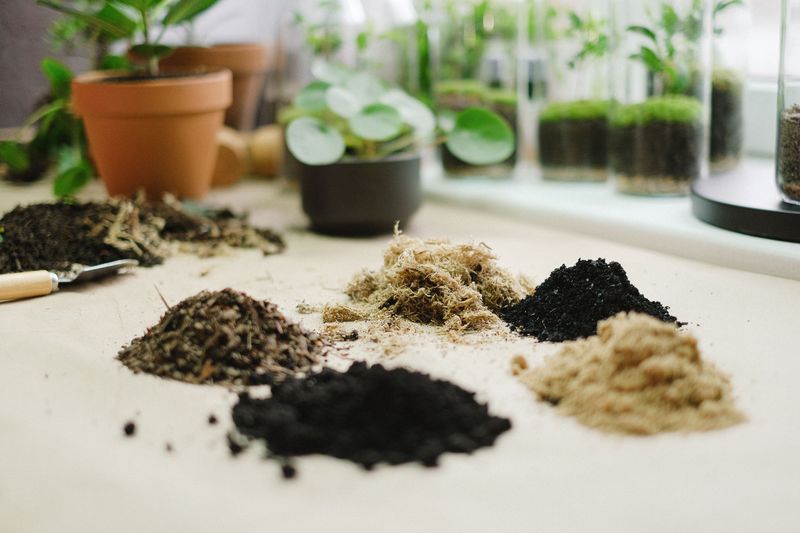
Your garden could be hiding something dangerous. Lead contamination in Detroit soil is not rare, and eating food grown in contaminated ground is a serious health concern.
A soil test specifically for lead is the single most important step any Detroit food gardener can take. Standard garden tests from a hardware store often skip heavy metals entirely, so you need to request one that includes lead screening.
Michigan State University Extension offers affordable soil testing that covers lead levels. Sending in a sample costs less than a bag of fertilizer and gives you real answers about what your ground contains.
Many gardeners assume old yards are fine because plants look healthy. But plants can absorb lead without showing any visible signs of stress or damage.
Children are especially vulnerable to lead exposure through soil contact and food consumption. Adults can also be affected over time, so this is not a risk worth brushing off.
The soil test for Detroit gardeners focused on food safety should always include heavy metal screening. Skipping this step means gardening blind in a city with a well-documented history of contamination.
Once you get your results back, you will finally know exactly what you are working with. That knowledge is the foundation of every smart growing decision you make from here on out.
Why Older Detroit Properties Carry Extra Risk
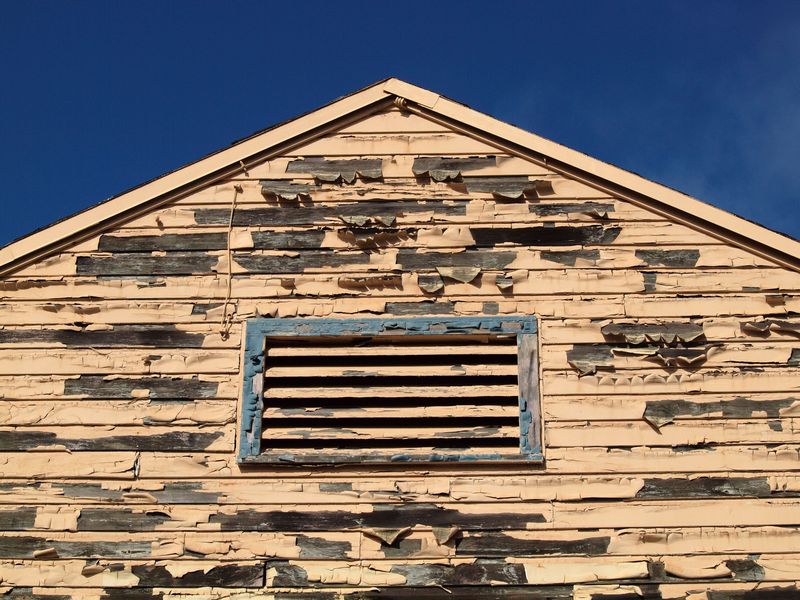
Detroit’s history is written into its soil, and some of that history is still lead. Homes built before 1978 were often coated in lead-based paint, which flakes and falls directly into surrounding soil over decades.
That slow accumulation creates hotspots right along the foundation edges of older houses. Gardeners who plant near those areas without testing first are taking a gamble with their family’s health.
Leaded gasoline was also used widely across Michigan until the mid-1980s. Exhaust from decades of traffic deposited lead particles along roadsides and throughout urban neighborhoods like Detroit.
Industrial history adds another layer of concern. Detroit’s manufacturing past left behind trace metals in soil across many residential zones, sometimes far from the original source.
Your Michigan Garden Changes Every Week. Your Plan Should Too.
Gardening in Michigan changes quickly throughout the season. Every Friday you’ll receive a simple weekly plan showing exactly what to plant, prune, fertilize, harvest, and protect so you never miss the right timing.
Older plumbing and buried debris can also leach contaminants into the ground over time. Even a yard that looks pristine on the surface may have serious issues just a few inches down.
Vacant lots converted into garden spaces carry the highest risk, especially in areas with long industrial use. These spots deserve the most rigorous testing before any food crops go in.
Understanding why the risk exists helps you take it seriously without feeling panicked. Knowledge puts the power back in your hands, and the soil test for Detroit gardeners is where that knowledge begins.
Where On Your Property To Collect Soil Samples
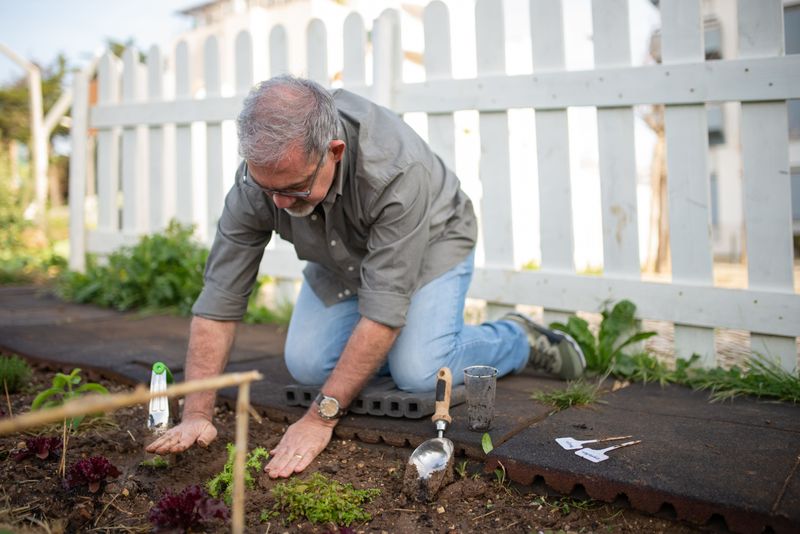
Sampling in one spot and calling it done is a common mistake. Contamination levels can vary dramatically across a single yard, so multiple samples give you a much clearer picture.
Start by collecting samples from at least five different locations across your planting area. Mix those samples together in a clean container, then send a portion of that blend to the lab for testing.
Pay special attention to areas within three feet of your home’s foundation. Lead from old exterior paint concentrates heavily in that zone and poses the highest risk for gardeners planting close to the house.
Also sample near any old fence lines, driveways, or alleyways on your property. These spots often have higher contamination from past vehicle traffic and deteriorating painted surfaces.
Avoid collecting samples right after heavy rain, since water movement can shift soil composition and skew your results. Aim for dry or slightly moist conditions when you gather your samples.
Use a clean stainless steel or plastic trowel for collection, not a rusty metal one that could introduce its own contaminants. Label each bag clearly before sealing it up.
Collect samples from a depth of about six inches, since that is the zone where most food crop roots grow and absorb nutrients. Sampling too shallow or too deep gives you less useful data for planning your garden.
Reading Your Results And What The Numbers Mean
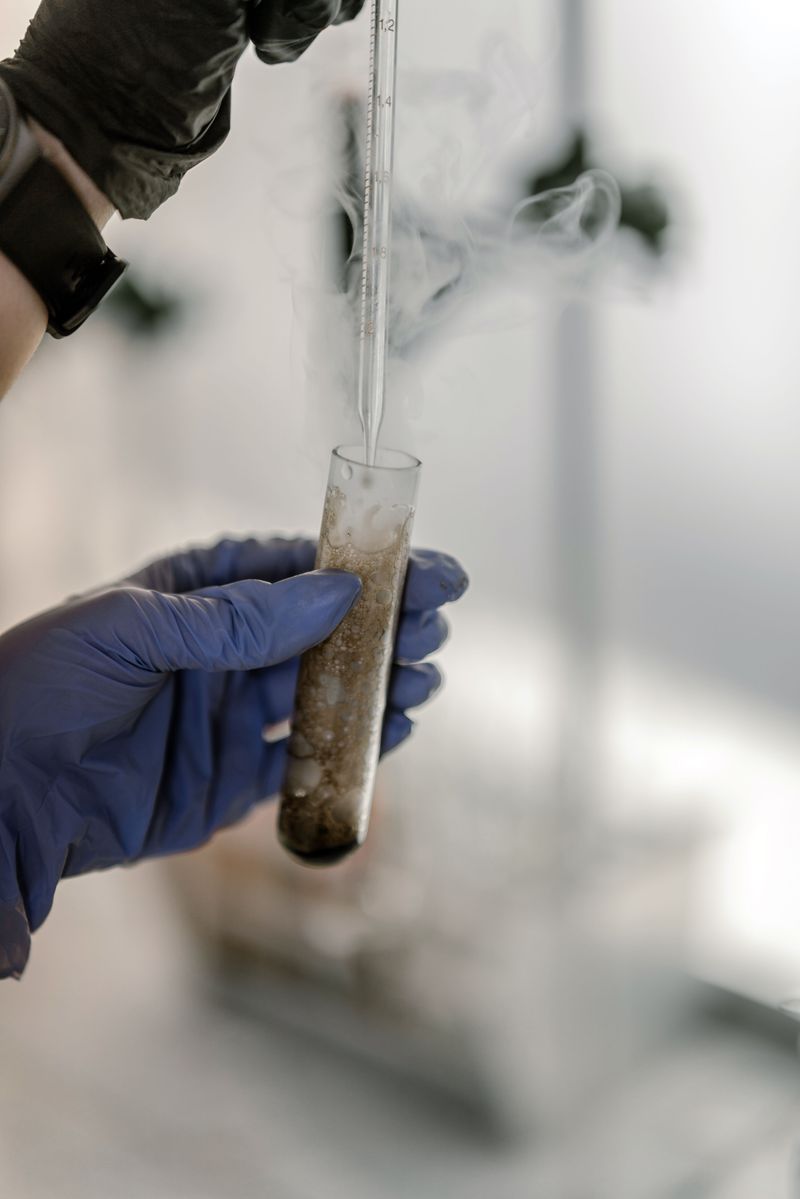
Getting your Michigan soil test results back can feel like reading a foreign language. But the numbers are simpler than they look once you know what you are comparing them against.
The EPA now considers soil with lead levels above 200 parts per million a concern for areas where children play, and recommends an even lower threshold of 100 parts per million for properties with additional lead sources like old paint or lead pipes.
If your results come back under 100 ppm, you are in good shape for growing most food crops. Mulch and organic matter can help keep those levels from creeping up over time.
Numbers between 100 and 200 ppm call for caution but not alarm. Raised beds with clean imported soil become your best friend in this range, and certain crops are safer choices than others.
Anything above 200 ppm means you should avoid growing food directly in that ground. At that level, raised beds with a solid barrier between old soil and new are strongly recommended by soil health experts.
Your report may also show other metals like arsenic or cadmium, which carry their own thresholds. Ask your testing lab for guidance on interpreting those numbers if they appear on your results sheet.
Understanding your report transforms a scary piece of paper into a clear action plan. The soil test Michigan gardeners take first makes every planting decision that follows far more confident and informed.
Raised Beds And Mulch If Your Soil Comes Back High
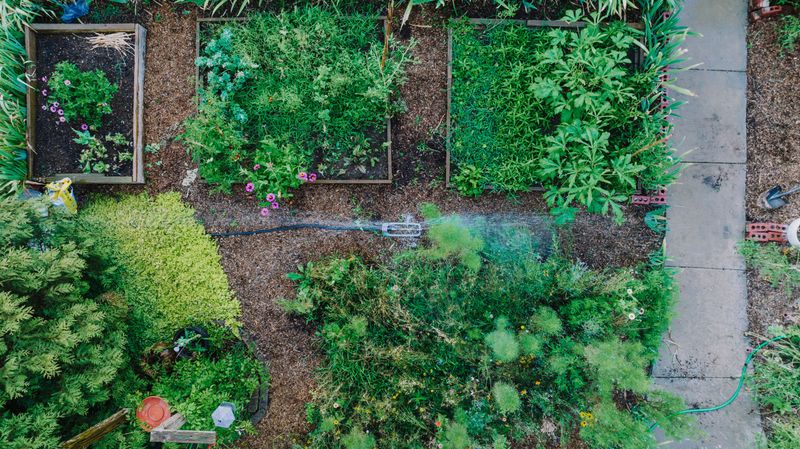
High lead numbers are not the end of your garden dream. Raised beds are one of the most effective and proven solutions for growing safe food over contaminated ground.
Build your beds at least twelve inches deep to give plant roots plenty of room in clean soil. Fill them with a mix of certified clean topsoil and compost purchased from a trusted supplier.
Line the bottom of each bed with a thick layer of landscape fabric or hardware cloth before adding soil. This barrier slows the movement of contaminants from the ground below into your fresh growing medium.
Mulching pathways between beds keeps bare contaminated soil from splashing onto your plants during rain. A thick layer of wood chips or straw works well and breaks down into organic matter over time.
Avoid using pressure-treated lumber for your raised bed frames, since older treated wood can leach arsenic into surrounding soil. Cedar, pine, or composite lumber made for garden use are all safer choices.
Keep children from playing in or near the native soil while your raised beds are being set up. Wash hands thoroughly after any contact with uncovered ground in older yards.
Raised beds also warm up faster in spring, extend your growing season, and drain better than flat ground. What starts as a safety solution quickly becomes the best garden upgrade you ever made.
Crops That Are Safer To Grow In Contaminated Soil
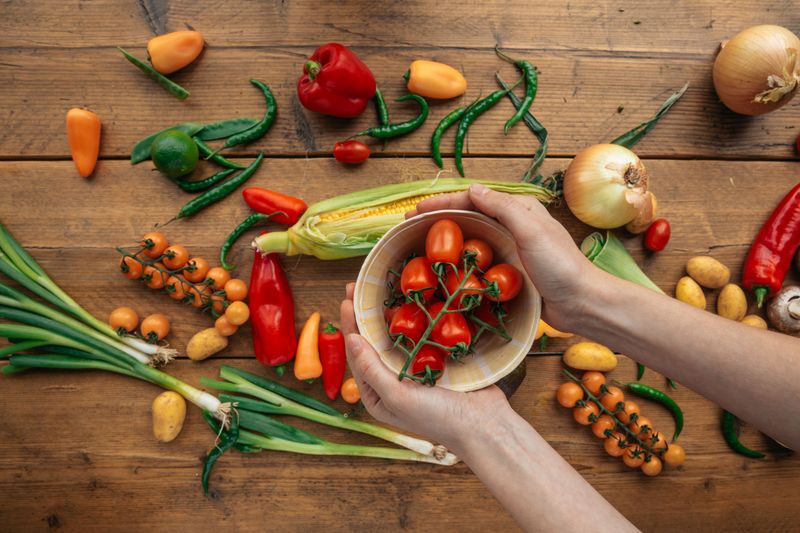
Not all plants absorb contaminants the same way. Some crops naturally take up far less lead than others, making them smarter choices when your soil results come back with elevated numbers.
Fruiting crops like tomatoes, peppers, squash, and cucumbers tend to store very little lead in the parts you actually eat. The fruit itself acts as a kind of natural barrier between soil and your plate.
Corn and beans are also considered lower-risk options for gardens with moderate contamination levels. These crops draw nutrients primarily from deeper soil zones where lead concentrations are often lower.
Root vegetables like carrots, beets, and radishes are a different story. They grow directly in the soil and can accumulate significantly higher concentrations of heavy metals in the edible portion.
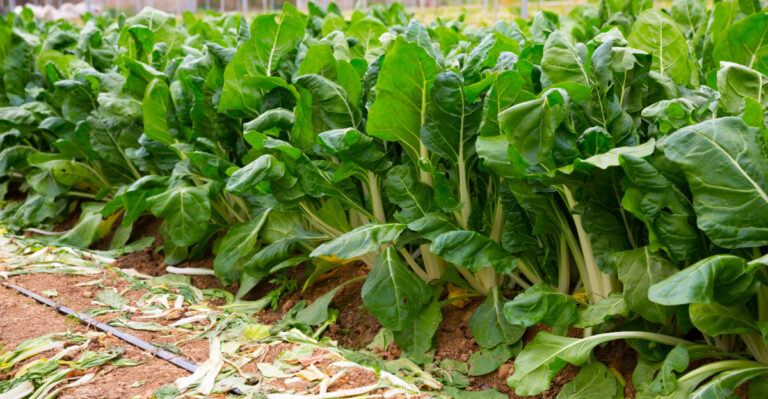
Leafy greens such as lettuce, spinach, and kale are also higher-risk because their leaves can collect contaminated dust and absorb metals through their root systems. Save these crops for your raised beds with clean imported soil.
Herbs like basil and parsley can also accumulate metals more readily than fruiting plants. Growing them in containers filled with certified clean potting mix is the smartest approach in any older urban yard.
Choosing the right crops for your specific situation is a practical way to stay safe while still enjoying a productive garden. The soil test Detroit gardeners take first makes every planting decision that follows far more confident and informed.