Why Waiting Until October To Cut Back Perennials In Oregon Was A Good Idea
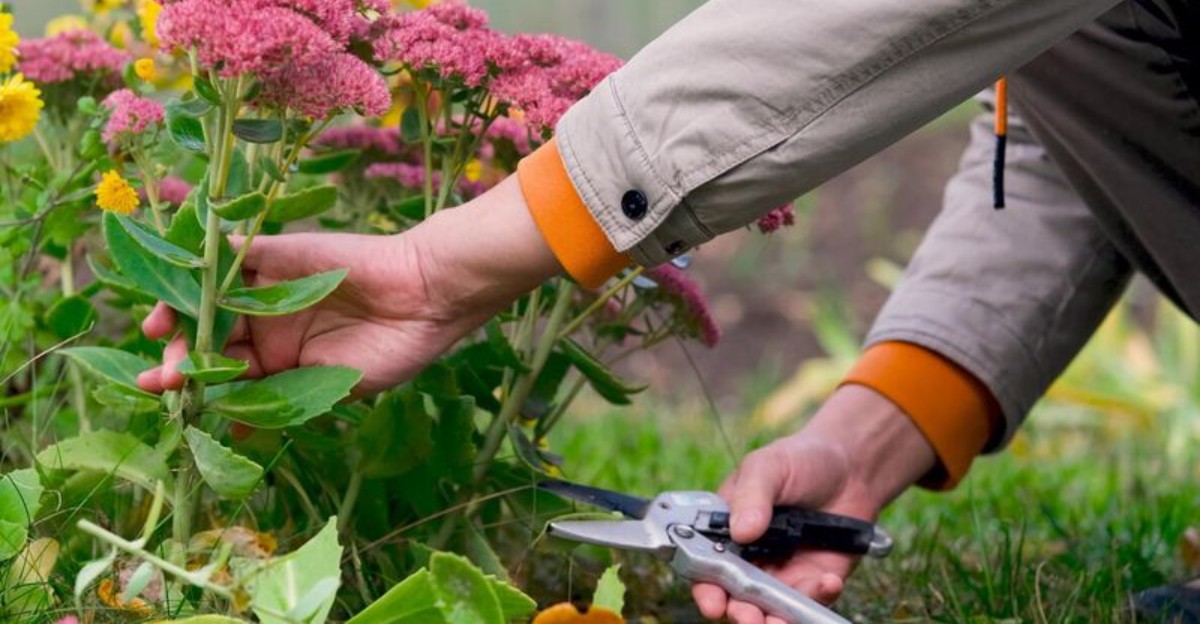
That urge to grab the pruners the moment your perennials start looking tired is one of the most universal feelings in gardening.
The flowers have faded, the beds look a little rough around the edges, and every instinct you have is telling you to tidy things up before the neighbors notice.
Completely understandable. Also, possibly premature.
Waiting until October to cut back perennials in an Oregon garden is one of those counterintuitive habits that pays off in ways most gardeners do not expect until they actually try it.
Better root energy going into winter, free food for migrating birds, cozy overwintering spots for beneficial insects, and a fall color show that keeps going long after you thought the season was done.
Patience in the garden is genuinely underrated, and October is about to prove it.
1. Oregon Roots Kept Soaking Up Energy Into Early Fall
Picture a plant as a tiny solar panel that keeps working long after the blooms fade. Leaves still catch sunlight in September, turning it into sugars for the roots.
When you cut those leaves too soon, you shut off the power supply early. The plant goes into its rest season with an emptier pantry, and spring growth can look weak or slow.
Western Oregon gives gardeners a gift here. Our autumns usually stay mild well into fall, so leaves can keep feeding roots for weeks longer than in colder states.
Waiting until October lets your coneflowers, daylilies, and hostas pack away every last bit of energy. Think of it like a bear eating extra berries before a long winter nap.
A simple test can guide you. If the foliage is still mostly green, the plant is still working, so let it be.
Once leaves turn yellow, brown, or mushy, most of the useful energy has already moved down below. Snipping at that point takes nothing away from next year’s show.
Gardeners who held off often notice thicker clumps and more flower stems the following summer. That bonus comes free, just for being a little patient with your pruners.
So the next time September tempts you, remember those quiet solar panels. A few more weeks of sunshine can mean a much stronger plant waiting under the soil come spring.
2. Hungry Birds Got A Seed Buffet
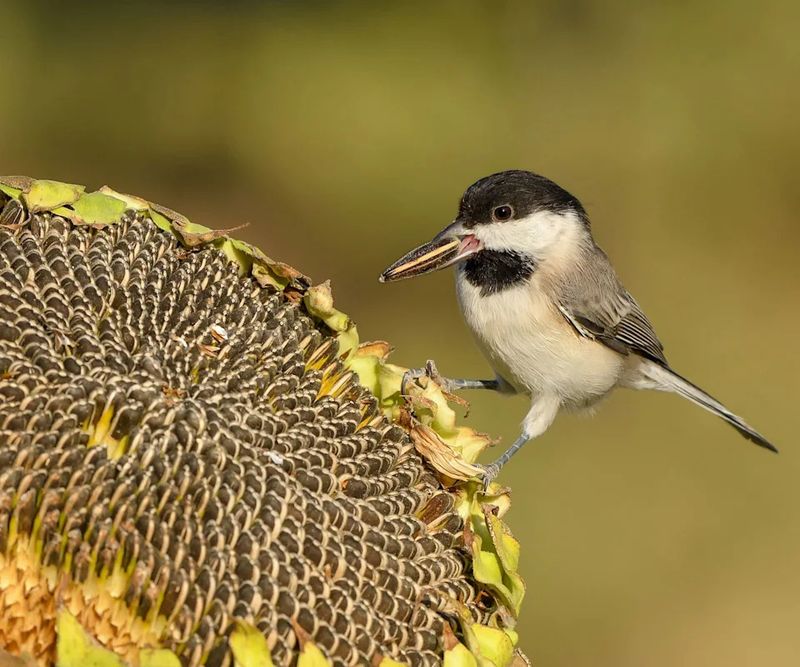
Goldfinches showed up in my yard one crisp morning like guests at a surprise party. They were hanging upside down on the coneflowers, picking out seeds one by one.
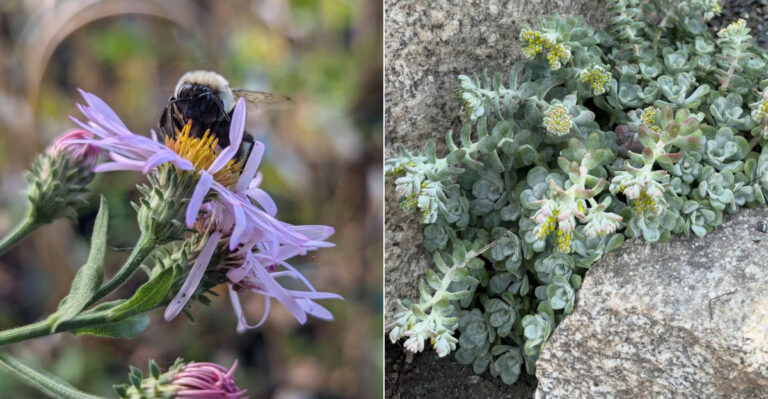
Those dry, brown flower heads that look messy to us are snack bars for birds. Black-eyed Susans, asters, and sunflowers hold seeds that juncos, sparrows, and chickadees love.
Across Oregon, fall migration brings extra visitors passing through. Leaving seed heads standing gives these travelers a quick meal before their long trip south.
You also get front-row seats to a free nature show. Kids especially enjoy spotting birds from the kitchen window and trying to name each one.
Here is a handy tip for balance. Cut back plants that tend to flop or look slimy, but leave sturdy seed heads standing as long as you can.
Your Oregon Garden Changes Every Week. Your Plan Should Too.
Gardening in Oregon changes quickly throughout the season. Every Friday you’ll receive a simple weekly plan showing exactly what to plant, prune, fertilize, harvest, and protect so you never miss the right timing.
Plants worth keeping up a while longer include:
Purple coneflower, rudbeckia, and ornamental grasses with feathery tops. Sedum Autumn Joy also holds its flower heads nicely.
Fun fact: American goldfinches nest later than most birds, often waiting for thistle and similar seeds to ripen. Late seed supplies matter a lot to them.
By October, many birds have already filled up and moved along. That makes it a natural point to start trimming without leaving your feathered friends with an empty table.
3. Helpful Bugs Found Cozy Homes In Oregon Gardens
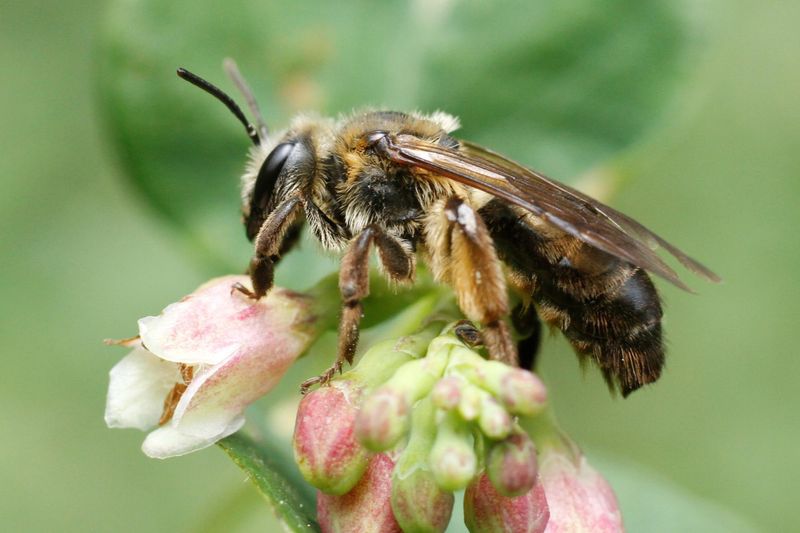
Not every bug in your garden is a villain. Plenty of tiny helpers, like ladybugs and native bees, work hard all season to keep pests in check and flowers pollinated.
When cool weather arrives, these allies need a safe spot to spend the colder months. Hollow stems, leaf piles, and plant crowns make perfect little shelters.
Many native bees, such as mason bees and small carpenter bees, tuck their young inside pithy stems. Cutting everything down in late summer can toss those future pollinators right into the yard waste bin.
Waiting gave these creatures time to settle in and find spots. It also let gardeners see which plants were buzzing with activity before making any cuts.
A smart trick is to leave stems at about 12 to 18 inches tall when you trim. Bees can nest in the cut tops next season, and new growth soon hides them.
You can also bundle cut stems loosely and tuck them in a quiet corner. A small brush pile works like a bug hotel without costing a cent.
Gardeners who try this often see fewer aphid problems the next spring. More good bugs means less need for sprays, which saves money and time.
Your garden becomes a small, living neighborhood. Every critter has a job, and you get to be the friendly landlord.
4. Fall Color Stretched Longer Across Oregon Yards
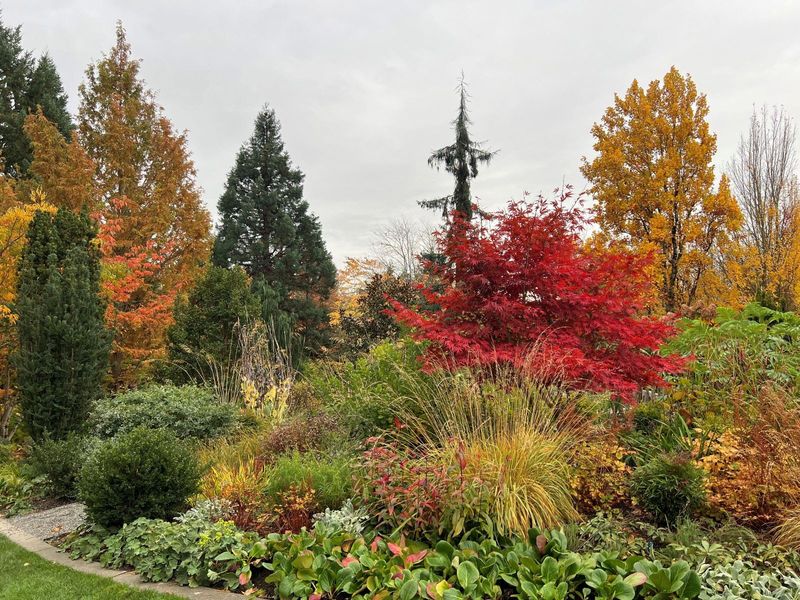
Some of the prettiest garden moments happen after the main flower show ends. Leaves blush red, grasses shine gold, and seed pods turn rich shades of copper.
Cutting back too early wipes out that whole second act. You end up staring at bare soil for months when you could be enjoying warm, cozy colors.
Oregon falls are famous for soft, drizzly light that makes autumn tones glow. Plants like hardy geranium, amsonia, and peony often show stunning foliage before they go dormant.
Holding off until October lets you enjoy that full color parade. It is a little like letting a movie play through the credits to catch the bonus scene.
Try walking your garden with a notebook in early fall. Jot down which plants look striking and which simply look tired.
Plants with great fall foliage worth keeping:
Amsonia turns bright butter yellow. Bergenia shifts to deep burgundy, and many ornamental grasses take on shades of wheat and rust.
Those notes help you plan future plantings for even better autumn interest. You might add a few more color stars after seeing which spots feel empty.
Neighbors walking by will notice, too. A yard full of glowing fall shades feels welcoming on gray days, and it adds cheer right when the season starts turning chilly.
5. Rains Softened The Soil For Easier Work
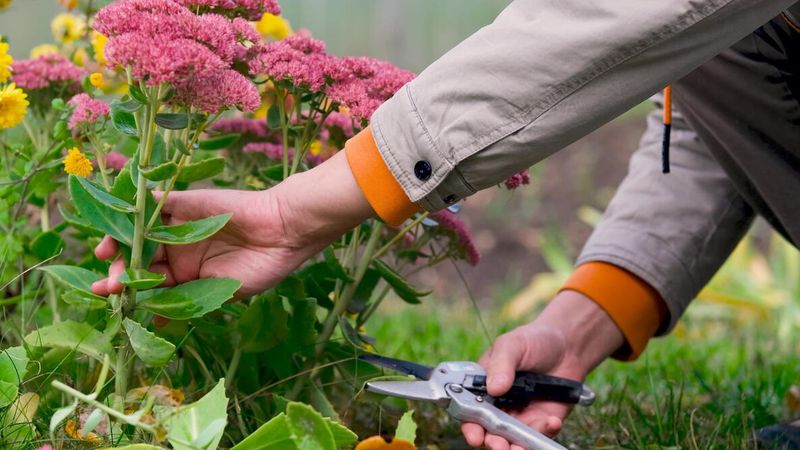
Anyone who has tried digging in August knows the struggle. The ground can feel like baked clay, and pulling weeds turns into a wrestling match.
By October, fall rains usually return to much of Oregon. Moist soil makes it far easier to cut, clean up, and even divide crowded clumps.
Weeds slide out roots and all when the dirt is damp. That means less regrowth and fewer annoying surprises next spring.
Dividing perennials also goes smoother after rain arrives. Daylilies, hostas, and Shasta daisies settle into new spots quickly when the ground is cool and wet.
A few tips make rainy-season work more pleasant:
Wear waterproof gloves and knee pads, and pick a dry afternoon between showers. Avoid stomping on very soggy beds, since heavy steps can pack the soil down.
Laying a board across the bed helps spread your weight. It protects soil structure while you reach the middle of wide plantings.
Cooler temperatures help you, too. Working in 55 degree weather beats sweating under a hot summer sun, and you can stay outside longer without feeling worn out.
Freshly divided plants get a full rainy season to grow new roots. Come spring, they wake up already settled and ready to bloom, which feels like getting a head start without extra effort.
6. Plant Crowns Stayed Protected Through Cold Snaps
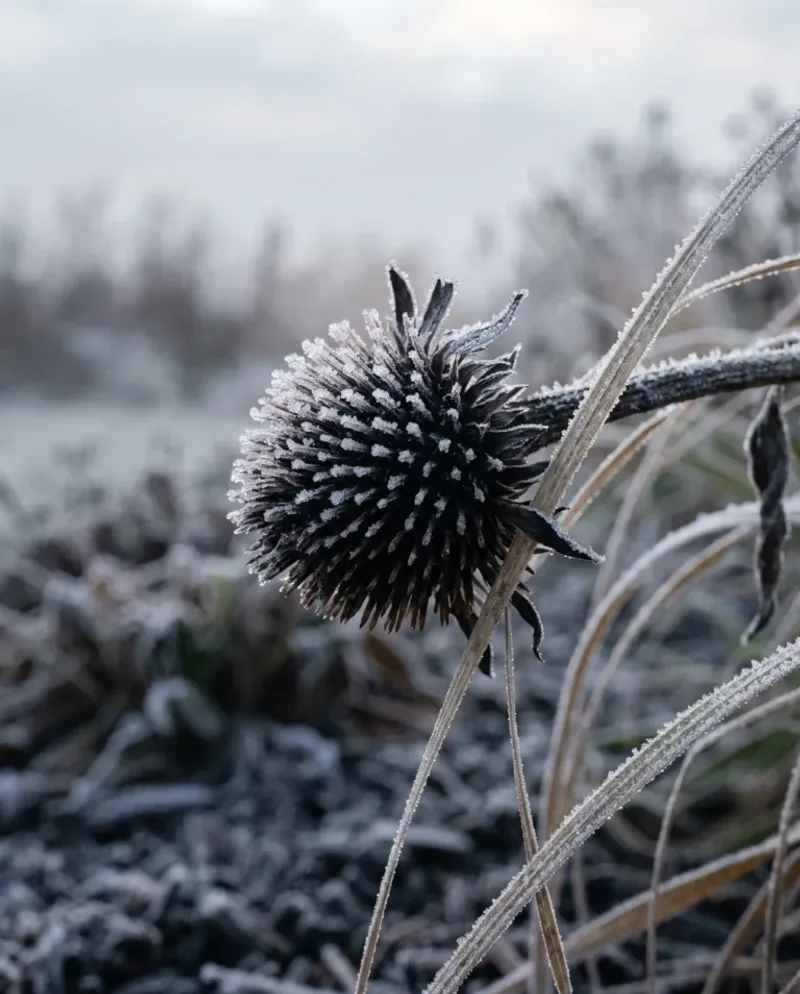
Ever notice how a cozy blanket feels best on the first chilly night? Plants appreciate a little cover, too, especially around their crowns where new growth starts.
The crown is the spot where stems meet roots. It holds the buds that will become next year’s leaves and flowers.
Leaving foliage in place until October gives that crown extra time under a natural layer. Old leaves catch fallen debris and help buffer sudden temperature drops.
Oregon can surprise gardeners with early frosts, especially east of the Cascades and in valley low spots. A sudden cold night after an early haircut can leave tender crowns exposed.
When you do trim in October, leave a couple of inches of stem above the crown. Those stubs help mark where plants live, so you do not accidentally dig into them later.
Adding mulch after cutting is a smart next step. Shredded leaves or compost spread two to three inches deep keep roots snug and soil temperatures steady.
Skip piling mulch right against the crown, though. Leave a small gap so air can move and moisture does not sit on the plant.
Gardeners who follow this routine often find fewer winter losses. Tough perennials like salvia and penstemon come back stronger when their crowns get that thoughtful bit of shelter.
7. Spotting Disease Got Easier Before Cleanup
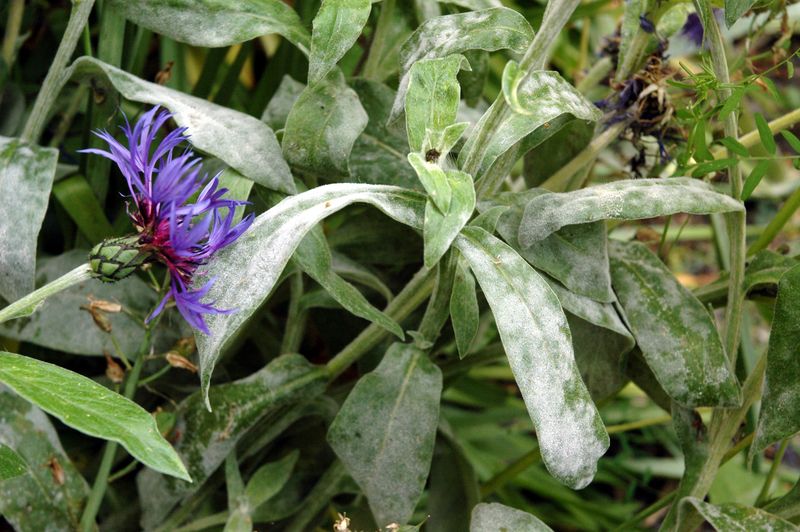
Here is a sneaky benefit most people miss. Late-season leaves act like a report card that shows how healthy your plants really were.
Powdery mildew, rust spots, and leaf blotches often show up most clearly in early fall. Oregon’s damp nights and mild days give fungal problems a chance to make themselves known.
Waiting until October let gardeners see which plants struggled. That information helps you decide what to remove carefully and what to move to a sunnier, airier spot.
Not all plant material should go in the compost. Leaves with mildew or rust are better bagged and sent out with yard waste, so spores do not hang around.
Quick cleanup checklist:
Inspect each plant before cutting, and wipe your pruner blades with rubbing alcohol between sick and healthy plants. Rake up fallen infected leaves, too.
Healthy stems can still stay up for birds and bugs. You get the best of both worlds by being picky instead of clearing every bed in one sweep.
Bee balm and garden phlox are famous for mildew trouble. If yours looked fuzzy and gray, consider trying more resistant varieties next year, such as Jeana phlox.
Paying attention now saves headaches later. A few smart cuts in fall can mean cleaner, greener leaves when summer rolls around again.
8. Self-Seeders Had Time To Spread Around Oregon Beds
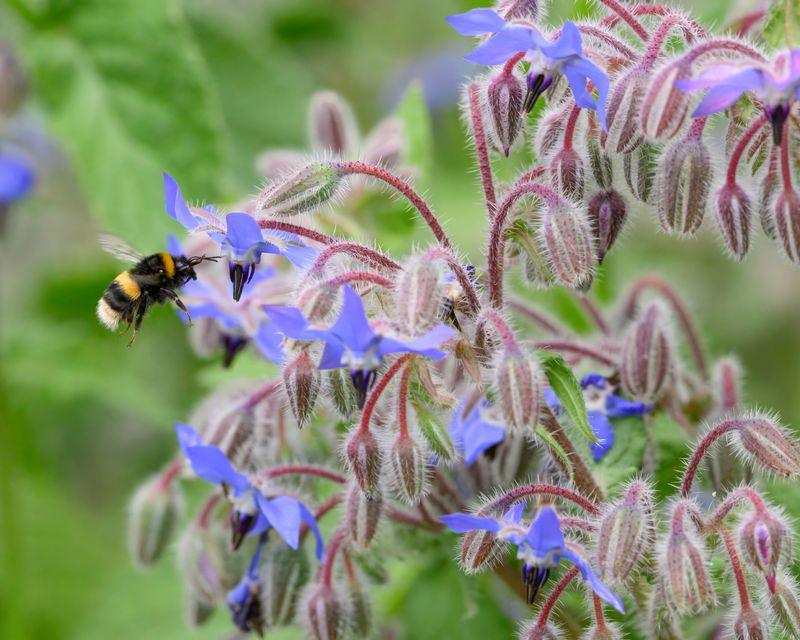
Free plants might be the best kind of garden gift. Columbine, foxglove, and black-eyed Susan happily sow their own babies if you give them a chance.
Those seeds need time to ripen fully on the stem. Cut too soon, and you lose next year’s volunteers before they ever hit the ground.
By October, most self-seeding perennials and biennials across the state have dropped their seeds. A gentle shake of the stems can scatter any leftovers right where you want them.
You can also play seed collector. Snip dry pods into a paper bag, label them, and store them in a cool, dry spot until spring.
Saving seeds is a fun project for kids and grandkids. They love cracking open pods and counting the tiny treasures inside.
Easy plants for seed saving:
Columbine, purple coneflower, hollyhock, and California poppy all produce plenty of seeds. Most grow well from simple scatter planting.
Did you know? A single foxglove plant can make many thousands of seeds in one season.
That explains how one plant can turn into a whole patch over a few years.
If you prefer fewer volunteers, trim seed heads on plants that spread too eagerly. Waiting lets you choose, so the garden fills in exactly the way you like.
9. Gardeners Enjoyed A Calmer Fall Workload
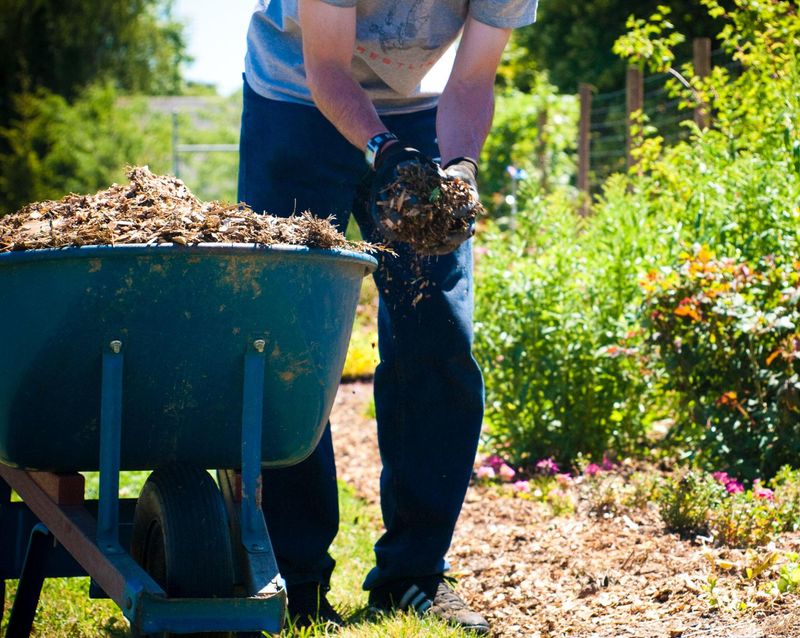
Rushing through fall chores can feel like cramming for a test. Spreading tasks out gives you breathing room and a lot more enjoyment.
September is often packed with harvesting tomatoes, back-to-school schedules, and last summer trips. Pushing perennial cleanup to October frees up that busy stretch.
Many Oregon gardeners find October simply feels right for this work. The air is crisp, the leaves are turning, and an afternoon outside feels refreshing instead of tiring.
Breaking the job into small chunks keeps it manageable. Tackle one bed each weekend rather than trying to finish the whole yard in a single exhausting day.
Try this simple plan:
Week one, trim floppy or diseased plants. Week two, divide crowded clumps, and week three, spread mulch and plant spring bulbs.
Planting tulips and daffodils pairs nicely with perennial cleanup. You are already kneeling in the beds, so tucking in a few bulbs takes only minutes more.
Bring along a wheelbarrow, sharp bypass pruners, and a sturdy kneeling pad. Good tools make the job faster and save your back from extra strain.
When you finish, take a slow walk around the yard. A garden tidied with care, not panic, sets a hopeful tone for winter and makes spring feel just around the corner.