These Oregon Native Plants Outperform Weed Fabric In Every Part Of The Garden
Weed fabric sounds like a shortcut, but Oregon gardens often prove otherwise. It can tear, shift, trap soil on top, and still leave you pulling unwanted sprouts through tiny openings.
Native plants offer a smarter kind of coverage. They grow with the seasons, protect bare soil, and bring real beauty while they work.
In rainy months, their roots help hold the ground in place. In dry months, the right natives can keep beds covered without constant fuss.
They also give your garden a softer look than fabric buried under bark. The best part is that they keep improving as they settle in.
A strong patch of native plants can fill gaps, cool the soil, and make it harder for weeds to find room. Choose plants that fit each spot, and your garden gets a living layer that does far more than fabric ever could.
1. Inside-Out Flower Fills Shady Gaps Better Than Fabric
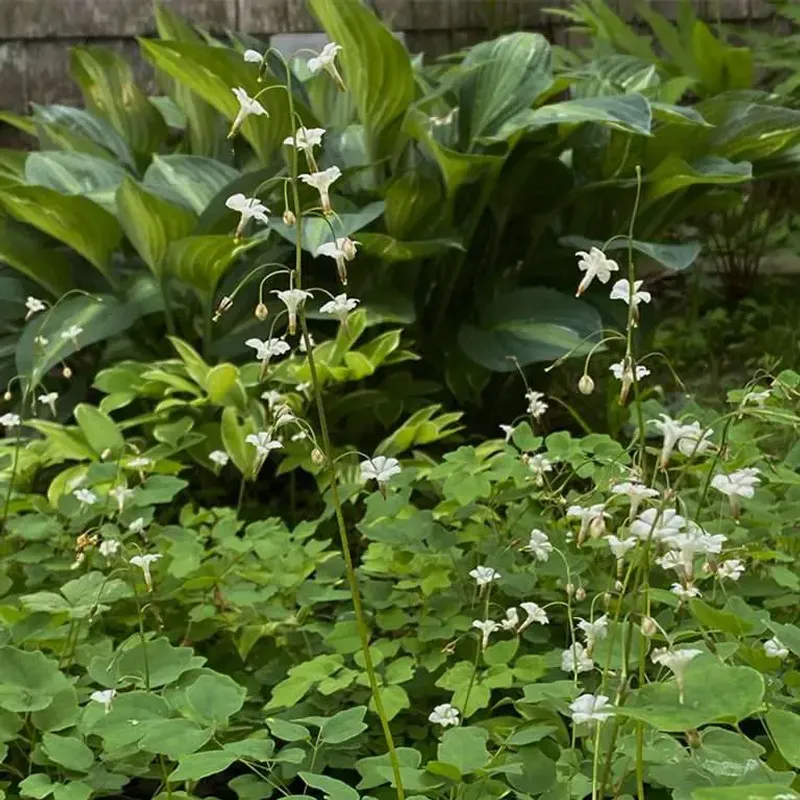
Few plants handle deep shade the way the inside-out flower does. Known by its botanical name Vancouveria hexandra, this low-growing native spreads steadily through shaded beds and fills in gaps that weed fabric never quite covers.
Its tiny white flowers flip backward like little umbrellas, which is exactly how it got its unusual name.
The leaves stay close to the ground and form a dense mat that blocks light from reaching weed seeds below.
Once established, it spreads through underground rhizomes and quietly takes over bare patches without any extra help from you.
It handles the dry shade under conifers, which is one of the hardest spots in any Pacific Northwest garden to manage.
Unlike weed fabric that traps heat and eventually breaks apart, this plant keeps soil cool and adds organic matter as older leaves break down naturally. It pairs beautifully with sword ferns and trilliums for a layered woodland look.
Give it a season to settle in, and it will reward you with thick, weed-suppressing coverage year after year. It grows best in well-drained, slightly acidic soil and does not need fertilizer to thrive.
Trim back any dead edges in early spring to encourage fresh new growth from the center outward.
2. Fringecup Turns Moist Shade Into Living Mulch
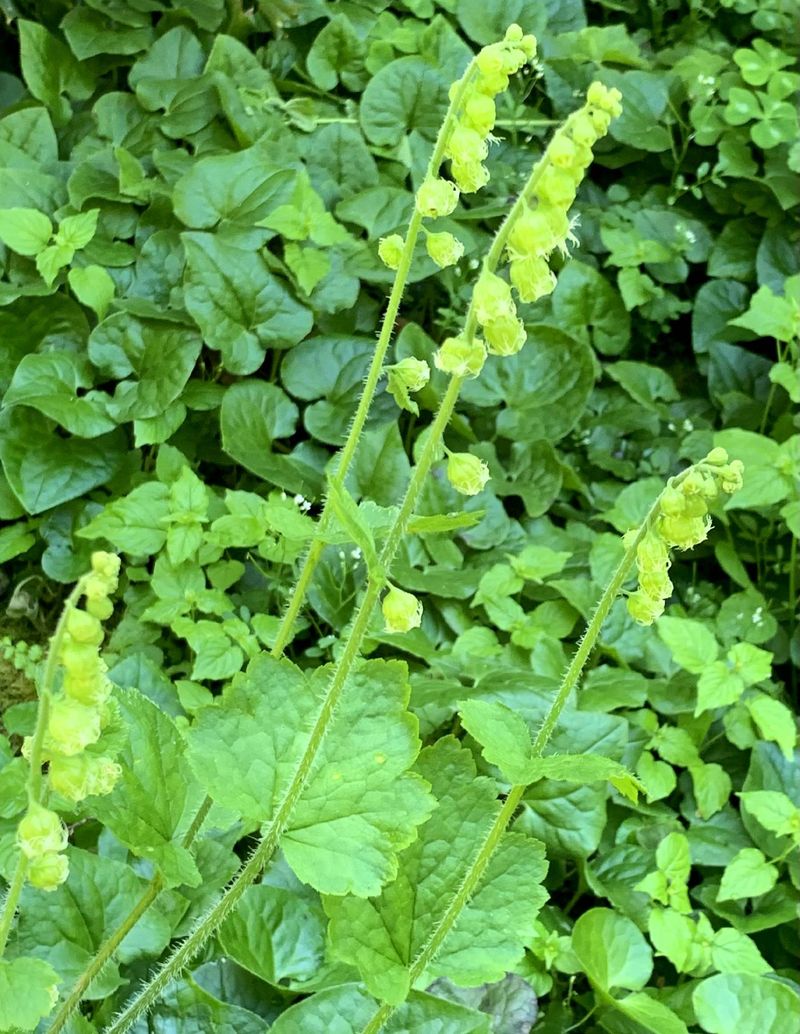
Moist, shady corners are the spots where weeds seem to move in overnight. Fringecup, or Tellima grandiflora, thrives in exactly those conditions and does it with style.
Its scalloped, heart-shaped leaves form a full, low rosette that covers soil completely and leaves no room for weed seeds to sprout.
What makes fringecup especially useful is how quickly it self-seeds. One plant becomes several within a couple of seasons, and before long, you have a lush carpet of foliage doing all the work for you.
The tall flower spikes rise up in spring with small, fringed blooms that pollinators absolutely love. It is both functional and genuinely beautiful.
Gardeners often use it along stream edges, beneath deciduous trees, and in rain garden borders where moisture collects.
The leaves stay semi-evergreen in mild winters, which means coverage does not disappear when the temperatures drop.
Your Oregon Garden Changes Every Week. Your Plan Should Too.
Gardening in Oregon changes quickly throughout the season. Every Friday you’ll receive a simple weekly plan showing exactly what to plant, prune, fertilize, harvest, and protect so you never miss the right timing.
Unlike a sheet of weed cloth that sits on top of the soil doing nothing for the ecosystem, fringecup feeds insects, shelters ground beetles, and builds healthy soil beneath it. Plant it in groups of three or five for the fastest coverage.
Water it during the first dry summer, and after that, it handles our wet winters and dry summers on its own with very little fuss.
3. Piggyback Plant Covers Damp Corners Where Weeds Sneak In
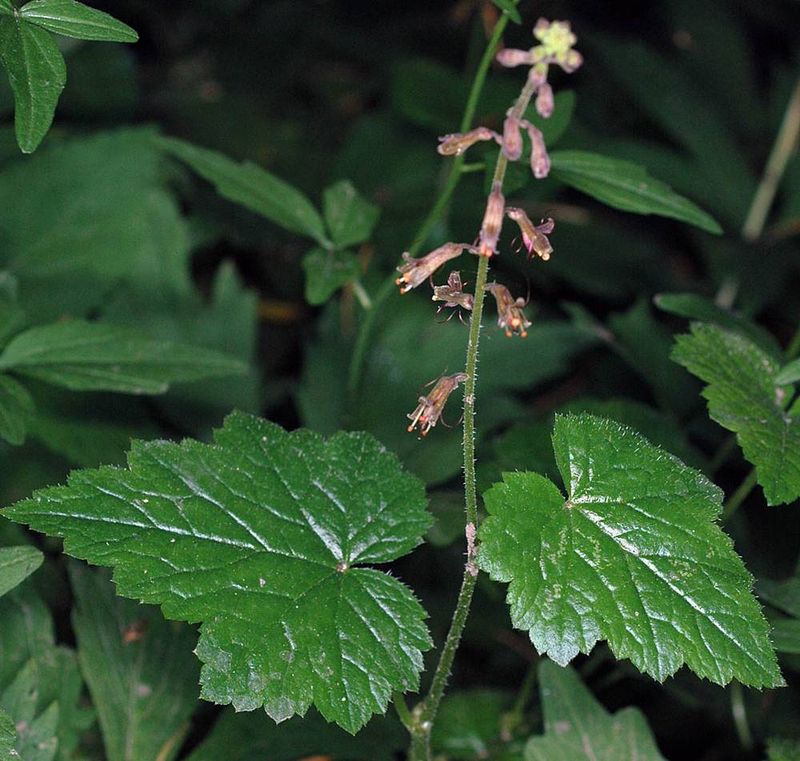
There is something wonderfully quirky about the piggyback plant. Tolmiea menziesii earns its name by growing tiny new plantlets right on top of its mature leaves, which is a trick very few plants can pull off.
That same reproductive energy makes it an outstanding ground cover for damp, shady spots where weeds love to creep in.
The leaves are large, textured, and hairy, forming a thick layer that shades the soil beneath completely. Weeds simply cannot compete with that kind of coverage.
It spreads both through those leaf plantlets and through underground stems, so it fills in corners and edges faster than most native alternatives.
It is especially effective along the north side of buildings, under dense shrubs, and beside downspouts where water collects.
One of the best things about this plant is how forgiving it is. It tolerates poor drainage, low light, and even occasional foot traffic without much complaint.
It also works well in containers, where the cascading leaves look genuinely beautiful. Did you know this plant is closely related to the coral bells sold in garden centers? It brings that same lush, layered look without needing to be babied.
Cut back any yellowing leaves in late winter, and the plant bounces back quickly with a fresh flush of growth that keeps weed pressure at bay all season long.
4. Self-Heal Spreads Through Thin Lawn Spots Naturally
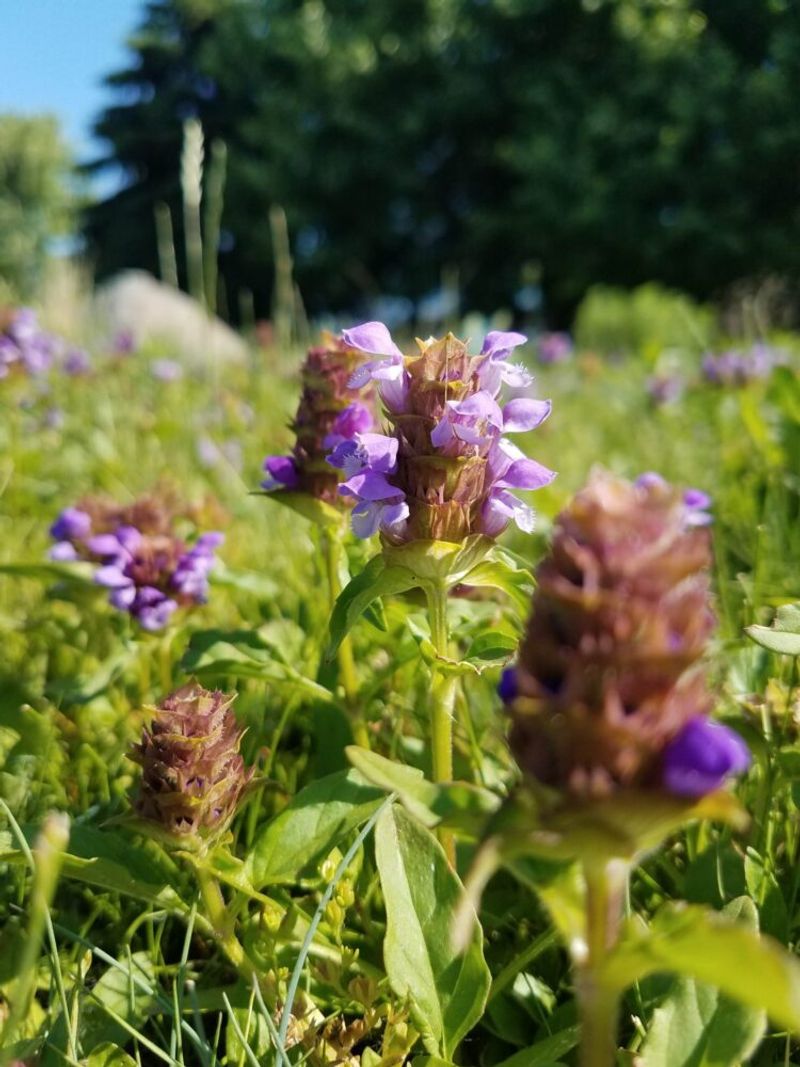
Thin lawn spots are frustrating. Grass thins out, weeds move in, and no amount of reseeding seems to stick.
Self-heal offers a smarter solution by filling gaps with a low-growing native that handles foot traffic and blooms with small purple flowers that bees genuinely appreciate.
It spreads through both seeds and creeping stems, which means it naturally fills bare patches without any help from you.
It stays low enough to blend into a lawn setting, and many gardeners actually embrace it as part of a mixed native lawn rather than treating it like a problem.
The result is a patchwork of green that holds together far better than bare soil or struggling grass ever could.
Self-heal tolerates compacted soil, light shade, and dry spells once established. It is especially useful on slopes where erosion opens up bare ground for weed seeds to land.
Unlike weed fabric, which does nothing for soil health, this plant adds organic matter and supports ground-nesting insects.
Some herbalists still use it for its traditional medicinal properties, which is a fun piece of plant history to share with curious garden visitors.
Mow it occasionally to keep it tidy, or let it bloom freely for a wildflower lawn effect that looks intentional and colorful from late spring through early summer.
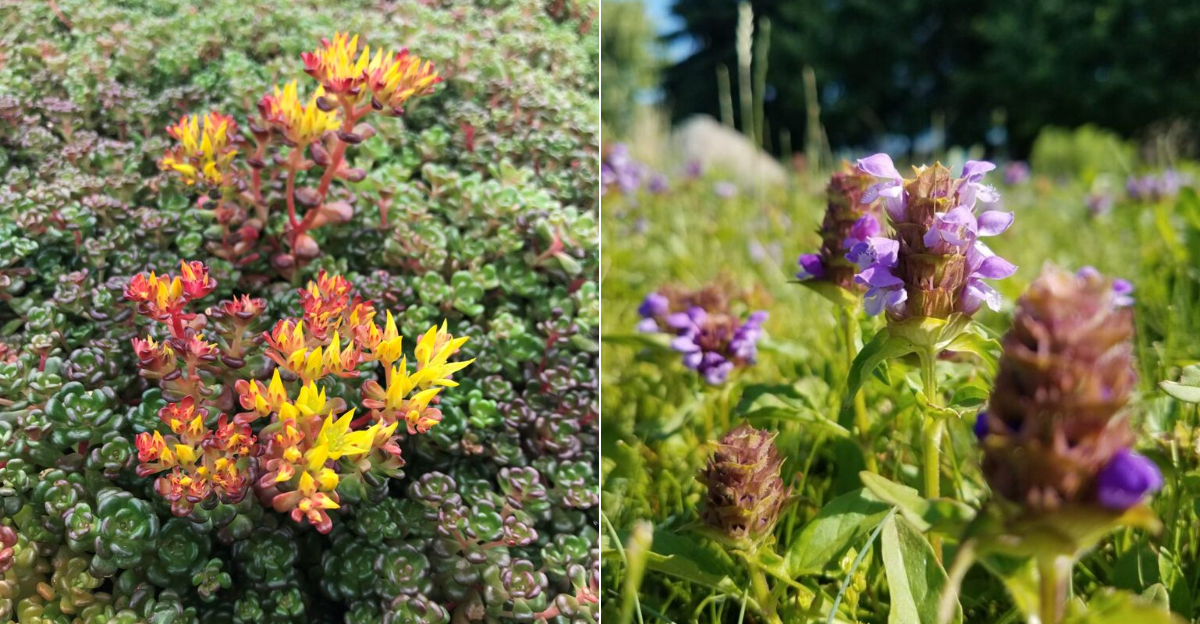
5. Oregon Stonecrop Handles Hot Edges Without Bare Soil
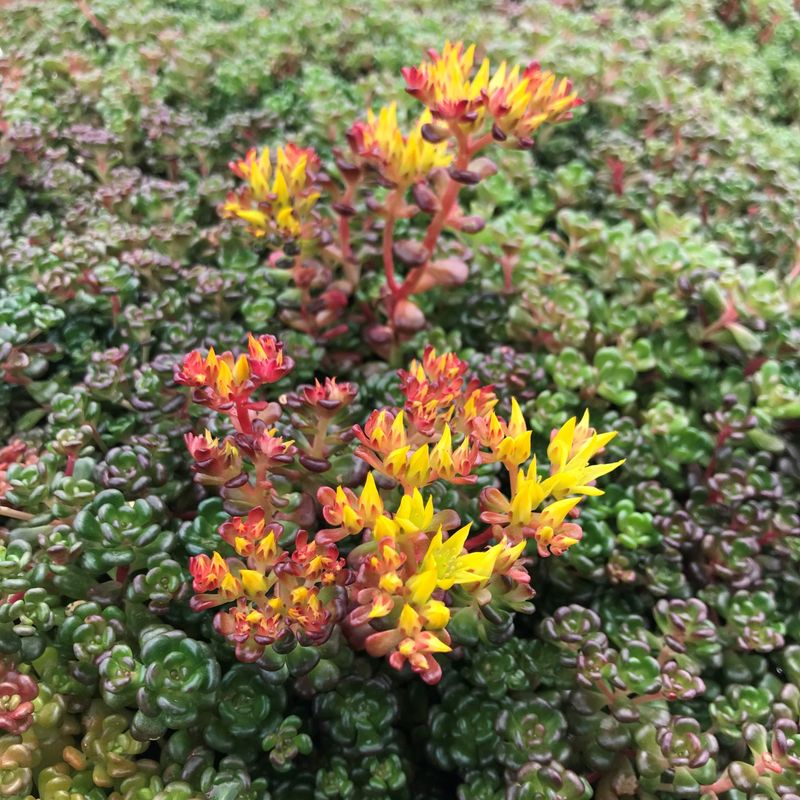
Hot, dry garden edges along driveways, pathways, and south-facing slopes are some of the toughest spots to keep weed-free. Weed fabric bakes under the sun, lifts at the edges, and eventually looks terrible.
Oregon stonecrop, or Sedum oreganum, was practically made for these conditions and handles them without breaking a sweat.
The fleshy, succulent leaves store water, which means this plant shrugs off summer drought like it is nothing.
It spreads slowly but steadily into a dense, low mat that covers rocky or sandy soil completely.
The leaves turn red in full sun and during dry periods, giving the planting a warm, colorful look that no fabric can replicate. Yellow star-shaped flowers appear in summer and attract small native bees.
It roots easily from stem cuttings, so you can start with a small plug and propagate your own supply to cover larger areas for almost no cost.
Tuck it between stepping stones, along retaining wall tops, or at the base of a sunny fence where nothing else seems to want to grow.
It pairs well with other dry-loving natives like camas and blue-eyed grass for a layered, low-water border. This is a plant that genuinely thrives on neglect.
The less you water it after the first season, the better it performs, and the more aggressively it fills in bare edges that would otherwise invite weeds.
6. Yarrow Makes Sunny Beds Look Full Instead Of Weedy
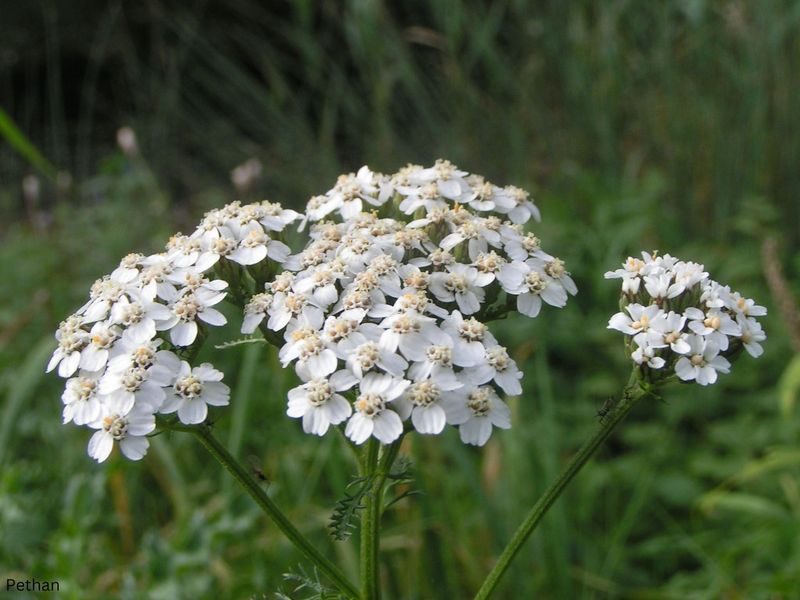
A sunny bed without enough plants is basically a weed invitation. Yarrow, or Achillea millefolium, understands this and responds by spreading enthusiastically through underground runners until every bare patch is covered.
The feathery, fern-like foliage is dense enough to shade out weed seedlings before they get a foothold. Native to this region, yarrow thrives in full sun and dry to medium soils.
It blooms with flat-topped clusters of white flowers, and those flowers are magnets for beneficial insects including predatory wasps that help control garden pests.
Deadhead spent blooms to encourage a second flush, or leave them for birds to enjoy in fall and winter.
One of the most practical things about yarrow is how little it asks for. No irrigation after the first season, no fertilizer, and no special soil preparation beyond basic loosening.
It grows in clay, sandy loam, and rocky ground without complaint. The roots go deep, which helps break up compacted soil over time and improves drainage in areas where water used to pool.
Divide clumps every few years to keep growth vigorous and spread coverage to new areas. Compared to weed fabric that needs to be replaced and always looks artificial, yarrow creates a living, breathing planting that gets better every single year.
It is one of the most hardworking plants available for sunny borders in the Pacific Northwest.
7. Roemer’s Fescue Covers Dry Ground With Native Texture
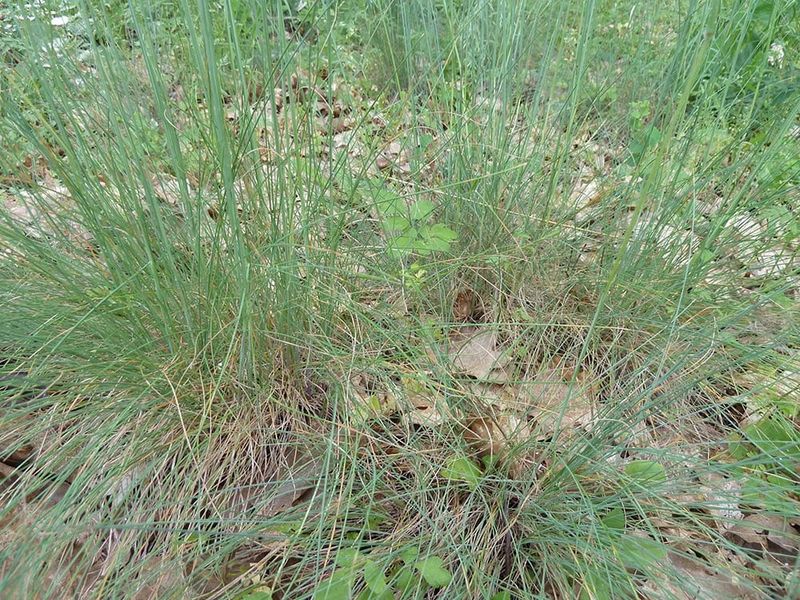
Dry slopes and open sunny areas are notoriously hard to keep weed-free. Roemer’s fescue, or Festuca roemeri, is the native bunchgrass that was designed for exactly those conditions.
It grows in tight, tufted clumps with fine, arching blades that give any planting a soft, natural texture that no weed fabric can imitate.
Unlike invasive fescues that spread aggressively, this native species stays in well-behaved clumps that slowly expand at the edges.
Plant them close together and they form a continuous, weed-suppressing layer across dry ground.
The deep roots hold soil on slopes and prevent erosion, which is something fabric never truly accomplishes.
It handles summer drought without irrigation once established, making it a genuinely low-maintenance option.
This grass is also historically significant. It was a staple food source and habitat plant for native wildlife long before European settlement.
Today, it supports seed-eating birds, shelters small ground insects, and adds movement to the garden on windy days. The seed heads turn golden in late summer and look striking against darker shrubs or stones.
Use it in naturalistic plantings, along pathways, or on dry banks where keeping things green through summer feels impossible. Pair it with camas bulbs or blue wild rye for a layered native meadow effect.
Mow or burn it back every few years to refresh growth and maintain its compact, tidy clumping habit.
8. Deer Fern Adds Evergreen Cover In Shady Garden Corners
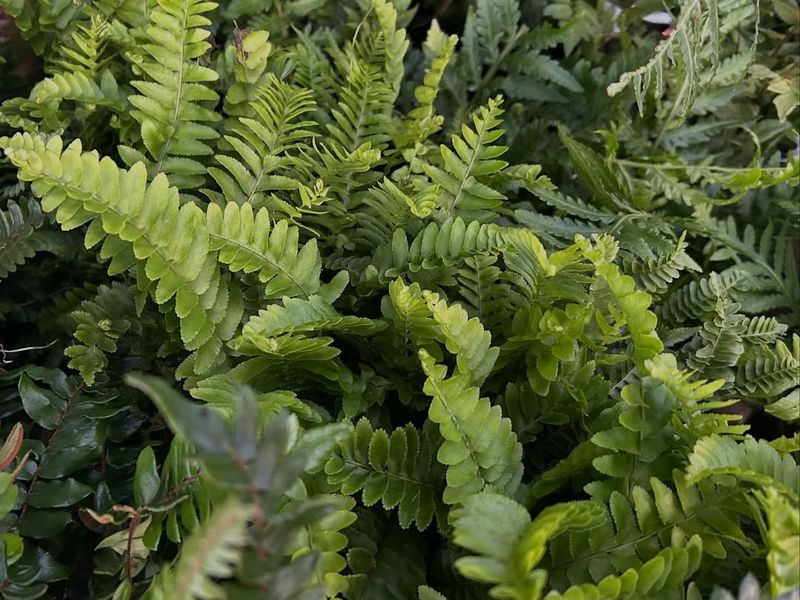
Dark, shady corners are often the most neglected parts of a garden. Weed fabric rots faster in those damp spots, and bare soil just grows moss and weeds.
Deer fern, or Blechnum spicant, thrives in exactly those conditions and stays green and lush through every season, including cold, wet winters when most other plants go dormant.
The sterile fronds lie flat and spread outward in a rosette pattern that covers ground thoroughly.
Taller fertile fronds rise up from the center with a different, more upright shape, giving the plant a two-tiered look that adds real visual interest to shady corners.
It is one of the few ferns that holds its color and texture even in deep shade beneath dense conifers.
Deer fern is slow to establish, so patience pays off with this one. Give it rich, moist, acidic soil and a little extra water during the first dry summer, and it will reward you with decades of reliable coverage.
Once settled in, it needs almost nothing from you. It pairs beautifully with oxalis, trillium, and vanilla leaf for a true woodland floor planting.
Wildlife benefits too, since the fronds provide shelter for small amphibians and ground-dwelling insects.
Compared to weed, deer fern genuinely improves with age and creates a corner of your garden that feels wild, intentional, and completely alive.
9. Oregon Sunshine Beats Fabric In Dry, Sunny Borders
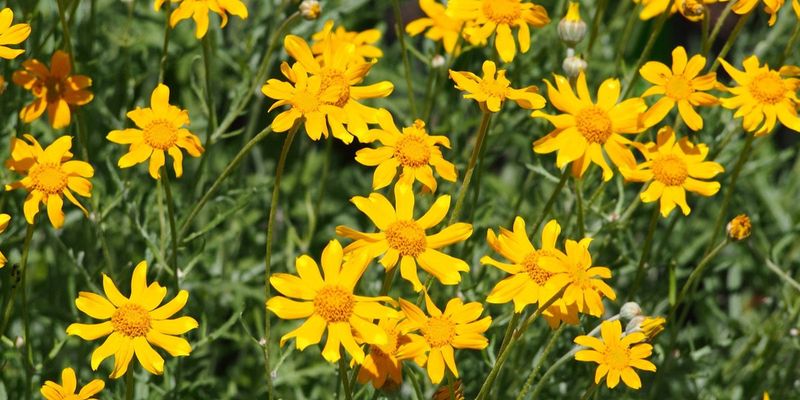
Bright yellow flowers, silver-gray foliage, and zero need for irrigation after the first season make Oregon sunshine one of the most cheerful solutions for dry, sunny borders.
Known botanically as Eriophyllum lanatum, this low-growing native blooms heavily from late spring into summer and spreads into a soft, woolly mat that leaves no bare soil.
The silver leaves reflect heat and resist drought by slowing water loss, which is exactly what a plant needs to survive on a hot, south-facing border. The dense foliage crowds out annual weeds effectively, and the roots hold sandy or rocky soil in place on slopes.
No weed fabric needed, and no mulch required either, since the plant itself acts as a living barrier against weed seeds.
Pollinators are wild about the flowers. Native bees, butterflies, and even small beetles visit the blooms regularly throughout the season.
After flowering, cut the stems back lightly to encourage a second round of blooms and keep the mound looking tidy.
It pairs naturally with stonecrop, penstemon, and native grasses for a dry meadow border that looks full and colorful all season.
This plant is also incredibly easy to grow from seed, which makes it affordable to cover large areas without spending a lot of money.
For gardeners frustrated with bare soil, weedy edges, and failing weed cloth, Oregon sunshine is one of the most satisfying replacements you will ever plant.