Georgia Arborists Usually Leave Fresh Pruning Cuts Unsealed For This Reason
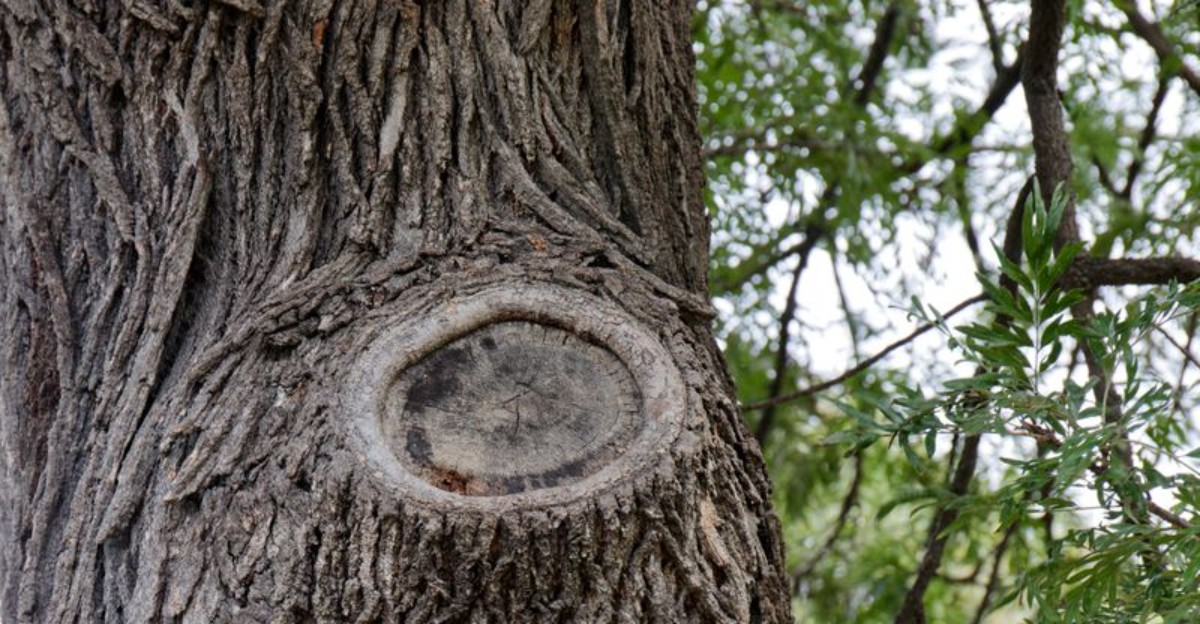
Painting a fresh pruning cut with black sealer can feel like the responsible thing to do after removing a big limb.
It looks like a bandage, and the cans at the store are clearly marketed for that purpose. Many tree professionals, however, skip that step when they finish a cut.
That choice has nothing to do with saving time or money on the job.
It comes from how trees respond to wounds, which works differently than healing in people. In Georgia, where humid weather lingers well into fall, that difference can matter even more.
Covering a cut can sometimes interfere with that natural process instead of helping it.
Look closely at the next limb you plan to remove, because where you cut matters more than what you put on it.
1. Skipping The Black Tar Spray Is A Deliberate Choice
That can of black spray at the hardware store looks like it should help. Most trained arborists in Georgia walk right past it, and they have solid reasons for doing so.
Wound dressings were once a standard part of tree work across the country.
Over time, tree care experts looked more closely at how trees respond to cuts. They found that coatings did not reliably stop decay and sometimes seemed to slow normal wound closure.
Groups like the International Society of Arboriculture now advise against routine sealing in most cases.
So when a crew leaves a bare cut on your maple, they are following current professional guidance. It is not a shortcut or a sign of lazy work.
You can still ask questions if something looks odd after a job. A good arborist should happily explain why a particular cut was handled the way it was.
Price matters too, since skipping unneeded products keeps small jobs a little cheaper for homeowners.
There are a few exceptions, which come up later in this list. Oaks pruned during certain warm months may call for a light coating, for example.
For everyday pruning on healthy trees, though, the bare cut is usually the smarter pick, and your tree has more ability to handle it than you might expect.
2. Trees Naturally Compartmentalize Damage After A Branch Is Removed
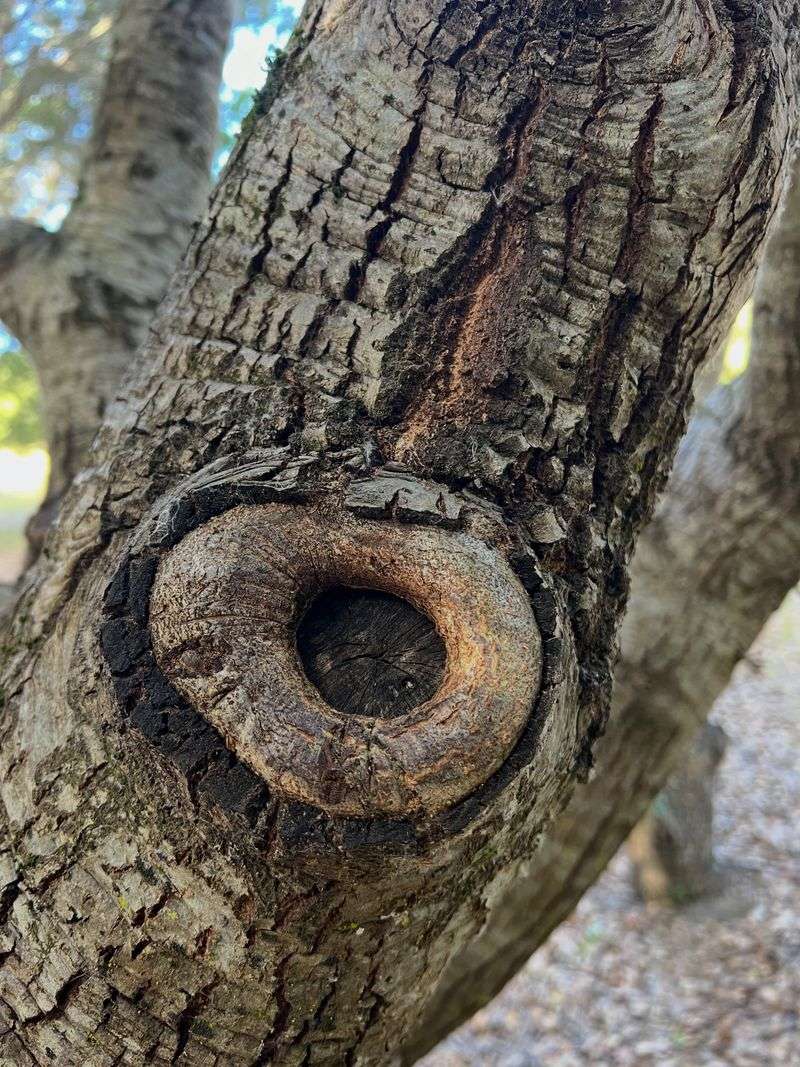
Trees cannot heal like skin does. Instead, they seal off injured wood and grow new tissue around it, a process tree experts call compartmentalization.
Picture a ship closing doors between rooms to keep water from spreading.
When a branch comes off, the tree builds chemical and physical walls inside its wood. Those barriers help slow fungi and bacteria from moving deeper into healthy tissue.
Meanwhile, a ring of new growth called callus or woundwood starts forming at the edge of the cut.
Out in a Georgia landscape, you might see that ring as a raised, rounded lip around an older pruning wound. Over several seasons, it can roll inward and slowly cover the exposed area.
Speed depends on species, tree age, wound size, and overall vigor.
A young, healthy red maple may close a small cut fairly quickly. An older or stressed tree can take much longer, and large wounds may not close fully at all.
Your Georgia Garden Changes Every Week. Your Plan Should Too.
Gardening in Georgia changes quickly throughout the season. Every Friday you’ll receive a simple weekly plan showing exactly what to plant, prune, fertilize, harvest, and protect so you never miss the right timing.
Knowing this changes how you think about pruning. Your job is mainly to support the tree’s own defenses rather than replace them.
Watering during dry spells and avoiding soil compaction around the roots can help a tree keep enough energy for that walling-off work.
3. Fresh Pruning Cuts Need Air Rather Than A Heavy Coating
Moisture trapped under a thick layer can be a problem. Heavy paints and tars may crack over time, letting water slip underneath and stay there.
Damp, dark spots like that can give decay fungi a comfortable place to grow.
An open cut, on the other hand, usually dries out on its surface fairly soon after pruning. That drier outer layer is often less inviting to many wood-rotting organisms.
Summer in Georgia brings plenty of humidity and frequent afternoon storms.
Under those conditions, anything that holds water against wood deserves a second thought. Letting air reach the wound helps it stay drier between rains.
Coatings can also hide what is happening underneath. If rot does begin, you might not notice until the problem has grown.
Bare wood lets you check progress easily from season to season.
Try snapping a quick phone photo of a fresh cut right after pruning. Comparing it with a photo a year later is a simple way to see whether woundwood is forming.
Of course, air alone will not save a poorly made cut. Exposure works best alongside correct placement and a tree that is already in decent health.
4. Routine Wound Sealers Offer Little Protection Against Decay
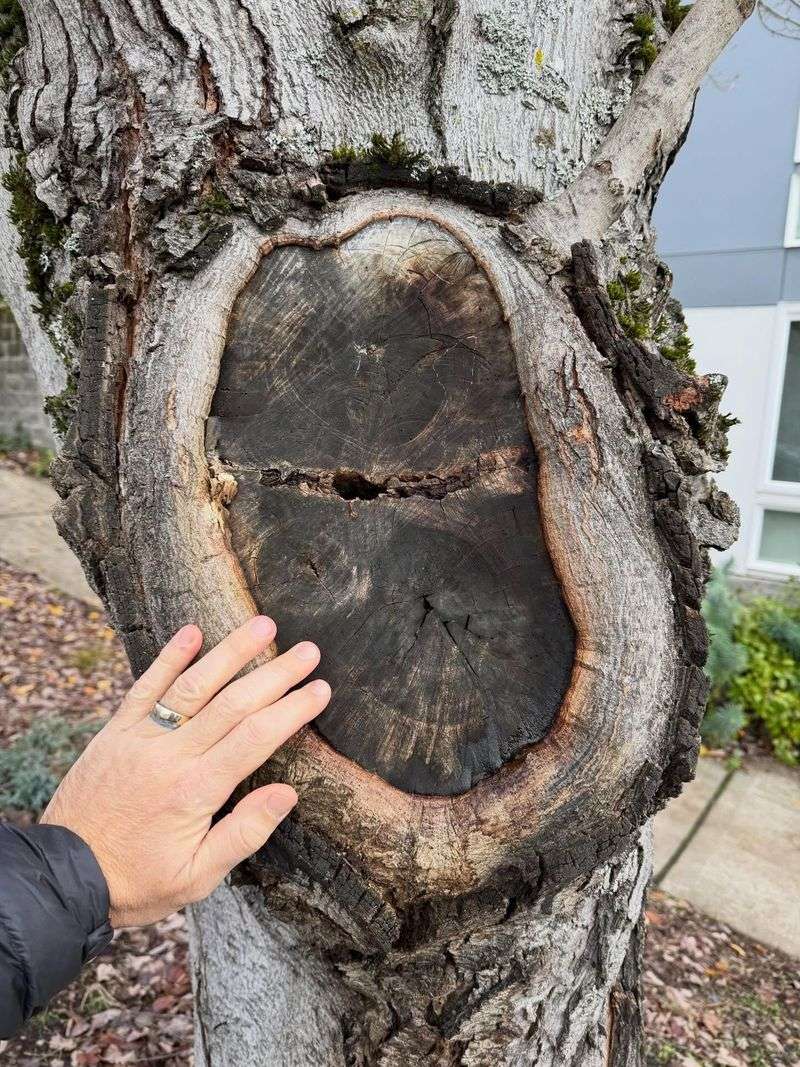
Ask an experienced tree worker about old painted wounds, and you may hear a few stories. Peeling black patches with soft wood beneath are a fairly common sight on older trees.
Sealers were meant to block rot, yet decay often showed up anyway.
Part of the reason is timing. Fungal spores can land on a cut within moments, well before anyone opens a can of dressing.
Once spores are sealed in, the coating does nothing to remove them. It may even shelter them from sun and drying air.
Another issue is wear. Over months of heat and rain, coatings can split, giving moisture a path inside.
Older trees around Georgia neighborhoods sometimes show exactly this pattern on limbs painted decades ago.
Some products also contain petroleum compounds that may irritate living tissue at the edge of the wound. Effects vary by product, so reading labels carefully is a smart habit.
None of this means every sealed tree will rot. It simply suggests the coating is not the reliable shield people once believed it was.
If you want real protection, focus on what the tree controls, like vigor, good cut angles, and pruning during favorable seasons.
5. Proper Cut Placement Matters More Than Covering The Wound
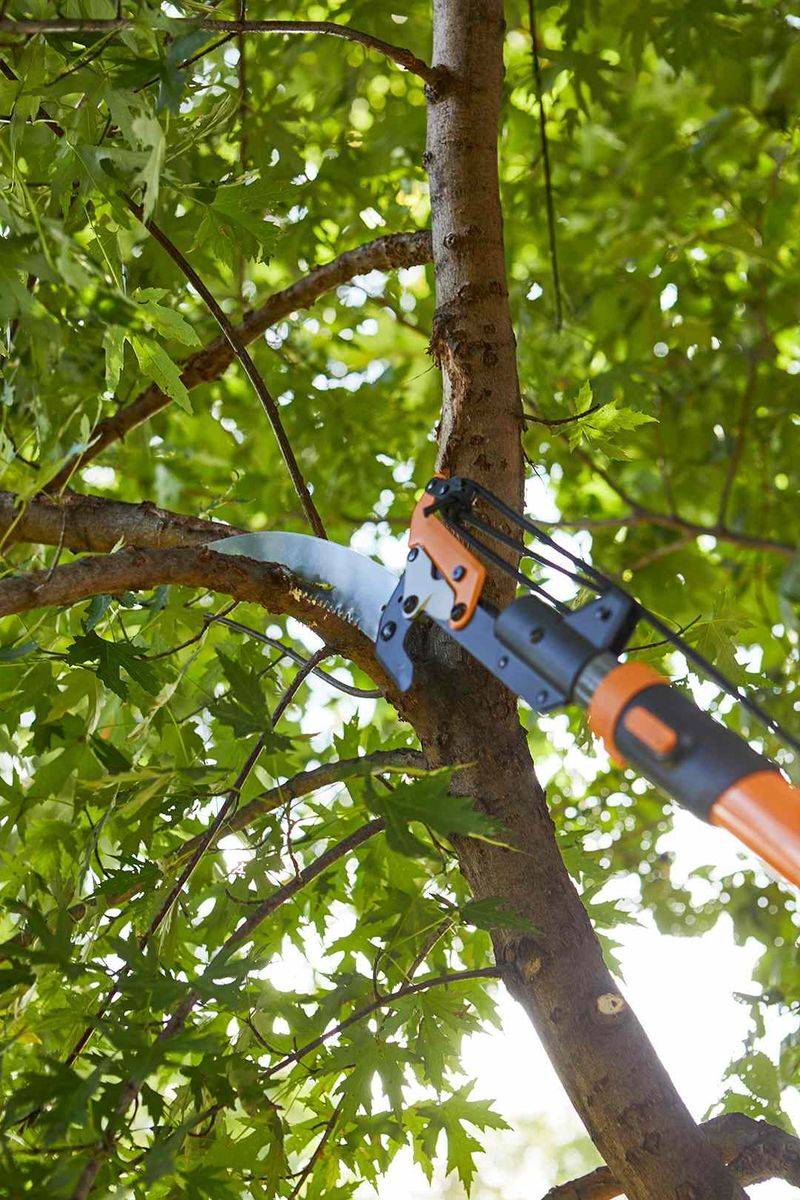
Where you cut makes a bigger difference than any product. A cut placed just outside the branch collar gives the tree its best chance at closing the wound.
Look for the slightly swollen ring where a branch meets the trunk.
That collar holds tissue that helps form the protective barrier after pruning. Cutting into it, often called a flush cut, can create a larger wound and weaken those natural defenses.
Leaving a long stub causes trouble too.
Stubs often cannot be covered by new growth, so they may decay and become an entry point. A clean cut close to, but not into, the collar is the usual target.
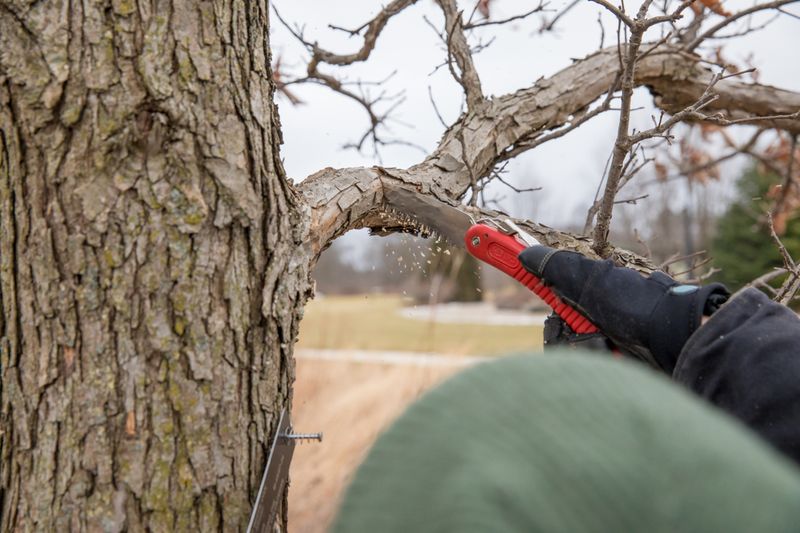
On heavier limbs, arborists typically use the three-cut method to stop bark from tearing. An undercut comes first, then a top cut farther out, and finally the clean finishing cut.
Plenty of Georgia homeowners skip that first undercut and end up with a long strip of ripped bark.
Sharp tools matter as well. Dull saws and pruners crush tissue rather than slicing it cleanly.
For big limbs or anything near power lines, calling a certified arborist is the safer move, both for you and the tree.
6. Damaged Bark Calls For A Different Approach Than Normal Pruning
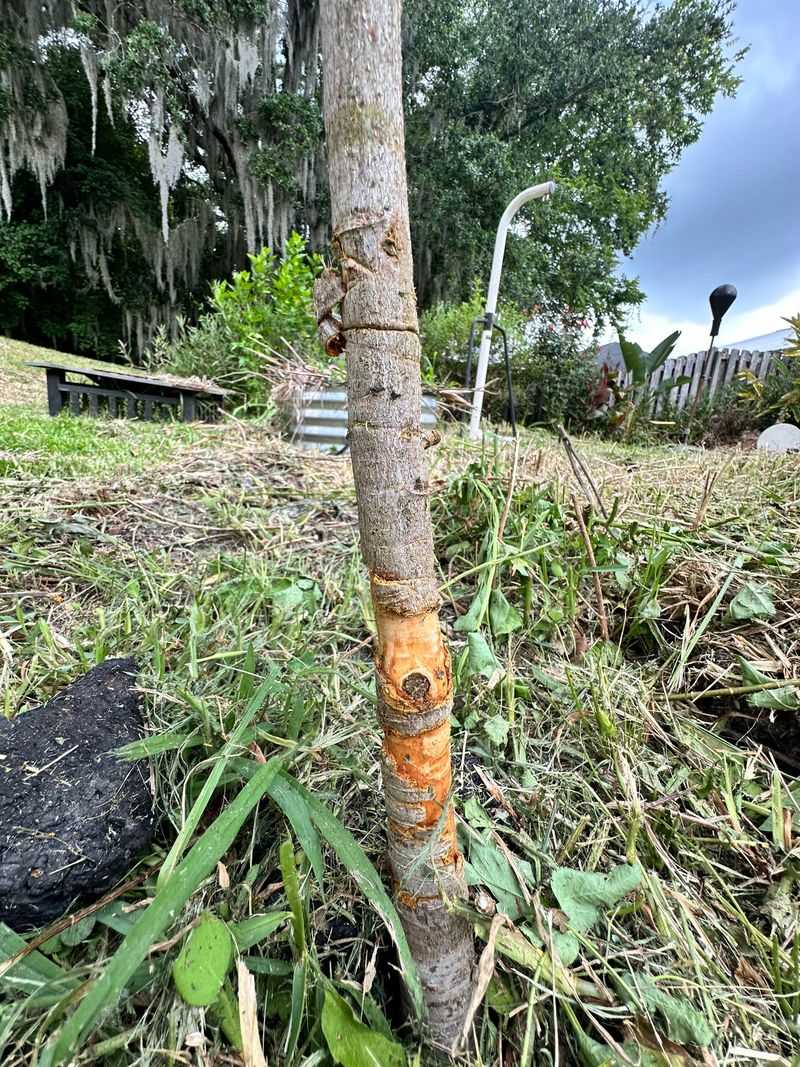
A mower strike is not the same as a planned cut. Torn, ragged bark leaves loose edges and pockets where water and pests can settle.
Gently trimming away loose, hanging bark with a clean, sharp knife can help.
Aim to smooth the ragged edges without cutting into healthy, firmly attached bark. Removing too much can widen the injury and set the tree back further.
Freshly torn bark can sometimes be pressed back into place if you catch it right away. Results vary, so watch the spot over the following weeks.
Oaks need extra care in Georgia because oak wilt has been found in parts of the state.
Fresh wounds on oaks can attract sap beetles that may carry the oak wilt fungus. In that case, many experts suggest a thin coat of latex paint soon after injury, especially in spring and early summer.
That situation is one of the few where a light covering makes sense.
Prevention beats repair every time. A ring of mulch around the trunk, kept a few inches from the bark, keeps mowers and string trimmers at a safer distance.
If the damage wraps around much of the trunk, have an arborist take a look before deciding on next steps.
7. Clean Cuts Are Usually Better Left To Close On Their Own
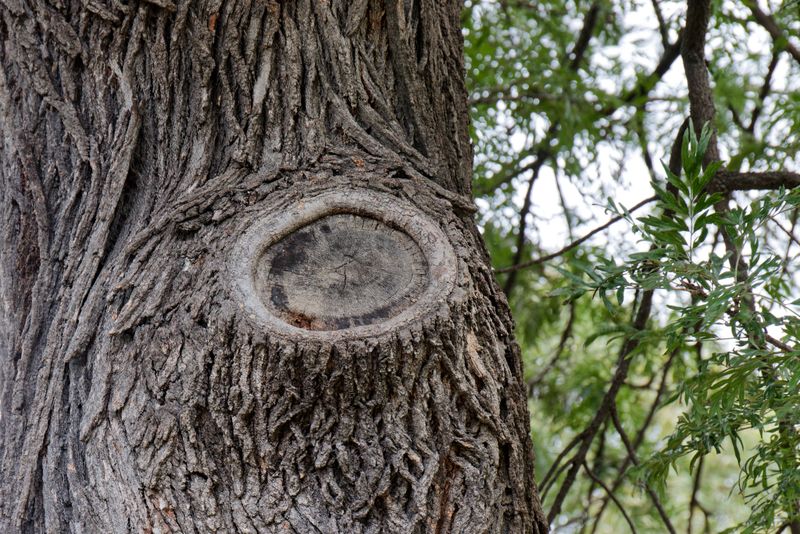
Patience is often the best tool after pruning. A well-placed, clean cut on a healthy tree generally needs nothing more than time.
Over a few growing seasons, you may watch a smooth ring of new wood creep inward.
Small cuts tend to close faster than big ones. That is one good reason to prune branches while they are still young and thin.
Timing helps too. Late winter, while most trees are dormant, is a common pruning window across Georgia because trees can respond with fresh growth in spring.
Exceptions exist, like flowering shrubs that bloom on old wood and are best trimmed right after flowering.
While waiting, keep an eye out for oozing, mushrooms, or soft spots near the wound. Those signs could point to decay that deserves a professional opinion.
Otherwise, resist the urge to fuss with the cut.
Supporting the whole tree pays off more than treating one spot. Deep watering during droughts and a layer of mulch over the root zone can help keep growth steady.
Healthy trees usually handle pruning surprisingly well, so a clean cut and a little patience often give the best results without extra products.