The Reason North Carolina Gardeners Are Moving Potted Ferns Indoors Before October Is Over
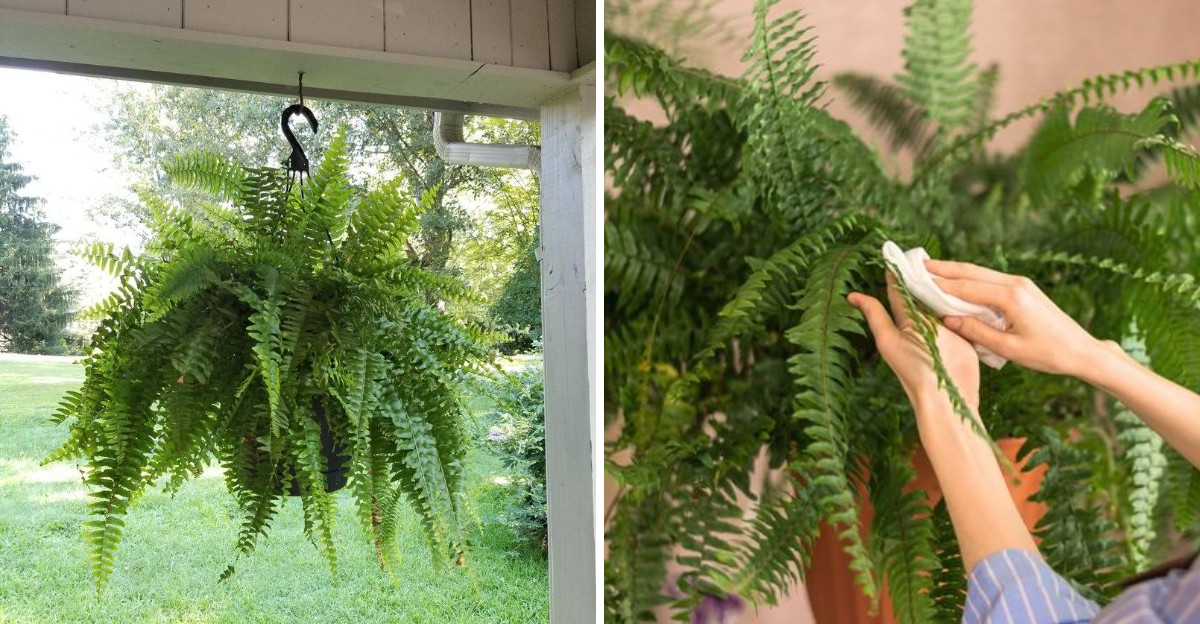
There is a certain kind of North Carolina October morning that changes everything. You step onto the porch with your coffee, notice a strange silver shimmer on the railing, and suddenly your favorite fern pots are giving you a look that says we need to talk.
Experienced gardeners across the state know this feeling well, and they are already moving pots around while their neighbors are still debating pumpkin carving designs.
It looks like superstition from the outside but it is actually just really good timing backed by some genuinely interesting science.
The weather, the soil, a few sneaky uninvited guests, and one very real biological clock all play a role in why October is the month that separates thriving indoor ferns from crispy outdoor regrets.
Stick around because the reasoning is more fascinating than you might expect.
1. North Carolina Mountain Frost Can Arrive Weeks Early
Ask anyone in Boone about late October, and they might laugh. Frost in the the state’s mountains can show up by mid-month, sometimes sooner.
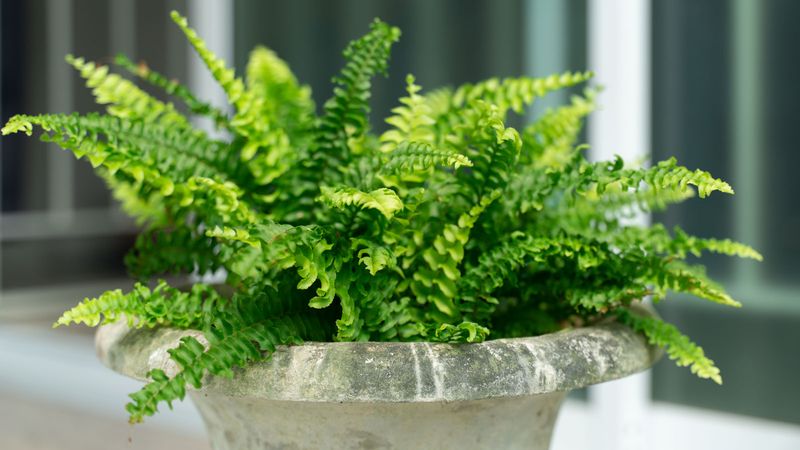
Ferns like Boston and Kimberly Queen come from warm, humid places. Their fronds hold lots of water, so cold air turns those tender tips brown and crispy fast.
Even a single night where temperatures drop to or near freezing can cause damage you will notice for weeks. The plant may bounce back, but it often looks ragged until spring.
The Piedmont and coast usually warm up later, though surprises still happen. A cold snap can roll through Raleigh or Greensboro with only a day or two of warning.
So how do you stay ahead of it? Start checking your local forecast every evening once October begins.
Many gardeners set a simple rule. When nights drop below 50 degrees for several days in a row, the ferns head inside.
Keep an old bedsheet nearby for emergency covering. If a surprise frost appears before you are ready, drape the sheet over the pots overnight.
Avoid plastic sheeting, though, because it can trap cold against the leaves. Fabric breathes better and holds a little warmth from the soil.
Timing matters more than fancy equipment. A few minutes of planning in early October can save a plant that took all summer to grow full and lush.
2. Ferns Need Time To Adjust Before Heating Season Starts
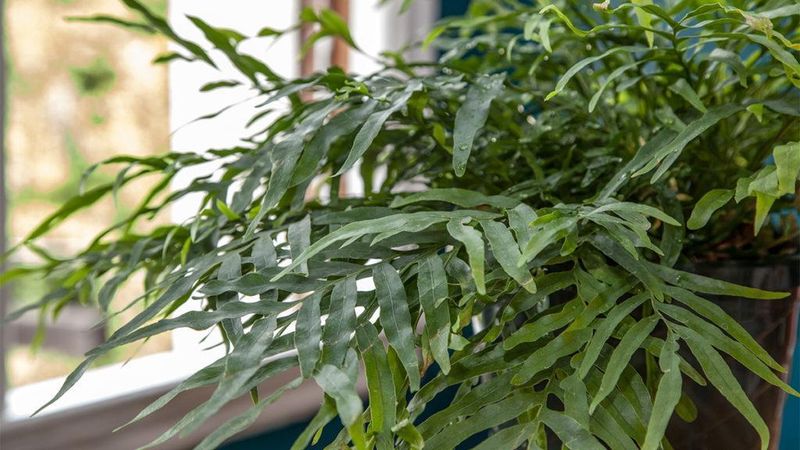
Moving day is stressful, even for plants. A fern that goes straight from a breezy porch into a dry, heated house can sulk for weeks.
Houses in North Carolina often turn on the heat by early November. Furnace air is much drier than the humid outdoor air ferns love.
Bringing pots in during October gives them a gentle buffer. Windows can stay open some days, and indoor air still holds a bit of summer moisture.
Think of it like easing into a cold pool instead of jumping in. Slow changes help ferns keep their leaves instead of dropping them in a pile on your floor.
Here is a simple plan many gardeners use. First, move the fern to a shady porch corner for a few days.
Your North Carolina Garden Changes Every Week. Your Plan Should Too.
Gardening in North Carolina changes quickly throughout the season. Every Friday you’ll receive a simple weekly plan showing exactly what to plant, prune, fertilize, harvest, and protect so you never miss the right timing.
Next, bring it inside for a few hours each afternoon. After about a week, let it stay indoors full time.
Pick a spot near a bright window but away from heat vents. Direct blasts of warm air dry fronds out faster than you might expect.
Some yellowing during the first two weeks is normal. Trim those fronds at the base and keep the soil lightly moist.
Patience pays off here. A fern that adjusts slowly usually stays fuller and greener all winter long.
3. Hidden Hitchhikers Love North Carolina Fern Pots
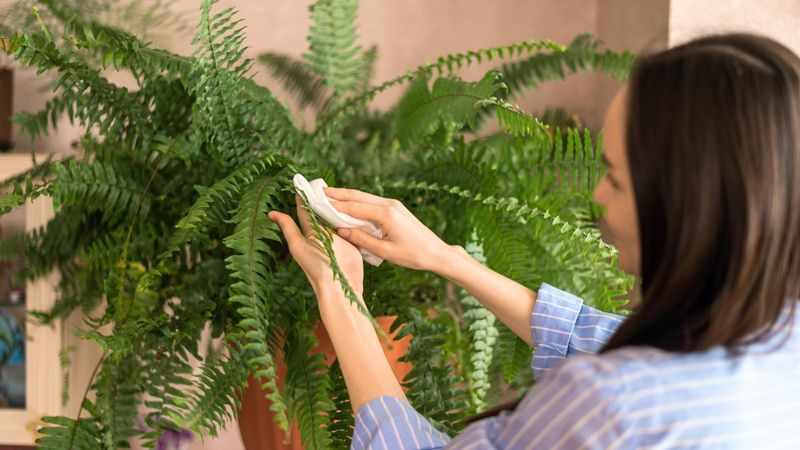
Funny thing about ferns: they make great hotels. Tiny guests check in all summer and hope to stay through winter.
In warm months, scale insects, mealybugs, and spider mites quietly settle into thick fronds. Small spiders and ants may hide in the soil, and tree frogs sometimes shelter among the foliage or around the base of pots where conditions stay cool and moist.
Once cold weather arrives, these critters look for shelter. If you wait too long, they may already be deep in the pot when you carry it indoors.
October gives you a window to inspect while the weather is still pleasant. You can work outside without freezing your fingers.
Start by flipping fronds over and checking the undersides. Look for white fluff, brown bumps, or fine webbing near the stems.
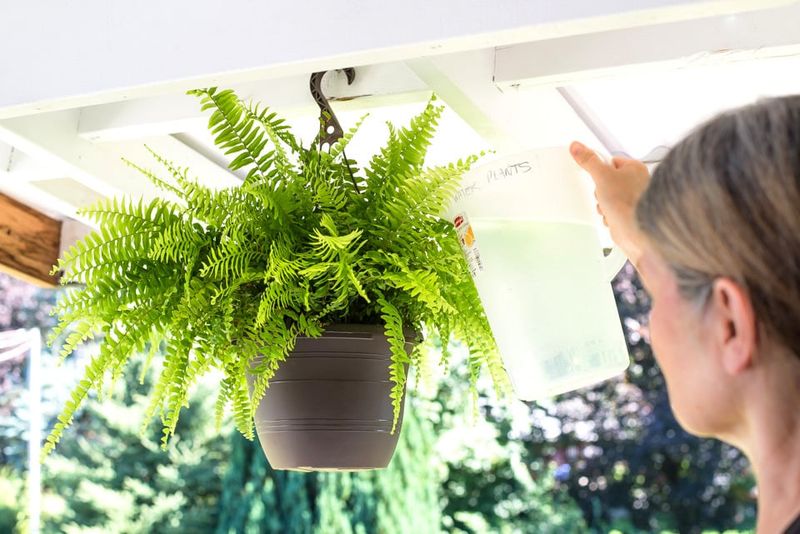
Next, give the whole plant a gentle shower with a garden hose. Water knocks off many pests and rinses away dust.
For stubborn spots, wipe leaves with a soft cloth dipped in mild soapy water. Insecticidal soap from a garden store works well too.
Here is a tip some gardeners try. Soaking the pot in a bucket of water for 15 minutes may help bring some soil insects to the surface, though results can vary depending on the pest.
It is worth trying as one extra step rather than relying on it as a complete solution.
Let the pot drain well before moving it in. Your houseplants will thank you for keeping the uninvited guests outside.
4. Fall Rains Can Waterlog Outdoor Ferns
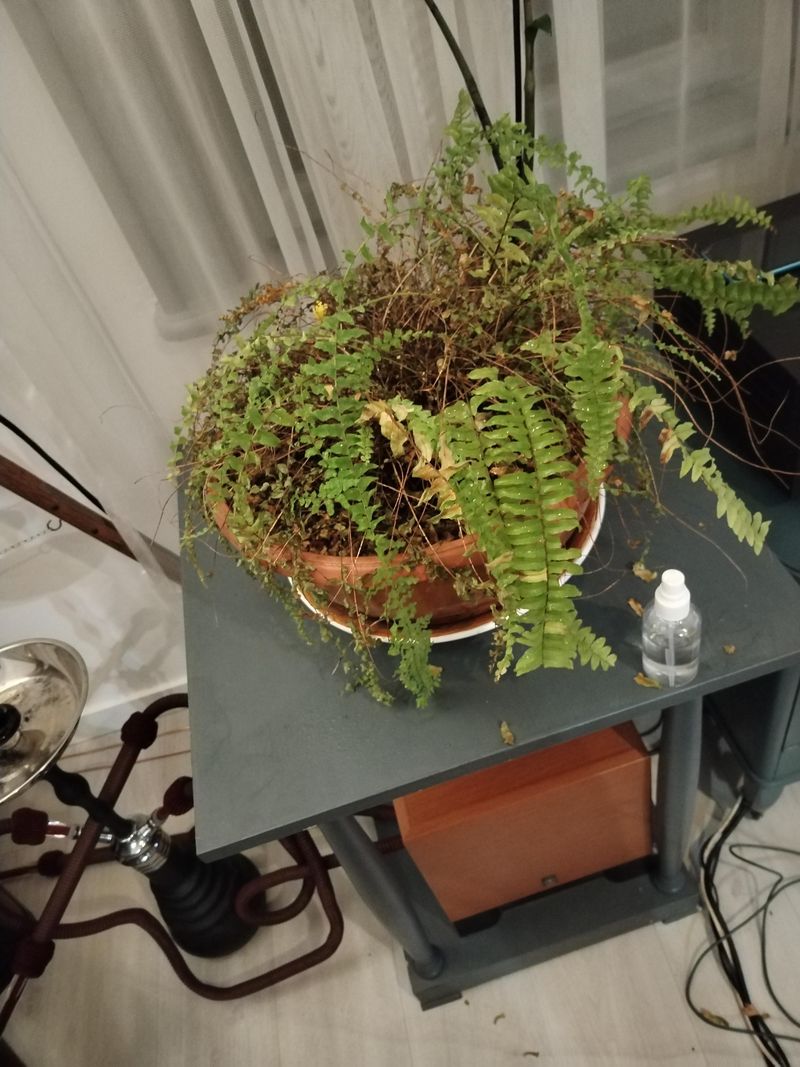
Rain sounds like a gift for thirsty plants. Yet too much of it in cool weather can turn a fern pot into a soggy mess.
North Carolina often sees heavy fall storms, including leftover rain from tropical systems. Pots on porches and patios can fill up fast.
In summer heat, that extra water dries quickly. In cooler October air, soil stays wet for days, and roots start to struggle.
Soggy roots can’t breathe well. Over time, they turn mushy and brown, a problem called root rot.
Signs include drooping fronds even when the soil feels wet. You might also notice a sour smell coming from the pot.
Moving ferns indoors puts you back in charge of watering. You decide when and how much they drink.
Before bringing them in, empty any standing water from saucers. Tip the pot gently to let extra water drain out.
Indoors, check soil with your finger before watering. If the top inch feels dry, give a slow drink until water runs from the bottom.
Ferns like steady moisture, not swampy feet. Finding that balance is much easier when storms are not making choices for you.
A pot with good drainage holes helps a lot too. If yours lacks them, now is a smart time to repot.
5. Shorter Days Change How Ferns Grow
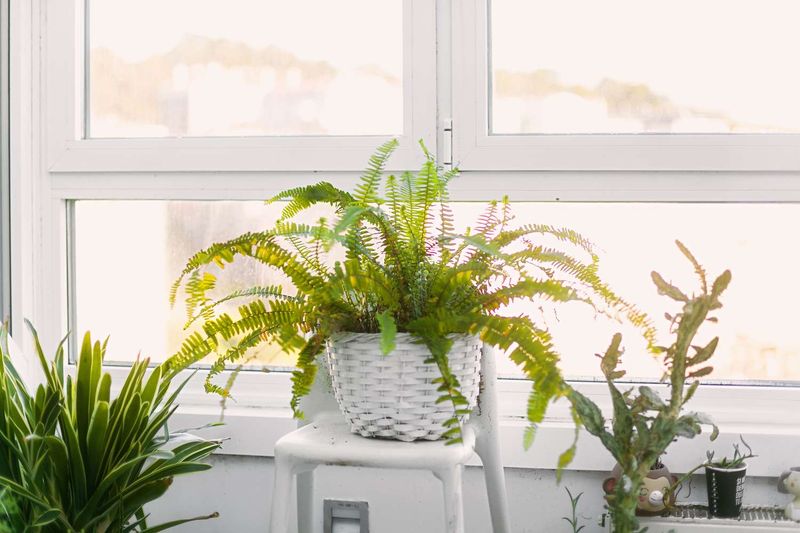
Notice how dark it gets by dinnertime lately? Your ferns notice too, maybe even more than you do.
As days shrink in North Carolina, ferns slow their growth. They make fewer new fronds and use less water and food.
Outdoors, short days come with cold nights and chilly winds. That combo is tough for a plant already slowing down.
Indoors, you can give ferns steady, gentle light. An east or north window often works best for these shade lovers.
Avoid harsh south windows with strong afternoon sun. Even in fall, glass can magnify heat and scorch delicate leaves.
If your home is dim, a small LED grow light can help. Set it on a timer for about 12 hours a day, which gives ferns a consistent light period without pushing them into overly active growth during their natural rest season.
Turn your pot a quarter spin every week. That way all sides get a fair share of light, and the plant grows evenly.
Here is a fun fact to share with friends. Ferns are among the oldest plants on Earth, growing long before flowers appeared.
They have survived plenty of changes over millions of years. With a little help from you, they can handle shorter days just fine.
Hold off on fertilizer until spring, since resting plants do not need extra food.
6. Gardeners Save Money By Overwintering Ferns
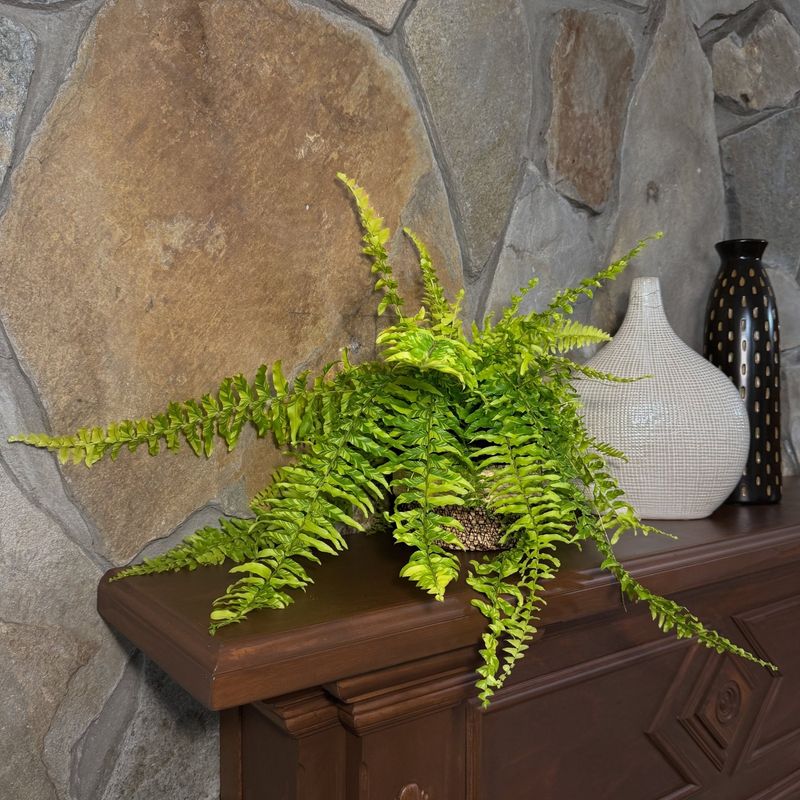
Every spring, garden centers line their racks with big, fluffy hanging ferns. The price tags can sting when you need several.
Many North Carolina gardeners buy new ferns each year and toss the old ones in fall. That habit adds up quickly.
A large hanging basket might cost 25 to 40 dollars. Multiply that by four porch hooks, and you are spending real money.
Keeping your ferns alive through winter cuts that cost down to almost nothing. You just need some indoor space and a little care.
Bonus: older ferns often grow bigger and fuller than new ones. By the second summer, they can look stunning.
You can even divide large ferns in spring. One plant may become two or three, giving you extras for free.
To get started, pick your healthiest ferns to save. Skip any that look badly damaged or full of pests.
Trim them back by about a third before moving inside. A smaller plant fits easier and needs less water through winter.
Keep them in a room that stays between 65 and 70 degrees for best results. Temperatures at the lower end of 60 degrees can work for short periods but are on the cooler side for keeping ferns consistently healthy through winter.
A sunroom, bright bedroom, or spare room with good light can work nicely.
Come spring, you will feel proud walking past those pricey racks. Your porch will already be green and ready.
7. Humidity Tricks North Carolina Growers Use Indoors
Summer feels like walking through warm soup. Ferns adore that sticky air, but winter homes feel more like a desert.
Low humidity causes crispy brown edges on fronds. Leaves may also shed tiny leaflets all over the floor.
Moving ferns in during October lets you set up humidity helpers before heaters run full time. You can test what works in your home.
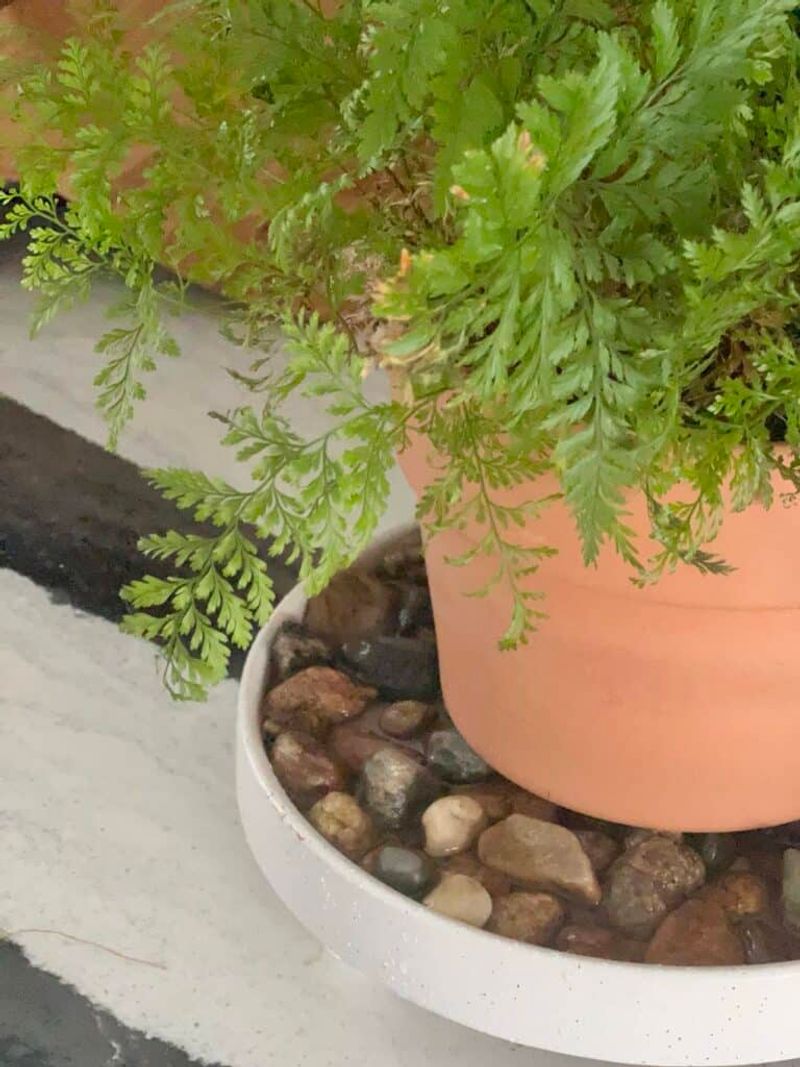
One easy trick is a pebble tray. Fill a shallow dish with small stones and water, then set the pot on top.
Keep the water below the pot bottom so roots stay dry. As water evaporates, it adds moisture right around the leaves.
Grouping plants together also helps. Plants release water vapor, creating a small humid zone among themselves.
A small room humidifier works wonders, especially in bedrooms. Aim for humidity around 40 to 50 percent if you can.
Bathrooms with windows make great fern spots. Steam from showers gives them a daily spa treatment.
Misting feels nice, but its effect fades in minutes. Use it as a bonus, not your main plan.
Try one or two of these ideas and watch closely. Fresh green growth means your fern feels right at home.
8. Coastal Winds Can Shred Delicate Fronds
Down on the Outer Banks, autumn wind has a mind of its own. It whips across porches and tosses anything not tied down.
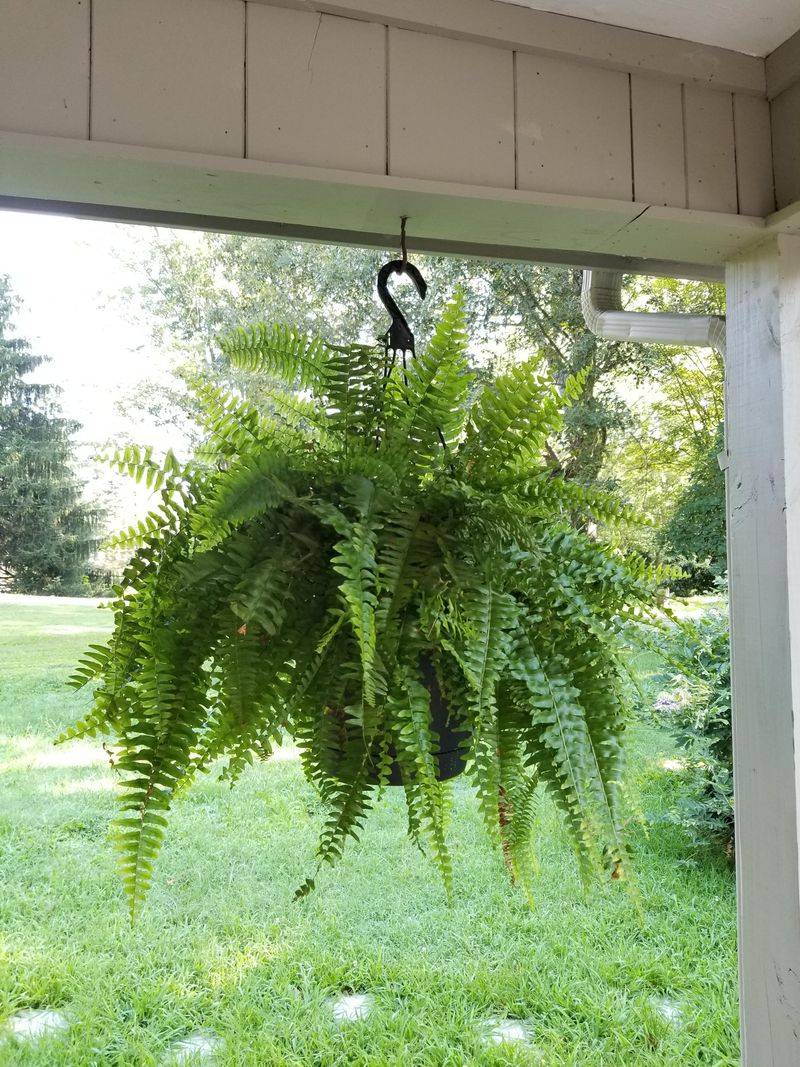
Coastal North Carolina may stay warmer than the mountains, but strong fall breezes create their own trouble. Hanging ferns swing, bang, and lose leaves.
Salt spray adds another challenge. Tiny salt crystals settle on fronds and pull moisture from the tissue.
Over time, leaves turn brown at the tips and edges. The plant ends up looking tired and windburned.
Nor’easters often roll in during October and November too. One gusty storm can knock a basket right off its hook.
Bringing ferns indoors protects them from all of this at once. They stay calm, clean, and in one piece.
Before moving them, rinse fronds with fresh water to wash off salt. Let them dry in a shady spot first.
Check hooks and chains while baskets are down. Rust from salty air can weaken metal, so replace worn parts now.
If you can’t bring everything in right away, move ferns to a sheltered corner. A spot against the house blocks much of the wind.
Beach gardeners learn to respect the breeze. A little early action keeps your ferns from flying off with the gulls.
9. Spring Comebacks Start With Smart Fall Moves
Picture April, dogwoods blooming, and your old ferns already lush. That happy moment actually starts with choices made this October.
Ferns brought in on time keep strong roots through winter. Those roots power fast new growth once warm weather returns to North Carolina.
Plants left out too long often spend spring just recovering. They grow slowly and may never fill out properly.
Winter care doesn’t need to be complicated. Water when the top inch dries, keep plants away from heat vents, and remove brown fronds.
In March, start watching for tiny curled shoots called fiddleheads. Those little spirals mean your fern is waking up.
Give a light dose of balanced liquid fertilizer at that point. Half strength is plenty for a plant just getting going.
Wait until nights stay above 50 degrees before moving pots outside. In most of the state, that lands in mid to late April.
Use the same slow approach you used in fall. A few days in shade helps fronds adjust to brighter light and breezes.
Keep a simple notebook or phone note with dates. Tracking when you moved plants makes next year even easier.
Gardening is really a circle. Smart fall moves lead to proud spring porches, year after year.