How Plant Spacing Decides Whether You Get Turnip Roots Or Greens In North Carolina
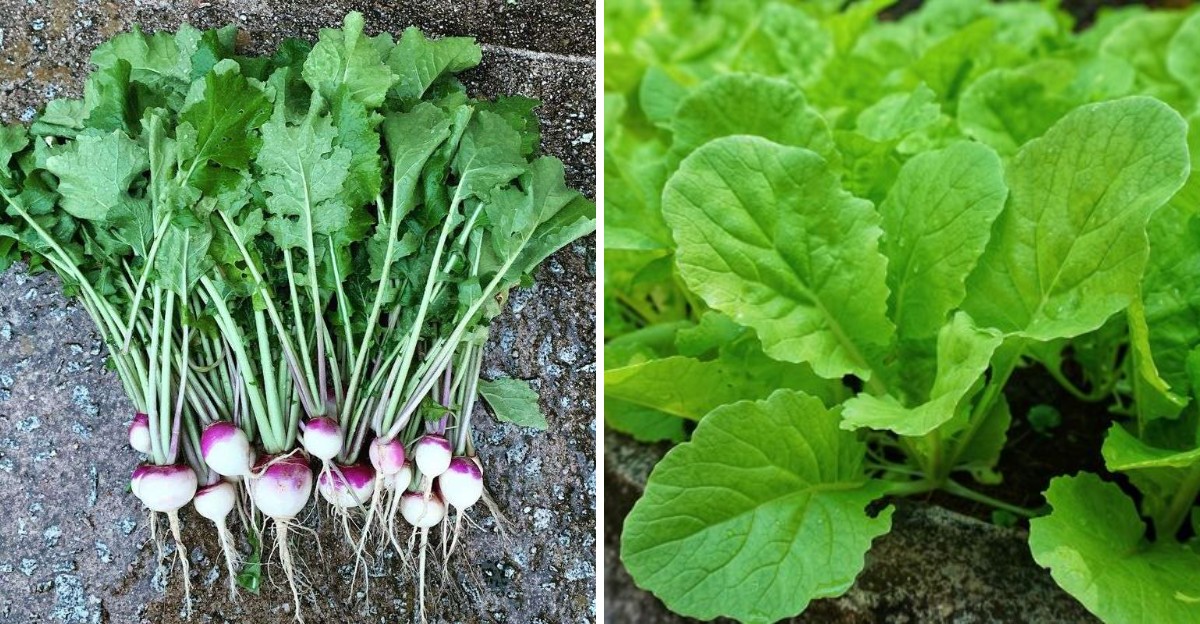
Turnips grown too close together in a North Carolina garden rarely develop the plump, round roots most gardeners expect to harvest.
When plants are crowded, they compete heavily for root space and nutrients, which often pushes the plant to focus more energy on leaf growth instead.
Wider spacing gives each turnip room to actually bulk up below ground, resulting in larger, more usable roots at harvest time.
This same crowding effect explains why some gardeners end up with a bed full of leafy greens instead of the roots they originally planted for.
Understanding this relationship between spacing and growth helps North Carolina gardeners plant with intention, depending on whether roots or greens are the real goal.
1. Spacing Controls How Big Roots Can Grow
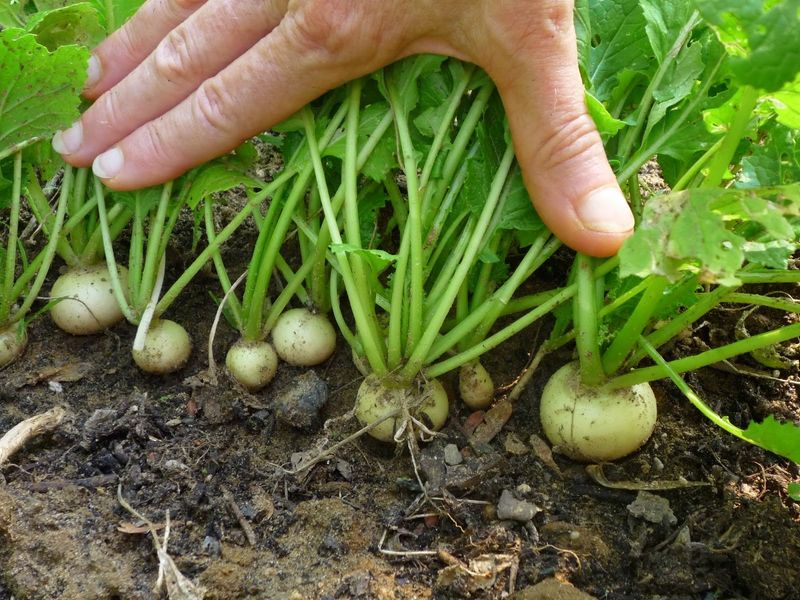
Two neighbors in Raleigh plant the same turnip seeds on the same day. One ends up with baskets of round, purple-topped roots, while the other pulls up skinny little stubs hiding under a jungle of leaves.
The difference usually comes down to a few inches of space. Distance between plants is one of the biggest factors in how turnips grow. When seedlings are crowded, they fight over room, water, and nutrients.
Each plant only gets a small share, so it spends that limited energy on leaves, which are the fastest way to soak up sunlight and keep growing.
Give a turnip some elbow room, though, and things change below the soil. With space around it, the plant can store extra food in its root, and that root swells into a full, rounded bulb. A turnip root is really a pantry the plant fills up when conditions allow.
So what should you expect? Thick, close plantings give you plenty of tender greens, but the roots tend to stay small, twisted, or almost missing. Rows that are thinned properly produce smooth, even turnips that look like the ones at the farmers market.
Here in North Carolina, turnips are grown for both parts of the plant. Some families love mashed or roasted roots, while others would not dream of a Sunday supper without a pot of greens.
Since one seed packet can give either result, spacing becomes your steering wheel. Decide your goal before you sow, and you will already be ahead of most gardeners on your street.
2. Thin To 3 To 4 Inches For Good Roots
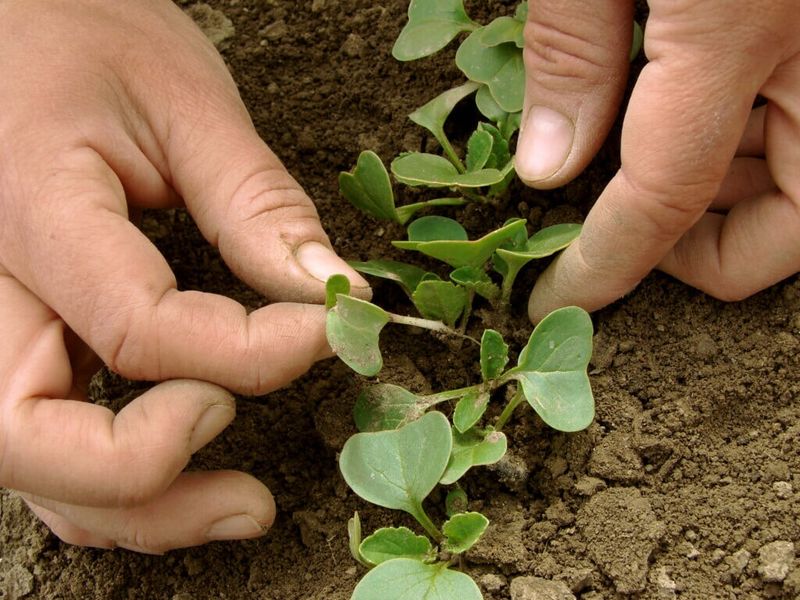
Turnip seeds are tiny, about the size of a pinhead, and that makes them easy to sow way too thickly. A single pinch can drop a dozen seeds into one spot. That is fine at first, but those babies will need some help sorting themselves out.
Thinning is the step that turns a crowded row into a root harvest. Without it, the seedlings stay packed together and never get the room they need. With it, each remaining plant has its own little patch of soil to fill.
Start by sowing seeds in rows about 12 to 18 inches apart. Cover them lightly, roughly a quarter to half an inch deep, and keep the soil damp until they sprout. In warm late summer soil, they often pop up within a week.
Your North Carolina Garden Changes Every Week. Your Plan Should Too.
Gardening in North Carolina changes quickly throughout the season. Every Friday you’ll receive a simple weekly plan showing exactly what to plant, prune, fertilize, harvest, and protect so you never miss the right timing.
Once the seedlings have a couple of true leaves, grab your scissors or fingers and get to work. Thin them so the plants stand about 3 to 4 inches apart.
True leaves are the ones that appear after the first pair of rounded seed leaves, and they look more like a tiny turnip leaf.
After thinning, keep watering steady. Roots grow smoothest when the soil stays evenly moist, while dry spells followed by soaking rain can cause cracks or tough texture.
Timing makes this extra important in North Carolina. Fall turnips sown in late summer have a limited window to bulk up before cold weather slows them down.
Early thinning gives every plant a running start, so roots can reach full size while the growing is still good.
3. Grow Them Close For A Greens Harvest
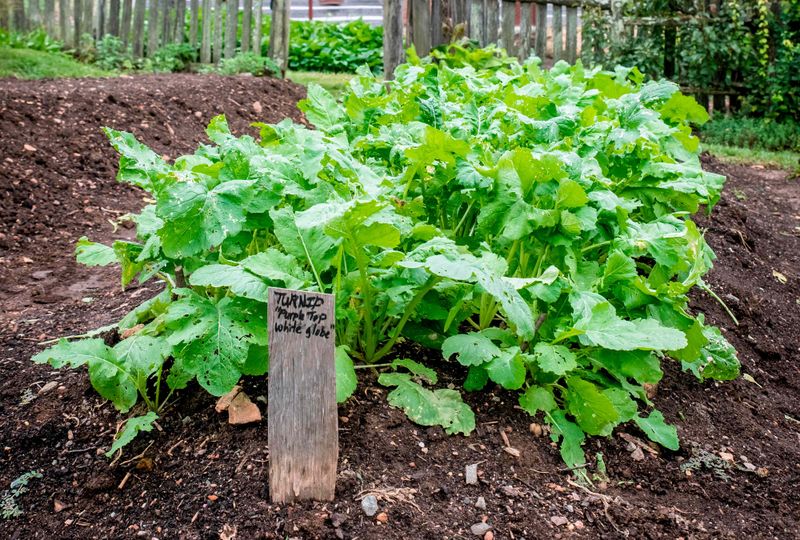
Ask a Southern grandmother what turnips are for, and there is a good chance she will point straight to the leaves.
A big pot of greens simmering with a bit of seasoning is pure comfort food. If that sounds like your kind of harvest, you can toss the root rules out the window.
When you do not need roots, plants can grow much closer together. Crowding that would ruin a root crop works in your favor here. Dense planting fills a small space with a large amount of soft, mild leaves.
Getting started is simple. Broadcast seed across a prepared bed, or sow it thickly in wide rows about a foot or more across. Rake the seed in lightly and water gently so you do not wash it away.
Thin only a little. Spacing of about 1 to 2 inches between plants is plenty for a greens patch. You just want enough air and light so the leaves stay healthy and do not rot in a tangled mat.
Harvest when the leaves are young, around 4 to 6 inches tall. At that size they are tender, quick to cook, and less bitter than big, older leaves. You can cut handfuls with scissors and come back later as new leaves grow.
Turnip greens have a long history as a fall and winter staple in North Carolina kitchens. Many gardeners here grow turnips mainly for leaves, and a thick, close planting is the easiest way to keep the table stocked through the cool months.
4. Thinnings Become Your First Greens
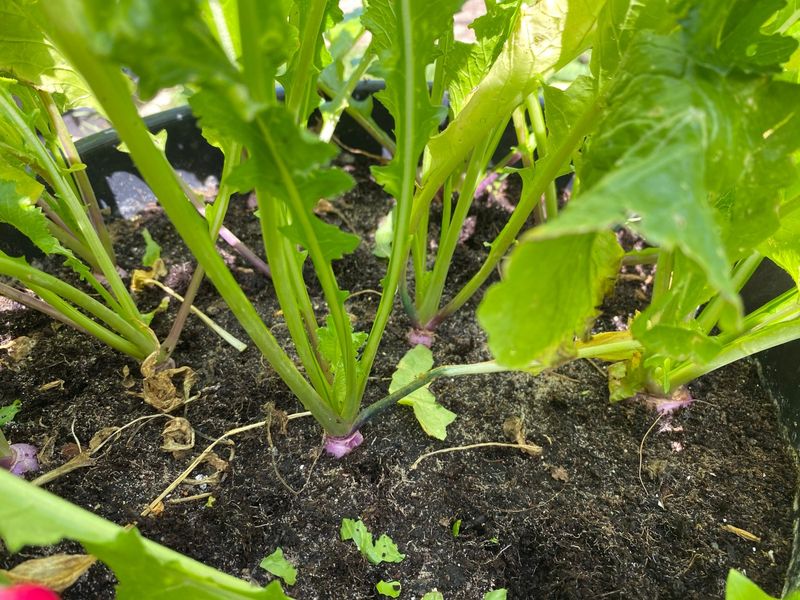
Pulling up perfectly good seedlings can feel a little painful. You planted them, watered them, and watched them sprout, so tossing them on the compost pile seems wasteful. Good news: you do not have to toss them at all.
Those extra little plants are actually one of the first treats your fall bed will give you. Young turnip seedlings are tender and mild, with a soft peppery flavor that is gentler than full-sized leaves. Think of them as baby greens you grew without even trying.
The trick is to thin a bit at a time instead of all at once. Start by removing the weakest seedlings when they are an inch or two tall. A week or so later, thin again, eating as you go, until the keepers stand about 3 to 4 inches apart for roots.
Snipping at the soil line with small scissors works well, because it will not disturb the roots of the plants you are keeping. Pulling also works if the soil is moist and loose. Just press the soil back down around the neighbors afterward.
Give the thinnings a good rinse to wash off grit. They are lovely tossed raw into a salad, stirred into soup at the end, or quickly sautéed with garlic.
For North Carolina gardeners, this means fresh greens can show up on the plate within a few weeks of sowing. While you wait for roots to swell in the cooling fall weather, your thinning chores keep paying you back, one tasty handful at a time.
5. Heavy Leaf Harvests Shrink The Roots
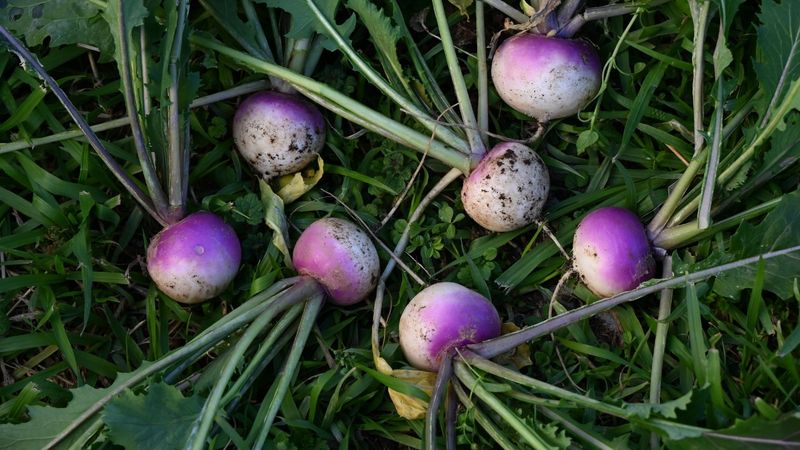
Wanting it all is perfectly normal. Turnips tempt you with leaves that look ready for the pot while the roots are still growing below. But grabbing too many greens from a root crop can leave you with disappointing little turnips.
Leaves are the plant’s solar panels. They catch sunlight and turn it into energy, and the turnip stores that extra energy in its root. Strip away lots of leaves, and the plant has less fuel to send underground, so the root grows slowly and stays small.
If you want both roots and greens from the same plants, go easy. Pick only a few outer leaves from each turnip at a time, maybe two or three. Leave the center leaves alone, since those young leaves keep the plant growing strong.
Spread your picking across many plants rather than stripping one bare. Give each plant time to grow new leaves before you visit it again. A light touch keeps the root building while you still enjoy a steady supply of greens.
Another smart plan is to grow two beds. Use one close-spaced patch just for greens and a properly thinned row just for roots. That way, you can harvest leaves freely without worrying about what is happening underground.
Plenty of North Carolina gardeners want both harvests from a single fall planting, and that is very doable. Balance is the key. Treat the leaves like a savings account, taking a little while leaving enough behind so the root keeps growing.
6. Choose The Right Variety For Your Goal
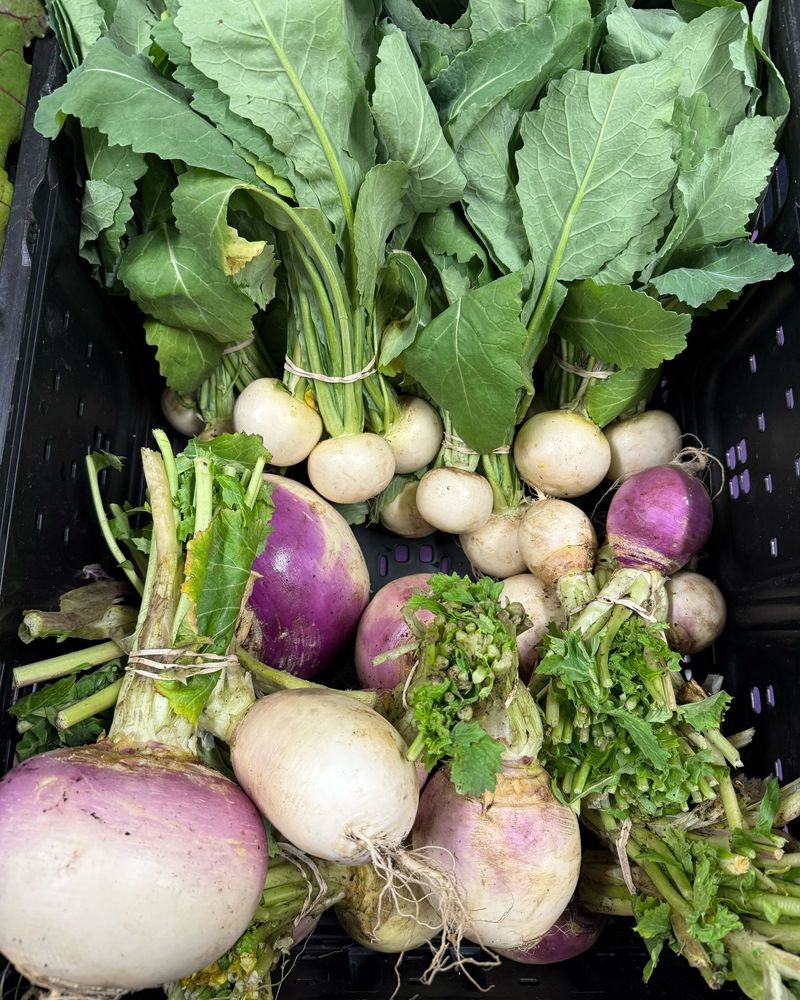
Walk past the seed rack at a Southern feed store and you will spot the same names year after year.
Purple Top White Globe and Seven Top have been planted in Carolina gardens for generations. There is a good reason they stick around: each one does a different job well.
Not all turnips are built alike. Some are bred for big roots, some for small, tender roots picked young, and some for leaves with little or no root worth eating. Picking the right type makes spacing work even better.
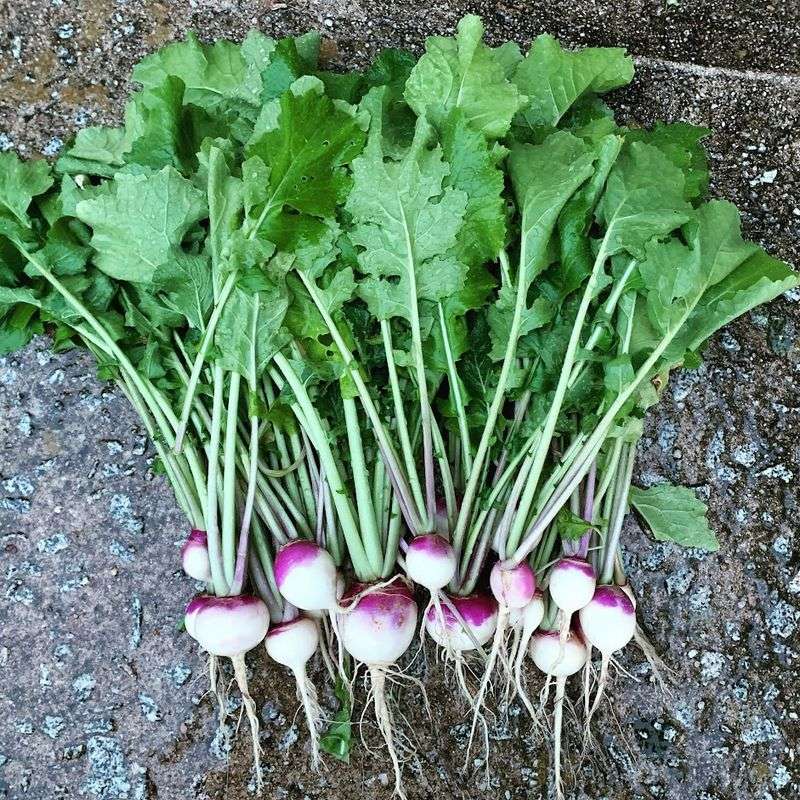
Purple Top White Globe is the classic for round roots. It has white flesh with a purple blush on the shoulders, and it does best with proper thinning. Pull roots when they are about 2 to 3 inches across for the best texture.
Hakurei and other small salad turnips are a treat. They mature quickly, often in five to six weeks, and their crisp white roots are sweet enough to eat raw. They are harvested small, so they handle slightly closer spacing than big globe types.
Seven Top is the go-to for greens only. It grows lots of leaves but does not form a useful edible root, so you can plant it thickly without guilt. Many folks also enjoy its tender spring shoots.
In North Carolina, both Seven Top and Purple Top White Globe are long-standing favorites. Pick your variety based on your plate, then space it to match, and your garden will deliver exactly what you hoped for.
7. Too Much Nitrogen Favors Leaves Over Roots
Fertilizer seems like the easy answer for a better garden. More food, bigger plants, right? With turnips, the kind of food matters just as much as the amount.
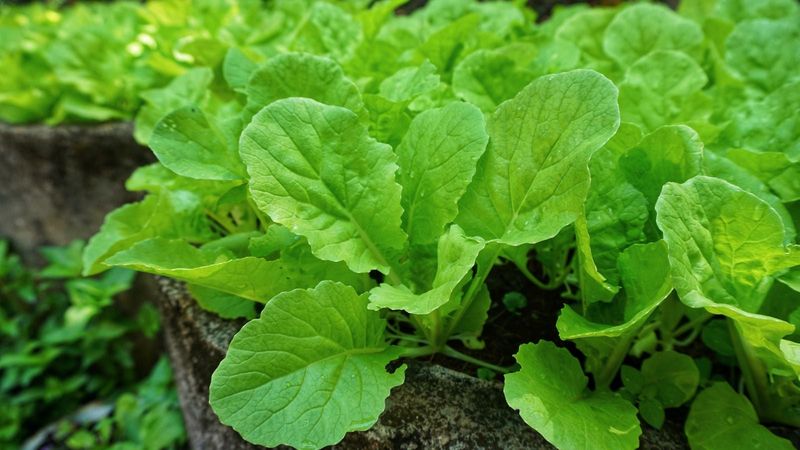
Nitrogen is the nutrient that pushes leafy growth. Give turnips a lot of it, and they will reward you with tall, lush, dark green tops.
That is wonderful for a greens patch, but in a root bed, the plant may pour its effort into leaves and leave you with smaller roots.
The smartest first step is a soil test. In North Carolina, the Department of Agriculture offers soil testing, and your local Extension office can help you read the results.
A test tells you what your soil already has, so you do not add more than needed. For root crops, use a balanced fertilizer at the recommended rate.
Skip extra nitrogen boosts, even if the plants look a little plain on top. Healthy, moderate leaves are all a turnip needs to build a solid root.
Greens plantings are different. If the leaves look pale or yellowish, a light side-dressing of nitrogen fertilizer along the row can perk them up. Water it in so it reaches the roots.
This matters here because many fall turnips go into beds that were already fertilized for tomatoes, squash, or corn. Leftover nutrients may still be in the soil. Testing first helps you avoid overfeeding, keeping your roots round and your greens tasty.
8. Timing And Cool Weather Matter Too
Old-timers often say turnips taste best after a frost, and they are onto something. Cool weather helps the plant build up natural sugars, which sweetens both roots and leaves. Spacing sets the stage, but the calendar finishes the job.
Turnips love cool conditions. Hot weather can make roots woody and give them a sharp, strong bite. Spring plantings face another problem, since warming days can cause the plants to bolt, sending up flower stalks instead of growing good roots.
That is why fall is prime turnip season in North Carolina. Sow in late summer, starting earlier in the Mountains, where cold arrives sooner.
Gardeners in the Piedmont and Coastal Plain can keep sowing into early fall, thanks to their longer, milder autumns.
Watch your roots closely as they grow. Harvest them when they are about 2 to 3 inches across. If you leave them too long, they can turn tough and stringy, no matter how well you spaced them.
Greens should be picked young and tender for the best flavor. Older leaves get chewy and more bitter, so regular picking keeps your pot full of the good stuff.
Cool nights across the state give fall turnips a real advantage, and light frosts often make them even sweeter.
Combine smart spacing with good timing, and you will enjoy crisp roots, tender greens, and a garden that keeps giving well into the chilly months.