What New York Zone 5 Gardeners Should Finish Before Mid-October Hits
The air turns crisp, the leaves start crunching underfoot, and that first hint of woodsmoke shows up like clockwork. Your New York garden might still look pretty lively, but do not let it fool you, the countdown has already started.
Frost has a sneaky habit of showing up uninvited in upstate valleys and hilltop towns, often without much warning. Handle a few key chores now, and future you gets to skip a whole bunch of spring headaches later.
Think of this as giving your yard a cozy send off before it settles in for a long winter nap. Some jobs take five minutes flat, and others deserve a full Saturday and a mug of something warm.
Grab your gloves and maybe a snack, because Zone 5 gardeners have a few important tasks to knock out before mid-October rolls around for good.
1. Plant Spring Bulbs While The Soil Stays Warm
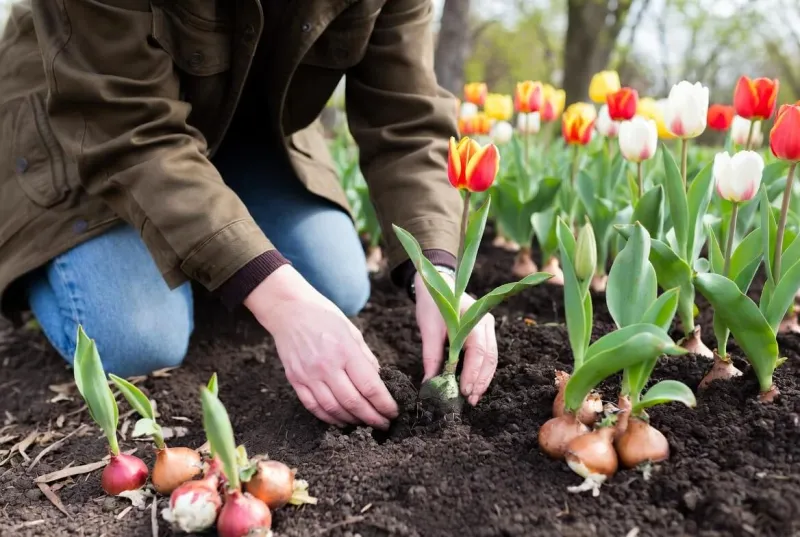
Picture a sea of tulips waving at you next April. That cheerful show starts with a few holes you dig right now.
Bulbs like tulips, daffodils, crocus, and alliums need cool soil to grow roots before winter. In Zone 5, late September through early October hits the sweet spot.
The ground is still soft, yet it is cool enough to keep bulbs from sprouting too soon.
Dig each hole about three times as deep as the bulb is tall. Point the pointy end up, and if you cannot tell, plant it sideways.
The bulb will figure things out on its own. Most bulbs sort themselves out within a few weeks regardless, so a little guesswork here will not ruin your spring show.
Squirrels in New York can be sneaky little thieves. Lay chicken wire over fresh plantings or tuck daffodils near your tulips, since critters skip daffodils thanks to their bitter taste.
Water the bed well after planting to settle the soil. A light layer of shredded leaves on top helps hold moisture in place.
In the 1600s, Dutch traders sometimes paid more for one tulip bulb than for a house. Your bag from the garden center is a much better deal, and it still delivers a royal spring display.
2. Bring Tender Plants Indoors Before The First Frost

Remember that gorgeous potted geranium that bloomed all summer? A single frosty night can turn it into soggy mush.
Frost dates in New York Zone 5 often land between late September and mid-October. Tropical plants, herbs like rosemary, and houseplants that vacationed outside need to come in first.
Waiting until the forecast panics is a recipe for a rushed evening.
Before you carry anything inside, check every pot for hitchhikers. Look under leaves for aphids, spider mites, and tiny white flies.
A quick spray with water or insecticidal soap can stop a bug party from spreading indoors.
Help plants adjust slowly. Move them to a shady porch for a few days, then bring them in.
A sudden switch from bright sun to a dim living room can cause leaf drop.
Find the sunniest window you have, usually one facing south. Cut back on water, since plants grow slower in winter and soggy soil leads to root rot.
Your New York Garden Changes Every Week. Your Plan Should Too.
Gardening in New York changes quickly throughout the season. Every Friday you’ll receive a simple weekly plan showing exactly what to plant, prune, fertilize, harvest, and protect so you never miss the right timing.
Got too many plants and not enough windows? Take cuttings of coleus, geraniums, or begonias.
Small cuttings root in water jars and take up far less space on your windowsill.
3. Harvest The Last Of Your Warm Season Veggies
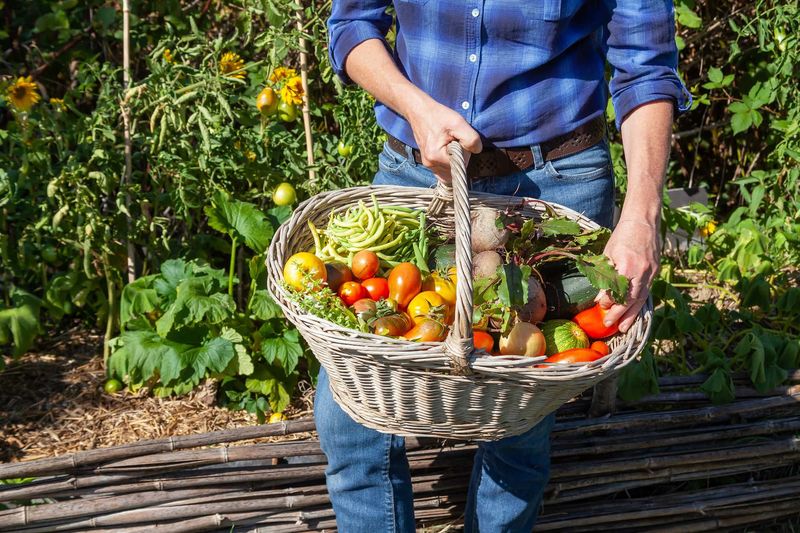
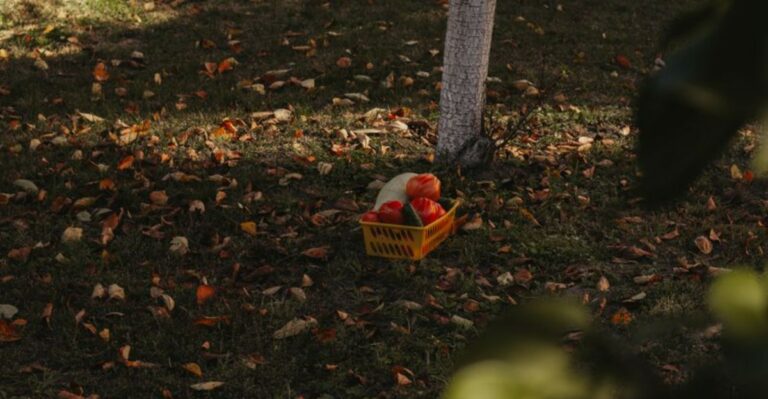
Green tomatoes still hanging on the vine might look hopeless. Truth is, they can ripen just fine on your kitchen counter.
Warm season crops like tomatoes, peppers, beans, and squash stop growing once nights dip into the 40s. Frost turns their leaves black and their fruit soft.
So pick everything worth saving before that chilly night shows up.
Tomatoes with a hint of color will ripen indoors. Place them in a paper bag with a banana, which gives off a gas that speeds things up.
Fully green ones make tasty fried tomatoes or tangy relish. Check the bag every day or two, since a tomato that turns too fast can soften before you are ready to use it.
Winter squash and pumpkins need a little extra care. Cut them with a few inches of stem attached, then let them cure in a warm, dry spot for about ten days.
Curing toughens the skin so they store for months.
Peppers can be chopped and frozen without blanching. Toss them into chili or omelets all winter long.
Many New York farm families once stored squash and apples in root cellars dug under the house. You can copy that trick with a cool basement shelf or an unheated closet.
4. Give Your Lawn One Last Boost
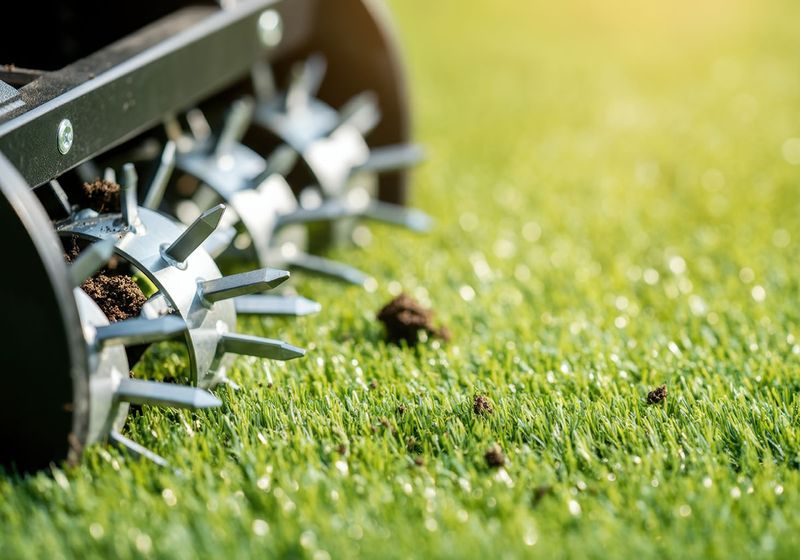
Here is a secret lawn pros swear by. Fall, not spring, is the best season to feed and repair your grass.
Cool season grasses like Kentucky bluegrass and fescue love crisp autumn weather. Roots keep growing even after the blades slow down.
That makes early fall a great time to fill bare patches and strengthen your turf.
Start by raking up thatch and loose debris. If your yard feels hard and packed, rent a core aerator.
Those little plugs of soil let air, water, and food reach the roots.
Try to overseed thin areas while there is still enough warm weather left for new grass to take hold, generally sometime in September works well in most New York Zone 5 spots, though timing can shift a bit depending on your local weather. Keep new seed moist until it sprouts, which usually takes one to two weeks.
A light layer of straw or seed-starter mulch can help hold moisture in place between waterings. Walking across freshly seeded areas should wait until the new grass is sturdy enough to handle a little traffic.
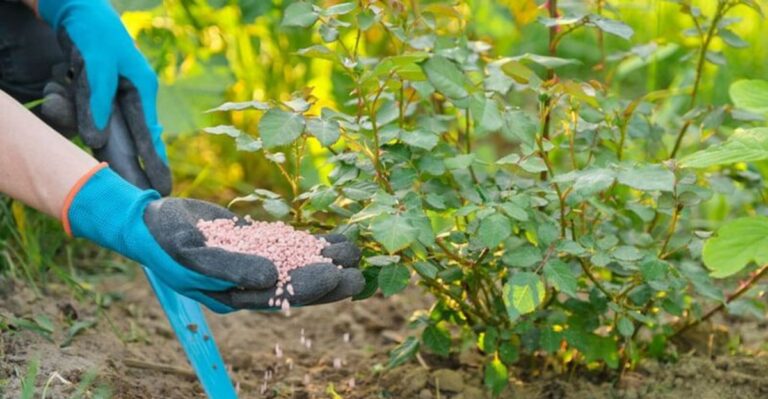
A fall fertilizer with plenty of potassium helps grass handle the cold months. Apply it while the lawn is still green and growing.
Lower your mower a notch for the final cuts, around two and a half inches. Shorter grass is less likely to mat down under snow, which can invite pink and gray snow mold come spring.
Your future self will thank you.
5. Plant Garlic For A Tasty Summer Payoff
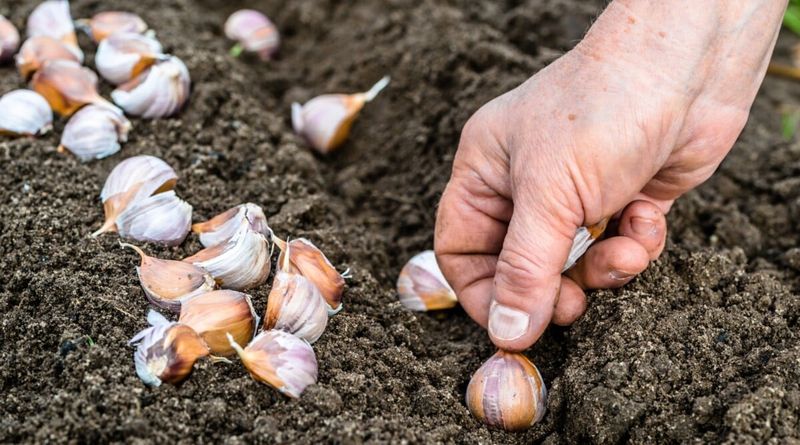
Few crops are as easy and rewarding as garlic. You plant it in fall, mostly forget about it, and dig up fat bulbs next July.
In Zone 5, aim to plant garlic from late September through mid-October. Cloves need a few weeks to form roots before the ground freezes.
Too early, and they may sprout tender tops that suffer in the cold.
Hardneck garlic is the top pick for cold New York winters. Varieties like German Extra Hardy and Music handle freezing temperatures well.
They also give you curly scapes in June, which taste amazing in pesto.
Break the bulb into single cloves right before planting. Push each one two inches deep, pointy side up, about six inches apart.
Choose a sunny bed with loose, well-drained soil.
After the ground gets cold, cover the bed with four to six inches of straw. Mulch keeps the soil from freezing and thawing over and over, which can push cloves out of the ground.
Skip grocery store garlic for planting. It is often treated to stop sprouting and may come from warmer places.
Local seed garlic grows far better.
6. Clean Up New York Beds Without Overdoing It
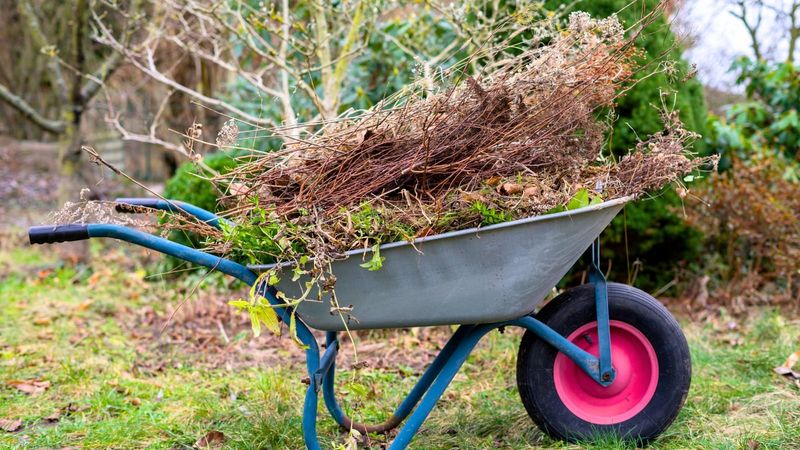
Tidy gardeners, take a deep breath. Not every stem needs to be chopped down before winter.
A smart cleanup focuses on trouble spots. Pull out plants that had diseases like powdery mildew, blight, or black spot.
Bag those leaves instead of tossing them in the compost, since many home piles do not get hot enough to wipe out germs.
On the other hand, healthy perennials can stay standing. Coneflowers, black-eyed Susans, and ornamental grasses feed hungry birds all winter.
Goldfinches and chickadees love picking seeds from those dry heads. Leaving some seed heads up also means less work for you now, with the bigger cleanup saved for a milder spring day.
Hollow stems also shelter native bees through the cold months. Leaving them up until spring gives these helpful pollinators a cozy home.
Vegetable beds are a different story. Clear out spent tomato and squash vines to stop pests from hiding there.
Then spread compost or chopped leaves over bare soil to feed it for next year.
Bonus tip: snowy seed heads look lovely in the January landscape. A garden with some structure is far more cheerful than a flat, empty patch.
Your yard can rest and still offer a little beauty while it does.
7. Divide And Move Crowded Perennials
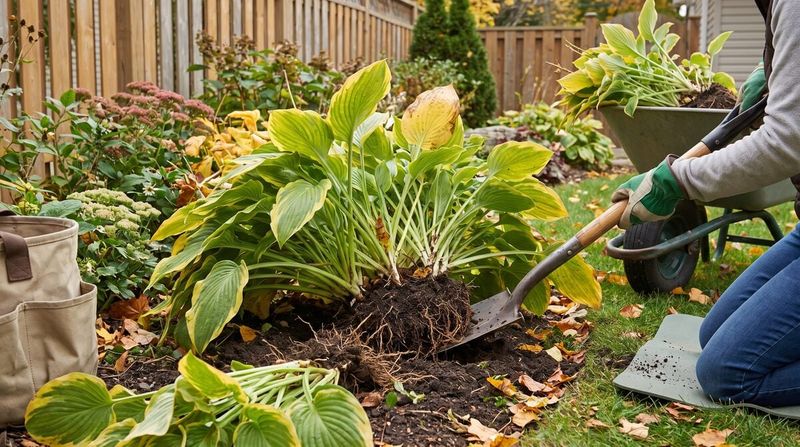
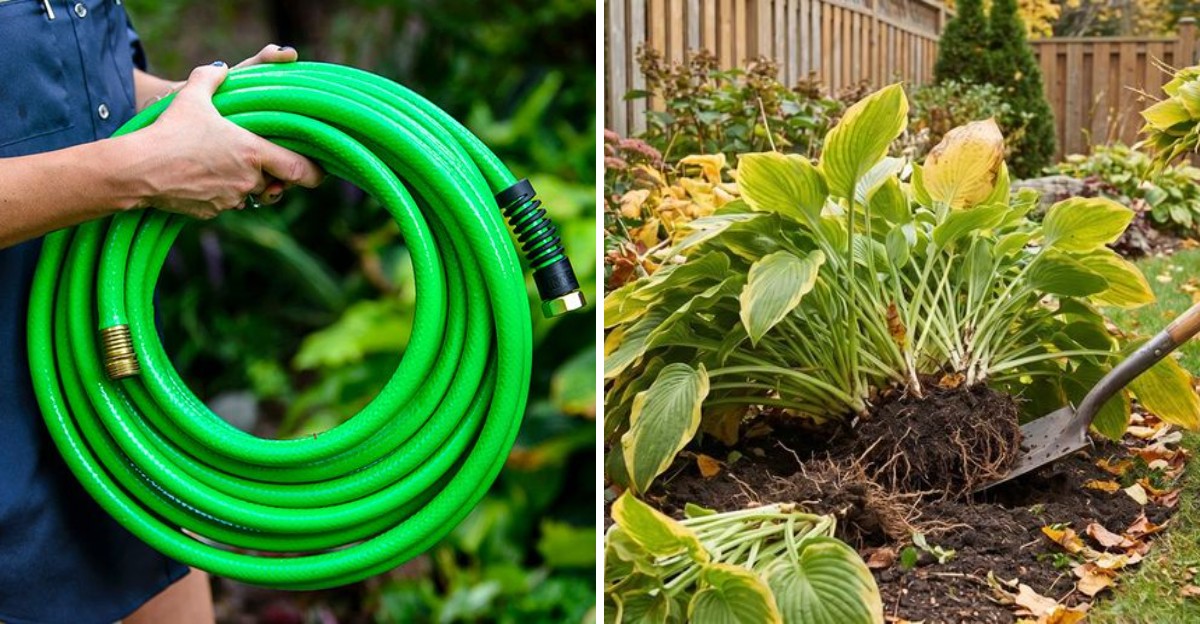
Ever notice a hosta clump that looks bald in the middle? That is your plant politely asking for more elbow room.
Early fall is a fine time to divide many spring and summer bloomers. Daylilies, hostas, peonies, and Siberian iris all respond well.
The cool air reduces stress, while warm soil helps new roots settle in.
Try to finish this job with enough time left for roots to settle in before the ground freezes for good, generally a handful of weeks at minimum. In most New York Zone 5 towns, that usually means getting it done sometime in early fall rather than waiting until the last minute.
A cloudy day or a cooler afternoon can make the process easier on both you and the plant. Watering the clump a day before digging also helps the soil hold together and makes separating the roots less stressful for the plant.
Dig around the whole clump with a sharp spade. Lift it out, then slice it into chunks with a few healthy shoots and plenty of roots on each.
Toss the woody, tired center.
Replant divisions at the same depth they grew before. Peonies are picky, so keep their pink buds no more than two inches below the surface, or they may refuse to bloom.
Water each new planting deeply. Extra divisions make wonderful gifts for neighbors or plant swaps.
Gardening friendships often start with a bucket of free daylilies left on a porch.
8. Prep Tools Hoses And Water Lines For Winter
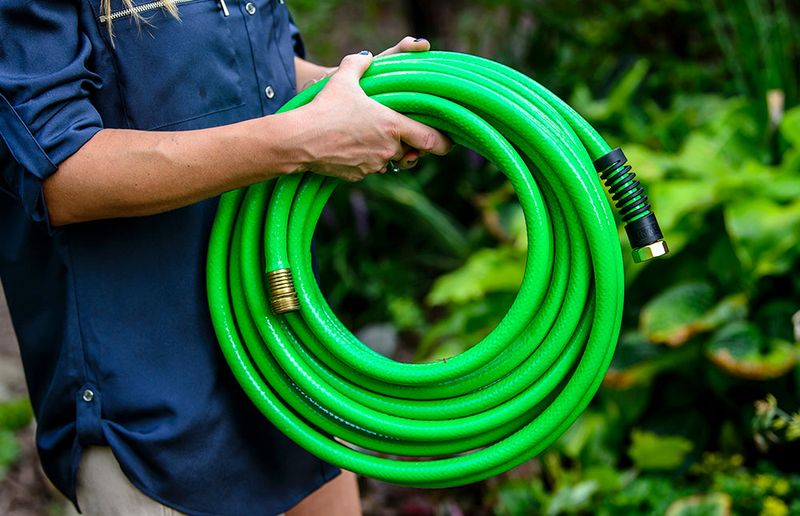
Nothing ruins a spring morning like a cracked hose or a rusty shovel. A little fall maintenance keeps your gear ready for action.
Start with water. Drain every hose, coil it up, and store it in a shed or garage.
Water left inside can freeze, expand, and split the rubber.
Outdoor spigots need attention too. Shut off the indoor valve that feeds them, then open the outdoor tap to let the line drain.
Burst pipes are a costly surprise many New York homeowners learn about the hard way. A simple foam faucet cover adds an extra layer of protection against sudden cold snaps.
Rain barrels should be emptied and flipped over or brought inside. Ice can bend or crack the plastic.
Next, give your tools a spa day. Scrub off dirt with a stiff brush, sand away rust, and sharpen blades with a file.
Wipe metal parts with a light coat of oil to block moisture.
Run your gas mower until the tank is empty, or add fuel stabilizer. Old gas can gum up the engine over winter.
Grab a hot drink when you finish. You have earned it, and your garden is officially ready to snooze until spring.