How To Tell When Pineapple Guava Is Ripe In Coastal Georgia Yards
Pineapple guava fruit looks almost the same green in September as it does when it is ready to eat.
That makes picking at the right time tricky, especially in the first year your shrub produces fruit.
Unlike many fruits, these do not change color much as they ripen. Pick too early, and you end up with something hard and sour.
Along the coast, the fruit usually starts ripening in fall, and the harvest can stretch out over several weeks.
The shrub actually gives you a clear signal when the fruit is ready, but it is easy to overlook. Many homeowners miss it by looking up at the branches.
If you grow one in coastal Georgia, keep an eye on it over the next few weeks, especially early in the morning.
1. Color Barely Shifts, Even When The Fruit Is Ready
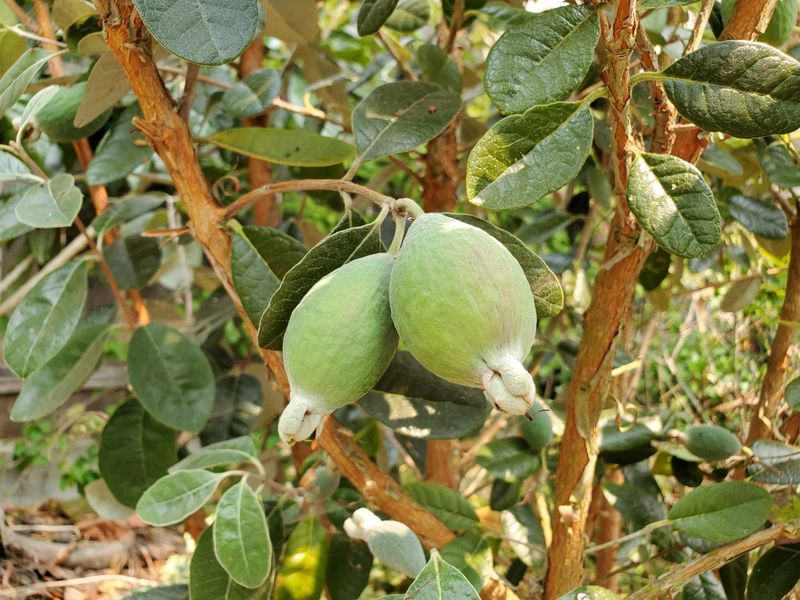
Green is the color you start with, and green is mostly the color you end with. Pineapple guava fruit does not blush red or turn yellow the way peaches or apples do.
Some fruits may fade to a slightly duller or lighter green as they mature, but the change is often hard to spot.
Plenty of Georgia gardeners get fooled by this in their first season. They wait for a color signal that might not show up and miss the best window as a result.
Skin texture can tell you a bit more than color does.
Ripe fruit sometimes looks a little less glossy, and the waxy coating may seem softer to the eye. Even so, these hints vary by variety and by how much sun a shrub gets.
Shrubs grown in partial shade under pines or oaks can show even less change than those in full sun.
Treat color as a weak clue rather than a final answer. Use it alongside touch, fruit drop, and a quick taste test before deciding a batch is ready.
Keeping a short note each year about when your fruit looked and tasted best can help a lot.
Over a few seasons, those notes may show you patterns that your eyes alone could easily miss on this tricky fruit.
2. Fruit Typically Matures During The Fall Season
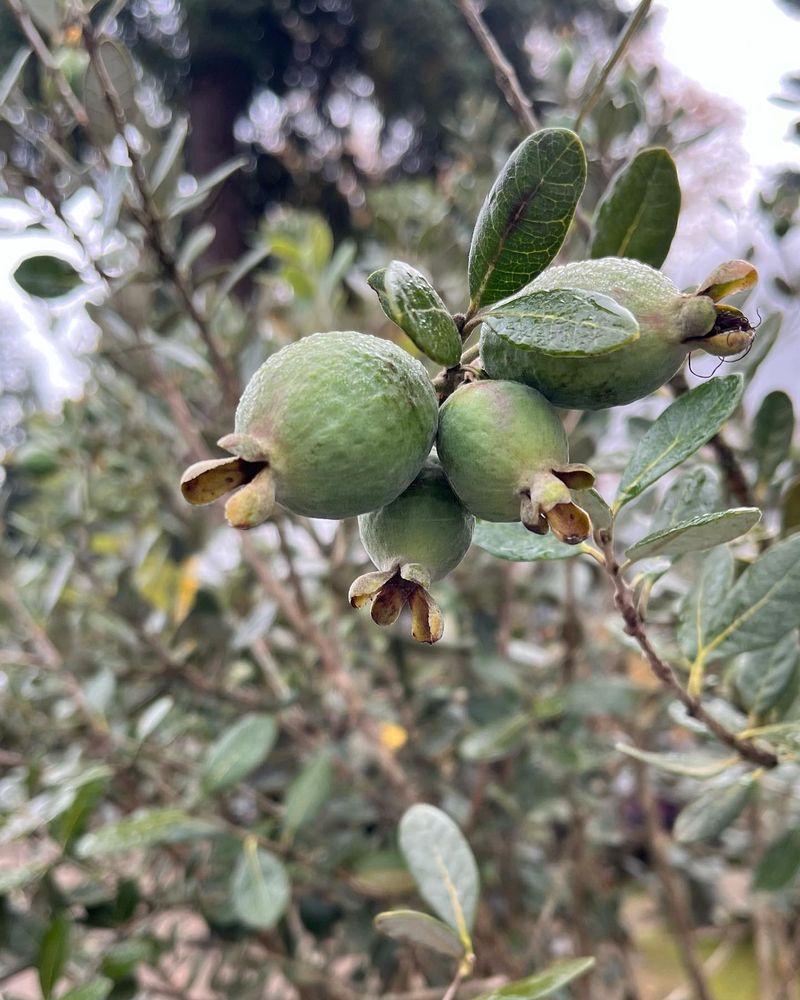
Mark your calendar for autumn. Along the coast, pineapple guava fruit usually ripens somewhere between late September and November.
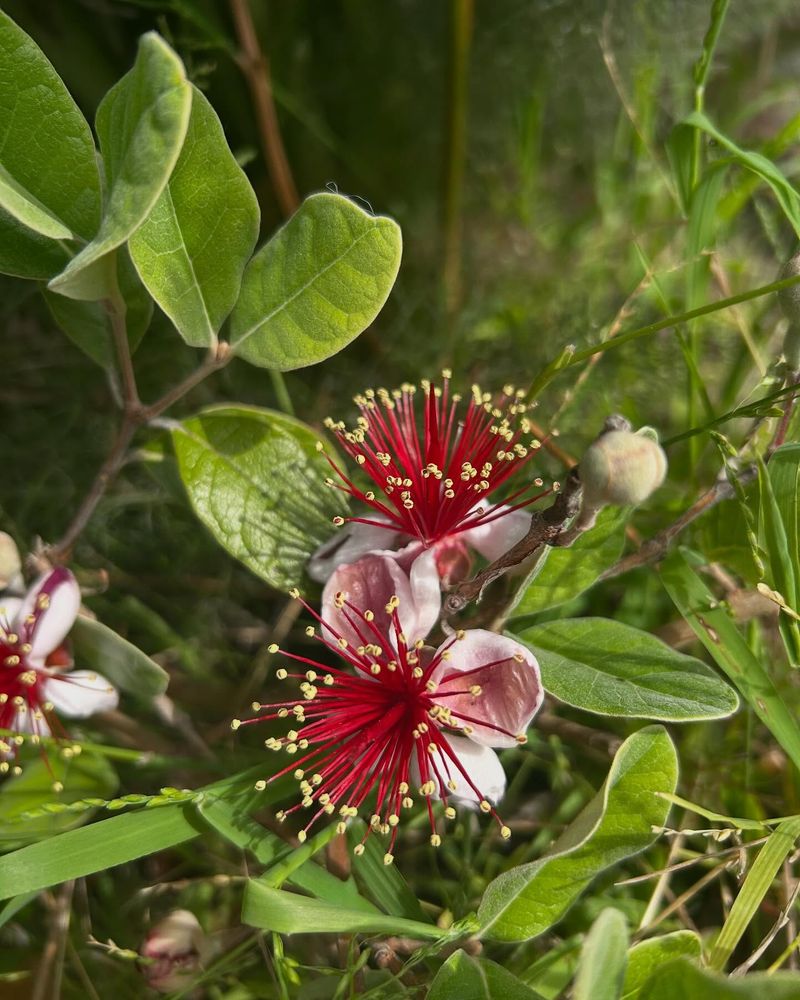
That timing follows the late spring bloom, when the shrub puts out those showy red and white flowers.
Exact dates can move around from one yard to the next. Rainfall, summer heat, plant age, and variety all play a part in when fruit finishes.
Early types may start dropping fruit in September, while later ones can hold on into November.
Coastal Georgia often has a long, warm fall, which gives fruit plenty of time to sweeten. A sudden early cold snap is less common near the coast, but it can still slow things down in some years.
Young shrubs may produce only a few fruits for the first couple of seasons.
Once fall arrives, start checking your shrub every few days instead of once a week. Fruit can go from firm to ready faster than you might expect during warm spells.
Your Georgia Garden Changes Every Week. Your Plan Should Too.
Gardening in Georgia changes quickly throughout the season. Every Friday you’ll receive a simple weekly plan showing exactly what to plant, prune, fertilize, harvest, and protect so you never miss the right timing.
Planting more than one shrub can help with fruit set, since many varieties do better with a partner nearby for pollination.
Knowing your general window keeps you from searching too early or forgetting about the shrub until the fruit has already spoiled on the ground.
3. Fruit Dropping On Its Own Is The Classic Signal
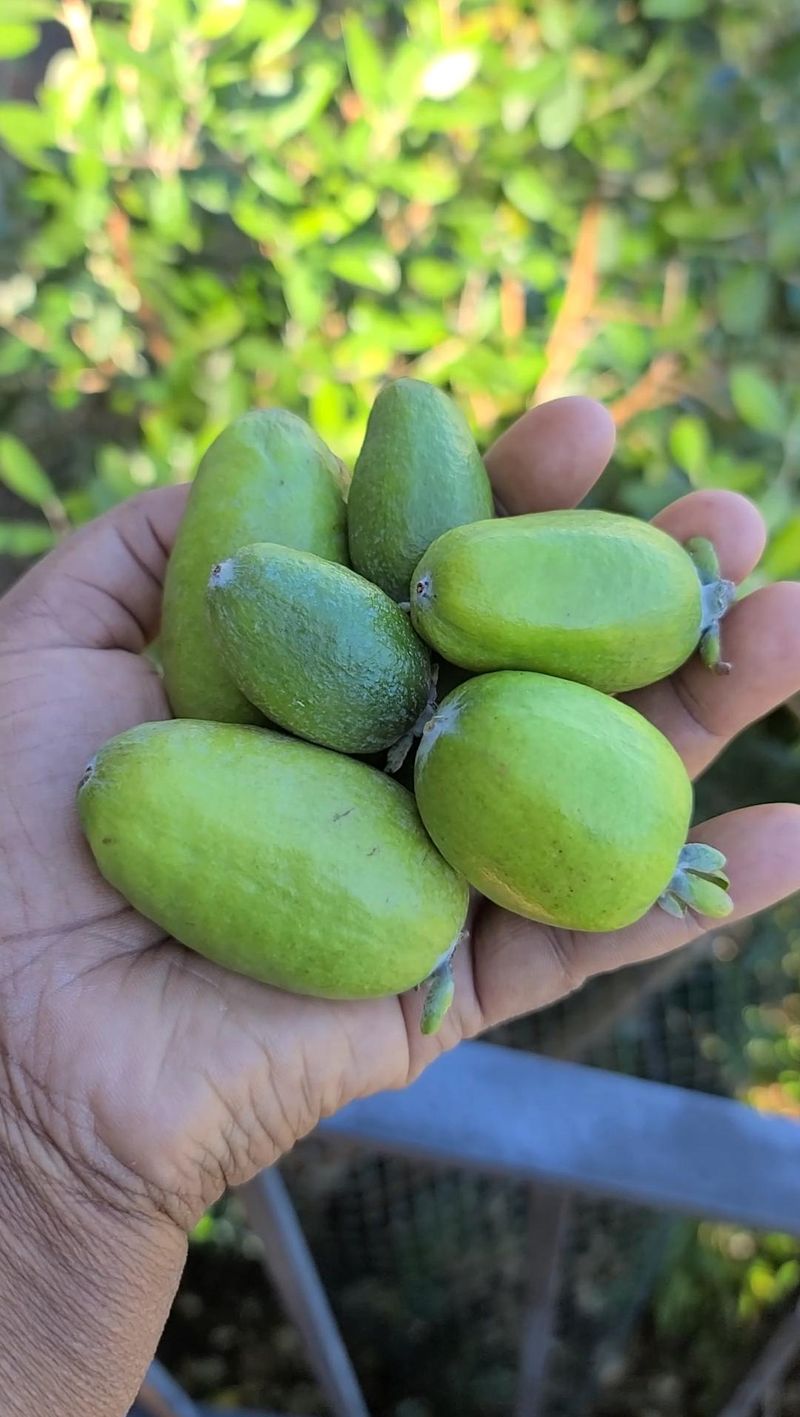
Let the shrub do the deciding. Experienced growers often wait for fruit to fall naturally, since that drop usually means it has reached full ripeness.
Picking straight from the branch tends to give you fruit that tastes flat or sour.
Laying down a soft layer of mulch or pine straw under the shrub can cushion falling fruit. A clean cloth or old sheet spread out during peak season works well too.
Head out each morning to collect what dropped overnight.
Fallen fruit can bruise if it sits for a day or two, especially during warm Georgia afternoons. Ants, squirrels, and other critters may also find it before you do.
Some people give branches a light shake to see which fruits are ready to let go.
A ready fruit often comes loose with very little effort. If you have to tug or twist hard, that fruit likely needs more time on the plant.
Wind and heavy rain can knock down fruit that is not quite ripe yet, so a drop after a storm is less reliable.
Sort those storm-fallen pieces separately and check each one by feel before you count them as ready to eat.
4. A Gentle Squeeze Can Help Confirm The Timing
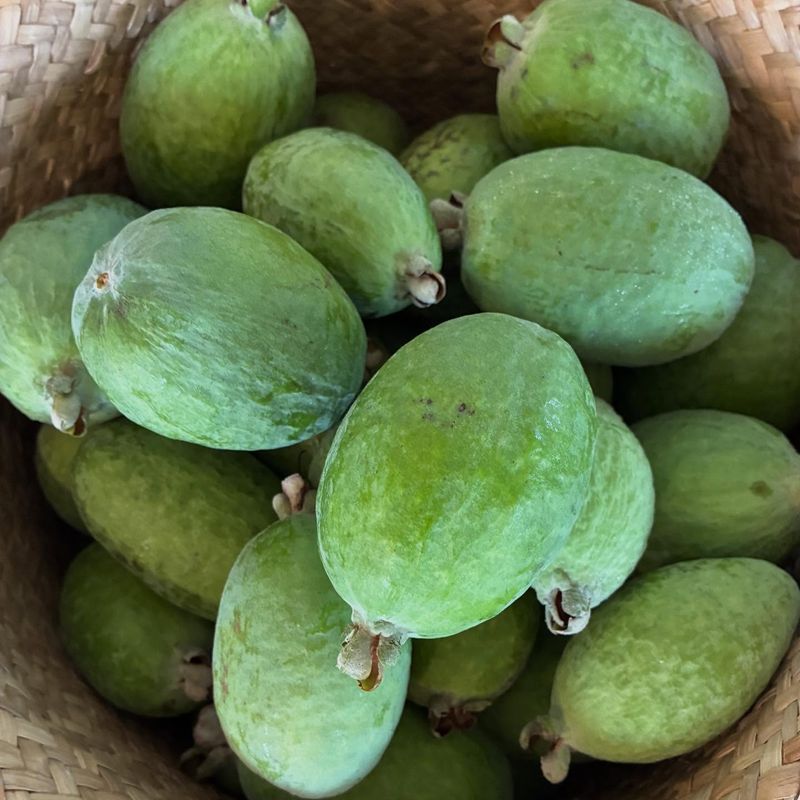
Your fingers can be smarter than your eyes here.
A ripe pineapple guava gives slightly when pressed, a lot like a ripe avocado or a soft kiwi. Unripe fruit feels hard and firm all the way around.
Hold the fruit in your palm and press lightly with your thumb. Pushing too hard can bruise the flesh, even on fruit that is still a bit firm.
Aim for a slight give, not a squishy dent that stays behind.
Fruit that feels mushy or collapses under light pressure has likely gone past its best point. Those pieces can still be checked inside, but they may taste fermented or bland.
Firm fruit that dropped early can sometimes soften on your kitchen counter over a day or two.
Results here vary, though, and fruit picked very green may never sweeten properly. Coastal Georgia humidity can also speed softening, so watch counter fruit closely.
Try squeezing a few fruits from the same batch to get a feel for the range. Comparing them side by side helps train your hand quickly.
After a season or two, you will likely recognize that just-right softness without much thought at all.
5. Cutting One Open Reveals What The Skin Cannot
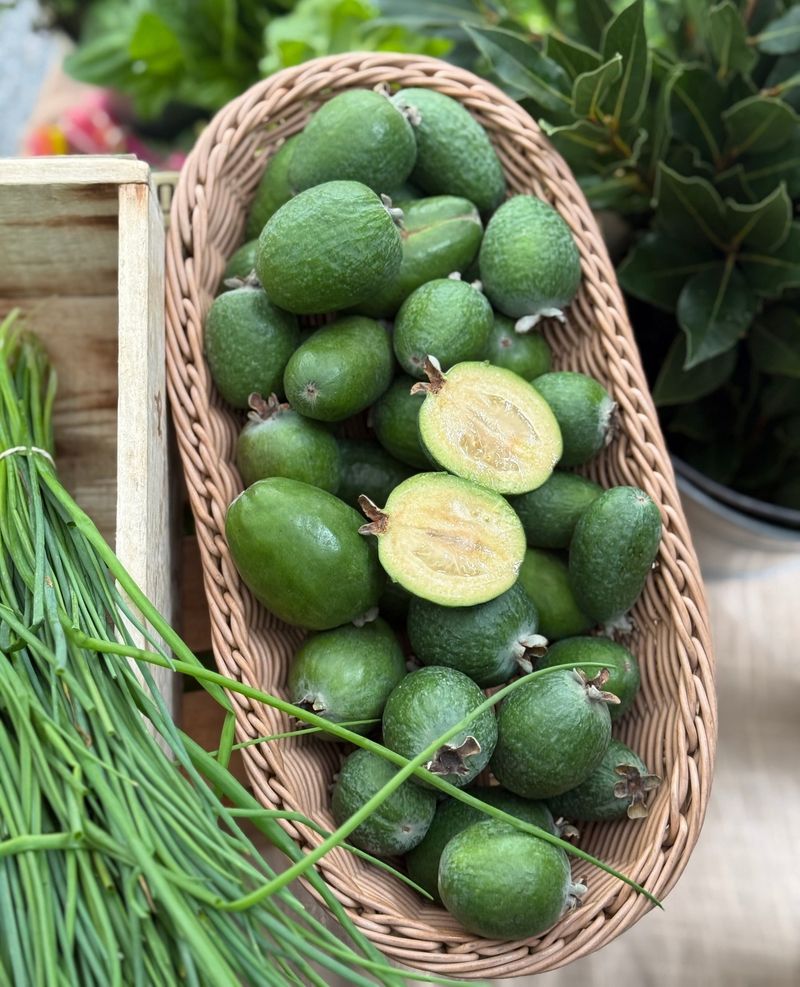
Slice first, then judge. Opening a fruit in half shows you exactly how ripe it is, since the inside tells a clearer story than the outside.
Look closely at the center, where the seeds sit in a soft pulp.
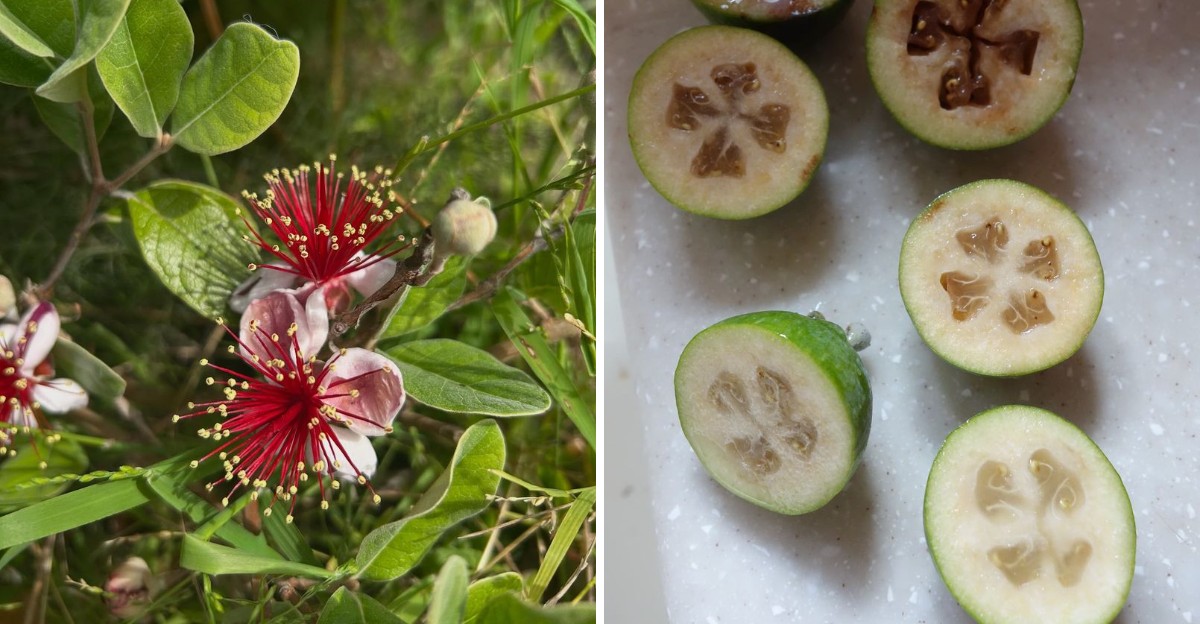
Clear, jelly-like pulp is a good sign that the fruit is ready to eat. Flesh around it should look creamy white and feel tender under a spoon.
Cloudy white pulp in the center usually points to fruit that needs more time.
Browning inside often means the fruit has gone past peak, even if the skin still looks fine. Light tan near the edges may be okay, but deep brown flesh usually tastes off.
Many Georgia gardeners cut open one test fruit from each day’s harvest.
Doing that gives you a quick snapshot of the whole batch. If the test fruit looks clear and creamy, others gathered at the same time are probably close.
Scoop the flesh out with a spoon and enjoy it fresh, or save it for smoothies and jams.
Toss heavily browned pieces into the compost rather than forcing yourself to eat fruit that tastes stale or sour.
6. Brown Soft Spots Can Signal Internal Fruit Damage
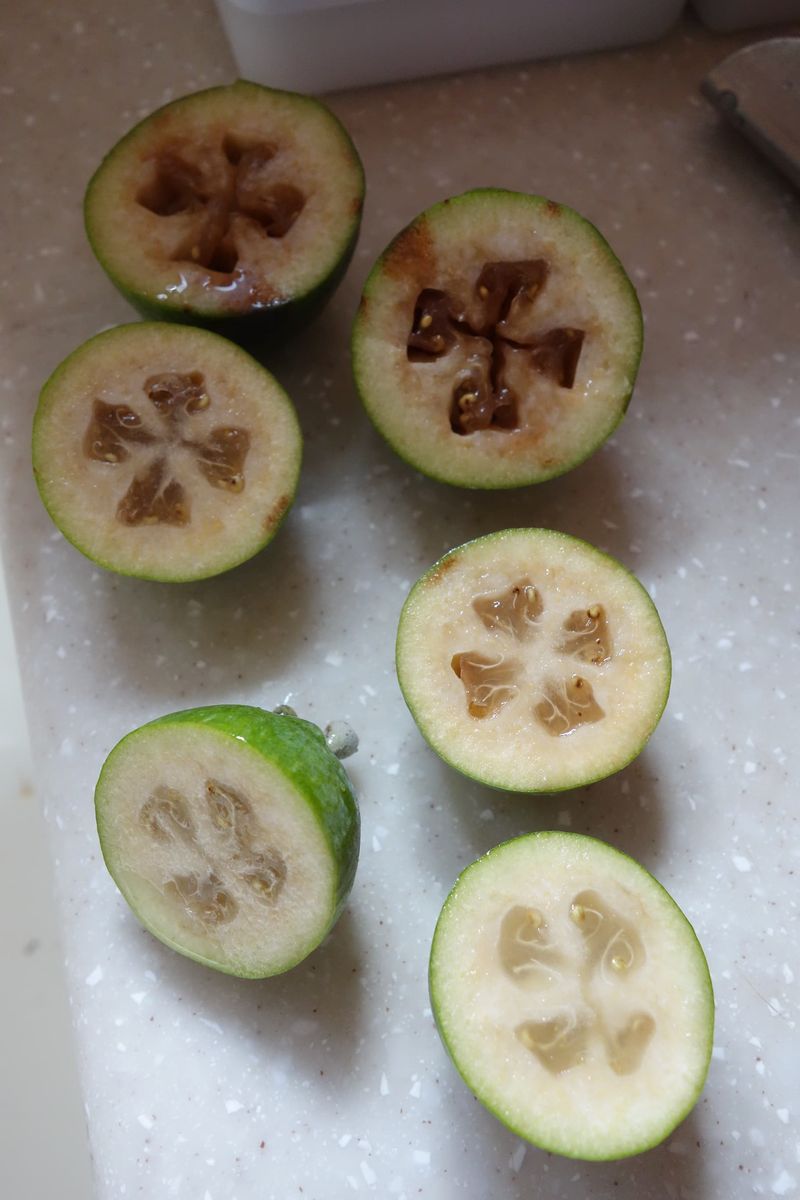
Spots matter. A small brown patch on the skin might seem harmless, yet it can hint at bruising or rot spreading underneath.
Fruit that hits hard ground or sits too long in damp mulch often shows these marks first.
Warm, wet fall weather in Georgia can make the problem worse. Moisture invites mold, and soft tissue breaks down quickly in that kind of heat.
Check each fruit as you gather it, turning it over to see every side.
Fruit with one tiny surface mark can still be fine inside. Cut it open and remove any discolored area before eating the rest.
Large or mushy brown areas are a different matter, and those pieces are usually best tossed.
Insects such as fruit flies may also leave small holes or damage that turns brown over time. Gathering fallen fruit daily cuts down on that kind of trouble.
Keep damaged pieces apart from healthy ones, since spoiling fruit can speed up softening in a shared bowl.
Raking up old fruit beneath the shrub after harvest may also help reduce pests next year, though results depend on your yard and local conditions.
7. A Short Shelf Life Makes Regular Gathering Worthwhile
Freshness fades fast with this fruit. Ripe pineapple guavas often keep only a few days at room temperature before turning soft and bland.
Refrigerating them can stretch that window to about a week, sometimes a bit longer.
Place fruit in a single layer in a crisper drawer or shallow container. Stacking them too deep can cause bruising on the bottom layer.
Gathering every day or two during peak season makes a real difference in quality.
Skipping a few days in a warm Georgia October can leave you with a pile of overripe fruit. Daily trips also give you a better sense of how fast your shrub is producing.
Got more than you can eat? Scoop the flesh and freeze it in small bags for smoothies, baking, or sauces later.
Jams and chutneys are another handy option for a big harvest. Sharing extras with neighbors works too, since fresh feijoa is rarely sold in local stores.
Eating fruit soon after it ripens usually gives you the best flavor and aroma.
A simple routine of picking, sorting, and chilling keeps your harvest enjoyable instead of turning into a race against spoilage.