The One Thing Every New York Yard Needs After The Driest September In Years
September felt like a long, crunchy walk across a bowl of stale cornflakes in much of upstate New York. Lawns turned the color of toast, and even the dandelions looked like they wanted a nap.
Rain clouds drifted past like shy guests who waved from the street but skipped the party. Gardeners in the northern and western parts of New York stared at the sky, holding coffee mugs and hoping for a sprinkle.
Now October has arrived with cooler mornings, crisp air, and leaves that crackle under every boot. The surface might look a little better, but the soil underneath still remembers that thirsty month.
Roots are tucked away down there, quietly waiting for help that a quick hose spray rarely delivers. Trees, shrubs, and perennials need to stock up before winter locks the ground in frosty silence.
One simple habit can turn a parched yard into a place that greets spring with real confidence. Last month, the grass crunched so loudly underfoot that even the squirrels seemed to tiptoe across it.
A Slow Deep Soak For Thirsty Soil
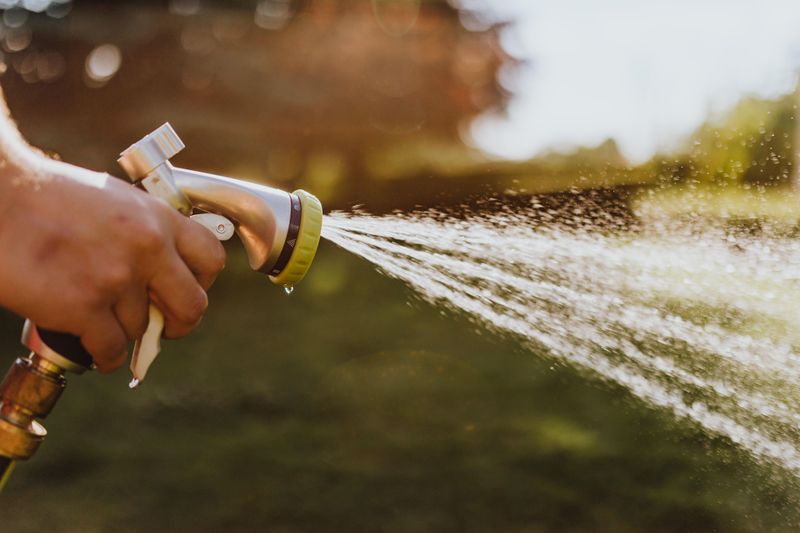
Picture pouring a glass of water onto a hard, dry brick and watching most of it slide right off. Hard, parched soil behaves the same way, so water needs time to sink in instead of running away.
A slow, deep soak means letting water trickle into the ground for a long stretch at low pressure. Soaker hoses, drip lines, or a garden hose set to a thin stream all work nicely for this job.
After a dry spell, bare or compacted soil can form a crust that sheds fast water like a rain jacket. Slow watering gives that crust a chance to soften, letting moisture reach the roots hiding several inches down.
Deep moisture also trains roots to grow downward, where the soil stays cooler and holds water much longer. Shallow roots, on the other hand, tend to struggle the moment the top layer of dirt dries out.
Early October is a smart window for this, because cooler air means less water floats away as vapor. Plants are also busy storing energy in their roots, getting ready for the long, frosty months ahead.
Try running a soaker hose around a tree or garden bed for about an hour on low. Then move it to the next thirsty spot, like a careful chess player shifting pieces across the board.
Patience matters more than power here, so resist the urge to blast the yard with a strong spray. Your plants will thank you next spring with stronger stems, greener leaves, and fewer signs of stress.
The Reason Light Sprinkling Falls Short After Drought
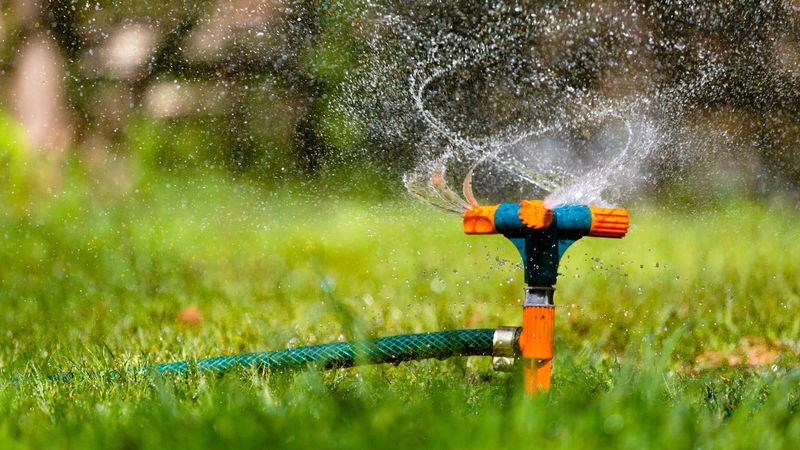
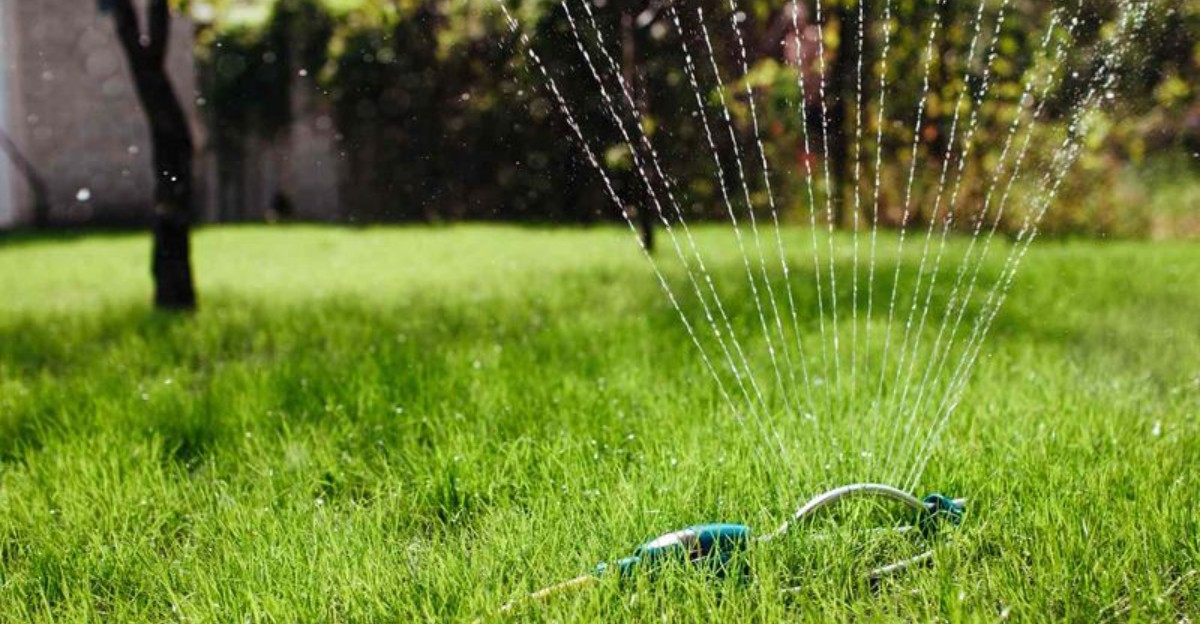
A quick ten minute sprinkle often wets only the top inch of soil, which is barely a damp handshake. Most lawn and shrub roots live deeper than that, so they rarely get a sip from light watering.
Think of it like sharing one tiny cracker with a whole soccer team after a long, sweaty game. Everyone gets a crumb, nobody feels full, and the hungry players keep looking around for real food.
Your New York Garden Changes Every Week. Your Plan Should Too.
Gardening in New York changes quickly throughout the season. Every Friday you’ll receive a simple weekly plan showing exactly what to plant, prune, fertilize, harvest, and protect so you never miss the right timing.
Light sprinkling also tempts roots to creep upward, chasing the shallow moisture that disappears by afternoon. Those surface roots then dry out quickly, leaving grass and flowers weaker each time the weather turns.
After a dry spell, the soil can even pull away from roots, creating tiny gaps filled with air. A splash of water on top does little to close those gaps or rebuild healthy contact underground.
Wet leaves from frequent sprinkling can also invite fungus, especially as cool October nights stay damp longer. Leaf spot diseases love that kind of setup, much like mosquitoes love a backyard birdbath.
Fewer, longer watering sessions usually beat many short ones, even though sprinkling feels more productive in the moment. Standing around with a hose is relaxing, but the soil cares more about depth than daily attention.
So if your evening routine includes a quick spray, consider swapping it for one longer soak weekly. Your water bill may stay about the same, while your plants finally get the drink they need.
Signs The Ground Is Still Dry Below The Surface
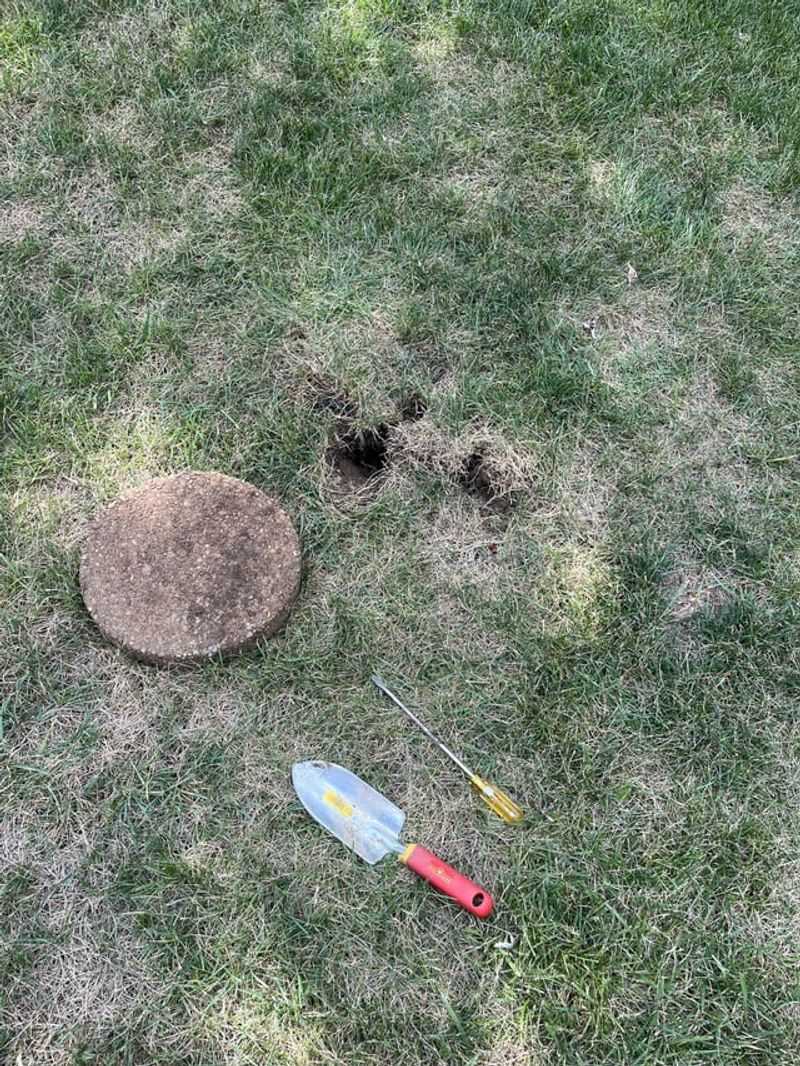
Grab a screwdriver and play detective, because the soil hides its secrets just a few inches down. Push it into the ground, and if it stops hard after an inch, the lower layers need water.
A long screwdriver that slides in six inches with little effort usually means the soil is well hydrated. It sounds almost too simple, but many gardeners swear by this cheap and handy test.
Another clue is grass that stays flat after you walk on it, holding your footprints like wet sand. Healthy blades spring back fast, while thirsty ones lack the moisture to stand up straight again.
Cracks in garden beds, especially near walkways and fences, are another hint that deep moisture is missing. Leaves that curl, droop in the afternoon, or turn crispy along the edges tell a similar story.
Trees can be sneaky, dropping leaves earlier than usual or showing thin, patchy color this fall. Early leaf drop is sometimes normal, but a sudden shower of brown leaves may signal drought stress.
For a hands-on check, dig a small hole about six inches deep with a trowel near your plants. Squeeze a handful of soil from the bottom, and see if it crumbles into dust or holds together.
Soil that forms a loose ball feels about right, while powdery soil is begging for a long drink. Checking a few spots around the yard takes ten minutes and saves plenty of guesswork later on.
The Right Amount Of Water Per Session
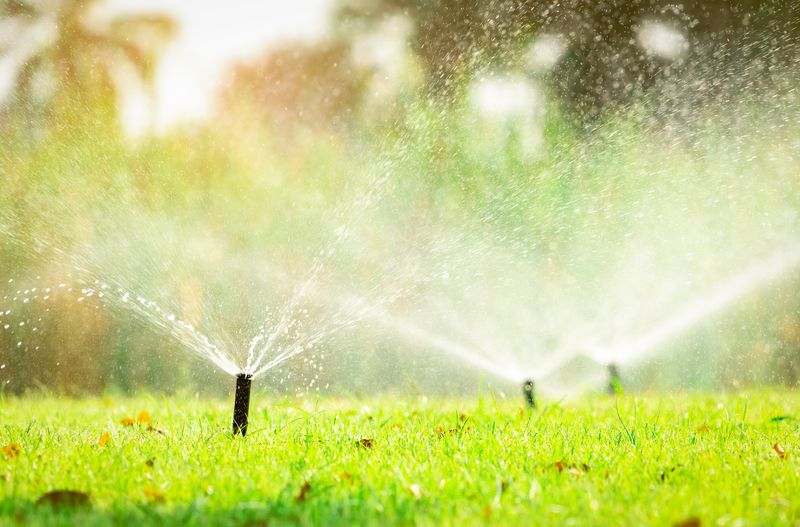
One inch of water per week is the classic rule for lawns, and it still holds up well today. After a dry September, though, many yards benefit from slightly more until the soil feels evenly moist again.
That inch should soak loamy soil about six inches deep, which is right where most grass roots live. Measuring it is easier than it sounds, and you probably already own the tools in your kitchen.
Set a few empty tuna cans around the lawn, then run your sprinkler and check the water level. Once the cans hold about one inch, note the time so you know exactly how long to water.
Trees need a different approach, since their roots spread wide and reach much deeper than grass roots. A common rule of thumb is about ten gallons of water per week for each inch of trunk width, given slowly.
Shrubs and perennials usually do well with a deep soak once or twice a week during dry stretches. Newly planted fall mums, bulbs, and shrubs may need a little extra while their roots settle into place.
Too much water can cause trouble too, leaving soggy soil that pushes out air and invites root rot. If puddles linger for hours after watering, cut back the time and let the ground breathe a bit.
Keep an eye on the forecast too, since a solid October rain can count toward your weekly total. A cheap rain gauge on a fence post makes tracking those natural showers simple and oddly satisfying.
The Best Time Of Day To Water
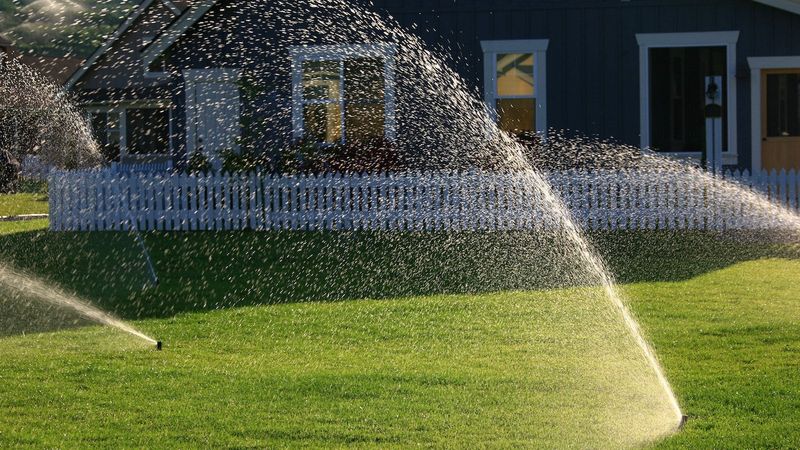
There is something peaceful about stepping outside at dawn, when the air smells like wet leaves and coffee. That quiet early hour also happens to be the smartest time to give your yard a long drink.
Morning watering, ideally between five and ten, lets moisture sink deep before the sun warms things up. Winds are usually calmer then too, so less water drifts onto the sidewalk or the neighbor’s car.
Leaves also have time to dry off during the day, which helps keep fungus and mildew in check. In early October, New York nights grow chilly, and damp leaves overnight can become a cozy home for disease.
Evening watering is not the worst choice, but it works best when you aim water at the soil. A soaker hose or drip line keeps leaves dry, so timing matters a little less with those tools.
Midday watering on a warm fall afternoon tends to waste water, since some of it evaporates before soaking in. Still, a wilting plant at noon deserves a drink right away rather than waiting until tomorrow morning.
If early mornings feel rough, a simple hose timer can handle the job while you stay snug in bed. Many timers cost less than a pizza and attach right to the outdoor faucet in a few minutes.
Just remember to unhook hoses and timers before the first hard freeze, which arrives between October and November depending on the region. Frozen water inside a hose can split it open, which is a sad surprise on a spring morning.
Spots In The Yard That Need Extra Attention
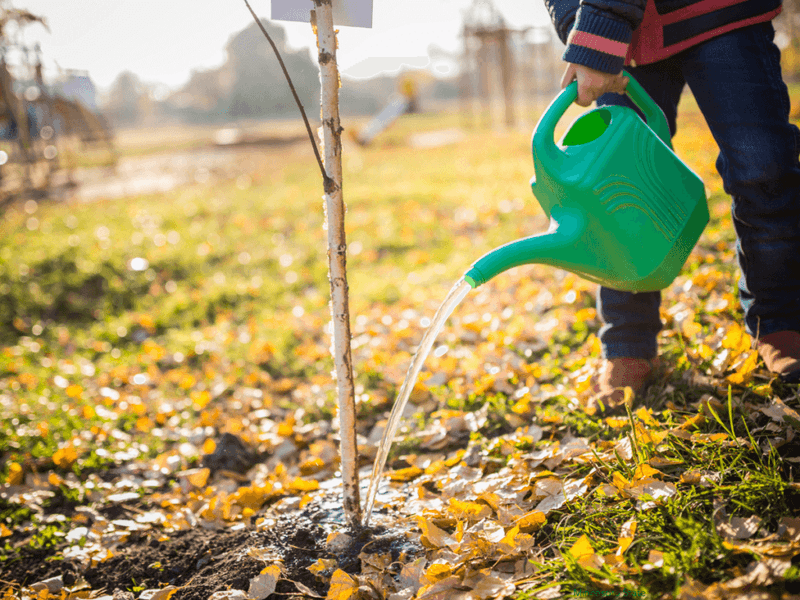
Ever notice how one corner of the yard looks crispy while another stays green and cheerful all season? Some areas lose moisture faster than others, and they deserve a little extra love this October.
Strips of grass along driveways and sidewalks soak up heat from the pavement, drying out much faster. Give these edges a longer soak, and they will look less like a toasted marshmallow by next spring.
Young trees planted within the last three years have small root systems that struggle during dry stretches. Evergreens like arborvitae and rhododendrons also need deep water now, since they keep losing moisture through winter.
Winter burn, those brown patches on evergreen needles, often starts with dry roots heading into the cold. A few thorough soaks before the ground freezes can help reduce winter burn on these plants.
Slopes and hills also need care, because water tends to run downhill before it has time to sink. Water these spots in short bursts with breaks between, giving the soil a chance to catch up.
Areas under large trees, along south-facing walls, and inside raised beds often dry out surprisingly fast too. Big maples and oaks use a large share of the water, leaving less for nearby shrubs and flowers.
A two inch layer of shredded leaves or mulch over these spots helps lock in precious moisture. Bonus points, those fallen October leaves are free, and raking them feels pretty satisfying.