10 Houseplants New York Homeowners Should Have Already Brought Inside
Overnight temperatures in New York can drop before your favorite planter gets a warning. You hauled hibiscus, geraniums, and lemon trees onto that stoop, and they expect rescue.
Frost reaches your upstate neighbors sooner, yet city rooftops hold heat longer. Hardy pansies, kale, and mums handle light frost even when you miss the forecast.
Delicate begonias and coleus blacken within hours once your thermometer nears freezing. Soggy soil in cold weather invites root rot, so go easy on the watering.
Move sensitive pots against a south-facing wall, where brick radiates stored warmth. Cluster containers tightly, because grouped roots shield each other from wind.
Drape frost cloth over tall specimens before sunset, and anchor edges with bricks. Tropicals deserve your hallway or sunroom until New York spring returns. Those red blooms by your front door are watching, so you act tonight.
1. Tropical Hibiscus Delivers Bold Color
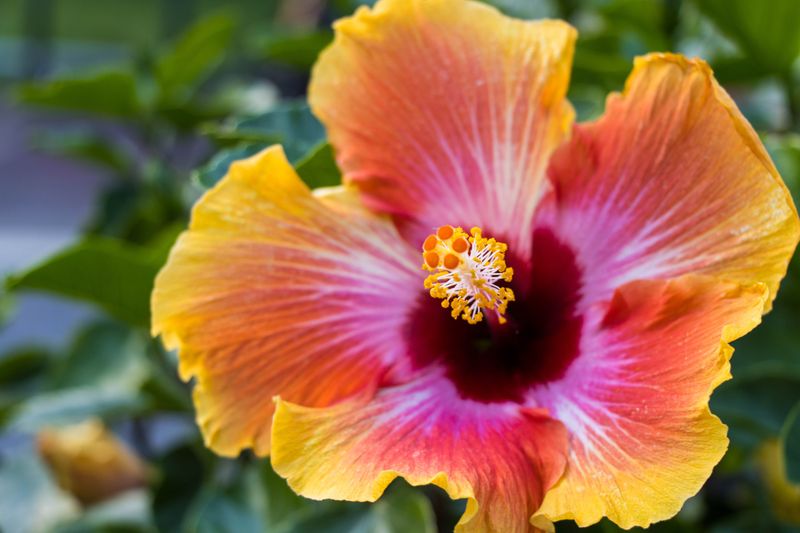
Picture a dinner-plate flower glowing coral on your fire escape all summer long. Tropical hibiscus brings that island energy, but it struggles once nights dip below 50 degrees.
Cold air turns its glossy leaves yellow fast, and buds drop like tiny green marbles. Queens and Brooklyn gardeners usually move it indoors by late September, before cold nights.
Before carrying it inside, hose down the leaves and check the undersides for aphids or whiteflies. Hitchhiking bugs love a warm living room as much as you do.
Give your hibiscus the sunniest window you have, ideally facing south or west. Winter light in New York is weak, so every bit of brightness counts.
Water when the top inch of soil feels dry, and skip the soggy saucer. Some leaf drop after the move is normal, so do not panic.
Feed it lightly once a month with a balanced fertilizer, then pause during the darkest weeks of December. A cool room around 60 degrees helps it rest without fuss.
Trim leggy stems lightly in late winter to encourage bushy new growth. By late May, once nights stay above 50 degrees, your plant can return outside.
2. Mandevilla Offers Climbing Blooms
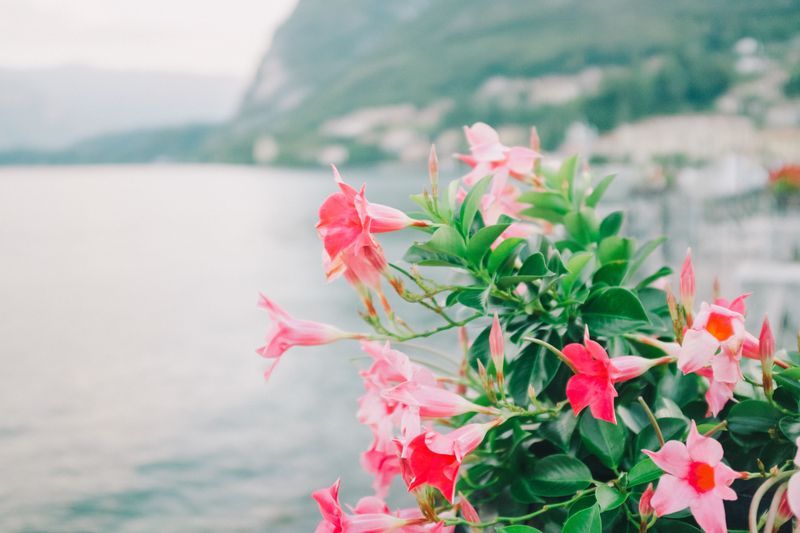
Every summer, mandevilla vines wrap Long Island porch railings in pink trumpets that hummingbirds visit. This tropical climber begins to decline as soon as temperatures slide into the forties.
Many folks toss it like a seasonal decoration, but saving one is easier than you think. You also skip buying a pricey new vine at the garden center every spring.
Cut the vine back by about a third so it fits through your doorway. Untangle it gently from trellises, and keep a few strong stems intact.
Inspect leaves for mealybugs, which look like little cotton tufts stuck in leaf joints. A wipe with rubbing alcohol on a cotton swab handles small outbreaks.
Indoors, a bright window and room temperatures above 60 degrees keep it comfortable. Expect fewer flowers until spring, since short winter days slow the blooming show.
Let the soil dry slightly between drinks, because cool roots rot quickly in wet dirt. Mist the leaves now and then when radiators make the air desert-dry.
Your New York Garden Changes Every Week. Your Plan Should Too.
Gardening in New York changes quickly throughout the season. Every Friday you’ll receive a simple weekly plan showing exactly what to plant, prune, fertilize, harvest, and protect so you never miss the right timing.
Some gardeners prefer to store mandevilla dormant in a cool basement with little water. Either way, your vine can return outside after Memorial Day for another summer show.
3. Geraniums Fill Window Boxes

Longtime Bronx gardeners often keep the same red geraniums going for many years. Their secret is simple: bring the pots in before the first hard frost hits.
Geraniums handle a light chill, but freezing nights make their fleshy stems turn soft and collapse. In upstate counties, that can happen as early as late September.
Pull plants from window boxes and pot them in fresh, well-draining mix. Pinch off fading blooms and yellow leaves, and keep pots away from pets, since geraniums are toxic.
A sunny windowsill keeps them flowering on and off through winter. Their spicy scent fills a kitchen nicely when you brush past the leaves.
Water sparingly, since geraniums prefer to dry out a bit between sips. Overwatering is a common mistake people make with them indoors.
Short on window space? Try the old-fashioned trick of storing bare-root plants in paper bags in a cool basement.
Shake soil off the roots, hang the bags, and lightly mist the roots once a month. Come April, pot them up again and watch fresh leaves appear within weeks.
You can also snip four-inch cuttings, dry the ends, and root them in perlite. It feels like getting free plants, because it truly is.
4. Boston Ferns Suit Hanging Baskets
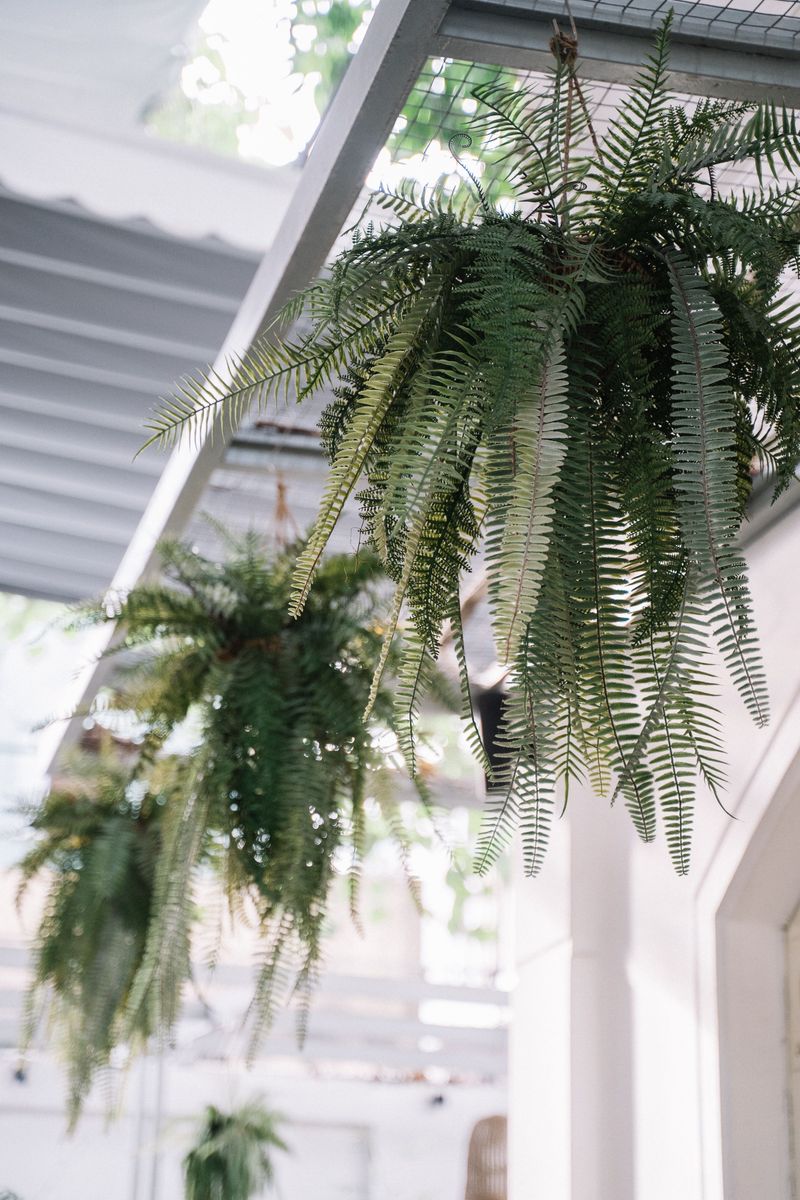
Those lush hanging ferns on Brooklyn brownstone stoops look tough, but they are very sensitive to cold. Frost turns their feathery fronds crispy and brown in a single night.
Bring them in once nights drop toward 45 degrees, usually by early October. Waiting longer means more shedding and a messier cleanup on your floors.
Give the fronds a good shake outside to knock loose dry leaves and hidden spiders. A quick rinse with the hose also clears away dust and tiny pests.
Expect some leaf drop during the first few weeks inside. Ferns are adjusting to lower light and dry indoor air, which feels like a sudden desert.
Humidity is the big secret here. Set the basket near a humidifier, or group it with other plants to share moisture.
A bathroom with a bright window can become a fern paradise during winter. Steamy showers give it the damp air it craves.
Keep the soil evenly moist but not soaking, and check it twice a week. Radiators dry pots out faster than most people expect.
Trim brown fronds at the base whenever they appear. By spring, your fern will be bushy and ready to hang outside again.
5. Jade Plants Reward Patient Growers
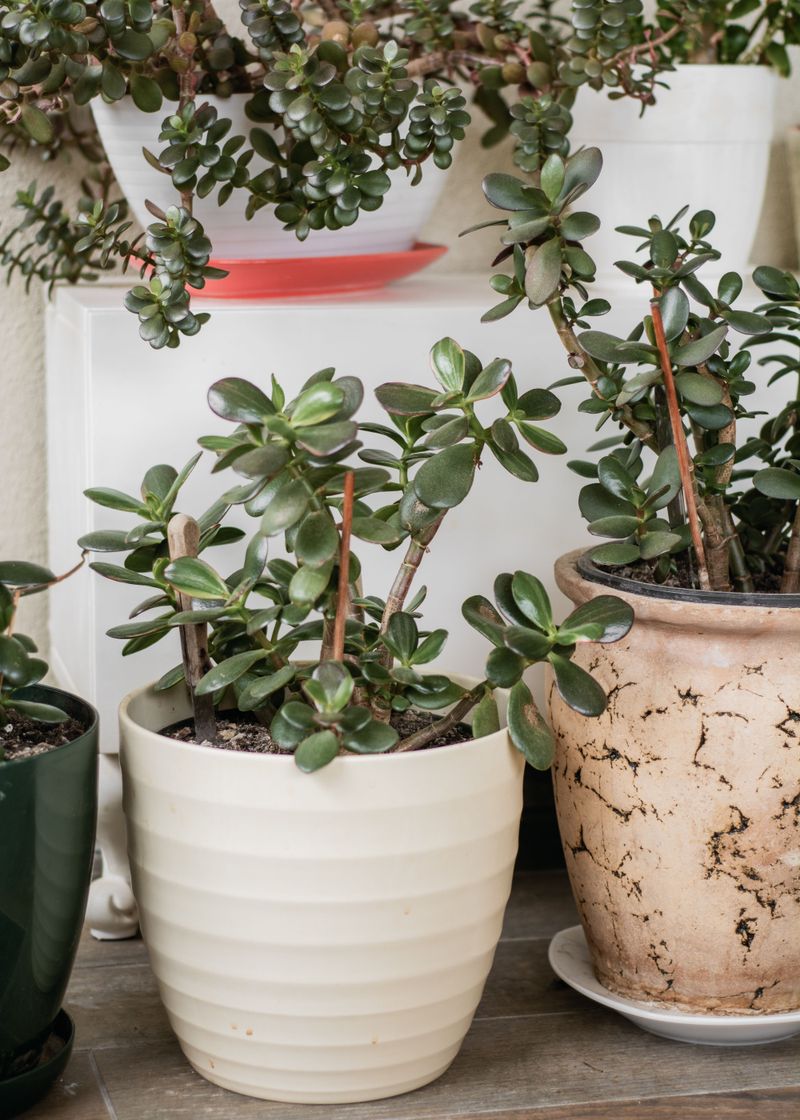
Some jade plants live for fifty years or more, passed down like family heirlooms. Leaving one outside in a New York frost would damage a plant that could last decades.
Jade stores water in its plump leaves, which makes it vulnerable to freezing. Ice crystals form inside the leaves and leave them soft and blackened.
Move it indoors when nights fall below 50 degrees, typically in late September. Check under the pot rim for slugs and earwigs before crossing the threshold.
A south-facing window is the ideal spot for this succulent. Four or more hours of direct sun keeps stems sturdy instead of stretched and floppy.
Winter is resting season, so water only when the soil is dry all the way down. Every few weeks is usually enough, as long as the soil is fully dry.
Cool nights around 55 degrees can even trigger tiny star-shaped white flowers. Many owners are shocked to learn their jade can bloom at all.
Skip fertilizer until spring, when new growth begins. Then use a diluted cactus food every few weeks to support fresh leaves.
Heavy, older jades can tip over easily, so use a sturdy clay pot. That extra weight keeps it stable, though jade is mildly toxic to pets.
6. Rosemary Flavors Winter Cooking
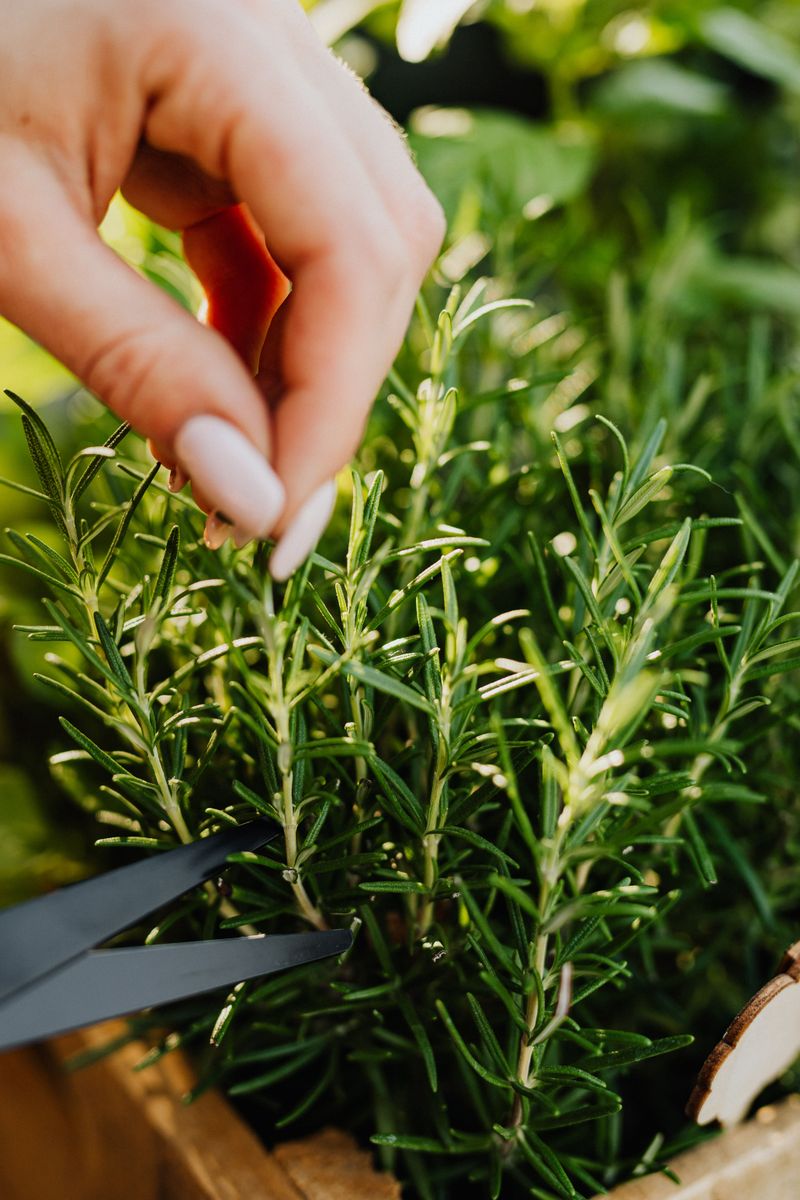
Snipping fresh rosemary for a Thanksgiving roast saves you from paying grocery store prices. Many varieties, though, struggle through a typical New York City winter outdoors.
Rosemary hails from the sunny, dry Mediterranean coast, where frost is a rare visitor. Temperatures below 20 degrees can damage it quickly, especially in exposed pots.
Bring potted rosemary in by mid-October, before the first hard freeze arrives. Rinse the needles to remove spider mites that love hiding there.
Indoors, the trickiest part of rosemary care is balancing water just right. Dry roots crisp the needles, but soggy soil invites root rot, and stagnant air brings powdery mildew.
Let the top inch dry between waterings, and test it with your finger every few days. A clay pot helps extra moisture escape naturally.
Your sunniest window is a must, since rosemary loves six hours of light. A small grow light can fill the gap on gloomy December afternoons.
Cooler rooms suit it better than toasty spots near the heater. Around 60 degrees mimics the gentle winters of its homeland.
Snip sprigs often for chicken soup, roasted potatoes, and homemade focaccia bread. Regular harvesting keeps the plant compact and encourages fresh, fragrant growth all winter.
7. Meyer Lemons Bear Fruit Indoors
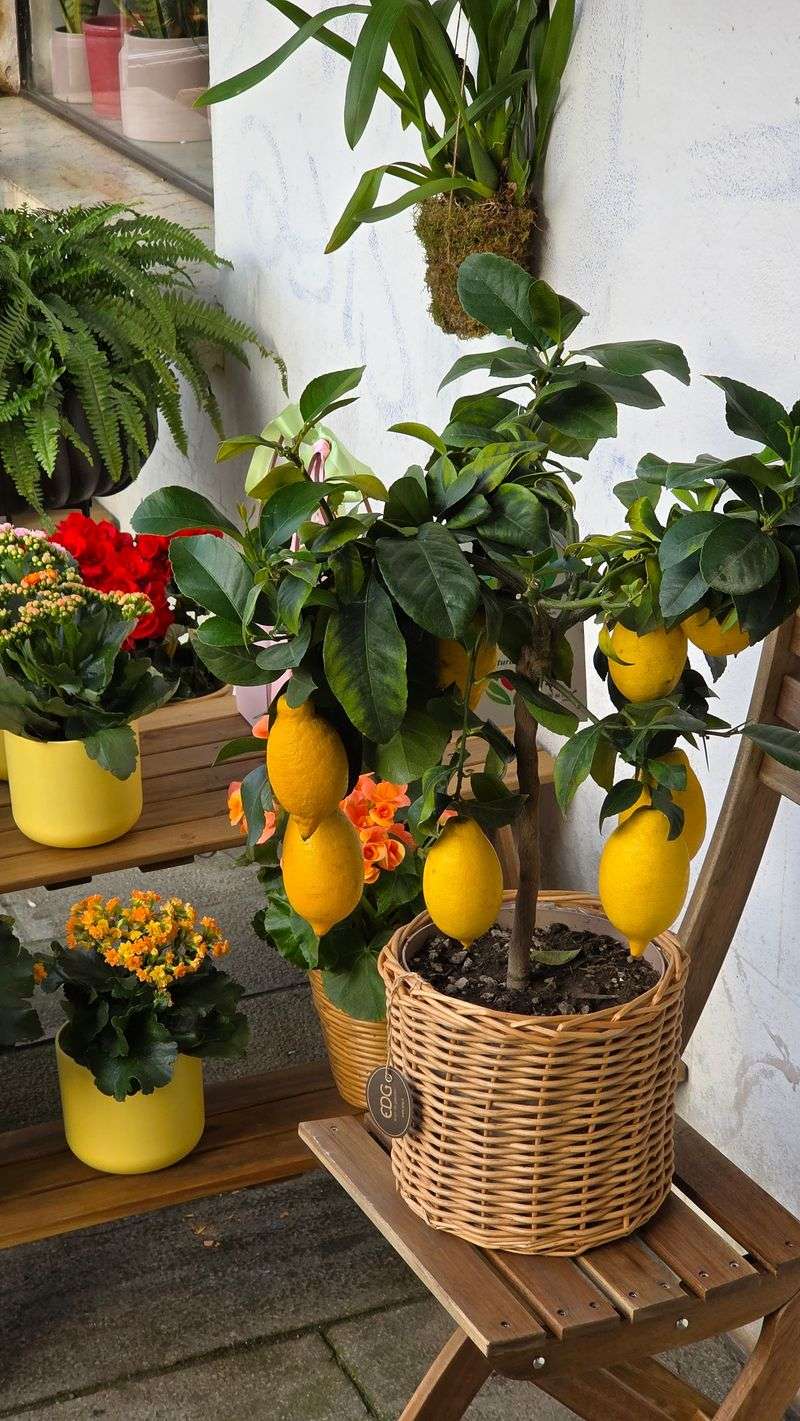
Yes, you can grow Meyer lemons, a lemon-mandarin hybrid, in a Manhattan apartment. Meyer lemon trees have become a hit with city gardeners who love a fragrant challenge.
These citrus trees enjoy summers outside but struggle once temperatures drop below 40 degrees. Bring them in by early October to protect the developing fruit.
Ease the transition by moving the tree to a shady porch spot for a week first. Sudden changes in light can cause dramatic leaf drop.
Inspect branches closely for scale insects, which look like tiny brown bumps. Scrape them off gently or treat with horticultural oil before heading indoors.
Place the tree in your brightest south window, ideally with eight hours of light. Add a grow light if your apartment faces a brick wall.
Citrus dislikes wet feet, so water deeply and then wait until the top two inches dry. Mist leaves or use a pebble tray to boost humidity.
Winter blossoms smell like a sweet perfume shop and can fill a whole room. With no bees indoors, dab each flower with a small paintbrush to pollinate.
Fruit takes six to nine months to ripen, so patience pays off. Blooms from last spring can give you ripe lemons by February.
8. Spider Plants Simplify Care
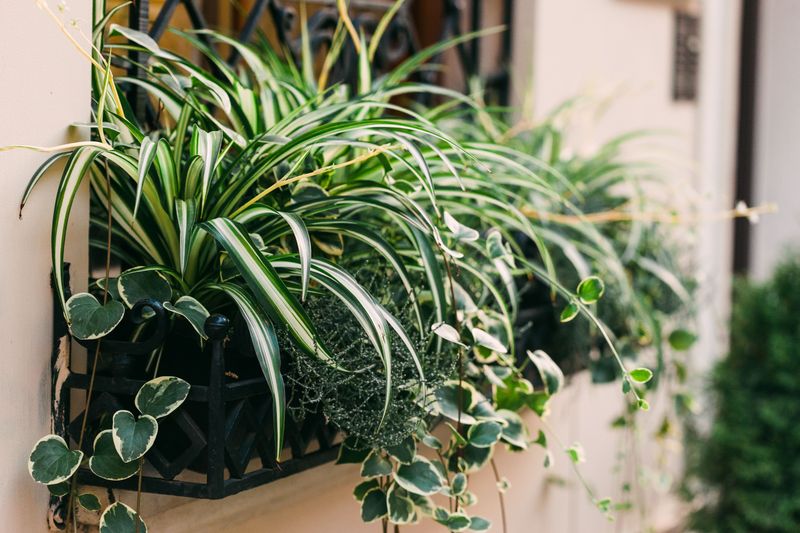
Hanging spider plants dangle their baby plantlets off porches like green party streamers all summer. They look tough, but frost turns those striped leaves into limp noodles.
Spider plants come from southern Africa, so New York cold is a shock. Bring them in when nights hit 45 degrees, usually by early October.
Their forgiving attitude makes them perfect for beginners or busy commuters. They handle medium light, missed waterings, and the occasional bump from a backpack.
Before moving them, snip off brown tips with clean scissors for a fresh look. Check the soil surface for fungus gnats, which love damp outdoor pots.
Indoors, hang them near a bright window that gets indirect light. Harsh direct sun through glass can scorch the leaves in midday hours.
Water when the top inch feels dry, and use filtered water if possible. Tap water fluoride sometimes causes those annoying brown leaf tips.
Whenever plantlets appear, you can multiply your collection for free. Pin the dangling babies into small pots of soil, and roots form within weeks.
Spider plants also make thoughtful holiday gifts for neighbors and coworkers. A homegrown baby in a cute mug beats another scented candle any day.
9. Bougainvillea Adds Tropical Flair
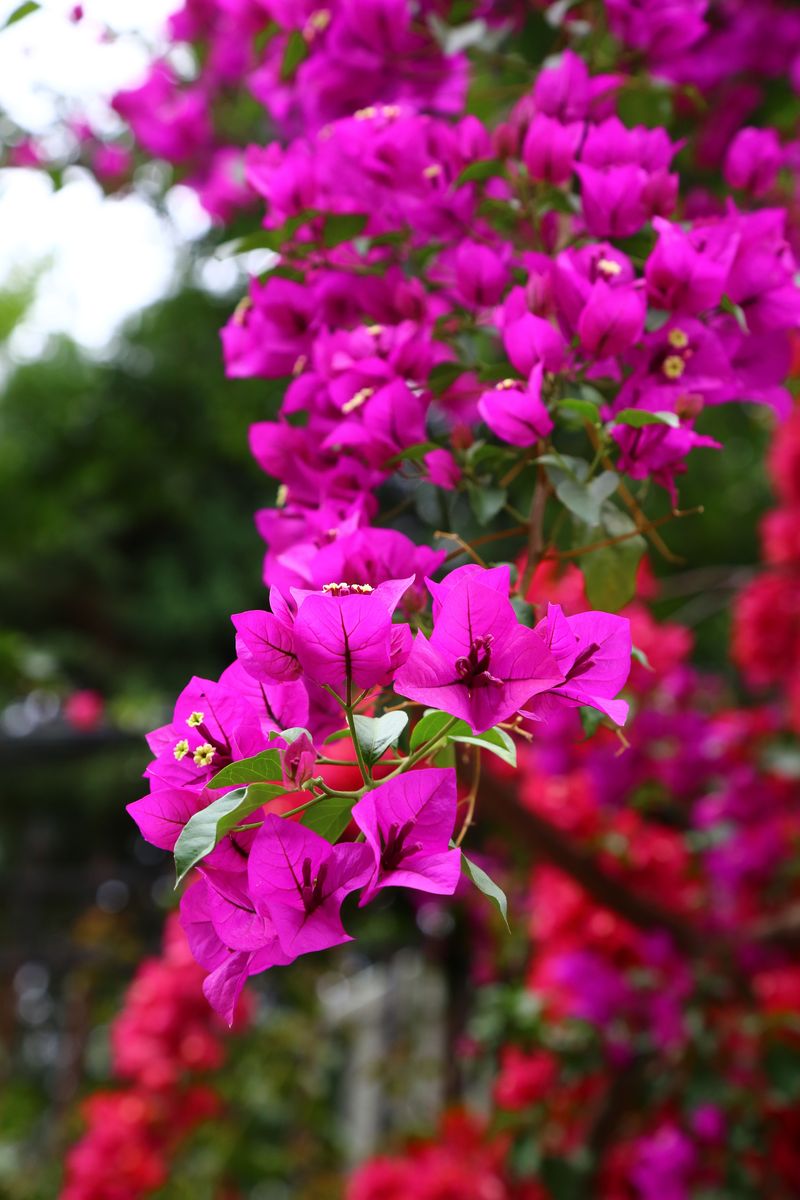
Walking past a magenta bougainvillea on a Staten Island deck feels like a quick trip to Miami. Keeping that vacation vibe alive means moving it indoors before October chills.
Bougainvillea is native to South America and is damaged by frost. Even a night in the thirties can scorch its papery bracts and tender stems.
Wear thick gloves when you move it, because those thorns are sharp. Prune long, wild branches first to make the trip through doorways easier.
Colorful bracts may fall off once inside, and that is common. The plant is simply adjusting to shorter days and dimmer light.
Your brightest, warmest window is the ideal winter home. Bougainvillea thrives on heat, so a sunny spot near, not touching, a radiator works well.
Water lightly and let the soil dry out between drinks during winter. Surprisingly, a little stress encourages more blooms once spring arrives.
Hold off on fertilizer until March, then switch to a bloom-boosting formula. Feed every two weeks once new growth starts pushing out.
Gardeners in South Florida plant it outdoors year-round, but New Yorkers need a portable strategy. Keeping it in a container on wheels makes the seasonal shuffle much easier.
10. Fiddle Leaf Figs Bring Statement Style
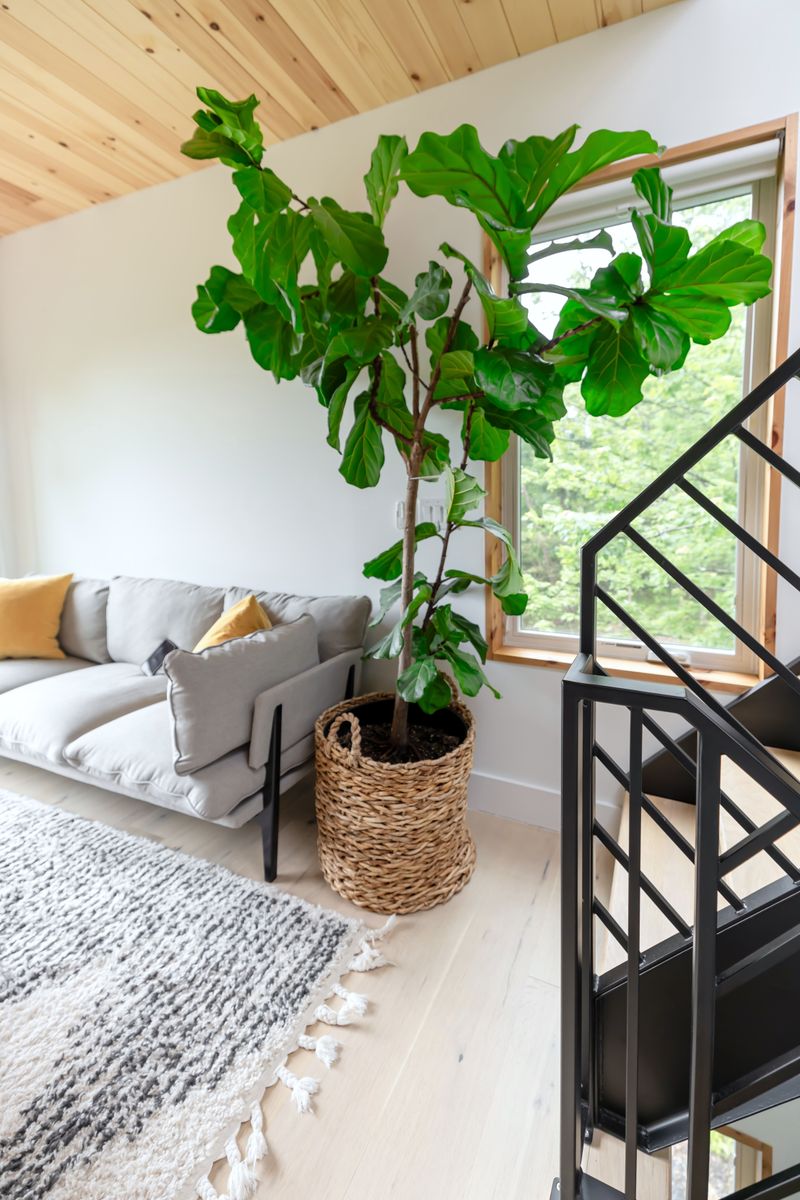
Fiddle leaf figs are famous on social media for being gorgeous and sensitive. Summering yours outside in bright shade can work, but timing the return matters.
Once nights drop near 50 degrees, those big violin-shaped leaves start to decline. Cold damage shows up as dark brown patches that will not heal.
Plan the move on a mild, cloudy day so the shift feels less jarring. Wipe each large leaf with a damp cloth to clear dust and pollen.
Pick a spot near a bright east or south window and then leave it alone. Fiddle leaf figs dislike being shuffled around like furniture.
Some leaf drop is common during the first month indoors. Resist the urge to overwater, since soggy roots cause even more trouble.
Water only when the top two inches of soil feel dry. Use room-temperature water, because a cold splash can shock the roots.
Keep it away from drafty doors and blasting heat vents during winter. Rotate the pot a quarter turn monthly so it grows straight.
Giving it a steady routine pays off in glossy new leaves by spring. Keep it away from curious pets, since the leaves are toxic.