Why Every Virginia Homeowner Should Bring Houseplants Inside The Moment Nights Hit 55°F
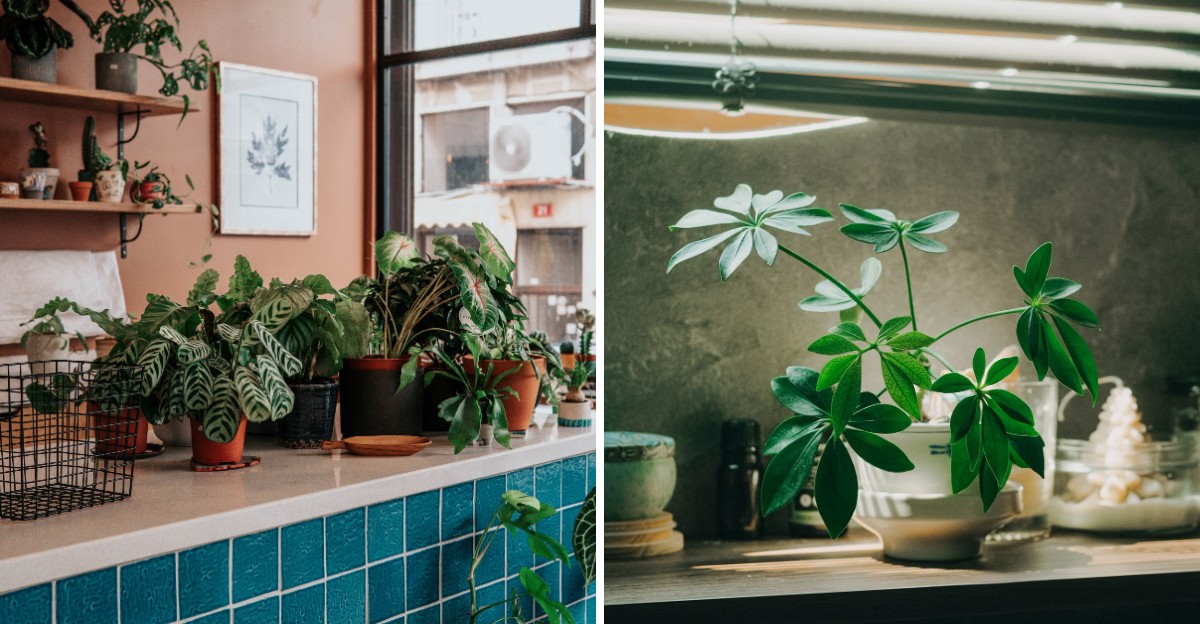
You think autumn nights are gentle, but your pothos disagrees loudly. Tropical houseplants parked on your porch slow down once evenings turn cool.
Virginia delivers that shift fast across the Blue Ridge and Shenandoah Valley. Watch your fiddle leaf fig closely, since its leaves often drop early as a signal.
Cold nights stall roots, bruise leaf tips, and invite fungus into damp soil. Set a phone alert for overnight lows, and you stay ahead of the leaves.
Moving pots inside takes minutes, but waiting costs you weeks of recovery. Bugs hitchhike indoors on leaves, so you rinse foliage and inspect stems.
Sunlight indoors feels weaker to your plants, so choose the brightest window. Some succulents and ferns tolerate chill differently, yet both show stress when you hesitate. In Virginia, you reward early action with glossy, thriving greenery all winter.
1. Tropical Plants Show Stress Below 55 Degrees
Picture a pothos lounging in a steamy rainforest where nights stay warm all year. That plant on your deck has the same tropical genes, even if it lives in Richmond.
Many popular houseplants come from tropical regions near the equator, where temperatures stay steady. Their cells simply are not built to handle cool, damp Virginia nights.
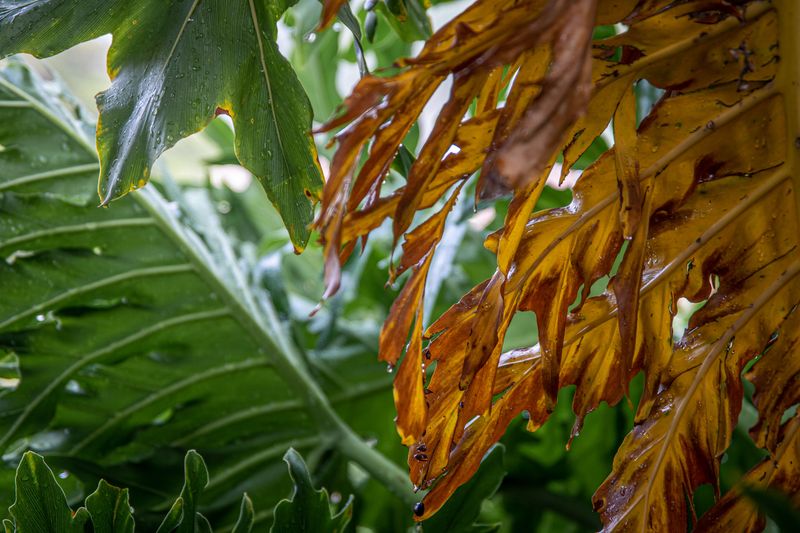
Once air dips below about 55 degrees, many tropical plants can experience something called chilling injury. Their cell membranes get damaged, and water movement inside the leaves slows down.
Plants like peace lilies, calatheas, and fiddle leaf figs are especially sensitive to the cold. Even a few chilly hours can slow their recovery for weeks afterward.
You might not notice anything strange the next morning, which makes this problem hard to spot. The plant looks fine, but its growth has slowed.
Spider plants can tolerate slightly cooler air for a while, but snake plants are cold-sensitive and can show damage below about 50 degrees. Both grow stronger when nights stay above 55 degrees.
A min/max outdoor thermometer near your plants shows the overnight low and takes the guesswork out of this decision. Check it each morning from September on, since nights start cooling then in the mountains and often a few weeks later near the coast.
Keep a small notebook or phone note of the date you move plants each year. Over time, you will spot patterns and plan your fall routine with confidence.
Think of 55 degrees as your plants asking politely to come inside. Listening early saves you from cleaning up droopy, discolored leaves later.
2. Virginia Weather Can Flip Overnight
Ask any Virginian about fall weather, and you will probably get a laugh first. Shorts at lunch and a jacket by dinner is a pretty normal October day here.
The state sits between mountains and the ocean, so its weather can change quickly. Cold fronts can sweep in from the west and drop temperatures twenty degrees fast.
In the Shenandoah Valley and southwest Virginia, chilly nights arrive weeks before they hit Norfolk. Higher elevations cool off quickly once the sun goes down, and valleys can get even colder as cold air settles there.
Your Virginia Garden Changes Every Week. Your Plan Should Too.
Gardening in Virginia changes quickly throughout the season. Every Friday you’ll receive a simple weekly plan showing exactly what to plant, prune, fertilize, harvest, and protect so you never miss the right timing.
Coastal areas stay warmer longer because the ocean holds heat like a giant blanket. Still, even Virginia Beach can see an early cold snap in the fall.
Weather apps help, but they show forecasts for whole cities, not your backyard. Low spots in your yard can run several degrees colder than the forecast says.
Waiting for an official frost warning is risky for tropical plants. By the time frost is mentioned, plants have often endured several chilly nights.
A smarter plan is to watch nighttime lows starting in early September. When the forecast shows lows near 55, start moving plants that same week.
Bring them in gradually if you can, starting with the most tender ones. Leave tougher plants out a little longer while you clear indoor space.
Checking the seven-day forecast every Sunday evening makes this habit easy to keep. It takes two minutes and saves plenty of trouble later.
Virginia weather keeps everyone guessing, and that is part of its charm. Your plants, however, would prefer you take the guessing out of their lives.
3. Cold Damage Shows Up Days Later
Many gardeners know this frustrating plant mystery well. You leave your plants out on a cool night, they look perfect, then they decline a week later.
Cold stress works slowly, like a bruise on an apple that darkens over time. Damage happens inside the cells first, long before you can see it.
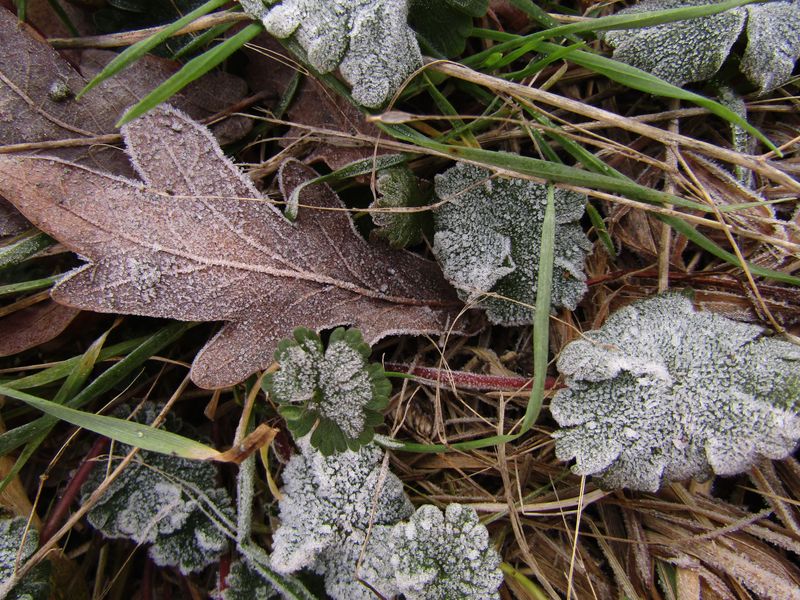
Common signs include yellow leaves, brown patches, and leaves that look soggy or see-through. Some plants drop several leaves at once, which can look concerning.
Calatheas may curl their leaves tightly, while hibiscus often sheds buds without warning. Fiddle leaf figs tend to develop dark spots along the edges.
By the time these symptoms appear, the damaged leaves will not recover. All you can do is trim damaged leaves and wait for new growth.
Recovery can take weeks or even months, especially during short winter days. With less sunlight indoors, plants heal slower than they would in spring.
Preventing the damage is usually easier than nursing a plant back to health. Moving plants in before nights hit 55 degrees stops the problem before it starts.
If you suspect cold exposure, avoid fertilizing or repotting right away. Stressed plants need rest, steady warmth, and gentle watering more than extra attention.
Keep the plant in bright, indirect light and away from drafty doors. Patience is your best tool while it slowly bounces back.
Snap a quick photo of each plant before moving it inside this fall. Comparing pictures later helps you catch slow changes that are easy to miss.
4. Hitchhiking Bugs Are Easier To Catch Early
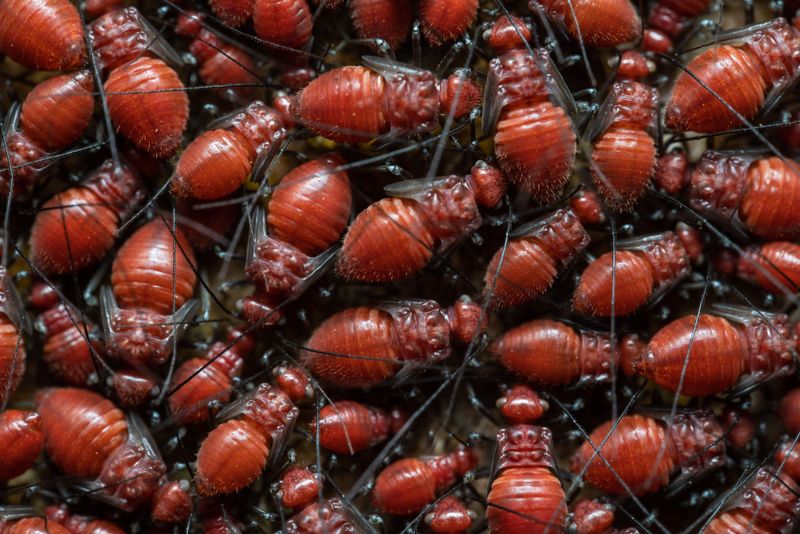
Few people want surprise houseguests, especially the six-legged kind hiding under leaves. Outdoor plants pick up all sorts of tiny tagalongs during a Virginia summer.
Aphids, spider mites, mealybugs, and scale insects love warm porches and patios. Ants and fungus gnats sometimes move into the soil as well.
When nights are still mild, you have time to inspect plants carefully outside. Rushing them in during a sudden cold snap often means skipping that step.
Start by checking the undersides of leaves, where pests like to hide. Look for sticky spots, fine webbing, white fluff, or tiny moving dots.
Next, give each plant a good rinse with a garden hose on a gentle setting. A quick shower knocks off many bugs before they ever reach your living room.
For stubborn pests, insecticidal soap or neem oil can work well and is easy to find. Test on one leaf first, follow the label, spray in shade since sun can burn wet leaves, and keep products away from pets and children.
Soil can hide pests too, so you can try soaking sturdy plants in a bucket of water for fifteen minutes. This can bring some soil bugs to the surface.
Once inside, keep new arrivals apart from your other plants for two to four weeks. That quarantine period helps you catch any pests that slipped past.
Indoor air is warm and has no natural predators, so bugs multiply quickly there. A small problem outdoors can become a whole-house problem by December.
Spending an hour on bug patrol in September beats managing an infestation all winter. Your other indoor plants will quietly thank you for the extra care.
5. Plants Need Time To Adjust To Indoor Light
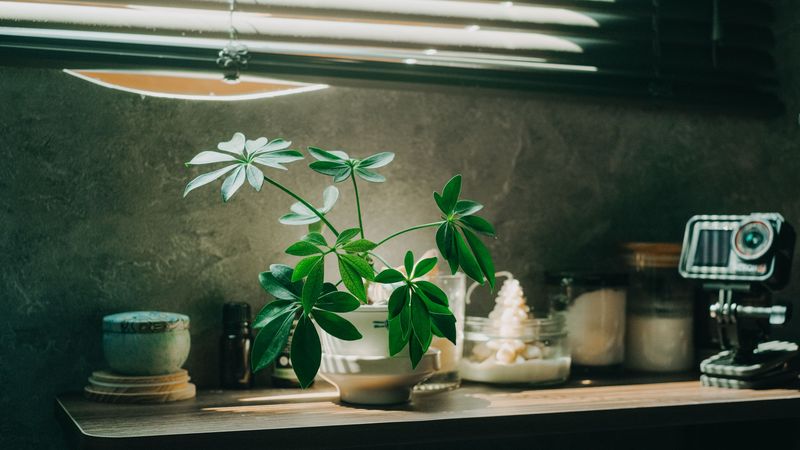
Walking from a sunny beach into a dim movie theater takes your eyes a minute. Plants go through a similar shock when they move from porch to living room.
Outdoor light in Virginia summers is bright and strong, even in partial shade. Indoor light can be ten to fifty times weaker or more, depending on your windows.
Plants respond to that sudden change by dropping leaves they can no longer support. Ficus trees commonly drop leaves after a move.
Moving plants early gives them time to adjust while days are still fairly long. Late September sunlight eases the change better than dark December afternoons.
Some gardeners shift plants into deeper shade outdoors for a week before bringing them in. That middle step makes the indoor move feel less jarring.
Inside, place plants near your brightest windows, usually ones facing south or west. East windows work well for plants that enjoy gentler morning light.
Rotate pots a quarter turn every week so all sides get equal light. Otherwise, plants lean toward the window and grow lopsided.
If your home feels dark, an affordable LED grow light can fill the gap nicely. Set it on a timer for about twelve hours each day.
Wipe dusty leaves with a damp cloth so they soak up every bit of light. Clean leaves look shinier and work harder for the plant.
Expect a few yellow leaves during the first couple of weeks, even with good care. Some leaf drop is normal and simply means the plant is adjusting.
6. Watering Habits Change When Plants Come Indoors
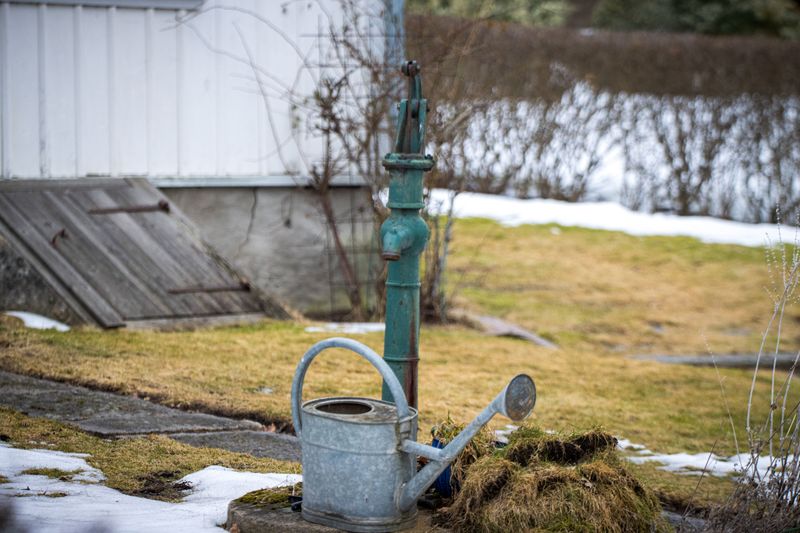
Summer plants are thirsty little athletes, gulping water on hot Virginia afternoons. Once they come indoors, they slow down and drink far less.
Overwatering is one of the most common reasons indoor plants struggle during fall and winter. Cool soil stays wet longer, and soggy roots can start to rot.
Cold nights outdoors make matters worse, since chilly, wet soil invites root problems. Bringing plants in at 55 degrees keeps soil warmer and roots healthier.
Before watering, push your finger about an inch into the soil. If it feels damp, wait a few more days and check again.
Many tropical plants indoors need water every one to two weeks during cooler months, depending on species, pot size, and light. Succulents and snake plants may only need a drink once a month.
Lifting the pot is another handy trick that takes just a second. Dry pots feel noticeably lighter than freshly watered ones.
Make sure every pot has drainage holes so extra water can escape. Empty saucers after watering, since standing water keeps roots too soggy.
Indoor heating dries the air, so leaves may need extra humidity even when soil stays moist. A small humidifier helps balance things out.
Grouping plants together can slightly raise humidity around them. Neighbors share moisture as their leaves release water into the air.
Room temperature water is a gentler choice for roots than very cold tap water. Fill a watering can the night before so it warms up naturally.
Adjusting your routine early in fall prevents a lot of winter guesswork. Your plants are more likely to stay healthy until spring returns.
7. Early Moves Make Pruning And Cleanup Easier
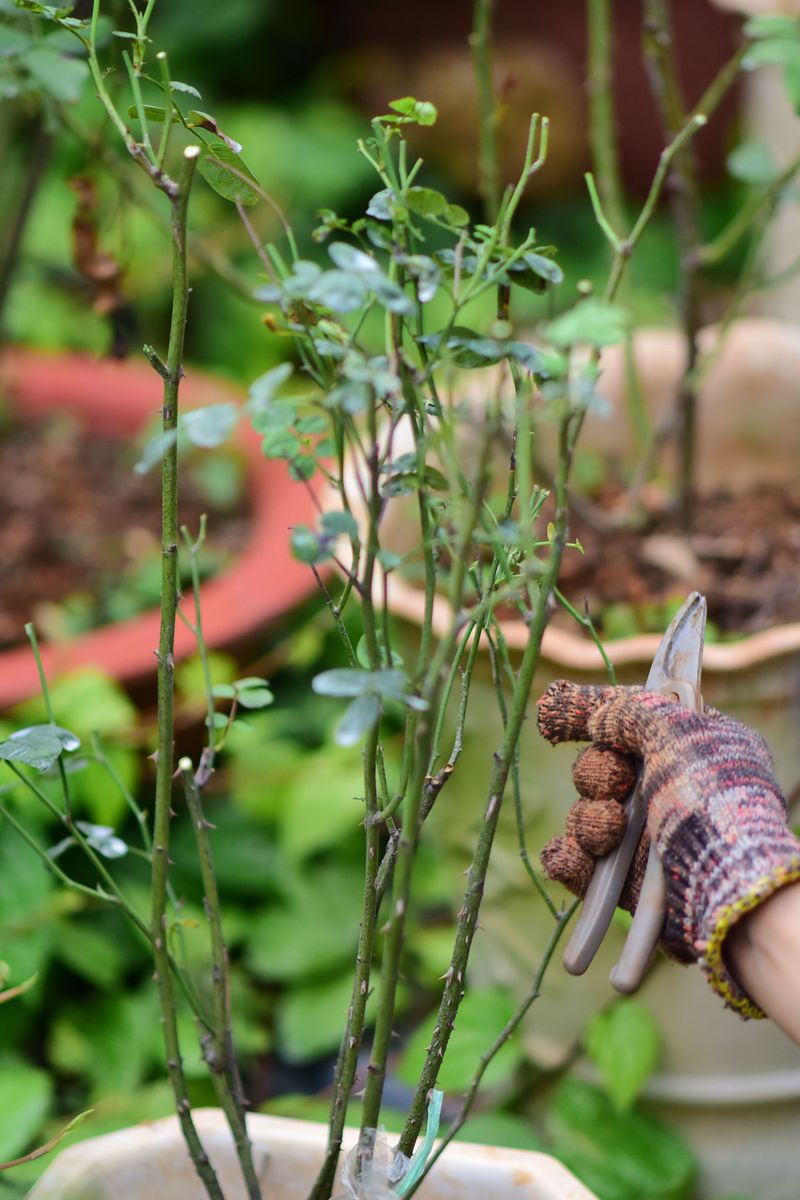
Sweeping up dried leaves on the patio feels a lot better than vacuuming them off the rug. Outdoor tidying is one big perk of moving plants early.
Summer growth can leave plants leggy, crowded, or a bit wild looking. Mild September days are perfect for trimming them outside before the move.
Use clean, sharp scissors or pruners to remove yellow, brown, or straggly stems. Cut just above a leaf node so new growth can branch out nicely.
Smaller plants are also easier to fit near your sunny windows inside. A trimmed hibiscus or mandevilla takes up far less floor space.
While you are working, peek at the roots by sliding the plant out of its pot. Roots circling tightly around the bottom mean it may need a bigger home in spring.
Extension services generally recommend waiting until spring for major repotting, since growth slows in winter. For now, just top off soil and remove fallen debris.
Scrub the outside of pots to wash away dirt, cobwebs, and hidden insect eggs. Clean containers look nicer indoors and keep pests from sneaking in.
Doing all of that outdoors keeps mess out of your kitchen and living room. Soil spills on grass simply disappear with the next rain.
Save healthy trimmings from pothos or coleus and root them in jars of water. You might end up with free gifts for friends by the holidays.
Waiting until a freezing night forces you to rush and skip this helpful prep work. Early action turns a stressful chore into a relaxed weekend project.
8. Overwintering Plants Can Save You Money
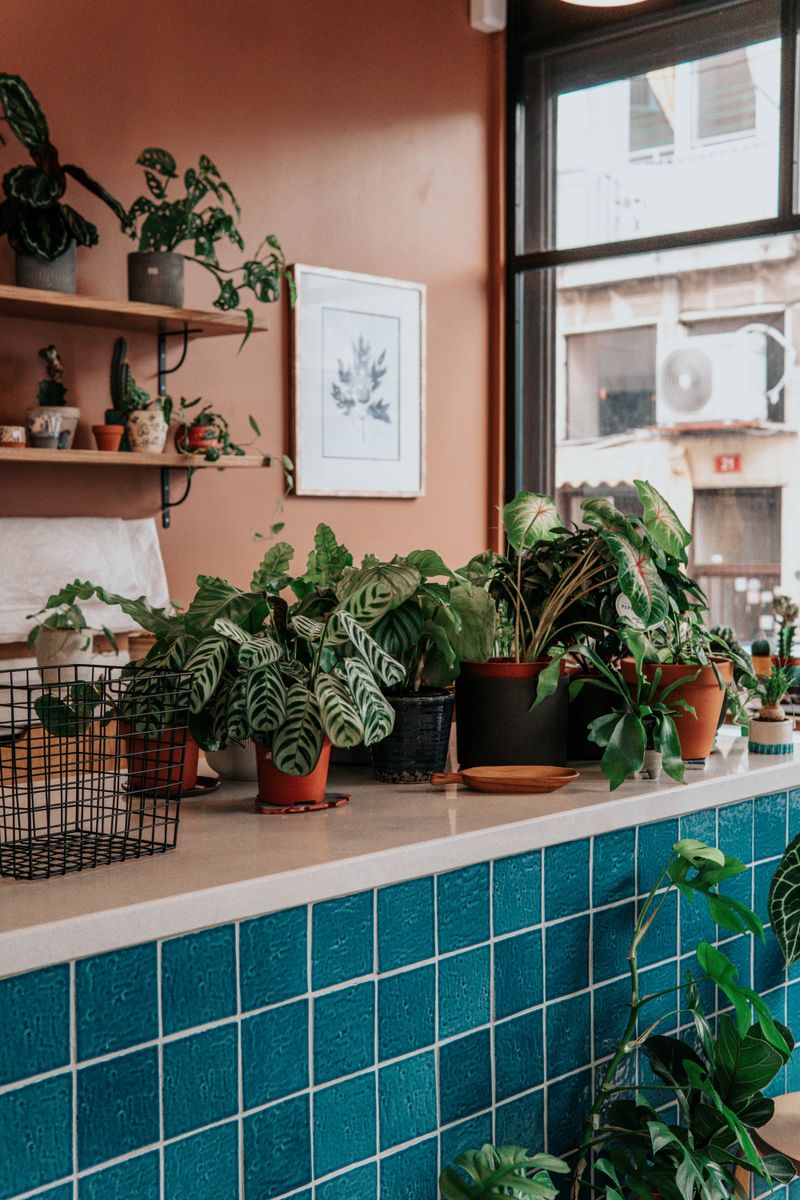
A large, healthy fiddle leaf fig can easily cost fifty dollars or more at a garden center. Replacing a few cold-damaged plants each fall adds up over time.
Large tropical plants take years to reach their full size and beauty. Losing one to a single chilly night can mean replacing an expensive plant.
Overwintering plants indoors protects that investment for just the price of a little floor space. Many patio plants, like bird of paradise, can live for decades with good care.
Compare that to buying brand new plants every spring when prices climb with demand. Nursery prices often rise in April and May when demand is high.
Healthy overwintered plants also often come back stronger and bigger the following year. You get a head start on lush porches while neighbors wait for new plants to grow.
Some gardeners even divide plants like peace lilies in spring, turning one pot into several. That means free plants for your garden or thoughtful gifts for friends.
The supplies needed are simple and cheap, like saucers, a thermometer, and maybe one grow light. Most of these tools last for many seasons.
Bringing plants in on time also saves money on pest treatments and plant medicines. Prevention is usually cheaper than trying to fix problems later.
Kids can help carry pots and track the thermometer, too. It turns a money-saving chore into a fun family fall tradition.
Think of your plant collection as a living savings account that grows each year. A little planning at 55 degrees helps keep that account in good shape.