The Grandma’s Garden Flowers New York Homeowners Should Plant This Fall
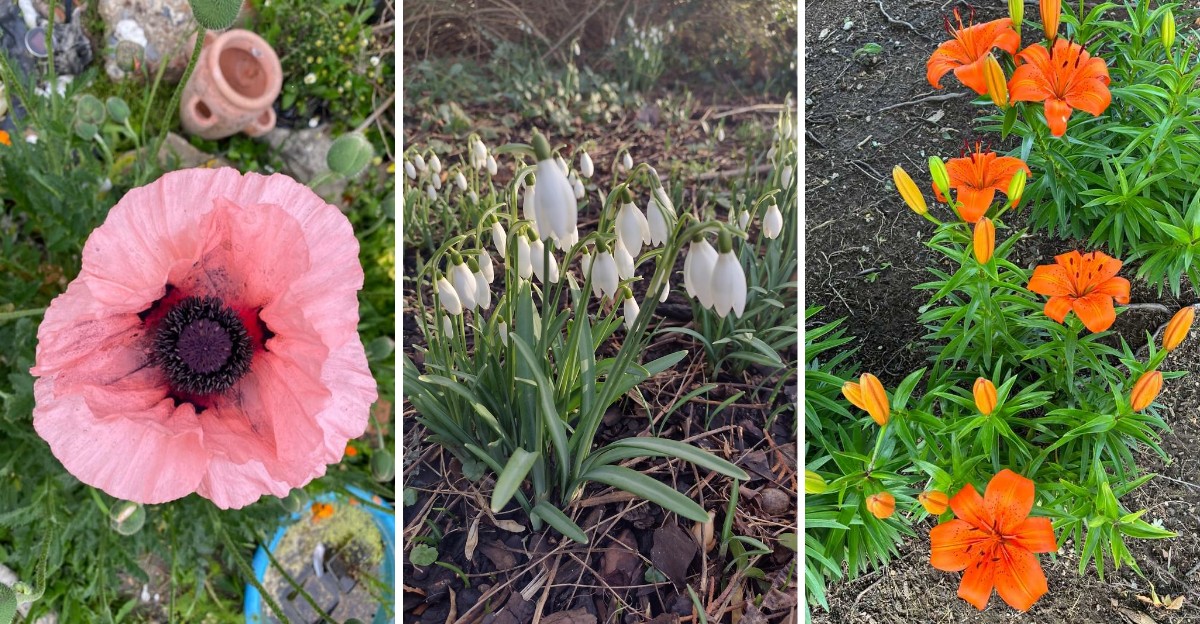
A chilly porch, a muddy trowel, and the promise of flowers Grandma would recognize make fall planting feel special. Across New York, cool autumn soil gives roots a gentle head start before winter.
Bulbs tucked underground now will brighten the first warm weeks of spring. A few scattered seeds simply wait out the cold, then sprout right on cue.
The old-fashioned favorites below are easy to plant and quick to reward you. Pick the right spots now, and next year your yard could feel wonderfully familiar.
1. Peonies For Big, Fragrant June Blooms
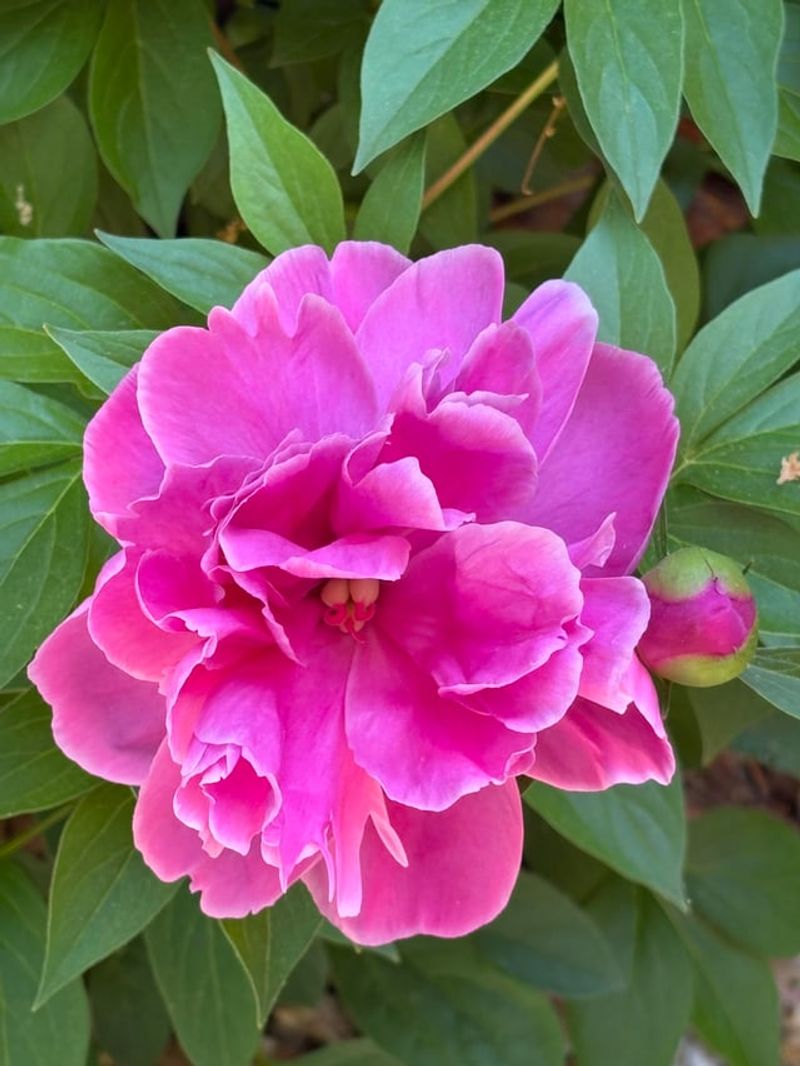
One peony bloom can make a kitchen table feel like Grandma’s house. Its many petals and rich scent bring a little ceremony to an ordinary June morning.
Fall gives peony roots time to settle before winter. In New York, October through mid-November is a useful planting window, provided the soil remains workable.
Choose a sunny place with soil that drains well. Peonies appreciate room to grow, so leave about three feet between plants and keep nearby shrubs from crowding them.
Look for firm bare roots with visible pink buds, often called eyes. Set the roots with those eyes facing upward, just one to two inches below the soil surface.
Planting too deeply can mean plenty of leaves but few flowers. Mix compost into poor soil, then water the planting area to settle the earth around the roots.
For a strong old-fashioned fragrance, try Sarah Bernhardt, Festiva Maxima, or Duchesse de Nemours. Labels can help you choose a color and bloom time that fit your garden.
Heavy double blooms sometimes bend after rain. Place a simple plant ring over young shoots in spring, before the stems grow tall enough to become tangled.
New plants may spend a season building roots before they flower generously. Give them time, and leave their leaves in place after blooming so they can gather energy.
When foliage yellows in fall, trim the stems near the ground. Clear away the old leaves, but keep the crown uncovered by thick piles of mulch.
2. Daffodils For Cheerful Spring Trumpets
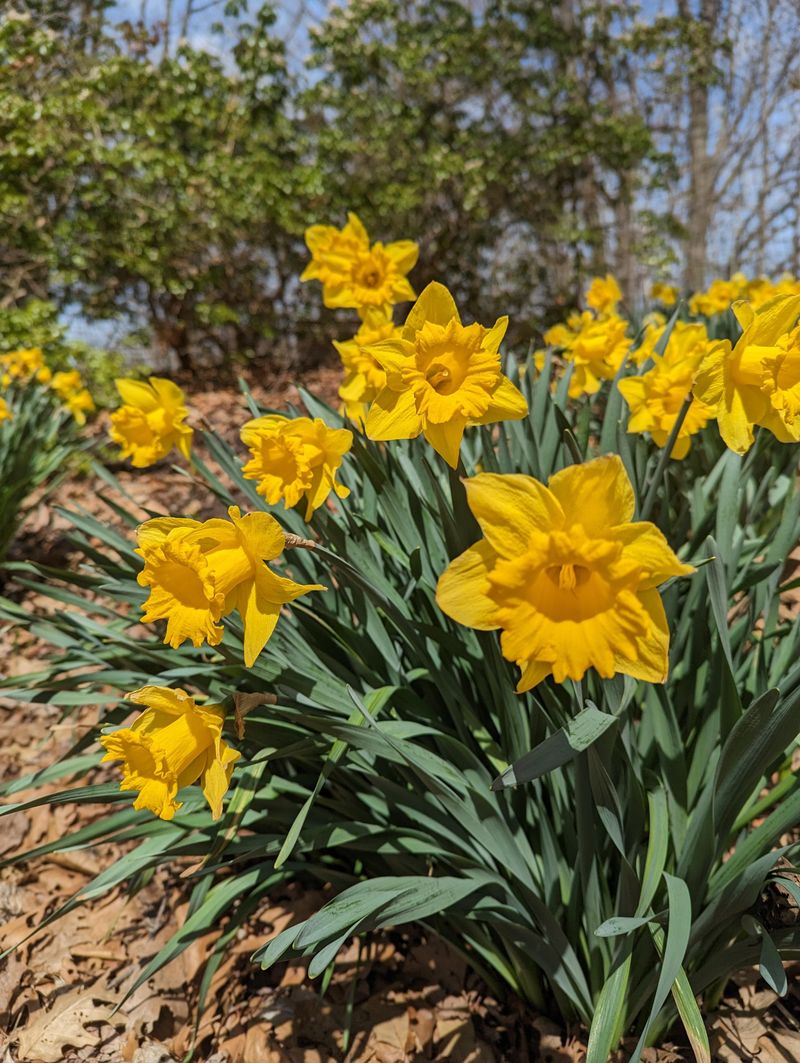
Yellow trumpets beside a front walk can make spring feel official. Daffodils bring that cheerful welcome without asking homeowners to spend much time fussing over them.
Plant bulbs in fall, before the ground freezes. Upstate gardeners often begin earlier, while warmer spots near New York City and Long Island may have more time.
Pick a place that receives spring sunshine and drains after rain. A soggy dip in the yard is less inviting to bulbs than a gentle slope or raised bed.
Set standard bulbs about six inches deep, with their pointed ends facing up. Space them several inches apart, leaving room for each clump to expand over future seasons.
For a relaxed look, toss a handful of bulbs and plant them where they land. Small groups often look more natural than a perfectly straight line across the lawn.
Water once after planting to help soil settle. Fall rain usually handles the rest, although unusually dry weather may call for another gentle watering before freezing temperatures arrive.
Your New York Garden Changes Every Week. Your Plan Should Too.
Gardening in New York changes quickly throughout the season. Every Friday you’ll receive a simple weekly plan showing exactly what to plant, prune, fertilize, harvest, and protect so you never miss the right timing.
Deer and rodents tend to leave daffodils alone, which makes them useful near vulnerable tulips. Still, keep daffodil bulbs away from pets and children because they are toxic.
When flowers fade, remove the spent blooms if you like. Leave the green leaves standing until they turn yellow, since they refill the bulbs for another spring display.
Mark their location before the foliage disappears. A simple garden label helps you avoid digging into bulbs when summer planting begins around the same patch.
3. Tulips For Classic Cottage Color
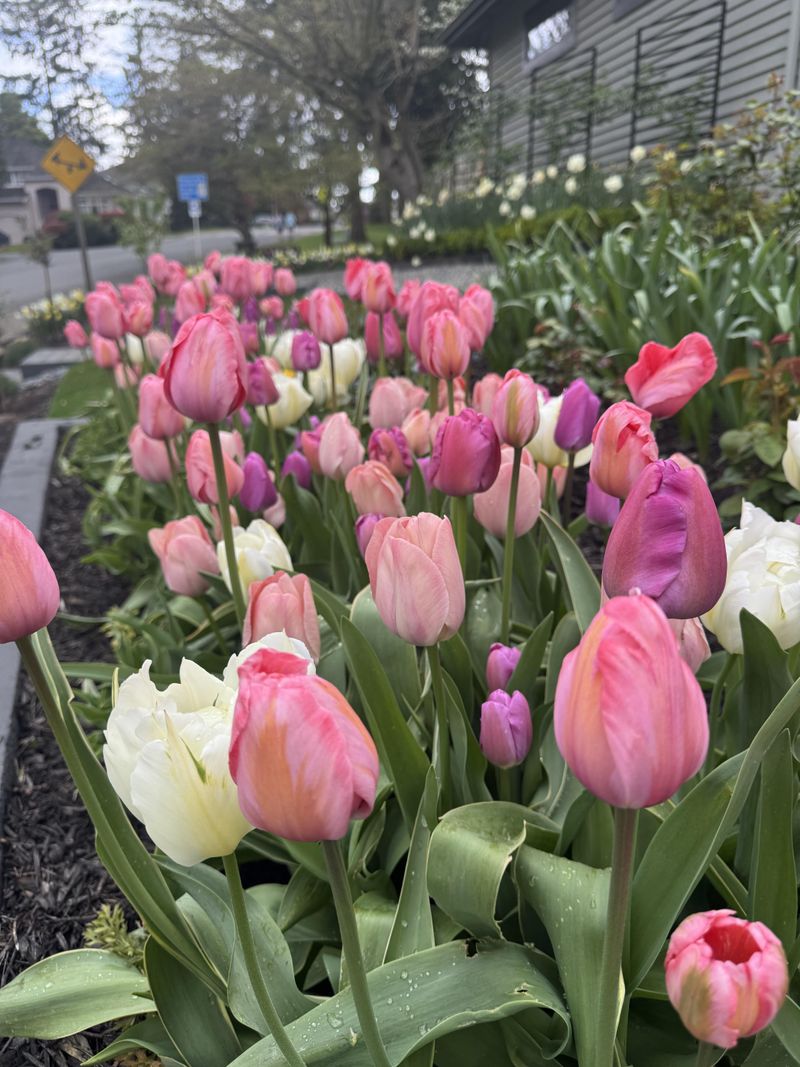
A row of tulips can make even a plain fence look dressed for company. Their clean shapes and bright colors recall old cottage gardens and spring flower markets.
Buy firm bulbs in fall and keep them somewhere cool until planting. Wait for cooler soil, usually from late September into November, depending on your part of New York.
Give tulips a sunny bed where water drains away readily. Dig holes about six to eight inches deep, then set each bulb with its pointed end upward.
Plant several bulbs together for color that reads clearly from the sidewalk. Mixing two or three shades can look lively, while one color creates a calm, classic sweep.
Squirrels may investigate freshly turned soil. Cover the planted area with secured wire mesh until winter, or place bulbs inside protective cages made for garden use.
A thin layer of mulch helps keep soil temperatures steady. Avoid piling it so thickly that emerging shoots must struggle through a heavy blanket in spring.
Tulips often give their strongest show in the first spring after planting. Some types return well, but many gardeners add fresh bulbs each fall for reliable color.
Once flowers finish, snip off the faded heads. Keep the leaves until they yellow, allowing the bulbs to store what they can for another growing season.
Try planting tulips behind low spring flowers to hide their aging leaves later. That small design trick keeps the bed attractive while you wait to tidy it.
4. Hyacinths For That Unmistakable Sweet Scent
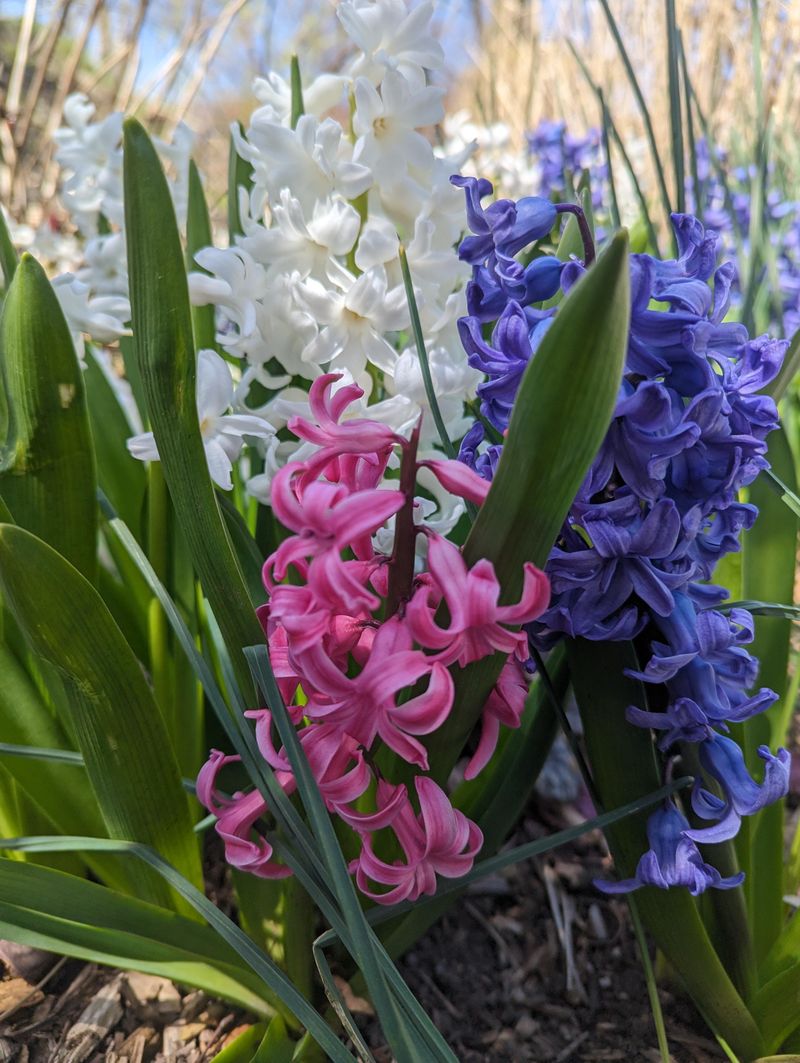
Open the front door near blooming hyacinths, and the air may smell like a flower shop. Their short, packed spikes deliver a surprising amount of scent.
Set bulbs into the ground in mid-to-late fall, after cooler weather arrives. Leave enough time for roots to form before the soil freezes in your area.
A spot beside a walkway makes their perfume easy to enjoy. Choose sun or light shade, and avoid places where puddles linger after a heavy rain.
Plant the bulbs four to six inches deep and roughly five to six inches apart. Keep the pointed ends up, then water the bed to settle loose soil.
White and blue kinds are often prized for strong fragrance. Carnegie offers white flowers, while a mix of colors can turn a small bed into a bright welcome.
Hyacinth bulbs may irritate skin, so wear gloves while handling them. Store unplanted bulbs out of reach of curious children and pets until planting day.
After flowering, clip off the spent flower spikes. Let the leaves remain until they yellow, even if you are eager to straighten up the garden.
Some hyacinths return with looser flower clusters in later years. Tuck them among other spring plants, where their softer look feels natural rather than disappointing.
For a sweet surprise, place a small group near a porch chair. Their scent often reaches you before the flowers catch your eye on a cool morning.
5. Snowdrops For The Very First Flowers Of The Year
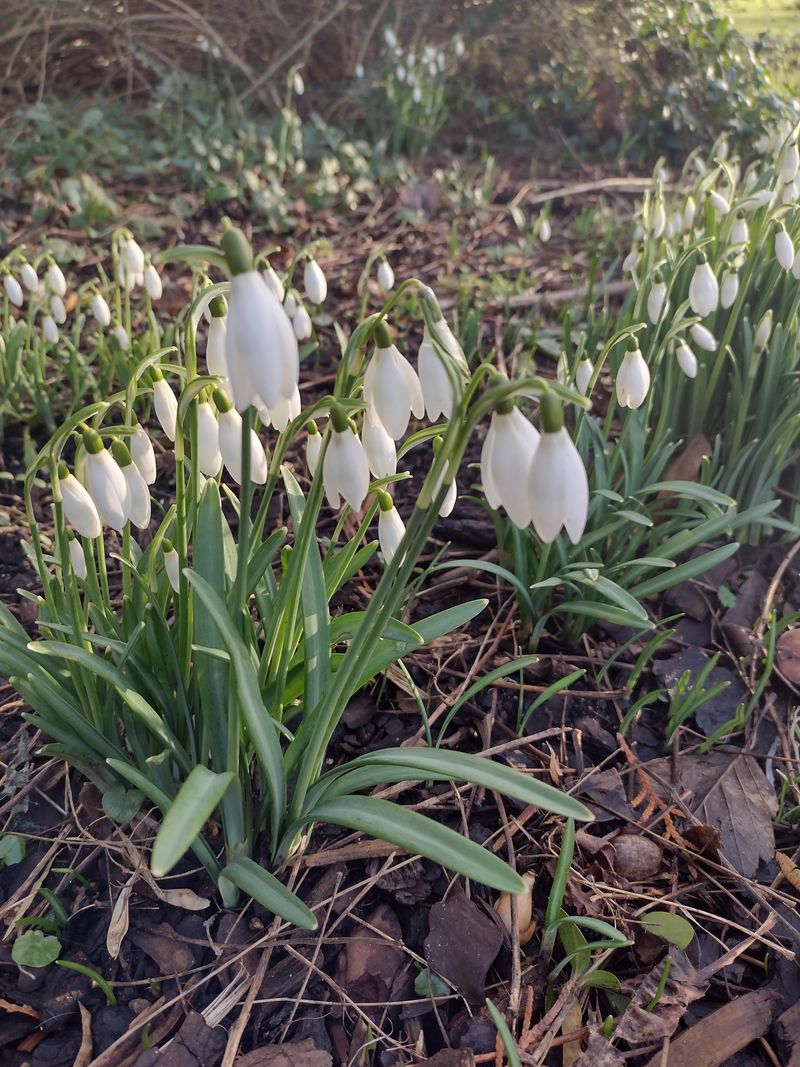
Few garden sights feel sweeter than tiny white bells beside the last patches of snow. Snowdrops offer a quiet hello while most flowers are still waiting underground.
Plant their small bulbs in fall before the soil freezes. Buy bulbs from a dependable seller and get them into the ground promptly, since they dislike drying out.
Look for a place beneath a deciduous tree or near a path. Those spots receive useful light before the tree grows its full canopy of leaves.
Set bulbs about three inches deep in loose, well-draining soil. Arrange them in small, uneven groups so the flowers look as though they settled there themselves.
Snowdrops enjoy soil that stays reasonably moist during their growing season. Mix in compost if the ground is thin, but avoid a low spot that remains waterlogged.
Because the blooms are small, plant them where you will notice them. A patch beside the mailbox is easier to admire than one hidden behind tall shrubs.
Leave the narrow leaves alone after flowering. They gather energy for the bulbs, then fade as the garden’s larger spring plants begin taking over.
Established clumps can slowly spread into a lovely early carpet. If you want to move some, divide clumps soon after flowering while their leaves are still green.
Mark the patch with a discreet label before summer. You will know where to keep your trowel clear when adding other plants to that bed.
6. Bleeding Heart For Old-Fashioned Charm In Shade
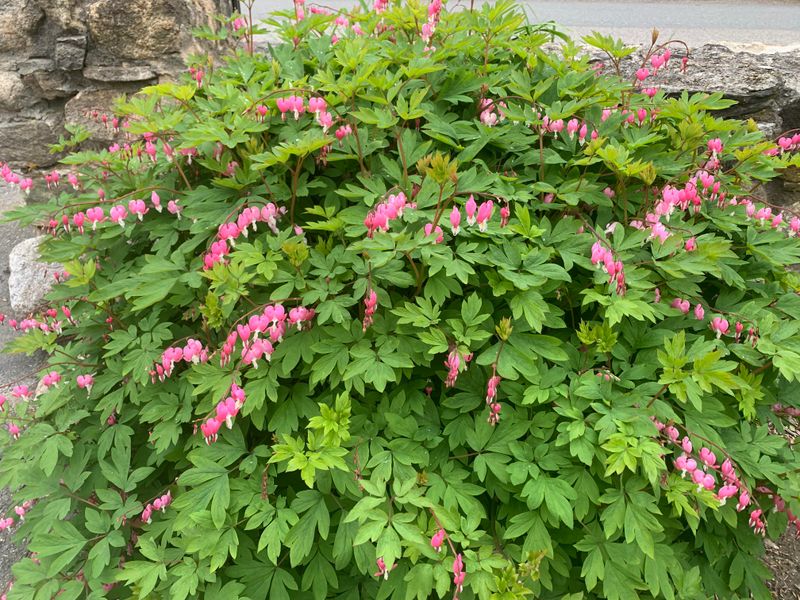
Those little pink hearts look like decorations hung along a curved stem. Bleeding heart brings a gentle, familiar charm to a shady corner that needs spring color.
Early fall is a useful time to plant a nursery-grown bleeding heart. Cooler days give its roots a chance to settle before winter reaches your garden.
Choose partial shade, especially where afternoon sun feels strong. Morning light is welcome, but hot, exposed spots may leave the plant looking tired sooner.
Work compost into soil that drains well yet holds some moisture. Set the plant at its original soil level, then water thoroughly around the roots.
Give each plant space for its soft, spreading foliage. Read the nursery label for mature width, since crowded leaves make it harder to appreciate the arching flowers.
The classic old-fashioned species often fades from view during summer. Pair it with hostas or ferns, which can fill the opening without crowding its spring display.
A light layer of mulch helps soil hold moisture during dry spells. Keep mulch away from the crown, where packed material can trap too much dampness.
Deer often pass bleeding heart by, although browsing habits vary from yard to yard. Its flowers also make charming short-lived cut stems for a small vase.
When leaves yellow, let the plant rest without worrying about the empty space. A small marker shows where roots remain, so you can garden around them gently.
7. Asiatic Lilies For Bold Summer Color
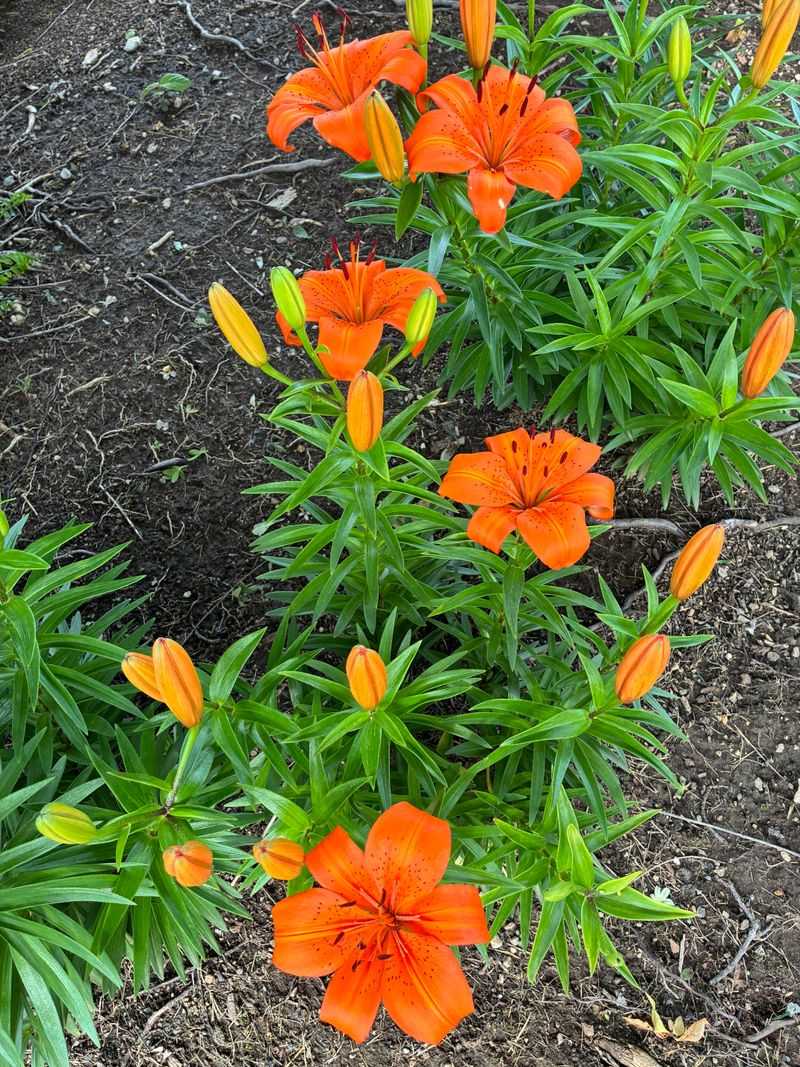
When spring flowers step aside, Asiatic lilies bring color with real confidence. Their upright stems carry bright blooms that can wake up a quiet summer border.
Plant the bulbs in fall while there is still time for roots to grow. Aim for several weeks before the first hard frost in your part of the state.
Find a spot with at least six hours of sun. Good drainage matters too, so improve heavy soil with compost or choose a raised planting area.
Place bulbs about six to nine inches deep, with pointed ends facing up. Check the package for spacing, since varieties range from compact plants to taller border stars.
Orange, red, yellow, and pink choices offer plenty of design options. Unlike many other lilies, Asiatic types have little fragrance, which suits gardeners who prefer scent-free flowers.
Spread a modest layer of mulch after planting. It helps steady soil temperatures and makes the bed look tidy through late fall and winter.
Watch for deer and rabbits as shoots appear in spring. A low fence or other suitable barrier may protect the tender new growth in busy yards.
Flowers usually arrive in late spring or early summer, depending on the variety and weather. Remove faded blossoms, but leave stems and leaves until they yellow.
Lilies are highly toxic to cats, including indoor cats that might reach cut flowers. Choose another bloom if cats share your home or regularly visit your garden.
8. Hollyhock Seeds For Towering Spikes Along The Fence
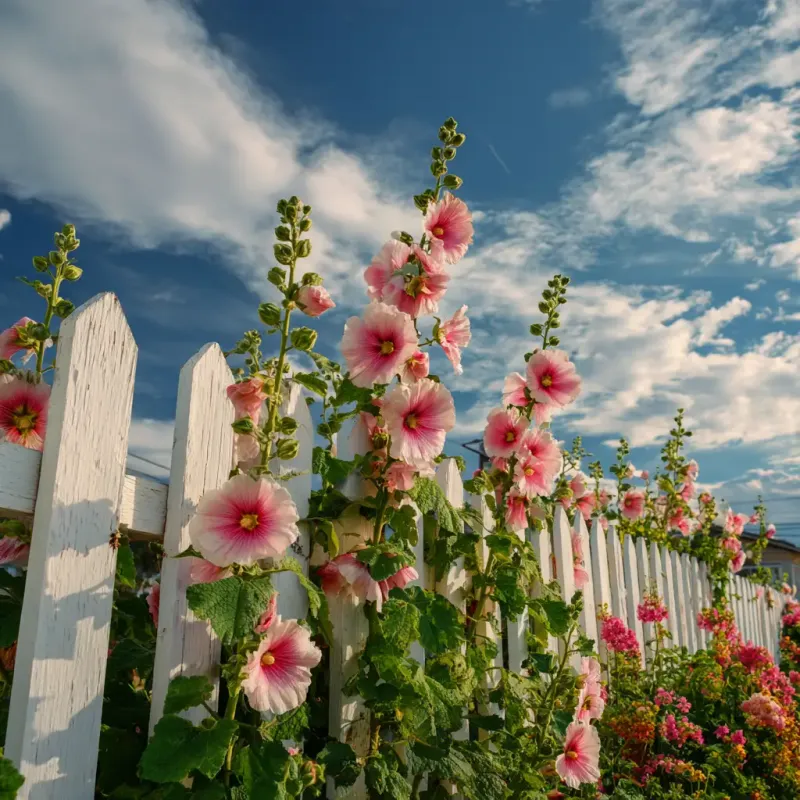
Hollyhocks make a fence look like it belongs beside an old farmhouse. Their tall flower spikes rise above shorter plants, adding height without building anything at all.
Sow seeds in late summer or early fall, while weather still allows young plants to establish. In colder areas, start earlier than you would near the coast.
Choose a sunny stretch with rich soil that drains well. Hollyhocks may reach several feet high, so put them behind smaller flowers rather than in front.
Soak seeds in warm water for about twelve hours if you wish. Scatter them over prepared soil and press them in gently, since deep covering can slow sprouting.
Keep the seedbed lightly moist while seedlings appear. Thin crowded sprouts according to the seed packet, giving leaves room for air to move between plants.
Many old-fashioned hollyhocks grow leaves during their first season and flower in their second. A fall start can put them on their way toward a summer show.
Tall stems may need a stake where wind sweeps across the yard. Tie them loosely with soft material, leaving space for each stem to grow.
Check lower leaves for orange spots, a common sign of hollyhock rust. Improve airflow and remove affected leaves, keeping the planting area clear of fallen debris.
Leave a few finished flower heads if you enjoy surprise seedlings. Collecting some seeds gives you an easy way to fill another fence line next year.
9. Larkspur Seeds That Need Winter’s Chill
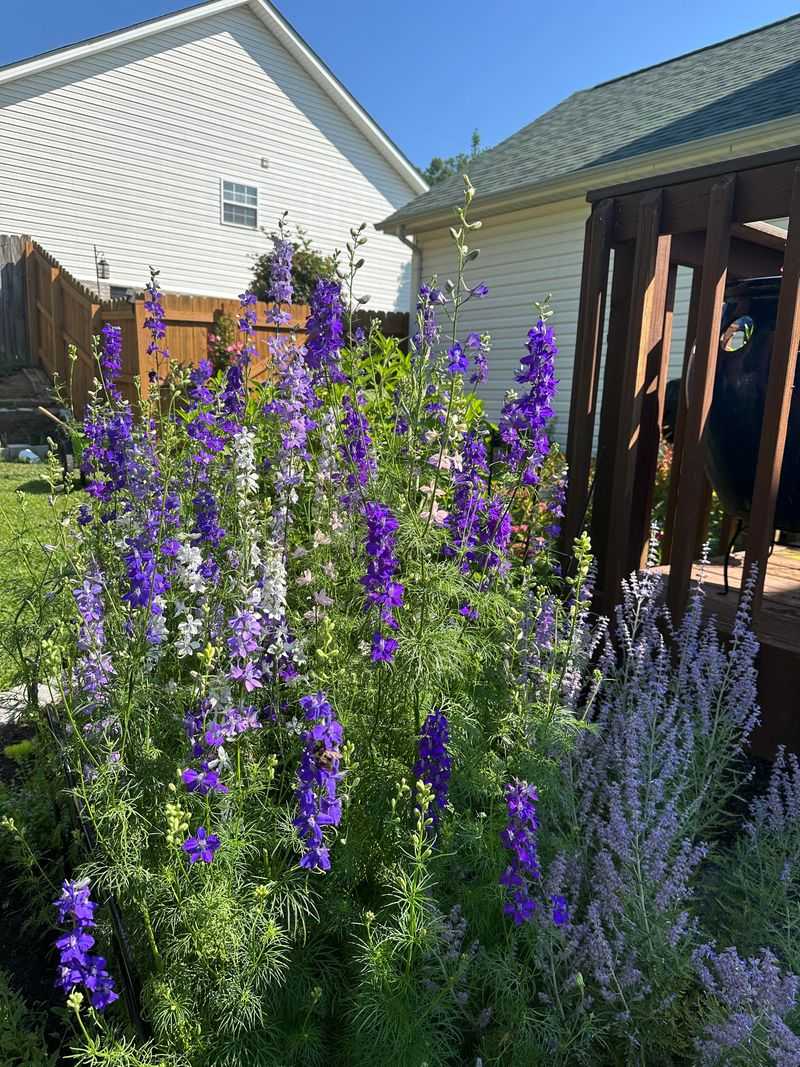
Larkspur looks like someone painted little blossoms all the way up a slender wand. Its blue, pink, or white spikes bring an airy touch to old-fashioned beds.
For fall sowing, wait until the soil cools after the first frosts. Plant before it freezes solid, allowing winter weather to provide the chill these seeds favor.
Choose a sunny spot with soil that drains freely. Since larkspur forms a long root, sow it where you want the flowers to grow.
Rake the surface smooth and clear away large clumps. Scatter seeds thinly, then press them gently against the soil rather than burying them deeply.
Mark the area so spring cleanup does not disturb new sprouts. A simple row of small stones can make the planting place easy to recognize.
When seedlings emerge, thin them according to the packet’s directions. Giving plants breathing room helps their stems grow sturdier and makes watering around them easier.
Taller varieties may lean during a windy spell. A fence, loose garden twine, or small plant supports can keep their flower spikes upright.
Cut a few stems for a vase when the lower blossoms open. Removing finished spikes can also encourage a tidier display while other garden flowers take their turn.
Keep seeds and plant parts away from children and pets because larkspur is toxic. With sensible placement, its delicate flowers can still be enjoyed from the path.
10. Poppy Seeds Scattered Before The Snow
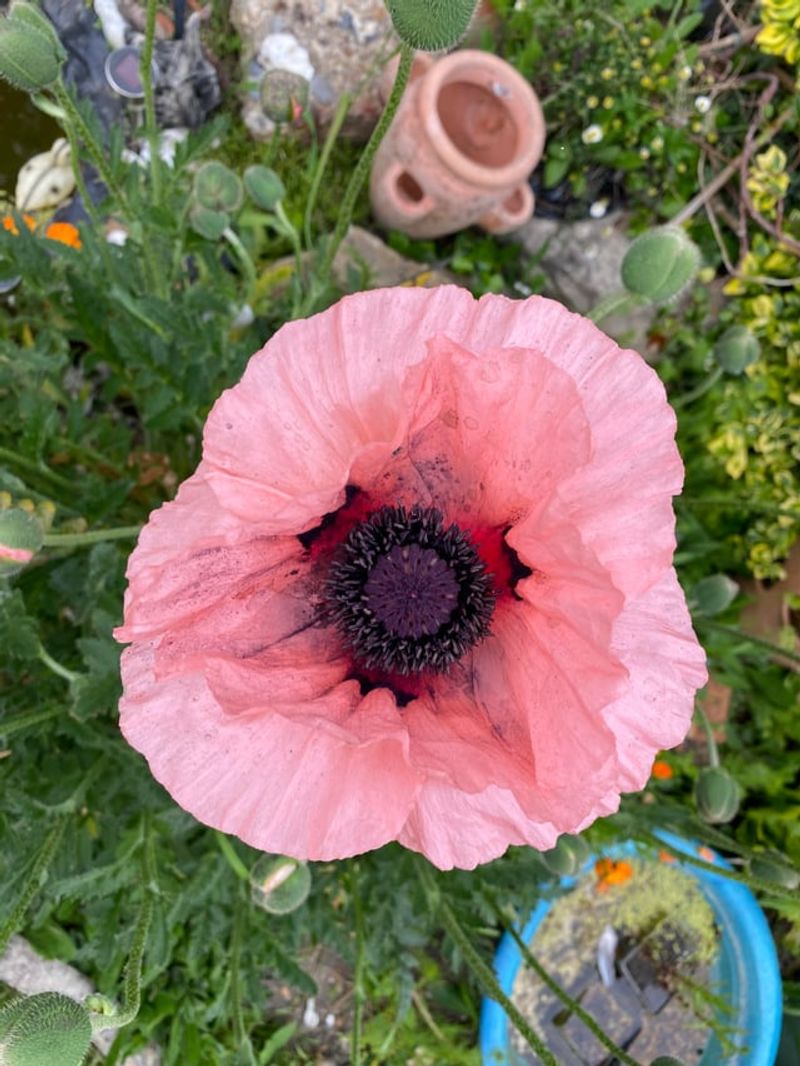
Poppy petals look almost like colored paper, yet they dance in the smallest breeze. A few seeds sown before winter can bring that playful movement to spring beds.
Wait until late fall, after a hard frost, to scatter seeds. Cold, damp weather can help prepare them to sprout when conditions improve.
Pick a sunny place with soil that drains well. Clear weeds and loosen the surface lightly, taking care not to turn the bed into deep furrows.
Mix tiny seeds with dry sand if scattering them evenly feels tricky. Press the mixture onto the soil surface without covering it, because poppy seeds need light.
Skip thick mulch over the seeded area. Mark the spot with a label so you can avoid raking it during an eager spring cleanup.
Poppies form long taproots and often dislike being moved. Direct sowing saves you the trouble of handling fragile young plants and gives roots room to develop.
When seedlings appear, thin crowded patches as directed on the packet. Water gently during dry spells so the small plants are not washed out of place.
Some poppies return through self-seeding when finished pods remain. If you want fewer volunteers, remove pods before their seeds scatter across nearby paths and beds.
Check the packet for the poppy species and its growing needs. New York gardens vary, and a little planning helps those papery flowers find the right home.