The Difference Between A California Native Hedge And An Ornamental One
Hedges do a lot of work in California yards. They create privacy, block wind, frame entries, and set the overall tone of a property.
At the garden center, though, the choice often comes down to two very different paths. One leads toward tidy ornamental shrubs like boxwood, and the other toward native plants like toyon and coffeeberry.
Each option brings real strengths and real tradeoffs. Water use, wildlife value, appearance, and upkeep can vary widely between them.
Neither choice is automatically right or wrong.
A clear look at how the two compare makes it much easier to pick the hedge that fits both the yard and the lifestyle behind it.
Native Hedges Support Local Wildlife Directly
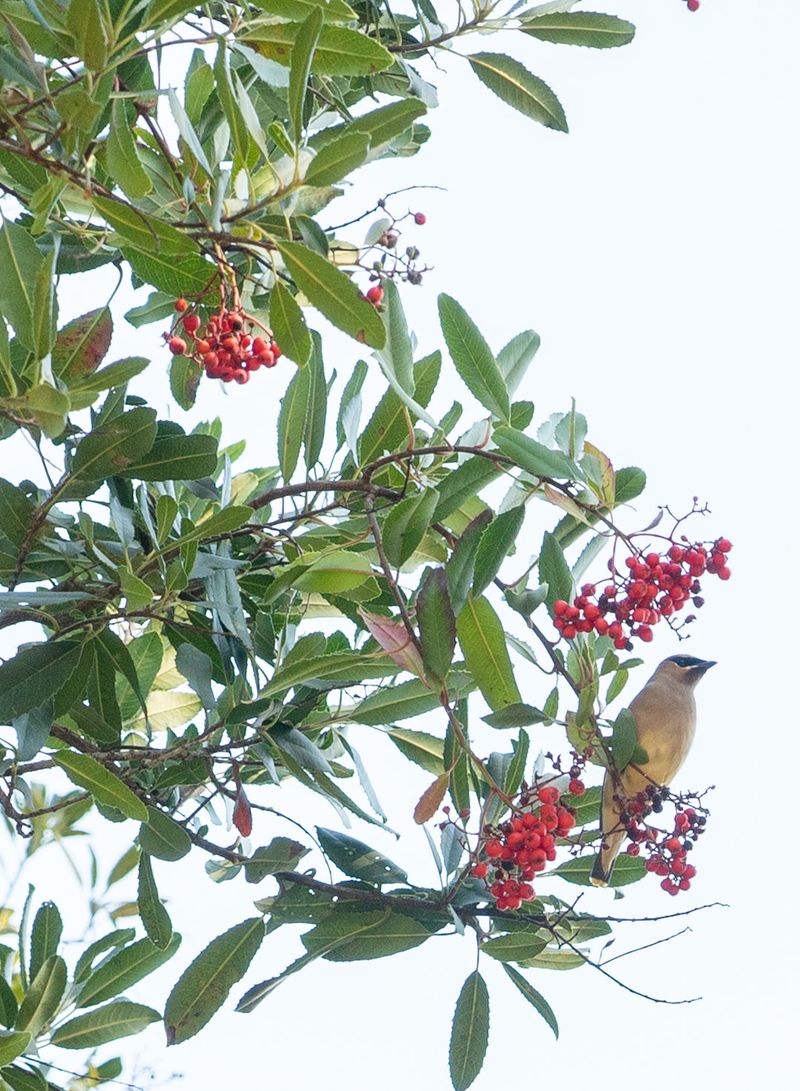
A toyon hedge in December, loaded with red berries, often draws a noisy crowd of robins and cedar waxwings. That scene happens because native plants and local animals developed together over thousands of years.
Birds, bees, and butterflies already know how to use them. Many native insects can only feed on certain native plants.
Caterpillars, for example, often depend on specific host plants. Those caterpillars then become essential food for nesting songbirds.
UC ANR and UC Master Gardener programs point out that native plantings tend to support more of these local food webs than many imported shrubs.
Common native hedge choices include toyon, coffeeberry, Pacific wax myrtle, hollyleaf cherry, and lemonade berry.
Their flowers feed native bees in spring, and their berries feed birds later in the year. Dense branches also give small birds a safe place to hide from hawks and cats.
Ornamental hedges still offer some value. Certain types provide flowers for honeybees or branches where birds can perch. Overall benefits are often lower, though, because local insects may not recognize them as food.
A few simple choices can boost wildlife value further. Skipping heavy pesticide sprays, letting some flowers turn into fruit instead of shearing them off, and leaving a bit of leaf litter underneath all help.
Even a short native hedge along a side yard can become a busy wildlife highway. Toyon, often nicknamed Christmas berry, may even have helped inspire the name Hollywood.
Ornamentals Often Need More Water And Care
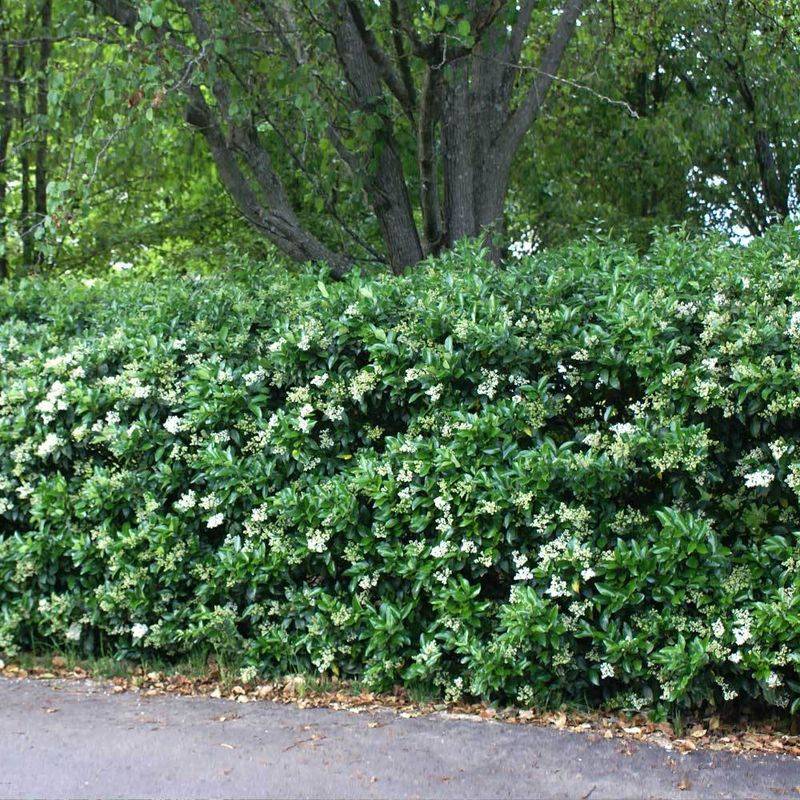
Landscape watering can make up about half of a California home’s water use, according to state and UC water experts. Hedge choice plays a part in that total.
A long row of thirsty shrubs adds up fast during a dry summer. Many popular ornamental hedges, like privet, photinia, boxwood, and certain ficus types, come from wetter climates.
The WUCOLS plant water guide, developed with UC researchers, places many of these in the moderate water group for most California regions. Natives such as coffeeberry, toyon, and lemonade berry often rank low or very low once established.
Water is only part of the story. Formal ornamental hedges usually need regular shearing, sometimes several times a year, to keep their crisp edges.
Many also want fertilizer to stay deep green. That adds more trips to the garden store and more time spent on regular upkeep.
Your California Garden Changes Every Week. Your Plan Should Too.
Gardening in California changes quickly throughout the season. Every Friday you’ll receive a simple weekly plan showing exactly what to plant, prune, fertilize, harvest, and protect so you never miss the right timing.
None of this makes ornamentals a bad pick. Yards that already water a lawn or nearby beds may fit a moderate-water hedge right in. Plenty of people also genuinely enjoy the calm routine of Saturday morning trimming.
A clear-eyed approach still helps. WUCOLS ratings change between the coast and inland valleys, so checking the exact plant and region before buying is worthwhile.
Drip irrigation and a layer of mulch cut waste with any hedge. Those two steps alone can noticeably lower summer water bills.
Native Options Blend Into The Landscape Naturally
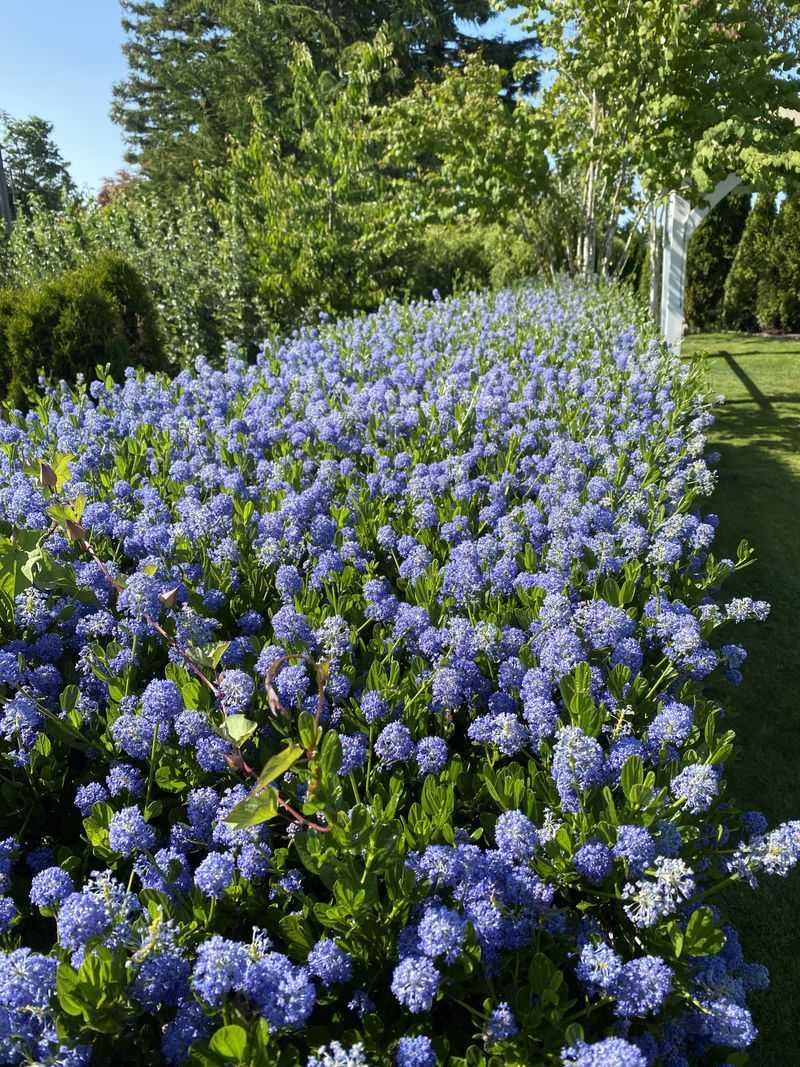
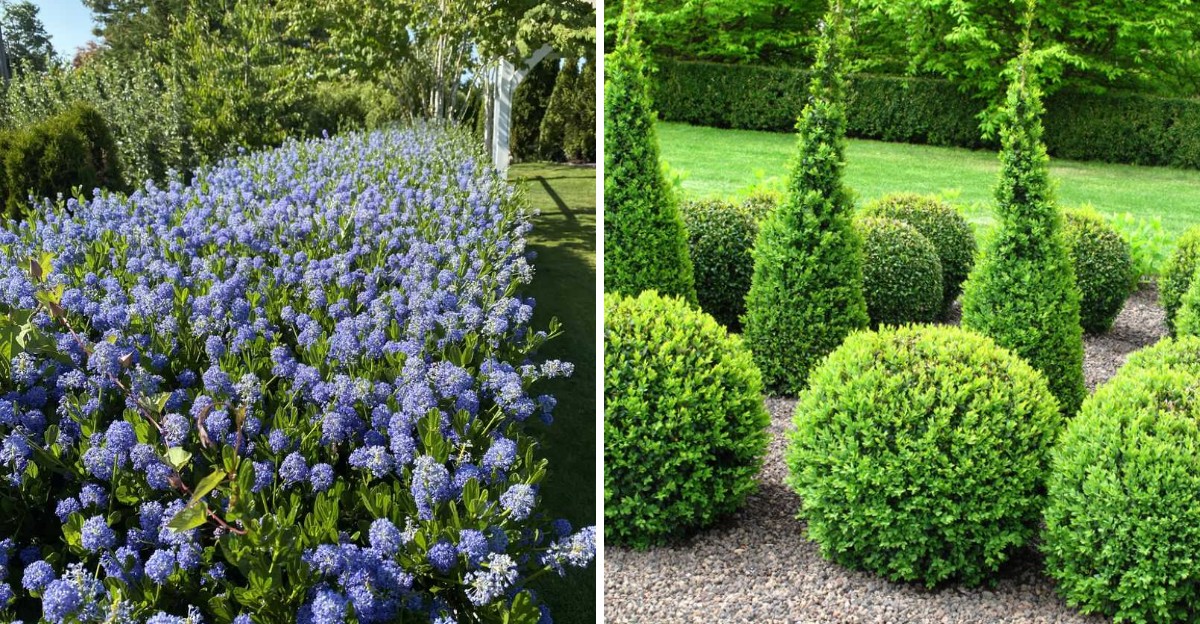
Shrubs in the California foothills grow in soft, uneven mounds, with blue ceanothus flowers poking out beside glossy coffeeberry leaves. A native hedge brings a little of that wild feeling right up to the fence line.
Native shrubs usually grow in looser, rounder shapes instead of flat walls. Their leaves range from silvery sage tones to deep green, and their colors shift with the seasons.
Some flower in spring, some fruit in fall, and a few slow down in late summer the way wild plants naturally do. That rhythm gives the yard a sense of movement through the year.
The relaxed look works especially well near open space, hillsides, or yards with a cottage or woodland style. It can make a small lot feel bigger, since the edges seem to fade into the scenery.
Mixing two or three native species in one hedge adds even more texture. Each plant brings its own leaf shape and seasonal highlight.
There is a catch, though. Some people see that natural shape as messy, especially in neighborhoods with neat front yards.
A few natives also look a bit tired during the dry season. UC ANR notes this is a normal part of their summer rest.
Good planning softens that concern. Evergreen natives provide year-round cover, and plenty of room lets each plant reach full size.
Light shaping instead of hard shearing produces a hedge that feels like it truly belongs.
Ornamental Hedges Offer More Uniform Shape
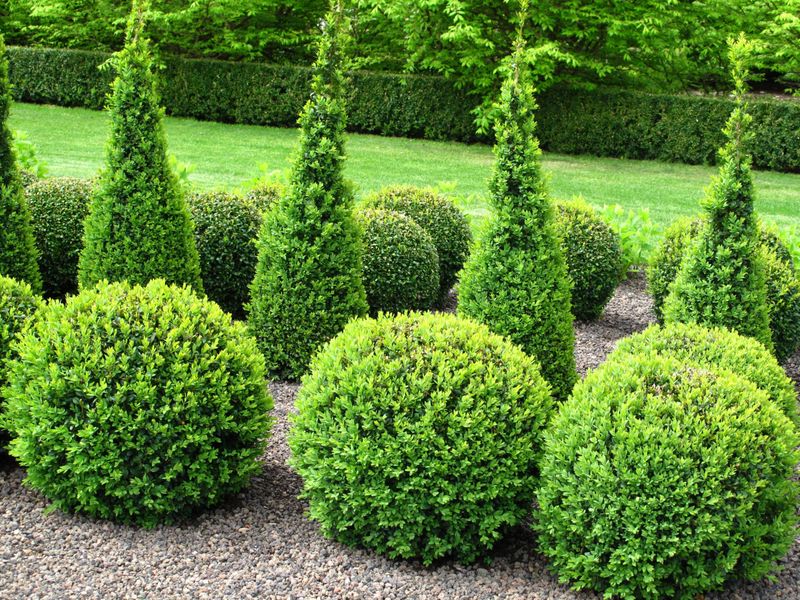
Some hedges look like they were cut with a ruler. Those crisp green boxes outside upscale hotels and classic Spanish-style homes are almost always ornamentals.
Gardeners have selected and bred these plants for generations because they handle tight trimming so well. Boxwood, privet, Japanese euonymus, and some pittosporum types produce small leaves and plenty of new shoots after each cut.
That habit allows shaping into sharp walls, smooth balls, or even animal topiaries. Nurseries also sell them in matching sizes, so a whole row starts out looking even.
Uniform shape is a genuine benefit, not just a fancy extra. A tidy hedge can match a formal house style, meet strict HOA rules, or frame a tiny city yard where every inch counts.
It also creates a clear border that’s easy to mow and edge around. Maintenance crews often appreciate that predictability.
Many native shrubs, by comparison, don’t love heavy shearing. Constant cutting can remove their flowers and berries, and some species thin out or turn woody inside.
A few natives, like Pacific wax myrtle and certain coffeeberry varieties, take shaping fairly well. Results are usually softer, though, with a more relaxed outline.
The decision often comes down to personal taste. Some homeowners want a living wall with clean lines, while others prefer a living screen with personality.
Sharp edges that bring a smile every time the car pulls into the driveway may point toward an ornamental.
Natives Reward Patience Over Instant Formality
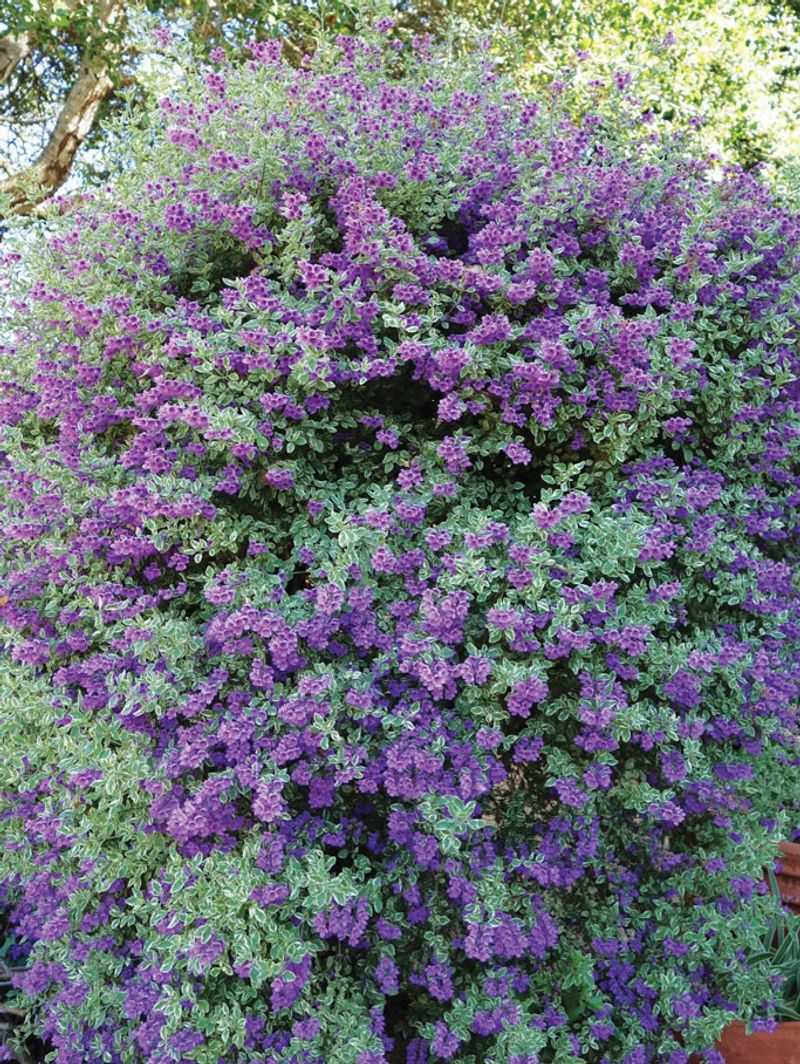
An old gardening saying sums up new plants nicely: the first year they sleep, the second year they creep, and the third year they leap. That saying fits many California natives almost perfectly.
Patience really is part of the deal. Ornamental hedges, by contrast, are often sold in large containers and already shaped.
A row planted in spring with regular water may offer decent privacy within a season or two. That fast payoff is a big reason they stay so popular with new homeowners.
Natives tend to spend their early years building deep roots instead of lots of leaves. UC ANR and the California Native Plant Society suggest planting most natives in fall, so winter rains help them settle in.
They still need regular watering for the first one to three years before handling dry summers on their own. Growth speed varies by species and site, so these timelines work best as rough guides.
Once established, many natives become tough and low-fuss. The slower start pays off with less watering and trimming later on.
Homeowners who need privacy now but want natives long term have options. Fast-growing natives like Pacific wax myrtle can go in alongside slower ones.
A temporary screen, such as a lattice panel or a few potted plants, can bridge the gap while the hedge fills in. A few years later, that patience often feels well rewarded.
Pest And Disease Pressure Often Differs
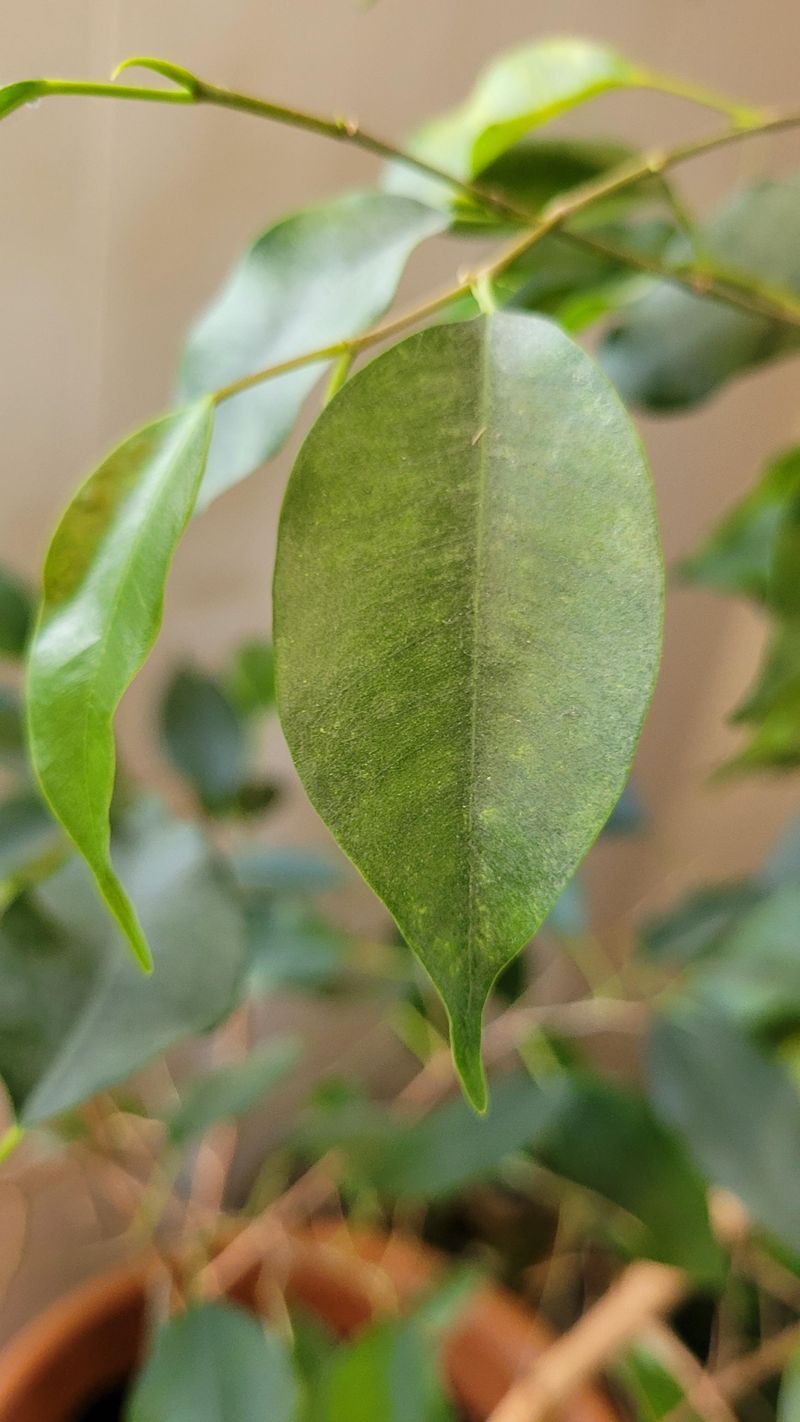
A whole row of hedges browning along the same street often has a simple explanation. When everyone plants the same popular shrub, pests and diseases find a buffet of identical plants.
Some well-known ornamentals come with well-known problems. UC IPM Pest Notes describe issues like scale insects and leaf spots on various hedge shrubs, and fungal leaf spot is a common complaint with red-tip photinia.
Ficus hedges in Southern California have also faced pests such as thrips and whiteflies over the years. Those problems can spread quickly along long, uniform rows.
Native shrubs evolved alongside local bugs, birds, and predators. Nature often helps keep their pests in check as a result.
Ladybugs, lacewings, and tiny wasps that live in native gardens help eat aphids and other troublemakers. That balance can mean fewer emergency sprays.
Natives aren’t pest-proof, however. Summer overwatering can cause root rot in many dry-loving species, and some natives can host serious pathogens like Phytophthora ramorum in certain areas.
Exact pest risks depend heavily on region and growing conditions. Local nurseries familiar with area plants can offer useful insight.
A few habits help any hedge stay healthy. Matching the plant to sun, soil, and water makes a strong start, and avoiding a single species in a long row adds resilience.
Checking leaves a few times a season and reaching for gentle fixes like water sprays before stronger chemicals round out the routine.
Choose Based On Your Actual Priorities
Writing down what matters most often makes the hedge decision surprisingly clear. Two plant tags can look equally appealing until the real goals are spelled out on paper.
A simple ranking helps. Wildlife, low water use, a neat formal look, fast privacy, and easy upkeep each pull in a slightly different direction. Ranking them from most to least important reveals what truly matters.
The top two priorities usually point the way. Birds, bees, and lower water bills near the top suggest a native hedge like toyon, coffeeberry, or lemonade berry.
Crisp lines, quick screening, or strict HOA rules point in a different direction. An ornamental such as boxwood or pittosporum may serve those needs better.
Neither choice is wrong. Each one simply solves a different problem, and both can look beautiful in the right setting and the right yard.
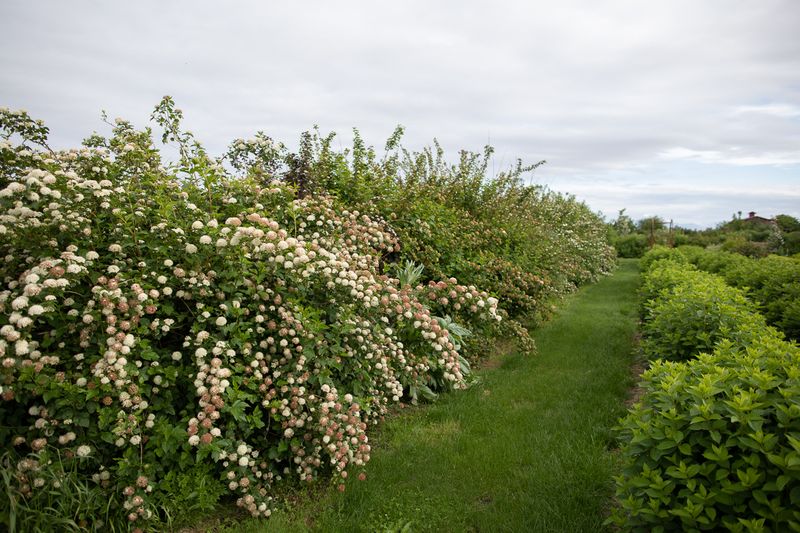
Blending both worlds is another option. Some homeowners keep a formal ornamental hedge out front and plant a looser native screen in the backyard.
Others mix natives that tolerate light shaping into a semi-formal row. That middle path offers some structure along with wildlife value and a bit of polish.
Local water ratings, a visit to a native plant nursery, and a look at mature plants in person all help before buying.
In the end, the best hedge is the one that gets happily cared for year after year.