What The First Frost Actually Does To Pennsylvania Perennials And Their Roots
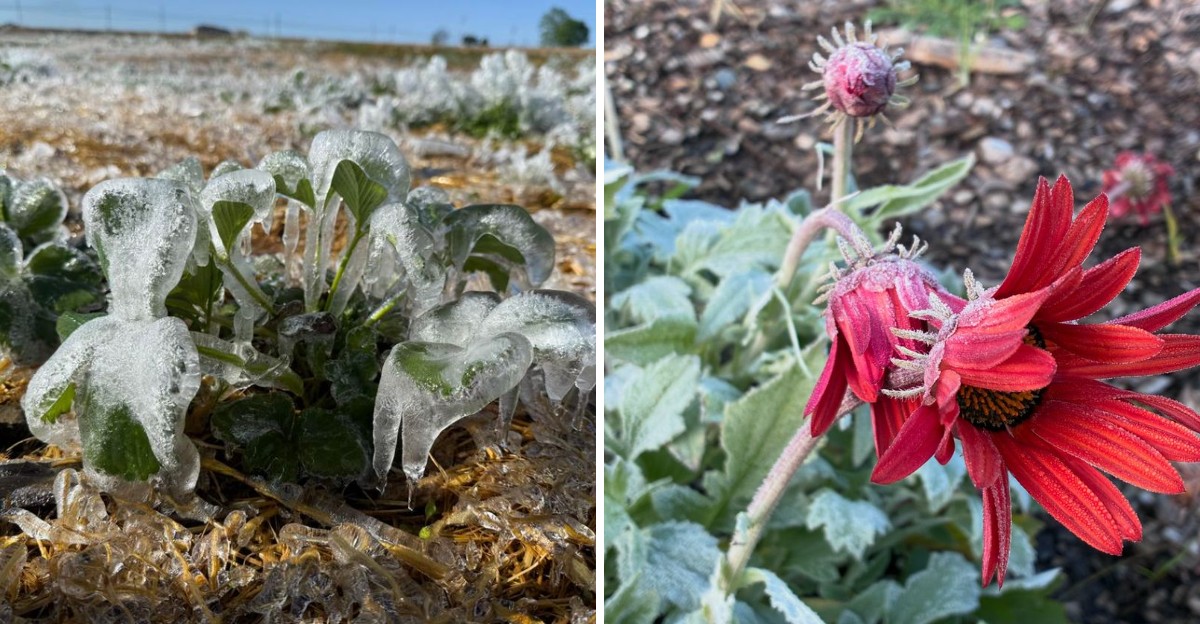
For many Pennsylvania gardeners, that first frost feels like the end of the line. But what you see on the surface tells only part of the story.
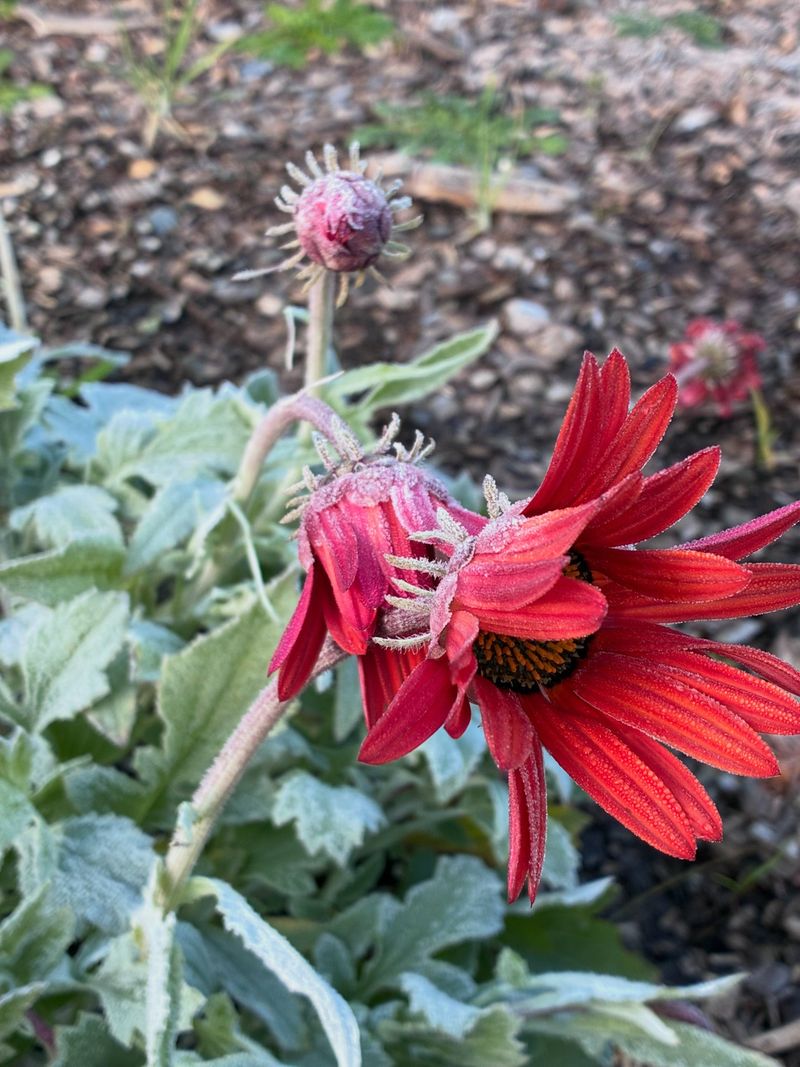
When temperatures dip below freezing, ice crystals form inside tender leaves and burst their cells.
That’s why foliage can collapse so quickly. Underground, though, something very different is happening. The soil acts like a thick blanket, keeping roots far warmer than the air above.
Many perennials have already been storing sugars and energy down there for weeks, almost like a built-in antifreeze. In fact, plenty of roots keep growing until the ground finally freezes solid.
Understanding this hidden process can change how you care for your garden this fall and help your perennials return stronger in spring.
1. Ice Crystals Wreck Tender Leaves And Stems
Ever wondered why your hostas look like wet paper towels after one cold night? Blame tiny ice crystals. When the air drops to 32 degrees or lower, water inside soft leaves can freeze.
Plant cells are a lot like little water balloons. When the water inside them turns to ice, it expands. Those sharp crystals can poke holes in the cell walls and burst them open.
Once the sun comes up and the ice melts, the broken cells leak. That is why leaves turn limp, mushy, or even black by mid-morning.
Soft, juicy plants like hostas, coleus, and impatiens show the damage first. Tougher plants with thick or fuzzy leaves often hold up much better.
Here is a fun fact. Frost often hits low spots in your yard harder than high spots. Cold air is heavy, so it sinks and pools in dips, almost like water. A plant at the bottom of a slope may get zapped while one on a hill looks fine.
So what can you do about it? If a frost is in the forecast and you want a few more weeks of color, cover your plants in the evening.
An old bedsheet, a cardboard box, or a frost cloth works well. Just remove the cover the next morning so plants do not overheat.
Do not panic if you miss a night, though. Damaged leaves on hardy perennials are only skin deep.
The plant itself is usually just fine. Think of it as nature trimming away the summer outfit. The heart of the plant is tucked safely below, waiting for its next big season.
2. Hardy Plants Start Their Long Winter Nap
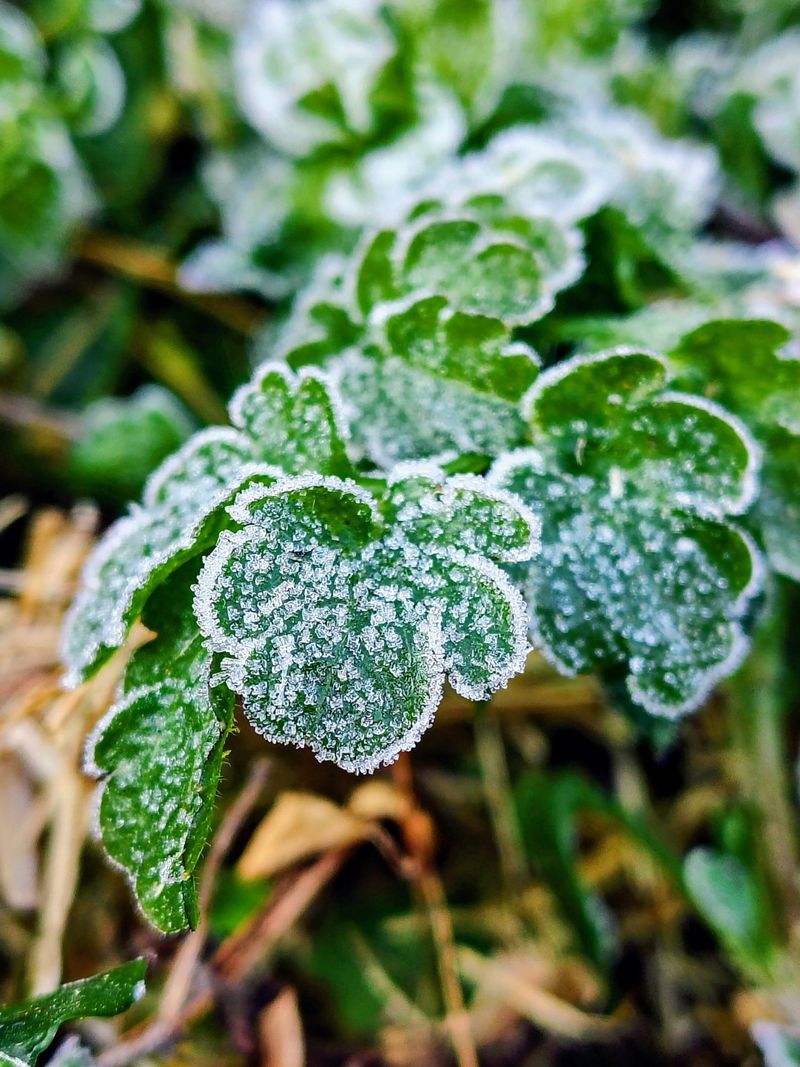
Plants are smarter than we give them credit for. Long before the first frost shows up, your hardy perennials are already reading the signs. Shorter days and cooler nights tell them that winter is on the way.
In response, they slow down. New leaves and flowers stop popping out. Instead, the plant shifts into a resting mode called dormancy. It works a lot like a bear getting ready to hibernate.
During this change, something pretty amazing happens inside the plant. Cells start to build up sugars and other natural compounds.
Your Pennsylvania Garden Changes Every Week. Your Plan Should Too.
Gardening in Pennsylvania changes quickly throughout the season. Every Friday you’ll receive a simple weekly plan showing exactly what to plant, prune, fertilize, harvest, and protect so you never miss the right timing.
These act like antifreeze in a car. They lower the temperature at which the water inside cells will freeze, so the plant can handle much colder weather.
The first frost gives this process an extra push. A few cold nights help plants harden off, which means they toughen up for the deep cold of January. Perennials like coneflowers, black-eyed Susans, peonies, and daylilies are pros at this.
You can help your plants prepare, too. Stop fertilizing by late summer. Feeding plants in fall can trick them into making soft new growth, and that growth is easy for frost to damage.
Also, keep watering during dry fall spells. A well-watered plant handles cold better than a thirsty one.
Choosing the right plants matters as well. Most of Pennsylvania falls in USDA zones 5 through 7.
Pick perennials rated for your zone or colder, and they will know exactly how to settle in. Then you can relax while they rest, knowing they are built for this season.
3. Down Below, Roots Stay Snug And Busy
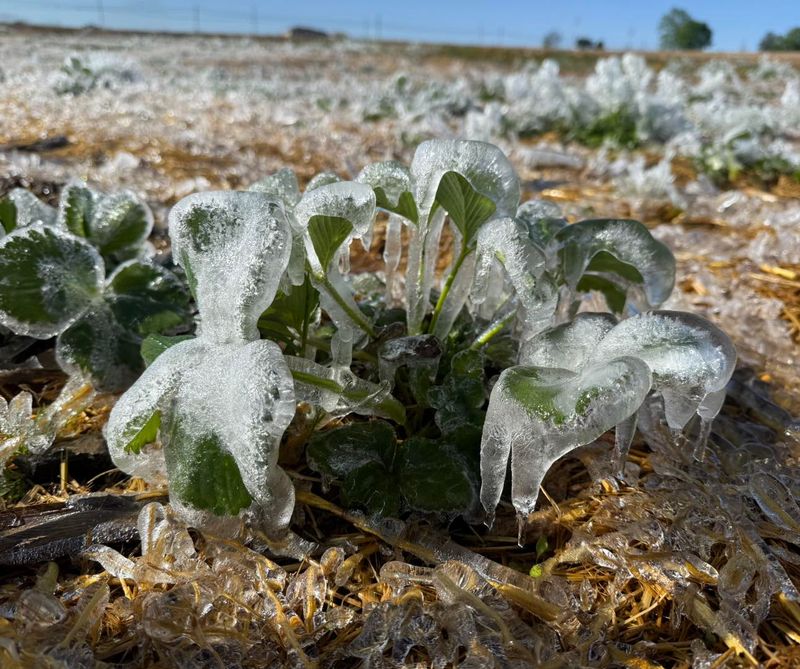
Good news for worried gardeners. While the leaves above may look rough, the roots are usually doing just fine. Soil is a great heat keeper.
Think about a swimming pool in September. The air might feel chilly, but the water is still warm from summer. Soil works the same way. It soaks up heat all summer and lets it go very slowly.
A light frost happens when the air near the ground dips below freezing for a few hours. That short cold snap is rarely enough to chill the soil much. Just a few inches down, temperatures often stay in the 40s or 50s well into fall.
Because of that warmth, many perennials keep growing roots long after their leaves fade. Roots can keep stretching out until the soil itself gets close to 40 degrees. In much of Pennsylvania, that may not happen until late November or even December.
That is why fall is such a great time to plant perennials. The air is cool, so plants do not get stressed. The soil is still warm, so roots can settle in before winter. Gardeners often say fall planting gives you a head start on next spring.
To keep roots happy, water new plants deeply once a week if rain is scarce. Healthy, moist soil holds heat better than dry, dusty soil.
Also, avoid stepping on wet garden beds, since packed soil makes it hard for roots to breathe. A little care now keeps that hidden root system strong and ready.
4. Food Gets Packed Away In Roots And Crowns
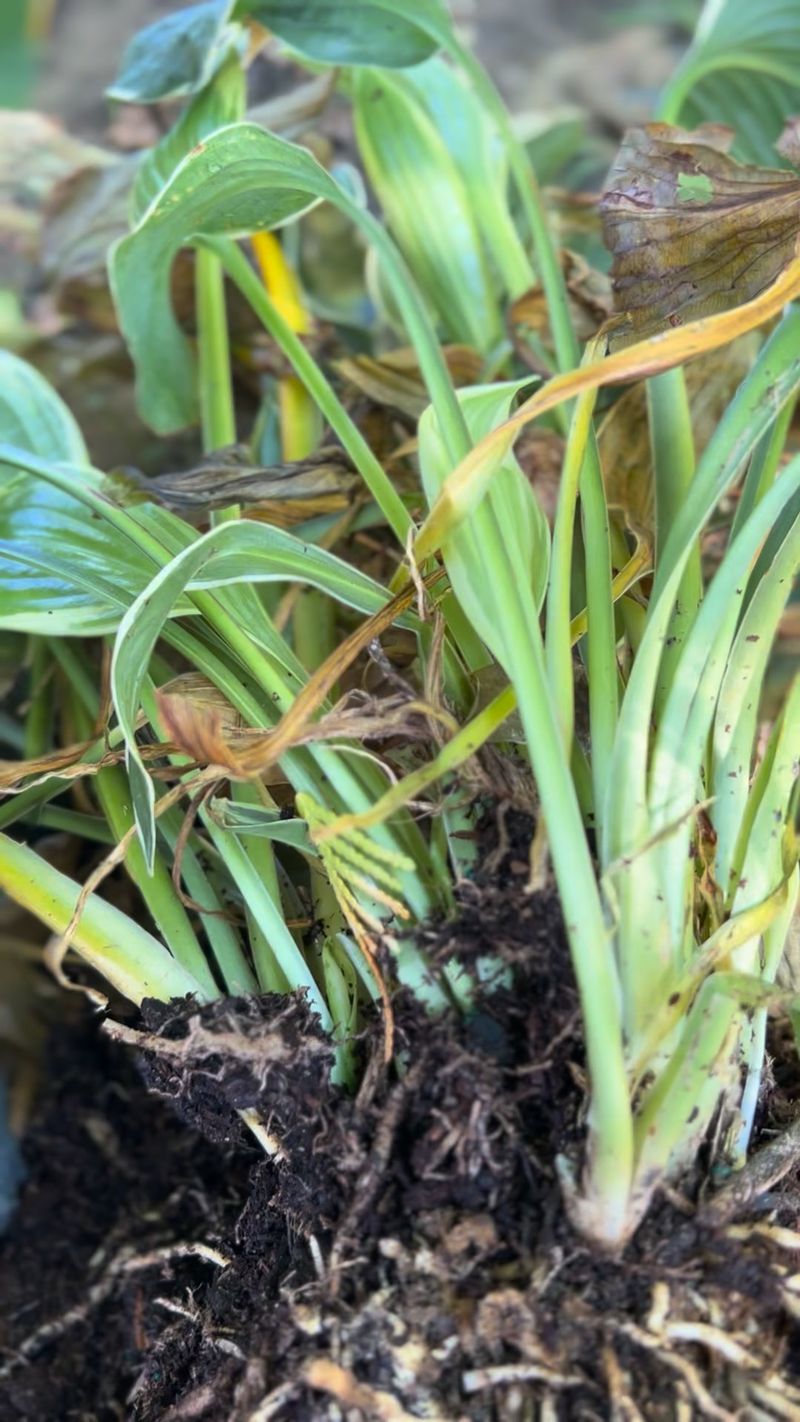
Here is a sneaky trick perennials pull every fall. Before their leaves fade away, they move as much good stuff as they can down into storage.
All summer, leaves act like solar panels. They catch sunlight and turn it into sugar for energy.
As fall arrives and leaves start to yellow, the plant pulls nutrients like nitrogen out of them. It then sends that food down to the roots, crowns, and other underground parts.
The crown is the spot where stems meet roots, right around the soil line. It is like the plant’s control center.
Peonies, hostas, and daylilies all have crowns packed with buds for next year. Some plants also store energy in thick roots, rhizomes, or tubers.
Why does this matter? That stored energy is the fuel for spring. When the soil warms up in April, the plant uses its savings to push out fresh shoots before new leaves can make more food. A plant with a full pantry grows bigger and blooms better.
So be patient with yellowing leaves. If you chop them off too early, the plant loses its chance to pull back those nutrients. Wait until the foliage is brown and floppy, or until a hard frost has clearly finished it off.
Fun fact. The bright yellow and orange colors you see in fall leaves were there all along. They were just hidden by green chlorophyll.
When the plant takes the green back, the warm colors finally get to shine. It is a beautiful sign that your plant is saving up for the future.
5. Blackened Foliage Means Dahlias Need Digging
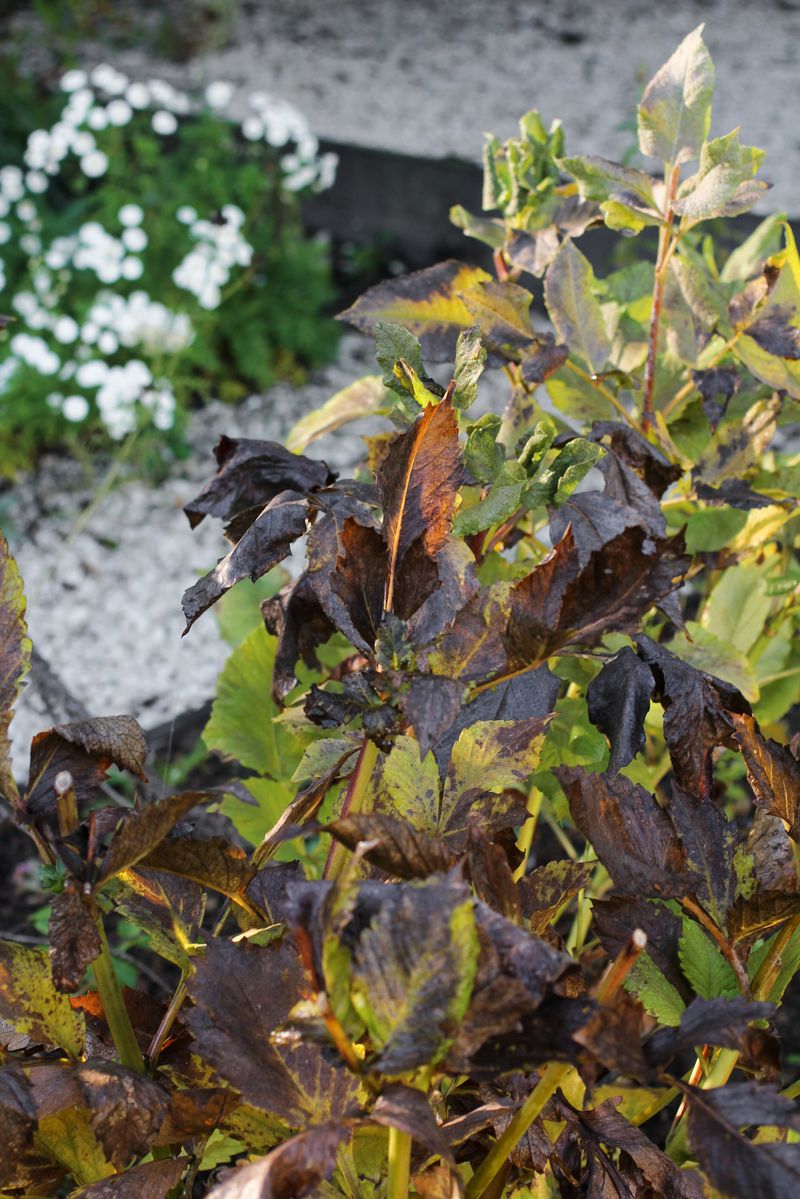
Not every perennial is tough enough for a Pennsylvania winter. Dahlias, cannas, gladiolus, and elephant ears come from warmer parts of the world. In places like Mexico, they stay in the ground all year. Here, freezing soil would turn their tubers and bulbs to mush.
The first frost acts like a handy alarm clock for these plants. Once their leaves turn black and droopy, it is time to get digging.
Many gardeners wait about a week after that frost. The short wait helps the tubers toughen their skins a bit.
Start by cutting the stems down to about six inches. Then use a garden fork to lift the clump gently. Dig a wide circle around the plant so you do not stab the tubers. Shake or rinse off the extra soil.
Next, let them dry. Set them in a shady, airy spot for a few days. Drying helps prevent rot during storage.
Once dry, pack them in boxes or paper bags with peat moss, wood shavings, or dry sand. Store them somewhere cool and frost-free, between about 40 and 50 degrees. A basement or an unheated but protected garage often works great.
Here is a pro tip. Label everything before you store it. By spring, you will not remember which tuber was the pink dahlia and which was the red one. Check your stash once a month, too.
Toss any soft or moldy pieces and lightly mist any that look very shriveled. Come May, you will have a box full of summer waiting to be replanted.
6. Hold Off On Mulch And Heavy Pruning
Patience pays off in the fall garden. After the first frost, many people grab their pruners and a bag of mulch right away. But waiting a little longer is often the smarter move.
Winter mulch has a special job. It is not meant to keep plants warm. Instead, it keeps the soil temperature steady once the ground is frozen. In Pennsylvania, winters often swing between freezing and thawing.
Those ups and downs can push plants right out of the ground, a problem called frost heaving.
If you mulch too early, the soil stays warm and soft. Mice and voles may move in and snack on roots and crowns.
So wait until the top inch or two of soil is frozen, often in December. Then add two to four inches of shredded leaves, straw, or pine needles around your plants.
Now let’s talk pruning. You do not have to cut everything back. Leaving stems and seed heads standing helps wildlife a lot.
Native bees and other helpful insects spend the winter inside hollow stems and plant litter. Birds like goldfinches love to pick seeds from coneflowers, asters, and black-eyed Susans.
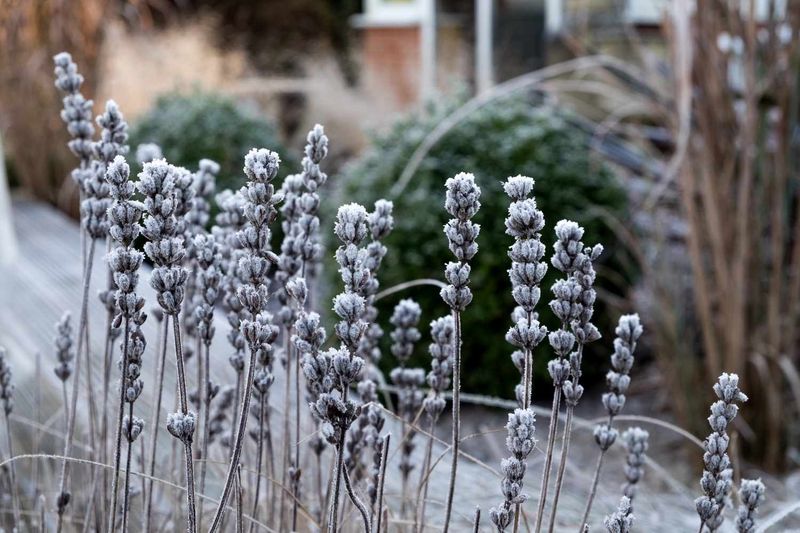
Standing plants also catch snow, which acts like a cozy blanket for the soil. And honestly, frosty seed heads look beautiful on a cold morning.
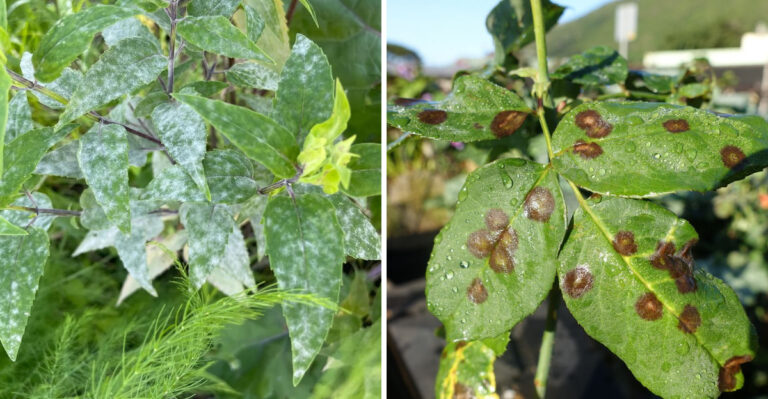
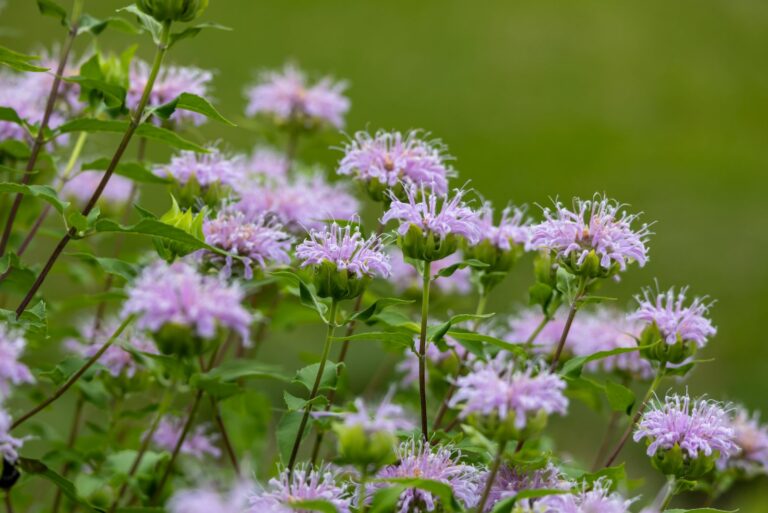
There are a few exceptions. Cut back plants that had disease problems, such as peonies with leaf spots or bee balm with powdery mildew.
Throw those leaves in the trash, not the compost. For everything else, enjoy a little winter mess and tidy up in early spring.