What It Means When Your Florida Porch Plants Suddenly Perk Up In October
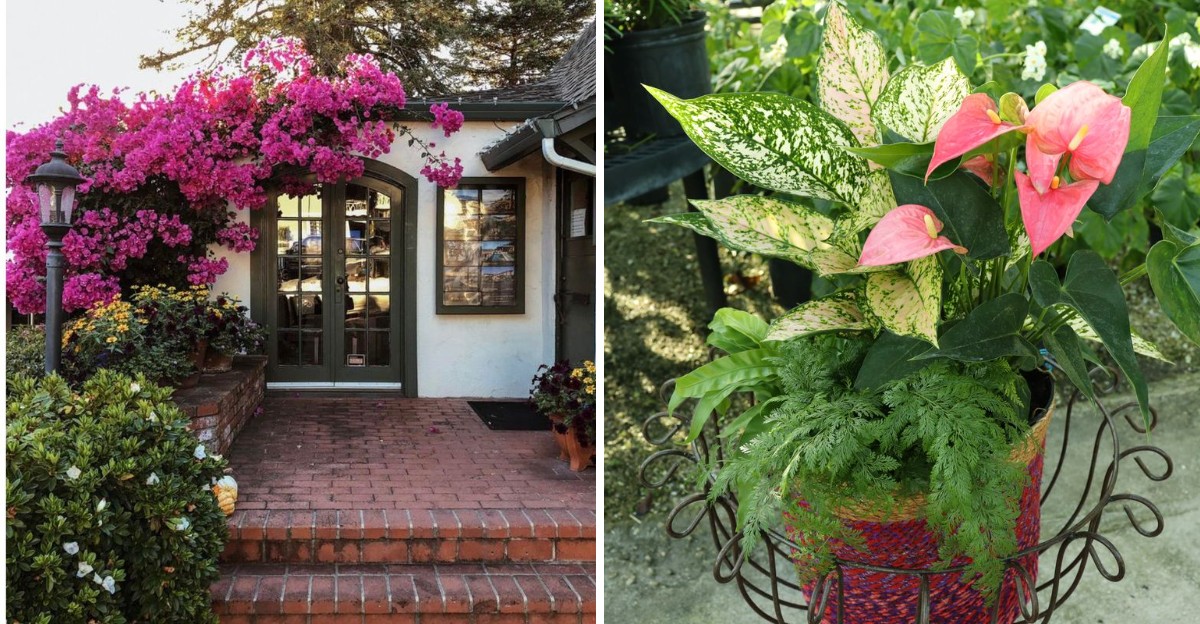
There is a particular October morning in Florida that every porch gardener eventually experiences. You step outside with your coffee, take one look at your plants, and do a genuine double take.
The hibiscus that sulked all August is suddenly standing tall. The coleus colors have deepened overnight into something almost unreasonably vivid.
A pot that looked like it was barely holding on a few weeks ago is now pushing out fresh new growth like it has somewhere important to be. Something shifted, and your plants clearly got the memo before you did.
The good news is that this is not random, and it is definitely not luck. There is real, interesting science behind the October plant glow, and understanding what is actually happening makes it a whole lot easier to keep that energy going all season long.
1. Cooler Nights Give Roots A Break
Sleeping in a hot room all summer and finally getting a cool breeze is a relief most people understand. Your plants feel much the same way when October nights start to dip.
During July and August, nighttime temperatures across most of Florida typically stay in the mid to upper 70s. Plants keep working hard at night, burning stored energy just to handle the heat.
Once evenings cool into the low 70s or upper 60s, plants can rest and recover. They save energy instead of spending it, and that extra fuel goes into fresh leaves and stronger stems.
You may notice new growth tips appearing within a week or two. Leaves that looked thin or curled often flatten out and feel thicker to the touch.
Here is a helpful move for this season. Check your pots for signs of new roots poking out of drainage holes, since cooler soil encourages root growth too.
If roots are circling the bottom, October is a smart time to repot into a slightly bigger container. The milder weather lowers stress, so plants settle into their new homes faster.
Use a fresh, airy potting mix and water well after moving them. Keep repotted plants in bright shade for a few days while they adjust.
Many tropical plants grow best when there is a difference of about 10 degrees between day and night. October finally delivers that sweet spot, and your porch garden notices right away.
2. Lower Humidity Helps Leaves Breathe
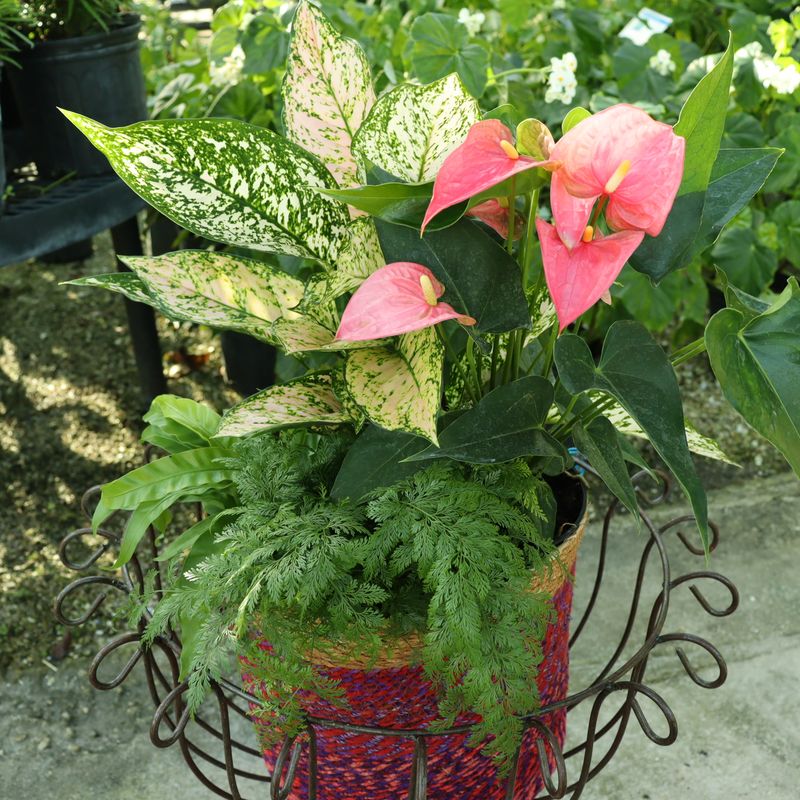
That first crisp morning when your hair behaves and your glasses do not fog up is something Florida residents genuinely look forward to. Your plants are celebrating the drier air right along with you.
Summer humidity can be intense, with relative humidity regularly climbing into the 70 to 80 percent range during daytime hours and spiking even higher during morning hours and storm events. That sticky air makes it harder for leaves to release water vapor through tiny openings called stomata.
When humidity drops in fall, those openings work more easily. Water moves up from the roots, carrying nutrients to every leaf, and the whole plant looks livelier.
Drier air also cuts down on fungal problems. Leaf spots, powdery coatings, and mushy stems become less common once the muggy season fades.
Your Florida Garden Changes Every Week. Your Plan Should Too.
Gardening in Florida changes quickly throughout the season. Every Friday you’ll receive a simple weekly plan showing exactly what to plant, prune, fertilize, harvest, and protect so you never miss the right timing.
Take a few minutes to remove any leaves with old brown spots. Clean foliage helps your plant put energy into healthy growth instead of patching up summer damage.
Wipe dusty leaves with a soft, damp cloth while you are at it. Dust blocks sunlight, and shiny leaves soak up more light for food making.
Keep an eye on ferns and calatheas, though. These humidity lovers may get crispy edges as the air dries, so grouping pots together creates a little pocket of moisture.
A tray of pebbles and water under the pots can help as well. It is an easy trick that keeps sensitive plants happy while the sturdier ones enjoy the fresh, breezy weather.
3. Softer Sunlight Stops The Scorching
Have you noticed the shadows on your porch stretching a little longer lately? That shift tells you the sun is sitting lower in the sky.
In summer, the sun beats straight down with intense strength. Even sun-loving Florida plants can get bleached spots, crispy tips, or leaves that fold up to protect themselves.
By October, sunlight arrives at a gentler angle. The light is still bright, but it is less harsh, so leaves can open wide and soak it in without getting burned.
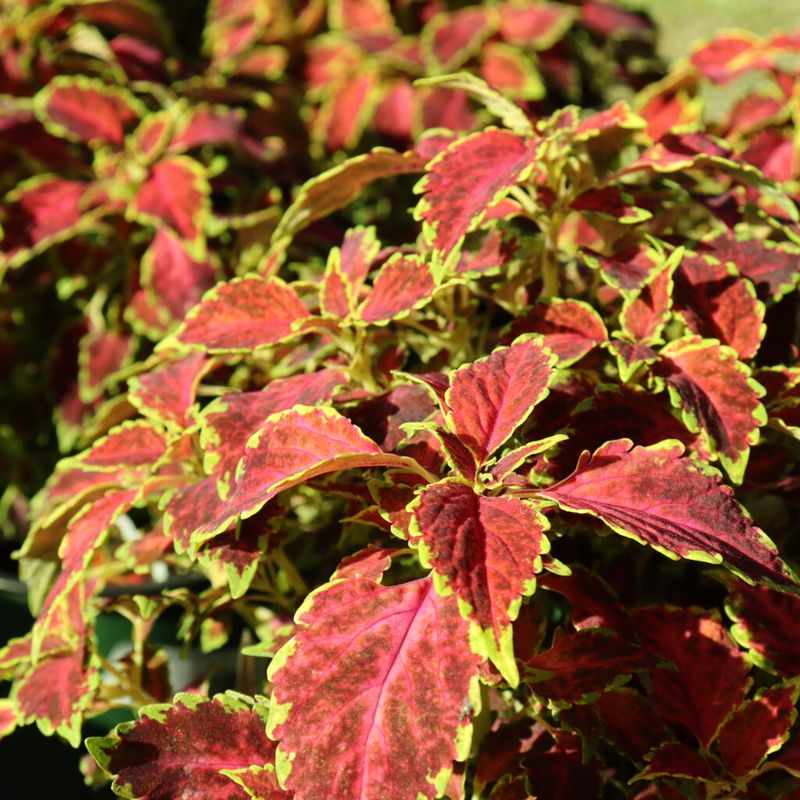
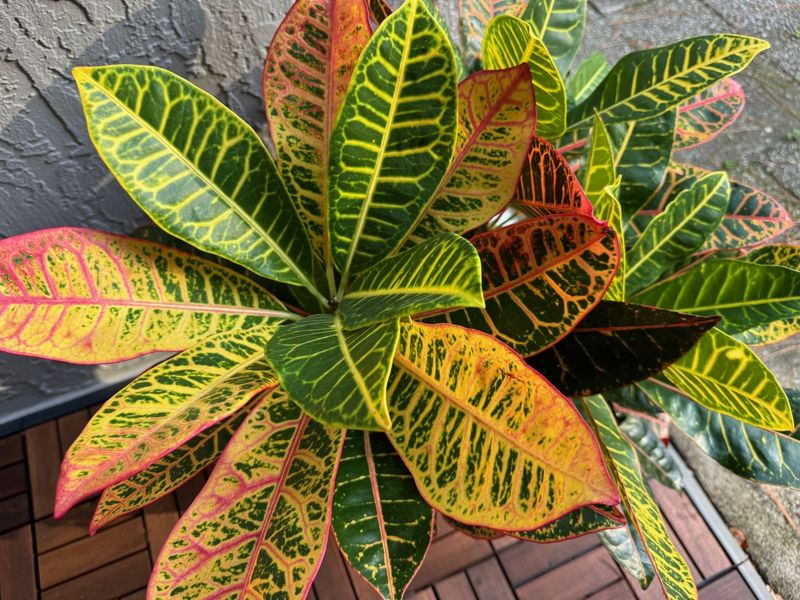
That is why colorful plants like crotons and coleus often look more vivid this month. Their reds, yellows, and oranges deepen when they are not fighting the glare.
Here comes a practical tip. Since the light angle changes, spots that were shady in June might now get direct afternoon rays, and sunny corners might turn dim.
Spend one afternoon watching where light lands on your porch. Then shuffle your pots so shade lovers stay protected and sun lovers get their fair share.
Rotate each pot a quarter turn every week or so. Plants lean toward light, and turning them keeps their shape full and even instead of lopsided.
Did you know? The sun in fall sits roughly 20 degrees lower at noon than it does in midsummer.
That small change makes a big difference for leafy porch dwellers.
4. Your Watering Routine Finally Matches Their Needs
Here is a funny truth about summer gardening. Many of us water like crazy in the heat, but daily storms often leave pots soggy anyway.
The rainy season usually wraps up by late October. Without constant afternoon downpours, soil has time to dry between waterings, and roots finally get the air they crave.
Roots need oxygen just as much as water. Waterlogged soil squeezes out that air, which leads to weak, yellowing plants that look tired no matter what you do.
Once the Florida soil drains properly, roots spread out and get stronger. Healthy roots mean perky stems and leaves, and that is a big part of the October glow.
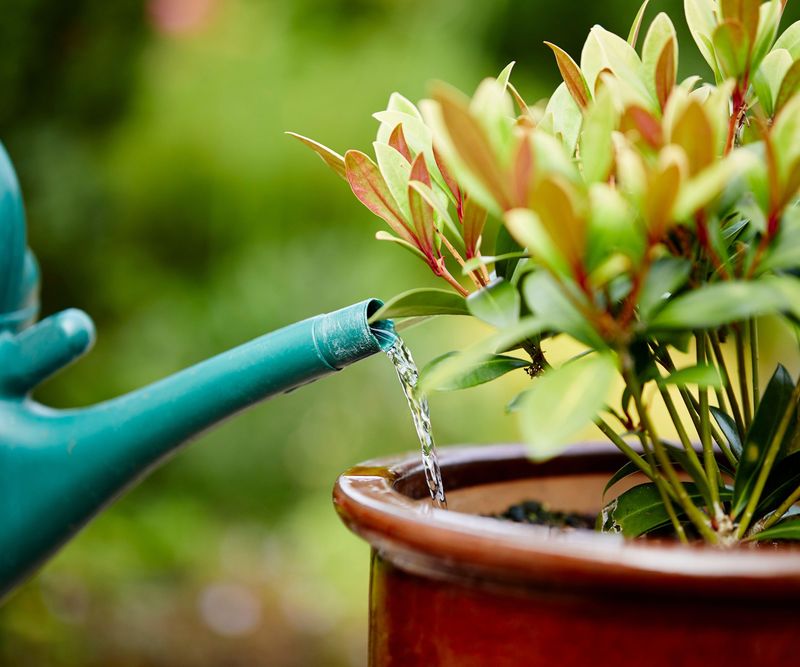
To keep the good times going, try the finger test. Push your finger about an inch into the soil, and only water when it feels dry at that depth.
Water in the morning so leaves dry off during the day. Wet leaves overnight can invite fungus, even in cooler weather.
Make sure every pot has a drainage hole, and empty saucers after watering. Standing water at the bottom is a sneaky troublemaker for porch plants.
You might find you water less often than you did in summer. That is perfectly normal, and your plants will thank you with steady, happy growth all season long.
5. Florida Fall Is Their Second Growing Season
Gardeners up north are raking leaves and covering beds right now. Meanwhile, your porch is gearing up for what feels like a brand new spring.
In much of the Sunshine State, summer acts like a tough season for plants, a bit like winter does elsewhere. Many plants slow down in extreme heat just to get by.
October flips that script. Warm days and mild nights create ideal growing conditions, so plants shake off their summer slump and start growing again.
Think of it as a second chance. Plants that seemed stuck all summer may suddenly push out several new leaves at once.
This is the perfect moment to feed them. A balanced liquid fertilizer, mixed at half strength every two to three weeks, gives that new growth the nutrients it needs.
Slow-release pellets work too if you prefer less fuss. Sprinkle them on top of the soil and water them in, and they will feed your plants for a couple of months.
Be careful not to overdo it, though. Too much fertilizer can burn roots and cause weak, floppy growth.
Local gardeners often plant tomatoes, herbs, and flowers in fall instead of spring. The cooler months are prime time, and your porch plants are simply following the calendar.
6. Fewer Pests Mean Less Stress
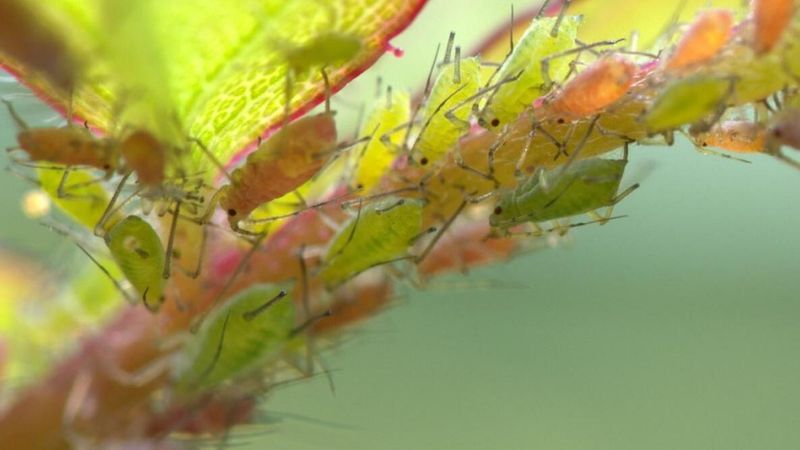
Bugs love a hot, steamy party, and summer is their favorite season. As temperatures ease, many of those uninvited guests start packing up.
Spider mites, mealybugs, and whiteflies thrive in heat. They suck juices from leaves and leave plants looking pale, spotted, or stunted.
Cooler, drier Florida weather slows their breeding. With fewer pests nibbling away, your plants can heal and channel energy into growing instead of defending themselves.
Still, do not let your guard down completely. Some pests hang around year round, and fall is a smart time to give everything a careful checkup.
Flip leaves over and look along stems. Tiny webs, sticky residue, or cottony white clusters are clues that something is still hiding.
If you spot trouble, a gentle spray of water can knock off many bugs. For stubborn cases, insecticidal soap or neem oil works well and is safer around pets and people.
Spray in the cool morning or evening, not in bright midday sun. That timing protects leaves from burning.
Here is a neat tip: ladybugs and lacewings are helpful insects that eat pests. If you see them on your porch plants, give them a warm welcome, because they are working for free as tiny garden guards.
7. Shorter Days Trigger Blooms
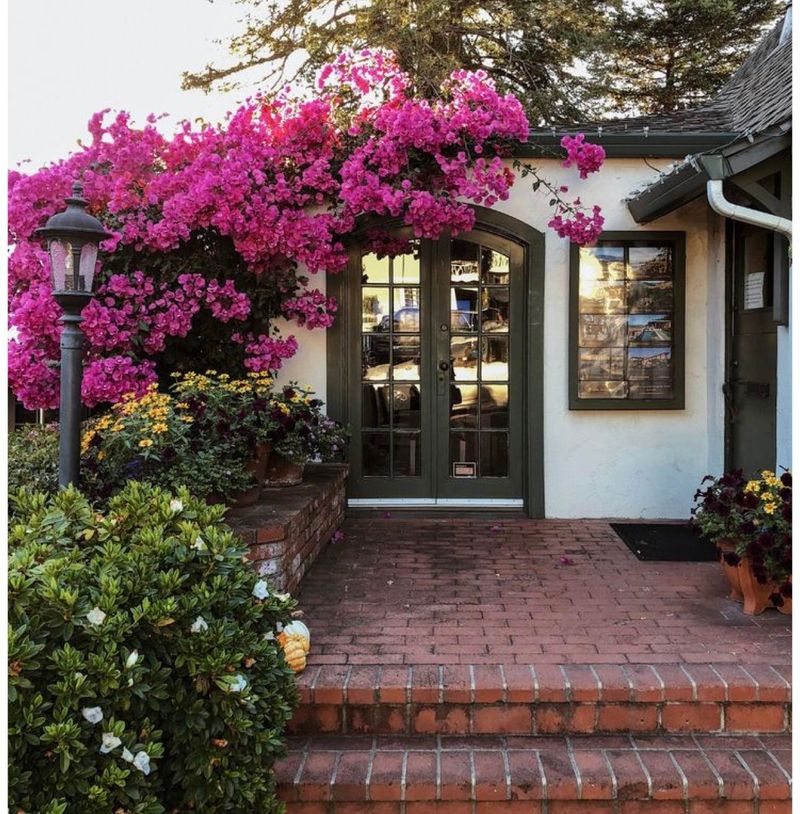
Plants keep time in a way that might surprise you. Many of them measure the length of night to decide when it is time to flower.
Scientists call this photoperiodism, which is the term for responding to daylight hours. As fall nights grow longer, certain plants get the signal to bloom.
Florida bougainvillea is a commonly cited example. After a summer of mostly leaves, it often responds to a combination of longer nights, reduced watering, and mild stress by producing those papery pink, purple, or orange bracts that make it so recognizable.
Day length is one factor, but dry conditions and overall plant stress also play a meaningful role in triggering its bloom cycle.
Orchids, Christmas cactus, and kalanchoe also respond to longer nights. You might spot little flower spikes or buds forming before you even notice the weather changing.
Want to help them along? Avoid placing these plants near porch lights that stay on all night, because artificial light can confuse their timing.
Switch to a fertilizer with more phosphorus, the middle number on the label. Phosphorus supports flower production and helps buds open fully.
Keep watering steady once buds appear. A sudden dry spell or big swing in moisture can cause buds to drop before they open.
Poinsettias are a well-known example of this response in action. Growers keep them in total darkness for about 14 hours a night for several weeks to achieve that signature red color in time for the holidays.
8. A Florida Signal To Prep For Winter
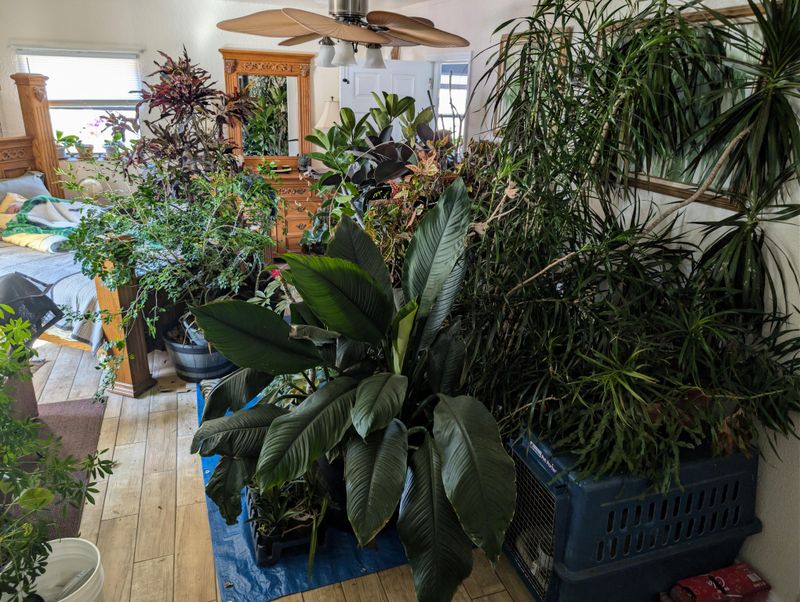
Enjoying the October boost is great, but smart gardeners also look ahead. Think of this season as the calm before a few chilly surprises.
Even in the Sunshine State, cold snaps can roll in from December through February. Northern and central areas may see frost, while southern spots get the occasional cool spell.
Healthy, strong plants handle cold far better than weak ones. The growth spurt your plants are having right now builds the stamina they will need later.
Use this time for light pruning. Trim leggy stems and remove damaged leaves, but avoid heavy cutting after early November so new growth has time to toughen.
Make a simple cold plan too. Sort your plants into ones that can stay outside and tender tropicals that may need to come indoors on cold nights.
Keep old sheets or frost cloth handy in a closet. Draping plants overnight can trap ground warmth and protect leaves when temperatures dip near 40 degrees.
Wheeled plant caddies are a lifesaver for heavy pots. They let you roll big containers inside or against the house without straining your back.
A little planning now means fewer frantic moments later. When that first cold front arrives, you will be ready with a calm, easy routine.
9. Florida Plants Telling You They Are Happy
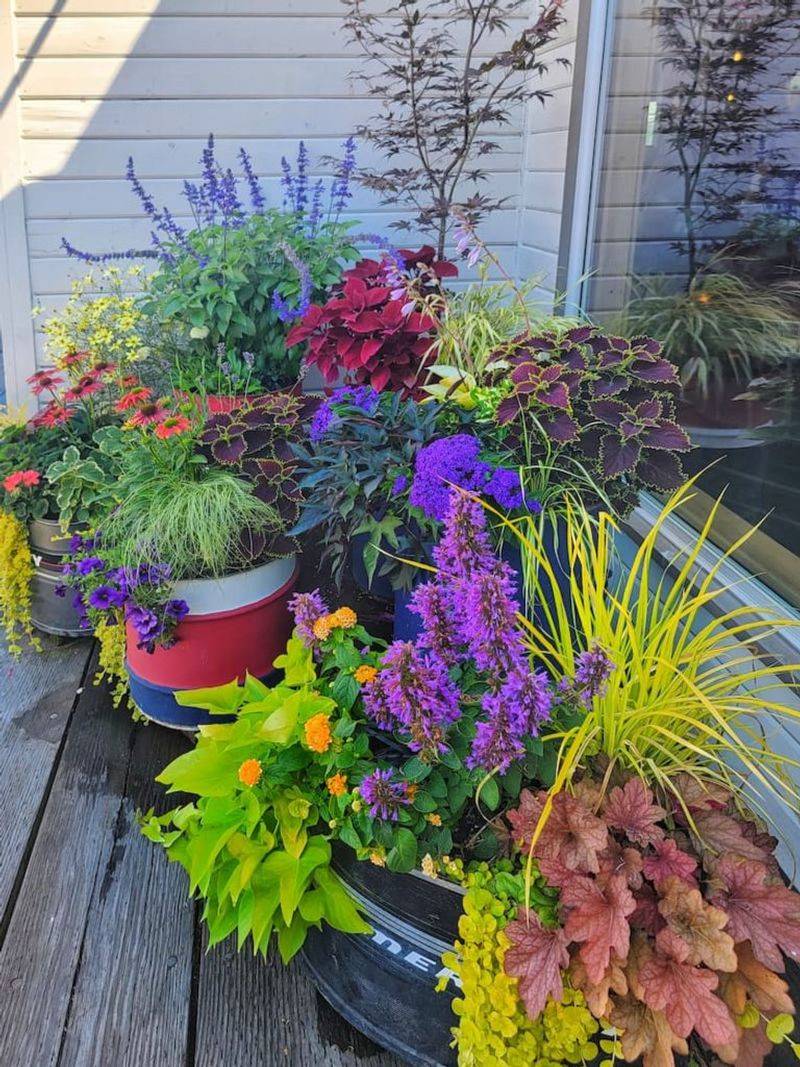
Sometimes the simplest answer is the best one. When your plants perk up, they are basically sending you a thank you note.
Plants cannot talk, but they communicate through their leaves, stems, and colors. Firm, upright leaves and fresh growth are their way of saying conditions are just right.
Learning to read these signs makes you a better gardener. Once you know what a happy plant looks like, you can spot problems much sooner.
Try snapping a few photos of your porch plants this month. Those pictures become a handy guide for comparing how they look in other seasons.
Jot down notes in a small notebook or on your phone. Write which plants grew fastest, which ones bloomed, and where each pot sits on the porch.
Next year, those notes will help you plan ahead. You will know when to repot, when to feed, and which plants deserve the best spots.
Above all, take time to enjoy the view. Sit on your porch with a cool drink and soak in the green, healthy scene you helped create.
Gardening is not only about chores and tips. Moments like these remind you why you started, and a thriving porch on a breezy fall afternoon is a reward worth savoring.