How Late Is Too Late To Overseed A Southern Ohio Lawn This October
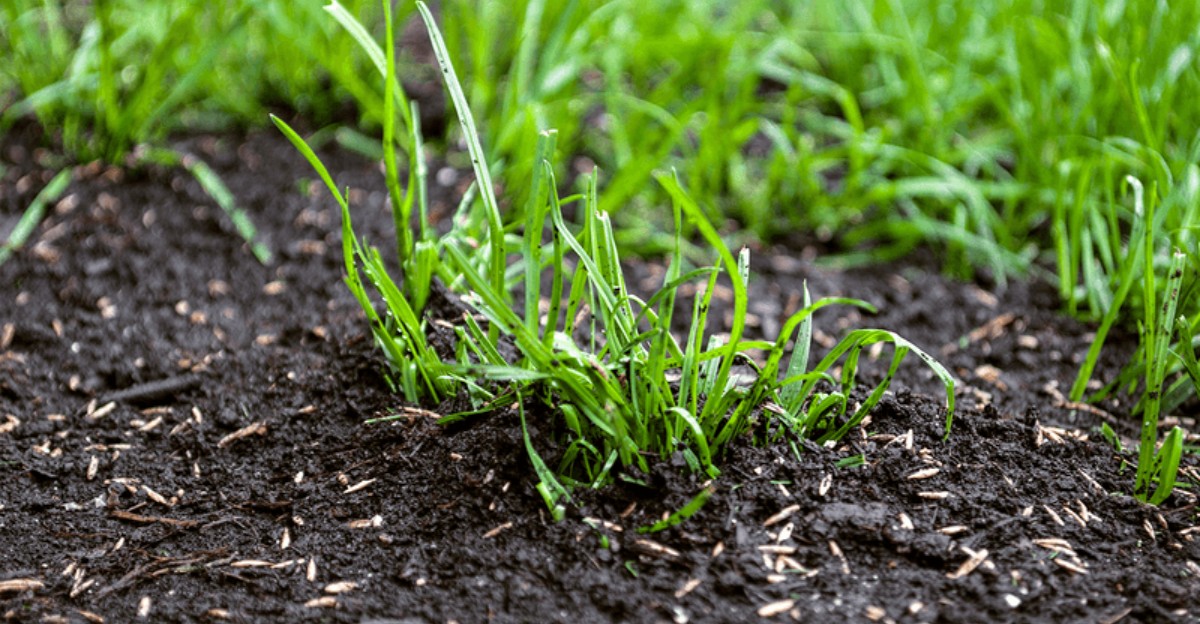
Southern Ohio’s overseeding window isn’t closed yet, but it’s closing faster than the mild afternoons outside would have you believe.
Soil temperature runs this show, not the date on your calendar. Seed needs warm enough ground to sprout, then real time afterward to root before a hard freeze locks everything down.
Miss that stretch and you’re left with seed sitting dormant all winter, an easy target for rot and competition once spring shows up.
The back half of October narrows this fast, and most homeowners assume they’ve got more runway than they actually do.
Check your soil temperature before assuming there’s still time. The window’s smaller than the weather outside suggests.
1. Ohio’s Ideal Seeding Window Closes September 30
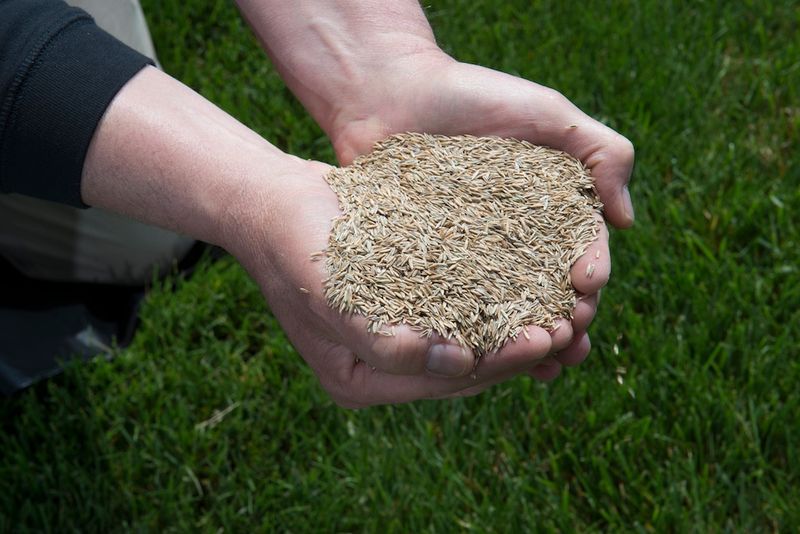
Picture late August turning into September. The days are still warm, but the nights cool down, and grass seed loves that mix.
Most lawn experts in the state point to late August through September as the best time to overseed. Warm soil helps seeds sprout fast.
Cooler air keeps the young blades from wilting in the heat.
September is often called the sweet spot for good reason. Weeds are slowing down, rain tends to show up more often, and the new grass has plenty of weeks to grow roots before frost.
That head start makes a huge difference.
After mid-September, though, the odds start to slip. Early October can still work in some cases, but each passing week shrinks the time your seedlings have to get strong.
Think of it like a train leaving the station. You can still run and catch it, but it gets harder.
So what should you do if you are reading this in October? Check your soil temperature with a cheap soil thermometer.
If it still reads around 50 to 65 degrees, seed can sprout.
Also look at the ten-day forecast. A mild, sunny stretch gives you a fighting chance.
A sudden cold snap is a sign to rethink your plan and consider other options covered below.
2. Southern Ohio Can Seed Later Than The North

Good news for folks around Cincinnati, Portsmouth, and the Ohio River valley. Your corner of the state gets a little bonus time.
Southern region enjoys a longer growing season than places like Toledo or Cleveland. Frost tends to arrive later, and the soil holds its warmth a bit longer into fall.
That extra cushion can stretch your overseeding window into early October.
In some years, it can go even later. If the weather stays mild and the nights do not dip too low, seed may still sprout and settle in by mid-October.
Lucky timing matters here, so stay flexible.
Here is a fun way to think about it. Driving from Cleveland to Cincinnati is like rolling the calendar back a week or two on your lawn.
The river valley acts like a cozy blanket for the soil.
Still, being farther south does not give you a free pass. Local spots can vary a lot.
Your Ohio Garden Changes Every Week. Your Plan Should Too.
Gardening in Ohio changes quickly throughout the season. Every Friday you’ll receive a simple weekly plan showing exactly what to plant, prune, fertilize, harvest, and protect so you never miss the right timing.
A shady yard on a north-facing hill cools down faster than a sunny, open lot nearby.
Take a walk around your yard and notice where frost shows up first. Seed those cooler patches sooner and save the warmer, sunny spots for last.
Your lawn will thank you with a more even look come spring.
3. Early October Is The Cutoff For Central Ohio
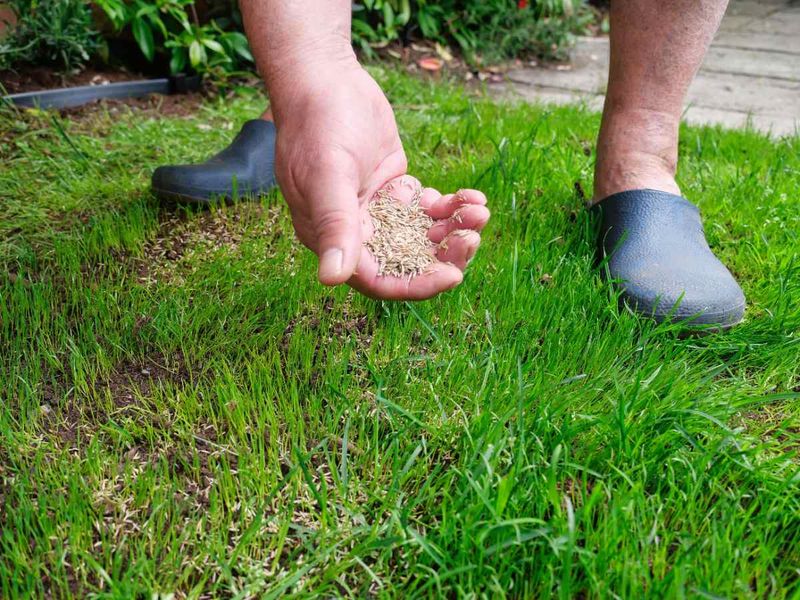
Mark it on the fridge. For central Ohio, around Columbus, many lawn pros treat early October as the last call for seeding.
The prime planting time there runs from Labor Day until about the first week of October. That covers Kentucky bluegrass, perennial ryegrass, and tall fescue.
After that, the risk climbs quickly.
Why such a firm date? Grass seed usually needs about ten days just to germinate.
Then the baby blades need several more weeks to build roots before the ground gets cold and stiff.
Do some simple math. Seeding on October 5 means sprouts around October 15.
That leaves only a few weeks of decent growing weather before winter settles in.
So how does this help southern Ohio? Treat the central region date as a helpful guide.
If If Columbus folks stop around early October, you might squeeze out an extra week or two, but not a whole extra month.
A smart move is to seed before that date whenever you can. Rake out deceased thatch, loosen the soil, and make sure seed touches dirt.
Good contact speeds up sprouting, which buys back precious time. Water lightly each day so the top layer stays moist, and your late seed will have its best shot.
4. Late Seedlings May Not Make It Through Winter
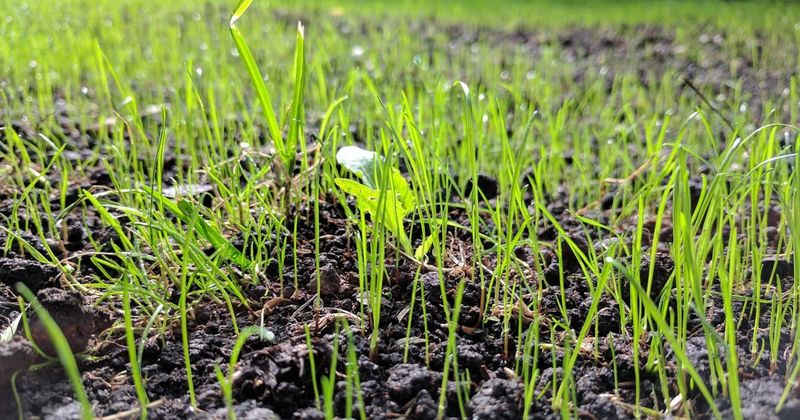
Ever tried to sleep outside in a thin jacket? Brand new grass feels a lot like that when winter shows up too soon.
Seed planted late in fall may sprout just fine. The trouble comes next.
Young seedlings need time to grow deep roots, and short, chilly days slow that process way down.
When freezing weather hits, tiny grass with shallow roots struggles. The ground can freeze and thaw over and over, pushing small plants up out of the soil.
That is called frost heave, and it leaves roots exposed.
Dry winter winds add another problem. They pull moisture out of thin blades faster than weak roots can replace it.
Experts call this desiccation, which is a fancy word for drying out.
The result can be thin, patchy spots in spring, right where you hoped for lush grass. It feels like wasted money and effort.
To help late seedlings, keep leaves raked off them so sunlight reaches the blades. Avoid walking on the new grass once frost arrives.
A light starter fertilizer at seeding can also give roots a boost.
If your seed sprouts in late October, give it gentle care and patience. Some will pull through, and you can fill gaps in spring.
5. Choose Tall Fescue Or Perennial Ryegrass For Late Seeding
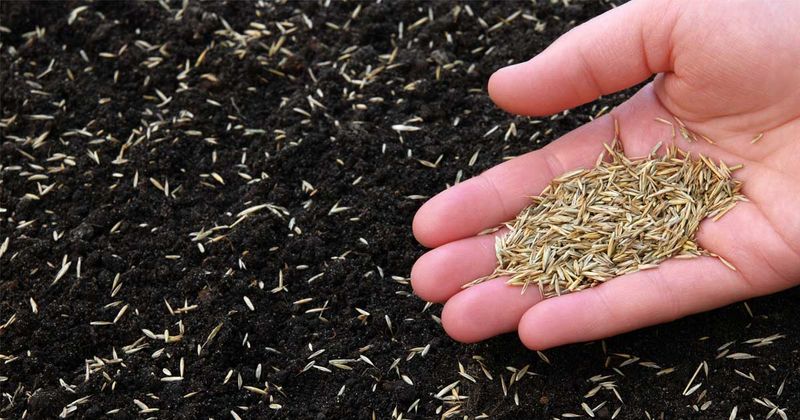
When the clock is ticking, you want a grass that gets moving fast. Perennial ryegrass is the sprinter of the lawn world.
This speedy grass often sprouts in just five to ten days. That quick start matters a lot in October, when every warm day counts.
Faster sprouting means more time for roots to grow before cold weather arrives.
Tall fescue is another solid pick. It is tough, handles heat and drought well next summer, and grows deep roots.
It sprouts a little slower than ryegrass but still beats some other types.
Many homeowners in southern Ohio like a blend of both. You get ryegrass for a quick green cover and tall fescue for long-term strength.
It is a bit like having a fast runner and a strong lifter on the same team.
Fun fact: tall fescue is a favorite in the so-called transition zone, which includes southern region. That area is too warm for some northern grasses and too cool for many southern ones.
When shopping, read the seed label. Look for a high germination rate and low weed content.
Fresh seed from this year sprouts better than an old bag that has been sitting in the shed.
6. Kentucky Bluegrass Needs The Earliest Start
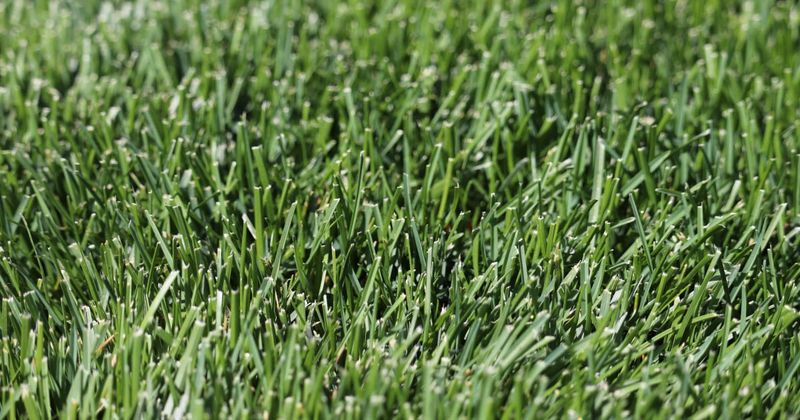
Kentucky bluegrass is gorgeous. It forms a soft, deep green carpet that spreads and fills in bare spots on its own.
There is one catch. It is a slowpoke when it comes to sprouting.
Bluegrass seed often takes 10 to 21 days to show up, and sometimes it needs two to four weeks.
That slow start makes it a risky choice for October. By the time the seed finally wakes up, the weather may already be turning cold.
The seedlings would have very little time to build strong roots.
So if bluegrass is your dream, plan ahead. Aim to seed it in late August or early September.
That gives it the long runway it needs to take off.
Here is a little trivia to share at your next cookout. Despite its name, Kentucky bluegrass is not originally from Kentucky.
It came to North America from Europe and Asia long ago.
If you are already into October, consider a blend that includes some bluegrass along with faster grasses. The ryegrass fills in quickly while the bluegrass slowly catches up.
Over the next year, bluegrass can spread and thicken the lawn. Patience pays off with this grass, so give it the earliest slot on your calendar.
7. Spring Seedings Face A Crabgrass Fight
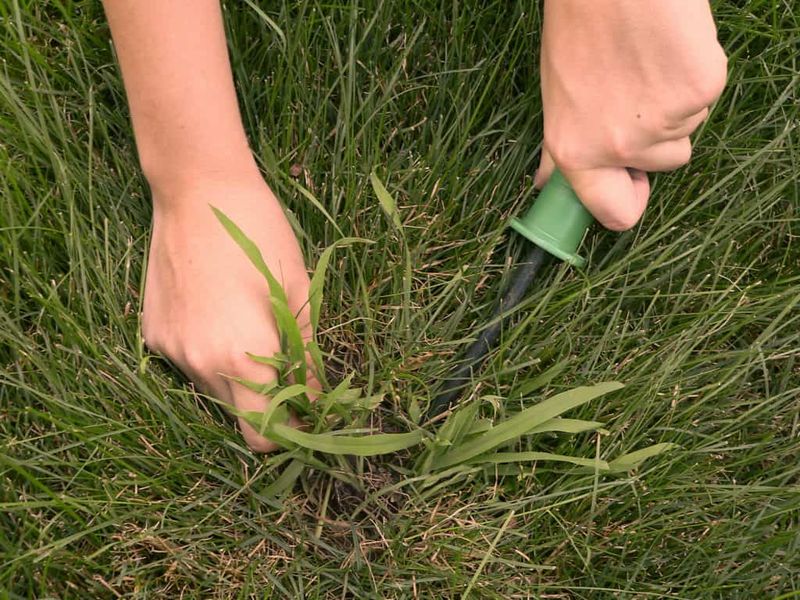
Spring might seem like a fresh start, but your new grass will not be alone. Crabgrass is waiting in the wings, ready to crash the party.
Crabgrass and other summer weeds sprout around the same time as spring grass seed. They grow fast and greedy, stealing water, sunlight, and space from your young lawn.
By midsummer, they can take over thin spots.
Here is the frustrating twist. The usual way to stop crabgrass is a pre-emergent weed preventer.
It works by blocking seeds from sprouting. Sadly, it often blocks your grass seed too.
That leaves many homeowners stuck. Do you fight weeds or grow new grass?
Doing both at once is tricky.
There are a few workarounds. Some products, like ones with the ingredient mesotrione or siduron, are labeled safe for use at seeding.
Read labels closely and follow the directions.
Spring seedlings also face summer heat sooner. Their roots have less time to grow deep before July arrives with hot, dry days.
That is one big reason experts prefer fall.
If spring is your only option, water steadily and mow high once the grass fills in. Taller grass shades the soil, which makes life harder for sneaky crabgrass seeds trying to sprout.
8. Seed In March If You Wait For Spring
Missed the fall window? Take a breath.
Spring gives you a second shot, as long as you move early.
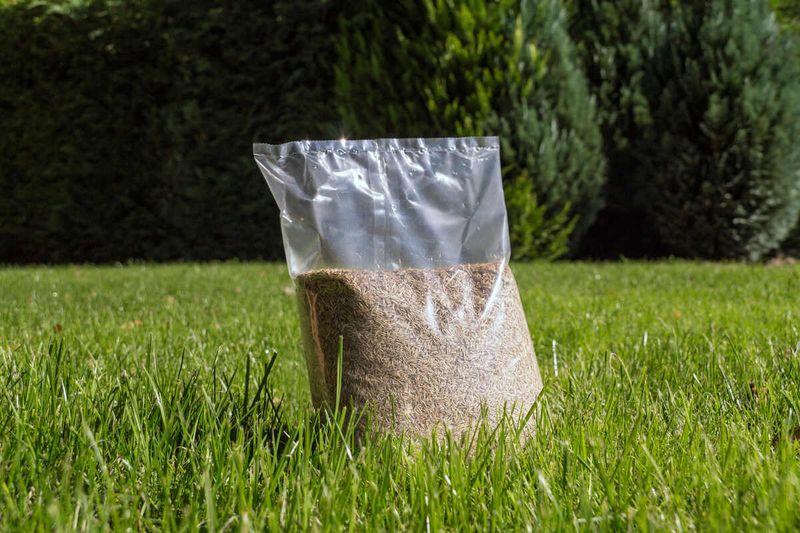
For southern Ohio, south of Interstate 70, the spring seeding window usually runs from mid-March to late April. Starting closer to March gives grass more time to grow before summer heat shows up.
Some guides suggest even earlier, from mid-February to mid-March, with a goal of finishing by mid-April. Others say late March to early May works once soil stays at 50 degrees or warmer.
Why so many different dates? Every spring behaves a little differently.
One year might be warm and early, while the next stays chilly until April.
A soil thermometer is your best friend here. Push it a couple of inches into the ground in the morning.
When it reads around 50 degrees for several days, seed can start sprouting.
Prep work makes spring seeding smoother. Rake away winter debris, loosen packed soil, and fix low spots that hold water.
Then spread seed and lightly rake it in.
Keep the soil damp but not soggy for the first few weeks. Spring rains help, but a quick daily sprinkle fills the gaps during dry spells.
9. Dormant Seeding Offers Another Option
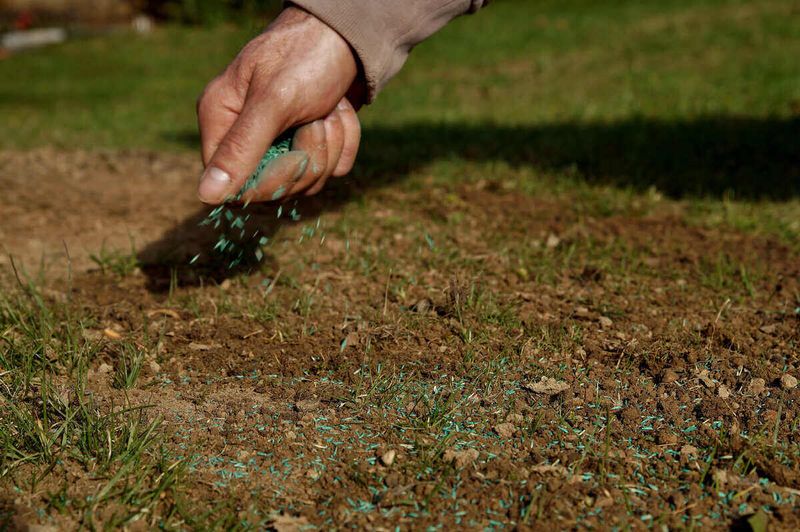
Some gardeners have a clever trick for late fall. They spread seed when it is too cold to sprout and let winter do the rest.
It is called dormant seeding. You wait until soil temperatures stay below 40 degrees, usually in late fall or early winter.
At that point, the seed just sits quietly and waits.
Over the winter, the ground freezes and thaws again and again. That natural movement works the seed down into the soil, almost like nature is tucking it into bed.
When spring warms things up, the seed sprouts early. It often gets a jump on crabgrass and has more time to grow before summer heat arrives.
There is some risk, though. Birds may snack on the seed, and heavy rain can wash some away.
Because of that, experts often suggest spreading a bit more seed than usual.
Timing is key. Do not seed while the soil is still warm, or the seed may sprout and then struggle in the cold.
Wait for a steady chill.
Choose a calm day without snow cover, and rake the area first so seed lands on bare soil. Then simply let the seasons handle the hard work while you stay cozy inside.