Frost Cloth, Sheet Or Plastic? Know The Difference Before Ohio Gets Cold
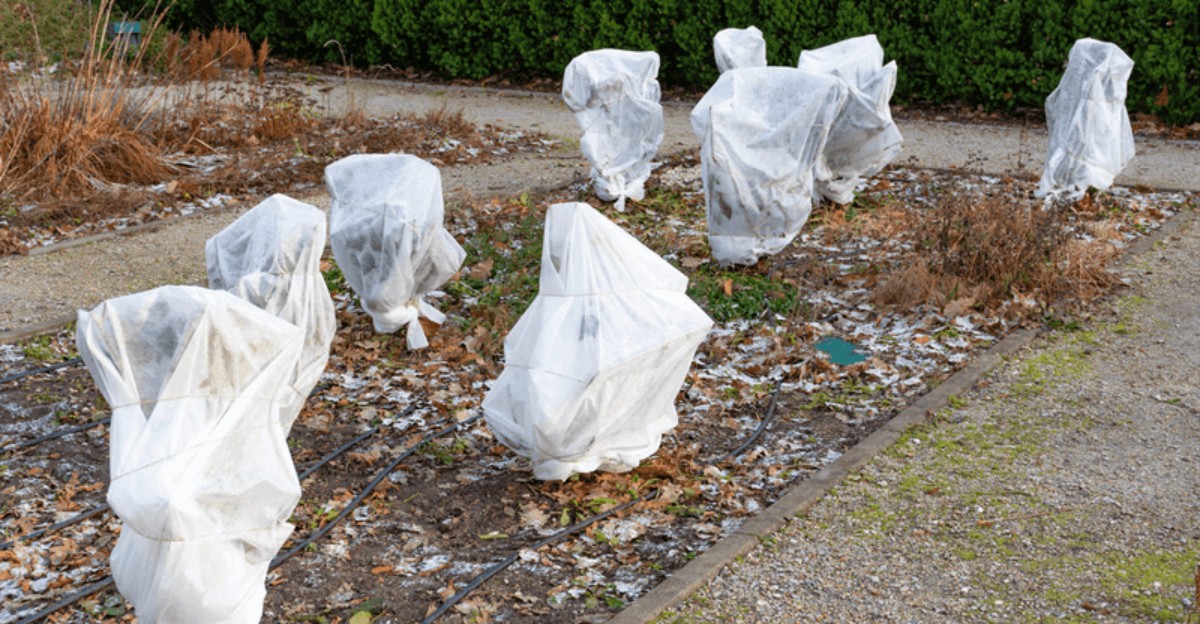
Grab the wrong cover material on a frost warning night, and you might do more harm to your plants than the cold ever would’ve.
Plastic seems like the obvious choice, thick and weatherproof, right up until it traps condensation against leaves and causes its own kind of damage overnight.
Frost cloth and sheets work completely differently, each suited for specific conditions that most people never bother learning before grabbing whatever’s closest in the garage.
Temperature drop, duration, and even wind all factor into which material actually protects your plants versus which one just looks protective while doing nothing useful.
Learn the real differences before the next cold snap catches you scrambling. Ohio’s first hard frost won’t wait around for you to figure out the right cover on the fly.
1. Frost Cloth And Sheets Both Trap Ground Heat

Picture the soil as a warm brick that soaked up sunshine all day. At night, that stored warmth rises slowly into the air.
Frost cloth catches that rising heat and holds it close to your plants. It is a light fabric made of spunbonded polypropylene with tiny gaps that let air, water, and some light pass through.
Depending on how thick it is, frost cloth can raise the temperature underneath by about 2 to 10 degrees. Most store-bought cloths protect plants down to around 28 degrees, and heavier versions handle harder freezes.
No frost cloth in the garage? Old bed sheets, quilts, blankets, burlap, and light drop cloths work in a pinch.
They block cold air and keep in warmth, giving your plants a few helpful degrees.
Fabric also breathes, which matters more than you might think. Moisture can escape, so you get less dampness and fewer moldy surprises later.
Drape your fabric loosely rather than pulling it tight. A relaxed cover leaves room for air and keeps weight off tender leaves.
Here is a fun bit of trivia. Farmers have used row covers for decades to stretch their growing season, sometimes harvesting greens weeks after neighbors gave up.
So that faded sheet from the linen closet is not just clutter. It might be the hero your garden needs on a chilly Ohio night.
2. Skip Plastic Laid Directly On Plants
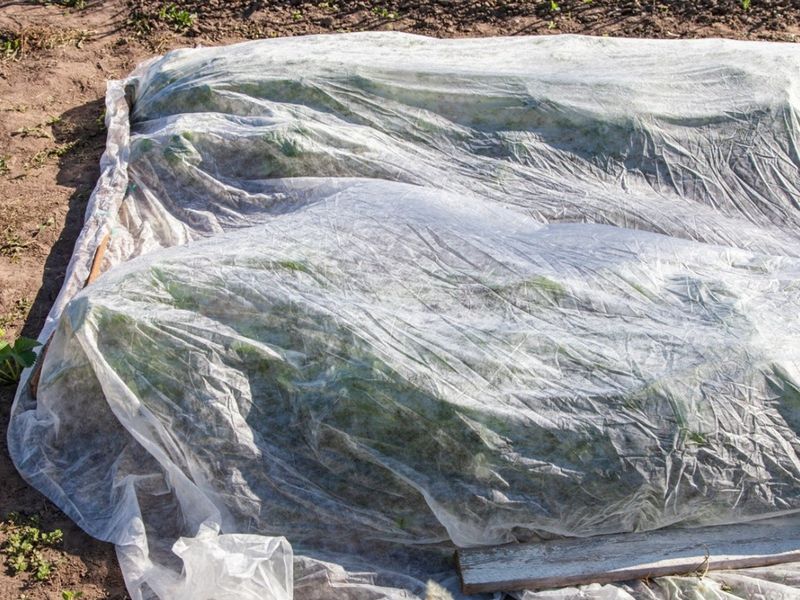
Grabbing a plastic tarp feels smart when frost is coming. It is waterproof, it is handy, and it seems tough, so what could go wrong?
Quite a lot, as it turns out. Most plastic sheeting is too thin to insulate well, and it often gives only a 1 to 2 degree difference.
Plastic also does not breathe. Moisture from the soil and leaves gets stuck underneath, creating a damp little cave.
That steamy space is a happy home for fungus and mold. Your plants may make it through the cold only to struggle with spots and rot afterward.
Then the sun comes out. Plastic acts like a mini greenhouse and can heat up fast, stressing leaves that were shivering just hours before.
Think of it like wearing a raincoat to bed. You would wake up sweaty, clammy, and grumpy, and plants feel much the same way.
Your Ohio Garden Changes Every Week. Your Plan Should Too.
Gardening in Ohio changes quickly throughout the season. Every Friday you’ll receive a simple weekly plan showing exactly what to plant, prune, fertilize, harvest, and protect so you never miss the right timing.
If plastic is the only thing you have, you can still use it carefully. Set up stakes, tomato cages, or a simple frame so the plastic stays well above the foliage.
Better yet, toss an old sheet or towel over the plants first, then add plastic on top for wind protection. That layered trick gives you the best of both materials without the soggy downsides.
3. Plastic Can Freeze Leaves Where It Touches
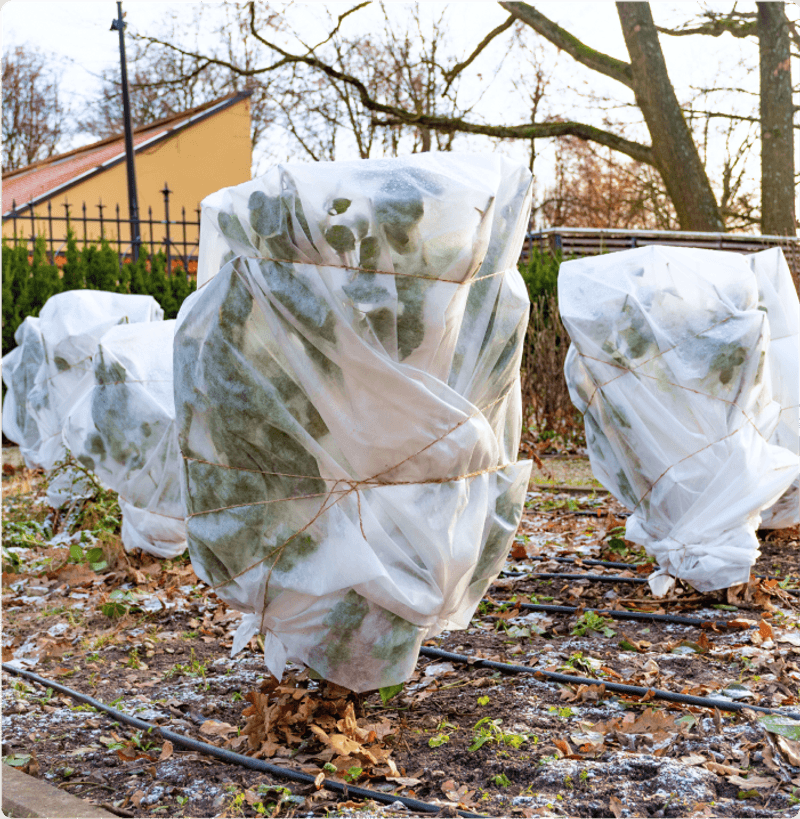
Ever touched a metal slide on a frosty morning? That shock of cold zipping into your hand is a good way to understand what plastic does to leaves.
Plastic is a conductor, which means it moves cold easily. Wherever it rests on foliage, the chill passes straight into the plant tissue.
The result often shows up the next day. You might notice dark, mushy, or see-through patches in the exact shape of where the plastic sat.
Moisture makes the problem even worse. Damp leaves pressed against cold plastic can freeze harder and suffer more serious harm.
Gardeners sometimes blame the frost itself for these spots. In truth, the cover was the culprit, acting like an ice pack glued to each leaf.
Fabric works differently because it holds tiny pockets of air. Those pockets act as a buffer, slowing down how fast cold reaches the plant.
Want a quick test? Lay your hand on a plastic bag outside on a cold evening, then try a cotton towel, and feel how different they are.
The lesson is simple and worth remembering each fall. If plastic must be used, give it a gap of a few inches so it floats above the leaves instead of hugging them.
4. Drape Covers All The Way To The Ground

A blanket that stops at your knees will not keep your toes warm. Plant covers work the same way.
For real protection, let the cover fall over the plant and reach all the way down to the soil. Remember, the warmth you want to save rises from the ground, so the cover needs to trap it at the source.
A cover that floats like an umbrella lets heat sneak out the sides. Meanwhile, cold air slides right in underneath.
Once the fabric touches the soil, pin the edges down. Bricks, rocks, boards, or fabric staples all do the job nicely.
Ohio nights can get breezy, and a loose sheet can end up in your neighbor’s yard by sunrise. Weighing the edges keeps everything snug and in place.
Potted plants need a little extra thought. Their roots sit above ground, so they lose heat faster than plants in the earth.
Cover both the leaves and the pot itself. You can wrap the fabric around the stems, foliage, and container, then tuck the ends under the pot to hold them.
Grouping containers together before covering helps too. Huddled pots share warmth, just like penguins in a chilly crowd.
5. Keep Covers Off Delicate Blooms
Late fall flowers are the last fireworks of the garden season. Mums, dahlias, and pansies put on a show just when everything else is fading.
Those petals are fragile, though. Even a soft fabric can bruise them or trap cold right against their surface.
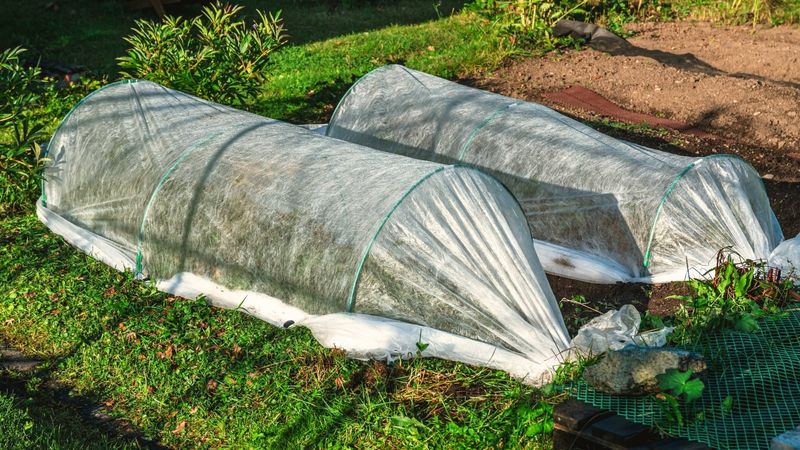
The best plan is to keep covers lifted off the plant. Stakes, garden hoops, buckets, or old tomato cages make simple supports that create a little tent.
Think of it as building a fort for your flowers. The roof stays up, and the blooms sit cozy inside with a pocket of warm air around them.
Succulents and plants with juicy leaves also appreciate this extra space. Their soft tissue can be harmed by direct contact with chilly fabric.
New growth deserves the same care. Fresh shoots and buds are tender, and protecting them now means a better display later.
You do not need fancy gear to pull this off. A few sticks from the yard and some twine can hold up a sheet just fine.
One bonus is that raised covers are easier to remove in the morning. Nothing snags, nothing snaps, and your flowers greet the day looking as cheerful as before.
6. Cover Plants In The Late Afternoon
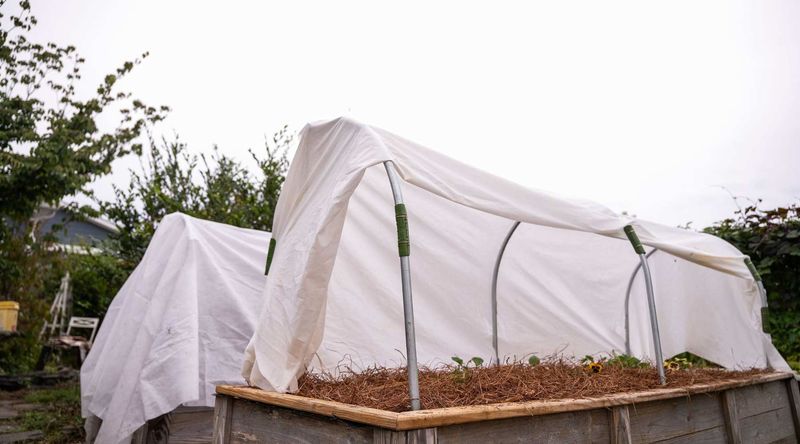
Timing is everything, and plant covers are no exception. Toss them on too late, and much of the day’s free warmth has already slipped away.
Aim to cover your plants in the late afternoon or early evening. Before the sun sets is ideal, and before full darkness is a must.
All day long, the soil has been soaking up sunshine like a sponge. Covering early locks that stored heat in place right when the air starts to cool.
Wait until bedtime, and you are trapping cold air instead. It is a bit like shutting the front door after the heater has already escaped.
Checking the forecast around lunchtime helps you plan. If temps are heading toward the low 30s, set your sheets and bricks by the garden early.
This also keeps you from stumbling around in the dark with a flashlight. Nobody enjoys wrestling a flapping sheet while their fingers go numb.
A quick routine makes the job easy. Water if needed, set up supports, drape the cover, and weigh the edges.
With practice, you can tuck in a whole garden in about fifteen minutes. Then you can head inside, make some cocoa, and rest easy.
7. Wait Until Mid-Morning To Pull Covers

Sunrise feels like the end of the cold, but it often is not. The chilliest stretch of the night usually arrives right around dawn.
So resist the urge to yank covers off at first light. Give the air time to warm above freezing and let any frost on the ground melt away.
Mid-morning is usually the sweet spot. By then, the danger has passed and your plants can safely stretch back into the sunlight.
Leaving covers on too long brings a new problem. Plastic and heavy fabrics trap solar heat fast, and plants can overheat under them.
Thick covers also block light that plants need to make food. A whole day in the shade leaves them weaker heading into the next cold night.
Some thin frost cloths let in enough light to stay on longer. Even so, removing covers each day is the safer habit.
Here is a handy trick for busy mornings. Glance at a thermometer near the garden, and once it reads well above 32 degrees, you are clear.
Fold your covers and keep them nearby. Ohio loves a repeat performance, and you may need them again tonight.
8. Water Dry Soil Before A Cold Night
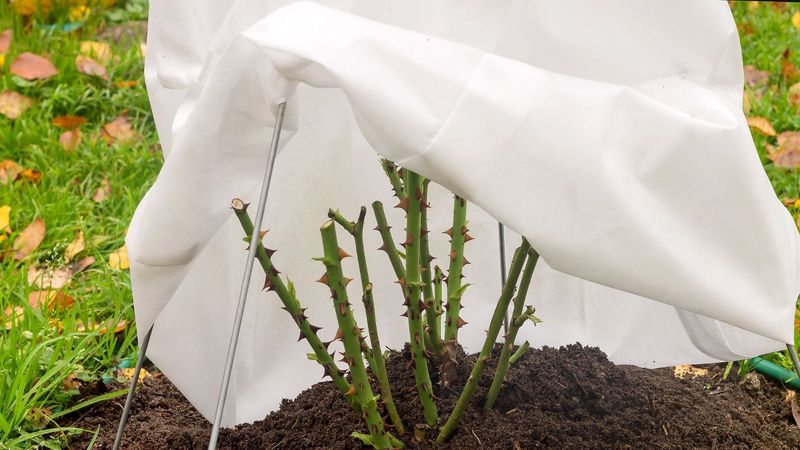
Here is a surprise for many gardeners. Wet soil stays warmer at night than dry soil.
Moist ground holds heat better and releases it slowly after dark. That gentle warmth rises around your plants and helps keep the air a little milder.
Water also helps protect roots. Damp soil acts like insulation, while dusty dry dirt lets cold slip in deeper.
Plan ahead if you can. Watering one or two days before the frost gives the soil time to soak it all in.
Pick a time when the air is above 40 degrees. Late afternoon or early morning works well, so any splashes on leaves can dry before the chill arrives.
Aim the water at the base of each plant instead of the leaves. Wet foliage on a freezing night is asking for trouble.
Do not flood the bed, though. Soggy, waterlogged soil can harm roots in its own way, so think steady drink, not swimming pool.
Fun fact for curious minds: orchard growers sometimes run sprinklers during frosty nights. As water freezes, it actually releases a small amount of heat, which is one reason moisture can be such a helpful ally.
9. Mulch Low Plants For Extra Protection
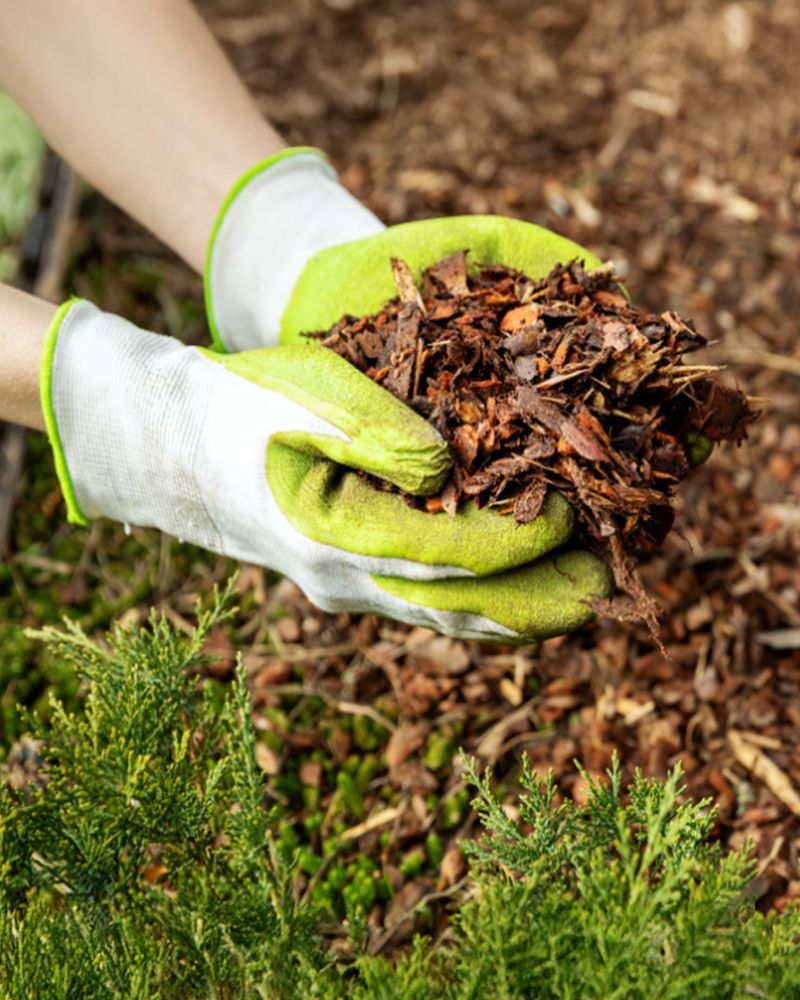
Covers handle a single cold night, but mulch works all season long. It is like a fluffy winter hat for the soil.
A good layer of mulch keeps soil temperatures steady. Roots stay calm instead of swinging between frozen and thawed.
Those swings cause frost heave, a classic Ohio headache. As soil freezes and thaws, it can push plants right out of the ground, leaving roots exposed.
Spread 2 to 4 inches of organic mulch around low plants. Shredded leaves, straw, bark, and compost are all great picks.
Ohio gardeners often lean on shredded hardwood, leaf mulch, or straw. Bonus points for using fallen leaves, since they are free and already piled in your yard.
Leave a small gap of an inch or so around stems and crowns. Mulch piled against them traps moisture and invites critters looking for a snack.
Timing matters for perennials. Wait until after the first hard frost so plants can settle into their winter rest first.
Late fall is the ideal window in Ohio. After a few light frosts but before the ground freezes solid, tuck everything in, and your garden will thank you come spring.