A Simple Leaf Check For Spotting Stress In Your New Jersey Tree
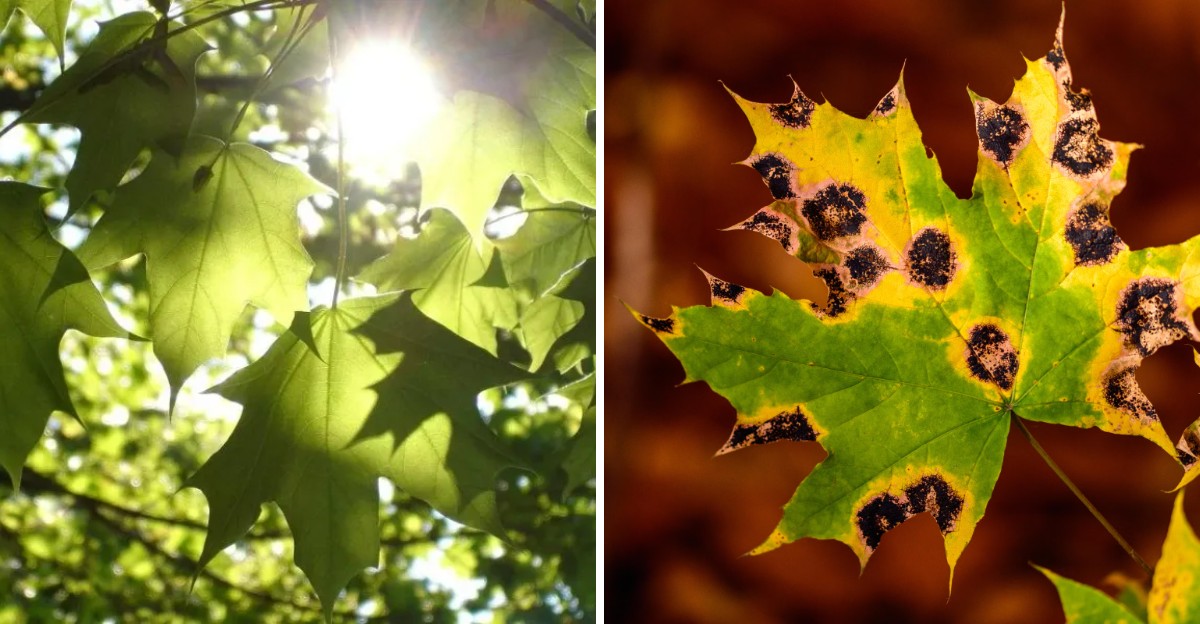
Hold a leaf against the sky and watch what it reveals. Sunlight turns healthy foliage into stained glass, glowing green with crisp, bold veins.
Yellow tissue between veins often points to low iron in pin oaks across New Jersey. Tiny pale freckles may point to spider mites in your canopy.
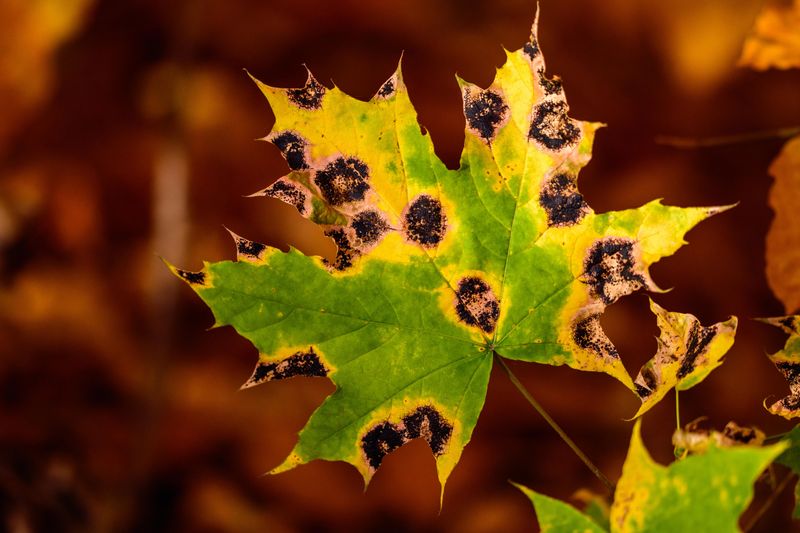
Lacy, see-through patterns often point to leaf beetles. Glossy black patches on maples may suggest tar spot, a cosmetic fungus.
Healthy leaves glow evenly, so a dim patch deserves your attention. Catching signs early gives you time to adjust soil, pruning, or pest control.
Arborists in New Jersey charge fees, but you can start the process yourself. Pick leaves from similar spots on several sides, then compare them.
Patterns across many leaves reveal changes your eyes miss from the ground. Photograph unusual leaves and show an arborist your clear photos.
A Backlit Leaf Shows Signs Of Stress In The Tissue
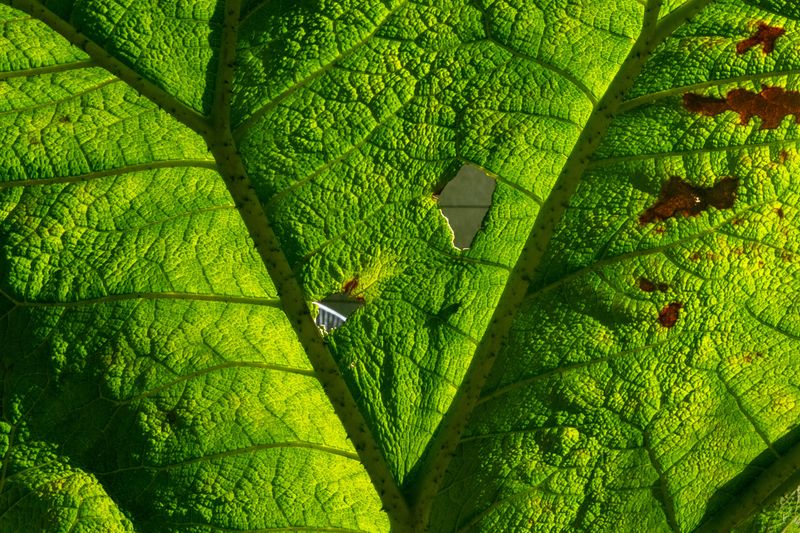
Picture a stained glass window, glowing bright when the sun hits it from behind. A healthy leaf behaves much the same way when you hold it up to daylight.
Pick one leaf from a low branch and turn it toward the sky. Keep the sun behind the leaf, not behind you, and never look straight at the sun.
New Jersey has plenty of maples, oaks, and dogwoods, and this check works on all of them. Needle trees like pines need a different approach, so stick with broadleaf trees.
A thriving leaf glows an even, rich green from edge to edge. The veins look like a neat road map, branching out in clean, steady lines.
Trouble shows up as uneven patches, pale blotches, or tiny pinholes of light. Some spots look yellow or brown with a soft halo around them.
Those patterns tell you something inside the leaf is struggling to make food. Leaves are the kitchen of a tree, turning sunlight into sugar throughout the growing season.
When the kitchen breaks down, the whole tree slowly runs short on energy. Roots stop growing as fast, and branches may thin out over the next few seasons.
Try checking leaves from different sides of the tree, not just one branch. A single odd leaf means little, but a pattern across many leaves means a lot.
Snap a phone photo of each leaf against the sky for your records. Those pictures make it easy to compare changes later or share with a tree expert.
Common Causes Behind Spots, Halos, And Yellowing Between Veins
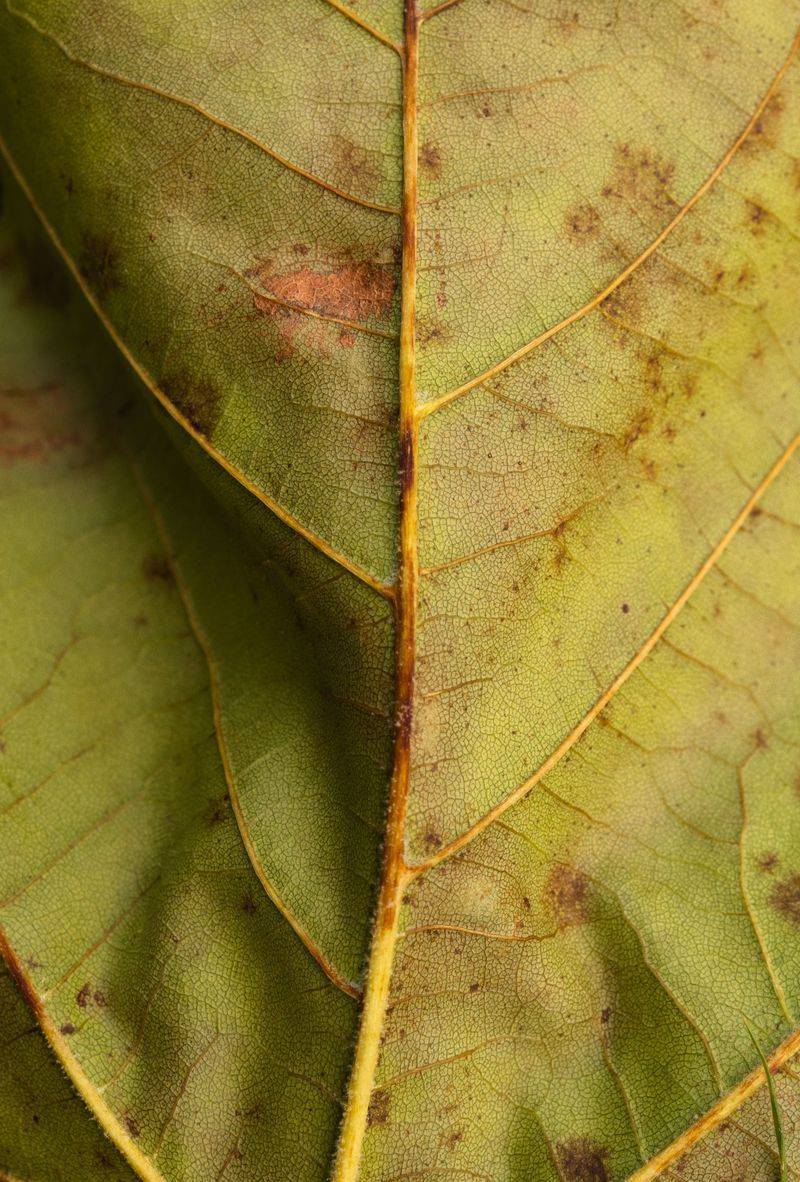
Each blotch has a cause, and learning to read it takes a little practice. Different causes leave different marks when light passes through a leaf.
Yellowing between green veins often points to a nutrient problem in the soil. Many New Jersey yards have compacted or alkaline soil near driveways and sidewalks.
Round brown spots with yellow rings usually come from fungal infections. Wet New Jersey springs create favorable conditions for fungus.
Tiny pinholes of light often mean insects have been chewing on the leaf, while pale stippling points to sucking insects. Lace bugs, mites, and leafminers are common pests in Garden State backyards.
Your New Jersey Garden Changes Every Week. Your Plan Should Too.
Gardening in New Jersey changes quickly throughout the season. Every Friday you’ll receive a simple weekly plan showing exactly what to plant, prune, fertilize, harvest, and protect so you never miss the right timing.
Scorched edges that glow tan or crispy usually signal water stress. A long, dry August can do this to red maples, which scorch easily in drought.
Road salt is another less obvious source of stress for trees near busy streets. Winter brine soaks into the soil and shows up months later as browned leaf tips.
Scorched edges or wilting despite regular rain may hint at a root problem. Damaged roots cannot move water well, so the leaf becomes water-stressed.
Bacterial leaf scorch deserves a special mention in New Jersey, especially for pin oaks and red oaks. It browns leaf edges in late summer, often with a thin yellow band.
No single clue gives a final answer on its own. Matching the pattern with the season, the weather, and the tree type gets you much closer. Write down what you see before guessing. A note today beats a fuzzy memory next month.
Bright Midsummer Mornings Give The Clearest Reading
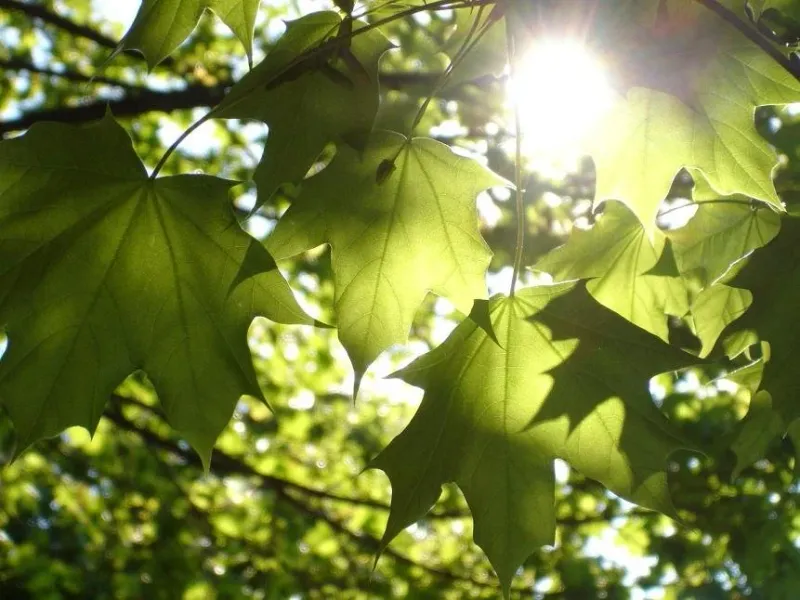
Timing matters more than most people expect with this little backyard trick. Try it in May, and you might worry over leaves that are simply still growing.
Young spring leaves are thin, pale, and soft, like a baby’s skin. They often look uneven in the light until they fully harden off.
Spongy moth outbreaks can heavily defoliate New Jersey oaks by early June. Wait until the following summer to judge an oak that was heavily defoliated.
Late June through early August is the sweet spot for New Jersey trees. By then, leaves have reached full size and settled into their true color.
Morning light between eight and eleven works beautifully for the check. The sun sits high enough to shine through, but not so harsh that it washes everything out.
Cloudy days make the test tricky, since the leaf looks flat and gray. Save it for a clear day with a bright blue sky overhead.
Heat also plays a role on the hottest afternoons. Leaves may droop a little to save water, which is a normal and smart move.
Fall readings can fool you too, because healthy trees change color on purpose. Golden or red leaves in October are normal, not a sign of stress.
One more tip helps a lot. Recheck two or three weeks after a big storm or heat wave, because stress shows up late.
Setting a phone reminder for the first sunny weekend of July makes it a habit. Think of it as a yearly checkup, just without the waiting room magazines.
Misreading Leaf Spots As Disease
One homeowner spent eighty dollars on fungicide for a tree that was simply thirsty. The leaves had brown edges, and the homeowner jumped to a conclusion right away.
Plenty of homeowners make that same jump. A few odd spots look concerning, but trees tolerate minor damage quite well.
Spraying fungicides or insecticides without a clear reason can backfire. Insecticides may harm helpful insects, like ladybugs and bees, that keep real pests in check.
Another slip is judging the tree from just one leaf. Pick at least five leaves from the top, middle, and lower branches on several sides.
Shaded inner leaves are naturally thinner and often a different shade of green than sunny outer ones. Comparing them side by side can trick you into seeing a problem that is not there.
Pulling leaves roughly is a smaller but real mistake. Snip them gently with clean scissors so you do not tear bark or spread germs between trees.
People also forget to look at the ground below the tree. Fresh mulch piled against the trunk, new construction, or a recent trench can all stress roots.
Leaf clues work best as part of a bigger picture. Look at the trunk, the soil, and recent weather before deciding anything.
Ignoring the problem is the opposite mistake, and it can be just as costly. Spots that spread across most of the canopy deserve attention, not a shrug.
That homeowner learned the lesson the funny way. One deep weekly soak seemed to fix the tree, and the fungicide bottle still sits in the garage.
Simple Fixes For A Tree That Shows Stress In The Light Check
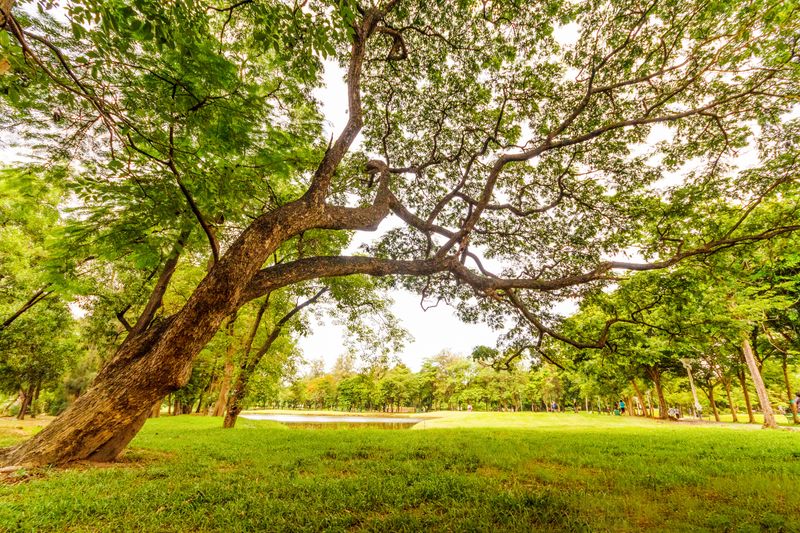
So your leaf came back blotchy, pale, or full of tiny holes. Take a breath, because many problems caught early respond well to simple care, though bacterial leaf scorch has no cure.
Water is the first fix to try during a dry stretch. Give the root zone a slow, deep soak once a week rather than a quick daily sprinkle.
A garden hose on a gentle trickle for about an hour works well. Move it around the drip line, where the outer branches end, to reach feeder roots.
Mulch helps too, but only when spread the right way. Keep a ring two to three inches deep, pulled back a few inches from the trunk.
Yellow leaves with green veins often call for a soil test. Rutgers Cooperative Extension offers soil test kits that show which nutrients your soil may be missing.
Fungal spots often improve when you rake up and bag fallen leaves each autumn. Pruning a few crowded branches also lets air move and leaves dry faster.
Insect damage may only need a strong spray of water to knock pests off. Insecticidal soap is a gentle next step if the critters keep coming back.
Skip the fertilizer unless a soil test says the tree truly needs it. Feeding a stressed tree can push weak new growth that pests love to munch.
Some situations need a pro, like bacterial leaf scorch or big bare sections of canopy. A certified arborist or New Jersey Licensed Tree Expert can diagnose the issue and suggest treatment that fits your tree.
Patience is part of the fix. Recovery often shows up in next year’s leaves rather than this summer’s.
Yearly Habits That Support A Healthy Backyard Tree
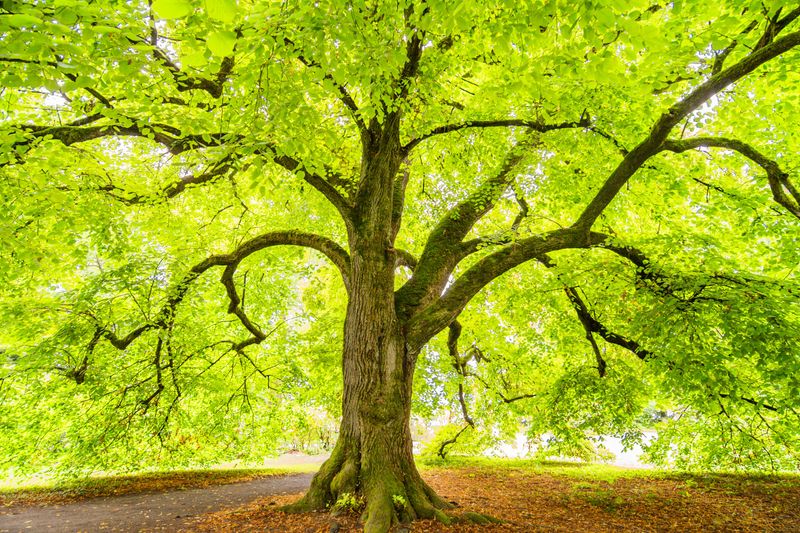
Trees are a lot like old friends who appreciate a quick check-in now and then. A few small habits each year can keep them thriving for decades.
Start a simple tree journal, even if it is just a folder of phone photos. Hold up a leaf each July and snap a picture against the bright sky.
Comparing one summer to the next shows slow changes your eyes might miss. A leaf that looks slightly paler each year may signal stress.
Protect the roots, since they spread far wider than most people imagine. Keep cars, heavy equipment, and piles of soil away from the area under the branches.
Watering during dry spells matters most for young trees and recent transplants. New Jersey summers can swing from soggy to very dry in just a couple of weeks.
Choosing the right tree for the spot prevents plenty of headaches. Native picks like swamp white oak and serviceberry handle local soil and weather well, and red maple suits slightly acidic soil.
Clean up fallen leaves each autumn, especially from trees that had spots. Fungus spores love to spend winter in soggy leaf piles, waiting for spring rain.
Every few years, invite a certified arborist for a professional look. Some offer free estimates, though diagnostic visits may carry a fee, and their trained eyes catch details we overlook.
A healthy tree cools your house, shelters birds, and adds real value to your home. One leaf held up to the light each summer is a small price for all that.