The Container Trees You Should Move To Shelter Before November In Virginia
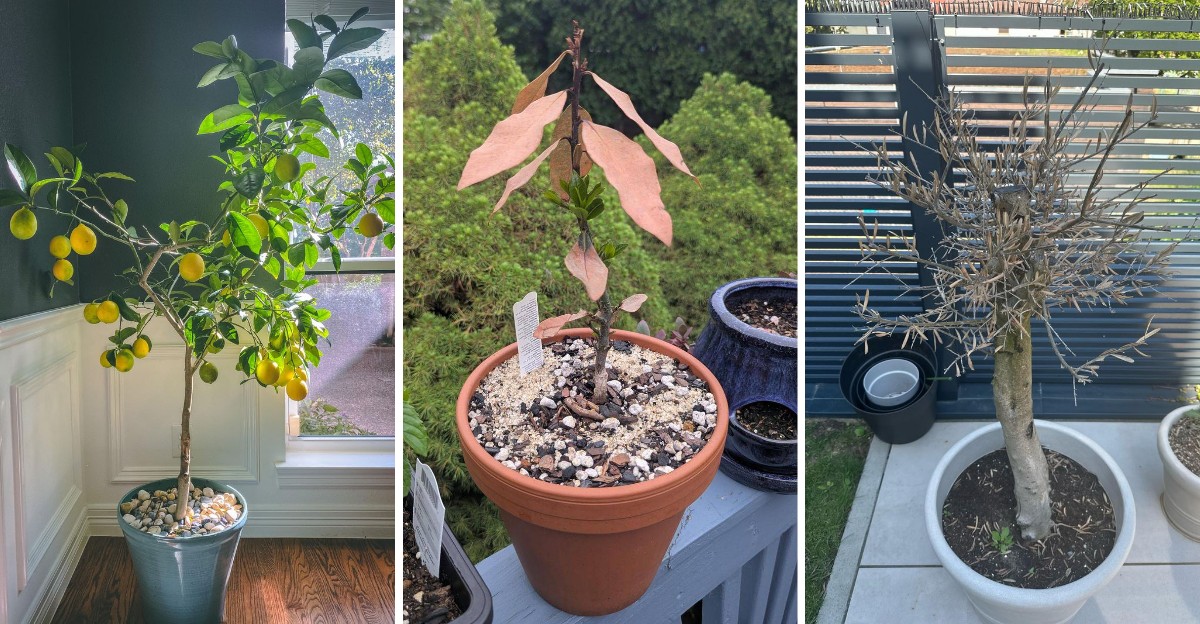
A sunny patio full of potted trees looks lovely in summer, but October changes the picture fast. The roots tucked inside those containers face a bigger risk than most people realize.
A pot offers far less protection from cold than the ground does. Soil can freeze through on a single night, while roots in the ground stay insulated by the earth around them.
Some trees need a garage or a bright, cool room to make it through winter safely. Others simply need a spot away from harsh wind, tucked close to a warm wall.
Knowing which is which can save you from replacing a favorite tree come spring. Timing matters too, since mountain yards turn cold weeks before coastal ones.
The trees below are the ones most worth moving before November arrives in Virginia. Check your forecast, and give each pot the shelter that suits it best.
1. Japanese Maples With Roots Exposed In Pots
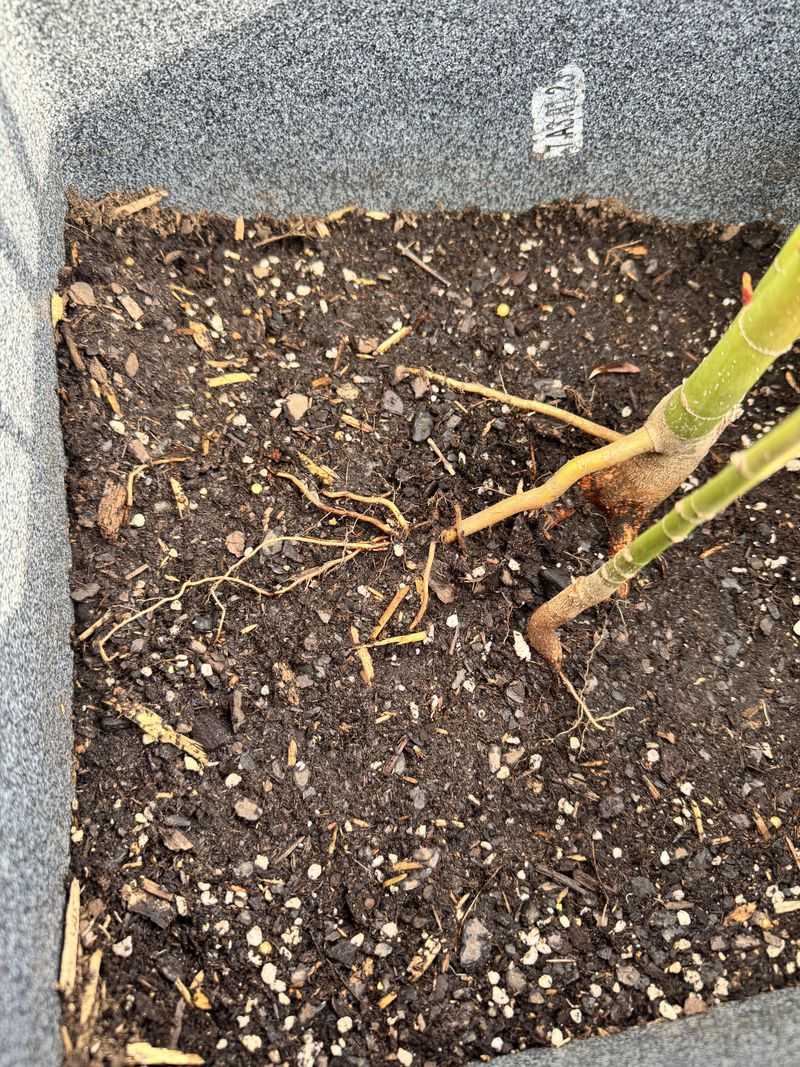
A Japanese maple can make a patio look like a painting in October. Its lovely leaves, however, do not tell you how cold the roots feel.
In the ground, soil surrounds roots and slows sharp temperature changes. Inside a pot, roots sit close to cold air on every side.
Before November, look for a sheltered place beside the house or on a covered porch. An unheated garage can work after the tree drops its leaves.
Virginia weather can swing from warm afternoons to freezing nights. Moving the pot early gives you time to find a safe spot before a hard freeze.
Wrap the container with burlap, or tuck straw around its outside. Add mulch over the soil, but leave a little space around the trunk.
Water the tree well before the first hard frost if the soil feels dry. During winter, check the soil occasionally and water only when needed.
A garage is not a reason to forget the tree until spring. Feel the soil a few inches down, since even resting trees need some moisture.
Keep the pot away from heaters and spots where rainwater pools. When milder spring days return, move it outdoors slowly so new leaves adjust.
Small steps can spare a beautiful maple from a rough winter. The reward is another season of shade, color, and a welcoming porch.
2. Potted Figs That Need An Unheated Garage
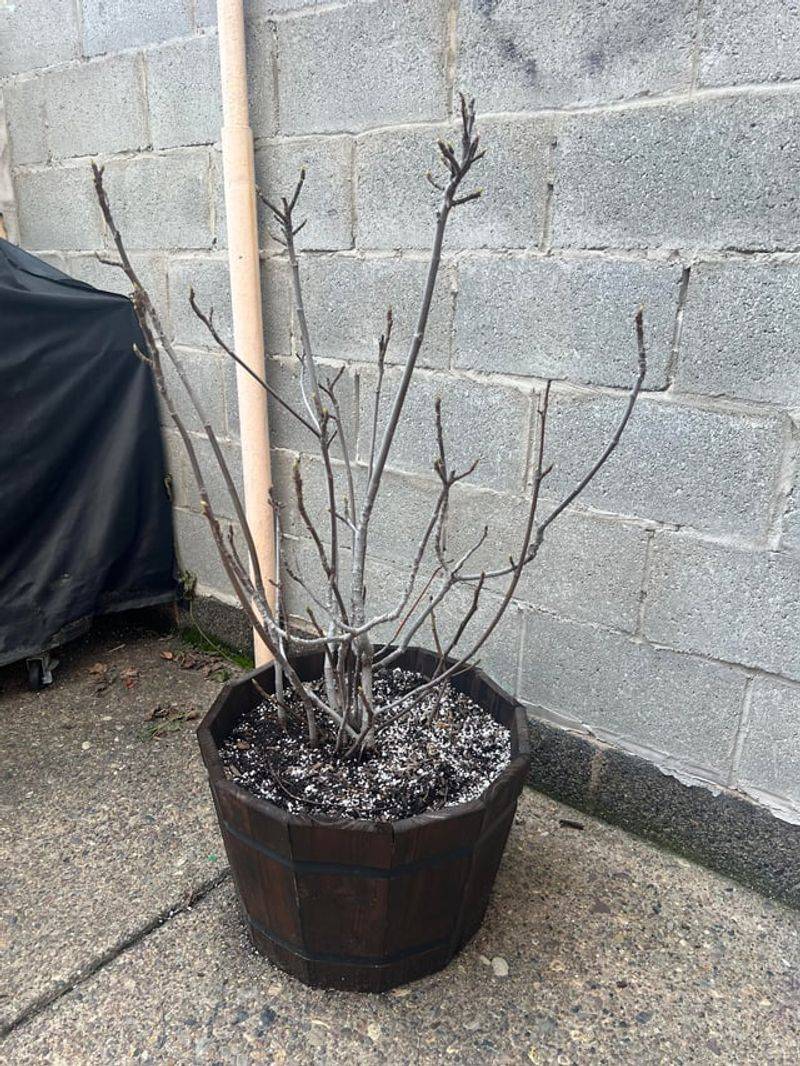
Figs are wonderful summer guests, but they prefer a quiet winter break. A cool garage can give a potted fig exactly that.
Wait until a few light frosts have helped the leaves fall. Then move the tree before a stronger freeze reaches its container roots.
An unheated, insulated garage often suits a resting fig better than a warm living room. Aim for a space that stays roughly between 20 and 50 degrees Fahrenheit.
Once the leaves are gone, the tree needs little light. Keeping it cool also helps prevent early shoots from appearing in the middle of winter.
Set the pot where car doors and stored tools cannot bump its branches. Raise it off a cold concrete floor if that floor gets damp.
Your Virginia Garden Changes Every Week. Your Plan Should Too.
Gardening in Virginia changes quickly throughout the season. Every Friday you’ll receive a simple weekly plan showing exactly what to plant, prune, fertilize, harvest, and protect so you never miss the right timing.
Water lightly about once a month, but check the soil first. Give just enough water to keep it slightly moist, not soaked.
Too much water can leave roots sitting in soggy soil. A pot with open drainage holes makes winter care much easier.
On a mild day, check the branches and soil while you are nearby. That quick visit is easier than guessing how the fig is doing.
When spring settles in, ease the tree back into outdoor sunlight over several days. Your fig can then spend another summer growing leaves and fruit.
3. Meyer Lemons That Belong Indoors Before Cold Nights
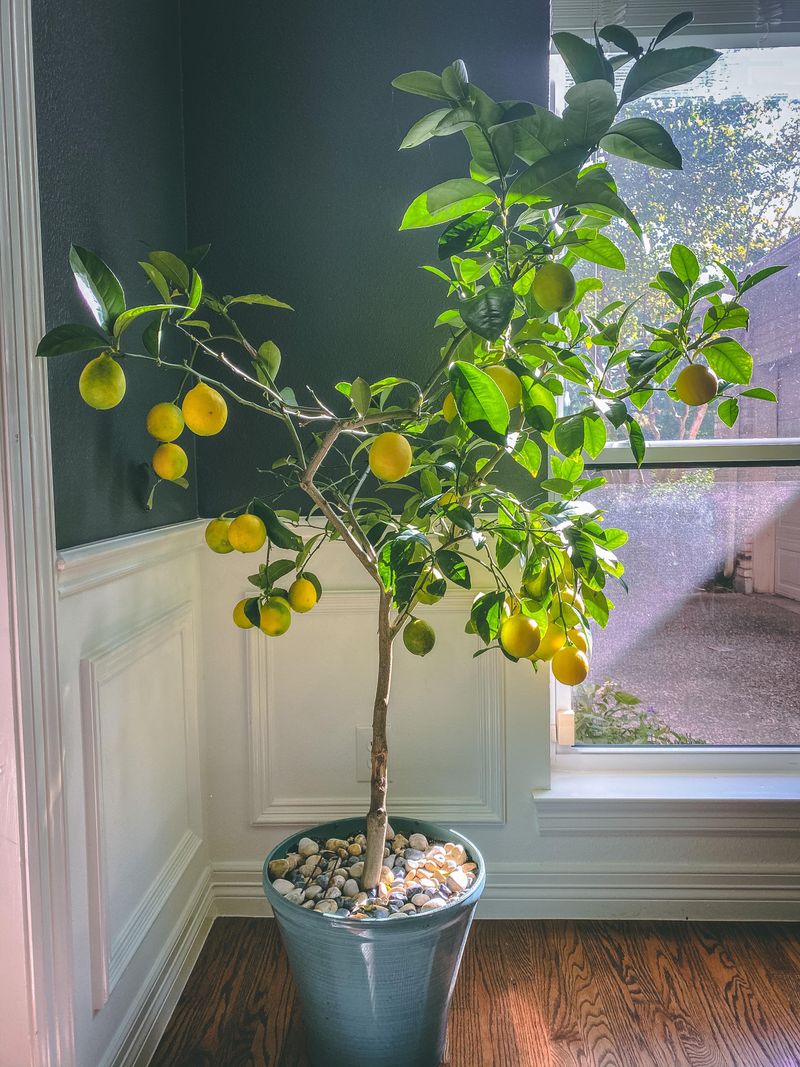
A Meyer lemon brings a little sunshine indoors, especially when yellow fruit hangs among its leaves. Unlike a resting fig, it needs light through winter.
Bring the pot inside before forecasts call for freezing nights. Cold near 30 degrees Fahrenheit can harm this citrus tree, especially in a container.
Choose your brightest window, preferably one facing south. If days are short or the room is dim, a grow light can help.
Give the leaves plenty of bright light each day, ideally eight to twelve hours. Turn the pot now and then for more even growth.
Keep the tree away from heating vents and chilly doorways. Dry blasts of warm air and cold drafts can both stress its leaves.
Indoor soil often dries more slowly than soil outside. Check the top two inches with your finger before adding water.
If the air feels very dry, a room humidifier may help. Aim for moderate humidity, and avoid leaving water standing beneath the pot.
Before bringing it in, inspect leaves and branches for pests. Washing the foliage gently can help keep unwanted visitors out of your house.
When warm weather returns to Virginia, reintroduce outdoor sun a little at a time. A slow move helps protect the leaves you cared for all winter.
4. Olive Trees That Need Protection From Hard Freezes
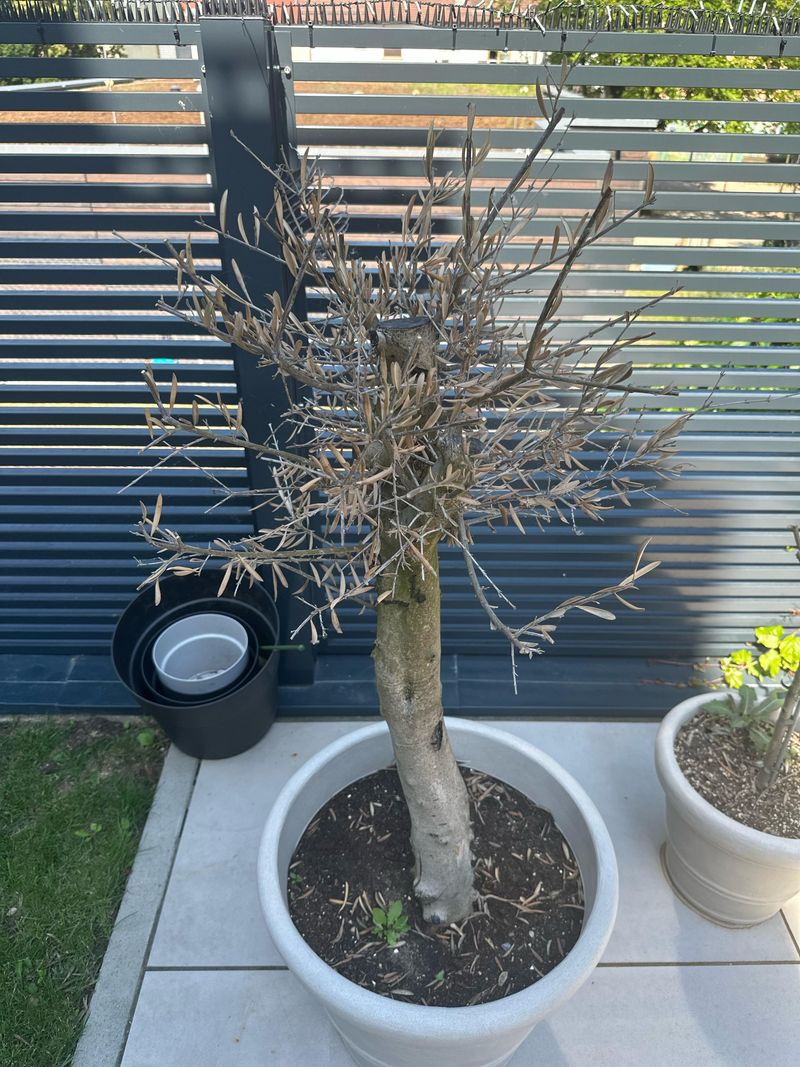
Silver olive leaves look calm even when the forecast turns troubling. The tree may handle some cool weather, but its potted roots need extra care.
A hard freeze can chill the soil through the entire container. Shelter the pot before repeated freezing nights arrive, rather than waiting for icy weather.
Look for a bright, cool space protected from frost. An enclosed porch or unheated conservatory may work if its temperature stays above freezing.
Winter temperatures around 40 to 50 degrees Fahrenheit can suit an olive tree. A hot living room is less like the cool season it expects.
Wrap the pot with burlap or another insulating layer to slow temperature swings. Keep the wrapping clear of drainage holes at the bottom.
Check that water flows out easily when you irrigate. Wet, cold soil can trouble roots, so let the surface dry before watering again.
Light matters because olive trees keep their leaves through winter. Place the tree near a bright window and turn it occasionally.
If the shelter gets stuffy, open a door briefly on a mild day. Fresh air helps, but avoid exposing the leaves to sharp drafts.
Watch the local forecast throughout fall, since one warm week proves little. A thoughtful move now gives this Mediterranean tree a better winter setting.
5. Bay Laurel That Prefers A Bright, Cool Shelter
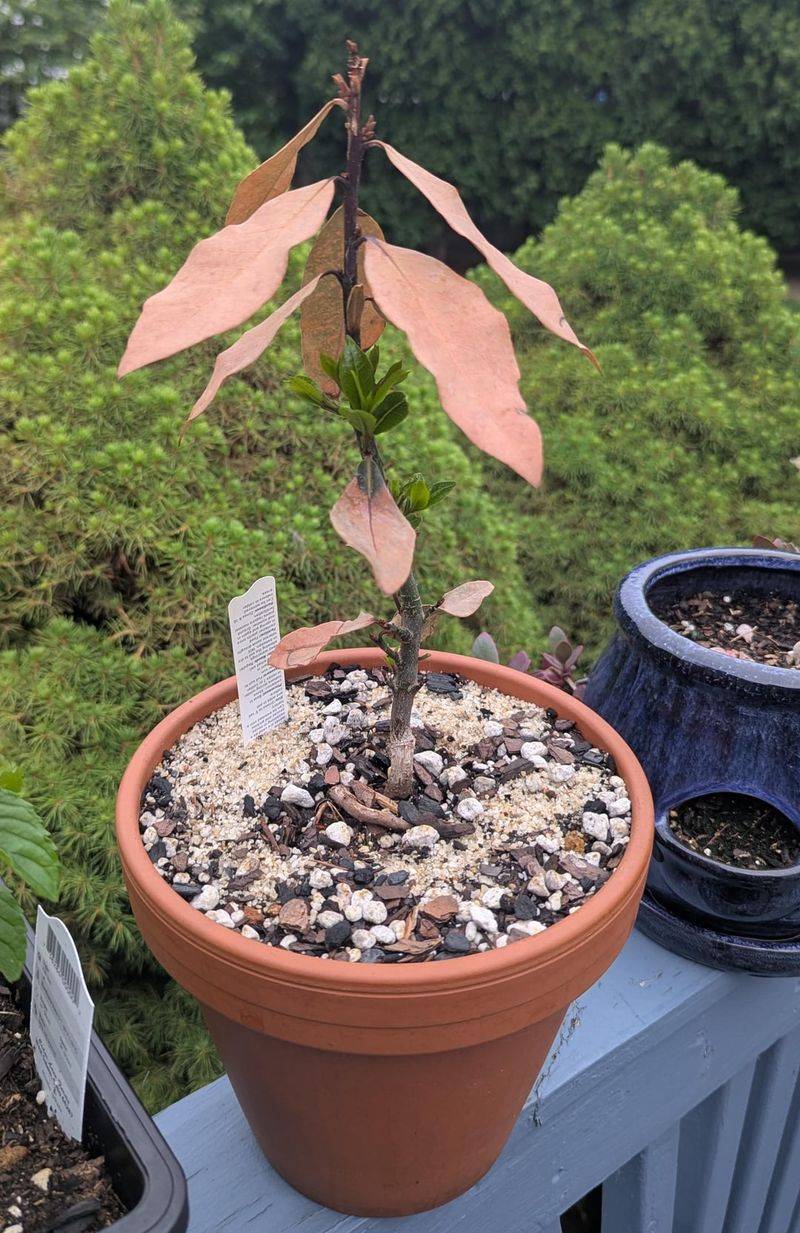
Fresh bay leaves make a pot of soup smell wonderful. The tree that grows them also deserves a comfortable place when winter winds arrive.
Bay laurel handles some cold, but a small pot offers limited root protection. Plan a sheltered winter spot before November, especially for exposed patios.
A bright, cool greenhouse or enclosed porch makes a useful home. A frost-free garage can work if you can provide enough light.
If you bring bay indoors, choose a room that stays fairly cool. Temperatures under about 60 degrees Fahrenheit are often easier on the tree.
Place the pot away from radiators and busy doorways. Strong drafts can dry its glossy leaves, even when the soil feels damp.
Water deeply in late fall if the soil needs it, then let extra water drain. Check moisture through winter instead of following a fixed schedule.
When the top layer feels dry, give the pot a modest drink. Less light and cooler air usually mean the soil stays wet longer.
Brush a leaf between your fingers and you will recognize its kitchen scent. Pick leaves sparingly during winter so the tree keeps plenty of foliage.
In Virginia, windy days can be harder on bay than calm, chilly ones. Shelter from wind makes a real difference while you wait for spring.
6. Dwarf Fruit Trees With Vulnerable Container Roots
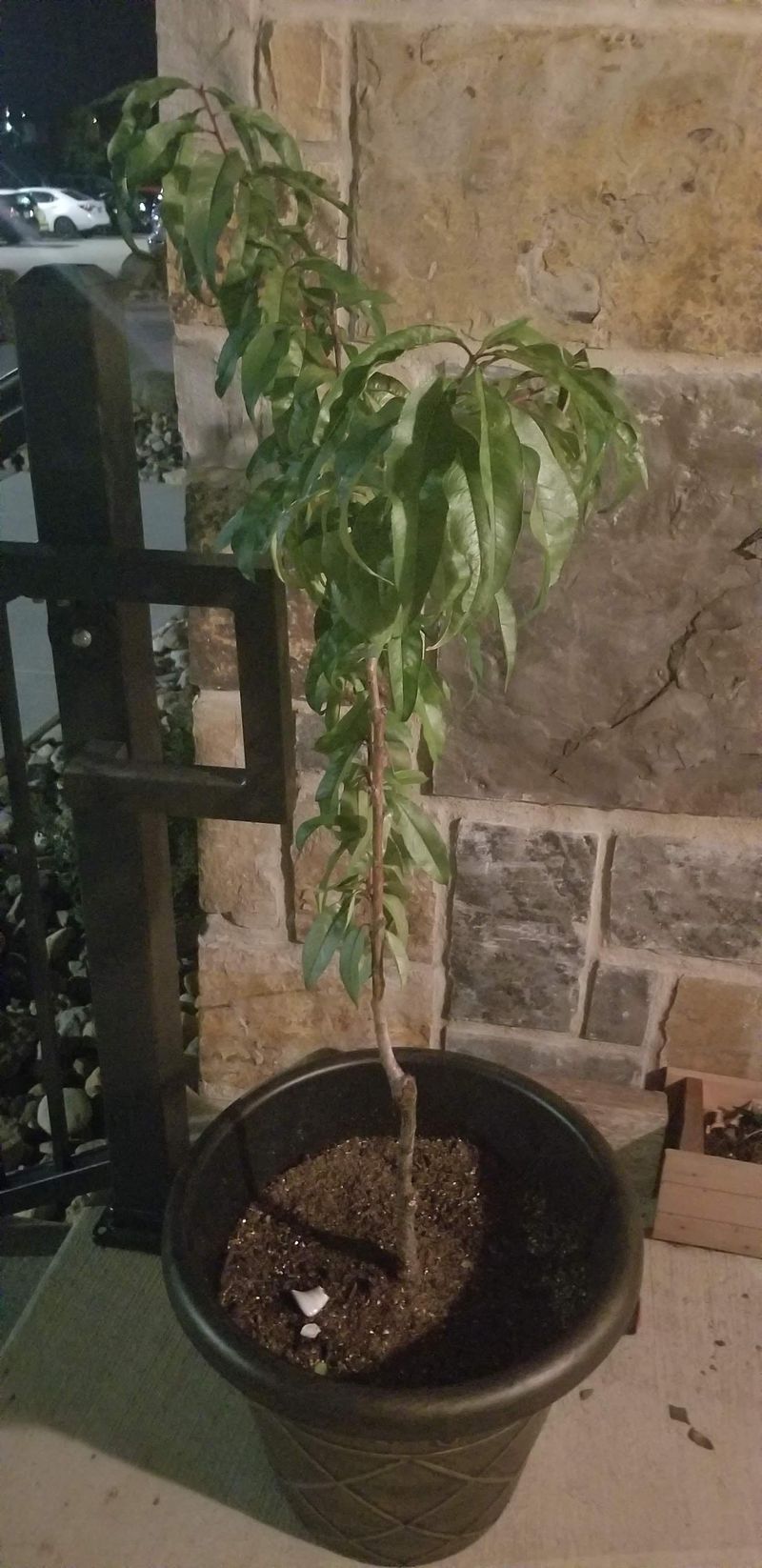
A small apple or peach tree may fit neatly beside your steps. Its roots still face a bigger winter challenge than its size suggests.
Ground soil protects roots with layers of earth. A container leaves those roots close to freezing air, especially along the pot’s outside edge.
Many dwarf fruit trees are grafted onto special roots that limit their height. Check for the raised graft union near the trunk’s base.
Keep that union above the soil when adding mulch. Piling wet material against the trunk can invite problems rather than offer useful protection.
Before November, move the container beside a sheltered wall or into an unheated space. Choose a place that suits the tree’s need for winter rest.
Insulate the pot with straw, burlap, or suitable wrap. You can also sink the pot into the ground if drainage is good.
Drainage matters as much as warmth for container roots. Clear blocked holes and keep the pot from standing in a puddle.
Feel the soil during dry stretches and water when needed. Moist soil offers some protection, but soggy soil can strain the roots.
Label each tree if you move several into storage. Come spring, you will know which one needs a sunny return spot and careful pruning.
7. Dwarf Alberta Spruce That Dries Out In Winter Wind
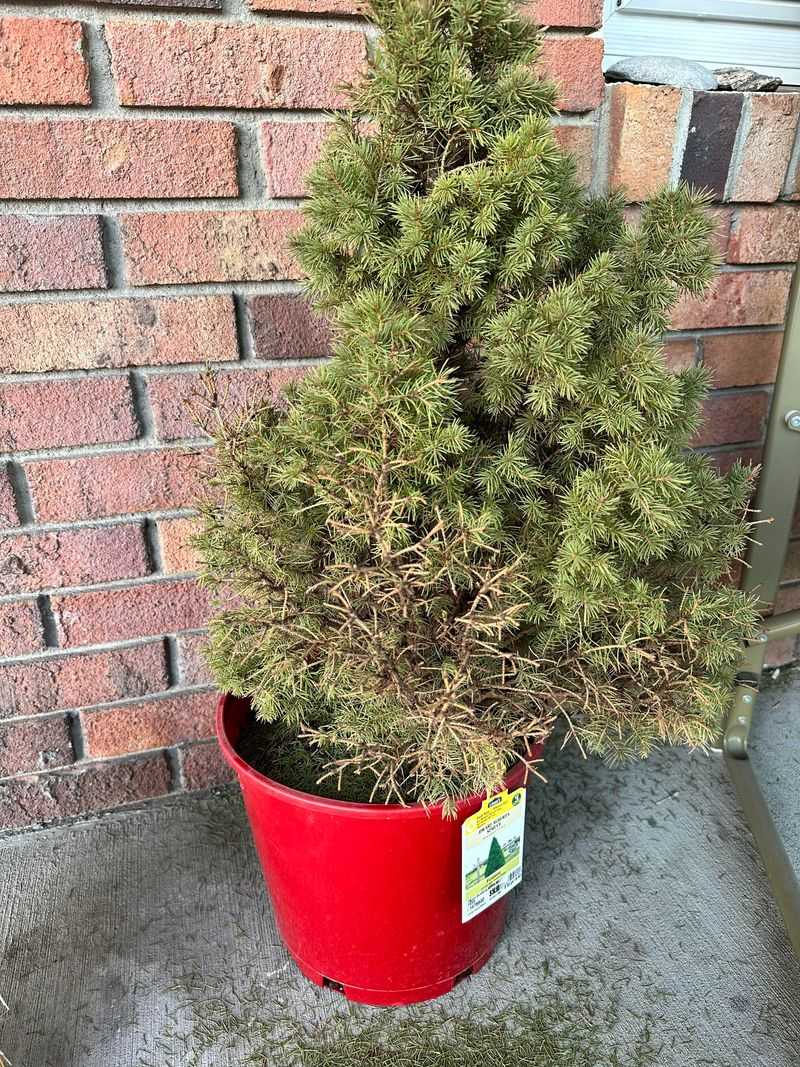
That tidy little spruce looks ready for a holiday card. Yet winter sun and wind can leave its needles brown and dry.
Dwarf Alberta spruce keeps its needles all year, so it loses moisture during winter. Frozen potting soil can make it harder for roots to replace that water.
Move the pot out of strong wind before November. A sheltered porch or spot near a wall can help without placing it indoors.
Choose a location away from harsh afternoon winter sun if possible. The tree still needs daylight, but too much sun can increase drying.
Wrap the container, not the branches, with burlap or straw. Insulating the roots helps slow the cold moving through the pot.
Water the tree thoroughly in fall before the soil freezes. During winter thaws, check the soil and water if it feels dry.
Avoid packing other plants tightly against its dense branches. Air needs room to move through the foliage, especially during damp weather.
If needles turn brown on one side, look at wind and sun exposure. Moving the pot may protect the remaining green growth.
Virginia winters can bring breezy days between freezes. Giving this evergreen a calm corner is often more helpful than bringing it into a warm room.
8. Potted Pomegranates Facing Root Damage
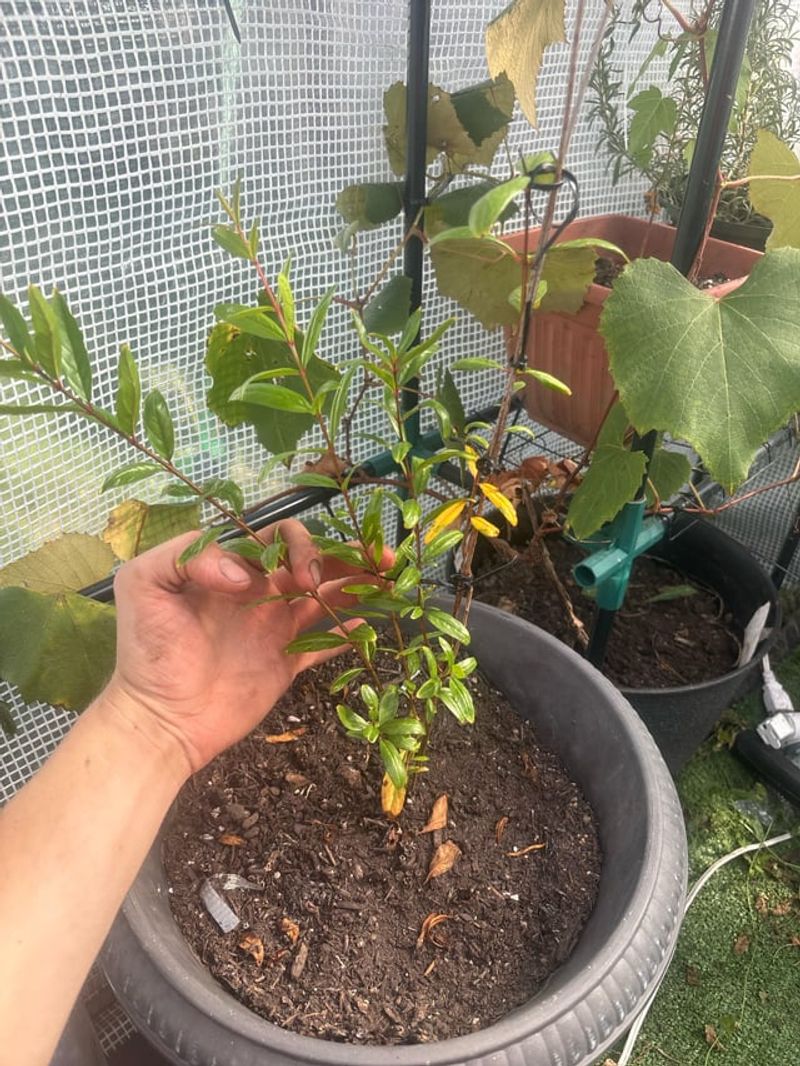
A pomegranate can make a patio feel surprisingly far from home. Its colorful fruit hints at warmer places, while winter tests its container roots.
In the ground, surrounding soil helps soften cold spells. In a pot, freezing air can reach roots from the sides and underneath.
Before November, choose an unheated garage or greenhouse for the tree. A cool, protected place is especially useful during hard freezes.
Wait for the tree to settle into its winter rest before storing it in darkness. If it keeps leaves, give it light instead.
Wrap the container with burlap or insulating wrap. Set it on wooden blocks if cold pavement or standing water is a concern.
Check that the pot drains freely before moving it. Winter moisture should reach the roots without leaving them soaked for days.
Water sparingly while the tree rests, checking the soil first. Do not let the root ball become dusty and dry.
Keep an eye on garage temperatures during warm spells. Too much warmth can encourage new growth before outdoor weather is ready.
When spring nights grow mild, return the pot outside in stages. Your pomegranate will have time to adjust to brighter light and fresh air.
9. Grouping Pots Against A Wall Adds Warmth
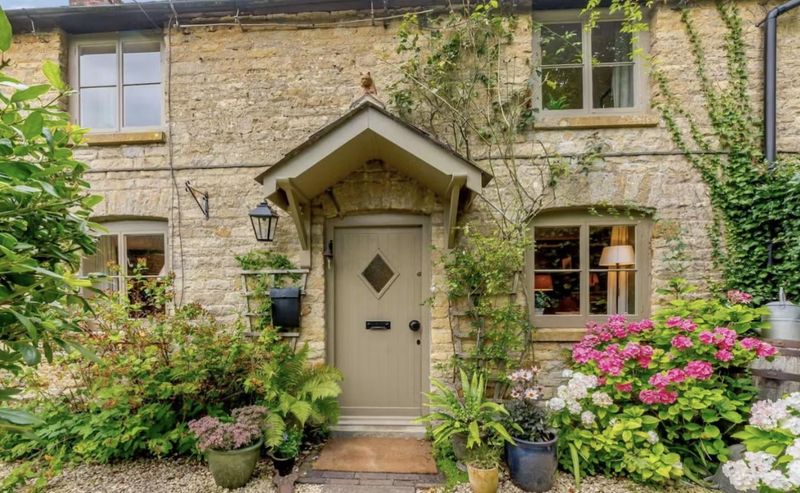
One pot on a windy patio faces winter alone. Several pots tucked beside a house wall can offer one another useful shelter.
Gather suitable outdoor containers against a south-facing or east-facing wall. The wall can block wind and may release a little stored daytime warmth.
Place larger pots on the outside of the group when space allows. Smaller containers can sit between them, where gusts have less room to blow.
Tuck dry leaves or straw between pots for added insulation. Keep drainage holes open so water can escape after rain.
Grouping works best for trees that can handle outdoor winter temperatures with some help. It does not replace indoor shelter for Meyer lemons.
Watch the forecast in Virginia, even after arranging your pots. A severe cold spell may call for moving sensitive trees into a garage.
Leave enough space to inspect soil and foliage. Crowded evergreen branches can stay damp, so keep air moving around them.
Water each container based on its own soil, not its neighbor’s. A small pot may dry sooner than a large one against the same wall.
Before November, try the arrangement while the weather is comfortable. Your pots will be easier to protect when chilly nights finally arrive.