The Walkway Planting Mistake That Lets Weeds Creep Into North Carolina Yards
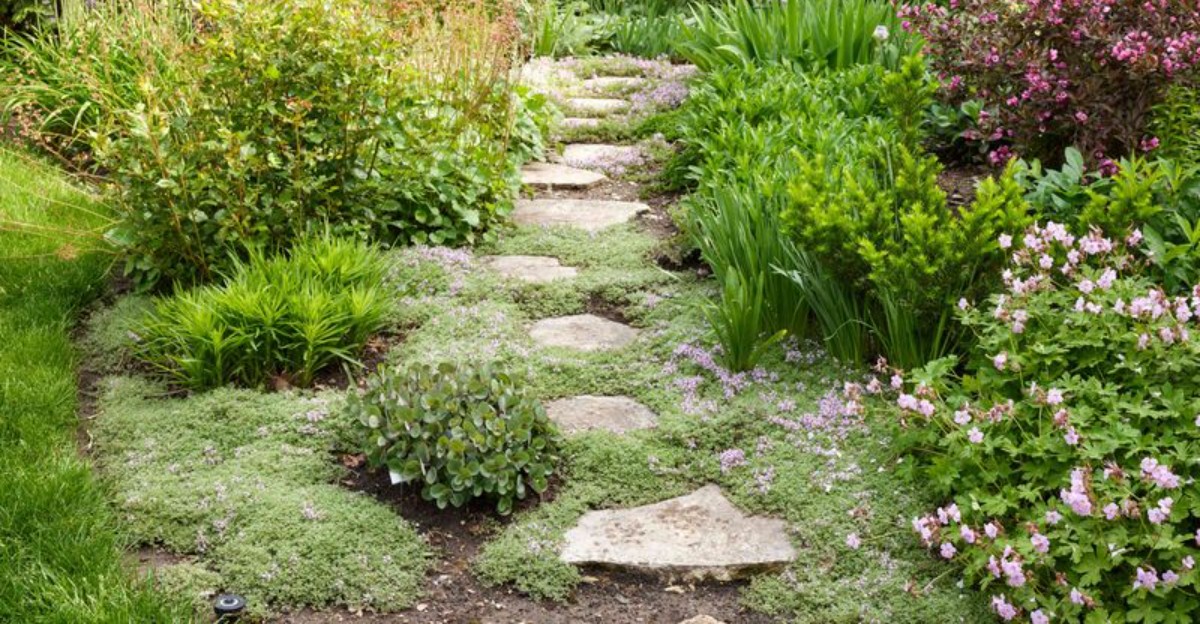
A common planting mistake along walkways quietly opens the door for weeds to take hold in many North Carolina yards. Leaving bare soil gaps between pavers or along walkway edges gives weed seeds an easy opportunity to settle in and sprout.
Because these gaps often go unnoticed during initial planting, they become one of the easiest spots for weeds to establish before anyone catches the problem.
Filling these spaces with appropriate ground cover or mulch closes off that opportunity before weeds ever get started. A small adjustment during the planting stage can save North Carolina homeowners from a much bigger weeding job later on.
1. Bare Soil Along Walkways Invites Weeds
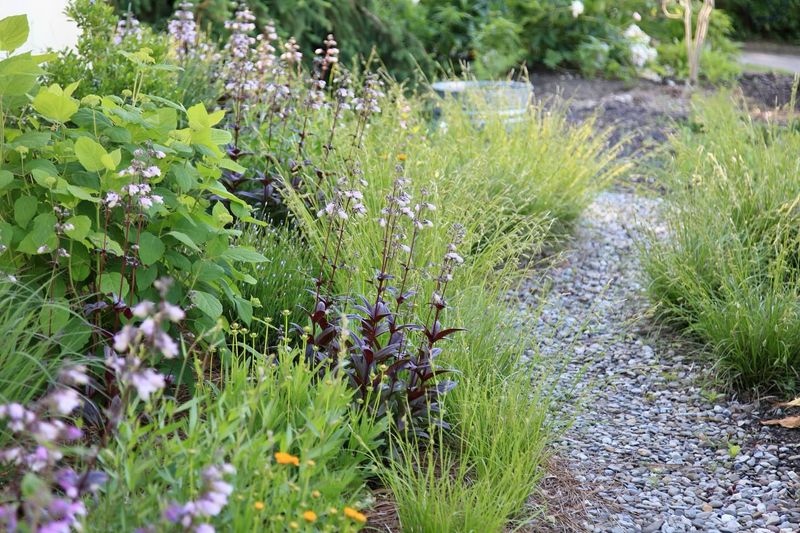
Open dirt is like a welcome mat for weeds. The most common walkway planting mistake is leaving thin strips of bare soil along the edges of paths and sidewalks. It looks tidy at first, but it rarely stays that way.
Weed seeds travel on wind, birds, shoes, and rainwater, and they land wherever they can. When they hit open, sunny soil, they have everything they need to grow.
Walkway edges are extra tempting because concrete and stone soak up heat and reflect light, so the soil beside them warms up early in spring.
Seeds sprout quickly there, and before long, weeds creep from the path edge into your flower beds and lawn.
The fix is simple. Cover every bit of bare edge with something, whether that means plants, groundcovers, or a layer of mulch. No exposed soil means far fewer places for seeds to take hold.
Planning also helps a lot. When you design walkway plantings, choose plants and spacing that will fill the area fully within a season or two. Until they do, mulch the open spots so weeds never get a head start.
Think of the edge as one connected strip that needs full coverage, not a few plants with gaps between them.
Here in North Carolina, the stakes are higher than in many places. Our growing season is long and warm, often stretching from early spring well into fall. That gives weeds many months to sprout, flower, and spread.
A bare strip left alone in April can turn into a full weed patch by July, so covering it early saves hours of work later.
2. Gaps Between Pavers And Stones Fill With Weeds
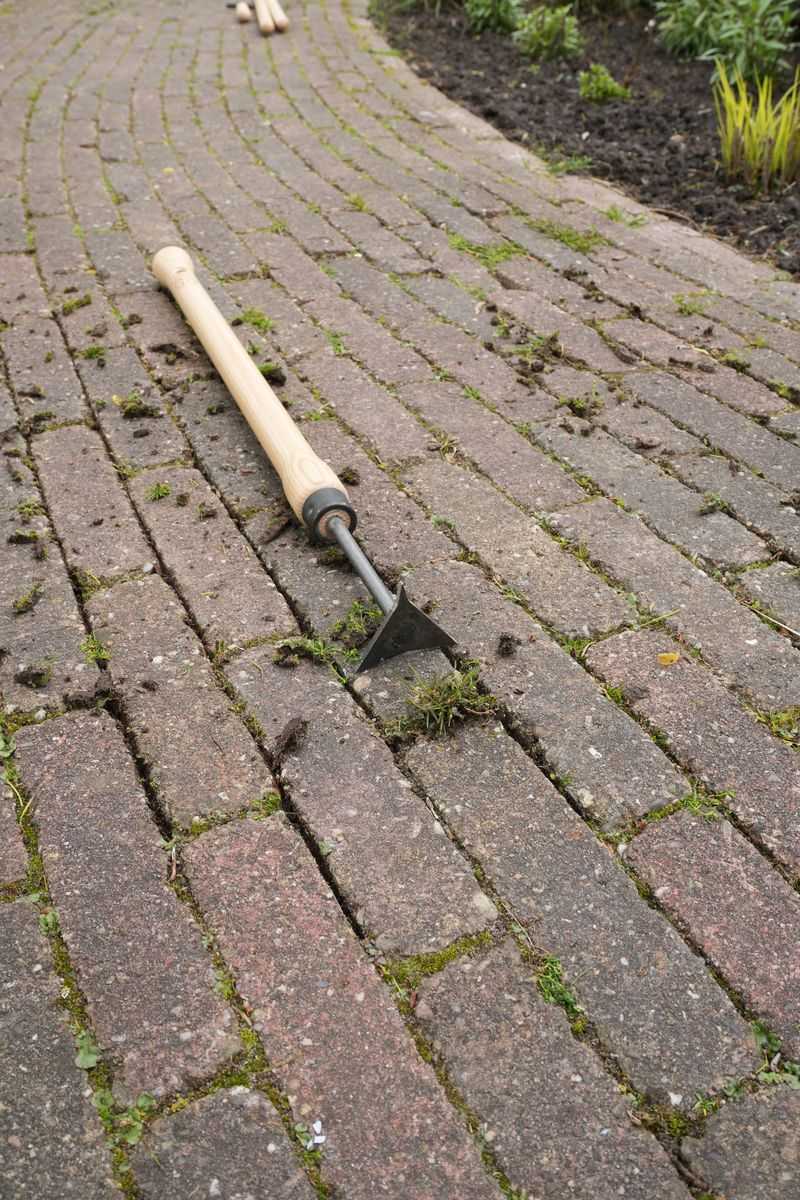
Ever notice how weeds seem to grow right out of solid stone? They are not actually growing in the rock. They are thriving in the tiny joints between pavers, bricks, and stepping stones.
Over time, dust, soil, leaves, and bits of mulch wash into those cracks and settle in. Little by little, the debris builds up into a thin layer of soil. That soil makes a perfect pocket for weed seeds, especially on sunny paths that stay damp after a rain.
The stone around each gap holds in moisture, so seedlings get a cozy, protected spot to root.
Luckily, you can close the door on them. For pavers set tightly together, sweep polymeric sand into the joints. Once you mist it with water, the sand hardens into a firm filler that resists weeds and keeps ants from digging.
Your North Carolina Garden Changes Every Week. Your Plan Should Too.
Gardening in North Carolina changes quickly throughout the season. Every Friday you’ll receive a simple weekly plan showing exactly what to plant, prune, fertilize, harvest, and protect so you never miss the right timing.
Follow the package directions closely, since too much water or leftover sand on the surface can leave a hazy film.
Stepping stones with wider gaps need a different plan. Instead of leaving soil open between them, plant low groundcovers that fill the spaces. The plants crowd out weed seeds and soften the look of the path at the same time.
A stepping stone walk lined with green feels charming and finished. North Carolina summers make this job extra important.
Frequent afternoon storms and thick humidity keep paving gaps moist for days. Weeds love those conditions and can root fast, sometimes in under a week.
Sealing or planting your joints early means fewer stubborn weeds wedged in where your fingers can barely reach.
3. Missing Edging Lets Lawn Grass Creep In
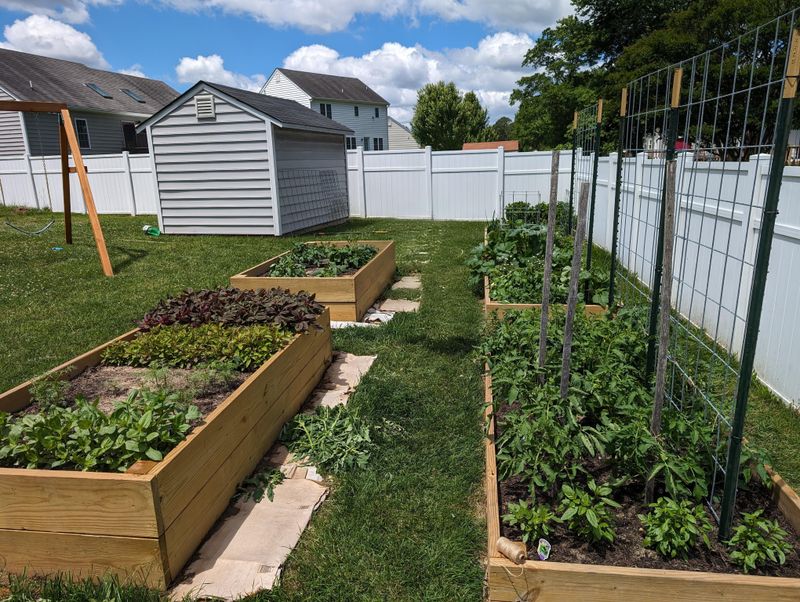
Your lawn might be the sneakiest weed in the whole yard. When walkways have no firm edge, lawn grass happily marches right into beds and between paving stones.
Many homeowners blame weeds, but the real culprit is often the grass they planted on purpose.
Some grasses spread in two directions at once. Bermudagrass, for example, sends out runners above the ground called stolons and creeping stems below the ground called rhizomes.
Without a barrier, those stems slide across soil edges and into planting areas with ease. Once they tangle around your perennials, pulling them out becomes a real chore.
A sturdy edge stops the invasion. Install edging made of metal, stone, or heavy plastic along walkway beds, and set it at least 4 to 6 inches deep. That depth matters because shallow edging lets underground stems slip right beneath it.
Leave the top of the edging slightly above the soil so runners cannot hop over easily.
Not a fan of edging materials? You can also cut a clean edge with a flat spade. Slice straight down along the bed line and remove the strip of grass and roots.
Repeat several times a season, since grass will keep trying to cross the line.
For North Carolina gardeners, this tip is a big deal. Bermudagrass is one of the most common lawn grasses across the state, especially in the Piedmont and coastal areas. It handles heat and drought like a champ, which is great for lawns.
Sadly, that same toughness makes it one of the hardest grasses to keep out of beds.
4. Plants Set Too Far Apart Leave Room For Weeds
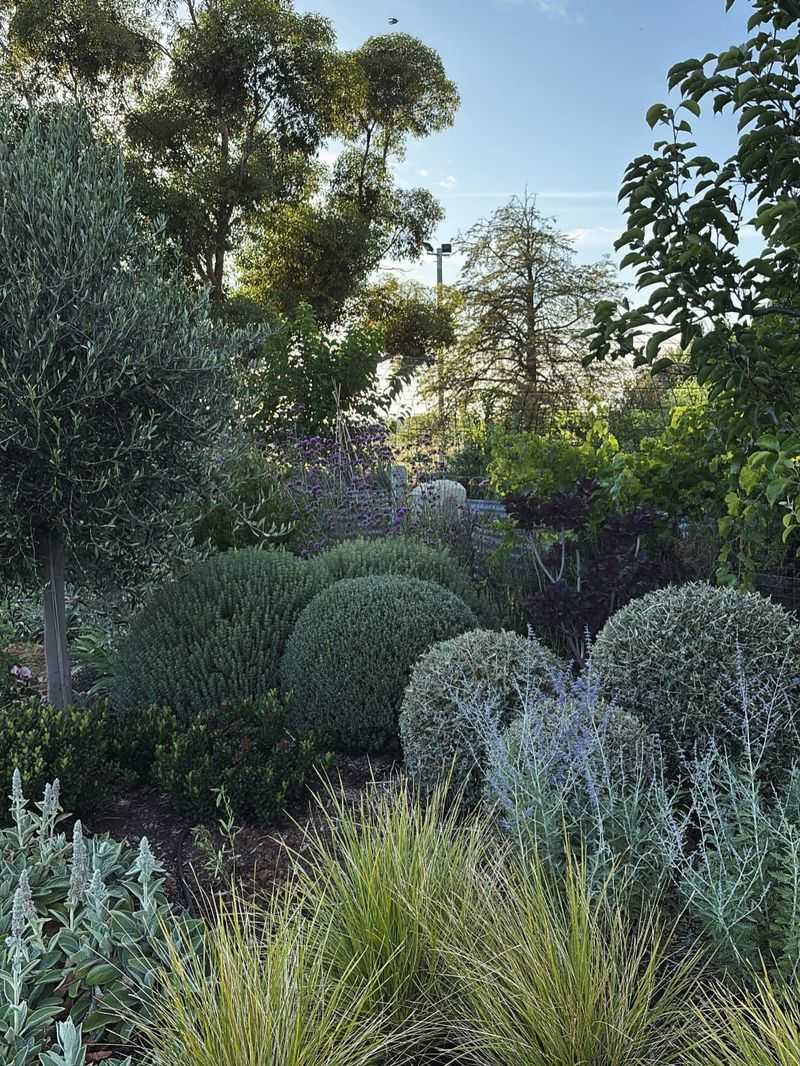
Following the plant tag sounds like the right thing to do. Yet spacing walkway plants by their full mature size can create a weed problem you never saw coming.
Here is how it happens. A tag might say to space a groundcover 18 inches apart, which is how wide it will grow in a few years. Until then, the soil between those young plants sits open for one season or more.
Weeds are fast and opportunistic, so they fill those gaps long before your plants have a chance to spread.
A smarter approach is to plant a little closer together along walkways. For groundcovers and low perennials, setting them at about two-thirds of the suggested spacing helps them knit together sooner.
You may buy a few extra plants, but you will spend much less time on your knees pulling weeds. A dense, full planting also looks more polished right away.
While the plants grow, keep the soil between them mulched. Even a few inches of pine straw or shredded bark blocks light from reaching weed seeds. As the plants spread, you can pull the mulch back or let the foliage cover it naturally.
Within a season or two, the plants become their own weed barrier. Timing matters in North Carolina because weeds grow at lightning speed once spring arrives.
Warm days and summer heat push crabgrass, spurge, and other weeds to sprout in a matter of days. Tight spacing and steady mulch give your walkway plants the edge they need to win that race.
5. Choose Groundcovers That Fill In And Stay Low
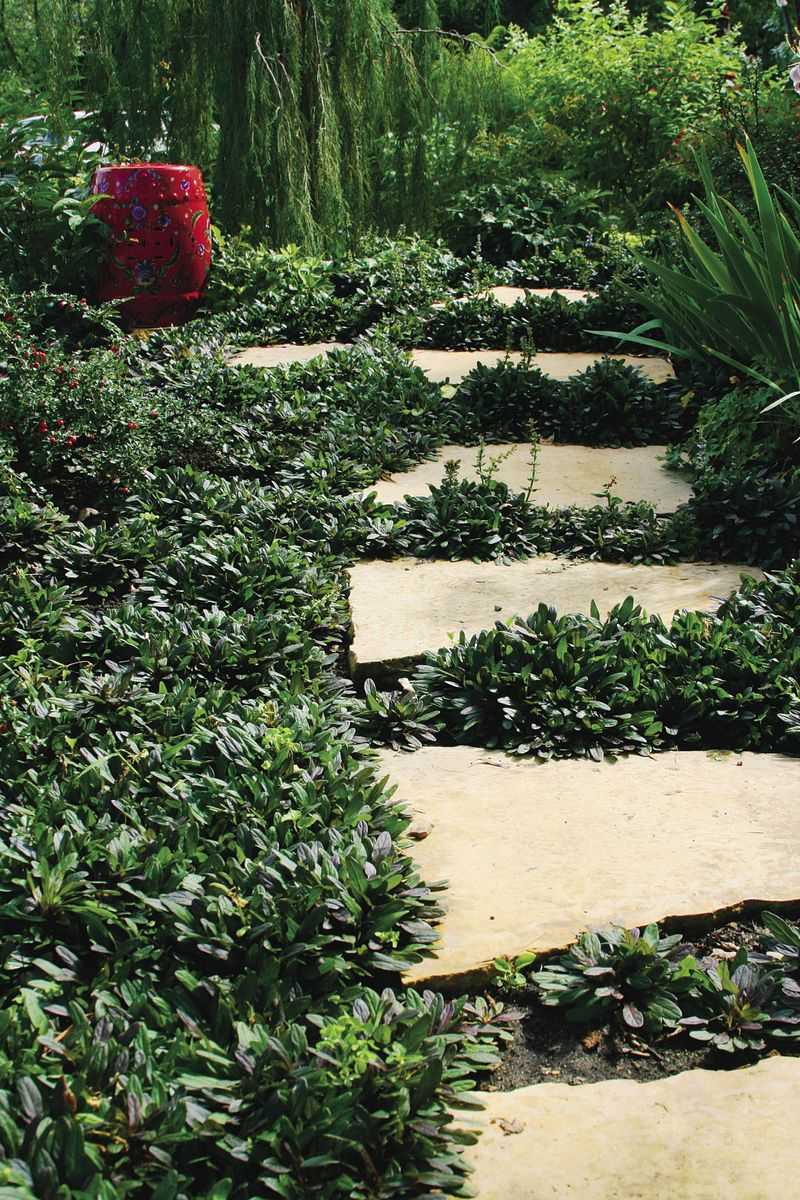
The best weed blocker might be a living carpet. Low, spreading groundcovers shade the soil and leave very little room for weed seeds to sprout. Some can even handle light foot traffic, which makes them perfect for stepping stone paths.
Matching the plant to the spot is the secret. Creeping thyme loves full sun and well-drained soil, and it releases a lovely scent when you brush past it. For shady walkways, dwarf mondo grass forms tight, grassy tufts that stay just a few inches tall.
It works beautifully tucked between stones under trees. Want something native? Green and gold, known by the name Chrysogonum virginianum, grows wild in North Carolina woodlands.
It thrives in part shade and brightens paths with cheerful yellow flowers from spring into early summer. Pollinators enjoy it too, which is a nice bonus.
A word of caution, though. Some groundcovers spread too well. Plants like English ivy and certain vinca can escape into lawns and natural areas, smothering native plants.
English ivy is listed as invasive in North Carolina, so it is best to skip it entirely. Picking the right groundcover pays off quickly in our state.
North Carolina has a wide range of conditions, from sandy coastal soil to heavy Piedmont clay and cool mountain slopes.
When you choose plants suited to your sun, shade, and soil type, they settle in fast and fill gaps before weeds can. A happy plant spreads, and a spreading plant keeps weeds out.
6. Mulch Bed Edges And Keep It Topped Up
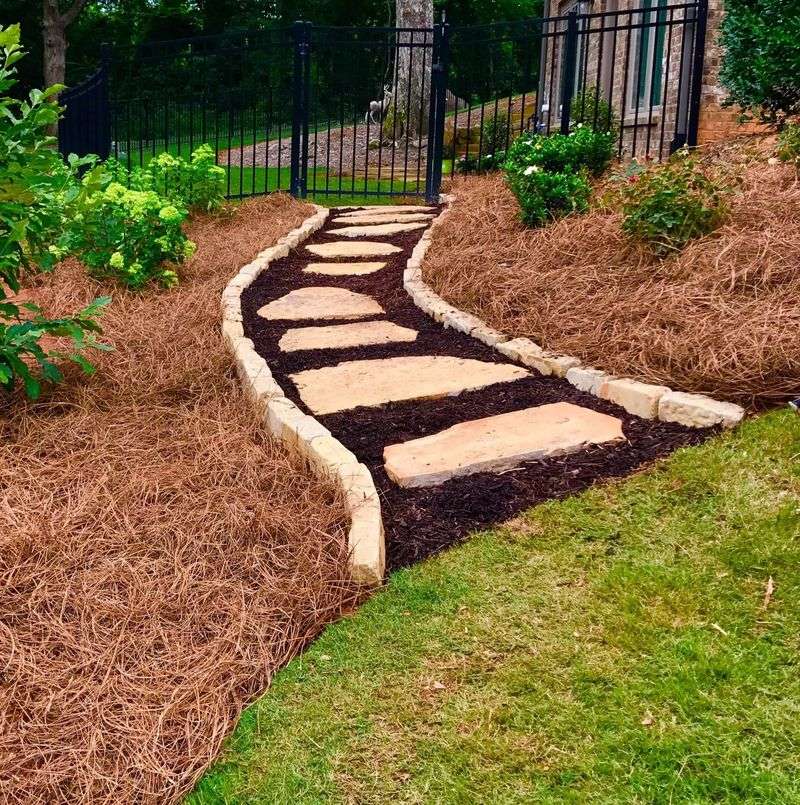
Mulch is the quiet hero of tidy walkways. While your plants are still filling in, a good layer of mulch does a lot of the heavy lifting.
Many weed seeds need light to sprout. A layer of mulch shades the soil, so those seeds stay asleep instead of popping up. On top of that, mulch holds moisture in the ground, which keeps walkway plants from drying out during hot spells.
It also keeps soil temperatures steadier and adds organic matter as it slowly breaks down.
Getting the method right makes all the difference. Spread 2 to 3 inches of pine straw, shredded hardwood, or pine bark along walkway beds. Less than that lets weeds poke through, while much more can smother plant roots.
Keep mulch away from plant stems and tree trunks too, since piling it up can cause rot.
Leave a small gap between the mulch and the path edge. If mulch sits right against the paving, rain will wash it onto your walkway, creating a mess and filling paver joints with debris. A few inches of space, or a slightly lower bed level, keeps it in place.
Plan to refresh your mulch once or twice a year. North Carolina gets heavy rain and long stretches of warm weather, and both speed up how fast mulch breaks down. What looks thick in March can be thin and patchy by August.
Pine straw is a popular local choice because it is affordable, easy to spread, and widely available across the state.
7. Landscape Fabric Under Mulch Can Backfire
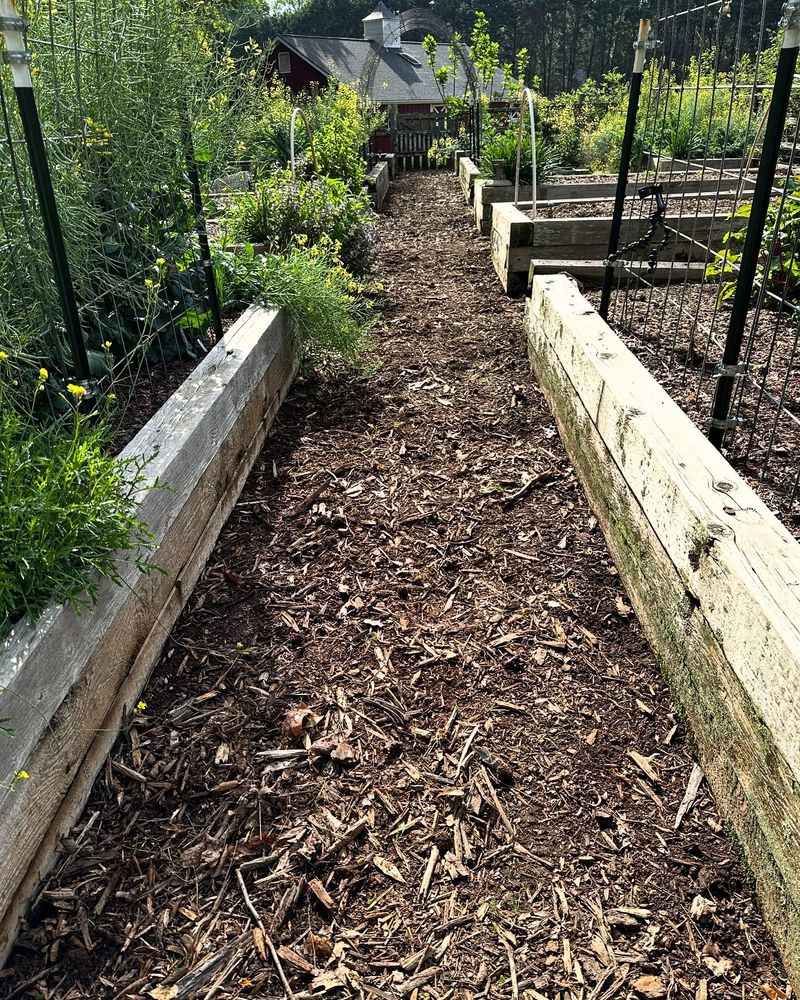
Landscape fabric promises a weed-free path forever. Sadly, along walkways it often creates the very problem it was meant to solve.
The trouble begins slowly. Mulch on top of the fabric breaks down over a couple of years, turning into a thin layer of rich soil. Wind-blown seeds land in that fresh soil and sprout right on top of the fabric.
Their roots then weave into the fibers, so pulling them becomes a frustrating tug-of-war.
Fabric causes other headaches too. It makes planting new flowers harder, since you have to cut holes each time. Dividing perennials becomes tricky, and groundcovers struggle to spread because their stems cannot root through the barrier.
Over time, the fabric can also poke up through the mulch and look shabby. A better plan is surprisingly simple. Use a thick layer of mulch alone, topped up as needed, and pull the occasional weed.
For brand-new beds full of grass or weeds, lay plain cardboard on the ground first, overlap the edges, and soak it with water. Then cover it with mulch.
Cardboard smothers existing weeds by blocking light. Unlike fabric, it breaks down within a few months, letting plants root normally and feeding the soil as it goes. Remove any tape or glossy labels before using it.
Our warm, humid North Carolina weather makes fabric fail even faster. Heat and moisture speed up how quickly mulch turns into soil on top of the fabric. Many gardeners here find themselves weeding fabric-lined beds within just a couple of seasons.
8. Pull Weeds Before They Set Seed
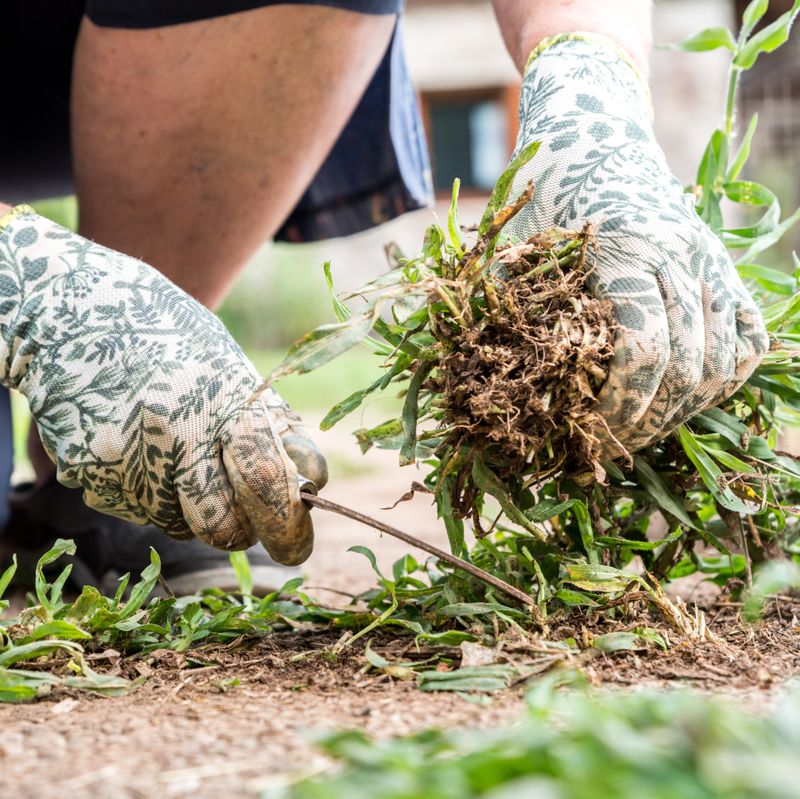
One weed today can mean a thousand next year. Some common weeds produce hundreds or even thousands of seeds from a single plant. Let just one flower along your walkway, and it can scatter seeds into every crack and bed nearby.
That is why early weeding is so powerful. Young weeds have shallow roots and pull out with barely any effort. Wait until they bloom, and you are not just removing one plant.
You are dealing with a seed bank that can keep sprouting for years. A simple weekly habit keeps things under control.
During the growing season, take a short walk along your paths with a bucket and a tool. Pull or hoe young weeds while the soil is moist, ideally the day after a rain or watering. Damp soil lets roots slide out whole, so they are less likely to regrow.
Paving joints need a special touch. A narrow crack weeder, which has a thin hooked blade, slips easily between pavers and bricks. While you are at it, sweep or scrape out debris that collects between stones.
Removing that buildup takes away the soil weeds need to get started. Staying on schedule matters all year in North Carolina.
Summer weeds like crabgrass and spurge thrive in the heat, while winter weeds such as henbit and chickweed sprout in fall and bloom in early spring.
With both groups taking turns, walkways can see weeds nearly year round. Ten minutes a week now saves whole weekends later.