The Best Time To Overseed Your Michigan Lawn Before Winter Sets In
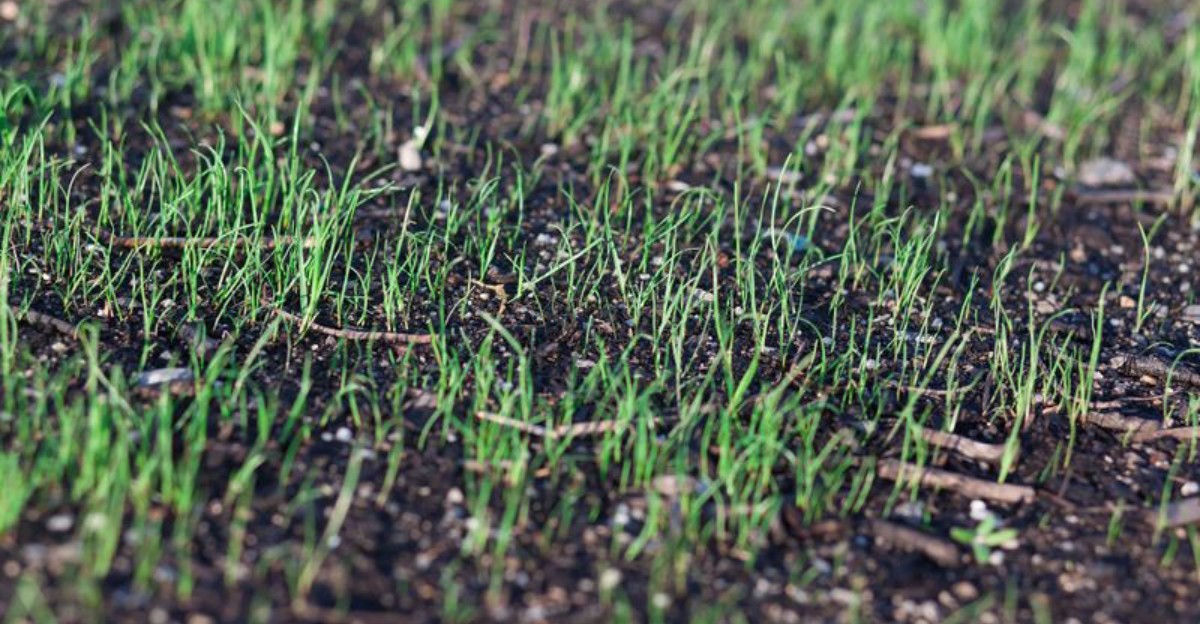
Timing matters just as much as technique when overseeding a Michigan lawn before winter arrives.
Grass seed needs enough warm soil and mild weather to germinate and grow a bit before the ground freezes solid. Wait too long, and seedlings won’t have time to establish before cold weather stops growth completely.
Seed too early, and summer heat can still stress new grass before it ever gets a real chance. Michigan’s narrow window between these two extremes makes timing especially important for a strong result.
Getting this window right gives new grass the best possible head start heading into winter dormancy, setting up a fuller, healthier lawn by the time spring arrives.
1. Late Summer Into Early Fall Is The Prime Window
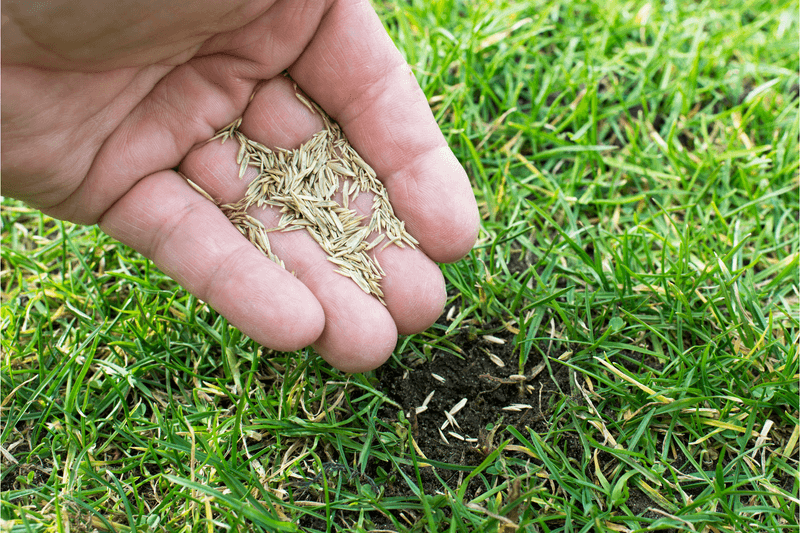
Ask any Michigan lawn pro about seeding, and you will hear the same answer every time. Mid-August through mid-September is the sweet spot for cool season grass. Few other times of year line up so nicely for young seedlings.
Warm soil is the big secret. After a long summer, the ground holds plenty of heat, so seeds wake up and sprout quickly. Meanwhile, cooler air temperatures take pressure off tender new blades, and the shorter, milder days feel just right for growing grass.
Timing also gives your lawn a gift that spring can never offer. Seed sown in late summer has several weeks to grow roots before winter arrives. Those roots act like anchors, helping the grass hold tight through snow, ice, and freezing nights.
Planning makes all the difference here. Try to schedule your overseeding as early in the window as you can, since every extra week means stronger roots.
Before you head out with your spreader, check the 10-day forecast and look for mild weather without heavy storms or heat waves.
Water is the other piece of the puzzle. You will need to keep the seeded area moist for several weeks, so plan your schedule around that commitment. Leaving for a long vacation right after seeding is a recipe for patchy results.
Michigan State University Extension backs up this timing, too. Their experts point to late summer as the ideal season for seeding cool season grasses like Kentucky bluegrass, perennial ryegrass, and both fine and tall fescues.
When the people who study Michigan turf every day agree, it pays to listen and mark your calendar.
2. The Window Closes Earlier Up North
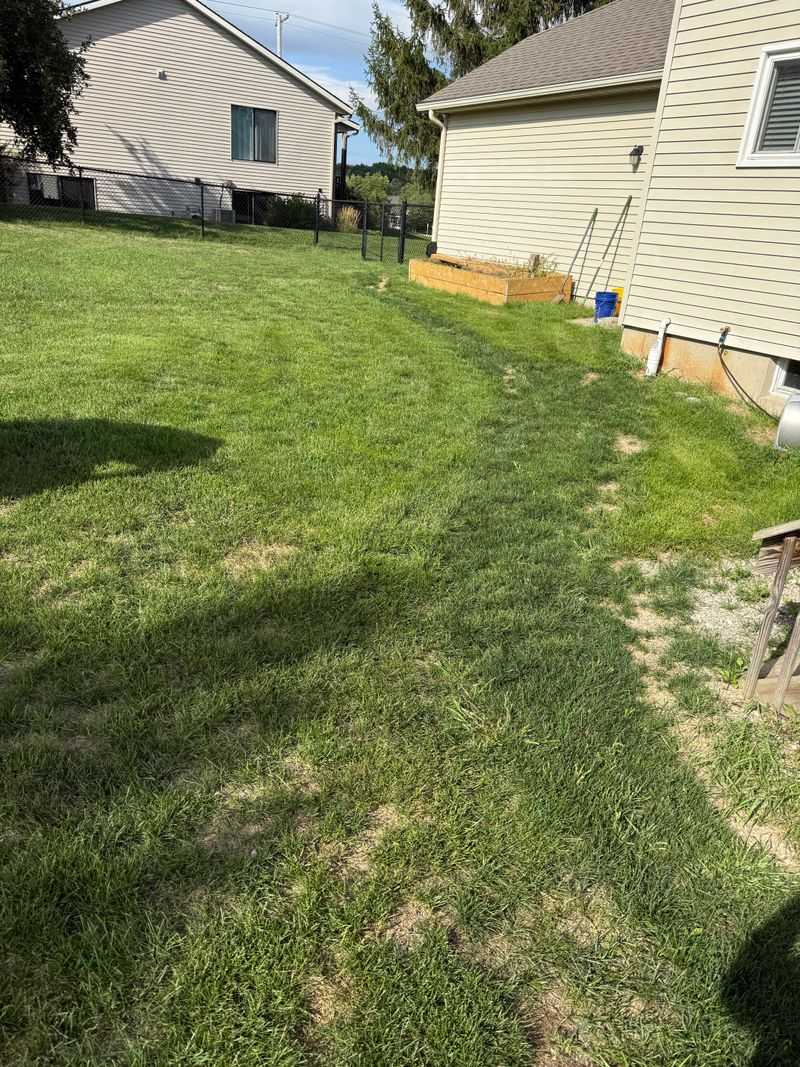
Michigan stretches a long way from top to bottom, and the weather knows it. A lawn in Marquette lives a very different life than one in Ann Arbor. That difference changes when you should reach for the seed bag.
Up north, fall rolls in fast. Cooler nights show up sooner, and frost can sneak in while southern towns are still enjoying shorts weather. Seedlings in colder regions simply get fewer days to settle in before freezing temperatures take over.
So what does that mean for your lawn? If you live in the Upper Peninsula or the northern Lower Peninsula, aim for mid to late August. Waiting until September up there often leaves young grass too small and weak to handle winter.
Your Michigan Garden Changes Every Week. Your Plan Should Too.
Gardening in Michigan changes quickly throughout the season. Every Friday you’ll receive a simple weekly plan showing exactly what to plant, prune, fertilize, harvest, and protect so you never miss the right timing.
Southern Michigan has a bit more breathing room. Homeowners in places like Grand Rapids, Lansing, Kalamazoo, and the Detroit area can usually seed anytime from mid-August through mid-September.
That extra month gives you flexibility if summer heat lingers or your schedule gets busy. Lakeshore living brings a small bonus. Areas near the Lake Michigan shoreline often stay a little milder in fall, because the big lake holds onto summer warmth.
Gardeners there can sometimes seed slightly later than inland neighbors at the same latitude.
Knowing your spot on the map really matters in a state where the growing season is much shorter in the north than in the south.
A quick look at your local frost dates can help you pick the right week. Think of it as tailoring your lawn plan to your own corner of the Great Lakes State.
3. Fall Seeding Beats Spring Seeding
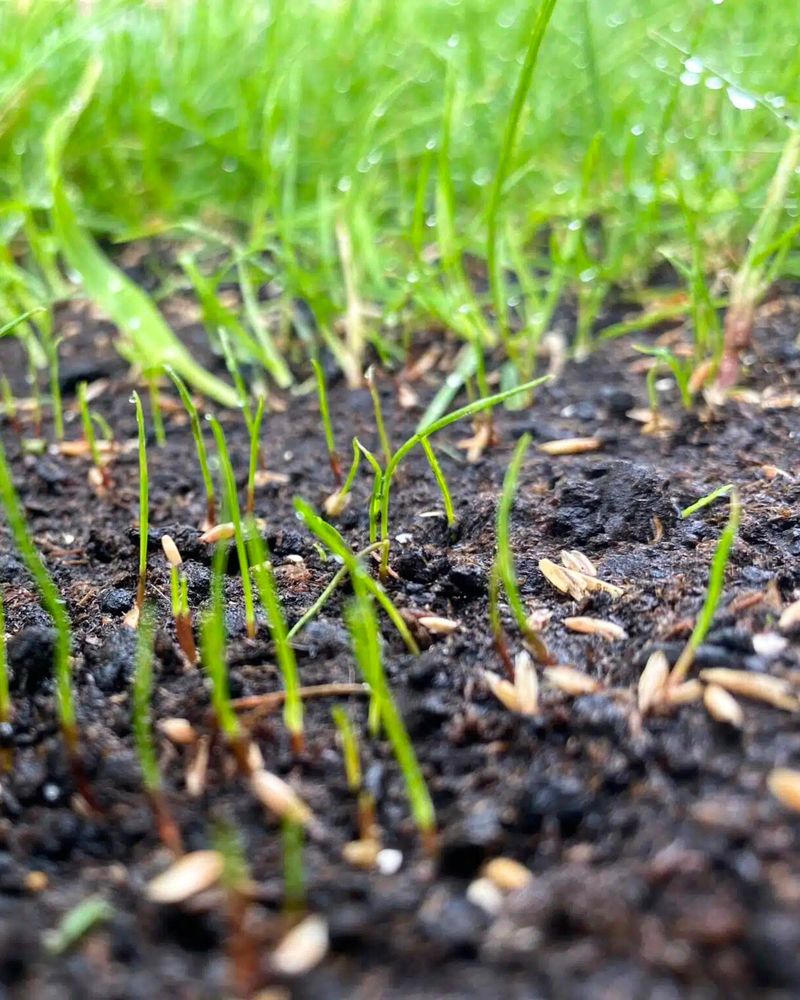
Spring fever hits every gardener sooner or later. The snow melts, the robins return, and suddenly everyone wants to throw grass seed on every bare spot. As tempting as that feels, fall is usually the smarter season for big lawn projects.
Cool weather in autumn treats young grass kindly. Fewer weed seeds sprout at that time of year, so your new grass does not have to battle hungry competitors for sunlight, water, and food.
By the time summer comes around again, those fall seedlings have deep, sturdy roots ready to handle the heat.
Spring seedings tell a tougher story. Baby grass often pops up right as crabgrass starts its own growth spurt, and crabgrass is a fierce bully. Then come hot days and dry spells, which can scorch shallow roots before they have a chance to dig in.
Here is a simple rule to follow. Save your major lawn repair and thickening jobs for late summer, when conditions are on your side. Keep spring seeding for small patches, dog spots, or areas you could not get to in fall.
Michigan summers make this advice even more valuable. Long, hot, dry stretches can roll through in July and August, quickly stressing grass that only sprouted a few weeks earlier.
A lawn seeded the previous fall walks into that heat with a full season of root growth behind it.
Patience pays off in lawn care. Waiting a few extra months might feel slow, but the reward is thicker turf that holds up year after year.
4. October Seeding Is A Gamble, But Dormant Seeding Is An Option
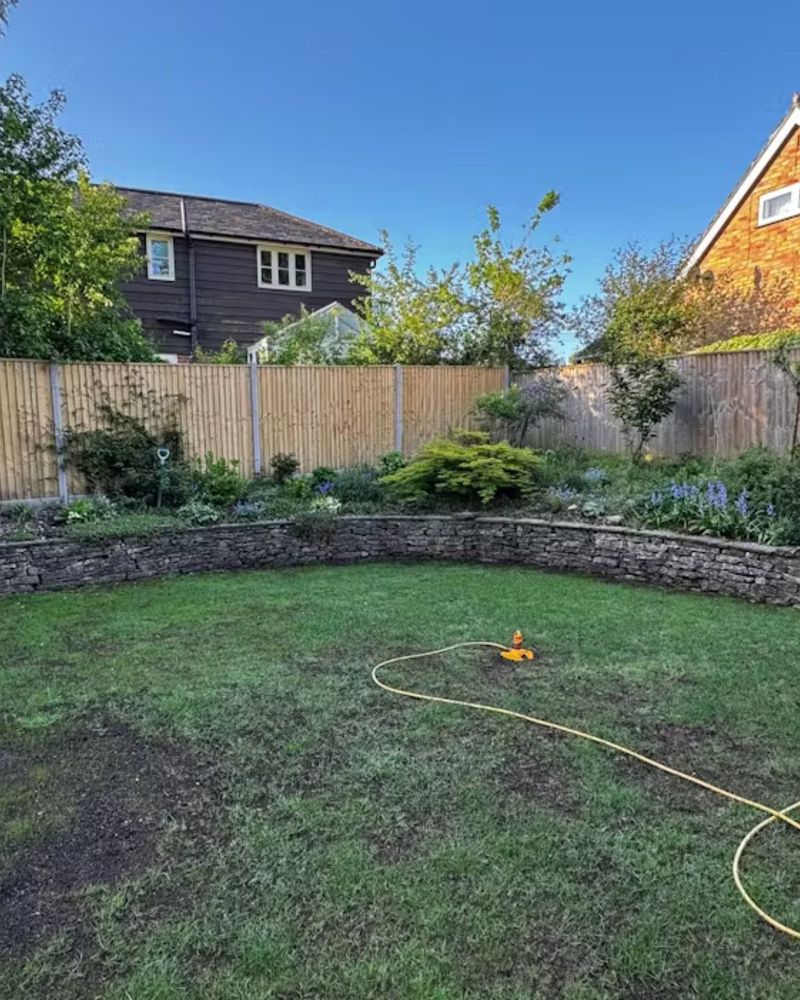
Life gets busy, and sometimes September slips away before the seed bag ever gets opened. Do not panic just yet. You still have a couple of choices, though each one comes with its own rules.
October seeding is a roll of the dice. Seed sown that month may sprout, but those tiny seedlings often run out of time to build strong roots before winter.
Weak roots leave grass open to cold damage and frost heaving, which happens when freezing and thawing soil pushes young plants right out of the ground.
If you live in southern Michigan and the weather stays mild, early October can work for small areas. Keep it to a few bare spots rather than the whole yard. That way, a sudden cold snap will not cost you a fortune in seed.
Dormant seeding offers a clever second path. Wait until late fall, when soil temperatures are too cold for seeds to sprout, and then spread your seed. It simply rests through the winter, tucked into the soil, and germinates once spring warms things up.
Snow and freeze-thaw cycles actually help this method along. As the ground shifts, seed gets worked down into the soil, giving it better contact when growing season returns.
Many Michigan gardeners rely on dormant seeding to thicken lawns after the fall window closes.
The key is to wait long enough. Seed that sprouts during a warm November spell will likely not make it, so hold off until cold weather settles in for good.
5. Choose Seed That Matches The Timing
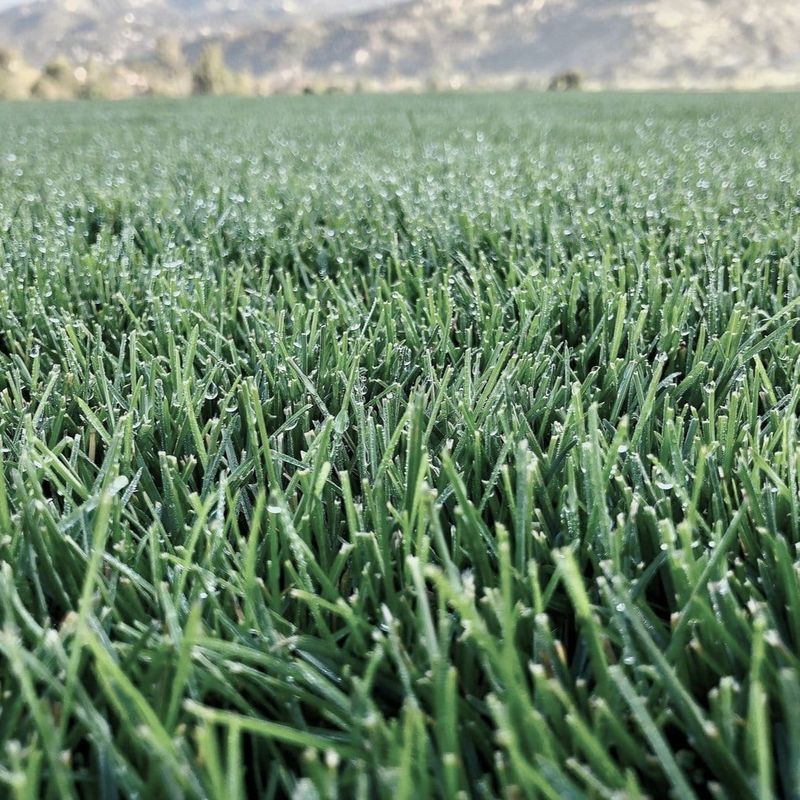
Not all grass seed races at the same speed. Some types jump out of the ground in days, while others take their sweet time. Knowing the difference can save your fall project.
Perennial ryegrass is the sprinter of the group. It usually sprouts in about one to two weeks and fills in quickly, which makes it handy when the calendar is running short.
Kentucky bluegrass, on the other hand, can take two to three weeks or even longer just to break through the soil.
Speed matters when winter is on the way. A slow seed sown late in the season might barely get started before the cold shuts everything down. That is why matching your seed to the date on the calendar makes such a big difference.
Start by looking at your yard with fresh eyes. Does it bake in full sun all day, or sit under big shade trees? Pick a quality seed mix made for your conditions, and skip bargain bags packed with filler and weed seed.
Seeding toward the end of the window? Consider a mix that includes perennial ryegrass for faster cover. For shady spots under maples or oaks, fine fescues are your best friend, since they handle low light better than most other cool season grasses.
Most Michigan home lawns already contain a blend of Kentucky bluegrass, perennial ryegrass, and fine fescue. Choosing a similar mix helps your new grass blend right in with what is already growing, so the lawn looks even and natural.
6. Prepare For Good Seed To Soil Contact
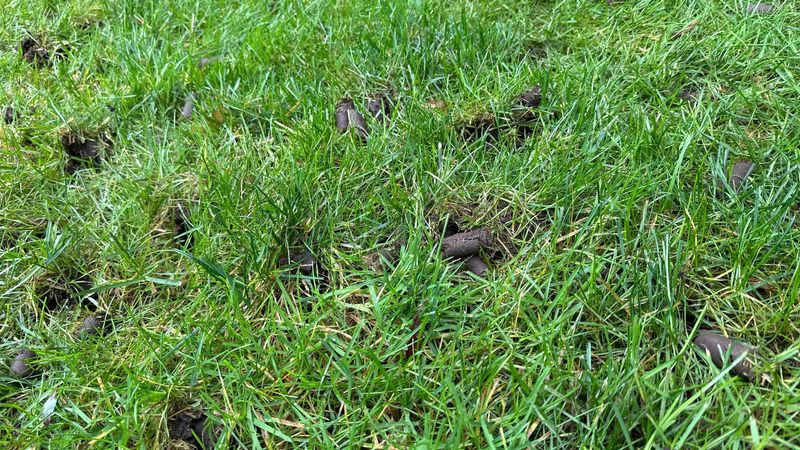
Imagine tossing a seed onto a thick carpet and expecting it to grow. That is pretty much what happens when grass seed lands on top of thatch. Good prep work turns a hopeful toss into real results.
Seeds need to touch soil. When they sit on dry thatch or tall, dense grass, they often dry out and never send down roots. Seed that settles right into the dirt, however, sprouts faster and grows much stronger.
Getting there is easier than it sounds. Begin by mowing your lawn shorter than usual just before seeding, which opens up space for seed to fall through. Next, rake out thatch, sticks, and other debris so the soil underneath is exposed.
Compacted areas deserve extra attention. A core aerator pulls small plugs of soil from the ground, creating little pockets where seed can land and roots can spread. You can rent one from most hardware stores or hire a local lawn service for the job.
Once the ground is ready, spread your seed evenly with a spreader instead of by hand. Walking in two directions, like a crisscross pattern, helps avoid bare stripes. Finish by lightly raking the seed into the surface so it nestles into the soil.
Michigan soils make this step especially important. Many parts of the state have heavy clay that packs down tightly, especially in yards with kids, pets, or lots of foot traffic. Loosening that clay gives your seed a real shot at success.
7. Keep Seed Moist And Feed It Properly
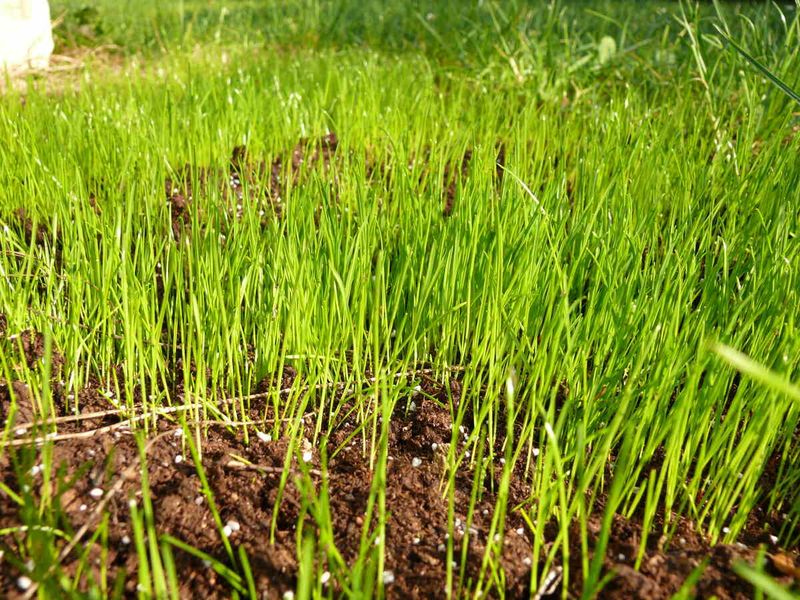
Think of new grass seed like a thirsty toddler. It needs small drinks often, and it gets cranky fast if you forget. Steady care in those first weeks sets the stage for everything that follows.
Moisture is what tells a seed to wake up. If the soil surface dries out even for a day, sprouting can stall or stop. Young grass also needs good nutrition to build roots quickly before winter shows up.
Watering starts light and frequent. Give the seeded area a gentle sprinkle once or twice a day, keeping the top layer of soil moist but not soggy. A hose timer or sprinkler on a schedule can make this chore almost effortless.
Once seedlings are up and growing, change your routine. Water less often, but soak the soil more deeply each time. That shift encourages roots to reach downward, which makes the grass tougher and more drought resistant.
Feeding matters, too. Apply a starter fertilizer at seeding time to give baby grass a boost.
Michigan has a phosphorus fertilizer law that limits its use on lawns, but it does allow phosphorus when you are establishing a new lawn or when a soil test shows a need.
Late summer in Michigan can surprise you with warm, dry stretches. A few sunny, breezy days in a row can dry out seed faster than you might expect. Keep an eye on the weather and adjust your watering so your hard work does not dry up overnight.
8. Protect New Grass From Leaves And Herbicides
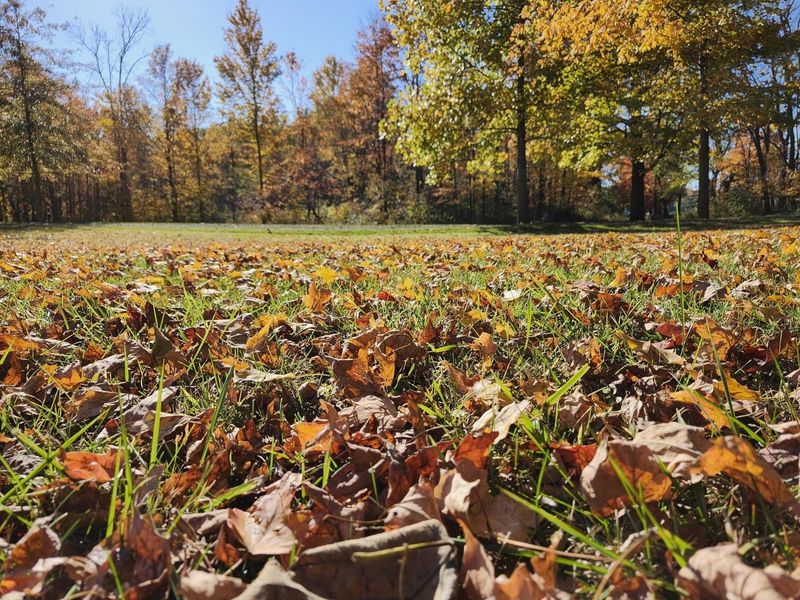
October in Michigan is a showstopper. Maples glow red and orange, oaks turn shades of bronze, and the whole state looks like a postcard. Your brand new grass, though, may not love the view as much as you do.
Fallen leaves can smother young seedlings. A thick, wet layer blocks sunlight and traps moisture, leaving tender grass weak and pale. Weed control products bring their own risks, since many can harm new grass or stop seed from sprouting at all.
Leaf cleanup should be gentle. Once your seedlings are established, rake lightly or use a mulching mower to chop leaves into small bits. Heavy, aggressive raking can rip tiny plants right out of the soil, so take it slow.
Patience is key with weed control. Wait until your new grass has been mowed a few times before applying any weed products. That gives roots time to grow strong enough to handle the treatment.
Labels are your best guide here. Read every product carefully, because many list specific waiting periods for newly seeded lawns. Some pre-emergent products can block grass seed from sprouting for weeks or even months, so timing really counts.
Michigan trees make this tip extra important. Leaf drop from maples and oaks usually peaks in October, right as fall-seeded grass is still settling in.
A little extra care during those colorful weeks will reward you with a thick, healthy lawn when spring finally rolls back around.