Why Southwest Virginia Mountain Yards Get Frost Weeks Before The Rest Of The State
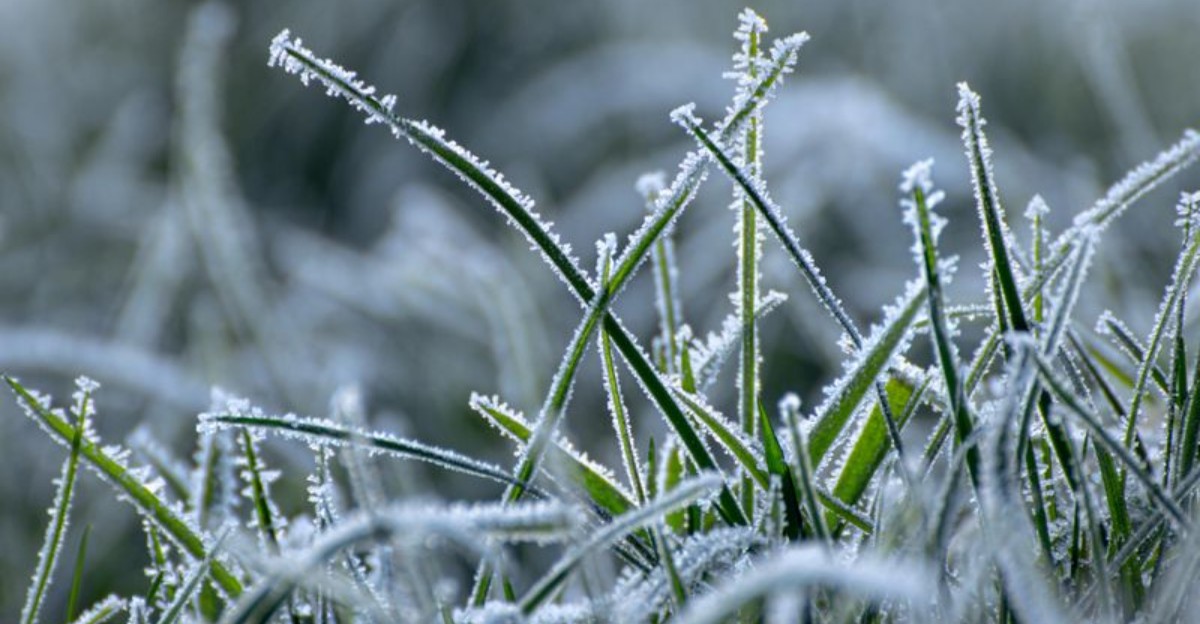
Frost can paint one mountain yard white while a garden just two hours east hasn’t even cooled off.
Down in Richmond, folks are still mowing lawns in shorts and sandals. Up here in Southwest Virginia, the tomato vines already look like wilted lettuce.
The mountains play by their own weather rules, and those rules can surprise even longtime gardeners.
Elevation, valleys, clear skies, and dry air all team up in sneaky ways. Some yards chill fast, while others just up the hill stay oddly cozy.
Those differences can mean frost on one side of the road and green leaves on the other. Knowing why can save your peppers, your flowers, and your pride.
The clues below explain what’s happening in your own backyard. Once you spot them, planning around early frost gets much easier.
1. Higher Elevation Means Colder Nights
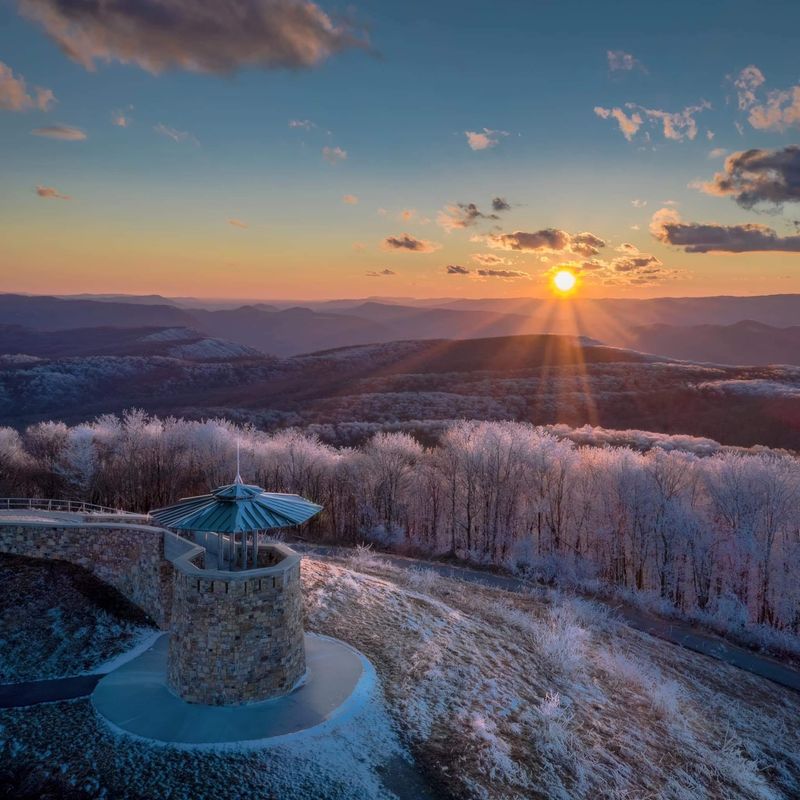
Picture climbing a tall ladder into the sky, where each rung gets a little chillier. Mountain air works much the same way, cooling as you go higher.
Scientists say temperatures drop about 3 to 5 degrees for every thousand feet. Many towns out here sit two or three thousand feet above Tidewater yards.
Burkes Garden rests around 3,000 feet, and Mount Rogers tops 5,700 feet. Norfolk, by comparison, barely rises above sea level at all.
Thin air holds less heat, so warmth slips away quickly after dark. A mild afternoon can turn into a frosty night before you finish supper.
Gardeners in Southwest Virginia feel the difference each fall. Frost may arrive here while eastern neighbors still pick ripe tomatoes for weeks.
Knowing your exact elevation helps you plan smarter. Free map apps or a quick online search can show your height above sea level.
Once you have that number, compare it with nearby weather stations. Look for a station at a similar height instead of the closest airport.
Planting choices matter too, especially at higher spots. Pick short-season tomato types like Early Girl so fruit ripens before chilly weather returns.
Watch the calendar in spring as well as fall. Late frosts linger longer up high, so wait a bit before setting out tender seedlings.
Fun fact for your next cookout conversation. Some Grayson County ridges share weather patterns with parts of New England, hundreds of miles north.
Treat your elevation like a built-in thermostat setting. Plan around it, and your garden will reward you with fewer cold surprises.
2. Cold Air Pools In Mountain Valleys
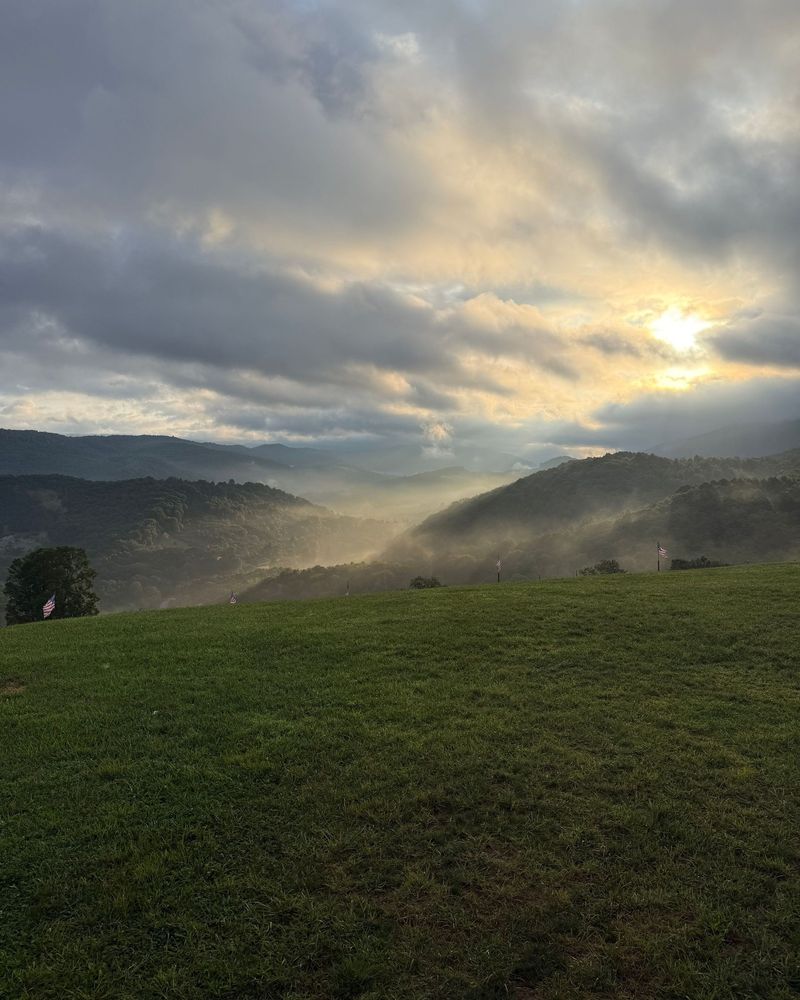
Ever poured syrup onto pancakes and watched it slide into the low spots? Cold air behaves the same way on a mountain night.
Chilly air weighs more than warm air, so it sinks downhill after sunset. It flows along slopes like an invisible river heading for the lowest ground.
Valley floors catch all that heavy air and hold it tight. Warmer air floats above, forming a lid that weather experts call an inversion.
Homes near creeks and hollows often see the harshest frost. A yard beside a stream can read ten degrees colder than a ridge nearby.
Your Virginia Garden Changes Every Week. Your Plan Should Too.
Gardening in Virginia changes quickly throughout the season. Every Friday you’ll receive a simple weekly plan showing exactly what to plant, prune, fertilize, harvest, and protect so you never miss the right timing.
Morning fog gives you a handy clue about these cold pockets. Wherever mist gathers at dawn, frost likely settled there during the night.
Try a simple test during early fall. Place two cheap thermometers, one in your lowest spot and one higher up.
Check both readings at sunrise for a week or so. The results will show you where tender plants face the biggest risk.
Fences, hedges, and walls can trap cold air too. A solid barrier at the bottom of a slope acts like a dam.
Leaving small gaps lets chilly air keep draining away. Gardeners sometimes open a gate on frosty nights for just that reason.
Save low spots for tough plants like rhubarb or garlic. Keep your basil and peppers on higher ground where the air stays kinder.
Once you spot the pattern, your yard starts to make sense.
3. Clear, Calm Nights Invite Frost

Stargazers love crisp, cloudless nights in the mountains. Gardeners, on the other hand, might want to grab a blanket for their plants.
Clouds work like a cozy quilt over the land. They bounce heat back toward the ground and slow down nighttime cooling.
Without that cover, warmth rises straight into space. Experts call the process radiational cooling, and it chills surfaces surprisingly fast.
Wind matters just as much as clouds. A gentle breeze stirs warmer air down toward plants and keeps temperatures a bit steadier.
Still nights let the coldest air hug the ground. Leaves and grass can freeze even when your porch thermometer reads 36 degrees.
Here is a quick checklist for fall evenings. Clear skies, no wind, and a forecast in the upper thirties spell trouble.
Step outside around sunset and look up. If you see stars popping out early and leaves hanging motionless, act before bedtime.
Water your beds lightly in the afternoon before a cold night. Moist soil stores more daytime heat and releases it slowly overnight.
Bring potted plants onto a covered porch or into the garage. Hanging baskets chill quickly because air surrounds them on every side.
Many weather apps list cloud cover and wind speed by the hour. Checking those two numbers takes seconds and can spare a whole harvest.
Pretty skies still deserve a good look, of course. Just enjoy the view after your tender plants are tucked in safely.
4. Dry Air Cools Off Fast After Sunset
Think of humid air as a warm sponge soaking up heat. Dry air is more like a sieve, letting warmth drain away quickly.
Water vapor traps heat near the ground after dark. When the air holds little moisture, temperatures can drop fast once the sun sets.
Mountain air often feels drier than the muggy lowlands near the coast. Fall cold fronts push in crisp, dry air that makes evenings plunge.
Dew point is the number to watch here. It shows how low temperatures might fall before moisture starts to condense.
A low dew point on a clear night signals serious danger. Temperatures may tumble right past freezing with little warning.
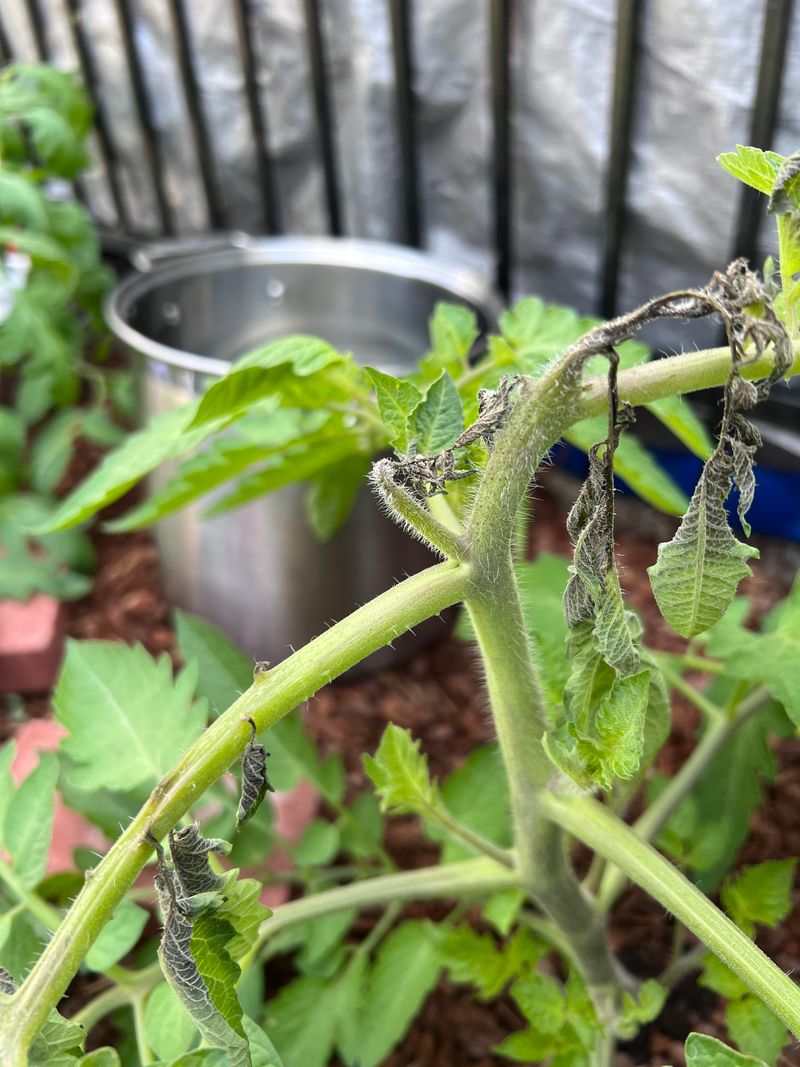
Very dry air can cause something called black frost. Plants freeze inside their cells without any white ice showing on leaves.
You might wake up to a normal-looking garden. By lunchtime, though, leaves turn dark, limp, and mushy.
Don’t rely only on seeing frost on the windshield. Check the dew point in your weather app during September and October evenings.
If the dew point sits in the twenties or low thirties, cover sensitive plants. A light sheet or frost cloth can make a real difference.
Watering the soil in the afternoon adds a bit of moisture near plants. Damp ground releases gentle warmth and slightly raises nearby humidity.
Dry mountain evenings feel wonderful for a bonfire. Keep one eye on the sky and another on your garden beds.
5. Mid-Slope Yards Often Stay Warmer Than Valley Floors
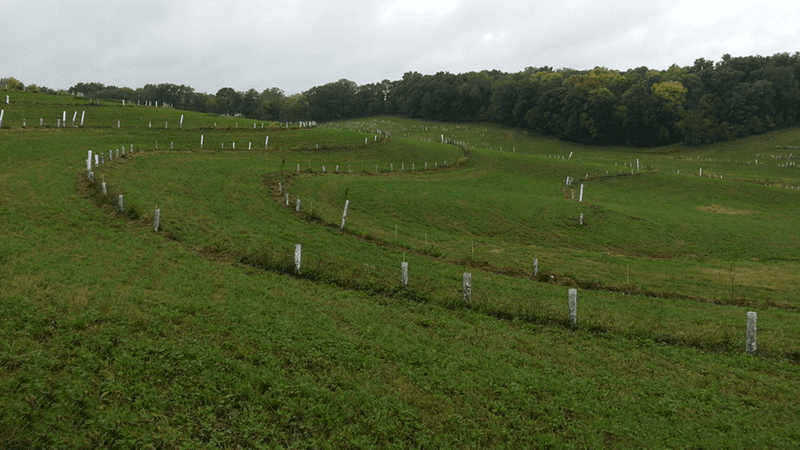
Old apple growers knew a secret long before weather apps existed. They planted orchards partway up hillsides, not down in the hollows.
Those growers had found the thermal belt. It is a band of slope where nights stay milder than both the valley and the peak.
Cold air slides downhill and collects at the bottom. Meanwhile, ridge tops face harsh winds and higher, chillier elevations.
Mid-slope yards sit in the sweet spot between the two. They often dodge frost that coats lower neighbors on the very same night.
Some thermal belts in the Blue Ridge give gardeners an extra week or more. A few lucky yards squeeze out nearly a month of growing time.
Families living on a hillside can use this gift wisely. Plant tender crops like peppers and squash on the slope, not the lowest corner.
Thinking about buying land in Southwest Virginia? Visit on a cool morning and notice where frost lies and where grass stays green.
Talk with longtime neighbors too, since they often remember which fields frost first. Their stories can tell you more than any map.
Clearing brush below your garden helps cold air keep flowing away. Thick shrubs downhill can back up chilly air into your beds.
Every hillside works a little differently, of course. Watching and recording frost for one season will reveal your yard’s personal pattern.
6. Local Frost Dates Beat Statewide Averages
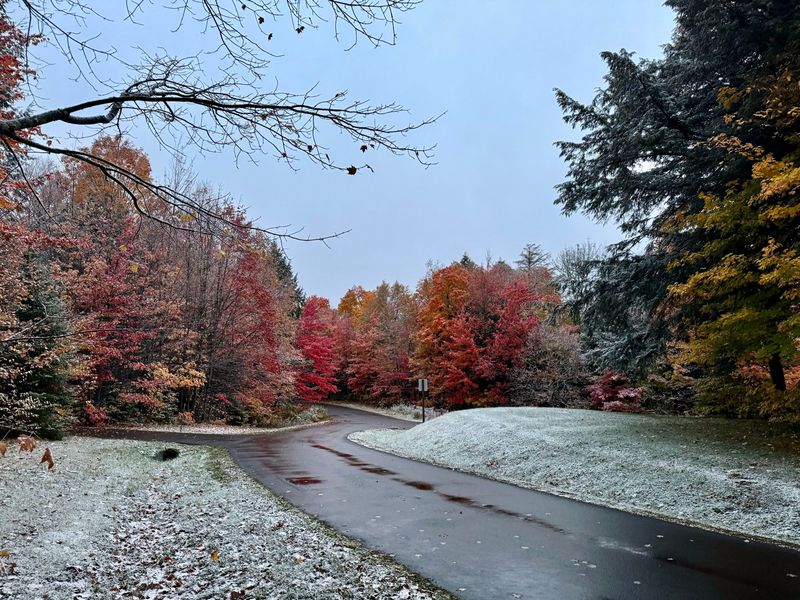
Statewide frost charts can fool you like a one-size-fits-all hat. The average date rarely fits a mountain yard very well.
Much of Virginia sees first frost between October 16 and 31. Western areas often get theirs between October 1 and 15.
High valleys in Southwest Virginia can frost even earlier, sometimes in September. A few chilly hollows report frost almost any month of the year.
Planting by a general state date may leave crops exposed. Local numbers give you a much safer timeline for fall and spring.
Start with your county Extension office. Virginia Cooperative Extension shares frost information and friendly advice for free.
Online tools also help when you type in your zip code. Look for sites that use nearby weather station records instead of broad regional guesses.
Remember that an average date means frost arrives earlier half the time. Many gardeners add a two-week cushion for extra safety.
Keeping your own garden journal beats any chart. Jot down the first and last frost you notice each year.
After three or four seasons, your notes reveal a real pattern. You will know your yard better than any statewide map could.
Neighbors make great data sources as well. Swap frost stories at the feed store or church supper and compare dates.
Local knowledge turns guesswork into good planning.
7. South-Facing Walls Create Warm Pockets
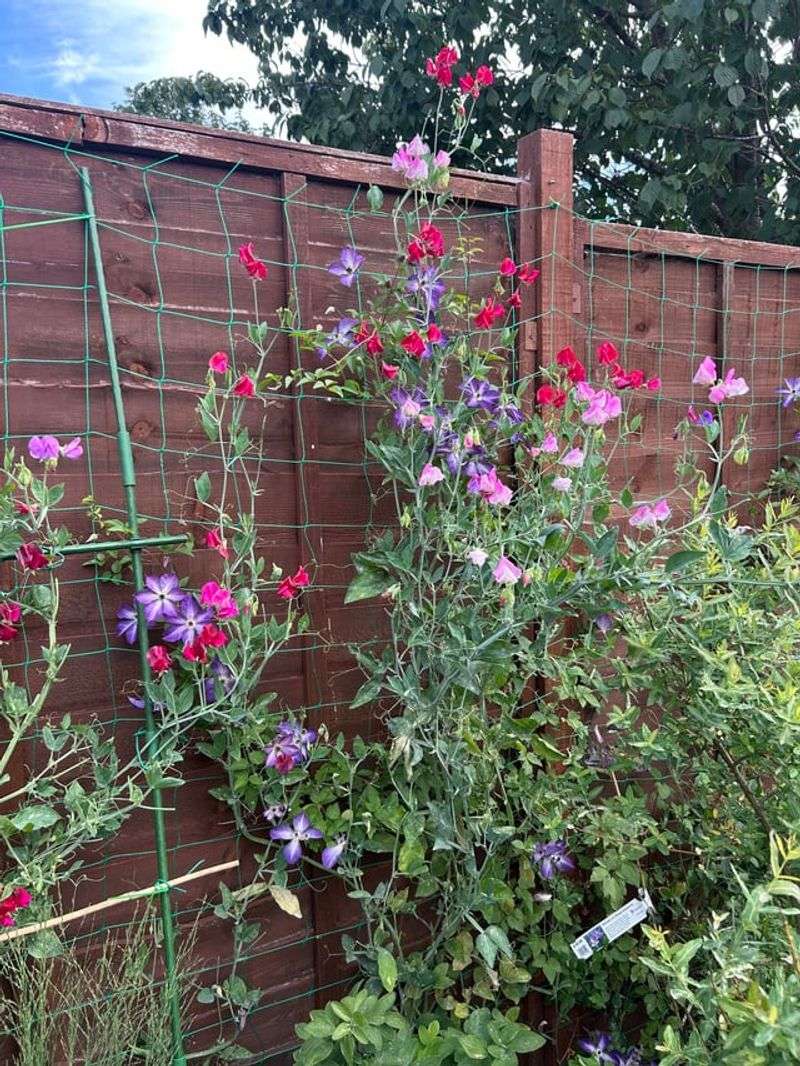
Grandma’s tomatoes by the old brick chimney may have ripened last for a reason. That sunny wall was quietly working as a heater.
South-facing walls soak up sunshine all day long. Brick, stone, and concrete store that heat like a warm stovetop.
After sunset, the stored heat slowly drifts back out. Plants tucked close by enjoy a few extra degrees of comfort.
Gardeners call these cozy spots microclimates. A single wall can create a small zone that feels like a lower elevation.
Use these warm pockets for your most tender favorites. Basil, peppers, and potted citrus appreciate the bonus warmth on chilly nights.
Dark materials absorb even more heat. Painted siding in light colors reflects sunlight instead of storing it.
Try placing large water jugs painted black near plants. They collect heat during the day and release it after dark.
Roof overhangs help too by blocking some heat from escaping skyward. A covered spot beside a sunny wall can dodge light frost entirely.
Keep plants about a foot away from the wall for airflow. Crowding too tightly may invite mildew and other leaf problems.
Even a sunny garage wall or wooden fence can help a little. Look around your yard for any structure soaking up afternoon light.
Small tricks like these add up to real gains in the mountains.
8. Frost Cloth Buys Tender Plants Extra Time
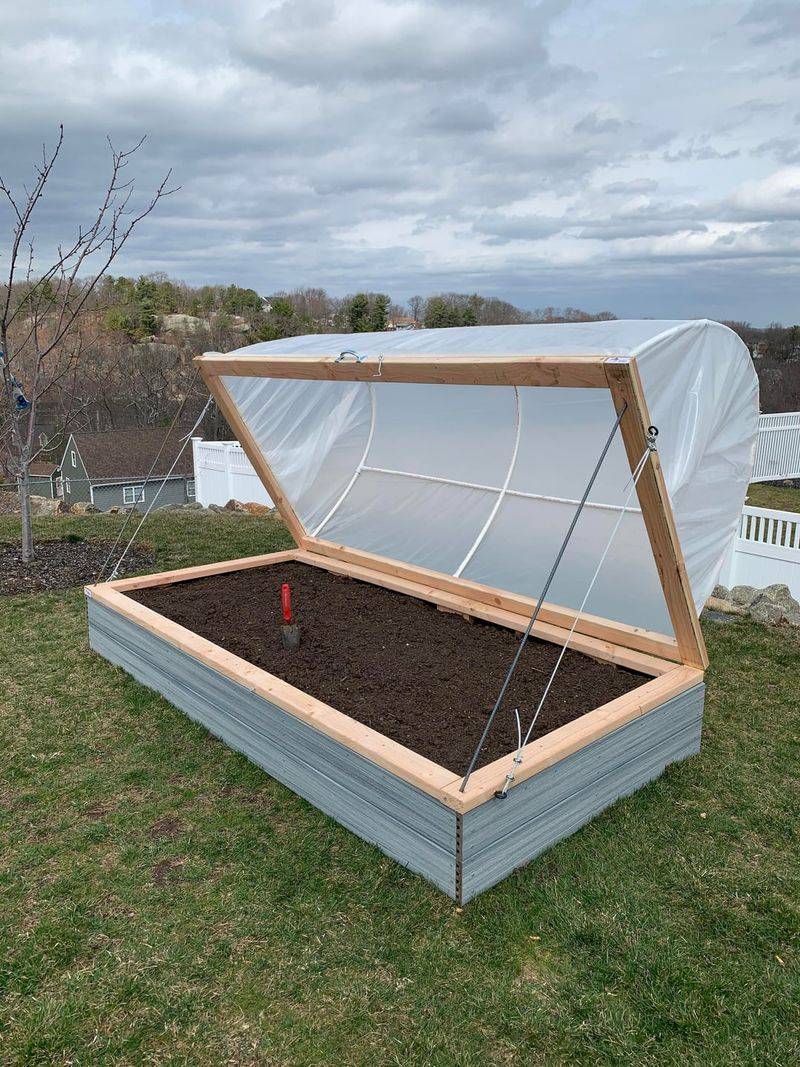
Tucking plants in for the night sounds a little silly at first. One frosty morning, though, and you will become a believer.
Frost cloth, sometimes called garden fleece, is a light white fabric. It traps warmth rising from the soil and blocks chilly breezes.
Most covers raise temperatures by about 2 to 8 degrees. Heavier weights give more protection but let in less sunlight.
Light, air, and water pass right through the fabric. Some gardeners leave it on for days during a cold stretch.
Drape the cloth all the way to the ground. Heat comes from the soil, so gaps at the bottom let warmth escape.
Hold the edges down with rocks, bricks, or garden staples. Mountain winds love to snatch loose covers and toss them across the yard.
Wire hoops keep the fabric from touching leaves directly. Contact spots can still get frosty on very cold nights.
Cover plants in late afternoon before the air cools. Waiting until dark means some stored heat has already floated away.
Old bedsheets work in a pinch, but avoid plastic sheeting. Plastic touching leaves can transfer cold and cause damage.
Many Southwest Virginia gardeners keep a roll ready by early September. Stretching the season a few weeks can mean bushels of extra tomatoes.
Fold and store your cloth dry for next year.
9. Cold Hardy Crops Keep Going After Frost
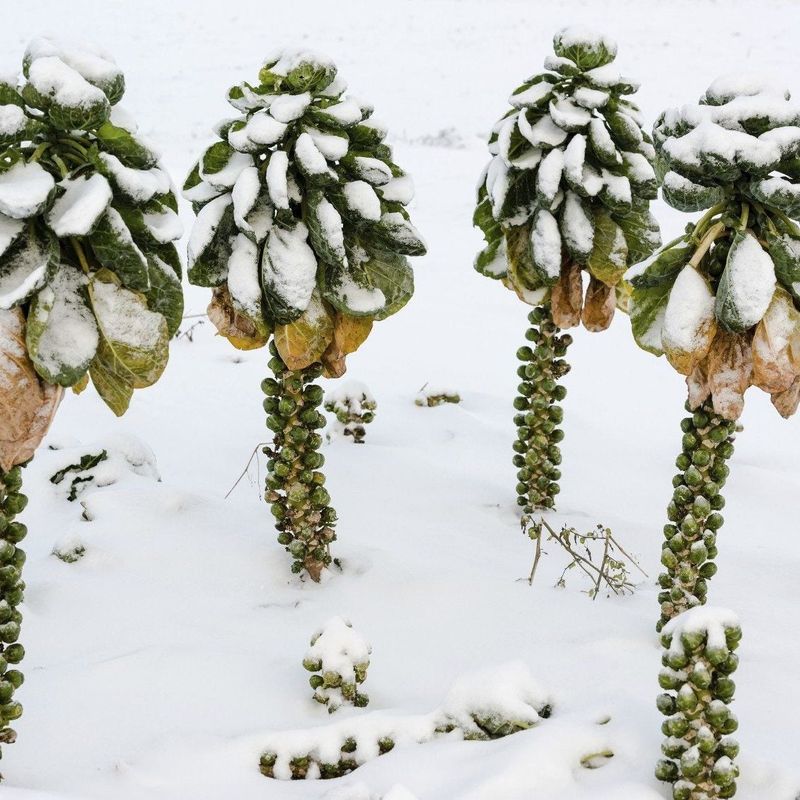
Here is some happy news for mountain gardeners. A frosty morning can actually make certain vegetables taste sweeter.
Plants like kale and carrots turn starches into sugars when cold arrives. Those sugars work like antifreeze inside the leaves and roots.
Many hardy crops handle light frost down to about 28 degrees. Some, like kale and collards, shrug off even colder snaps.
Good choices include spinach, Brussels sprouts, cabbage, and turnips. Garlic planted in fall will rest quietly and grow again in spring.
Timing makes these crops shine. Sow fall greens in late July or August so they mature before short days slow growth.
Mulch around root crops with straw or shredded leaves. A thick layer keeps soil from freezing and lets you dig carrots into winter.
Cold frames stretch the harvest even further. A simple wooden box with an old window on top works wonders.
Pick leafy greens in the afternoon after they thaw. Frozen leaves bruise easily if handled during icy mornings.
Families across Southwest Virginia have grown fall gardens like these for generations. Collards and turnip greens remain beloved staples on holiday tables.
Early frost doesn’t have to end your season. Plan a second round of tough crops, and your garden can keep feeding you well past Halloween.
Cold weather just changes the menu a little.