This Root Damaging Pest Can Spread Through California Gardens Faster Than Expected
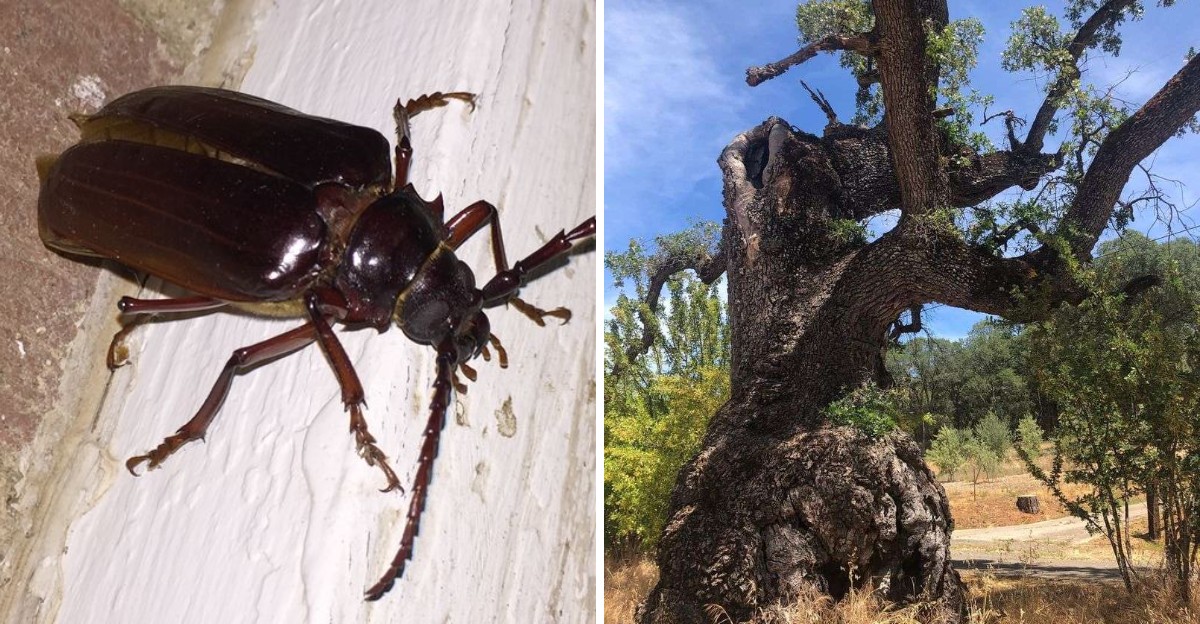
A large, healthy-looking shade tree can start thinning at the top with no obvious explanation. The bark looks clean, there’s no sticky sap, and no sign of disease appears anywhere.
The cause may be hiding underground. California root borer, also called California prionus, is a large native beetle whose young feed on tree roots for years.
This pest has become a growing concern across the West, with damage showing up in more places than many growers once expected.
Its larvae can quietly weaken trees and shrubs long before anyone notices a problem.
Understanding how this beetle lives and how to reduce risk helps protect valued trees for the long haul.
Meet The California Root Borer
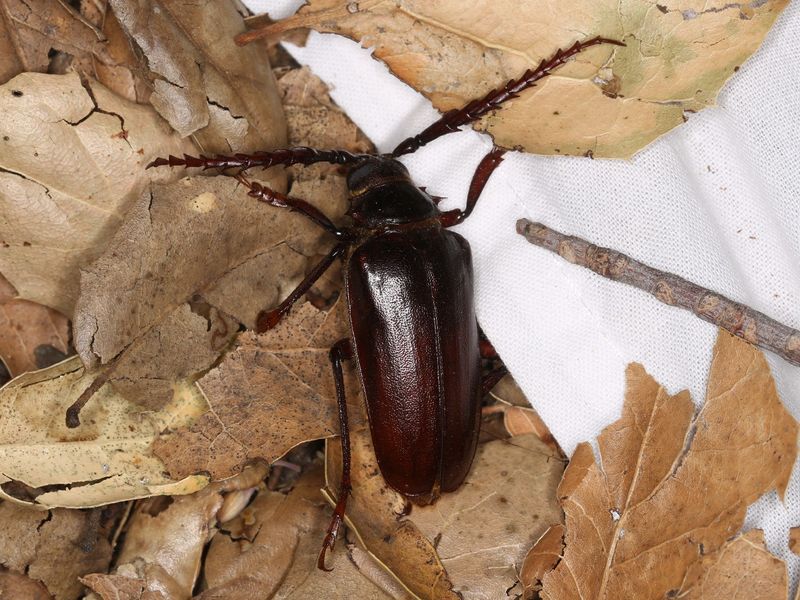
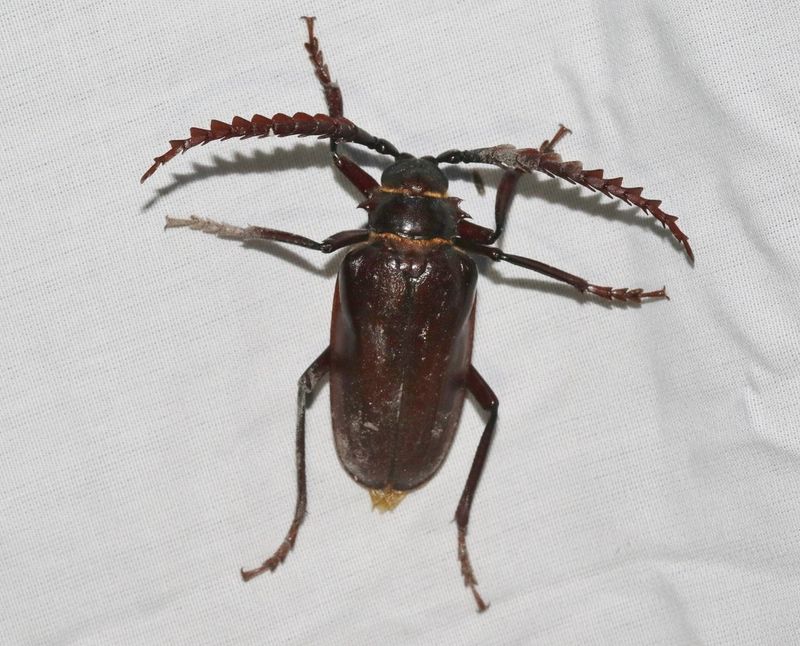
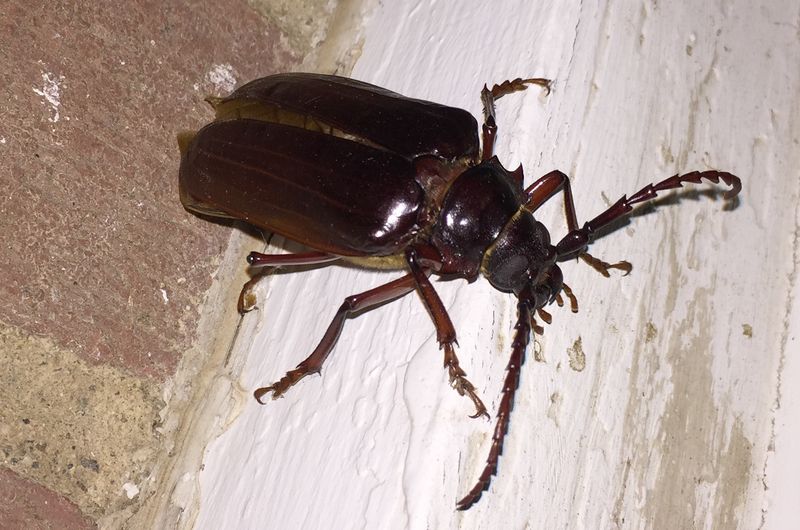
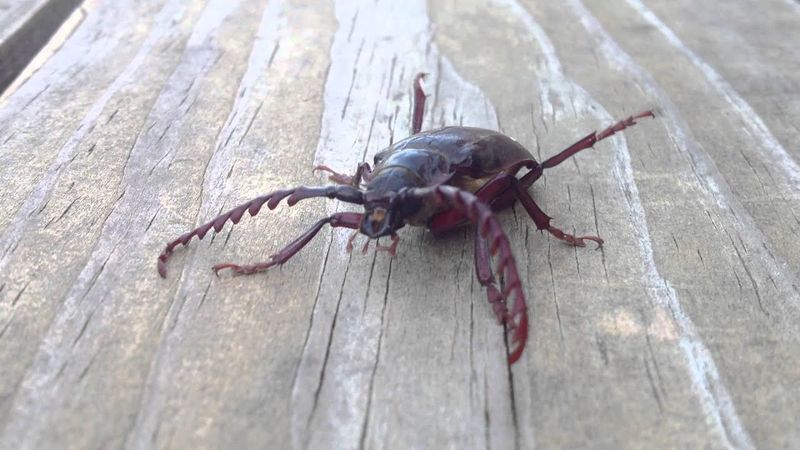
A beetle about as long as a thumb, with a shiny reddish-brown shell and saw-toothed antennae, tends to make people jump back. Adults usually measure around 1.75 to 2.25 inches long.
Known to scientists as Prionus californicus, the California root borer belongs to the longhorned beetle family. That group is famous for long, jointed antennae and sturdy bodies.
Despite its intimidating size, the adult does very little harm. It doesn’t chew leaves, and it doesn’t attack people or pets in any way.
The real trouble starts underground. Females lay eggs at the base of trees and shrubs, and hatching larvae crawl down into the soil to chew and bore into roots, sometimes for years.
The larvae are creamy white grubs with dark, powerful jaws. They can grow up to about 4 inches long before pupating.
Roots serve as a tree’s plumbing system, pulling up water and nutrients while anchoring the whole plant. Grubs carving tunnels through larger roots reduce that support. Oaks, fruit trees, and many other woody plants can be affected.
Most homeowners never see a larva unless digging near a struggling tree. An adult spotted near a porch light on a warm summer night is often the first clue the beetle lives nearby.
A single sighting doesn’t mean trees are in danger, though. It simply signals a native neighbor worth understanding a little better.
It Is A Native Beetle, Not An Invader
Long before backyard fences and garden centers, this beetle was already chewing roots along the Pacific coast. California root borer is native to western North America, with a range stretching from Baja California north to Alaska.
Native status matters a lot. Invasive pests arrive from other places, often in shipping crates or firewood, and spread into new areas with few natural limits.
California prionus isn’t one of those newcomers. It has lived in western forests, woodlands, and foothills for a very long time.
Native insects play roles in their home ecosystems. Root borers help break down old and weakened trees, returning wood to the soil. Birds, skunks, and other animals may snack on adults or grubs.
In the wild, the beetle is simply part of a natural cycle that keeps forests turning over. Headlines sometimes treat it like an alien invader anyway.
Part of the reason is surprise. A two-inch beetle buzzing at a window looks dramatic, and social media posts can spread the idea faster than the beetle ever could.
Your California Garden Changes Every Week. Your Plan Should Too.
Gardening in California changes quickly throughout the season. Every Friday you’ll receive a simple weekly plan showing exactly what to plant, prune, fertilize, harvest, and protect so you never miss the right timing.
Native status helps shape a calm response. It doesn’t require reporting like an invasive species alert, and it can’t be eliminated from a region where it naturally belongs.
The smart move is learning how it behaves. Protecting trees from the conditions that make them easy targets does far more good than any panic.
Larvae Spend Years Feeding On Roots Underground
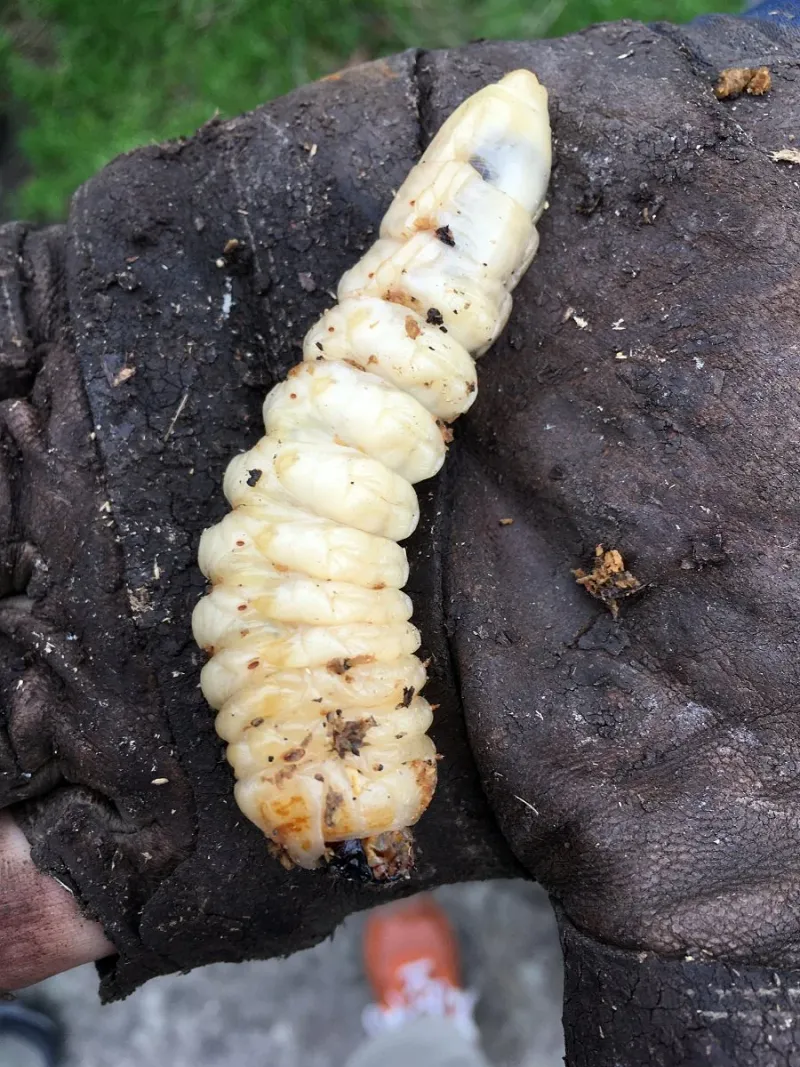
Patience is this beetle’s superpower. From egg to adult, its life cycle usually takes about 3 to 5 years, and almost all of that time passes underground as a hungry grub.
Eggs are laid in summer near the base of host plants, often in soil or around the root crown. After hatching, tiny larvae move down to the roots and start feeding right away.
They begin on small roots and work toward larger ones as they grow. Year after year, the tunneling and chewing continue without pause.
A mature larva can reach roughly 4 inches long, about the size of a small hot dog. When ready, it builds a cell in the soil and pupates there, completely out of sight.
Adults finally appear in midsummer, usually from about June into August, depending on the area. Their aboveground life is surprisingly short.
Most adults live only 10 to 20 days and do very little feeding during that time. Their main job is finding a mate and laying eggs.
Adults fly mostly at night, and males are strongly drawn to lights. That explains why they turn up on porches, garage doors, and patio screens on warm evenings.
Females are heavier and fly less often. A few weeks later, the adults are gone, and the next generation is already quietly digging in for its long underground stay.
Damage Reports Keep Climbing Across The West
Orchard growers in the Intermountain West have watched this beetle grow from an occasional nuisance into a growing problem. Washington State University notes that California prionus has become a more prominent orchard pest there over roughly the last 10 to 15 years.
That region includes inland areas such as Utah, Idaho, and eastern Washington. Cherry, apple, and other fruit trees have shown more root damage than many growers once expected.
The trend caught plenty of people off guard. A beetle long considered a minor background pest suddenly demanded much closer attention.
California gardens share many of the conditions that help this pest thrive. Long droughts, compacted soil, and root injuries from construction leave many backyard trees stressed and vulnerable.
UC IPM notes that the beetle often turns up on stressed or declining trees. Yards with struggling oaks, fruit trees, or older shade trees offer exactly the kind of targets it favors.
Reported sightings seem to be rising, too. Large adults fly to porch lights on summer nights, and more homeowners are sharing photos in online gardening groups.
Because the damage hides underground for years, many affected trees likely go unnoticed. Thinning canopies often get blamed on heat or drought instead of the grubs below.
Staying alert makes a real difference. Early awareness, healthy watering habits, and protected root zones give California trees a far better chance before trouble spreads further.
Symptoms Show Up In The Canopy First
With root borers, the first warning often appears at the very top of the tree. Leaves turn sparse, small, or pale, and sunlight starts poking through branches that used to be thick and shady.
Damage begins underground, but stress shows overhead. Roots carry water up to the leaves, so tunnels through those roots mean less water and fewer nutrients reach the canopy.
The tree responds by thinning out, much like a person running low on energy after skipping meals. UC IPM describes the visible signs as canopy thinning and a sudden loss of vigor.
A tree that looked fine last year might suddenly show weak growth, early leaf drop, or brittle, leafless twigs near the top. In severe cases, a weakened root system can even make a tree unstable in wind or wet soil.
Those same symptoms, however, also come from drought, root rot, soil compaction, overwatering, and other problems. A thinning canopy doesn’t prove beetles are to blame.
It simply signals that something is wrong below or around the tree. Careful observation helps narrow things down.
A simple tree diary makes a big difference. Photos taken from the same spot each spring and summer make slow changes much easier to spot.
A canopy that keeps thinning without an obvious cause calls for a certified arborist. Catching trouble early leaves more options before the branches tell the whole story.
No Bark Holes Makes It Easy To Miss
Clean bark on the trunk often leads people to assume a tree is fine. Many wood-boring insects leave clear clues, like round exit holes, sawdust, or oozing sap, but California root borer usually plays a quieter game.
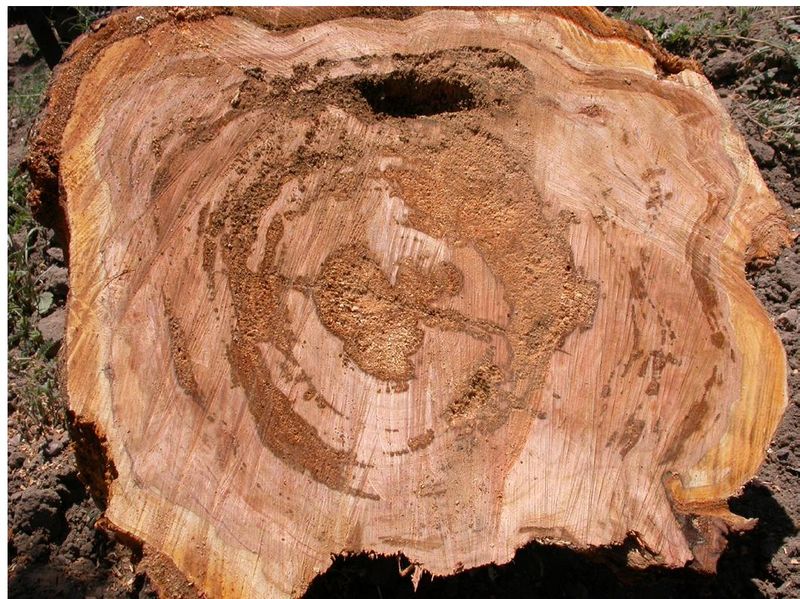
According to UC IPM, the larvae chew and bore into roots and then pupate in the soil. All that action happens underground, so there may be no bark damage or emergence holes above ground at all.
The trunk can look perfectly normal while roots below are riddled with tunnels. That disconnect makes diagnosis tricky.
Adults dig their way up through the soil when they emerge. Holes in the ground near a tree’s base in summer can be a clue, though they’re easy to confuse with holes from rodents, wasps, or other critters.
Without careful digging, it’s hard to be certain. That sneaky habit explains why this pest so often gets overlooked.
Homeowners might blame a heat wave, the sprinklers, or a neighbor’s construction project. Meanwhile, the real cause stays hidden in the root zone, quite literally rooted out of sight.
Confirming root borers usually means exposing roots and looking for large tunnels or the big white grubs themselves. That work can damage a tree if done carelessly.
Deep digging is best left to a certified arborist who knows how to inspect roots safely. A trained eye can also rule out other causes, so the wrong problem doesn’t get treated.
Stressed Trees Face The Most Risk
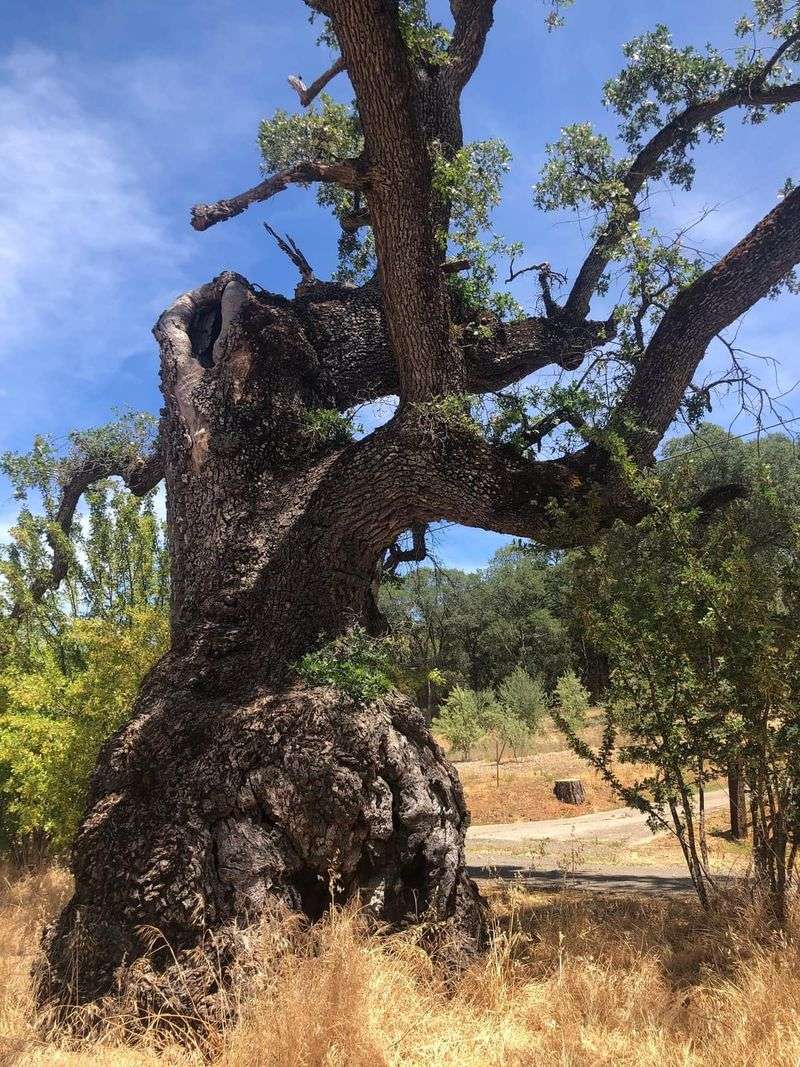
Trees respond to pests a lot like people respond to a cold. A healthy one can shrug off small problems, while a run-down one gets knocked flat, and California root borer often follows that same pattern.
UC IPM groups California prionus with borers that turn up on stressed or declining oaks and other woody plants. In other words, the beetle frequently appears on trees that were already struggling.
Drought, root injury, poor drainage, and old age can all set the stage. Home landscapes create plenty of these stresses without anyone noticing.
Long dry spells without deep watering take a toll. Soil packed down by cars, foot traffic, or heavy equipment also limits root health.
Roots cut during trenching, patio building, or pool installation lose valuable capacity. Lawn sprinklers soaking the base of drought-adapted native oaks add yet another layer of stress.
Soil type may play a part, too, though the evidence is limited. Utah State University specialists observed that infestations seemed more common in sandy soils.
That’s a regional observation rather than a proven rule for California. Sandy ground may simply make larval movement easier, but local conditions vary a lot.
A native beetle living nearby can’t be changed, but a tree’s appeal to it can. Healthy roots, steady watering, and protected soil give trees a much better chance to stand their ground.