The Texas Native Plants That Are Perfect For Fall Planting
Texas gardeners have a saying: “Fall is for planting.” Once you’ve tried it, it’s easy to see why.
Spring planting may feel natural, but it comes with a tight deadline. Young plants barely have time to settle in before summer heat arrives and starts testing their limits. Fall gives them a much bigger head start.
With cooler air, warm soil, and the occasional rain shower, roots can spread out and grow strong for months before next summer rolls around.
Native plants make the most of that advantage. They’re already built for Texas weather, from scorching droughts to surprise freezes. Many also need less water and less care once they’re established, and they bring in butterflies, bees, and birds.
Put them in the ground now, and next year’s garden will thank you. Some natives are especially well suited for a fall start.
1. Texas Bluebonnet
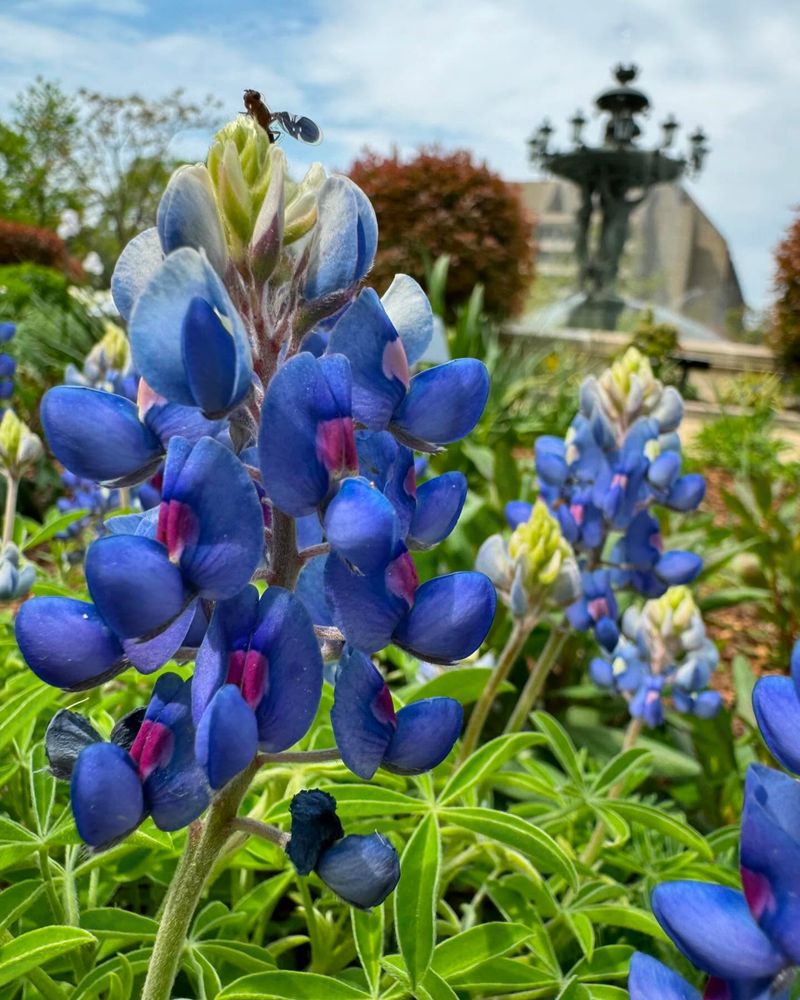
Ask any Texan about spring, and bluebonnets will probably come up first. Our state flower turns roadsides and fields into seas of blue every March and April. The secret to those amazing displays starts months earlier, in the fall.
Bluebonnets are annuals, which means they grow from seed each year. The best time to sow seeds is from September through November. Seeds planted then can sprout during cool fall rains.
Over winter, the small plants form flat rosettes of leaves close to the ground. They quietly build strong roots while the weather is cold.
When spring arrives, those roots pay off. The plants shoot up tall flower spikes topped with white tips. Fun fact: the white tip turns reddish purple after a bee visits, signaling that the flower has been pollinated.
Choosing the right spot matters a lot. Bluebonnets need full sun for at least six to eight hours each day.
They also need soil that drains well, because soggy ground causes their roots to rot. Rocky or sandy soil works great, so skip the rich compost.
Look for scarified seed when you shop. Bluebonnet seeds have a very hard outer coat, and scarifying scratches that coat so water can get in.
Scarified seeds sprout faster and more evenly than untreated ones. You can also soak plain seeds overnight or rub them gently with sandpaper.
Press seeds lightly into bare soil instead of burying them deep. Water them in, then let nature handle most of the work.
After blooming, let the plants go to seed before mowing. That way, your patch can return bigger and bluer every year.
2. Texas Redbud
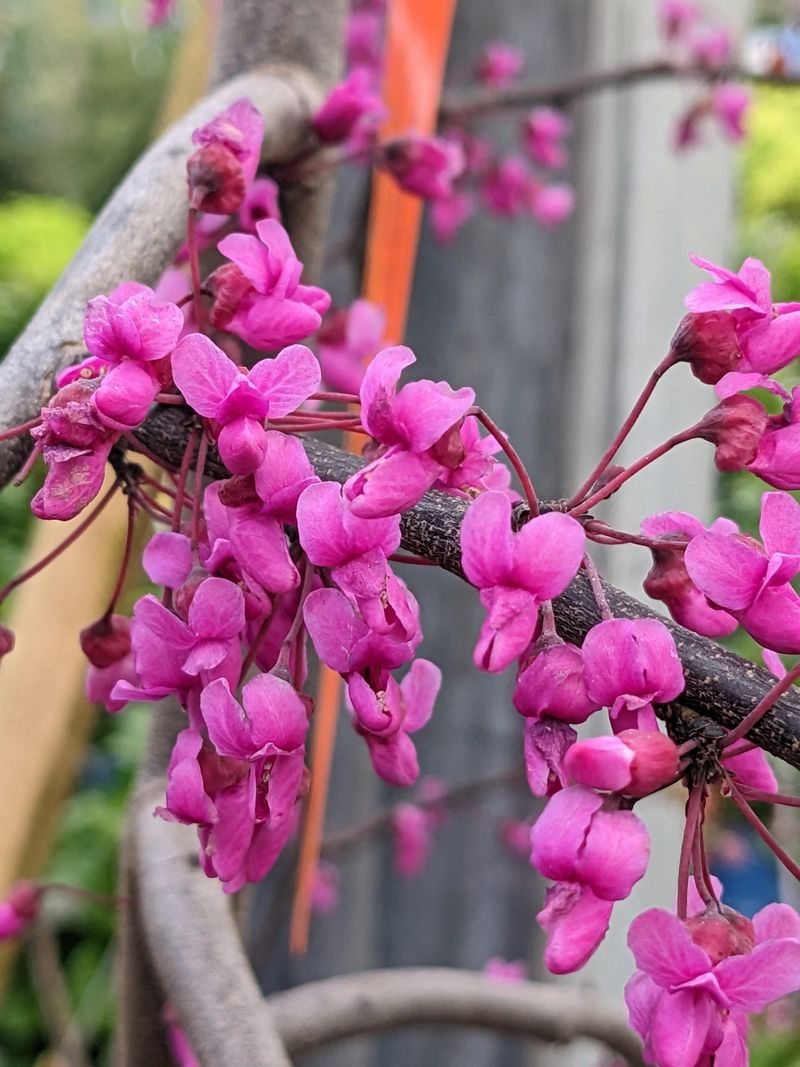
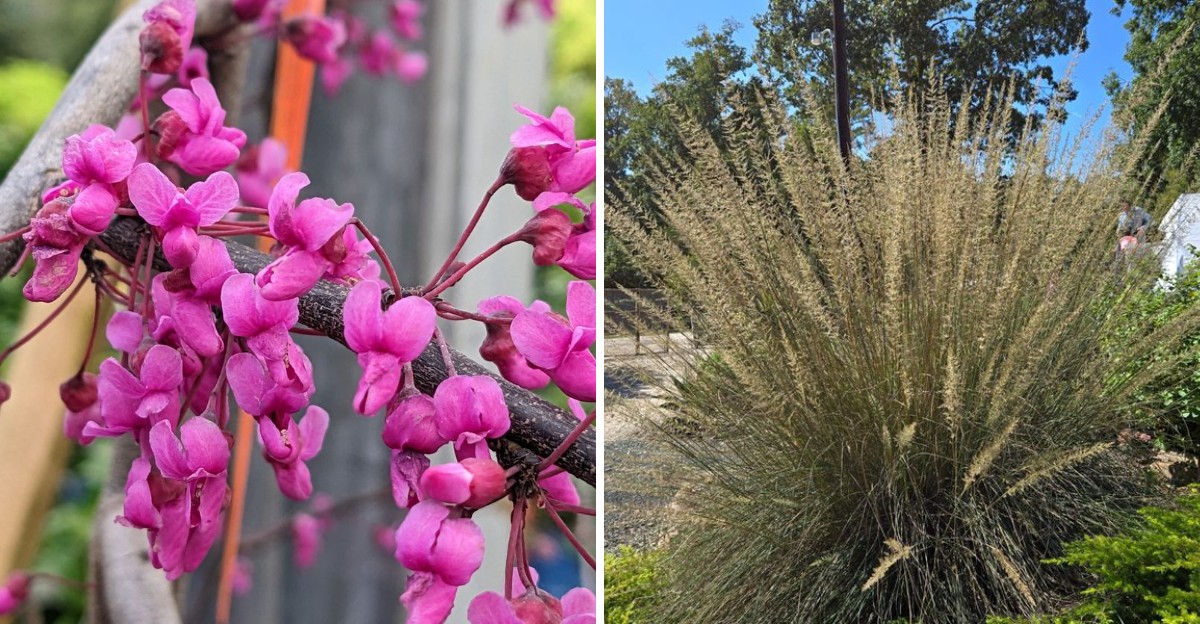
Some trees wait politely for spring. The Texas redbud does not. Long before most trees wake up, its bare branches burst into clouds of magenta-pink blossoms that stop people on the sidewalk.
Fall is the perfect time to plant one. Cooler temperatures mean the tree spends less energy fighting heat. Instead, it can focus on spreading roots deep into the soil.
By the time summer rolls around, your redbud will be much better prepared to handle the scorching days.
The Texas redbud is a small tree, usually growing about 15 to 20 feet tall. That size makes it a great choice for smaller yards, patios, or spots near the house. It will not take over your whole yard like a giant oak might.
Your Texas Garden Changes Every Week. Your Plan Should Too.
Gardening in Texas changes quickly throughout the season. Every Friday you’ll receive a simple weekly plan showing exactly what to plant, prune, fertilize, harvest, and protect so you never miss the right timing.
After the flowers fade, glossy, heart-shaped leaves appear. Those shiny leaves are special. They have a waxy coating that helps the tree hold on to water.
That feature makes the Texas variety tougher in heat and drought than redbuds from the eastern United States.
Here are a few planting tips to keep in mind. Dig a hole about twice as wide as the root ball but no deeper.
Set the tree so the top of the root ball sits level with the ground. Fill the hole with native soil and water slowly and deeply.
Add a ring of mulch around the base, keeping it a few inches from the trunk. Water once a week during the first year if rain is scarce.
Bees will thank you each spring, since redbud flowers are one of their earliest food sources of the season.
3. American Beautyberry
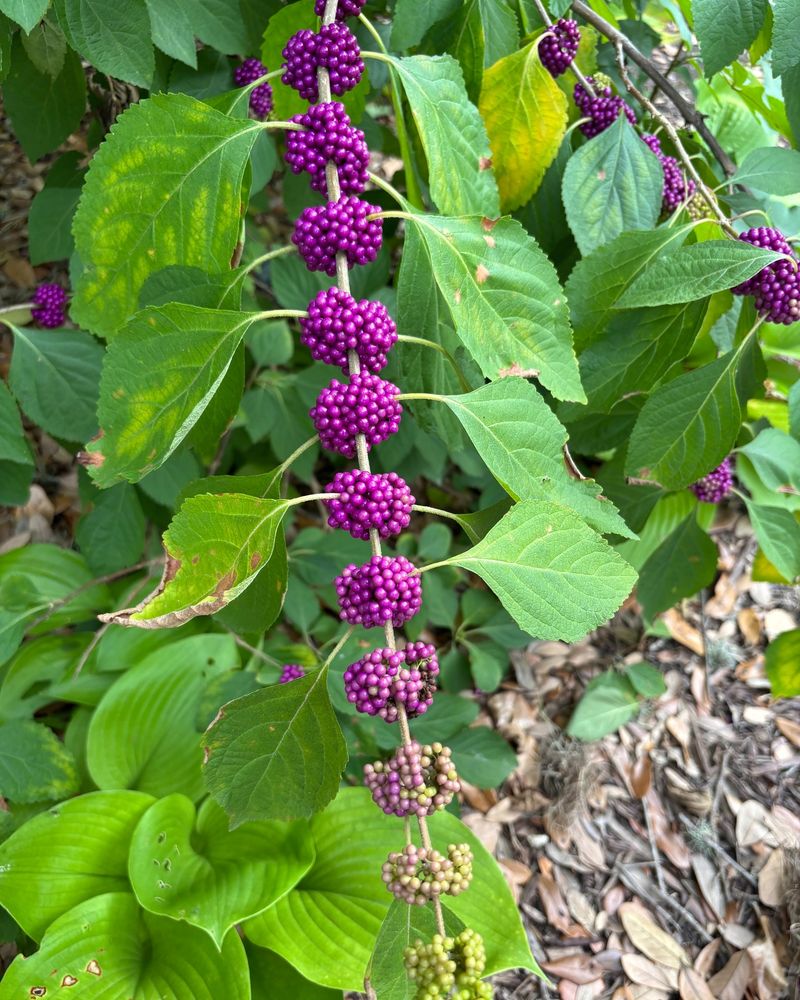
Bright purple berries look almost fake at first glance. People often stop and ask if someone painted them. Nope, that is just American beautyberry showing off, and it is completely natural.
Beautyberry is a native shrub that grows about four to six feet tall and wide. Its long, arching branches give it a relaxed, woodsy look. In late summer and fall, tight clusters of berries wrap around the stems like purple beads on a necklace.
Birds go crazy for those berries. Mockingbirds, cardinals, robins, and brown thrashers all stop by for a snack. Deer sometimes nibble the leaves too, so keep that in mind if they roam your neighborhood.
Planting in fall helps beautyberry settle in quickly. The shrub grows roots fast during cool months.
It does especially well in part shade, like the space under tall trees where grass struggles. It can handle full sun, but it will need extra water in summer if you plant it there.
Care is simple. Water regularly during the first year to help roots spread. After that, the plant can handle dry spells pretty well.
In late winter, you can cut the stems back to about a foot tall. That might sound harsh, but beautyberry blooms and fruits on new growth, so pruning gives you more berries.
Here is a fun bit of history. Some old-time farmers crushed the leaves and rubbed them on their skin to keep bugs away.
Scientists later found compounds in the leaves that really do repel mosquitoes. Pretty and useful is a great combination for any yard.
4. Turk’s Cap
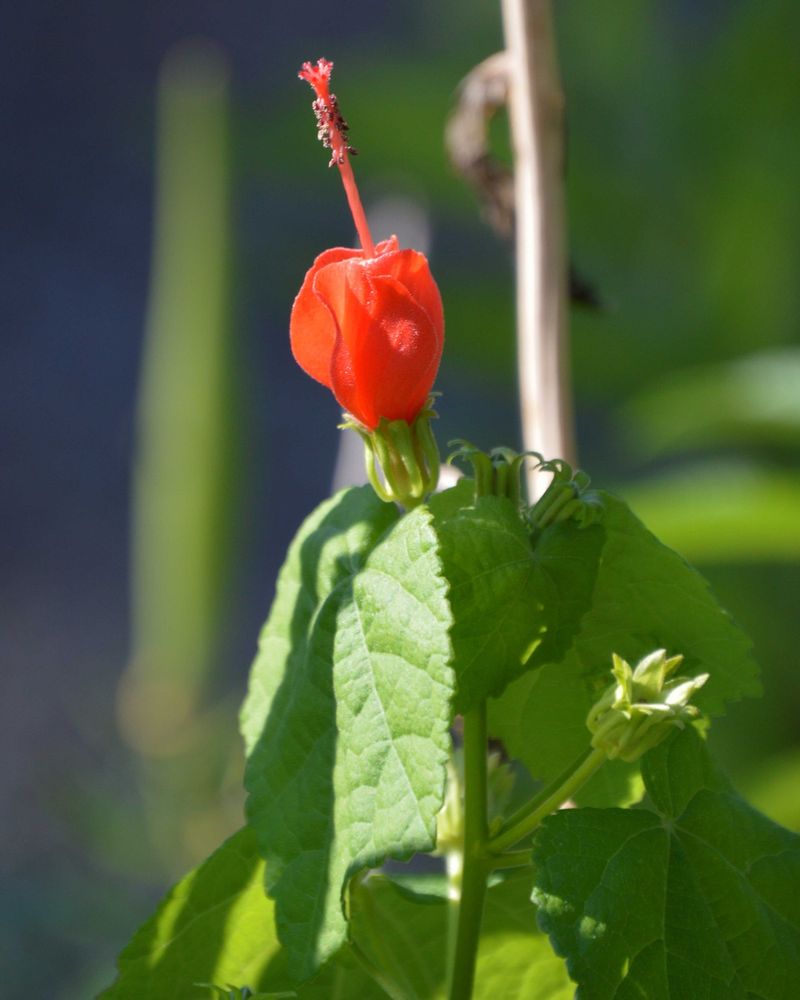
If plants could win awards for toughness, Turk’s cap would need a trophy case. It grows in sun or shade. It handles clay, sand, and rocky soil. It shrugs off heat that makes other plants droop.
The name comes from its flowers. Each red bloom has petals that stay twisted together, forming a swirl that looks like a little turban. The flowers never fully open, which gives them a cute, unique shape.
Hummingbirds absolutely love Turk’s cap. The long, narrow flowers fit their beaks perfectly. Butterflies stop by too.
Later, small red fruits appear that look like tiny apples. Birds eat them, and people can too, since they taste a bit like a mild, mealy apple.
Why plant it in fall? Getting it in the ground now gives roots a head start. By next summer, it will be ready to bloom from early summer through late fall. A spring planting usually means a slower first year.
Turk’s cap typically grows three to five feet tall and spreads wide. Give it room to fill in. It works well along fences, under trees, or in those tricky spots where nothing else seems happy.
Care is easy. Water it weekly through its first summer. Once established, it can handle drought like a champ.
After the first hard freeze, the top may turn brown. Just cut the stems down to a few inches above the ground in late winter.
Fresh growth will pop up in spring, often fuller than before. Before long, you will have a hummingbird hangout right outside your window.
5. Inland Sea Oats
Shady yards can be frustrating. Grass gets thin, flowers refuse to bloom, and bare dirt takes over. Inland sea oats are a friendly fix for that problem.
Inland sea oats are a native grass that actually prefers shade. They grow in clumps about two to three feet tall.
Their wide, bright green leaves look a lot like small bamboo. In a dark corner, that fresh green color really lights things up.
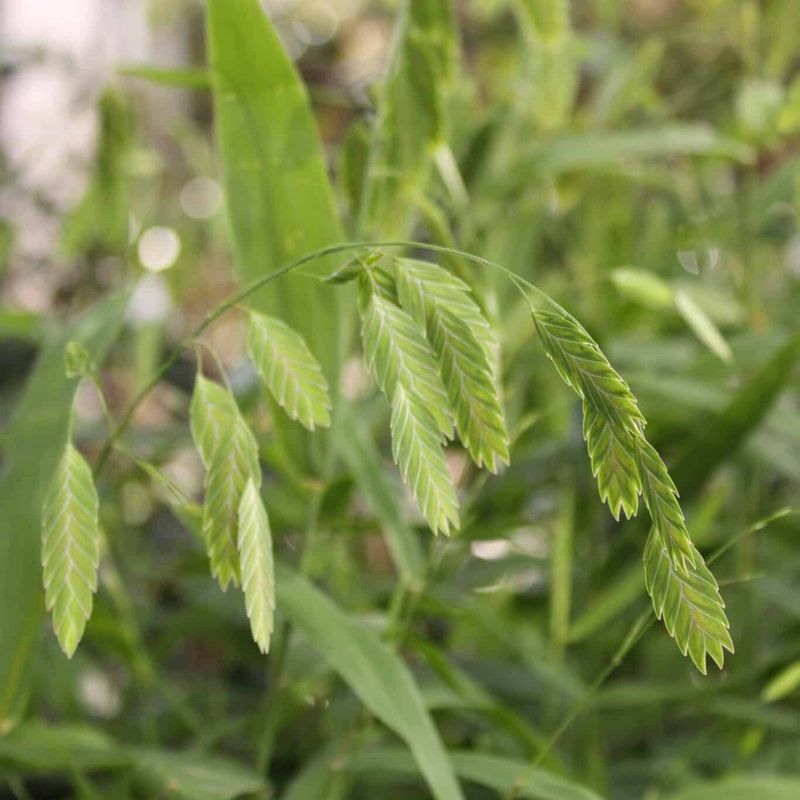
The seed heads are the real stars. They are flat and hang from thin stems like little fish or tiny lanterns. Even a soft breeze makes them sway and flutter. Kids often love touching them because they feel papery and light.
As fall arrives, the seed heads turn from green to a warm tan color. They stay on the plant well into winter. Many gardeners cut a few stems to use in dried flower arrangements indoors.
Fall planting helps sea oats grow strong roots before spring. Plant them under trees, along shady paths, or near a creek bed. They also help hold soil in place on slopes, which can reduce erosion during heavy rains.
Do keep one thing in mind. Inland sea oats spread by dropping lots of seeds. If you want to keep them tidy, trim the seed heads before they fully drop. If you want a natural, filled-in look, let them spread freely.
Care is very low. Water during the first few months and in long droughts. In late winter, cut the clumps back to a few inches tall. New green shoots will appear in spring, ready for another season of swaying.
6. Lindheimer’s Muhly
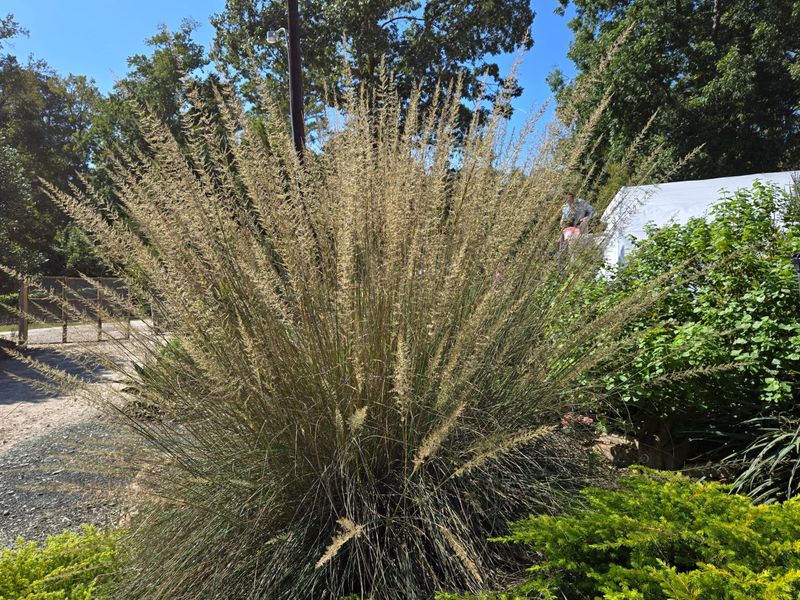
Central Texas has its own homegrown ornamental grass, and it is a real showstopper. Lindheimer’s muhly was named after Ferdinand Lindheimer, a German botanist who explored Texas plants in the 1800s. He is often called the father of Texas botany.
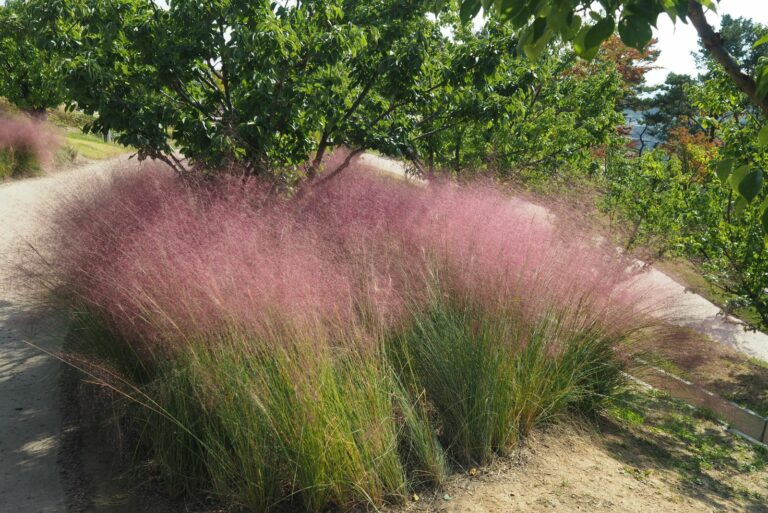
Picture a fountain of blue-green leaves about three to five feet tall and just as wide. That is Lindheimer’s muhly for most of the year.
Then fall comes, and tall silvery plumes rise above the leaves. When late afternoon sun shines through them, they practically glow.
Many people plant pampas grass for a similar look. Pampas grass is not native, though, and it can get huge with razor-sharp leaves.
Lindheimer’s muhly gives you that same bold, feathery style without the hassle. It is a smarter, friendlier choice for Texas yards.
Fall is a great season to plant it. Cooler weather lets the roots stretch deep. Once those roots are settled, usually after one year, the grass becomes extremely drought tolerant. It can go weeks without water during summer.
Pick a spot with full sun or light shade. Good drainage is a must, so rocky or sloped areas are ideal. Space plants about four feet apart because they get wide.
Maintenance is minimal. Water weekly for the first several months. In late winter, trim the clump back to about six inches tall to clear away old growth. Fresh leaves will fill in quickly.
Use it as a living screen, a border, or a single focal point. Small birds may even hide in its thick leaves during winter.
7. Cedar Sage
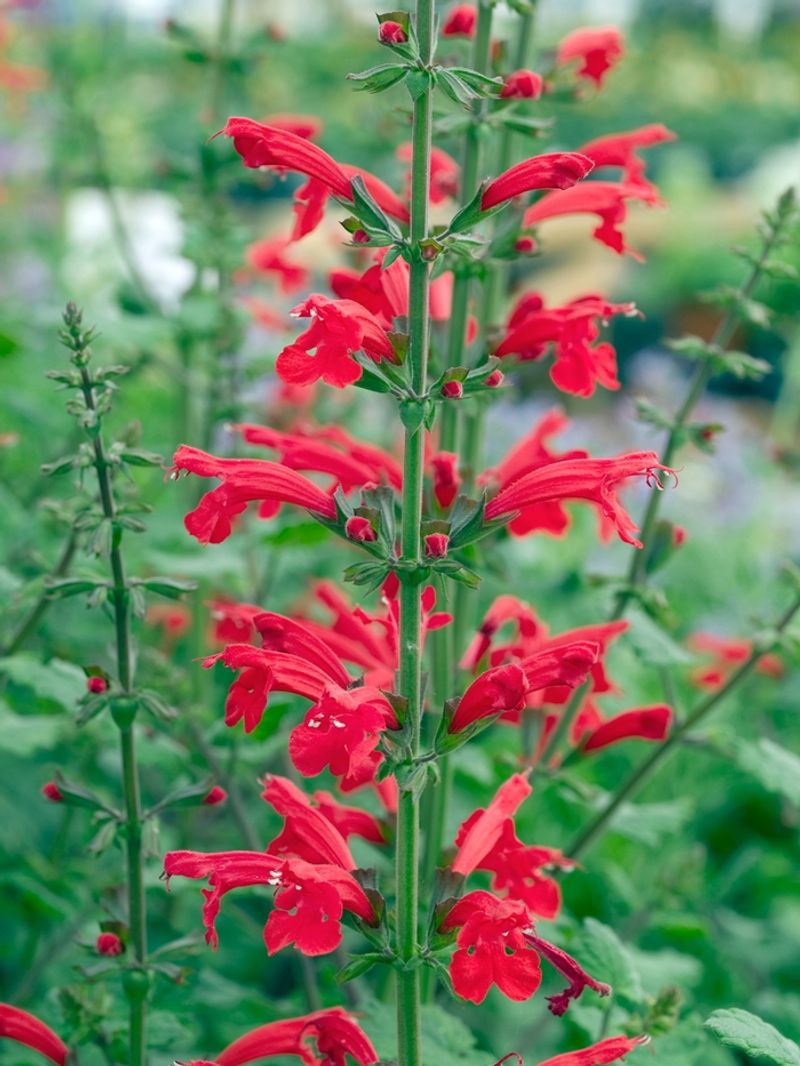
Dry shade is one of the hardest places to garden. Big trees soak up water and block sunlight, leaving the ground below dusty and bare. Cedar sage happens to love exactly that kind of spot.
Cedar sage is a small native perennial. It grows only about one foot tall, forming neat mounds of soft, fuzzy green leaves.
In the wild, it often grows under juniper trees in the Texas Hill Country. Locals call those junipers cedars, which is how the plant got its name.
Each spring, slender stems rise above the leaves. They hold bright red, tube-shaped flowers. Hummingbirds zip in to sip nectar, and the show can last for several weeks. In mild years, you might even see a few blooms again in fall.
Planting in fall works beautifully for cedar sage. The cooler months give roots time to spread before the next spring bloom. A fall planting usually means a stronger, fuller flower display than a spring one.
Choose a spot with shade or part shade and well-drained soil. Avoid heavy, wet clay, since soggy roots cause trouble. A layer of leaf mulch helps keep the soil cool and mimics its natural forest home.
Watering needs are small. Give young plants a drink every week or so until they settle in. After that, cedar sage handles dry spells with ease. Too much water is actually a bigger risk than too little.
Group several plants together for a bolder splash of red. Cedar sage also reseeds gently, so new little plants may appear nearby. Think of them as free gifts from your garden.