Huge Swirling Flocks Over Missouri Fields At Dusk Are Blackbirds Gathering For Winter
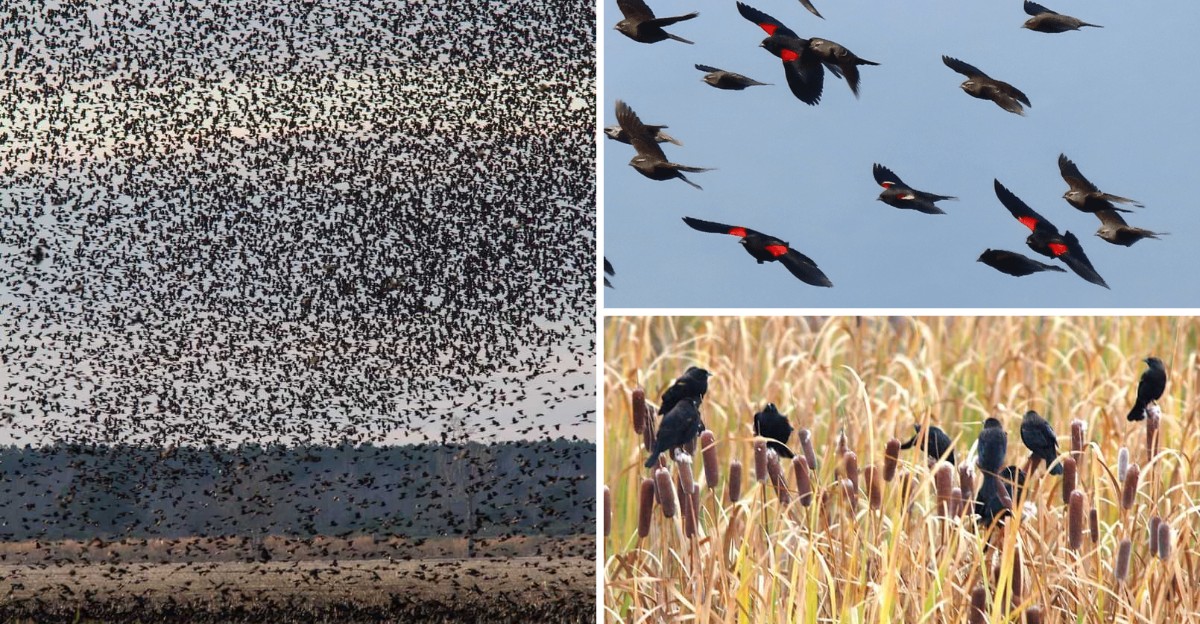
Picture a Missouri sunset where the sky fills with a dark ribbon that twists, folds, and pours sideways. Then you notice the ribbon is chirping, and thousands of wings are beating above the cornstalks.
The sound arrives first, a rushing whisper like someone shaking a giant bag of dry leaves. Your dog stares upward, your coffee cools, and the whole cloud tilts like it heard gossip.
Drivers along rural Missouri highways sometimes pull over just to watch this strange, swirling evening dance. Farmers shrug because they have seen it before, yet even they sneak a quick look upward.
No one announces a start time, yet the crowd overhead seems to know just where to go tonight. The flock moves with such smooth timing that a marching band might quietly ask for lessons.
A Giant Sleepover Before The Cold Arrives
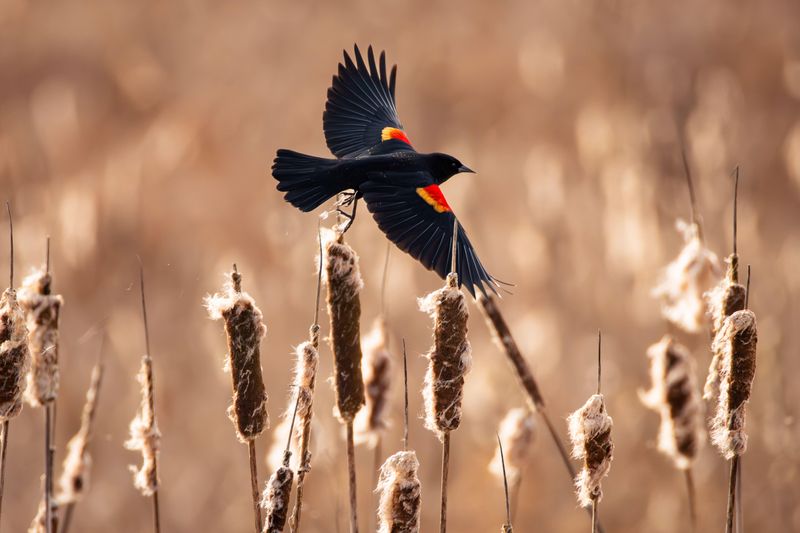
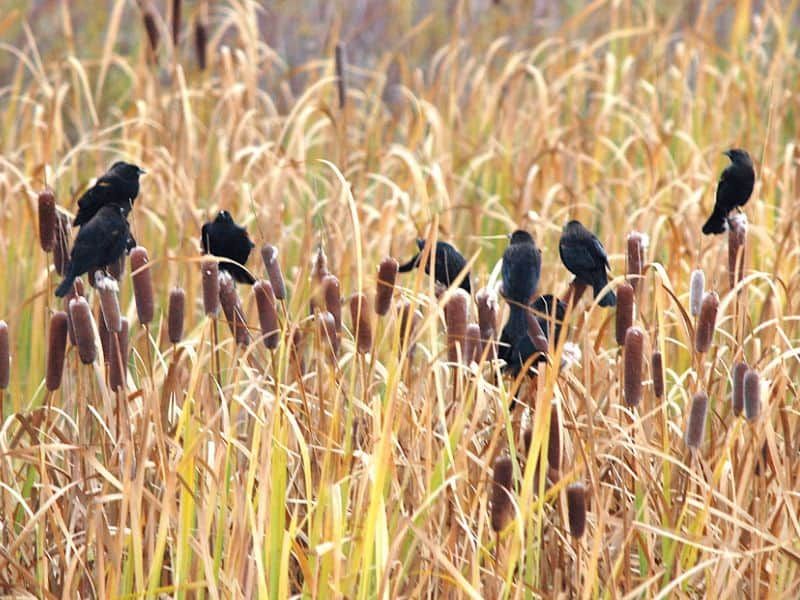
Those dark, shifting clouds are mostly blackbirds, gathering into huge groups called roosts as cooler weather settles in. Red-winged blackbirds, common grackles, brown-headed cowbirds, and European starlings often join together in one noisy crowd.
Starlings are not true blackbirds, but they love company and happily tag along with their glossy cousins. Scientists call these mixed gatherings communal roosts, and some in the Midwest hold over a million birds.
During the day, small groups scatter across Missouri fields to search for leftover corn, weed seeds, and insects. At dusk, they stream back toward a shared nighttime spot, often a wetland, cedar grove, or cattail marsh.
Sleeping in a big crowd offers safety, since a hawk has trouble picking one bird out of thousands. Packed branches also hold a little extra warmth on chilly nights, which helps small bodies save energy.
Some researchers think roosts work like information centers, where hungry birds follow well-fed neighbors to better food. It sounds a bit like asking a friend where the best lunch spot is, only with feathers.
Spotting the difference between species takes practice, but a pair of binoculars makes the job much easier. Look for red shoulder patches on males, long keel-shaped tails on grackles, and speckled feathers on starlings.
So when the sky starts swirling this fall, you are watching a survival strategy these birds have relied on for a very long time. Grab a jacket, find an open field edge, and give the birds about twenty minutes of your attention.
The Science Behind Swirling Sky Shapes
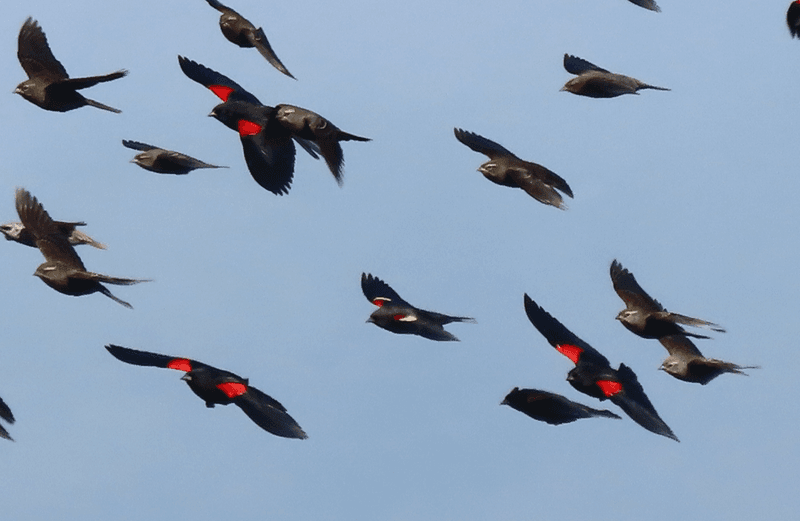
Imagine trying to fly inches from thousands of neighbors without a single bump, all while moving at top speed. Starlings pull off this trick often, and blackbirds sometimes join in, creating the rolling, ribbon-like shapes people call murmurations.
Italian scientists studying starlings in Rome found that each bird tracks roughly seven of its closest neighbors. When one bird turns, nearby birds copy it, and the movement ripples through the flock like a wave.
That wave can sweep through the whole group in just a second or two, which looks almost like a ripple across water. No leader is giving orders, so the pattern grows from many tiny decisions made at the same moment.
Your Missouri Garden Changes Every Week. Your Plan Should Too.
Gardening in Missouri changes quickly throughout the season. Every Friday you’ll receive a simple weekly plan showing exactly what to plant, prune, fertilize, harvest, and protect so you never miss the right timing.
Predators play a big part, because a falcon or hawk nearby often makes the swirling much more dramatic. Sudden twists and holes in the cloud confuse the hunter, making it tough to follow one bird.
Weather matters too, and calm, clear evenings in early fall often produce the most impressive displays over Missouri. Strong wind or heavy rain usually sends the birds straight to the roost with far less showing off.
Fun fact time: the word murmuration comes from the soft, murmuring sound thousands of wings make together. Stand close to a big flock, and you can hear a soft rustle rolling across the sky.
Next time you watch, try picking out a single bird and following it as the cloud bends. You will probably lose it within seconds, which proves just how tightly packed and coordinated the group is.
Early October Timing Over Missouri Fields
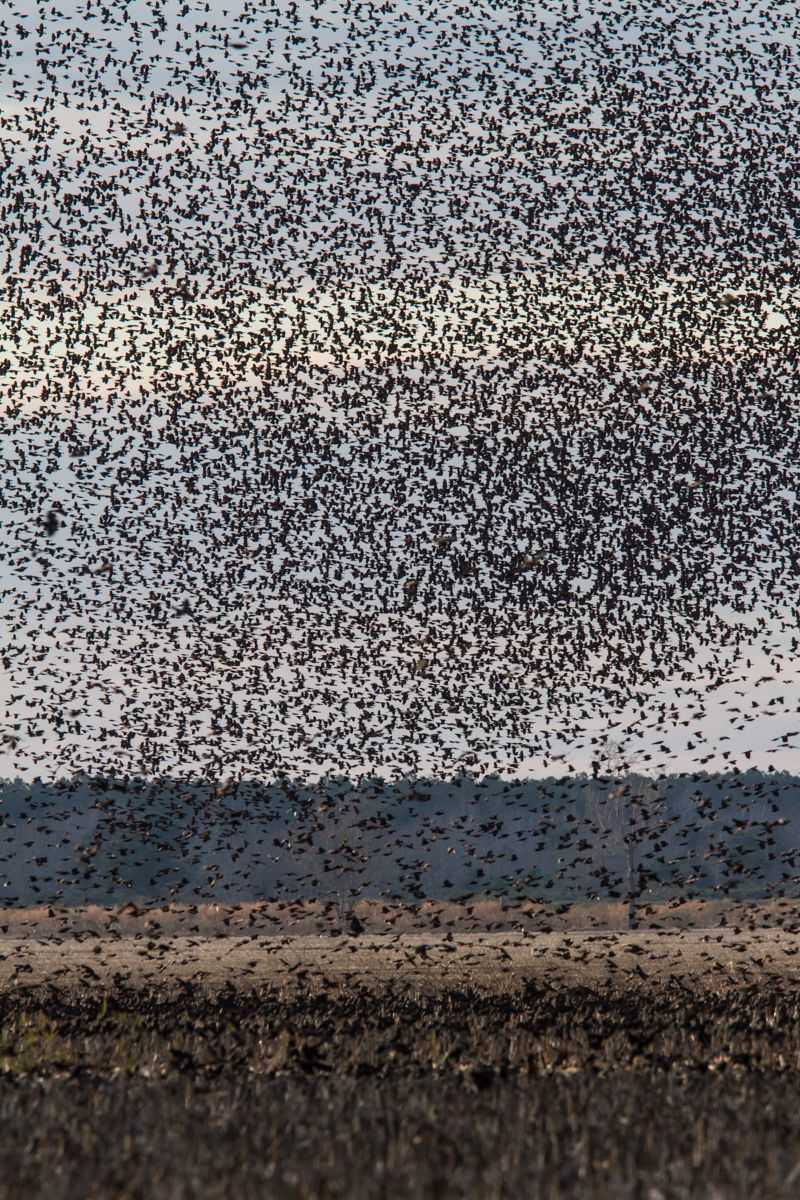
Every autumn feels a little different, yet the blackbird gatherings arrive on a fairly steady schedule each year. Late September into October is when roosts start swelling as northern birds drift south into the state.
Many red-winged blackbirds that nested in Minnesota or Wisconsin pass through Missouri or settle here for winter. Local birds that raised chicks in summer marshes join them, so numbers can grow quickly.
Harvest season plays a huge role, since combines rolling through corn and soybean fields leave tasty scraps behind. Spilled kernels are an easy meal, and the birds quickly find the fields that were cut first.
Timing during the day matters as well, because the best action usually happens within thirty minutes of sunset. In early October, Missouri sunsets land close to seven in the evening, so arrive around six thirty.
Lines of birds often appear first, flowing low over the fields like dark ribbons heading toward the roost. Those streams are your signal to look up, because the main swirling show is about to begin.
Older farmers sometimes say they can predict the first hard frost by when the big flocks show up. Science has not confirmed that idea, but it makes for a fun story around the kitchen table.
Roosts usually stay active through winter, reaching their biggest size between November and February in many areas. Early fall gives you a front-row seat to the buildup, before the coldest weather keeps most people indoors.
A Common Mistake Near Crop Fields
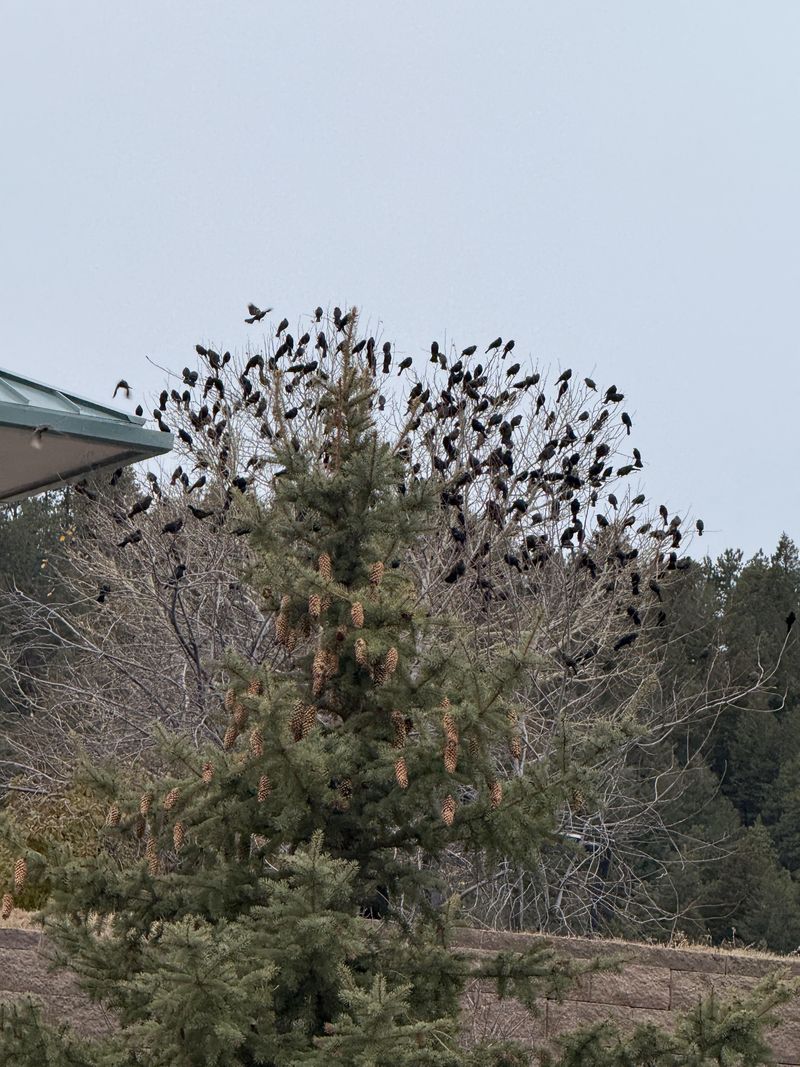
Picture a frustrated farmer banging pots at sunset, only to watch the birds circle once and land again. Waiting too long before trying to move a roost is one of the most common mistakes people make.
Once thousands of birds settle into a favorite grove, they grow attached and become stubborn about leaving it. Experts with the Missouri Department of Conservation suggest acting early, when the roost is still small and new.
Another slip is using the same scare tactic night after night, because birds learn quickly that it is harmless. A plastic owl that has not moved in weeks soon becomes just another perch with a funny face.
Some people also assume the birds are only pests, which overlooks the many insects they eat during warmer months. Red-winged blackbirds gobble up caterpillars and beetles that would otherwise munch on crops and garden plants.
Legal rules trip people up too, since red-winged blackbirds and grackles fall under federal migratory bird law, with only limited exceptions. Breaking those rules can lead to fines, so check with local wildlife officials before taking any action.
Starlings are a different story, because they are a non-native species and are not protected the same way. Still, mixed flocks make it tricky, so treating every bird in the roost carefully is the smart move.
Patience and timing beat noise and frustration in nearly every case involving these big feathered crowds. Start early, mix up your methods, and remember the birds are simply looking for a safe bed.
Smart Fixes For Crowded Roost Sites

Think of roost management like convincing a houseguest to leave, where gentle, steady hints work better than shouting. Landowners who mix several harmless methods often see the best results.
Start scare efforts about an hour before sunset, when the first birds arrive, and keep them going until dark. Bright lights, recorded alarm calls, and noisemakers work best when rotated so the birds cannot get comfortable.
Shiny reflective tape tied to branches flutters and flashes in the evening light, which many birds find unsettling. Move the tape and other scare devices every few days so the flock does not figure out the trick.
Thinning a dense grove of trees can also help, since blackbirds prefer thick cover that blocks wind and predators. Trimming back some of the inner branches can make the spot feel less cozy to the flock.
Around barns and feedlots, covering grain bins and cleaning up spilled feed removes the free buffet that attracts crowds. Bird netting over small storage areas works well, especially when birds keep sneaking inside during cold snaps.
Neighbors working together get better results, because a roost chased from one yard may simply settle next door. A quick chat over the fence can turn a frustrating problem into a shared weekend project.
For tough cases, the USDA Wildlife Services office in Missouri offers advice and can visit large problem roosts. Calling them early saves time, money, and plenty of late evenings spent waving flashlights at the treetops.
Healthy Habitat For Future Fall Gatherings
Long after the last bird lands each night, the roost leaves behind clues about how the season is going. Thick layers of droppings under trees can build up quickly, and they deserve some careful attention.
Old roost soil can carry fungal spores that float up as dust when disturbed. Wetting the ground before cleanup and wearing a fitted N95 respirator helps keep that dust out of your lungs.
Keeping roosts away from homes starts with planning, especially when planting new windbreaks or rows of evergreen trees. Spacing trees farther apart creates fewer cozy pockets, so flocks may choose a wilder spot down the road.
At the same time, protecting wetlands and cattail marshes gives the birds better places to sleep away from people. Large refuges like Loess Bluffs National Wildlife Refuge in northwest Missouri show how much space a protected wetland can offer.
Birdwatchers can help too by reporting big roosts to eBird during the fall and winter. Those reports help scientists track how blackbird numbers shift, since some species have shown long-term decline.
Rusty blackbirds, a quieter cousin, have dropped sharply in number over recent decades, and researchers are still investigating why. Spotting one in a Missouri flock this fall would be a real treat worth sharing with local birders.
With smart planning, people and blackbirds can share the land, each enjoying the fields in their own way. Keep a little wild space nearby, and the evening sky show will likely return for many autumns ahead.