Before You Plant A Florida Sea Grape, Know How Wide It Really Spreads
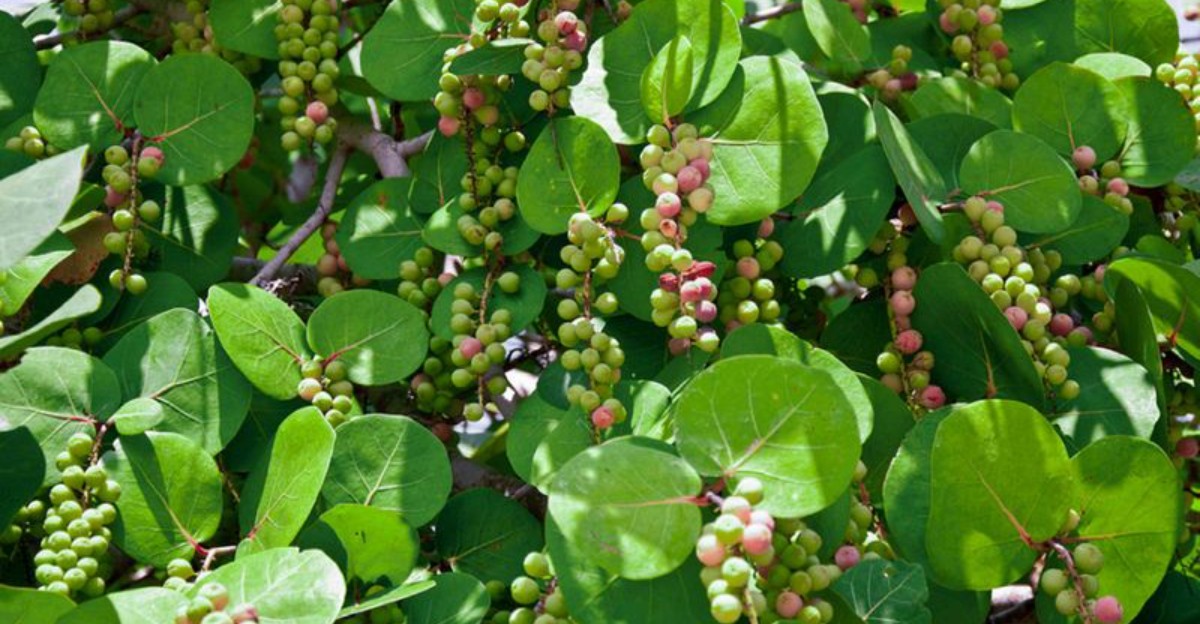
That cute little sea grape in the nursery pot has a plan, and your whole yard is in it.
Florida’s coastal favorite looks tame at the garden center. Give it a few seasons and it blows past the size on the tag.
Fences, walkways, and the neighbor’s side of the property line all become fair game.
Plenty of homeowners learn this the hard way. They plant it close to the house, then lose years to a pruning saw and a sore back.
The final spread runs bigger than most people guess. Measure your space twice before you buy, because this shrub never read the fine print on your lot size.
1. Sea Grape Can Spread 20 To 30 Feet
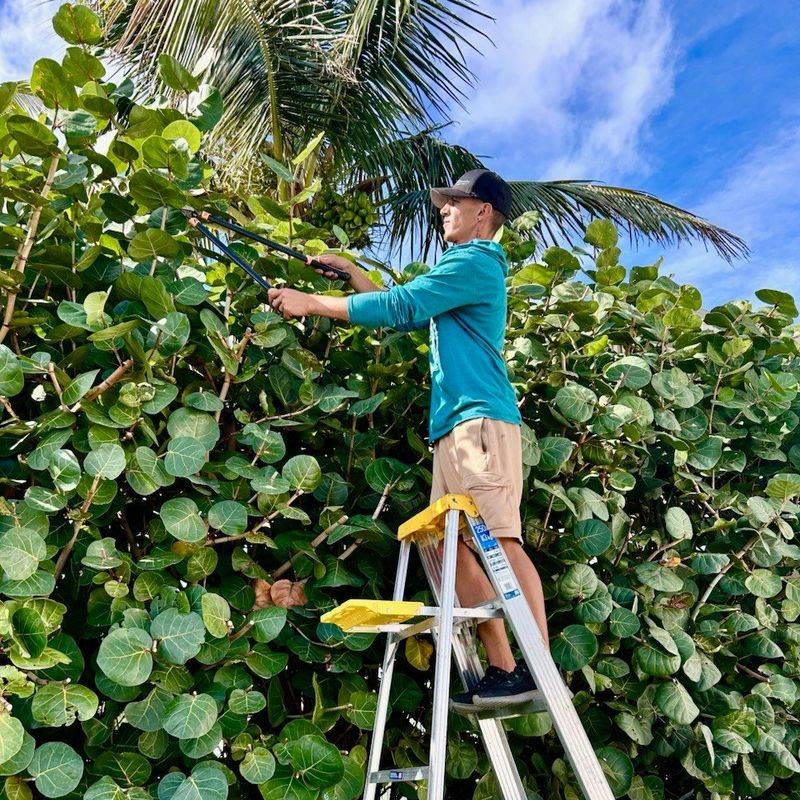
Grab a tape measure and walk 30 feet across your yard. That is roughly how wide a mature Florida sea grape can get when it has plenty of room to stretch out.
Most grown plants form a crown between 20 and 30 feet across. Some sources list a wider range of 6 to 30 feet, because climate, wind, and pruning all shape the final size.
The plant simply likes to sprawl, sending its branches outward like open arms. Each branch carries leathery leaves that can reach 8 inches wide, so the canopy feels thick and heavy.
So how should you plan for all that width? A good rule is to plant the trunk at least 10 to 15 feet away from your house, walkway, or pool deck.
That spacing gives half the spread room on each side without rubbing against walls. It also keeps fallen leaves from piling up in gutters, on your car, and across your patio.
If your yard is small, you still have some choices. Regular pruning can keep a sea grape at hedge size, though it takes steady work every year.
Think of it like adopting a puppy that grows into a very big dog. Plan for the adult size right now, and you will both be much happier later on.
2. Some Plants Grow Even Wider
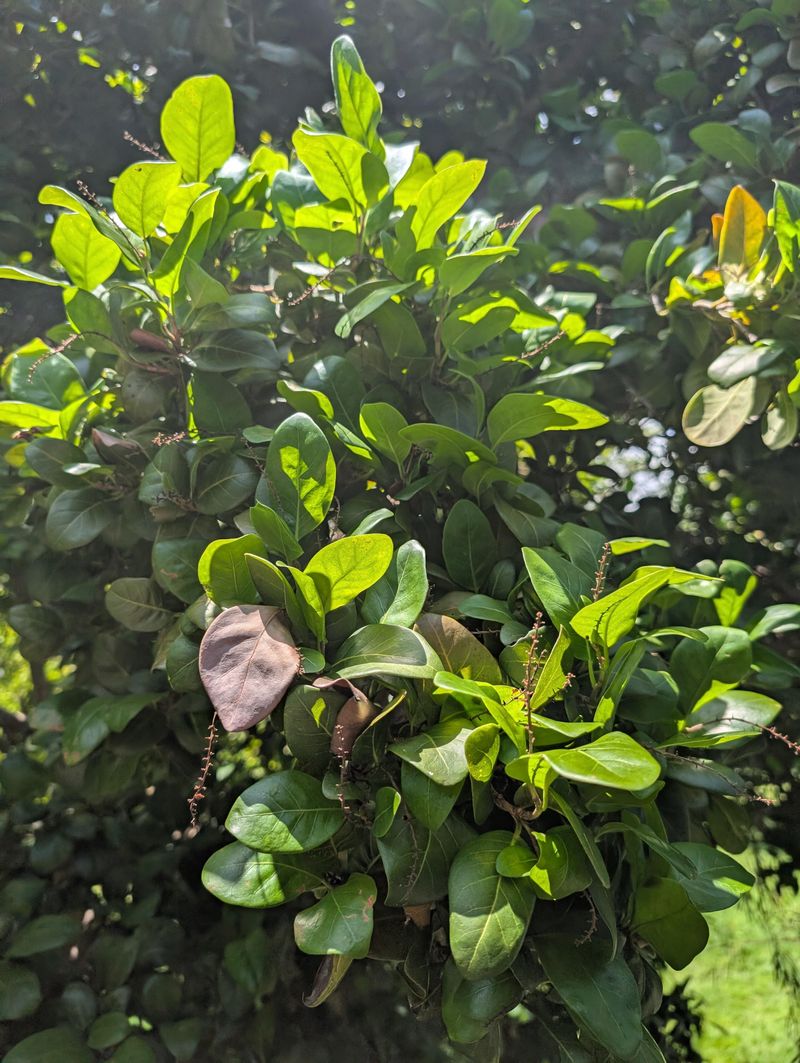
Every family has that one cousin who keeps growing long after everyone else stops. Sea grapes have their own version, and it can stretch past the usual numbers.
While 20 to 30 feet is the common spread, some plants push to the top of that range. A few have been noted reaching around 35 feet wide, which is wider than many single-family homes.
What makes one plant bigger than another? Rich soil, steady rain, warm winters, and zero pruning can all help a sea grape go supersized.
The branches act like long reaching arms, bending low and stretching sideways. On older plants, those arms can even rest on the ground and keep traveling outward.
Here is a fun fact to share at your next cookout. The name comes from the clusters of purple fruit that hang like bunches of grapes, and people turn them into jelly.
For planning, it helps to picture the high end instead of the average. Mark a 35-foot circle with string or garden flags before you choose the planting spot.
Your Florida Garden Changes Every Week. Your Plan Should Too.
Gardening in Florida changes quickly throughout the season. Every Friday you’ll receive a simple weekly plan showing exactly what to plant, prune, fertilize, harvest, and protect so you never miss the right timing.
Look up as well as around while you measure. Power lines, roof edges, and sheds inside that circle could become problems in five or ten years.
A little extra caution now beats paying a crew to cut back a giant later.
3. Unpruned Trees Reach 35 To 50 Feet Tall
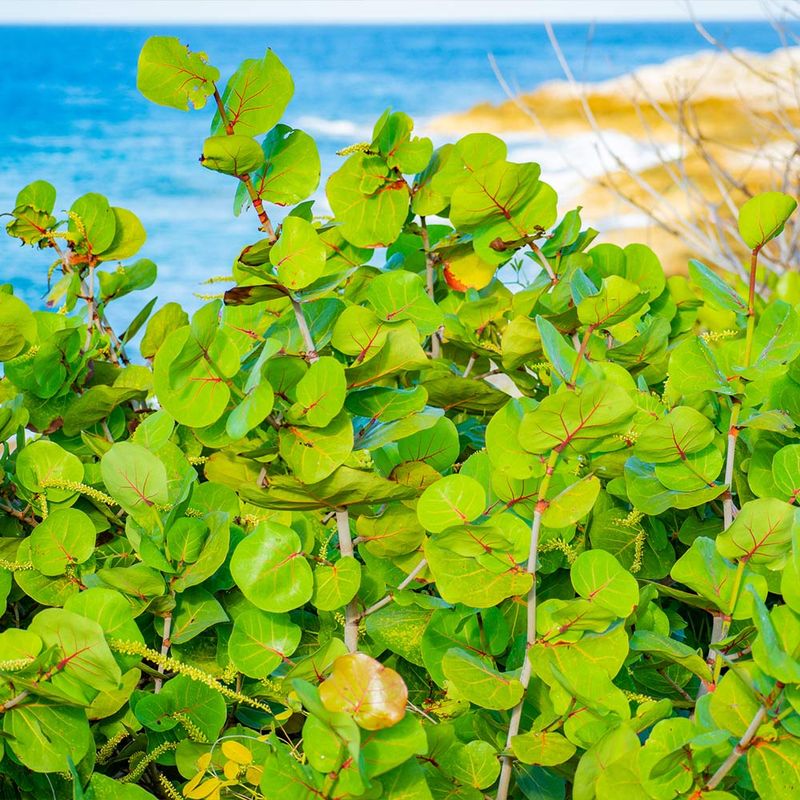
Imagine a four-story building made of round green leaves. That is the kind of height an unpruned sea grape can reach in the right spot.
Left to its own plans, a sea grape tree can climb 35 to 50 feet tall. Other observations put typical heights closer to 25 or 35 feet, so results vary a lot.
In prime conditions, the top limit sits around 50 feet. That usually happens in warm, protected places with good soil and plenty of time to grow.
Height matters for more reasons than shade alone. A tall tree near your house can drop heavy leaves on the roof and scrape shingles during storms.
Views can disappear too, and many homeowners treasure an ocean or lake view. A sea grape planted in front of a window might block that scene within a decade.
Here is a smart trick to try before planting. Stand where you want the tree, look up, and imagine something as tall as a telephone pole growing there.
If that picture makes you nervous, consider a spot farther from buildings. You could also commit to yearly trimming to hold the plant at a friendlier height.
Either way, deciding early saves you from a tall surprise down the road.
4. Left Alone, It Forms A Multi-Stemmed Vase Shape
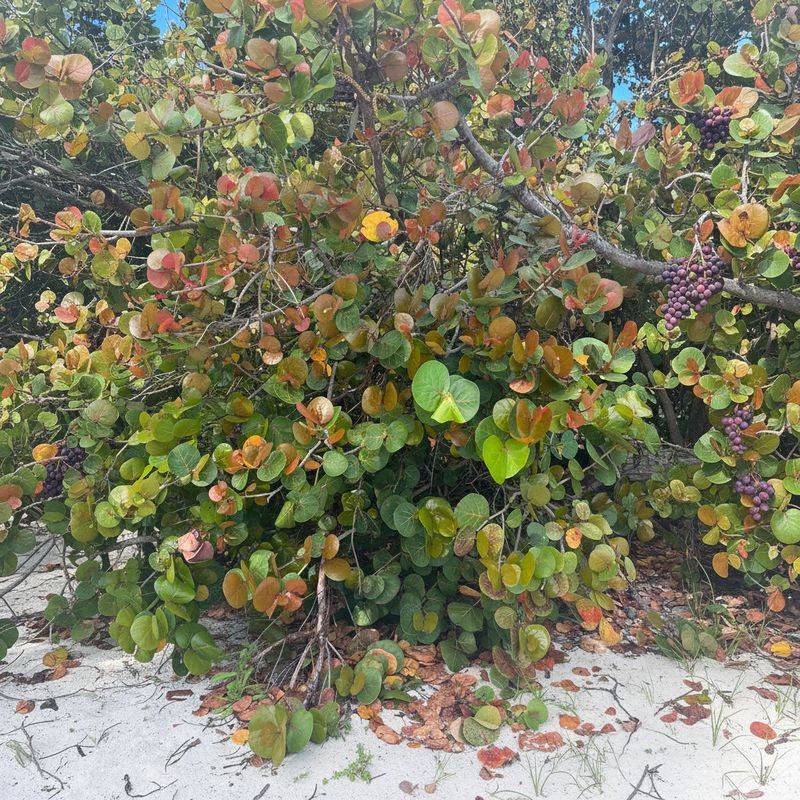
Some plants grow like pencils, straight and simple. Sea grapes grow more like a bouquet of flowers held in a vase.
When nobody prunes it, a sea grape usually sends up several stems from the base. Those stems lean outward as they rise, forming a wide crown that looks like an open vase.
This natural shape is a big reason the plant spreads so far. Each stem carries its own load of branches, and together they fill a huge circle of space.
Can you change that shape? Yes, with patience you can train a sea grape into a single trunk tree.
Start while the plant is young by choosing the strongest, straightest stem. Remove the competing stems slowly over a couple of seasons so the plant does not get stressed.
Keep trimming new shoots that pop up near the base, since the plant will try to go back to its bouquet style. Lower branches can also be removed over time to lift the canopy.
A single trunk tree takes up less ground space and lets you walk or park underneath. The multi-stemmed form, on the other hand, makes a fantastic privacy screen.
Pick the shape that fits your yard, then guide the plant toward it early.
5. It Stays Shrubby On Dunes But Grows Into A Tree Inland
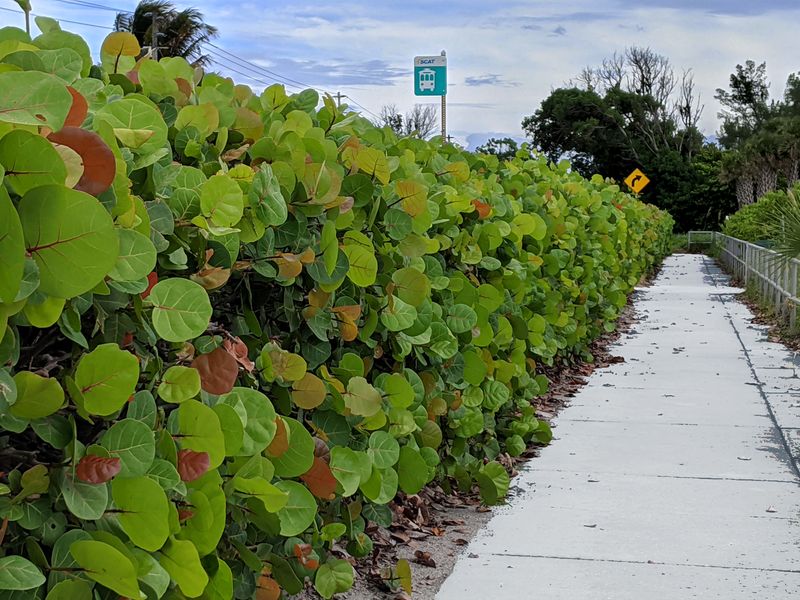
Walk along a Florida beach and you will spot low, tangled sea grapes hugging the dunes. Drive a few miles inland, and the very same plant may tower like a shade tree.
Location makes a huge difference in how this plant behaves. On dunes, constant wind, salt, and shifting sand keep it shorter, usually around 10 to 15 feet tall.
The harsh conditions act like a natural pair of pruning shears. Branches stay low and twisted, and the plant spreads out more than it reaches up.
Away from the shore, life gets much easier for a sea grape. With calmer air and better soil, it can grow into a true tree of 35 feet or more.
This matters a lot when you plan your yard. Homeowners who see small beach plants often expect the same size at home, then get a big surprise.
Ask yourself where your property sits on that scale. A beachfront lot might keep the plant shrubby, while a backyard in town gives it permission to grow huge.
You can also choose your style through pruning. Keep it trimmed as a hedge or shrub, or let it rise as a shady specimen tree if space allows.
6. Give It Full Sun And Sandy, Well-Drained Soil
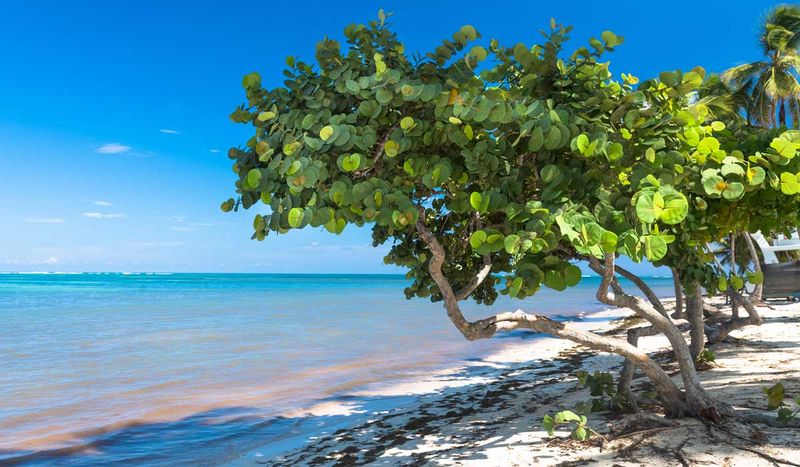
Think of a sea grape as a sun-loving beachgoer who hates soggy towels. Give it bright light and dry feet, and it will thrive.
Full sun brings out the best growth, the thickest leaves, and the most fruit. Partial shade works too, though the plant may grow slower and look a bit thinner.
Sandy, well-drained soil is its favorite kind of ground. That makes sense, since the plant naturally grows along beaches where water drains away fast.
The good news is that sea grapes are not picky eaters. They can handle poor soil and many different soil types, as long as water does not sit around the roots.
Want a quick drainage test? Dig a hole about a foot deep, fill it with water, and see how long it takes to empty.
If the water disappears within a few hours, you are in great shape. If it lingers all day, pick a different spot or build up a raised mound before planting.
Remember that full sun spots are often wide open spaces. That is perfect, because this plant needs plenty of room to spread its 20 to 30 foot crown.
Water young plants regularly during their first year while the roots settle in.
7. It Shrugs Off Salt Spray And Drought
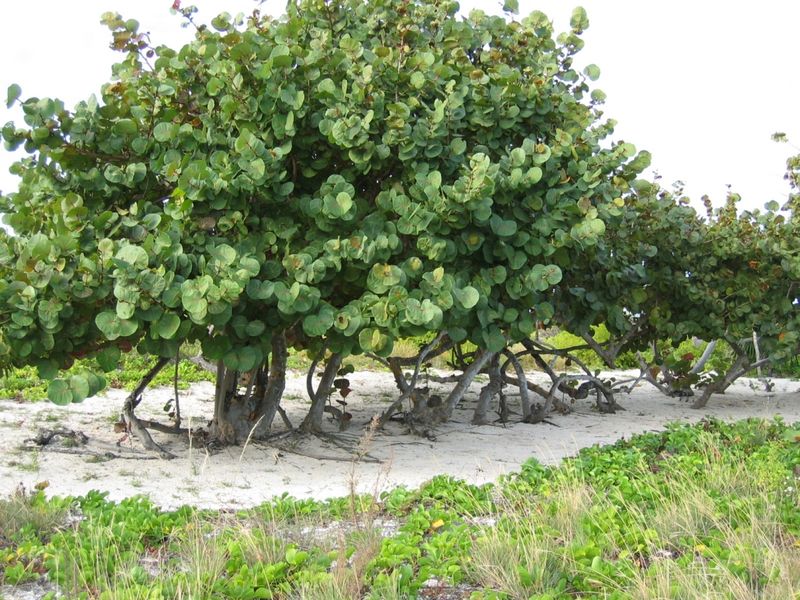
Ocean wind can turn many garden plants brown and crispy in a single week. Sea grapes just wave their big round leaves and carry on.
This plant has high tolerance for salt spray and salty soils. That toughness makes it one of the top choices for beachfront homes and condos.
It can even handle getting splashed by seawater now and then. Occasional saltwater flooding from storms usually will not stop a healthy, established plant.
Drought is another challenge it handles with ease. Once its roots are settled, a sea grape can go long stretches without extra watering.
That means lower water bills and less time dragging a hose around the yard. It also makes the plant a great fit for water-wise Florida landscaping.
Here is a helpful reminder for new plantings, though. Young sea grapes still need regular water for their first several months until the roots spread out.
All this toughness has a flip side worth knowing. A plant this happy in hard conditions can grow fast and wide, even where other plants struggle.
So enjoy its rugged nature, but plan its spot carefully. A tough plant in the wrong place becomes a tough problem to fix.
8. Cold Snaps Can Set It Back
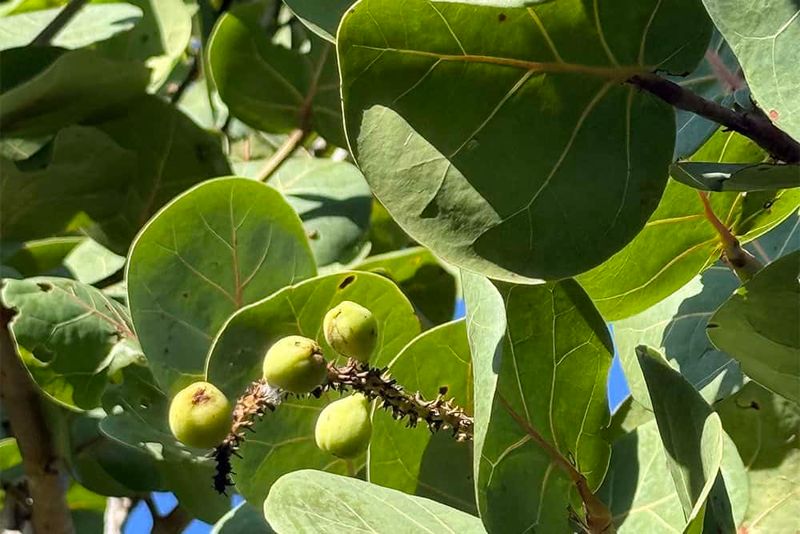
Floridians love bragging about warm winters, until a surprise cold front rolls through. Sea grapes do not enjoy those chilly nights one bit.
This plant is sensitive to frost and freezing weather. Its natural home is USDA Hardiness Zones 10A to 11, the warmest parts of the state.
Some people grow it as far north as Zone 9A. Up there, frost and freezes can damage leaves and branches, so expect more care and risk.
Mature plants may handle a light freeze of about 30 degrees for a short time. Young plants are much more fragile and need protection when cold weather is coming.
So what can you do before a cold snap? Cover young plants with frost cloth or an old sheet, letting it reach the ground to trap warm air.
Water the soil a day before the freeze, since moist ground holds heat better. Take the cover off once temperatures climb the next morning.
Cold damage can actually shrink your plant for a season or two. Browned branches may need trimming, which slows down that famous spread.
Planting near a south-facing wall can give extra warmth in cooler areas. Just leave enough space for the crown to stretch later.
9. Beachfront Sea Grapes Need A Permit Before Trimming
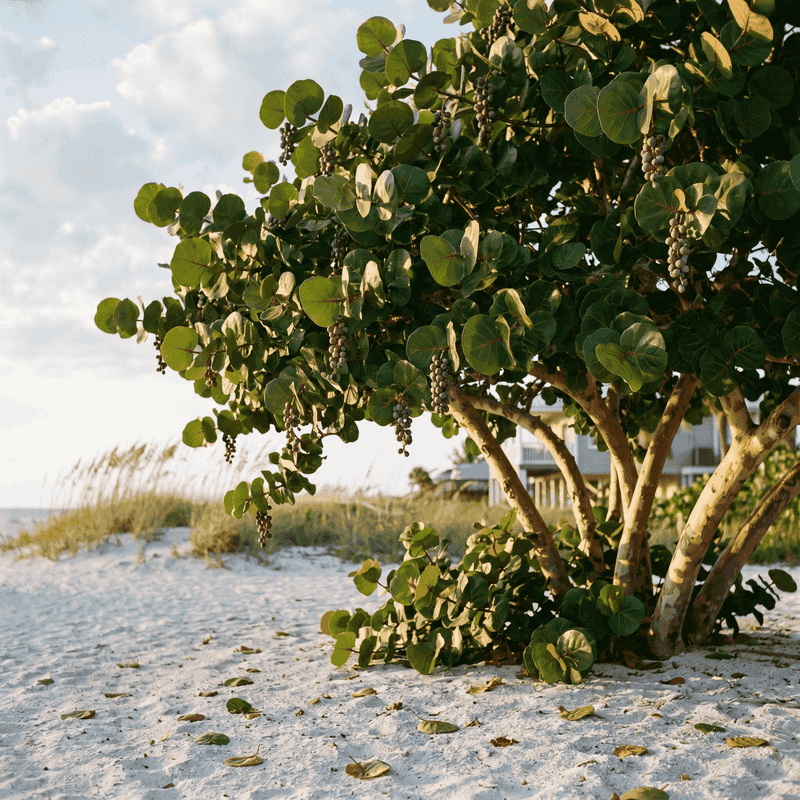
Here is a twist many new beach homeowners do not see coming. Those sea grapes on your dune may be protected by Florida law.
Florida law makes it unlawful to cut or remove sea grapes from someone else’s land without the owner’s consent. On beachfront property, trimming them seaward of the Coastal Construction Control Line generally requires approval from the Florida Department of Environmental Protection, also called FDEP.
Why all the rules for a shrub? Sea grapes hold sand dunes in place, which helps protect beaches and buildings from storm erosion.
They also shield sea turtle nests from bright lights. Baby turtles head toward light after hatching, and artificial glow from homes can lead them away from the ocean.
Trimming beachfront plants seaward of the Coastal Construction Control Line needs a permit. That line marks the zone where coastal rules get stricter.
Before grabbing your pruning saw, call FDEP or check with your local city office. They can tell you whether your plants fall under these rules.
This is a big reason to think about spread before planting near the beach. A sea grape that grows huge may not be easy to cut back later.
Choose your spot wisely, and you can enjoy the shade without any legal headaches.