Goldenrod Gets Blamed For Florida Fall Allergies But Ragweed Is Usually The Bigger Suspect
Fall in Florida brings cooler mornings, golden light, and for a lot of people, a nose that suddenly has opinions about everything. The sneezing starts, the eyes get itchy, and the tissue box becomes a permanent fixture on the nightstand.
Naturally, everyone starts looking for something to blame, and that tall, bright, yellow plant waving cheerfully by the roadside seems like a pretty obvious suspect. Here is the thing though.
Goldenrod has been taking the blame for fall allergies for years, and it has largely been getting a bad rap it does not deserve.
The real troublemaker is far less photogenic, far less noticeable, and growing right next to all that golden yellow without anyone giving it a second glance.
Once you know what to actually look for, fall starts making a lot more sense, and your sinuses might just thank you for it.
1. Why Goldenrod Takes The Fall In Florida
Goldenrod has a classic case of bad timing. It blooms in bright yellow plumes at the very moment many people start sneezing.
Across the state, those golden sprays line highways, ditches, and empty lots from September into November. Because they are so easy to see, people connect the dots and point fingers at them.
Here is the twist, though. Goldenrod pollen is heavy and sticky, so it does not float well on the breeze.
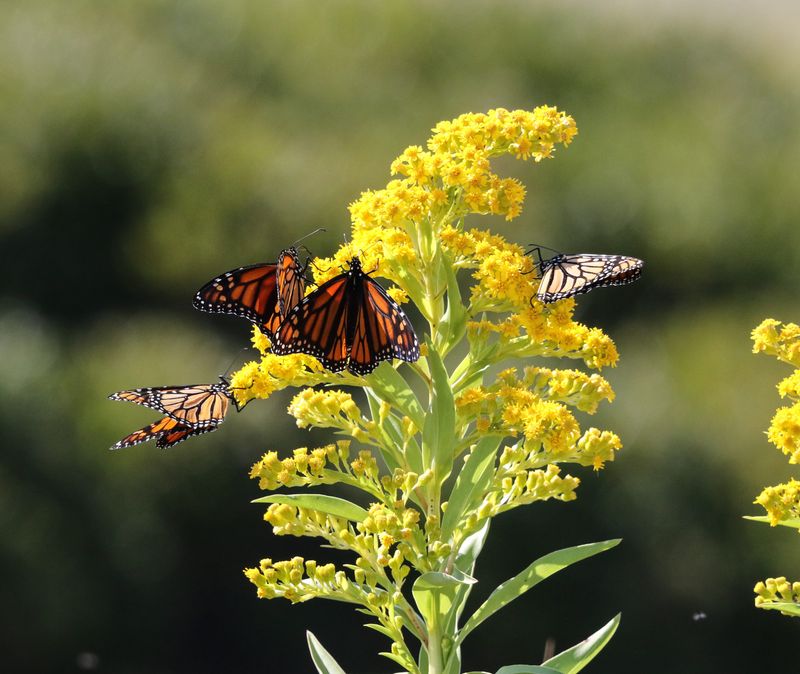
Instead of drifting through the air, the pollen clings to bees, butterflies, and other insects. Those little helpers carry it from flower to flower, which means very little ends up in your nose.
Scientists call plants like this insect-pollinated. Plants that rely on bugs usually make showy, colorful blooms to attract visitors, and they produce less pollen overall.
So the plant with the flashiest flowers is often the least likely to bother you. It just happens to be standing in the wrong place at the wrong time.
A simple tip can help you test this idea. Watch a goldenrod patch on a sunny afternoon and count how many bees and wasps buzz around it.
You will likely see plenty of insect traffic. That busy crowd is your clue that goldenrod depends on bugs, not wind, to spread its pollen around.
2. Meet Ragweed, Florida’s Quiet Sneeze Maker
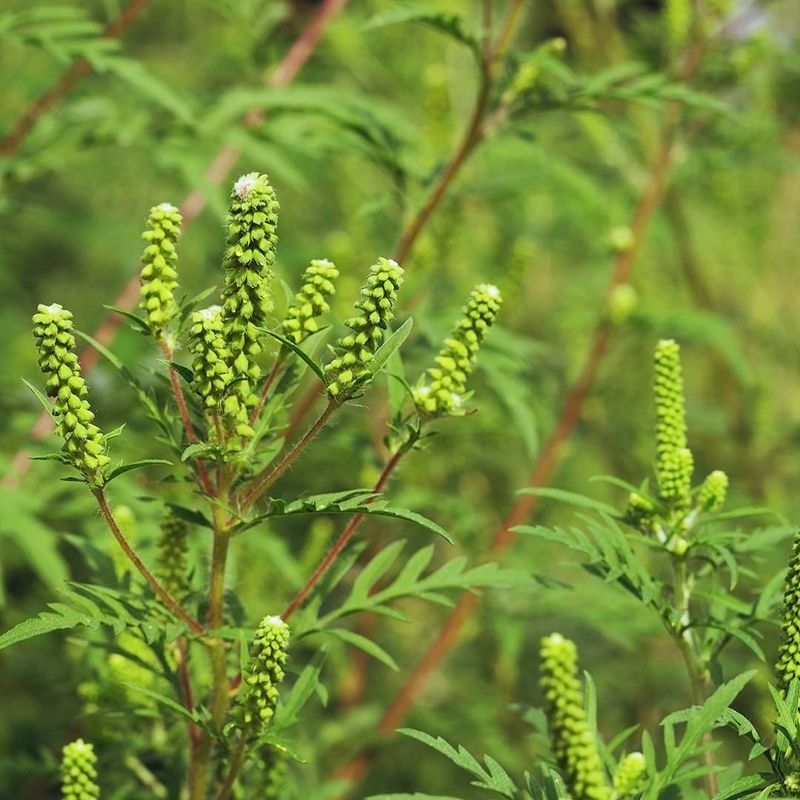
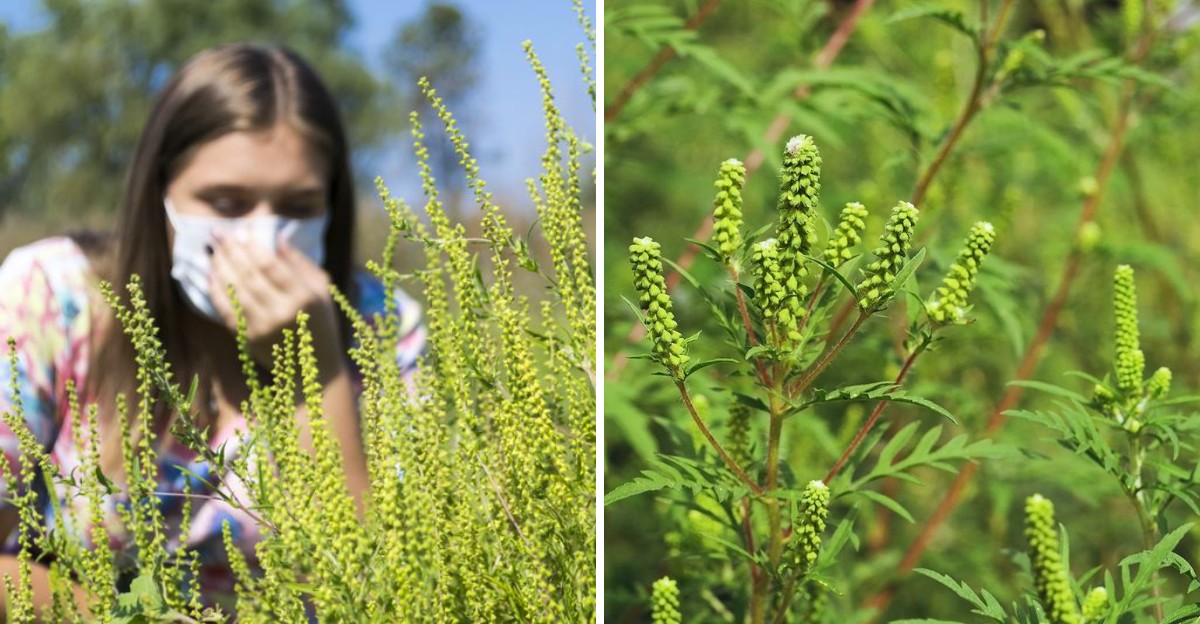
Nobody stops their car to snap a photo of ragweed. The plant looks scraggly and plain, with tiny green flower spikes that blend right into the weeds around it.
That dull look is part of the trick. Ragweed does not need pretty petals, because it skips insects entirely and lets the wind do its work.
A single ragweed plant can release enormous quantities of pollen grains in a season, with estimates in the scientific literature ranging widely depending on conditions and plant size. What researchers agree on is that the volume is staggering, enough to travel hundreds of miles from where it started.
Some ragweed pollen has even been collected high above the ground and far out over the ocean.
In the Sunshine State, ragweed grows in disturbed soil like construction sites, farm edges, and neglected yards. It often sprouts right beside goldenrod, which makes the mix-up even easier.
Your Florida Garden Changes Every Week. Your Plan Should Too.
Gardening in Florida changes quickly throughout the season. Every Friday you’ll receive a simple weekly plan showing exactly what to plant, prune, fertilize, harvest, and protect so you never miss the right timing.
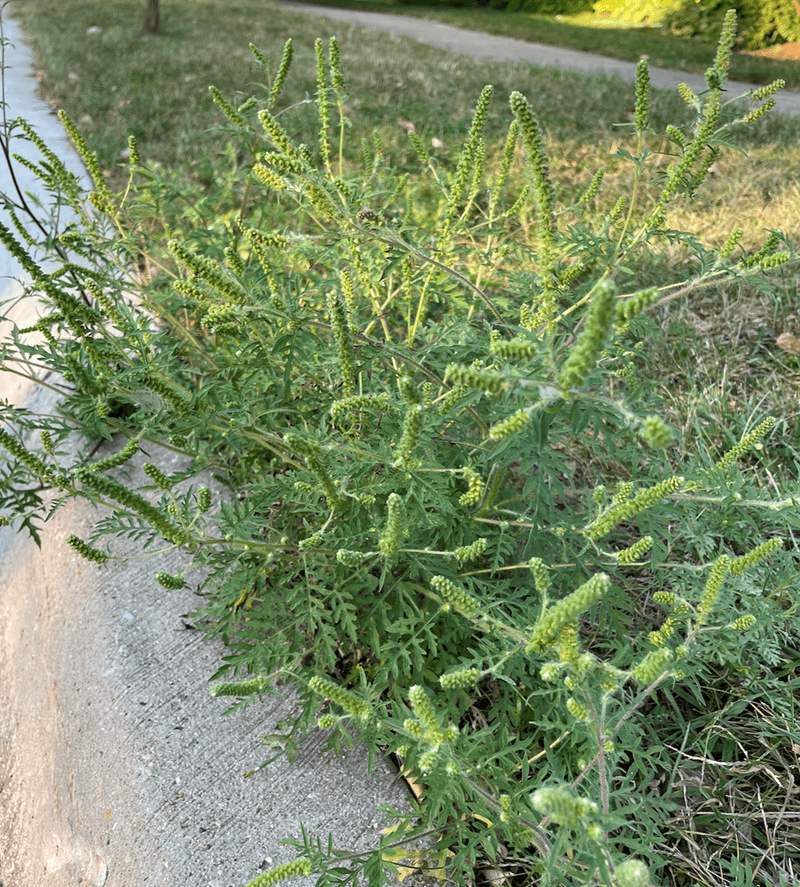
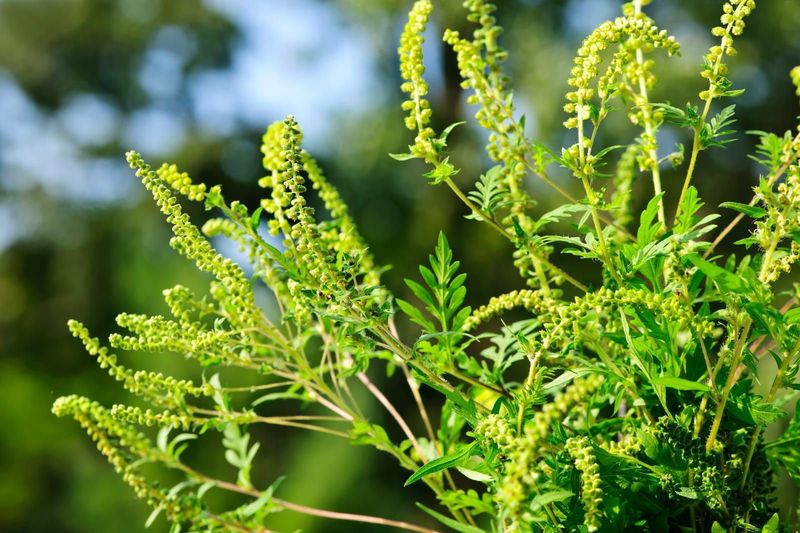
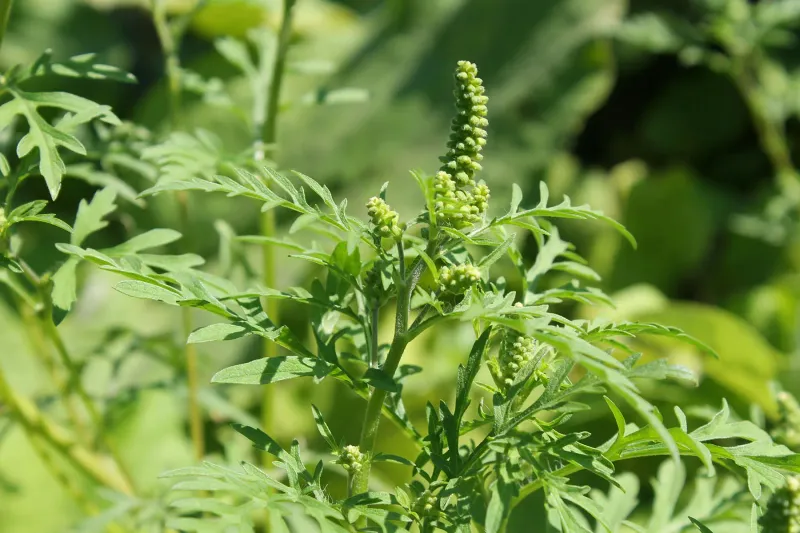
Learning to recognize it takes only a minute. Look for deeply divided, almost fern-like leaves and slim stalks topped with drooping green bead-like flowers.
Once you know what to look for, you may notice ragweed everywhere. Pulling small plants from your yard before they flower, while wearing gloves and a mask, can cut down on the pollen near your home.
Ragweed sensitivity is genuinely common across the population. Estimates vary across studies, with some sources citing roughly one in five Americans as sensitive to ragweed pollen.
That number helps explain why so many fall sneezes trace back to this plain little weed.
3. How Wind Carries Pollen Across Florida
Ever stepped outside on a breezy day and started sneezing within seconds? The wind may have delivered a fresh batch of pollen straight to your face.
Wind-pollinated plants play a numbers game. They release enormous clouds of pollen, hoping a few grains land on another plant of the same kind.
Most of those grains miss their target. Unfortunately, many end up floating into noses, eyes, and open windows instead.
Florida’s flat land and steady coastal breezes help pollen travel with ease. There are few hills or mountains to slow it down or block its path.
Warm, dry, windy mornings tend to bring the highest pollen counts. Rain usually washes pollen out of the air for a while, which is why many people feel relief after a good shower.
You can use the weather to your advantage. Check the forecast and plan outdoor chores for after a rainstorm or later in the evening.
Keeping car windows rolled up on windy days also helps a lot. Set your air to recirculate so outside pollen does not get pulled into the cabin.
A fun fact for science fans is that pollen grains have unique shapes. Under a microscope, ragweed pollen looks like a tiny spiky ball, a bit like a mini sea urchin.
4. Florida’s Long Fall Allergy Season Explained
Up north, the first frost often shuts down ragweed for the year. Florida rarely gets that helpful cold snap early in the season.
Thanks to warm weather, ragweed in the Sunshine State can keep releasing pollen well into late fall. In some southern areas, it may linger even longer.
That stretched-out season can feel exhausting. Just when you expect relief, the sneezing keeps rolling on.
Other plants add to the pile as well. Grasses and certain weeds may also pollinate during the same months, creating a mix of triggers.
Because of this, it helps to think of fall allergies as a team effort. Ragweed tends to lead the pack, but it often has company.
Tracking pollen counts through a weather app or website can give you an early warning. Many local news stations share daily pollen levels too.
When counts run high, try starting allergy medicine a little ahead of time. Doctors often say some treatments work best when taken before symptoms flare up.
Keeping a simple symptom journal can also reveal patterns. Write down how you feel each day along with the pollen count, and soon you may spot which weeks hit you hardest.
5. Telling Goldenrod And Ragweed Apart
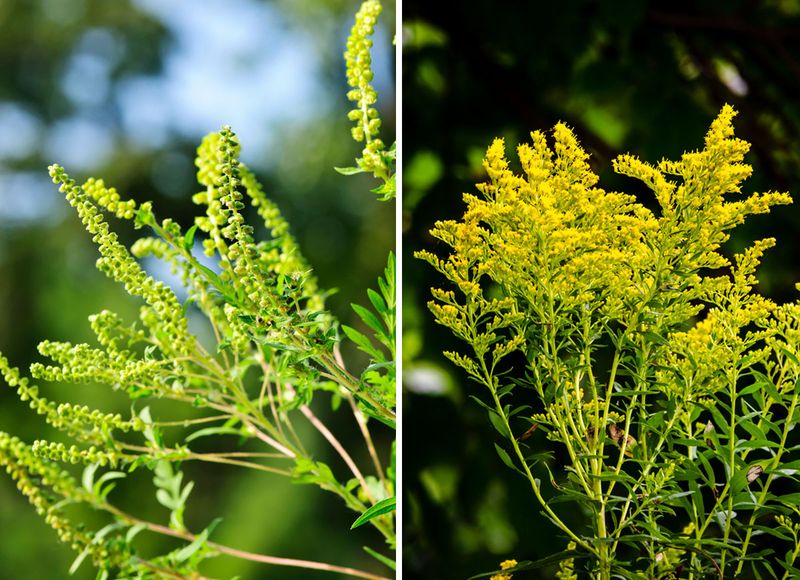
Think of it as a plant detective game. With a few clues, you can tell these two neighbors apart in seconds.
Goldenrod stands tall with bright yellow flower clusters that often arch like a fountain or form fluffy spikes. Its leaves are narrow and lance-shaped with smooth or lightly toothed edges.
Ragweed looks far less flashy. Its flowers are small, green, and hang in thin spikes, while its leaves are lacy and deeply cut.
Height can be a clue too. Goldenrod often reaches waist high or taller, while common ragweed may stay shorter, though giant ragweed can tower over a person.
Across Florida, you may find both plants sharing the same sunny patch. Walk slowly and compare them side by side to train your eye.
Here is a handy rule to remember. Bright color usually means bugs carry the pollen, while dull green often means wind carries it.
Snapping photos with a plant identification app can help if you feel unsure. Many free apps can name a plant from a single clear picture.
Kids often enjoy this activity as a mini nature hunt. It turns a sneezy season into a chance to learn something new outdoors.
6. Goldenrod’s Hidden Benefits For Wildlife
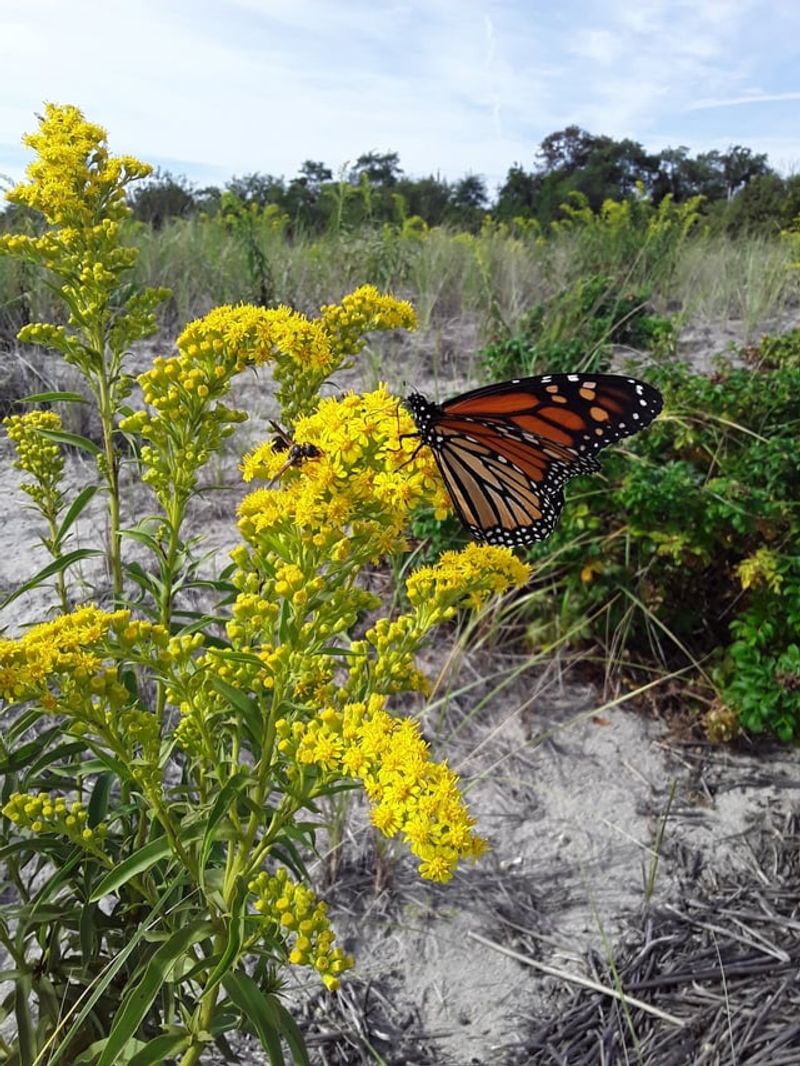
Far from being a villain, goldenrod is something of a local hero. Pollinators lean on it heavily during the fall months.
Bees, butterflies, and beetles flock to its nectar when many other flowers have faded. Migrating monarch butterflies passing through Florida often stop to refuel on it.
Native bees especially benefit from this late-season snack. It helps them stock up before cooler weather slows things down.
Goldenrod is also native to North America, so it fits right into local ecosystems. Many insects and birds evolved alongside it over thousands of years.
Gardeners who want to support wildlife can plant native goldenrod species. Seaside goldenrod and other types grow well in sandy soil and handle heat with ease.
Here is a fun history bit. Some early American colonists brewed goldenrod leaves into a tea, and inventor Thomas Edison even experimented with it as a source of rubber.
So before you yank goldenrod from your yard, think twice. You may be removing a food source that helps pollinators thrive.
If allergies worry you, focus your weeding on ragweed instead. That way, you protect the helpful plant while cutting down on the sneezy one.
7. Smart Home Habits For Allergy Sufferers
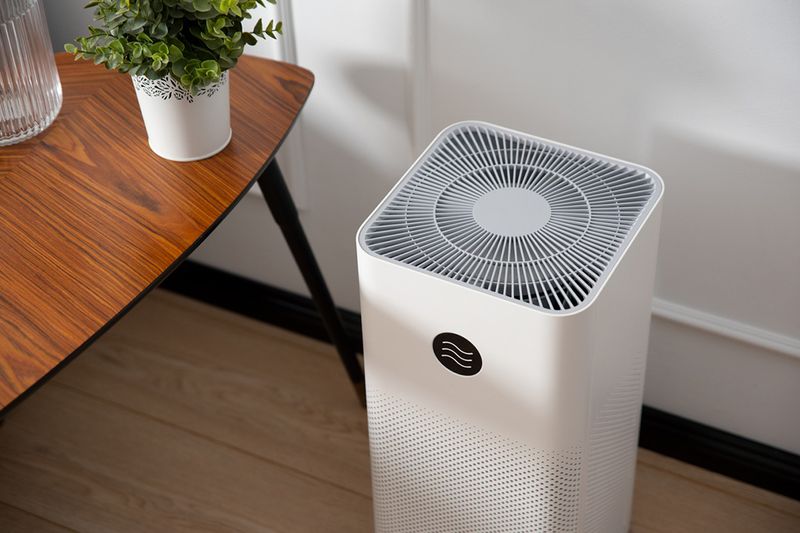
Your home should feel like a safe zone when pollen counts climb. A few easy habits can turn it into a cozy escape from sneezing.
Start by keeping windows and doors closed on high-pollen days. Florida homes often run air conditioning anyway, so that part may come naturally.
Change your air conditioner filter regularly, and consider one with a higher MERV rating. Better filters catch more tiny particles before they circulate.
A portable HEPA air purifier in the bedroom can make nights more restful. Many people notice they wake up less stuffy after using one.
Pollen also hitchhikes on clothes, hair, and pets. Changing clothes and taking a quick shower after outdoor time helps keep it out of your bed.
Wiping down pets with a damp cloth after walks is another simple trick. Dogs and cats can carry surprising amounts of pollen in their fur.
Wash bedding in hot water once a week during peak season. Drying laundry indoors instead of on an outdoor line also keeps pollen from clinging to fresh sheets.
Leave shoes at the door, too. It sounds small, but it keeps pollen and dust from spreading across carpets and floors.
8. When To See An Allergy Doctor
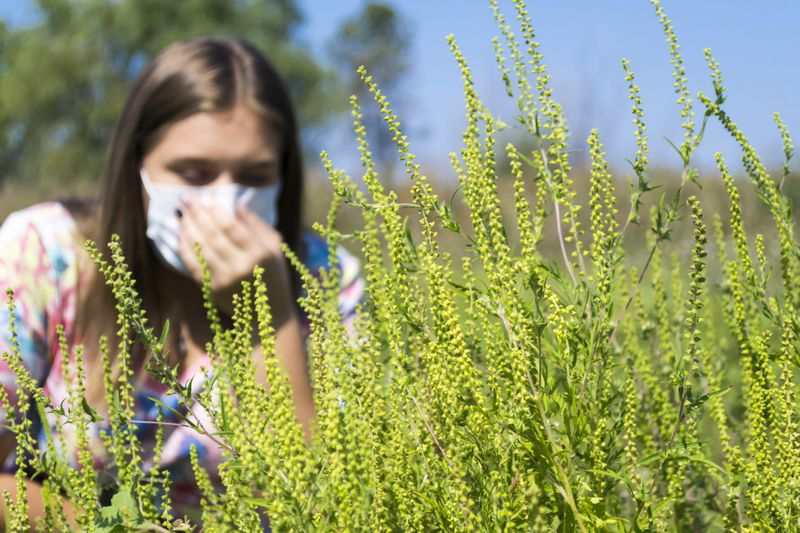
Sneezing once in a while is one thing. Feeling miserable for weeks every fall is a sign you might need extra help.
An allergist is a doctor who specializes in finding out exactly what triggers your symptoms. Many clinics throughout Florida offer simple testing that takes about an hour.
The most common method is a skin prick test. Tiny amounts of allergens, such as ragweed or grass pollen, are placed on your skin to see which ones cause a small bump.
Results often surprise people. Plenty of patients who blamed goldenrod for years learn that ragweed was behind their trouble all along.
Knowing your true trigger helps you choose better treatment. Your doctor might suggest nasal sprays, antihistamines, or eye drops tailored to your needs.
For stubborn allergies, allergy shots or under-the-tongue tablets may be an option. These treatments, known as immunotherapy, work by gradually exposing your immune system to small, controlled amounts of the allergen over time.
The goal is to reduce how strongly your body reacts, which can lead to fewer and less severe symptoms for many people. Results vary, and an allergist can help determine whether this approach makes sense for your specific situation.
Watch for warning signs that need attention sooner. Wheezing, trouble breathing, or frequent sinus infections are good reasons to book an appointment.
Bring your symptom journal to the visit if you keep one. Notes about timing and severity give the doctor useful clues to work with.
9. Outdoor Tips For Enjoying Fall Again
Fall in Florida brings some of the nicest weather of the year. Allergies should not keep you stuck indoors missing the fun.
Timing matters most. Ragweed usually releases the most pollen in the morning, so plan walks, bike rides, and yard work for late afternoon or evening.
Sunglasses do more than block the glare. They also help shield your eyes from drifting pollen grains.
A wide-brimmed hat keeps pollen out of your hair while also protecting you from the sun. That double benefit makes it worth packing for any outing.
Choose beach trips on breezy days when wind blows in from the ocean. Sea air tends to carry less pollen than air sweeping across inland fields.
Rinsing your nose with a saline spray after time outside can wash away trapped pollen. Many people find it soothing and easy to add to their routine.
Keep a small kit in your bag with tissues, eye drops, and any medicine your doctor recommends. Being prepared means fewer surprises on the trail.
Most of all, remember that knowledge is power. Now that you know ragweed is the bigger suspect, you can enjoy goldenrod’s golden glow without the guilt.