What To Do If You’re Stung By A Scorpion In Your Texas Garden
It usually happens in a split second. You reach under a pot, lift a stepping stone, or pull on a pair of garden gloves, and suddenly there’s a sharp, burning pain. In Texas, there’s a real chance a scorpion is to blame.
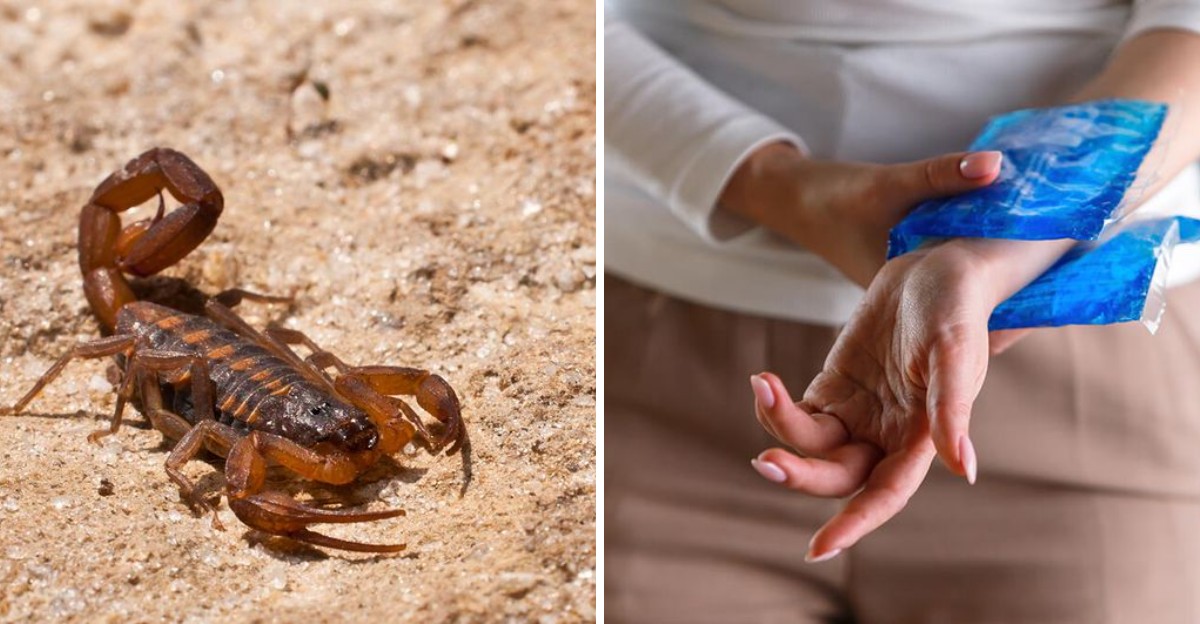
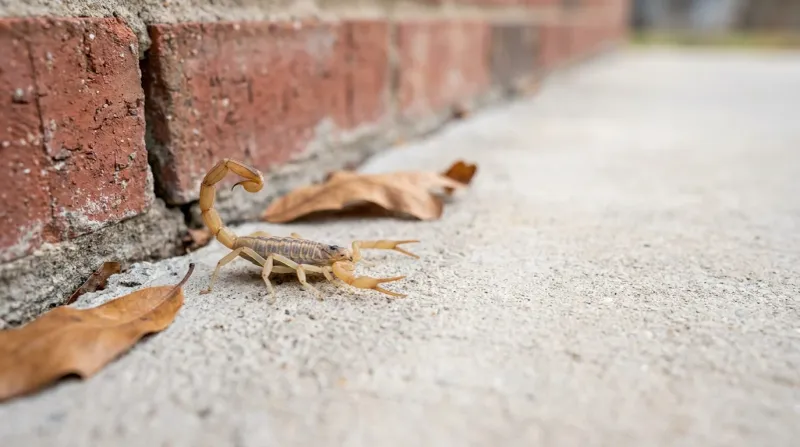
The most common one across the state is the striped bark scorpion. It loves hiding under rocks, mulch, firewood, and garden clutter, especially as the weather cools and it looks for shelter.
Its sting can hurt a lot, often feeling like an intense bee sting, with tingling or numbness spreading around the area.
Fortunately, most stings in healthy adults aren’t serious. Still, kids, older adults, and anyone with allergies may react more strongly, and certain symptoms call for quick medical care.
Knowing exactly what to do in the first few minutes can make the whole experience a lot less scary.
1. Stay Calm And Move Away From The Area
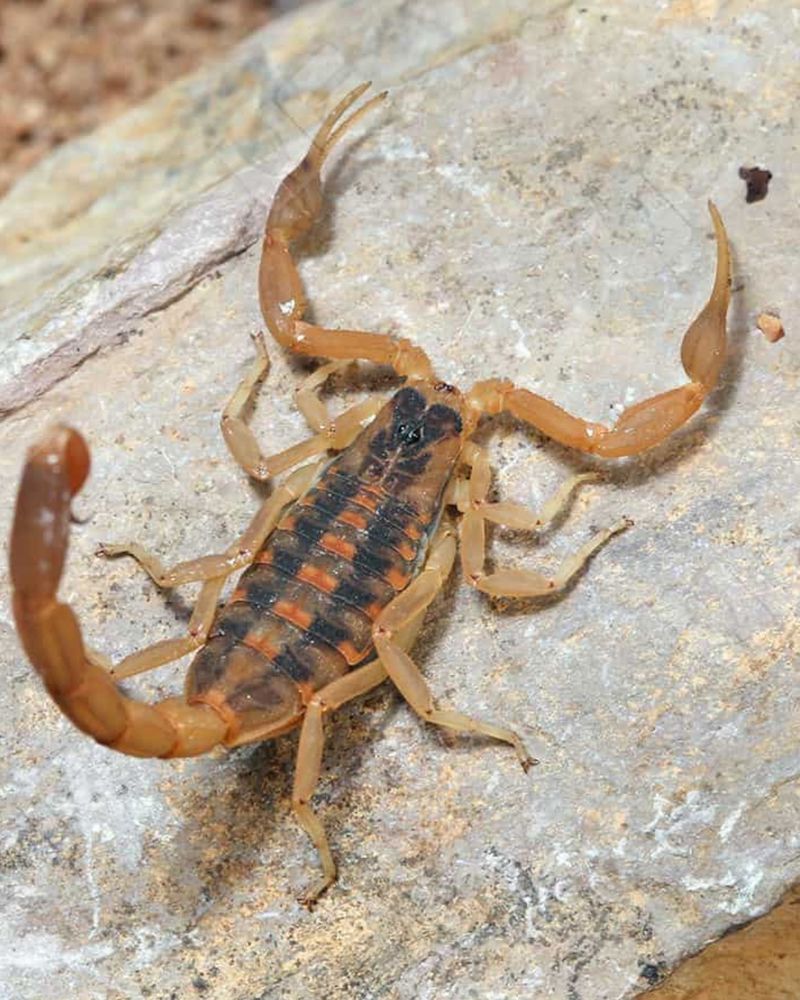
Ouch! That first sting can feel like a hot needle pushed into your skin. Your heart may pound, and your first thought might be to panic. Take a slow, deep breath instead.
Most scorpion stings in Texas come from the striped bark scorpion. It is a small, tan creature with two dark stripes running down its back. Its sting hurts a lot, but it is usually not dangerous for healthy adults.
Staying calm helps your body in real ways. When you panic, your heart beats faster. You may also make rushed moves that lead to a second sting. A calm mind lets you think clearly and take the right next steps.
Now, step away from the spot slowly. Scorpions often hide in groups, especially under rocks, boards, and leaf piles. Moving a few feet back gives you a safe zone to check yourself over.
Look closely at your clothes, sleeves, and pant legs. Scorpions can crawl into gloves, shoes, and folds of fabric. Shake out your gloves carefully and hold them away from your body. Check your shoes before you slip them back on.
Whatever you do, never try to grab the scorpion with your bare hands. You might get stung again, and it is not worth the risk.
If you want to know what stung you, snap a quick photo from a safe distance with your phone. A clear picture can help a doctor or Poison Control expert later.
Here is a fun fact to ease your nerves. Scorpions glow bright blue-green under a black light! Some Texans use UV flashlights at night to spot them hiding in their gardens.
2. Wash The Sting With Soap And Water

Grandma probably told you to wash every scrape and cut, and she was right. A scorpion sting is a tiny wound, and germs love tiny wounds. Cleaning it well is one of the smartest things you can do.
Head to the nearest sink or garden hose. Use mild soap and cool or lukewarm water. Gently rub the area with your fingers for about 20 seconds, then rinse it well.
Your Texas Garden Changes Every Week. Your Plan Should Too.
Gardening in Texas changes quickly throughout the season. Every Friday you’ll receive a simple weekly plan showing exactly what to plant, prune, fertilize, harvest, and protect so you never miss the right timing.
Pat the skin dry with a clean towel. Try not to scrub hard, because rough rubbing can make the sting sting even more. Soft and gentle is the way to go.
Garden soil is full of bacteria. Dirt from your hands, gloves, or plants could slip into the sting mark. Washing it away lowers your chance of getting an infection later on.
You may have seen old movies where someone cuts the skin and sucks out venom. Please do not try that! It does not remove venom, and it can cause a nasty infection or extra injury.
Tight bands, called tourniquets, are another bad idea. Wrapping a cord or belt around your arm or leg can cut off blood flow. That can harm the tissue and make things much worse.
Skip home remedies like rubbing alcohol, vinegar, or mud packs too. Simple soap and water work best. After washing, you can remove rings, bracelets, or tight clothing near the sting in case swelling starts.
Over the next few days, keep an eye on the spot. Watch for spreading redness, warmth, pus, or a fever. Those can be signs of infection, and a doctor should take a look if they show up.
3. Apply A Cool Compress
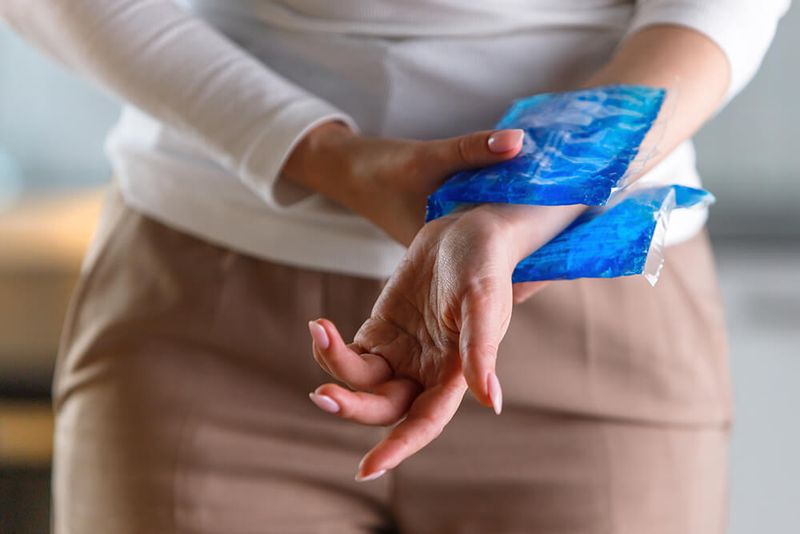
Fire meets ice, and in this battle, ice wins. A cool compress is like a comfy blanket for angry, burning skin. It is easy, cheap, and works fast.
Grab a few ice cubes or a bag of frozen peas from the freezer. Wrap them in a thin towel or cloth. You can also soak a washcloth in cold water and wring it out.
Place the compress on the sting for about 10 minutes. Then take it off for about 10 minutes to let your skin rest. Repeat as often as you need to feel better.
So why does cold help so much? Chilling the skin narrows the tiny blood vessels nearby. That slows swelling and helps calm the nerves that are sending out all those pain signals.
Never put ice straight on bare skin. It can cause frostbite or ice burn, which adds a whole new problem. A cloth barrier keeps you safe while still giving cooling relief.
If the sting is on your hand or arm, try raising it a little while you rest. Prop it on a pillow or the arm of a chair. Keeping it up can help reduce puffiness too.
Many people say the sting area feels numb or tingly for a while. That is normal with bark scorpion stings. The cool cloth can make that tingle feel less bothersome.
Tip for gardeners: keep a reusable gel ice pack in your freezer all summer. Label it for first aid only, so nobody uses it in a lunch box. When a sting happens, you will be ready in seconds.
4. Use An Over-The-Counter Pain Reliever If Needed
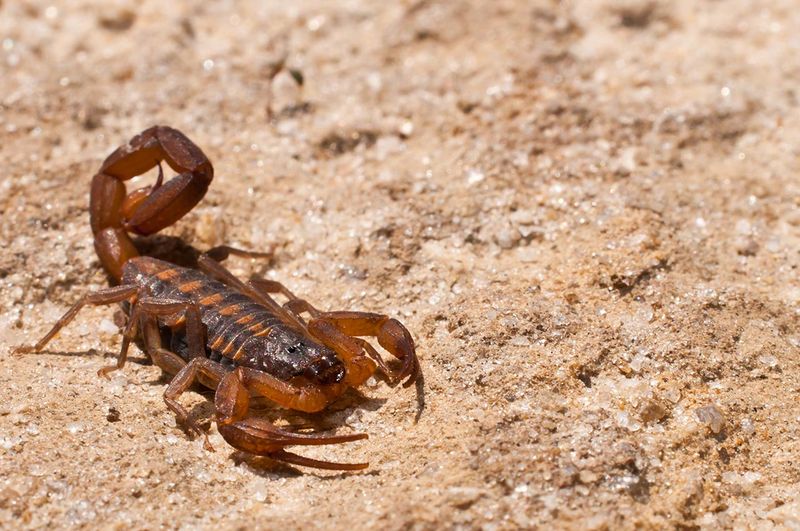
Let’s be honest, a scorpion sting can hurt for a while. Some people describe it as burning, while others say it feels like pins and needles. The good news is that relief may be sitting in your medicine cabinet.
Common pain relievers like acetaminophen or ibuprofen can take the edge off. Acetaminophen is sold under names like Tylenol. Ibuprofen is found in brands like Advil and Motrin.
Ibuprofen has a bonus perk. It can also help with swelling, not just pain. Acetaminophen focuses mainly on easing the ache.
Always read the label before taking any medicine. Follow the dose listed for your age and weight. Taking more than the label says will not work faster, and it can cause harm.
Some people should check with a doctor or pharmacist first. Talk to one if you have kidney problems, liver problems, stomach ulcers, or are pregnant. Also ask if you take blood thinners or other daily medicines.
Kids need special attention here. Use children’s versions of these medicines and measure carefully with the cup or syringe that comes in the box. Never give aspirin to children or teens unless a doctor says it is okay.
For most healthy adults, the burning and tingling often fade within several hours. Some numbness may linger for a day or so. That is usually nothing to worry about.
Pair your pain reliever with rest and your cool compress. Sip some water and take a break from yard work. Your garden will still be there tomorrow, and you will enjoy it more without a throbbing hand.
5. Call Poison Control For Advice
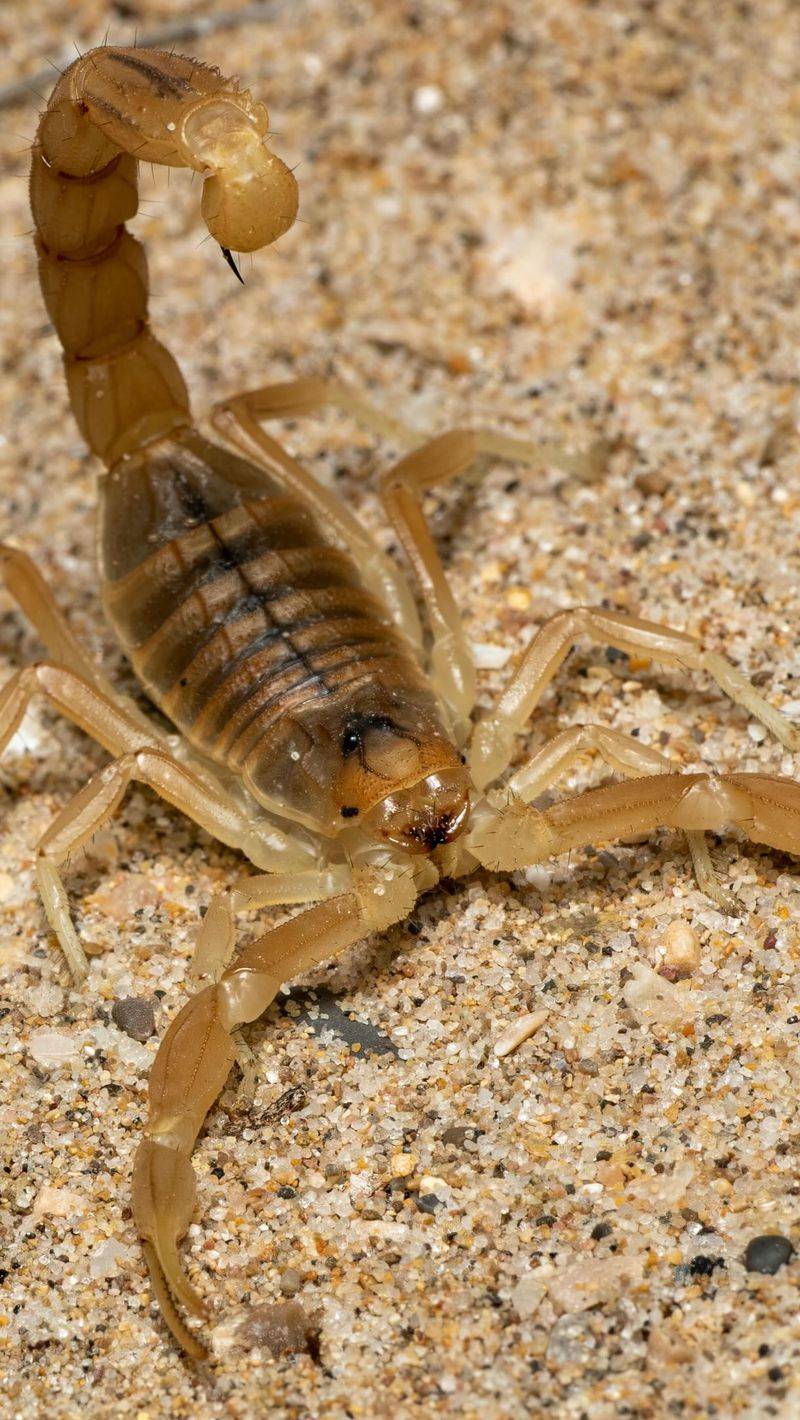
Here is a number every Texas family should save in their phone: 1-800-222-1222. It connects you to Poison Control, anywhere in the United States. The call is free, private, and open 24 hours a day.
Many people think Poison Control only helps with swallowed chemicals. Not true! The experts there also answer questions about bites and stings from scorpions, spiders, snakes, and bees.
Nurses, pharmacists, and doctors with special training pick up the phone. They will ask simple questions about what happened. Be ready to share your age, where the sting is, and how you feel.
Based on your answers, they can tell you if home care is enough. They may say you can relax and treat it yourself. Or they might suggest seeing a doctor or heading to the emergency room.
That guidance is extra handy when you are not sure what stung you. Maybe you felt a sharp pain but never saw the critter. Poison Control can help you figure out if your symptoms match a scorpion sting or something else.
Remember that photo you took from a safe distance? Describe it to the expert. Details like size, color, and stripes can help them understand the situation better.
Texas has a strong network of poison centers spread across the state. They handle thousands of calls each year, including plenty about scorpions. You are never bothering them by calling.
Calling early can save you a stressful guessing game and maybe even a costly trip to the ER. Peace of mind is just one phone call away.
6. Know When To Get Emergency Help
Most stings end with sore skin and a good story. Every so often, though, the body reacts more strongly. Knowing the warning signs could protect someone you love.
Call 911 right away if you or someone else has trouble breathing. Swelling of the face, lips, tongue, or throat is also an emergency. Those can be signs of a serious allergic reaction.
Watch for strange nerve-related symptoms too. Muscle twitching, jerky arm or leg movements, or eyes that roll or dart around are red flags. Drooling, trouble swallowing, or slurred speech also need fast medical care.
A racing or pounding heartbeat is another reason to call for help. So is heavy sweating, vomiting, or feeling very restless. Do not wait to see if these get better on their own.
Some people should be checked by a doctor even if they seem fine. Young children have smaller bodies, so venom can affect them more. Older adults and anyone with a history of allergic reactions also need a medical visit.
Kids can be tricky because they may not explain how they feel. A toddler who suddenly becomes fussy, drools, or cannot sit still after a sting needs care right away. Trust your gut as a parent.
While waiting for help, keep the person calm and still. Remove tight clothing or jewelry near the sting. If they carry an epinephrine auto-injector for allergies, help them use it as directed.
Did you know? Arizona bark scorpions are the most worrisome kind in the U.S., and they live just west of Texas. Staying alert to symptoms keeps everyone safer, no matter which scorpion shows up.