Should You Water A Brown Florida Lawn Or Leave It Alone? Check This First
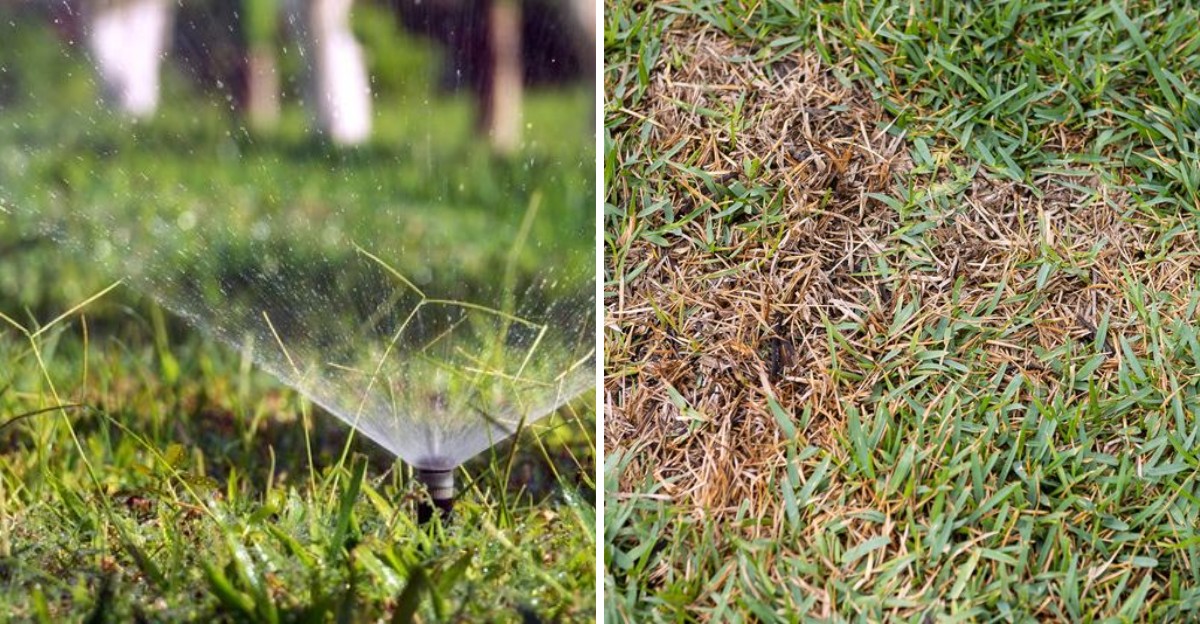
Hose in hand, brown grass at your feet, and a choice that can go sideways fast. Water the wrong patch and you’ve poured money straight into the dirt.
Brown doesn’t always mean thirsty. Florida lawns turn that shade for several reasons, and only some of them respond to a sprinkler.
The rest get worse with every soaking, which is the cruel joke nobody warns you about.
One quick test sorts the thirsty lawns from the troubled ones. It takes under a minute.
Hold off on the hose until you’ve run it. The answer could save you a water bill and a lot of guesswork.
1. Look For Folded, V-Shaped Leaf Blades
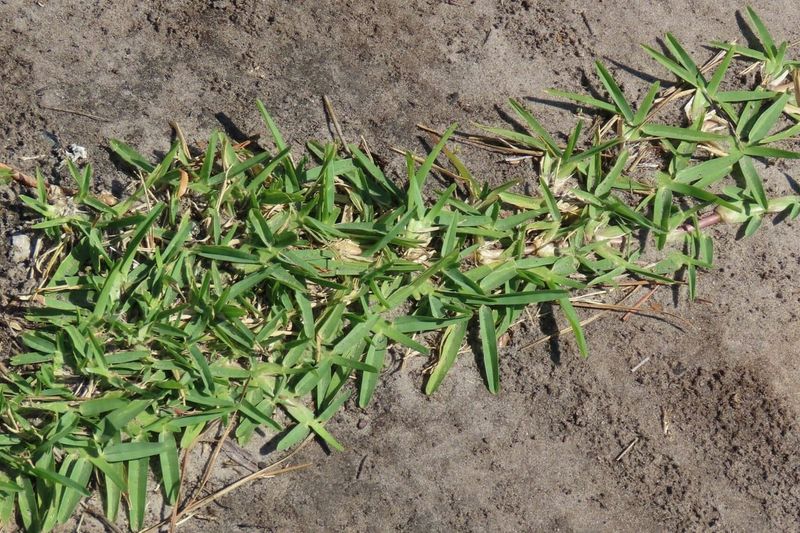
Picture a sheet of paper folded down the middle. Thirsty grass does something very similar with each blade.
When water runs low, turfgrass folds its leaves in half the long way. The fold shrinks the surface that faces the hot Florida sun.
Less surface means less moisture escaping into the air. It is a clever survival move that grass has used for ages.
To check, kneel down and look closely at a handful of blades. Flat, open blades usually mean your lawn has enough water for now.
Blades pinched into a narrow V tell a different story. That shape is a classic early sign of water stress.
Try looking in the hottest part of the afternoon. Mild folding at that time can be normal, so compare it with an early morning look.
If the blades stay folded after a cool night, your grass likely needs a drink. Pay extra attention to sunny spots near driveways and sidewalks.
Concrete soaks up heat and dries out nearby soil faster. Those edges often show folding before the rest of the yard does.
Here is a handy habit to build. Take a quick peek at your blades a few times each week during dry spells.
Catching folding early lets you water before brown spots spread. Your grass, and your water bill, will thank you for paying attention.
2. A Blue-Gray Tint Signals Thirst
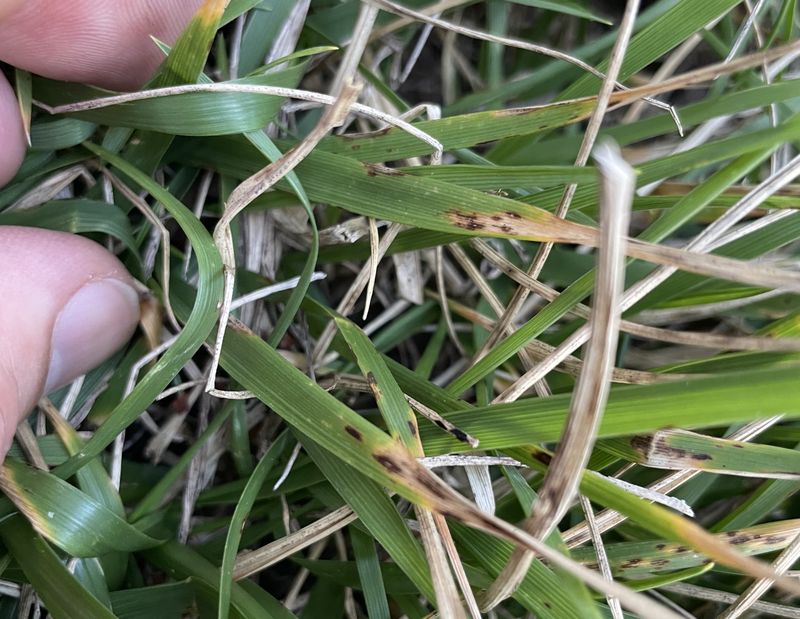
Grass has its own mood ring. When it gets parched, the color shifts in a way you can spot from your porch.
Healthy turf glows a bright, cheerful green. A thirsty lawn often turns dull, with a blue-gray or smoky blue-green look.
The change happens because the blades lose moisture and fold up. Light bounces off them differently, giving the yard a faded, dusty shade.
Patches with this tint usually show up first in sandy or sunny spots. Step back to the curb and scan the whole lawn for color differences.
Now for a twist that trips up plenty of homeowners. Some St. Augustine varieties, like CitraBlue, are naturally blue-green.
If you planted one of those types, the cool color is just its normal look. Do not panic and start watering a lawn that is perfectly happy.
The trick is comparing the grass to itself. Notice how your lawn looks after a good rain, then watch for changes from that baseline.
Your Florida Garden Changes Every Week. Your Plan Should Too.
Gardening in Florida changes quickly throughout the season. Every Friday you’ll receive a simple weekly plan showing exactly what to plant, prune, fertilize, harvest, and protect so you never miss the right timing.
A sudden slide toward gray is the real warning sign. Pair it with folded blades, and you have strong evidence of thirst.
Snapping a phone photo during healthy weeks helps a lot. Later, you can hold the picture up and see if the color has truly shifted.
3. Footprints That Linger Mean The Lawn Needs Water
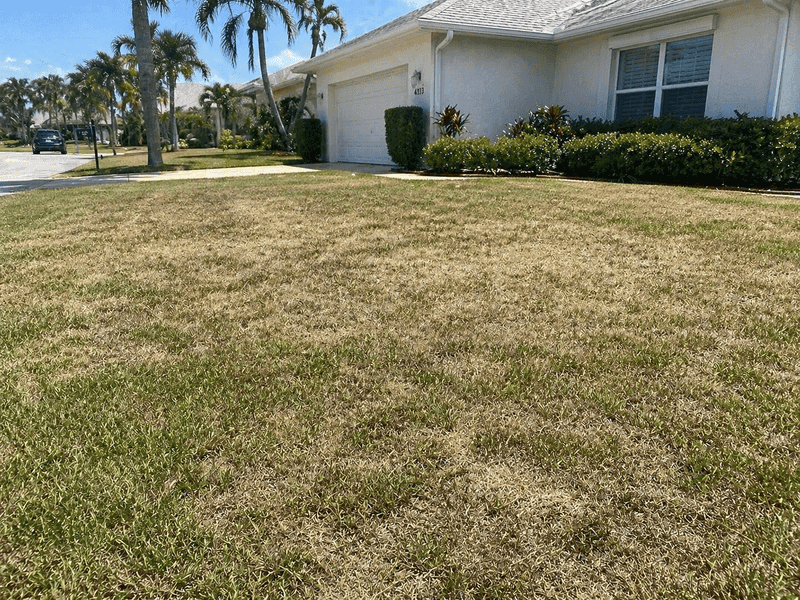
Kids love leaving tracks in the sand at the beach. Your lawn can play the same game, and the results tell you plenty.
Here is how the footprint test works. Walk across a section of grass, then turn around and watch your steps.
Well-watered blades are plump and bouncy. They pop back up within a few seconds, and your tracks fade quickly.
Thirsty blades lack that springiness. Your footprints stay pressed into the turf for a long time, like a stamp on fresh dough.
Tire tracks work the same way. If the lawnmower leaves clear lines behind it, the grass may be short on moisture.
This test is free and takes less than a minute. It is also a great job to hand off to a curious kid who enjoys stomping around.
Try it in a few different areas of your yard. Shady spots may bounce back fine while sunny corners hold every step.
That difference helps you decide where water is most needed. You may only need to adjust a zone or two instead of the whole system.
Combine this check with the color and blade tests. When all three point the same way, you can water with confidence instead of guessing.
4. Water When Wilt Appears, Not By The Calendar
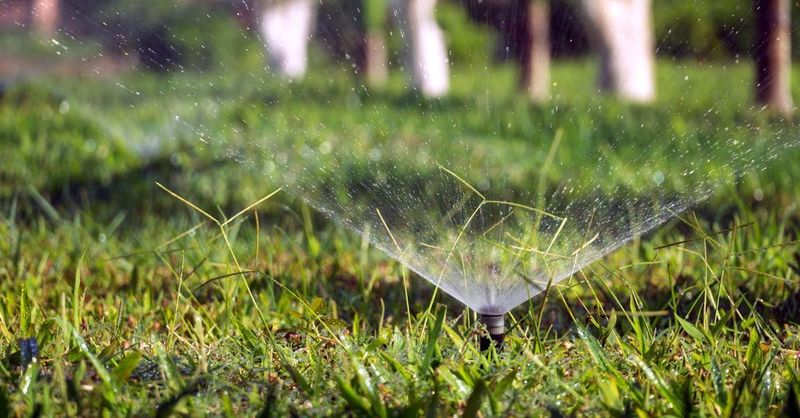
Plenty of Florida sprinkler timers are set once and then forgotten. They run on schedule whether it rained yesterday or not.
University of Florida experts suggest a smarter approach. Water as needed, meaning only when the grass shows clear signs of wilt.
Those signs include folded blades, a blue-gray color, and lingering footprints. When at least a few of them appear, it is time to irrigate.
Your lawn does not drink the same amount all year. Summer heat pushes water needs way up, while cooler months slow things down.
If your timer still runs a summer schedule in January, you may be overwatering. Soggy soil can invite fungus, weeds, and shallow roots.
A good plan is to review your timer each season. Spring and fall are perfect reminders to make a quick adjustment.
Rain sensors and soil moisture sensors can help too. They skip a cycle when nature has already done the watering for you.
Also check your local watering rules. Many Florida counties limit which days you can irrigate, especially during dry seasons.
Following the grass instead of the calendar takes a little practice. Soon you will read your lawn like a weather report and water only when it counts.
5. Apply About 1/2 To 3/4 Inch At A Time
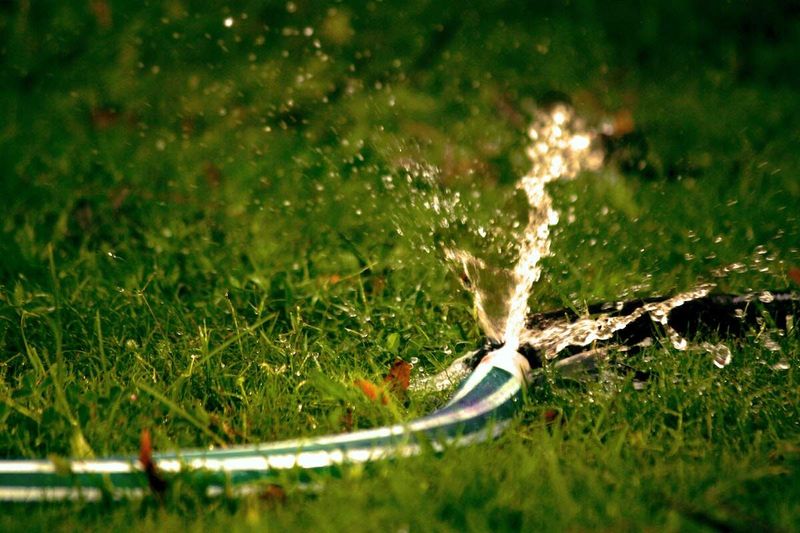
More water does not equal more green. The amount you apply each time matters just as much as when you apply it.
Experts recommend about 1/2 to 3/4 inch of water per session for established Florida lawns. That much soaks the top 4 to 12 inches of sandy soil.
Most grass roots live in that zone. Wetting it fully gives them a solid drink without wasting water below their reach.
Deep, less frequent watering trains roots to grow downward. Deeper roots help your lawn handle hot, dry stretches with less stress.
Short, daily sprinkles do the opposite. They keep roots lazy near the surface, where the soil dries out the fastest.
So how do you know how much your sprinklers put out? Try the tuna can trick, a favorite of lawn pros.
Place several empty, flat cans around one zone. Run the sprinklers for 15 minutes, then measure the water in each can with a ruler.
Use that number to figure out how long to run each zone. If cans fill unevenly, a sprinkler head may need cleaning or aiming.
Watering early in the morning works best. Less water is lost to evaporation, and blades dry before evening.
6. Brown Patches In Cool Weather May Be Large Patch
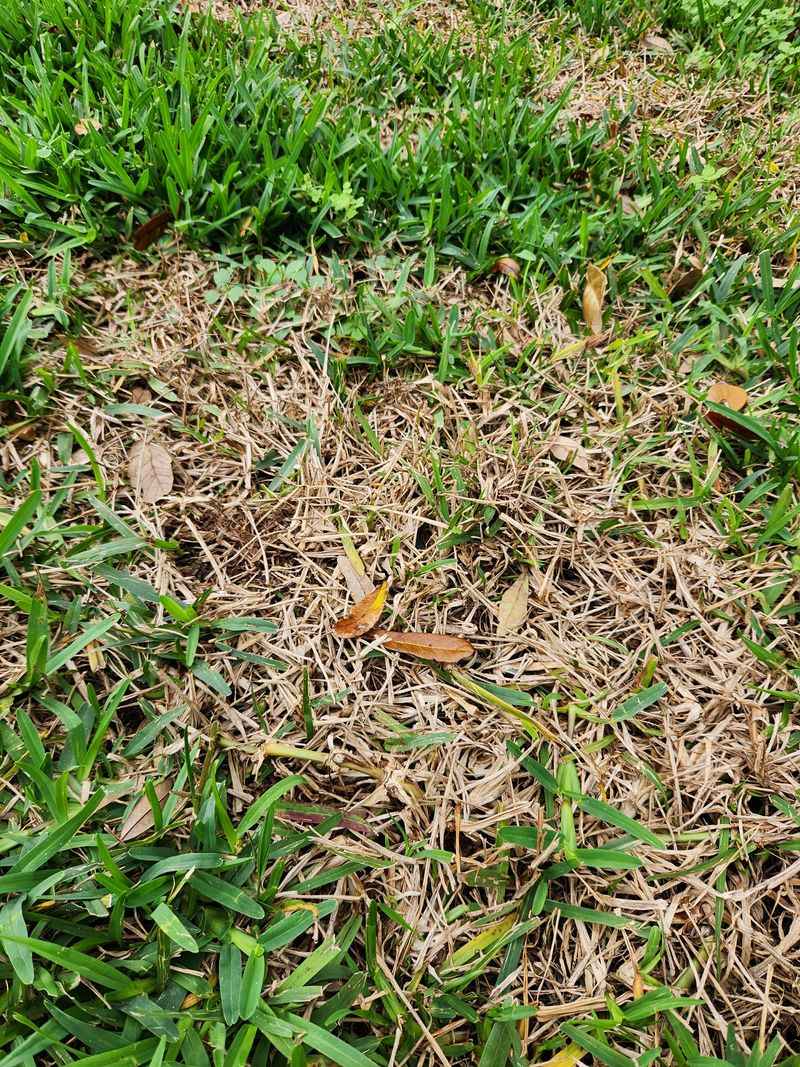
Brown circles showing up in November can feel like a mystery novel. The culprit might be a sneaky fungus called large patch.
Large patch is caused by a fungus named Rhizoctonia solani. It likes the mild weather of fall, winter, and spring in Florida.
The disease gets active when nights fall between about 60 and 75 degrees. Daytime highs under 80 degrees also help it spread.
It commonly hits warm-season grasses like St. Augustine, zoysia, and Bermuda. The damage shows up as round or irregular patches of tan, yellow, or brown turf.
Look closely at the edges of a patch. You may see an orange or bronze ring where the fungus is still working outward.
Gently tug on a few blades near that edge. If they slip out easily and look rotted at the base, large patch is a likely suspect.
Patches can grow from a few inches to several feet wide. They often appear in low, shady spots where moisture hangs around.
Fun fact: the same fungus family can trouble potatoes, beans, and other crops. It is quite the busy troublemaker.
If you suspect large patch, a local UF/IFAS Extension office can help confirm it. Getting the right answer first keeps you from chasing the wrong fix.
7. Extra Water Can Make Large Patch Worse
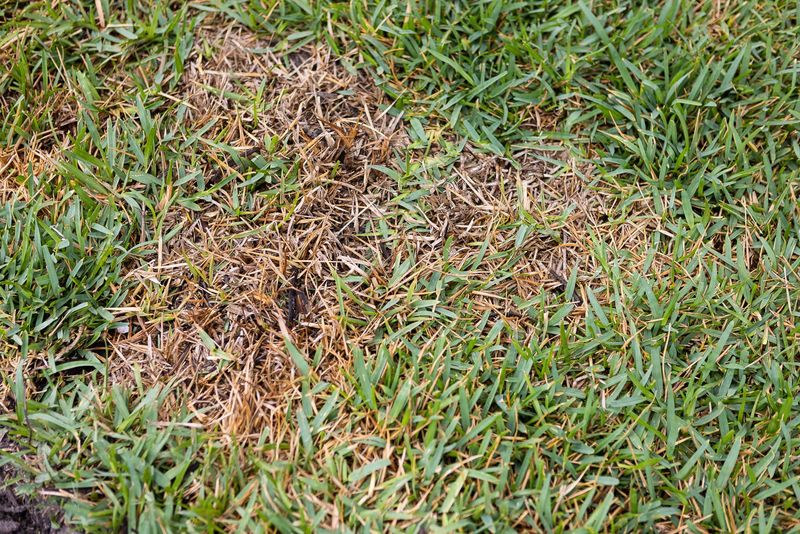
Here is where good intentions can backfire. Soaking a lawn with large patch is like pouring fuel on a campfire.
This fungus loves extra moisture. Wet soil and damp blades give it the perfect setting to spread fast.
So if brown circles show up in cool weather, resist the urge to crank up the sprinklers. More water can turn small spots into big ones.
Start by checking your irrigation timer. Cooler months need far less watering than summer, so trim run times or skip cycles.
Water early in the morning if you must irrigate. That gives blades time to dry before the cool, damp night settles in.
Avoid evening watering whenever possible. Grass that stays wet overnight is an open invitation for fungus.
Look for drainage trouble too. Low spots, leaky heads, and runoff from gutters can keep patches soggy for days.
Go easy on nitrogen fertilizer in fall and winter. Too much feeds the fungus along with the grass.
Overwatering can also open the door to other lawn diseases. Keeping things on the drier side protects your turf in more ways than one.
For stubborn cases, ask your Extension office about fungicide options. They can recommend products and timing that match your grass type.
8. Run A Coffee Can Test For Chinch Bugs
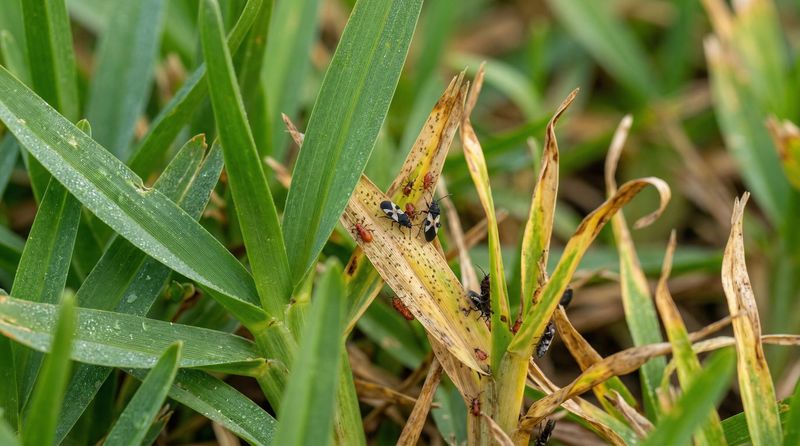
Some of the biggest lawn troublemakers are smaller than a grain of rice. Chinch bugs are tiny, but they can wreck a St. Augustine lawn fast.
These insects suck juices from grass blades. The damage looks a lot like drought, with yellow and brown patches in sunny areas.
That is why watering alone often fails to help. You need to know if bugs are the real problem before reaching for the hose.
Enter the coffee can test, a classic backyard science project. Grab a metal can and remove both the top and bottom.
Push the can a few inches into the soil at the edge of a damaged spot. Choose an area where green grass meets yellow grass.
Fill the can with water and keep it topped off for several minutes. If chinch bugs are present, they will float to the surface.
Adults are black with white wing marks. Young ones, called nymphs, are reddish with a pale band across their backs.
Test a few spots to get a clear picture. Finding several bugs per can suggests it is time to take action.
Your local Extension office can recommend treatments. Spotting them early keeps a small problem from spreading across the yard.
9. Some Brown Lawns Are Just Dormant
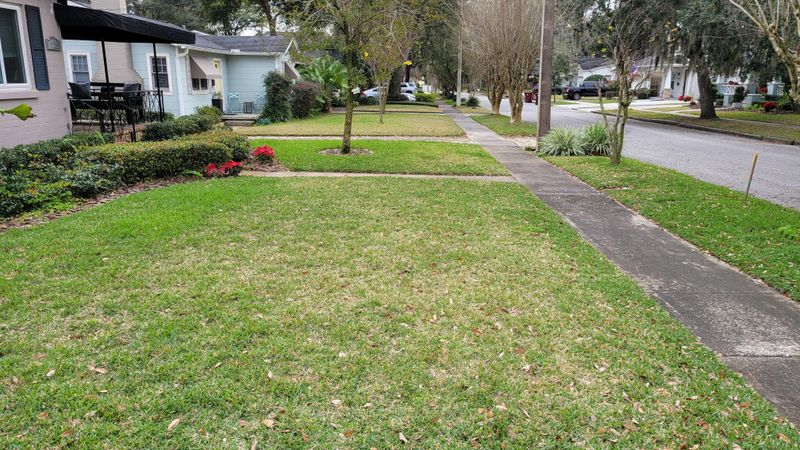
Bears hibernate, and so does your grass, in its own way. A tan winter lawn may simply be taking a long nap.
Florida favorites like St. Augustine, Bermuda, zoysia, and Bahia are warm-season grasses. They grow best when the weather is hot.
When temperatures sit in the 50s and low 60s, growth slows way down. In North Florida, lawns often turn brown during these chilly stretches.
This dormancy is a natural shield against cold. The grass saves its energy in roots and runners until spring warmth returns.
Central and South region usually see milder changes. Lawns there may just slow down and fade a bit instead of turning fully tan.
So how can you tell dormancy from damage? Dormant grass browns fairly evenly across the yard instead of in odd patches or circles.
Pull back the blades and look near the soil. Firm, pale green or white runners mean the plant is resting, not in trouble.
Go light on water during dormancy. Grass that is not growing needs far less, and soggy soil invites fungus.
Skip heavy fertilizer until spring too. Once warm days return, your lawn should wake up and green up on its own schedule.