Why Watering Michigan Garden Beds In The Afternoon Helps Shield Them From Frost
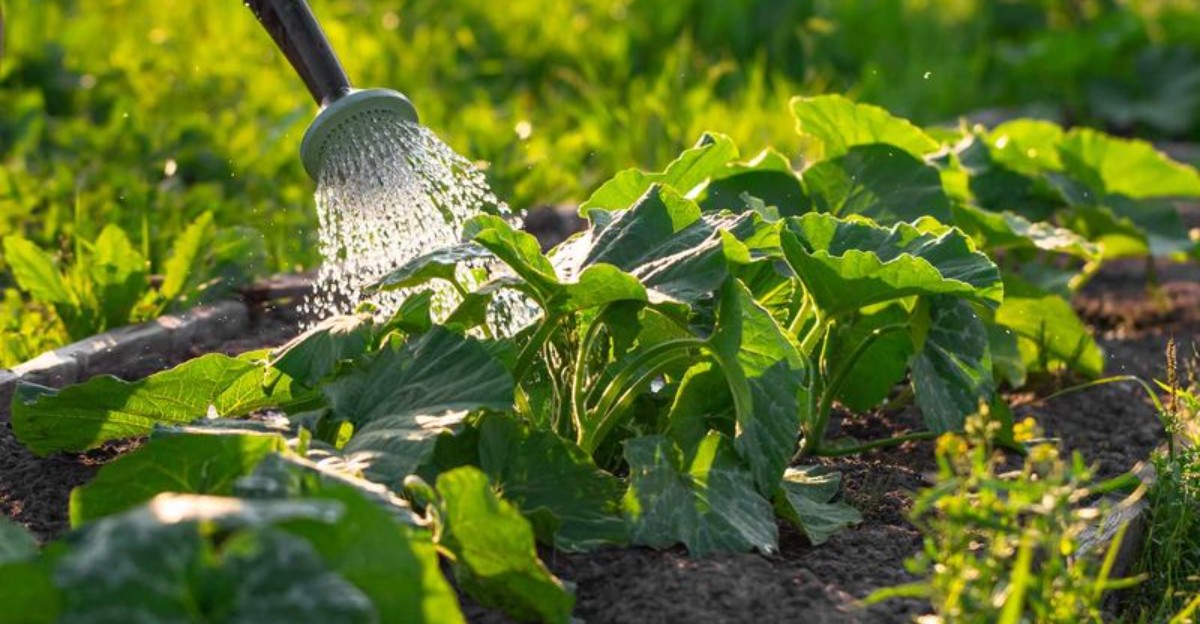
Watering garden beds in the afternoon, rather than morning or evening, can offer real protection against a light overnight frost in Michigan.
Moist soil holds onto heat better than dry soil, slowly releasing that warmth back into the air as temperatures drop after sunset.
Afternoon watering gives soil enough time to absorb that moisture fully before evening cold sets in, maximizing how much heat it can store.
This small shift in timing can mean the difference between frost-damaged leaves and plants that make it through a cold night unharmed.
For Michigan gardeners trying to protect tender plants during an unpredictable fall, this simple timing adjustment offers an easy layer of extra protection.
1. Moist Soil Holds More Warmth Than Dry Soil
Water is one of nature’s best heat batteries. It can soak up and store far more warmth than air can, and it lets go of that warmth slowly. That simple fact is the secret behind using a watering can as a frost tool.
Moist soil works the same way. During a sunny day, damp ground absorbs more heat than dry, dusty ground, and it keeps that heat tucked away after the sun goes down.
Through the night, the soil releases warmth bit by bit, which can keep the air right around your plants a degree or two warmer.
A degree or two might not sound like much. On a frosty night, though, it can be the line between crisp, healthy leaves and limp, blackened ones.
Low-growing plants like lettuce, spinach, and young beans sit closest to the soil, so they gain the most from that gentle rising warmth.
Keep your expectations realistic. Watering can rescue plants on the edge during a light frost, when temperatures dip just below 32 degrees for a short time. It won’t carry tender crops like tomatoes or basil through a hard freeze all by itself.
Michigan gardeners have a real advantage here. The first fall frosts in the state are often light ones, and they are frequently followed by a stretch of mild, sunny weather.
Getting your plants through that first chilly night means you can keep picking greens, herbs, and late vegetables for days or even weeks longer, which feels like a sweet bonus at the end of the season.
2. Afternoon Timing Lets The Soil Soak Up The Sun
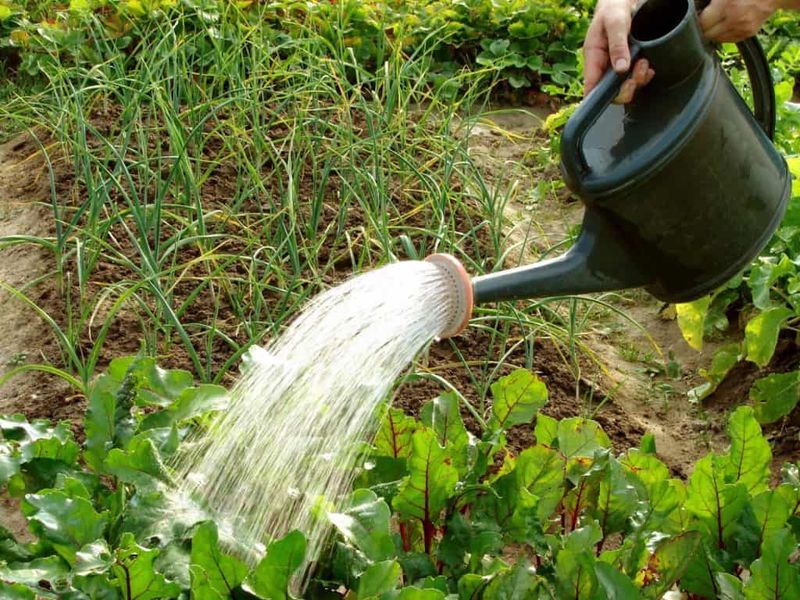
Timing is everything, and that holds true in the garden too. Many people wait until evening to water when they hear a frost warning, but the early afternoon is actually the sweet spot.
Here’s why it works so well. When you water while the sun is still high, the damp soil has hours to warm up before temperatures start to fall. It acts like a sponge for sunshine, storing heat it can share later that night.
Afternoon watering also gives leaves and the top layer of soil time to dry off. Wet surfaces lose heat quickly once the sun sets, and droplets left on leaves can turn icy.
Your Michigan Garden Changes Every Week. Your Plan Should Too.
Gardening in Michigan changes quickly throughout the season. Every Friday you’ll receive a simple weekly plan showing exactly what to plant, prune, fertilize, harvest, and protect so you never miss the right timing.
By evening, you want warm, moist soil underneath and dry plants on top. So how do you do it right? On the day a frost is forecast, water any dry beds by about 1 or 2 p.m.
Aim for a deep soak that reaches a few inches down instead of a quick splash across the surface. A slow, steady stream works better than a fast blast that runs off.
Before evening, poke a finger into the soil to check your work. It should feel cool and damp a couple of inches down, not dry or muddy.
Michigan nights can turn chilly fast. On clear, calm fall evenings, heat escapes from the ground quickly once the sun drops, and temperatures can tumble within an hour or two. Watering early gives your beds a head start before that cold rush arrives.
3. Water The Soil, Not The Leaves
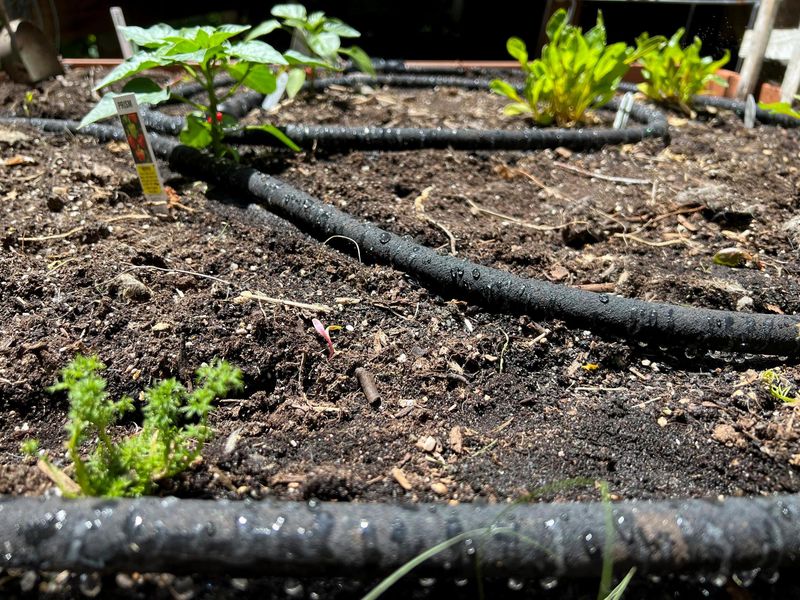
Ever noticed a sprinkler leaving shiny drops on every leaf? It looks pretty, but on a frosty night, those drops can turn into a thin coat of ice.
Your goal is warm roots, not frozen foliage. Soil is where the magic happens. When water sinks into the ground, it stores heat and slowly releases it overnight.
Water sitting on leaves offers no such benefit and can freeze right on the plant surface, adding to the damage instead of preventing it.
Wet leaves bring another problem too. In cool fall air, they stay damp for a long time, and that lingering moisture invites troubles like downy mildew and leaf spot.
Keeping foliage dry helps plants stay healthy as the season winds down. The right tools make this easy. A watering can lets you pour right at the base of each plant.
A hose wand with a gentle shower setting works great for larger beds, and soaker hoses or drip lines are even better since they deliver water straight to the root zone with almost no splashing.
Skip overhead sprinklers on any night a frost is forecast. If you normally rely on one, switch to hand watering for those few key days.
Michigan’s fall nights are often cool, damp, and still. Dew forms easily, and foliage can stay wet for hours after dark.
Adding sprinkler water to that mix only makes things worse, so keep your aim low and let the soil do the heavy lifting.
4. Sandy Soils Benefit Most From Watering

Not all dirt behaves the same way. Grab a handful of sandy soil and it trickles through your fingers, but a handful of clay feels sticky and holds its shape. That difference matters a lot when frost is on the way.
Sandy soil drains quickly. Water rushes through the large spaces between grains, so by afternoon, a sandy bed may hold very little moisture at all. Without that water, it can’t store much heat for the night ahead.
Clay soil works in the opposite way. Its tiny particles cling to water for a long time, so a clay bed might still be damp days after a rain.
In that case, it may already be holding plenty of warmth without any help from you. The smart move is to check before you water. Dig a finger into each bed and feel for moisture.
Sandy beds that feel dry deserve a deep, slow soak on frosty afternoons, while clay beds that are still damp from recent rain can be left alone. Michigan has both soil types in big supply.
West Michigan, especially near the Lake Michigan shoreline, and many parts of the northern Lower Peninsula have plenty of sandy ground. Southeast and mid Michigan, on the other hand, are known for heavier clay soils.
Knowing your soil turns frost protection from guesswork into a plan. A gardener near Holland might grab the hose, while a gardener near Lansing might simply check and walk away, and both would be making the right call.
5. Well-Watered Plants Handle Cold Better

Think of a thirsty plant like a tired runner heading into a storm. It already has less energy to spare, so the cold hits it harder.
A plant that goes into a frosty night well hydrated simply has more strength to hold on. Drought stress weakens plants in quiet ways. Their cells hold less water, their leaves may curl, and their roots struggle.
Then cold, dry air comes along and pulls even more moisture from the leaves, which leads to browning, crispy edges, and more damage than a healthy plant would suffer.
Good watering habits during fall pay off big. Keep fall vegetables, annual flowers, and new plantings watered whenever the weather turns dry.
Deep watering, where moisture reaches several inches down, is far better than light sprinkles that only dampen the surface.
Some plants need extra care. Perennials, shrubs, and trees planted in late summer or fall haven’t built strong root systems yet, so they dry out faster.
Fall greens like lettuce, spinach, and arugula also have shallow roots and thrive with steady moisture.
A good rule of thumb is about an inch of water per week, from rain or the hose. A simple rain gauge can help you keep track without much fuss.
Michigan falls often bring surprisingly dry stretches. Sunny days with little rain can show up right as the first frosts arrive in late September or October.
Paying attention during those dry spells keeps your plants strong, hydrated, and ready for chilly nights.
6. Pair Watering With Covers For Real Protection

Watering and covering are a dream team. On their own, each one helps a little, but together they can protect your plants far better than either could alone.
The reason is pretty simple. Moist soil releases warmth all night long, and without a cover, much of that heat drifts up and away into the open sky.
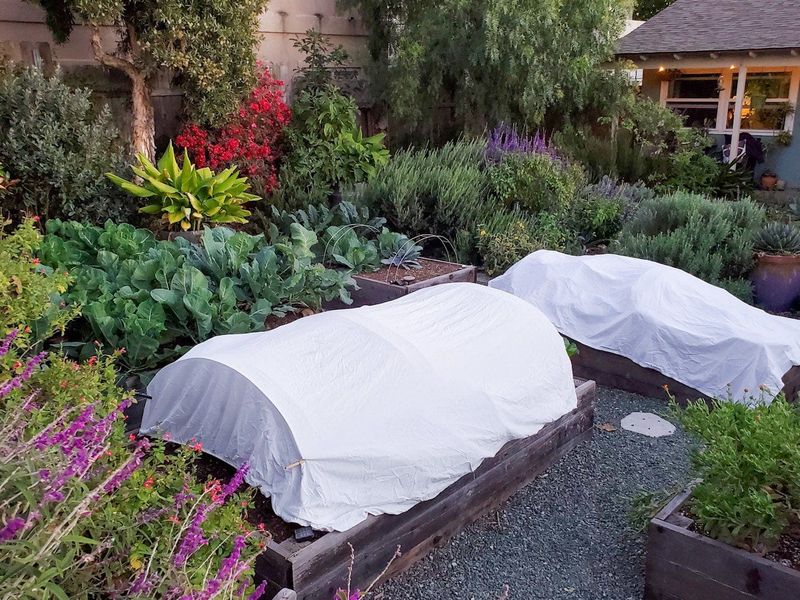
A cover acts like a tent, trapping that rising warmth right around your plants where they need it most.
Start with afternoon watering, then grab your covers as evening sets in. Frost cloth works best, but old bedsheets, light blankets, or even large towels do the job too.
Make sure the fabric reaches all the way to the ground, since that’s where the stored heat comes from.
Leaves can bruise under heavy fabric, so use stakes, wire hoops, or tomato cages to hold covers up and away from foliage. Avoid letting plastic touch leaves, because it passes cold right through and can cause damage where it rests.
Weigh the edges down with bricks or rocks so wind doesn’t lift them. In the morning, remove the covers once temperatures climb above freezing. Leaving them on through a sunny day can trap too much heat and moisture.
Michigan gardeners who use this combo often get rewarded with a longer season. Covered greens, herbs, and late tomatoes can keep producing for weeks after the first frost, especially when mild weather returns.
That means more salads, more fresh parsley, and maybe a few extra ripe tomatoes before the season truly ends.
7. Don’t Overwater Beds That Are Already Wet
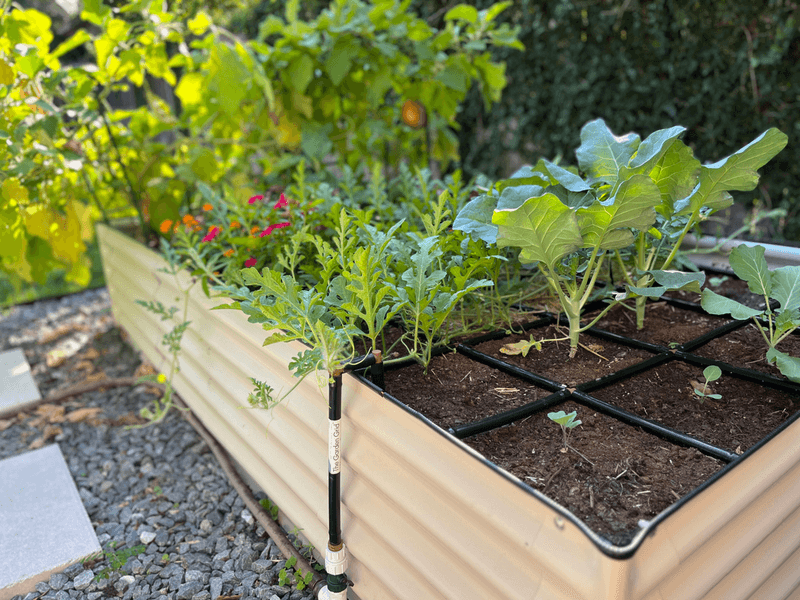
More water isn’t always better. In fact, a soggy bed can cause as many problems as a dry one, so a quick check before you grab the hose is worth every second.
Soil that’s already damp from rain is holding plenty of heat. Adding extra water won’t boost that warmth in any helpful way.
Instead, it fills the tiny air pockets that roots need to breathe, which can stress plants and invite root rot.
Cold weather makes things trickier. As temperatures drop, water evaporates more slowly and plants drink less, so soggy soil stays soggy even longer.
Roots sitting in cold, wet ground for days can turn mushy and weak. The finger test is your best friend here. Push a finger about two inches into the soil near your plants.
If it feels damp or cool and moist, skip watering, and if it feels dry and crumbly, go ahead and give it a good soak.
Watch for trouble spots too. Low areas where puddles linger after rain and beds with heavy soil both drain slowly.
These spots often need no extra water at all before a frost, and in some cases, a little extra mulch or a raised bed might help with drainage down the road.
Michigan’s fall weather can be quite rainy at times. Steady autumn showers can keep clay soils wet for days, especially in the southeast part of the state.
Trusting your finger instead of the calendar keeps your plants safe from both frost and soggy roots.
8. Know When Watering Won’t Be Enough

Every garden trick has its limits. Watering is a wonderful helper on light frost nights, but when a hard freeze rolls in, even the best-watered and covered tender plants will struggle.
A light frost usually means temperatures just dip to around 30 to 32 degrees for a short time. A hard freeze is different, with temperatures falling to about 28 degrees or lower for several hours.
On nights like that, tomatoes, peppers, basil, squash, and other warm-season crops will be damaged no matter how moist the soil is.
That’s when smart planning pays off. Keep an eye on the forecast, and before a hard freeze, harvest ripe and mature produce.
Green tomatoes can ripen indoors on a counter, and mature squash stores well in a cool, dry spot.
Potted plants have an easy escape route. Move tender herbs, flowers, and container vegetables into a garage, shed, or sunny room for the night, or even for the rest of the season.
Save your covers and watering efforts for tough, cold-hardy crops. Kale, spinach, carrots, and lettuce can shrug off chilly nights and keep growing afterward.
Kale and carrots often taste sweeter after frost, since cold weather helps them build up natural sugars.
Michigan gardeners know that light frosts can turn into hard freezes quickly, sometimes within a week or two. In the northern Lower Peninsula and the Upper Peninsula, that window can be even shorter.
Knowing when to protect and when to harvest helps you finish the season with full baskets and happy memories.