What To Do With Potted Bougainvillea Before Ohio Nights Turn Cold
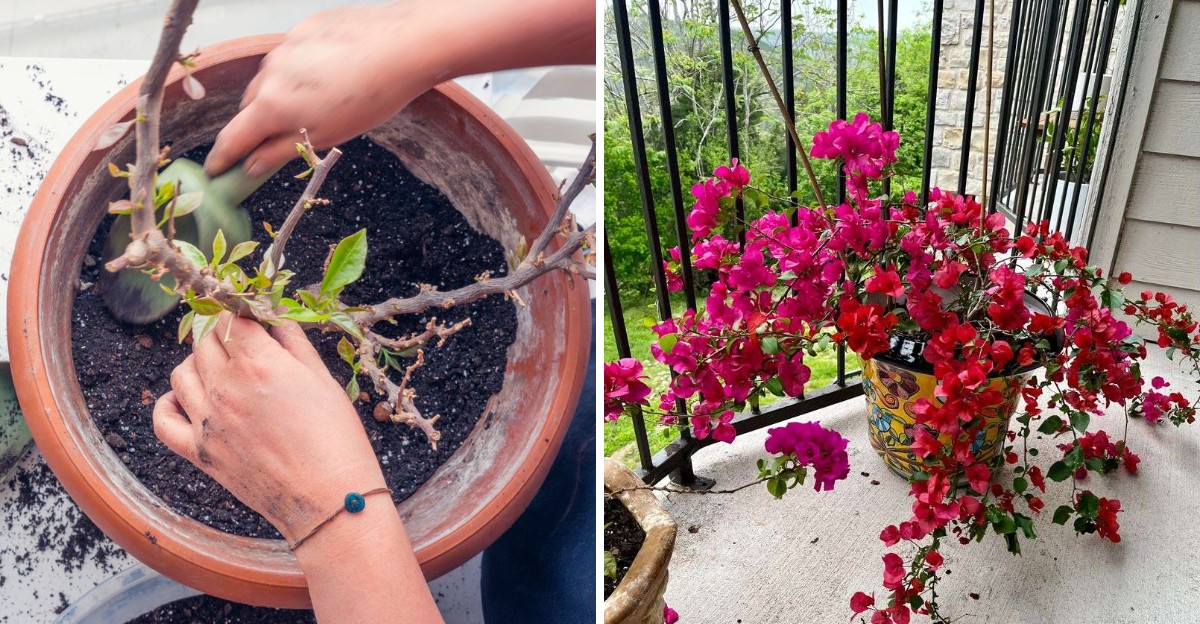
Bougainvillea acts like a diva once the weather turns, and Ohio nights can flip that switch faster than you’d expect.
This tropical beauty shrugs off heat all summer, so it’s easy to forget how touchy it gets about cold. One chilly night won’t announce itself with drama.
The damage creeps in quietly and shows up days later.
The move indoors is only half the battle. The plant has strong opinions about light, water, and how fast you make the switch.
Rush it and the leaves hit the floor.
Get a game plan together this week, while the forecast still plays nice. A little prep now keeps those papery blooms in your corner come spring.
1. Bring Bougainvillea In When Nights Hit The 50s
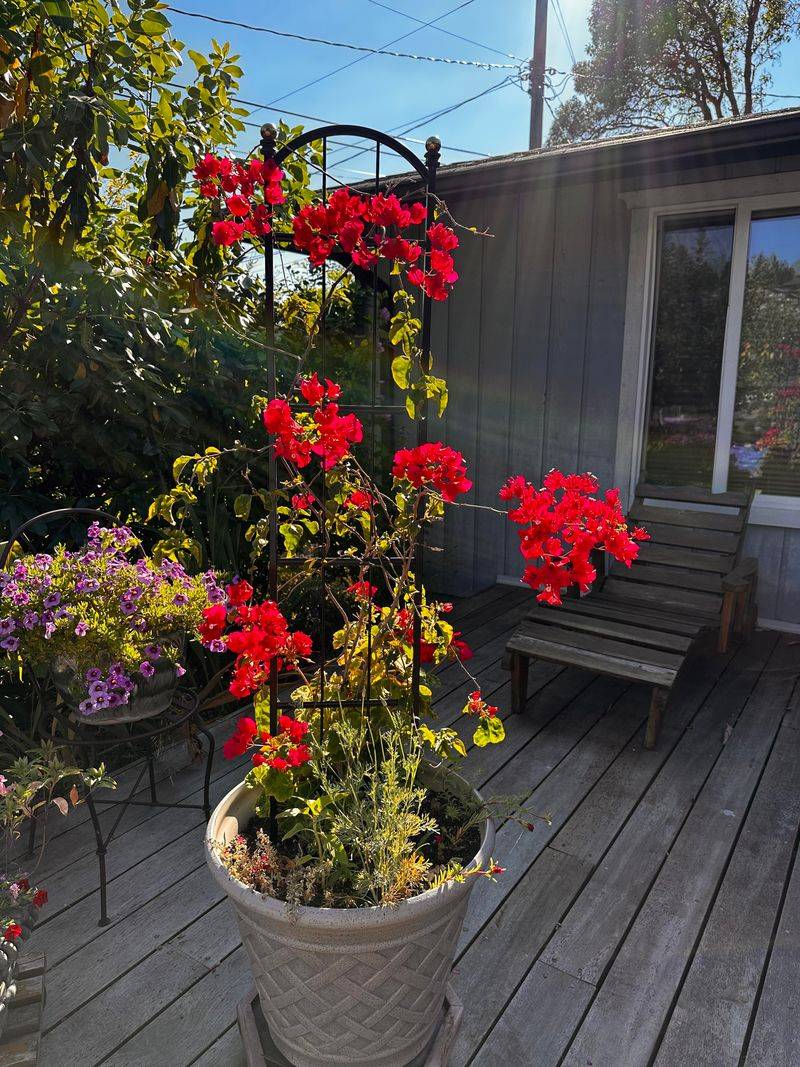
Picture a September evening on your porch, sweater on and coffee in hand. Your tropical friend in the pot feels that chill far more than you do.
Bougainvillea comes from the warm parts of South America. Ohio fall nights are a shock it was not built to handle.
A good rule is to move it indoors once nights dip to around 50°F. Young plants under two years old are the most sensitive, so they should go first.
Older, sturdier plants can sometimes ride out nights near 40°F. Still, waiting that long is a gamble that rarely pays off.
Long stretches below 50°F stress the plant and often trigger leaf drop. A single light frost can blacken the foliage overnight.
A hard freeze is worse, since it can harm the roots as well as the branches. Recovery from that kind of damage takes months, if it happens at all.
Keep an eye on your local forecast starting in mid-September. In much of Ohio, the first 50-degree nights show up sooner than people expect.
Set a phone reminder or jot a note on the kitchen calendar. That small habit can protect a plant you spent all summer enjoying.
Moving it a week early costs you nothing at all. Moving it a week late can cost you next summer’s color.
2. Check For Hitchhiking Insects First
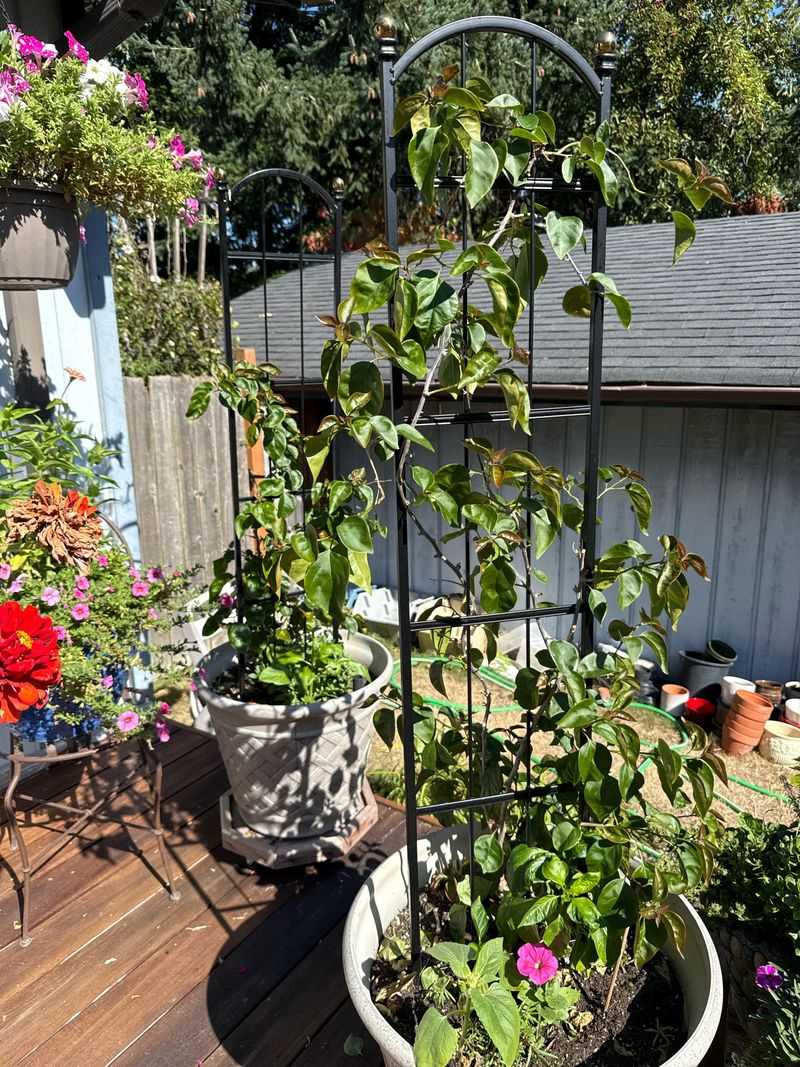
Nobody wants surprise guests sneaking in with the luggage. Bugs on a patio plant are exactly that kind of uninvited company.
Outdoors, birds and good insects keep pests in check. Indoors, those helpers vanish, and tiny invaders can multiply fast.
Bougainvillea attracts a whole crew of troublemakers. Aphids, mealybugs, scale, thrips, whiteflies, spider mites, and looper caterpillars all enjoy a nibble.
Grab a flashlight or a magnifying glass and take ten slow minutes. Flip the leaves over, since most pests hide on the undersides.
Look for sticky spots, cottony white fluff, or tiny bumps on stems. Fine webbing or speckled, faded leaves can point to mites.
Chewed edges or ragged holes usually mean caterpillars are around. Pick them off by hand and toss them far from the garden.
A strong spray of water from the hose knocks off many soft pests. Insecticidal soap is a gentle next step for anything that hangs on.
Your Ohio Garden Changes Every Week. Your Plan Should Too.
Gardening in Ohio changes quickly throughout the season. Every Friday you’ll receive a simple weekly plan showing exactly what to plant, prune, fertilize, harvest, and protect so you never miss the right timing.
Do not skip the pot itself, either. Check under the rim, along the drainage holes, and on top of the soil.
Spending a few minutes now saves weeks of frustration later. Your other houseplants will thank you for keeping the bug parade outside.
3. Prune Hard Before It Comes Inside
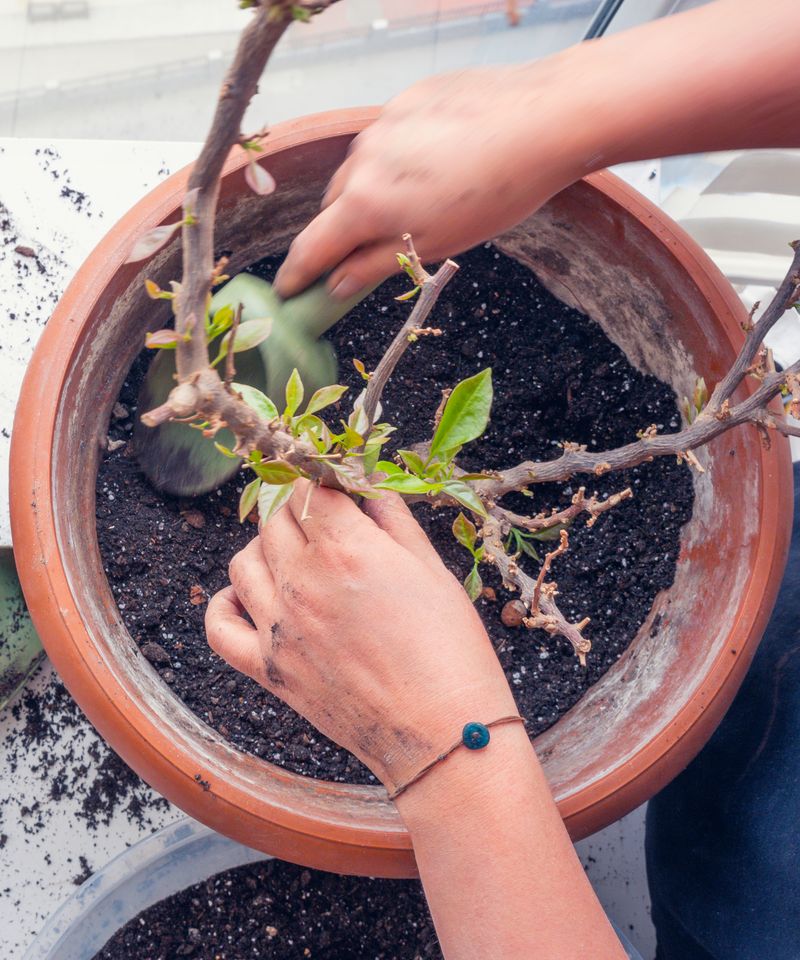
Ever tried to carry a thorny octopus through a doorway? A summer-grown bougainvillea can feel a lot like that.
Pruning before the move makes life easier for you and the plant. It shrinks the size and sets the stage for fresh growth in spring.
There is no single right way to trim it for winter. The main goal is to get it down to a size that fits your indoor spot.
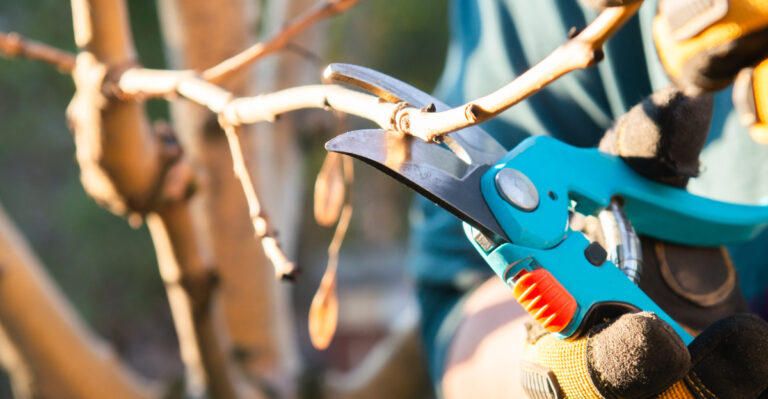
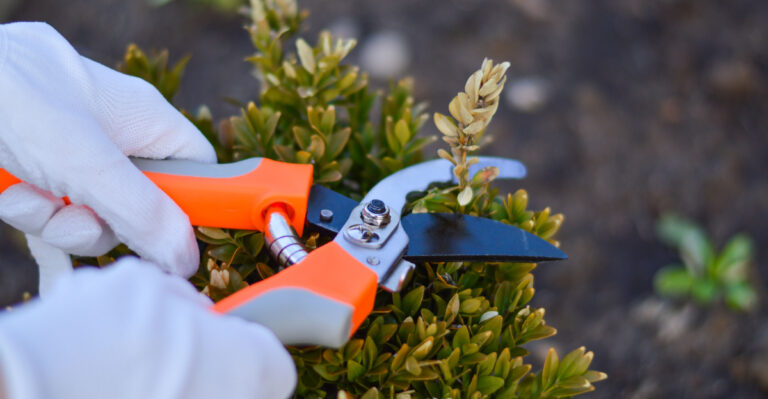
Many gardeners remove about one-third of the plant. Start with branches that look damaged, dried out, or weak.
Next, shorten the long, wild shoots that stick out in every direction. Cut just above a leaf node so new growth has a place to start.
Very vigorous plants may need a much harder cut. Bougainvillea is tough and usually bounces back with gusto.
Wear thick gloves and long sleeves for this job. Those thorns are sharp, and they seem to find bare skin with spooky accuracy.
Save any big shaping work for late winter, when the plant is resting. Fall pruning is mostly about size and tidiness.
Here is a fun bonus for curious gardeners. The bright color comes from papery bracts, not the tiny white flowers tucked inside.
4. Choose Between Dormancy And A Sunny Window
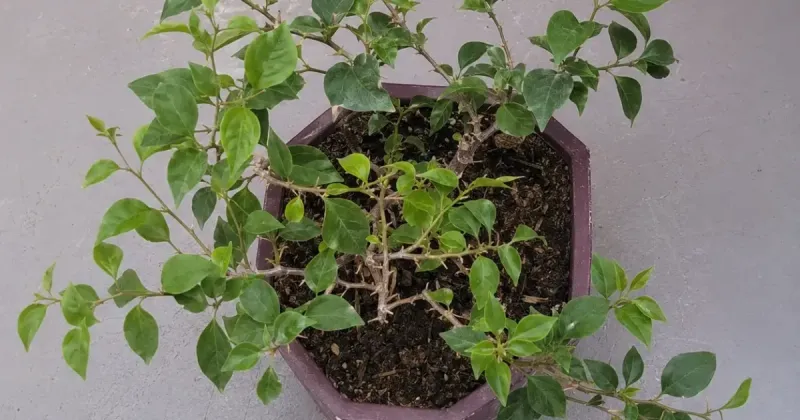
Winter gives you two paths, a bit like choosing between a nap and a pep rally. Each one works, so pick the style that fits your home.
The first option is keeping your plant awake and growing. That means finding a bright, sunny window for it.
Bougainvillea craves light, ideally six or more hours of direct sun each day. A south or west-facing window gives the best shot.
Ohio winters can be gloomy, with plenty of cloudy weeks. A simple grow light can fill the gap and may even coax out winter color.
Without enough light, the plant will simply slow down and rest. That is not a failure, just its way of waiting for spring.
The second option is letting it go dormant on purpose. For this, you need a cool, frost-free space instead of a sunny one.
Dormancy is often easier for busy people. The plant needs less water, less attention, and less window space.
Think about what you already have at home. A bright sunroom favors the growing route, while a cool garage favors the nap.
Neither choice is wrong, so trust your setup. Your bougainvillea is more flexible than its fancy looks suggest.
5. A Cool, Frost-Free Spot Lets It Rest
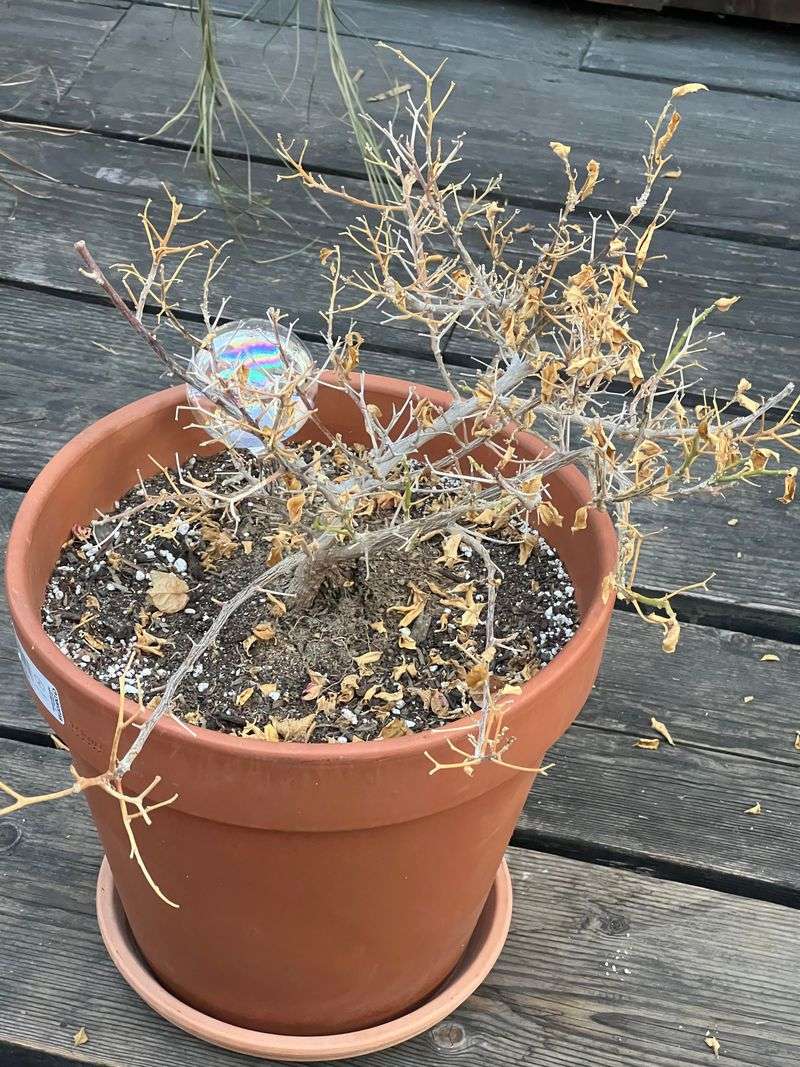
Garages and basements are not just for old bikes and holiday boxes. They can also be cozy winter bedrooms for a sleepy bougainvillea.
A dormant plant likes it cool but safe from freezing. The sweet spot is about 45 to 50°F, though 40 to 50°F can work.
An attached garage, a cool basement, or an insulated shed are all solid picks. Unheated sheds can get too cold during a January deep freeze.
Place a cheap thermometer near the pot. Checking it once in a while shows you whether the spot stays above 40°F.
Bougainvillea cannot handle frost at all. If a cold snap is coming, move the pot closer to the house wall or toss an old blanket over it.
Bright light is not required during this rest. The plant barely uses energy, so a little window light is plenty.
Keep the pot off cold concrete if you can. A wooden board or plant stand helps protect the roots from extra chill.
Remember where you put it, too. More than one gardener has found a forgotten pot behind the lawn mower in March.
Treat this spot like a quiet hotel room. Calm, cool, and steady is all your plant is asking for.
6. Expect Leaves To Drop Indoors
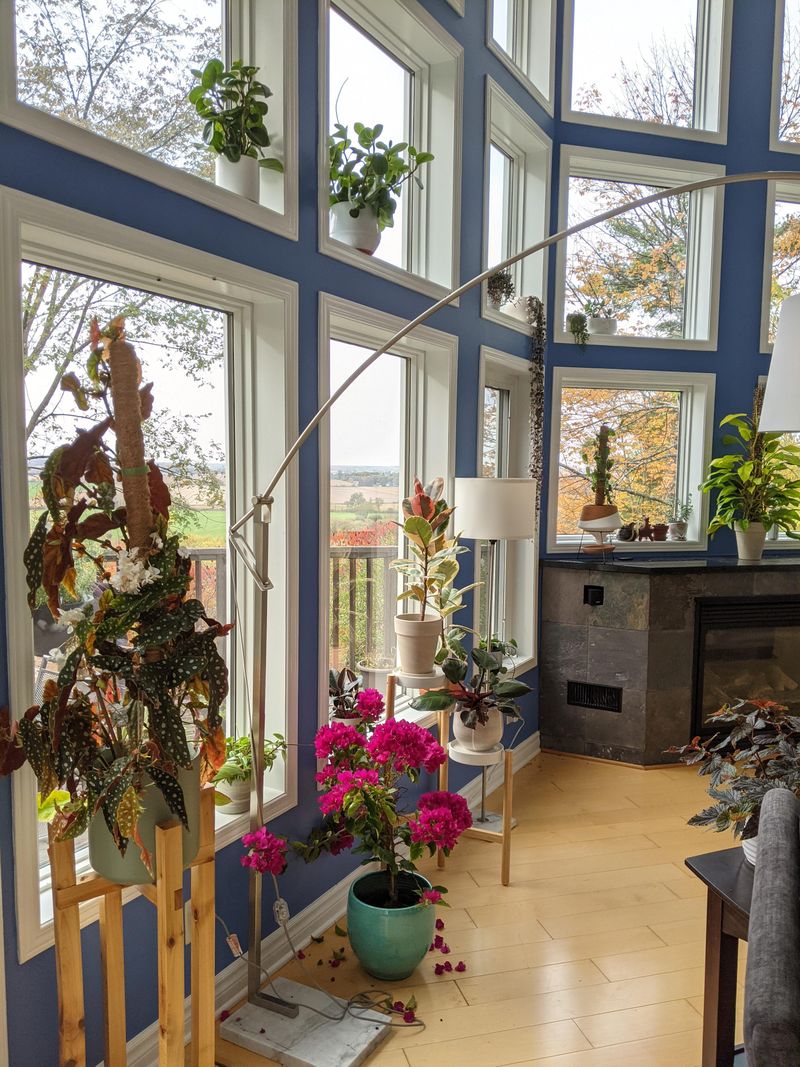
Leaves on the floor can make any plant owner panic. Before you rush to blame yourself, take a deep breath.
Bougainvillea often sheds some or all of its leaves after moving inside. This is a normal reaction, not a sign of failure.
Indoors, the light is weaker and the air is drier. Temperatures shift too, and the plant responds by thinning out.
Outside the tropics, bougainvillea acts semi-deciduous. In other words, it naturally drops foliage in late fall and winter to rest.
Think of it like a bear settling into its den. The plant is saving energy, not giving up.
A quick test can calm your nerves. Gently scratch a stem with your fingernail and look for green underneath.
Green tissue means the plant is healthy and waiting. Brown, brittle stems may need trimming later, but usually only a few.
Sweep up fallen leaves every week or so. Piles of leaves can hide pests and hold extra moisture near the pot.
Resist the urge to water more or fertilize to fix it. Those moves can cause more harm than the leaf drop itself.
Patience is the real secret here. Fresh leaves will pop out once longer, brighter days return.
7. Water Sparingly Through Winter
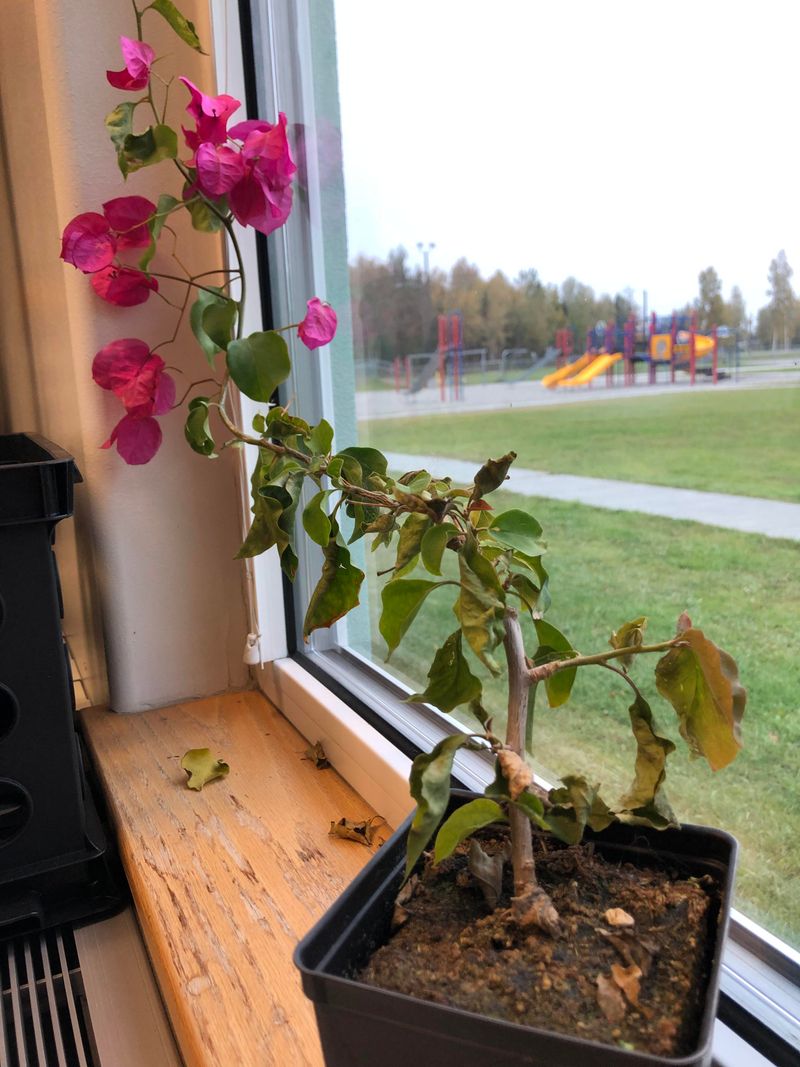
Kindness can sometimes come in the form of a full watering can. For a resting bougainvillea, though, too much love can rot the roots.
During winter, this plant drinks far less than it did in July. Slow growth means slow water use.
Let the top half of the soil dry out between waterings. Push a finger or a wooden chopstick deep into the pot to check.
For many homes, that works out to every 10 to 14 days. A truly dormant plant in a cool garage might only need water once a month.
Keep the soil on the dry side, but not so dry that stems shrivel. A light, thorough drink is better than frequent small sips.
Overwatering is one of the most common indoor mistakes. Soggy soil invites root rot, which is hard to reverse.
Make sure the pot drains well. Empty any saucer underneath so water does not sit around the roots.
Skip the fertilizer until spring arrives. Feeding a resting plant only pushes weak growth it cannot support.
Here is an easy reminder trick. Write watering dates on a sticky note attached to the pot.
Less really is more this season. Your plant is snoozing, not thirsty.
8. Watch For Mites Once It’s Inside
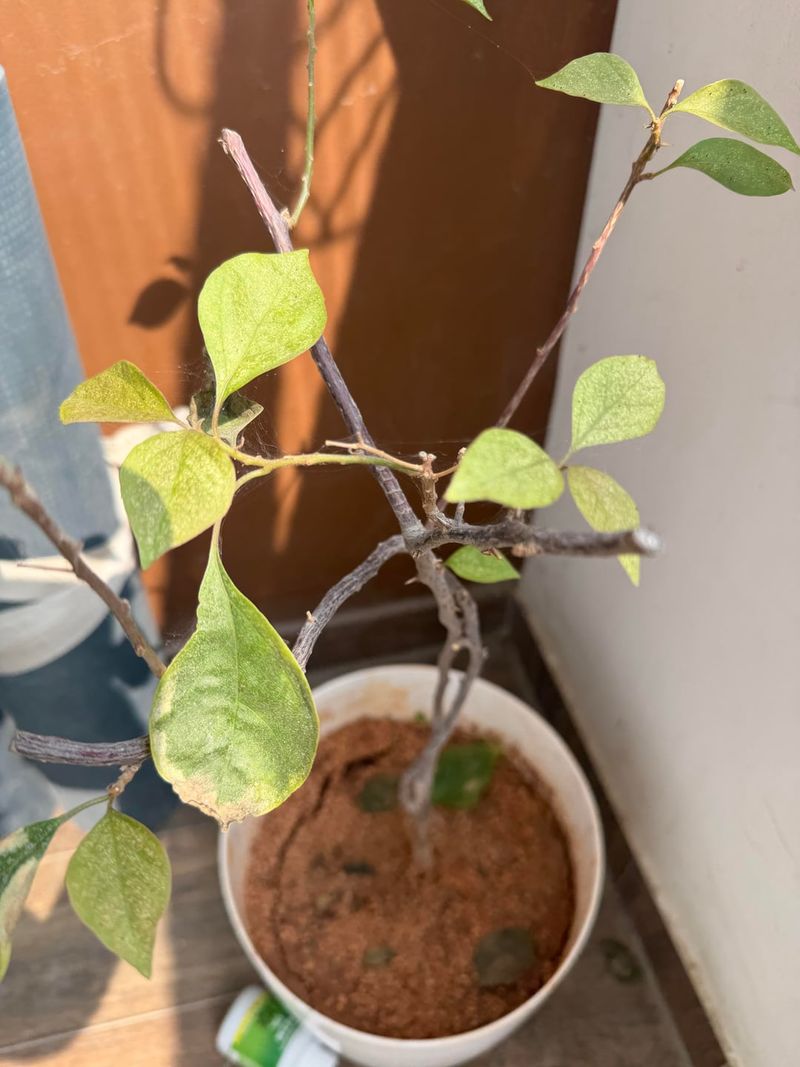
Spider mites are tiny, sneaky, and surprisingly hungry. Dry winter air from your furnace is basically their dream vacation.
These pests are smaller than a pencil dot. Most people spot the damage long before they see the mites themselves.
They live in colonies, usually on the undersides of leaves. They suck juices from the plant cells, leaving behind pale speckles.
Watch for faded, dusty-looking leaves or fine webbing between stems. Those are classic warning signs.
A simple paper test can help. Tap a branch over white paper and look for tiny moving specks.
Raising humidity makes your home less friendly to mites. A pebble tray with water or a small humidifier nearby can help.
If you find them, rinse the plant in the shower or sink. Follow up with insecticidal soap, covering both sides of every leaf.
Repeat treatments about once a week for a few weeks. Mite eggs hatch on their own schedule, so one spray rarely finishes the job.
Keep the plant a little apart from other houseplants for a while. Mites love to spread to new neighbors.
Make inspections part of your weekly routine, like taking out the trash. Catching them early keeps the problem small.
9. Ease It Back Outside A Half Hour At A Time
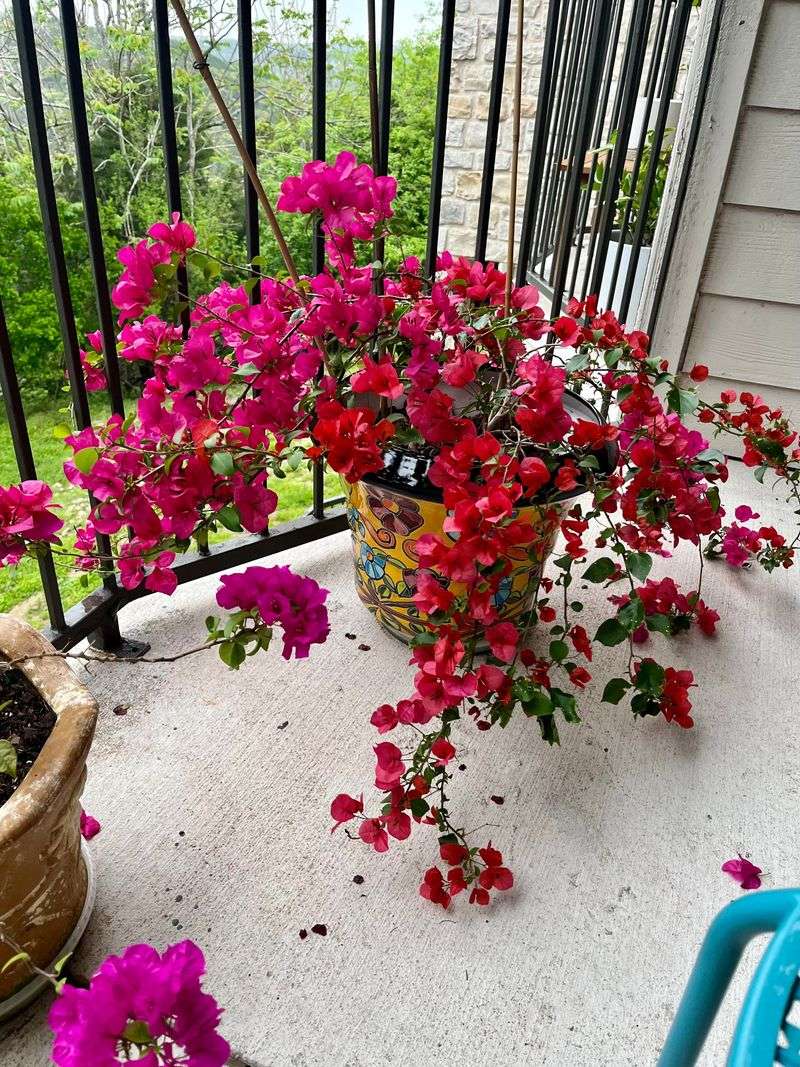
Spring fever hits Ohio gardeners hard. The first warm afternoon makes everyone want to haul every pot outside at once.
Hold that thought for a moment. A plant that spent months indoors can sunburn just like pale winter skin.
Wait until nights stay above 50°F on a steady basis. In much of Ohio, that usually means mid to late May.
Start with about half an hour outside in a shady, sheltered spot. Bring it back in afterward and repeat the next day.
Each day, add a little more time and a bit more light. This gradual process is called hardening off.
Over one to two weeks, the plant adjusts to sun, wind, and cooler air. Then it is ready for its full-sun summer home.
Watch for pale or bleached patches on the leaves. Those suggest it needs more shade for a few extra days.
As new growth appears, return to a normal watering schedule. This is also the time to start feeding with a bloom-friendly fertilizer.
Give it space where it can soak up six or more hours of sun. Bougainvillea blooms best when it feels slightly toasty.
Before long, those bright bracts will be back. All that winter effort will glow right on your porch again.