These Pennsylvania Mushrooms Should Be Left Alone In Your Yard
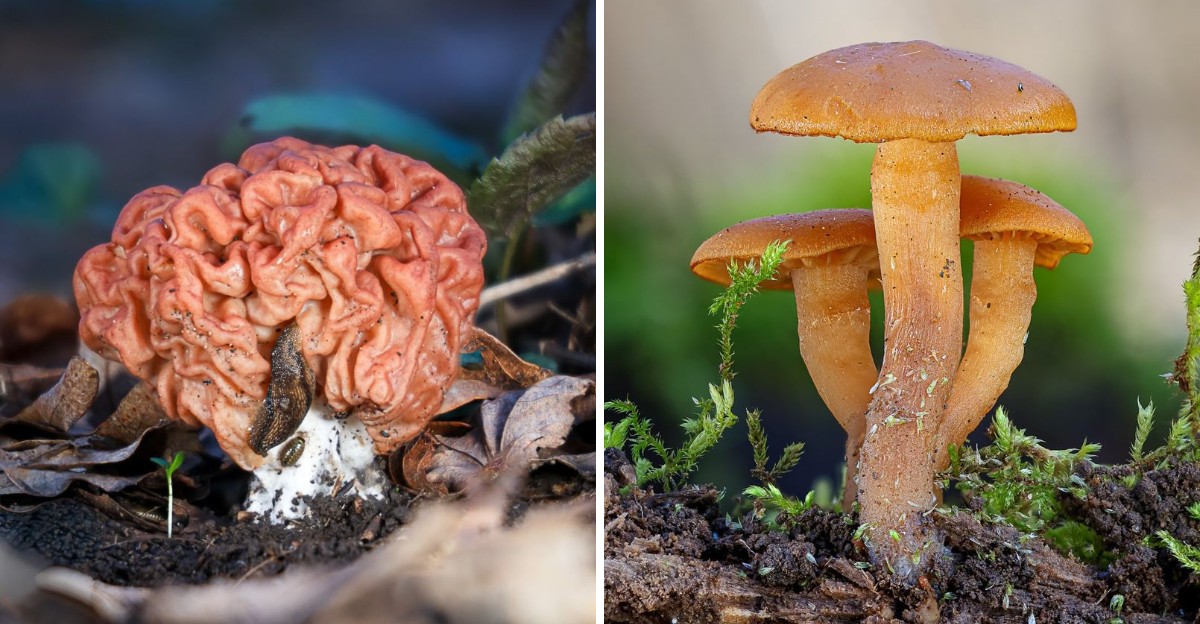
The mushroom you spot in your lawn is only a tiny piece of something much bigger. Below the surface, threadlike fungi can stretch for yards through the soil, quietly breaking down old roots, leaves, and wood.
After a few rainy fall days, those hidden networks send up mushrooms almost overnight. Pennsylvania yards can sprout dozens of different kinds. Some are bright and eye-catching. Others look plain enough to ignore.
That’s where things get tricky. Several common backyard mushrooms are toxic, and a few closely resemble safe, edible ones.
Curious kids and dogs don’t know the difference, and even experienced foragers can be fooled. Still, most of these mushrooms aren’t a sign of trouble. In fact, many are helping your soil.
Knowing which ones to avoid can keep your family and pets safe while the fungi do their quiet work.
1. Destroying Angel (Amanita Bisporigera)
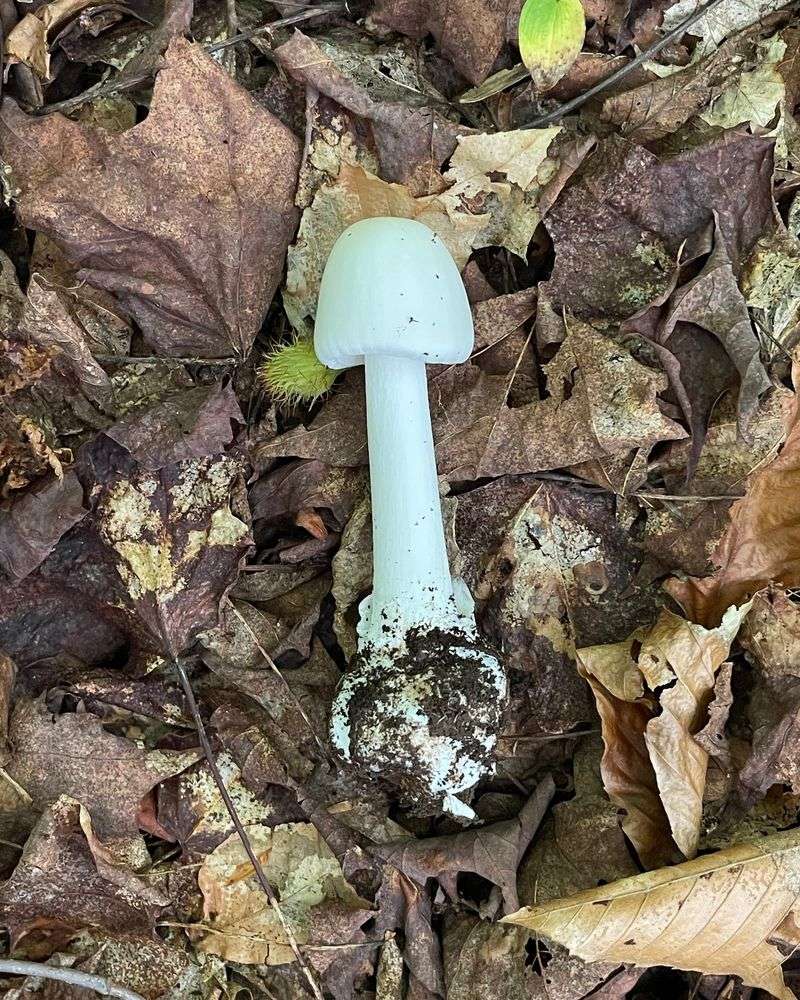
Few things in nature look as innocent as a destroying angel. It stands tall and spotless, almost like a tiny white umbrella in the grass. Sadly, that clean look hides one of the most dangerous poisons found in North America.
You can spot it most often near hardwood trees like oaks and beeches. It pops up in summer and fall, especially after warm rains. The whole mushroom is white, including the cap, the stem, and the gills underneath.
Look closely at the stem and you may see a thin ring, like a little skirt. At the very bottom, hidden under the soil, sits a cup-shaped sac called a volva. Many people pull the mushroom up and miss this key clue because it stays buried.
The toxins inside attack the liver. Even worse, symptoms often wait six to twenty-four hours before showing up.
By then, the poison has already done a lot of harm. Some people even feel better for a day before things get much worse.
So what should you do if you find one? Leave it alone unless small kids or pets play nearby. If you need to remove it, wear gloves and dig out the whole thing, including the base.
Put it in a sealed bag and throw it in the trash, not the compost.
Fun fact: young destroying angels can look like round white puffballs. Foragers sometimes slice a puffball in half to check. A real puffball is solid white inside, while a baby angel shows the outline of a tiny mushroom.
If anyone eats a white mushroom from the yard, call Poison Control at 1-800-222-1222 right away. Do not wait for symptoms to appear.
2. Green-Spored Parasol (Chlorophyllum Molybdites)
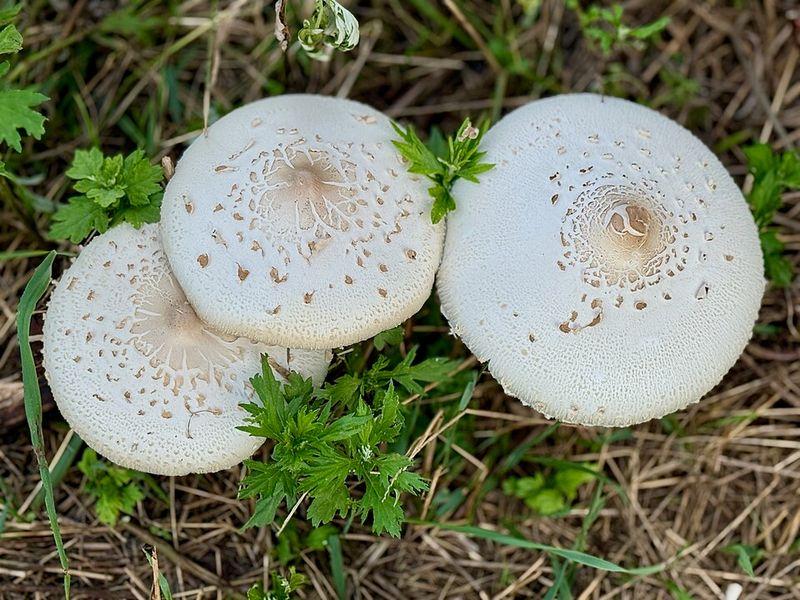
Ever walked outside and found a perfect circle of big white mushrooms on your lawn? Folks call these fairy rings, and they can feel like a little bit of magic. When the mushrooms are green-spored parasols, though, the magic stops at looking.
These are large mushrooms. Their caps can grow wider than a dinner plate. They start out round like a marshmallow, then open flat with brownish scales scattered across the top.
Your Pennsylvania Garden Changes Every Week. Your Plan Should Too.
Gardening in Pennsylvania changes quickly throughout the season. Every Friday you’ll receive a simple weekly plan showing exactly what to plant, prune, fertilize, harvest, and protect so you never miss the right timing.
Green-spored parasols love lawns, parks, and golf courses. They show up after summer and early fall rains, sometimes in big groups. Because they grow right where people live, they cause more mushroom poisonings in North America than almost any other kind.
Eating one leads to harsh vomiting and diarrhea. It usually starts within a few hours. Most adults recover, but kids and pets can lose fluids fast and may need a doctor.
Here is a neat trick for telling them apart. As these mushrooms age, their gills slowly turn a pale greenish gray. Experts also make a spore print by setting the cap on white paper overnight. A green print gives this one away.
The trouble is that they look a lot like the edible shaggy parasol. Even some careful foragers get them mixed up. That is a big reason to never eat a lawn mushroom unless an expert checks it in person.
For yard care, try mowing them down or raking them up before your dog finds them. They often return in the same spot each year, since the fungus lives under the soil. Keeping an eye on that patch after rain is a smart habit.
3. Jack-O’-Lantern Mushroom (Omphalotus Illudens)
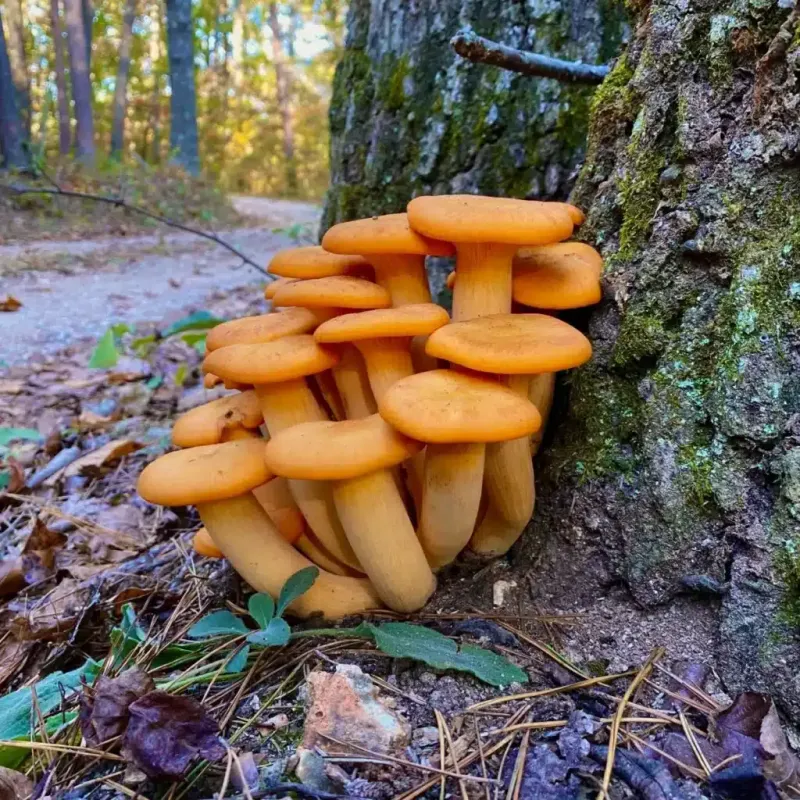
Talk about a show-off! The jack-o’-lantern mushroom grows in big, bright orange bunches that almost glow against brown leaves. Some even give off a faint green light in the dark.
Yes, really. The gills of fresh jack-o’-lanterns can shine softly at night. This glow is called bioluminescence, the same kind of light that fireflies make. You need a very dark spot and a lot of patience to see it.
You will usually find these mushrooms on old stumps or over buried roots. They show up from late summer into fall. If you cut down a tree a few years ago, that stump might become their favorite hangout.
Eating one is a bad idea. It brings on strong stomach cramps, vomiting, and diarrhea. People rarely face lasting harm, but they feel miserable for hours.
Many people mix them up with chanterelles, a tasty mushroom that is also orange. Here is how to tell the difference:
Jack-o’-lanterns grow in tight clusters, often on wood. They have sharp, true gills that run down the stem. Inside, the flesh is orange all the way through.
Chanterelles usually grow alone or scattered on the ground. Their ridges look blunt and forked, more like wrinkles than gills. Their inner flesh is pale or white.
If these orange clusters appear in your yard, just enjoy the fall color from a distance. Remind kids that bright does not mean safe. You can also grind out the old stump if you want them gone for good.
4. Yellow-Orange Fly Agaric (Amanita Muscaria Var. Guessowii)
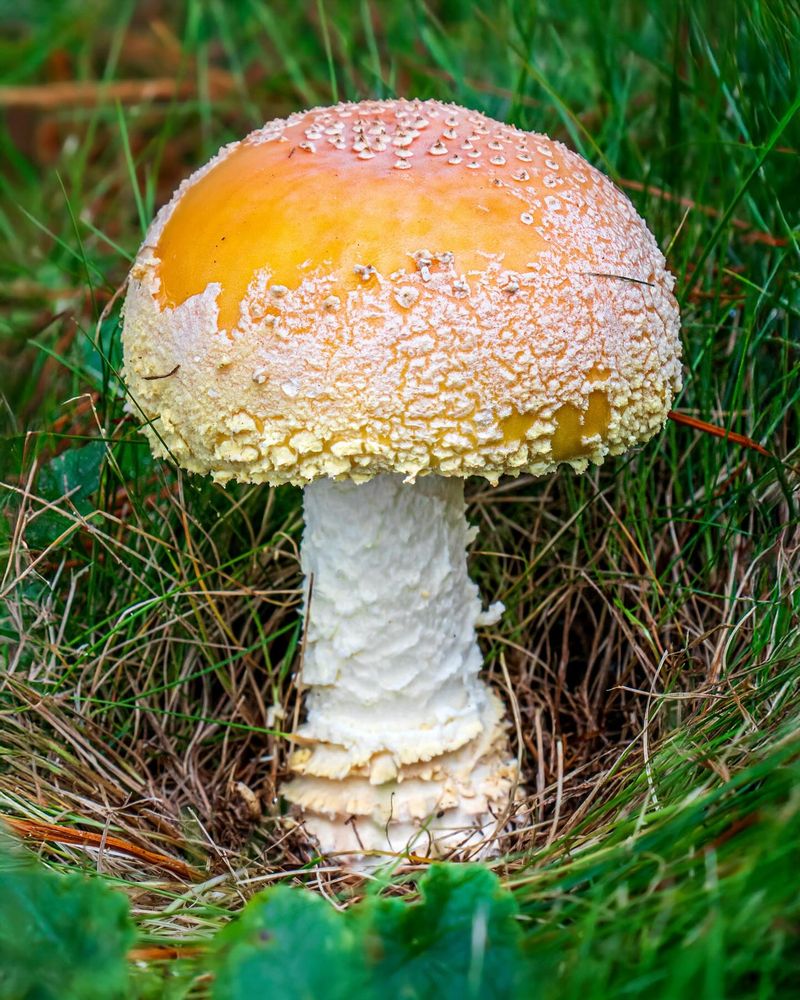
Once upon a time, in nearly every fairy tale book, a gnome sat on a spotted mushroom. That classic picture comes from the fly agaric. In Pennsylvania, our local version wears a sunny yellow to orange cap instead of the famous red one.
Its cap is dotted with white, fluffy warts that look like bits of cotton. The stem is white and often has a ring near the top. At the base, you will notice a bulb with rings of scaly tissue.
Fly agarics like to grow near conifers such as pine and spruce. They also team up with birch trees. The fungus actually trades nutrients with the tree roots, so both partners stay healthy.
As pretty as it is, this mushroom is not a snack. It holds toxins that affect the brain and nerves. Eating it can cause confusion, dizziness, sleepiness, muscle twitching, and strange behavior. Pets, especially dogs, can get quite sick too.
Here is a quirky history bit. The name fly agaric comes from an old European practice. People crumbled the mushroom into milk to attract and stun flies.
Rain can wash the white spots off the cap. That makes the mushroom harder to recognize, so do not count on the spots alone.
For your yard, the best plan is simple. Snap a photo, admire it, and then remove it if little ones play nearby. Wear gloves and wash your hands afterward. If a pet nibbles one, call your vet right away.
5. Galerina (Galerina Marginata)
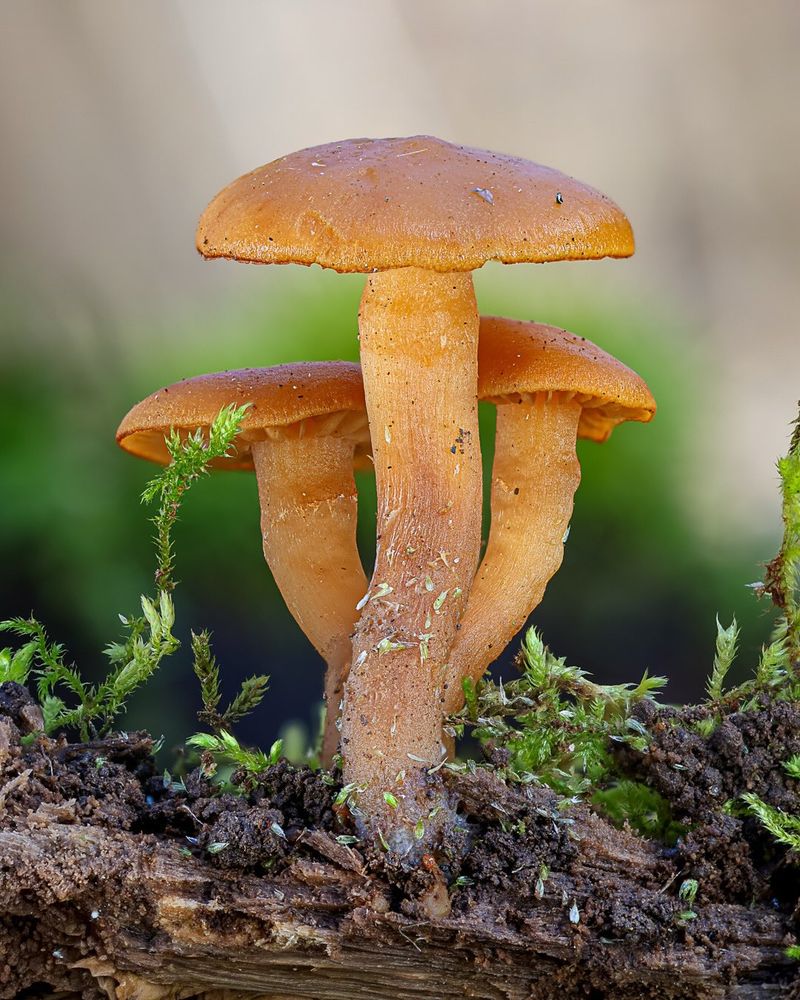
Mushroom experts have a joke name for small brown mushrooms. They call them LBMs, short for little brown mushrooms. Most are harmless, but the galerina is the one that gives the whole group a scary reputation.
Nothing about it stands out. The cap is honey brown to tan and only about one to two inches across. The stem is thin and often has a faint ring near the top.
Galerinas grow on rotting wood. Think old logs, stumps, wood chips, and buried branches. They can show up in spring, fall, and even mild winter days, which surprises many people.
Here is the scary part. This plain little mushroom holds the very same toxins as the destroying angel. Those poisons damage the liver, and symptoms can take many hours to appear.
Because it looks so ordinary, people overlook it. Some foragers have confused it with edible honey mushrooms or velvet foot mushrooms. A small mistake can lead to a big emergency.
So how can you protect your family? Teach kids that small brown mushrooms are just as risky as fancy ones. Keep toddlers from grabbing things off woodpiles or mulch beds. Check your dog’s favorite sniffing spots after wet weather.
A spore print can help experts identify it, since galerinas leave a rusty brown print. Still, that is a job for trained eyes, not guesswork.
If you spot a cluster on a backyard log, rake it into a bag and toss it. The fungus may come back, but regular checks keep risks low.
6. False Morel (Gyromitra Species)
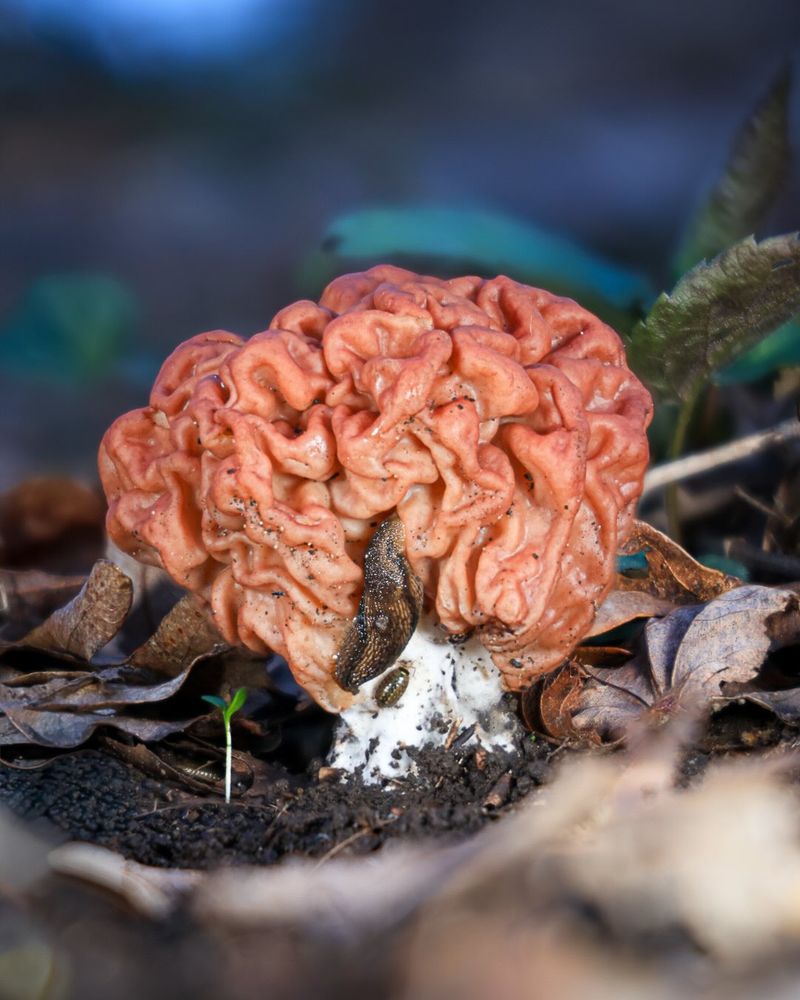
Spring in Pennsylvania means one thing to many hunters: morel season. People share secret spots and fill bags with these tasty, honeycomb-capped treats. The false morel loves to crash that party.
False morels appear in spring, right when true morels do. Their caps are wrinkled and lumpy, a lot like a brain. The color ranges from reddish brown to dark brown.
The easiest way to tell them apart is to slice one in half from top to bottom. A true morel is hollow from the tip of the cap to the bottom of the stem. A false morel is stuffed with cottony fibers or has chambers inside.
The shape of the cap helps too. True morels have neat pits, like a sponge or honeycomb. False morels look folded and wavy instead.
Why does this matter so much? False morels contain a toxin called gyromitrin. Inside the body, it turns into a chemical similar to rocket fuel. Yes, the same kind once used to launch spacecraft!
Eating one can cause vomiting, headaches, dizziness, and liver damage. In serious cases, it can be fatal. Even breathing the steam while cooking them can make people feel sick.
Some people say they ate them without trouble. That is a risky gamble, because the toxin builds up and affects each person differently.
If a strange brain-shaped mushroom shows up near your trees this spring, leave it be. Join a local mushroom club if you want to learn true morel hunting. Experienced members love to teach beginners the right way.
7. Common Inky Cap (Coprinopsis Atramentaria)
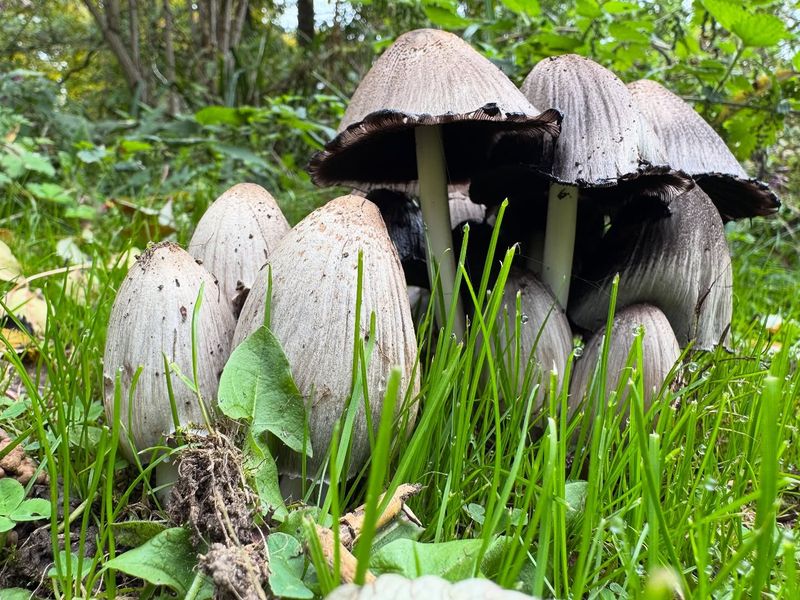
Back in the old days, people really did write with this mushroom. As the common inky cap ages, its gills melt into a black liquid. Folks once collected that goo and used it as ink.
You will spot inky caps in clusters on lawns, in mulch beds, and near buried wood. They are gray and shaped like little bells. They often show up in spring and fall after rain.
The melting process is pretty wild to watch. A fresh cluster can turn into a dripping black mess within a day or two. Scientists call this autodigestion, which means the mushroom digests itself to release its spores.
Now for the weird part. Inky caps are not poisonous in the usual way. The danger comes when someone eats them within a few days of drinking alcohol.
The mushroom contains a chemical called coprine. It stops the body from breaking down alcohol properly.
The result can be a red, flushed face, nausea, vomiting, tingling hands, and a racing heartbeat. Some people call it the tippler’s bane.
The reaction can happen even if the alcohol comes days after the mushroom. That makes it tricky and easy to miss.
For your yard, inky caps are mostly a messy guest. Their black ink can stain sidewalks, shoes, and paws. Rake them up while they are still young and firm.
Teach kids to stay away from them, and keep pets from snacking on the gooey remains. A quick cleanup after rainy days keeps things tidy and safe.