How To Protect Tender Oregon Plants As October Nights Turn Cold
October in Oregon has a way of arriving politely and then absolutely blindsiding your garden on a Tuesday night. One clear, calm evening is all it takes.
You wake up, step outside with your coffee, and find the basil looking tragic, the dahlias dramatically wilted, and that one tender plant you were really proud of completely done for the season. It is a special kind of gardening heartbreak.
The good news is that protecting your plants from early cold snaps is genuinely manageable without spending a lot of money or turning your yard into a construction zone.
Good timing, a decent weather app, some frost cloth, and a little attention to your forecast can make an enormous difference.
Your garden does not have to be a casualty of the first cold snap. It just needs a little heads up.
1. Watch The Forecast Like A Hawk
Frost loves to sneak in on calm, clear nights. Clouds act like a blanket, so a starry sky often means colder air near the ground.
In Oregon, the first frost can show up anywhere from early October to mid November. The Willamette Valley tends to stay milder longer, while central and eastern spots cool off much sooner.
Knowing your own area makes a huge difference.
Start by checking the forecast each afternoon during October. Look for lows near 36 degrees, since frost can form on leaves even when the official reading stays a bit higher.
Many local weather apps send frost alerts, which take the guesswork out of planning.
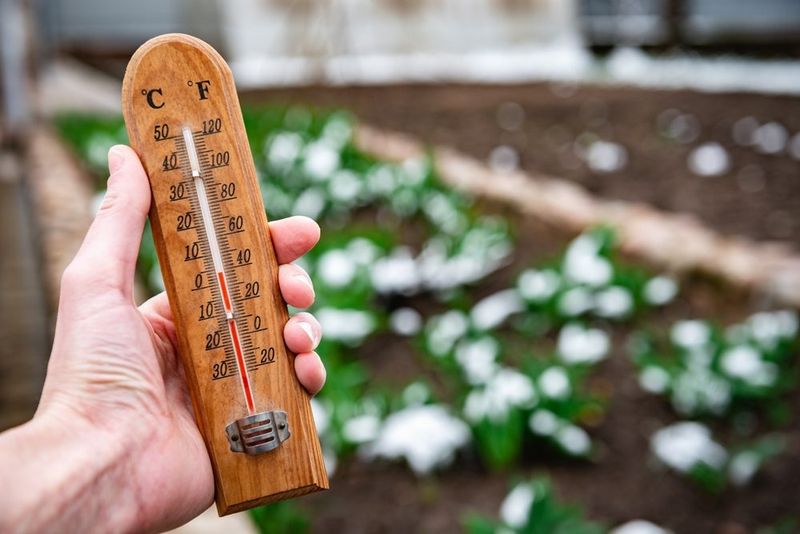
A cheap outdoor thermometer placed at plant height is another handy tool. Low spots in your yard can run several degrees colder than the porch.
Cold air flows downhill like water and pools in dips and corners.
Keep a simple notebook of your first frost dates each year. After a few seasons, you will spot patterns that help you act early.
Your neighbors may also have good stories about past cold snaps, so it pays to chat over the fence.
The Oregon State University Extension Service shares frost date charts for many towns. Those charts give you a helpful starting point for timing your fall prep.
2. Bring Potted Treasures Indoors Before Frost
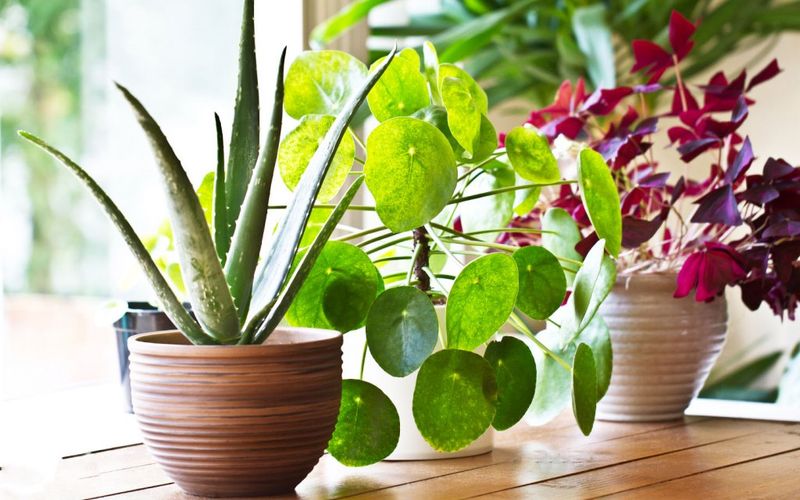
Geraniums, fuchsias, and citrus trees have a soft side. Container plants feel cold faster than garden beds because their roots sit above ground with little shelter.
Moving pots inside is one of the easiest ways to protect them. Aim to start when nights dip into the low 40s.
Waiting until the first frost can shock plants that are used to cooler temps.
Before bringing anything in, give it a quick checkup. Look under leaves for aphids, spiders, and slugs, since the damp Oregon fall gives these critters plenty of hiding spots.
A gentle rinse with the hose helps clear away hitchhikers.
Ease plants into indoor life slowly if you can. Leave them in a shady spot outdoors for a few days, then move them inside.
Bright windows facing south or west work best for sun lovers.
Your Oregon Garden Changes Every Week. Your Plan Should Too.
Gardening in Oregon changes quickly throughout the season. Every Friday you’ll receive a simple weekly plan showing exactly what to plant, prune, fertilize, harvest, and protect so you never miss the right timing.
Indoor air can be dry, so set pots on trays filled with pebbles and water. That trick adds moisture around the leaves without soaking the roots.
Water less often than you did in summer, because growth slows down in the darker months.
Not enough space? A cool garage with a window works for dormant plants like dahlias in pots or banana plants that have been cut back.
3. Cover Garden Beds With Frost Cloth
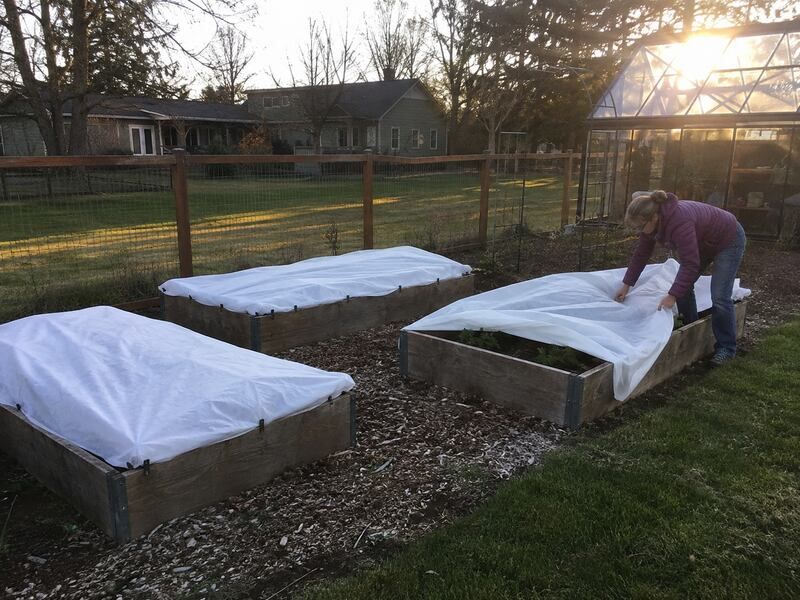
Old bedsheets have rescued more gardens than anyone can count. Still, a proper frost cloth is light, breathable, and made for the job.
Frost cloth, also called row cover, traps the warmth that rises from the soil overnight. Depending on its weight, it can add two to eight degrees of protection.
That small boost often keeps tender leaves safe during a chilly Oregon night.
Timing matters most. Toss the cover on in the late afternoon while the ground still holds heat from the day.
Let the fabric drape all the way to the soil, then pin the edges with rocks, bricks, or garden staples.
Skip plastic sheets if possible. Plastic touches leaves and passes cold right through, which can make things worse.
If plastic is all you have, set up stakes or hoops so it hovers above the plants.
Remove covers the next morning once temperatures climb. Leaving them on during a sunny day can trap too much heat.
A quick fold and stack by the garden means you can grab them again tonight.
Gardeners often leave hoops in place all fall. That way, covering beds takes only a minute, even when the evening drizzle starts falling.
4. Tuck In Roots With A Cozy Mulch Layer
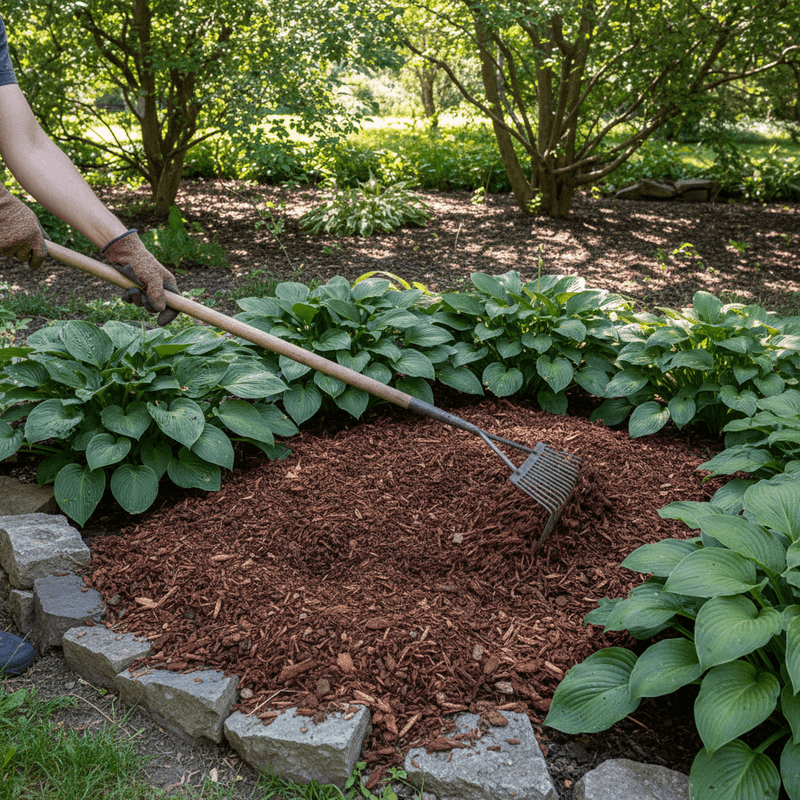
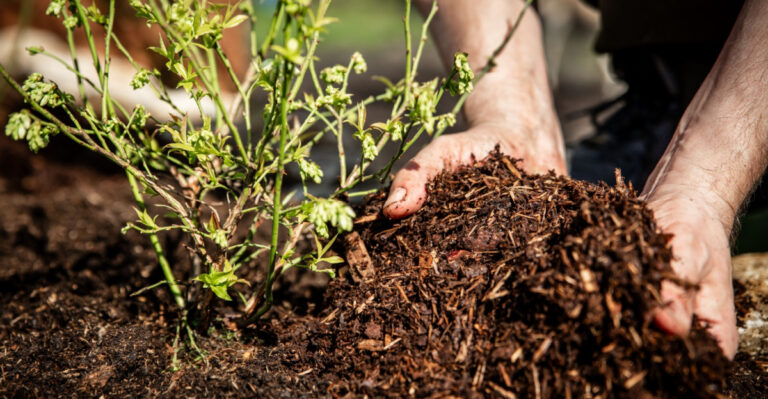
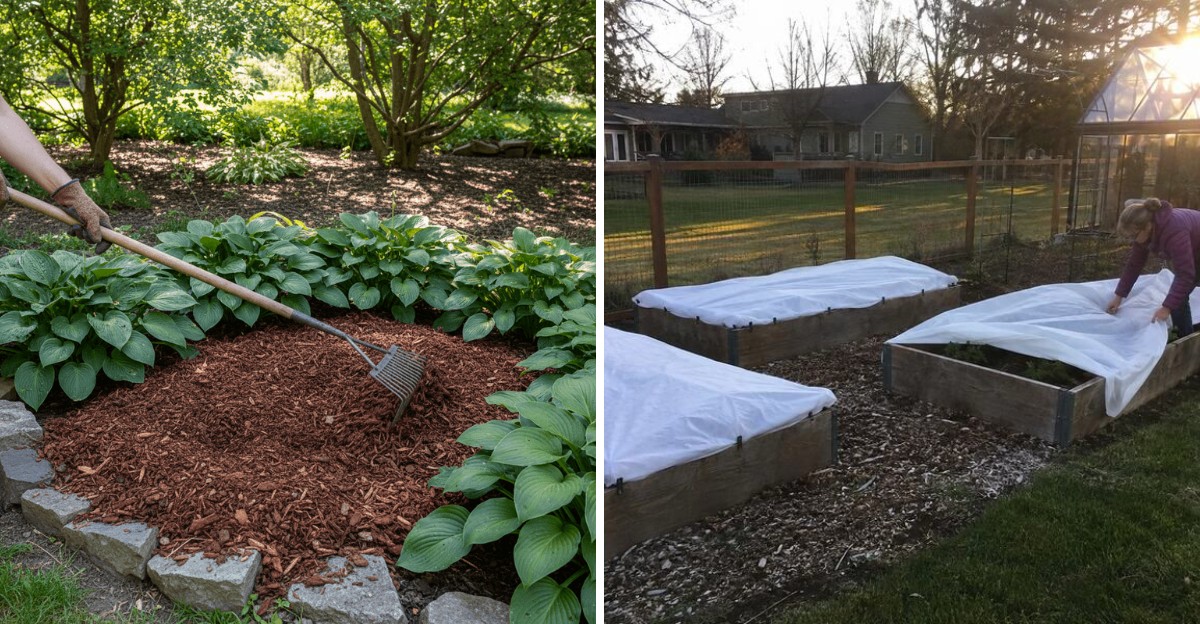
Think of mulch as a warm winter coat for the soil. A thick layer keeps root zones steady, even when the air above swings from mild to frosty.
Here in Oregon, gardeners have no shortage of free mulch options. Fallen maple and oak leaves, pine needles, and shredded bark all work well.
Chopping leaves with a mower first helps them break down and stops them from matting into a soggy mat.
Spread mulch about two to four inches deep around tender perennials. Keep it a few inches away from stems and trunks, though.
Mulch piled against the base can hold too much moisture and invite rot.
Plants like salvia, penstemon, and hardy fuchsia benefit the most. Their crowns stay safer when they have a fluffy blanket overhead.
Root crops left in the ground, like carrots and beets, also enjoy the extra cover.
Here is a handy bonus. Mulch slowly feeds the soil as it breaks down over the wet winter.
By spring, earthworms will have pulled much of it into the ground, leaving rich, dark earth behind.
Wait until the soil cools a bit before adding the heaviest layers. Mulching too early may invite voles looking for a snug winter home.
5. Water Wisely Before Chilly Oregon Evenings
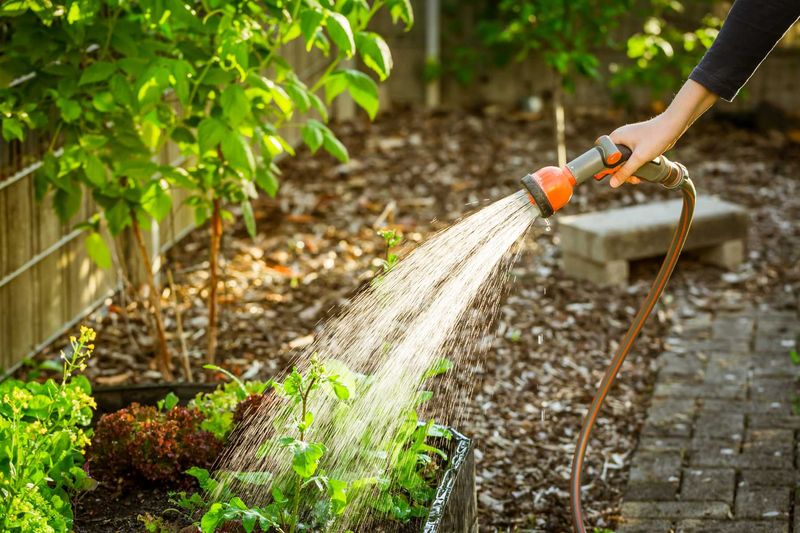
It sounds backward, but a good drink can help plants handle the cold. Moist soil holds and releases heat better than dry, dusty soil.
Early October can still bring dry spells, especially east of the Cascades. If rain has not fallen in a while, water garden beds a day before a frosty night is expected.
The damp ground slowly gives off warmth after sunset.
Morning or early afternoon is the sweet spot. That timing lets leaves dry before evening, which matters because wet foliage can freeze more easily.
Aim the hose at the soil, not the plant tops.
On the flip side, soggy roots are no fun either. Western Oregon often turns very wet by late October, so check the soil with your finger before watering.
If it feels damp an inch down, skip it.
Thirsty plants stress out faster when temperatures fall. Evergreens like rhododendrons and camellias lose moisture through their leaves all winter, so a deep soak before the rainy season settles in gives them a head start.
Quick tip: a rain gauge costs only a few dollars. Tracking rainfall helps you decide when to water and when to let the sky handle it.
6. Lift Dahlias And Tender Bulbs From Soil

Few flowers steal the show like a dinner plate dahlia. Oregon growers adore them, and the state is home to some of the biggest dahlia farms in the country.
Those gorgeous tubers can rot in cold, waterlogged soil, though. In many parts of the state, lifting them in fall is the safest bet.
Wait until the first light frost blackens the leaves, then cut stems down to about six inches.
Use a garden fork and dig a wide circle around each plant. Tubers snap easily, so gentle hands are key.
Shake off loose dirt and let them dry in a shady spot for a day or two.
Store tubers in a box filled with peat moss, wood shavings, or slightly damp sand. Keep them somewhere cool and dark, around 40 to 50 degrees.
A basement or insulated garage works nicely.
Other tender bulbs like cannas, gladiolus, and begonias can get the same treatment. Label each batch with a marker so you remember colors when spring arrives.
The Swan Island Dahlias farm in Canby has been growing these blooms since 1927. Their festival each summer draws visitors from all over to admire thousands of colorful flowers.
7. Build Simple Shelters For Oregon Shrubs
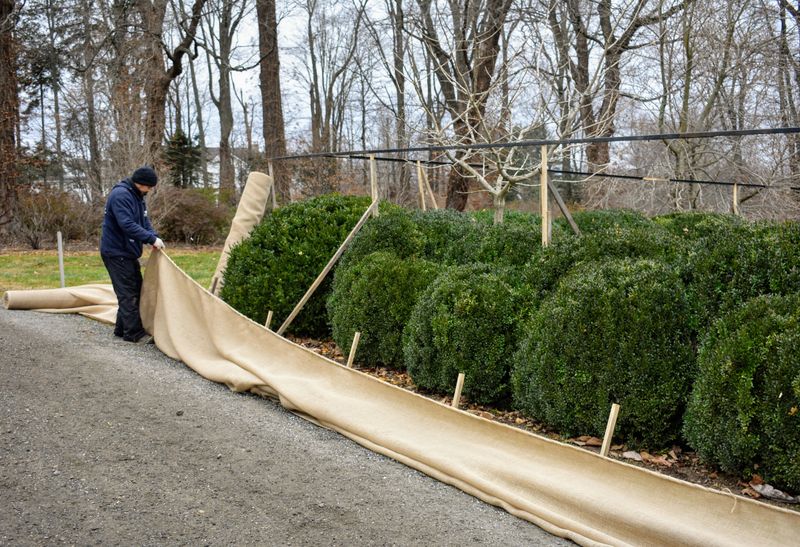
Some plants are too big to move and too dear to lose. Young citrus, tender palms, and fresh plantings need a little extra muscle when cold settles in.
A basic burlap wrap works wonders. Pound three or four wooden stakes around the shrub, then wrap burlap around the stakes like a little fence.
Leave the top open so moisture can escape and light can still reach the leaves.
For extra warmth, stuff dry leaves or straw loosely inside the shelter. That fluffy filling acts like insulation in a winter jacket.
Gardeners in colder regions, like Bend or La Grande, often use this trick.
Wind can be just as rough as frost. Strong gusts dry out leaves and make cold feel even sharper.
A shelter on the windy side of a plant can reduce damage a lot, especially along the coast.
Old-school gardeners swear by holiday lights too. Older incandescent bulbs give off gentle warmth when strung inside a covered shrub.
Newer LED lights stay cool, so they will not do the trick.
Check shelters after storms to make sure nothing has blown loose. A quick fix now beats a broken branch later.
8. Harvest And Hustle Before Frost

Nothing beats the taste of a homegrown tomato. Losing a whole crop to one cold night stings, so a smart harvest plan keeps those flavors on your table.
Warm season crops like tomatoes, peppers, basil, and squash cannot handle frost. When a cold night shows up in the Oregon forecast, head out and pick anything close to ripe.
Green tomatoes can finish ripening indoors.
Wrap green tomatoes in newspaper and store them in a cardboard box at room temperature. Check them every few days and pull out the ripe ones.
Adding a banana nearby speeds things up, thanks to the gas it gives off.
Winter squash and pumpkins need a different approach. Cut them with a few inches of stem, then let them cure in a warm, dry place for about a week.
That step toughens the skin so they keep for months.
Basil turns black at the first hint of chill. Harvest it early and whip up a batch of pesto to freeze in ice cube trays.
On the bright side, kale, Brussels sprouts, and carrots actually taste sweeter after a light frost. Many gardeners leave those crops in the ground well into winter.
9. Choose Smart Spots For Next Year
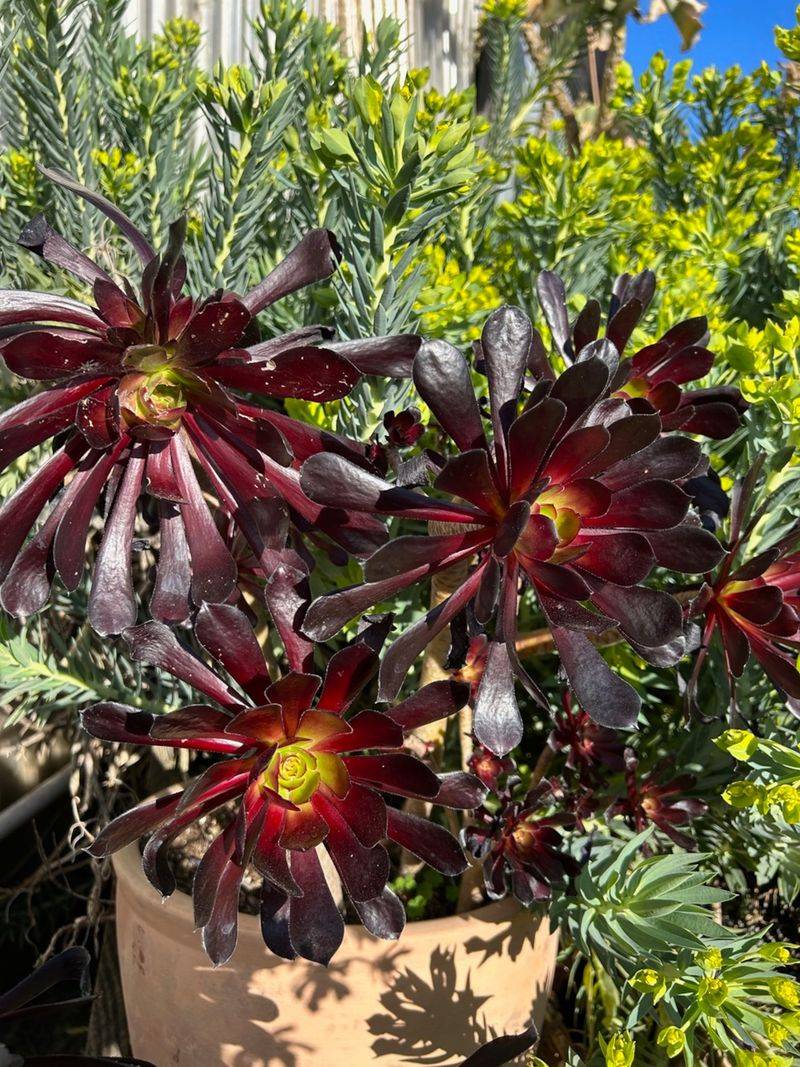
Every yard has secret warm pockets. Learning where they hide can make fall protection much easier next season.
A south facing wall soaks up sunshine all day and gives off heat at night. Tender plants tucked near a house, fence, or stone patio often stay several degrees warmer.
Gardeners call these cozy places microclimates.
Walk your yard on a frosty morning and take notes. Look for spots where grass stays green while other areas sparkle with ice.
Those warmer zones are perfect homes for plants that need a little extra comfort.
Low corners and the bottom of slopes tend to collect cold air. Save those areas for tough natives like Oregon grape, sword fern, and salal.
These plants handle chilly weather with ease because they grew up here.
Choosing plants rated for your hardiness zone also saves work. Much of western Oregon sits in zones 8 and 9, while higher and eastern areas can drop to zone 5 or 6.
Plant tags usually list these numbers.
Think of this fall as a learning season. By paying attention now, you can plan a garden that handles cold nights with less fuss and more beauty next year.