12 Arizona Root Vegetables to Plant in October for Winter Pulling
October is when the low desert finally lets gardeners breathe again. The days stay warm, the nights cool down, and the soil becomes a perfect place for roots to grow sweet and crunchy.
In Phoenix and Tucson, this is the real planting season, not spring. Get seeds in the ground now, and you could be pulling fresh carrots, beets, and more all winter long.
1. Carrots
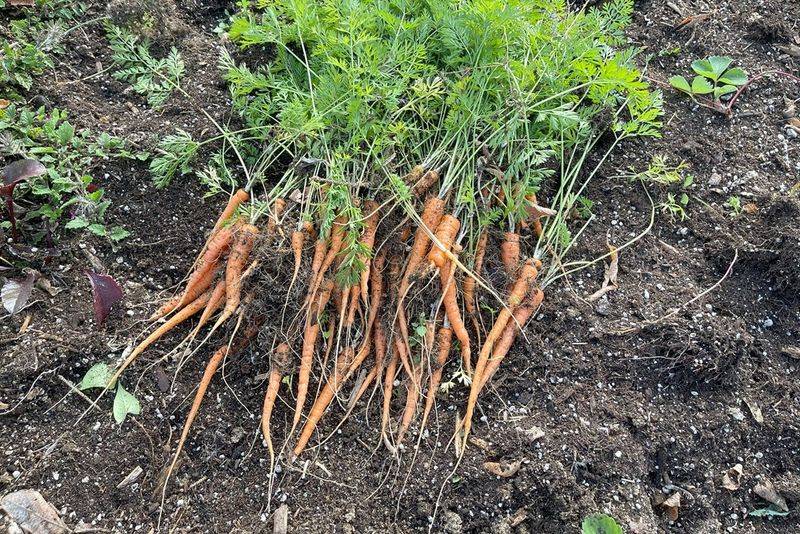
Ask any desert gardener about their proudest winter harvest, and carrots usually top the list. Cool October soil helps the roots build natural sugars, so a carrot pulled in January can taste almost like candy.
The trick in Arizona is the ground itself. Caliche and heavy alkaline soil make carrots fork, twist, and stunt.
A raised bed filled with loose, sandy mix and some compost solves most of that, giving roots a clear path straight down.
Sow seeds about a quarter inch deep and keep the surface damp until sprouts appear, which can take one to three weeks. A strip of burlap or a board laid over the row holds moisture during warm October afternoons.
Lift it as soon as you see green threads poking up.
Short and round types like Chantenay, Danvers, or Paris Market handle tough soil better than long, skinny varieties. Thin seedlings to about two inches apart so each root has room to fill out.
Water deeply but not too often once plants are established. Uneven watering can cause cracking.
Most varieties are ready in 70 to 80 days, and they hold well in the cool ground, so you can pull them as needed for weeks.
2. Beets
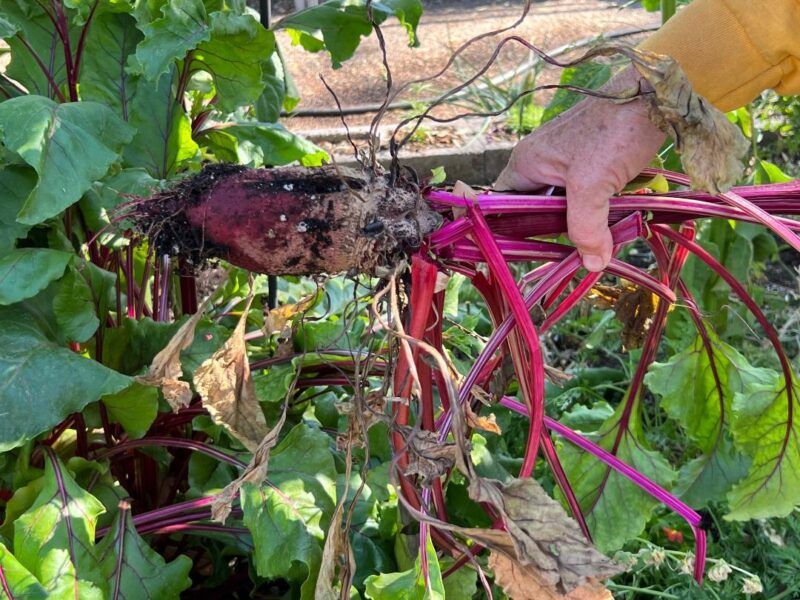
Two crops for the price of one seed packet. Beets give you earthy, ruby roots plus tender greens you can snip all season, which makes them one of the hardest-working plants in a winter bed.
Here is a fun bit of trivia. Each wrinkly beet “seed” is actually a cluster holding several seeds, so you will often see two or three sprouts popping up from one spot.
Snip the extras at soil level instead of pulling, and toss those baby greens into a salad.
Beets are a little more forgiving of alkaline Arizona soil than many vegetables, though a good dose of compost still helps. Plant seeds half an inch deep and about three inches apart.
Germination is quickest when the soil is still a bit warm, which makes early October a sweet spot.
Keep moisture steady, because dry spells can leave roots woody and stringy. Drip lines under a layer of straw mulch save water and keep the soil from crusting.
Try colorful varieties like Chioggia with its candy-cane rings, or Golden beets that won’t stain your cutting board. Most are ready in 55 to 70 days.
Pull them at golf-ball to tennis-ball size for the best texture.
3. Radishes
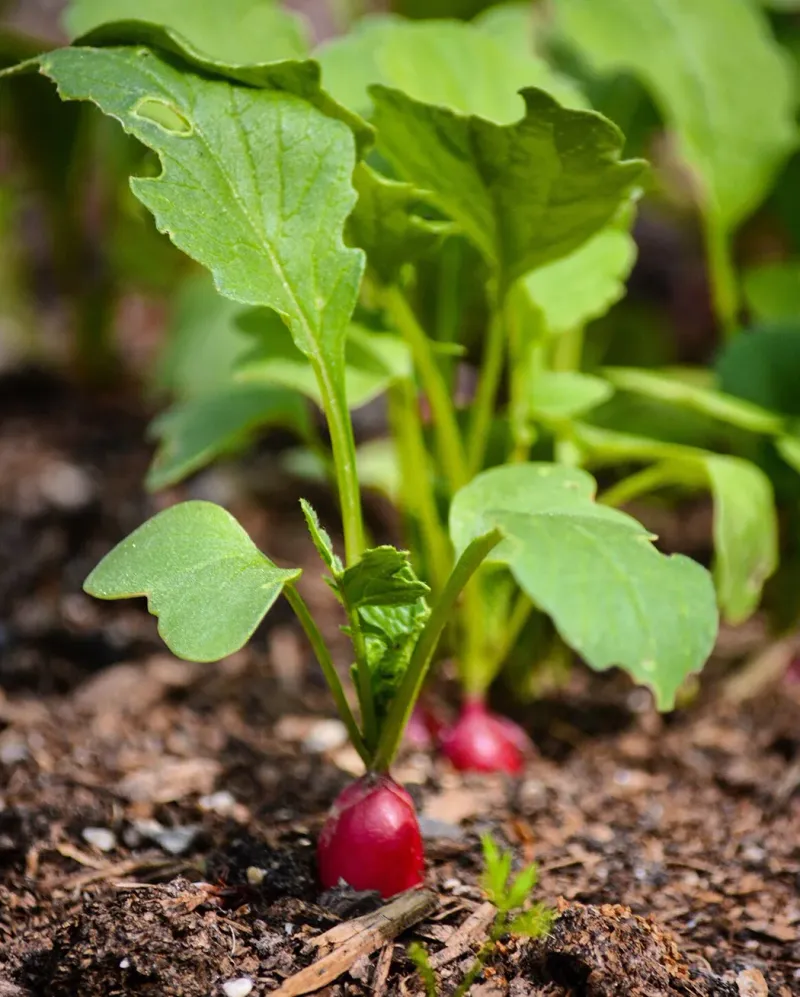
Impatient gardeners, this one is for you. Radishes can go from seed to salad bowl in about four weeks, making them the quickest win you will find in an Arizona fall garden.
Your Arizona Garden Changes Every Week. Your Plan Should Too.
Gardening in Arizona changes quickly throughout the season. Every Friday you’ll receive a simple weekly plan showing exactly what to plant, prune, fertilize, harvest, and protect so you never miss the right timing.
Because they grow so fast, radishes work wonderfully as a “marker” crop. Many desert growers sprinkle a few radish seeds in the same row as slow carrots or parsnips.
The radishes sprout first, mark the row, break up the crusty surface, and get pulled long before the carrots need the room.
Kids love them too. Watching a seed turn into a bright pink globe in under a month is pure garden magic for young helpers.
Plant seeds half an inch deep and an inch apart. Instead of sowing everything at once, plant a short row every two weeks from October through February.
That way you get a steady supply instead of a sudden pile.
Warm spells can make radishes spicy and pithy, so pull them promptly once they size up. Cherry Belle and French Breakfast are reliable picks, while daikon and watermelon radishes take longer but grow huge in loose soil.
Steady watering keeps them crisp and mild. Skip extra fertilizer, which mostly pushes leaves instead of roots.
4. Turnips
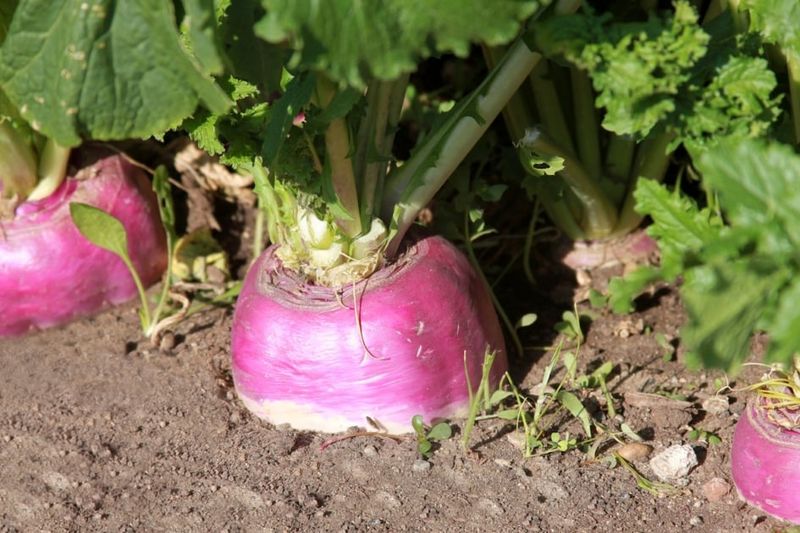
Grandma probably kept a basket of turnips in a cool corner of the kitchen, and there was a good reason for that. These sturdy roots store well, cook in a dozen ways, and grow with very little fuss in a low-desert winter.
Turnips are tough customers. They shrug off chilly nights, tolerate less-than-perfect soil, and mature quickly, often in 40 to 60 days.
Their leafy tops are edible too, packed with a peppery bite that shines when sauteed with garlic.
Sow seeds about half an inch deep in October, then thin seedlings to four inches apart. Crowded turnips stay small and fibrous, so be brave with the thinning.
For the sweetest flavor, harvest young. Two to three inches across is ideal.
Bigger roots can turn woody, especially if a warm stretch hits in late fall.
Purple Top White Globe is the classic, while Hakurei, a Japanese salad turnip, is so tender you can eat it raw like an apple. Both perform nicely in Arizona’s mild winters.
A light layer of mulch helps keep soil moisture even and cuts down on watering. Once harvested, trim the greens and store roots in the fridge for several weeks.
5. Parsnips
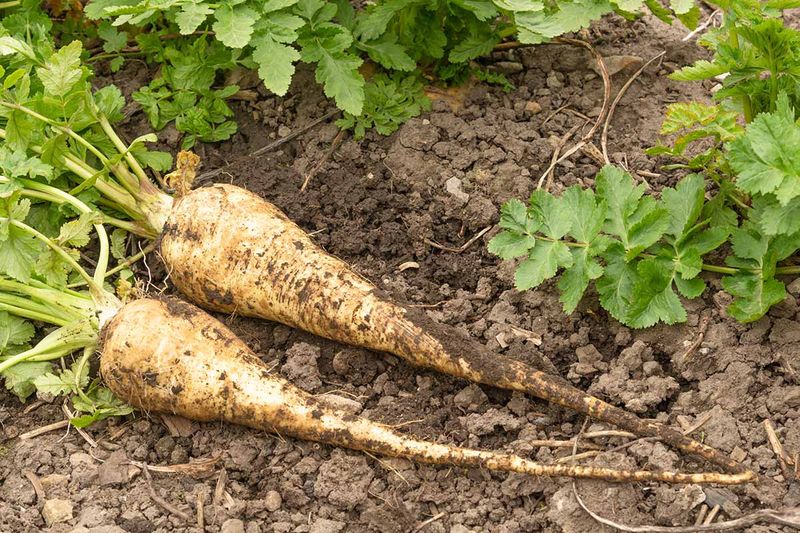
Patience pays off in a big, sweet way with parsnips. They are the slow cooker of the root world, needing about four months in the ground, but the reward is a nutty, caramel-like flavor you won’t find in a store-bought root.
Why so sweet? Cold nights cause parsnips to convert starches into sugars.
Arizona’s crisp winter nights paired with bright daytime sun create a near-perfect recipe for that change.
Fair warning, the seeds can be stubborn. Always buy fresh seed each year, since old parsnip seed loses its spark fast.
Soak seeds overnight before planting, then sow them half an inch deep and keep the soil evenly moist. Sprouting may take up to three weeks.
Parsnips grow long, so they need deep, loose soil. Dig your bed at least a foot down or use a deep raised bed.
Rocks and caliche will cause bent, split roots.
Thin plants to three or four inches apart once they are a few inches tall. Then mostly leave them alone, offering deep, occasional watering.
Harvest from late January into March. Wear gloves when handling the leaves, as the sap can irritate skin in bright sunlight.
6. Rutabagas
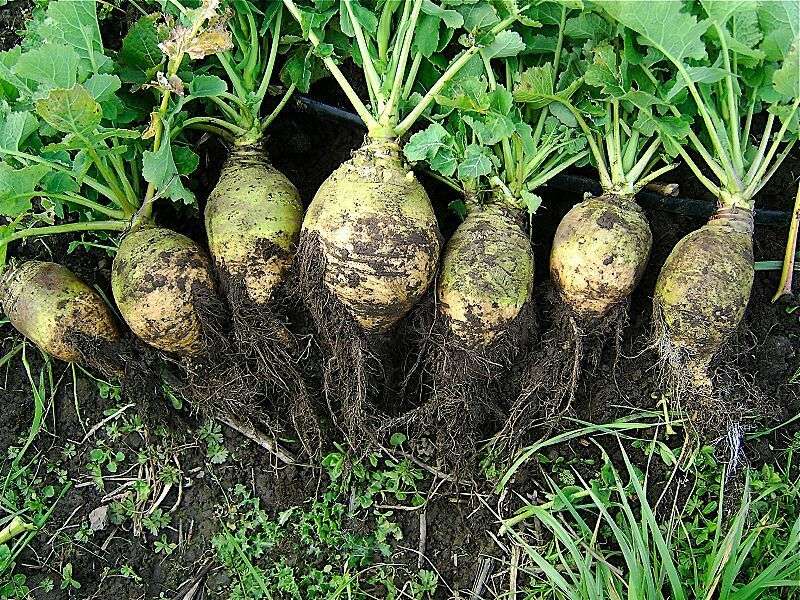
Picture a turnip that went to the gym. Rutabagas started out as a natural cross between turnips and cabbage, and they grow bigger, denser, and sweeter than their cousins, with buttery golden flesh inside.
In Sweden, people once called them “Swedish turnips,” which is why you will still hear the nickname “swede” in some places. Whatever you call them, they are a hidden gem for desert gardeners who want a hearty winter crop.
Rutabagas take longer than turnips, around 90 days, so get them in during early October. That timing lets roots swell during the coolest stretch of winter, when flavor peaks.
Sow seeds half an inch deep and thin to about six inches apart. These roots need elbow room.
Work plenty of compost into the bed, since rutabagas are hungry feeders and appreciate rich soil.
Keep watering steady. Long dry gaps followed by soaking can split the roots, so drip irrigation on a timer is your friend.
Harvest when roots reach four to five inches wide. Mashed with butter or roasted with carrots, they make a cozy winter side.
They also store for weeks in the fridge, so one planting can feed you well into spring.
7. Garlic
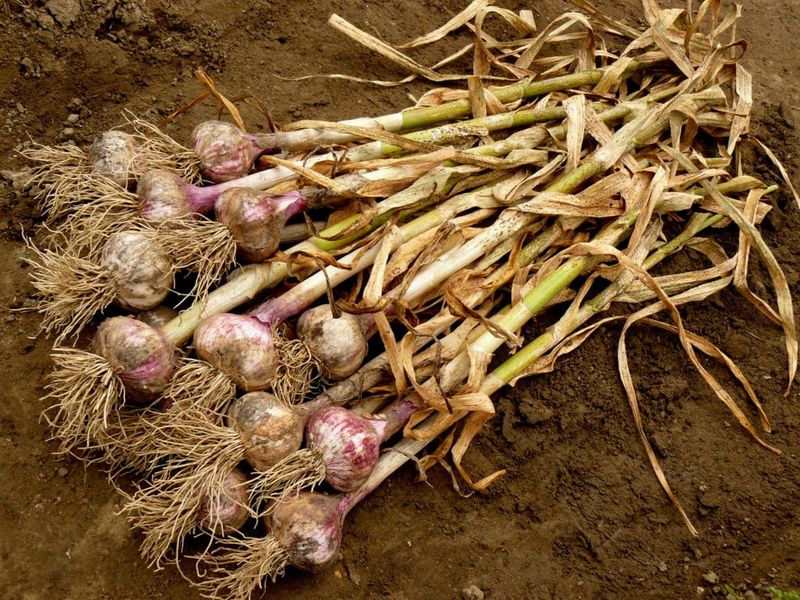
Plant a clove now and you will get a whole head later. That simple swap makes garlic one of the most satisfying crops in the desert, even if you have to wait a bit longer than with other roots.
Timing matters. Wait until nighttime temperatures stay below about 90 degrees, which usually lands in October for the Valley.
Cloves go in two inches deep, pointy end up, roughly six inches apart.
Choose softneck types like California Early or Inchelium Red. They handle Arizona’s mild winters better than hardneck varieties, which often want a colder chill.
Local nurseries and farmers markets usually carry garlic grown for the region.
All winter, garlic quietly builds roots and leafy green tops. You can snip a few young greens for cooking without hurting the plant.
Bonus: many gardeners find the strong scent may help make nearby beds less inviting to some leaf-munching pests.
Stop watering when the lower leaves begin to brown, usually around May. Pull the bulbs once about half the leaves have faded.
Cure them in a shady, airy spot for two weeks. Stored right, homegrown garlic lasts for months, keeping your kitchen stocked through the long, hot summer.
8. Leeks
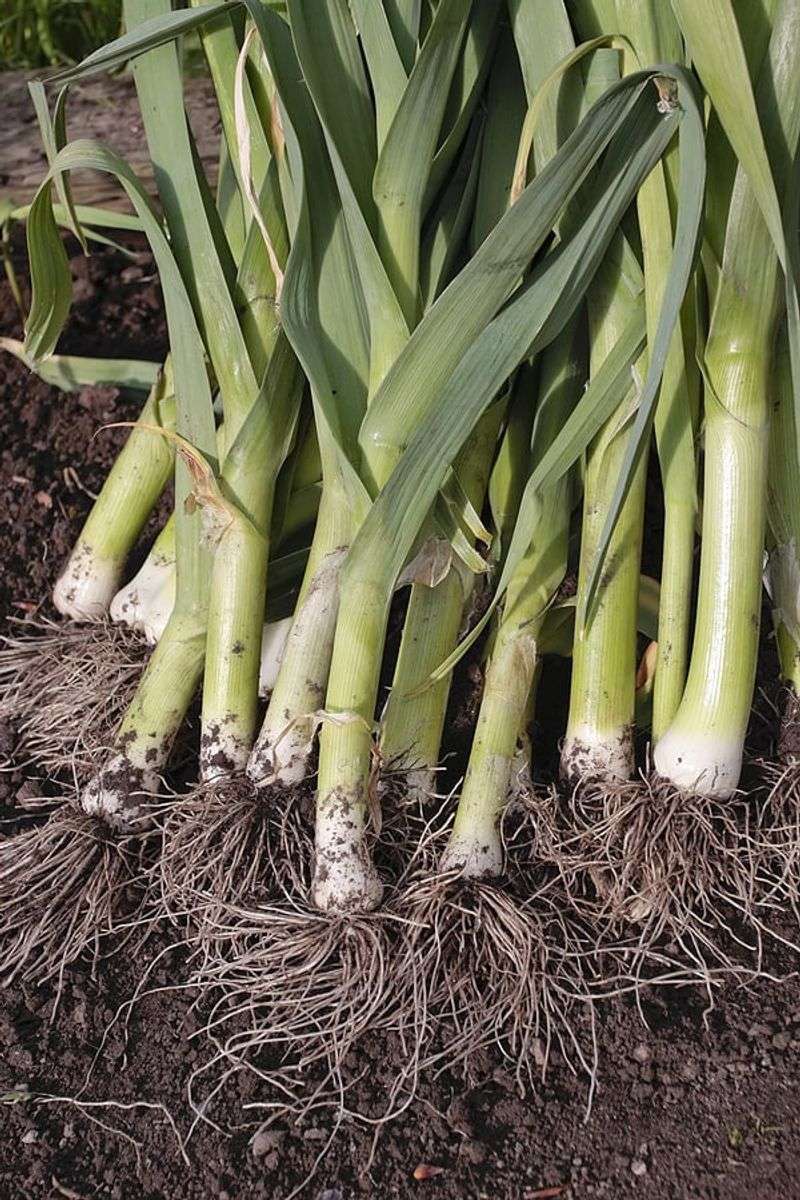
Elegant and a little fancy, leeks look like giant green onions dressed up for dinner. Their mild, sweet flavor turns ordinary soup into something special, and they handle a desert winter with ease.
Leeks grow best from transplants in the low desert, though seeds started in late summer work too. Set young plants into the bed from mid-September through October so they have plenty of cool months ahead.
Here is the secret to those long white stems. Plant leeks in a trench about six inches deep, then slowly fill in soil around the stems as they grow.
Keeping light off the lower stalk is called blanching, and it creates that tender, pale section chefs love.
Space plants about six inches apart and water consistently. A thick layer of mulch helps hold moisture and adds extra cover for the stems.
Leeks don’t need to be pulled all at once. You can harvest a few at a time throughout winter, letting the rest keep growing in the ground.
Varieties like King Richard mature faster, while American Flag takes longer but grows thick.
Rinse leeks well, since soil likes to hide between the layers. Then enjoy them in potato soup on a chilly desert evening.
9. I’itoi Onions
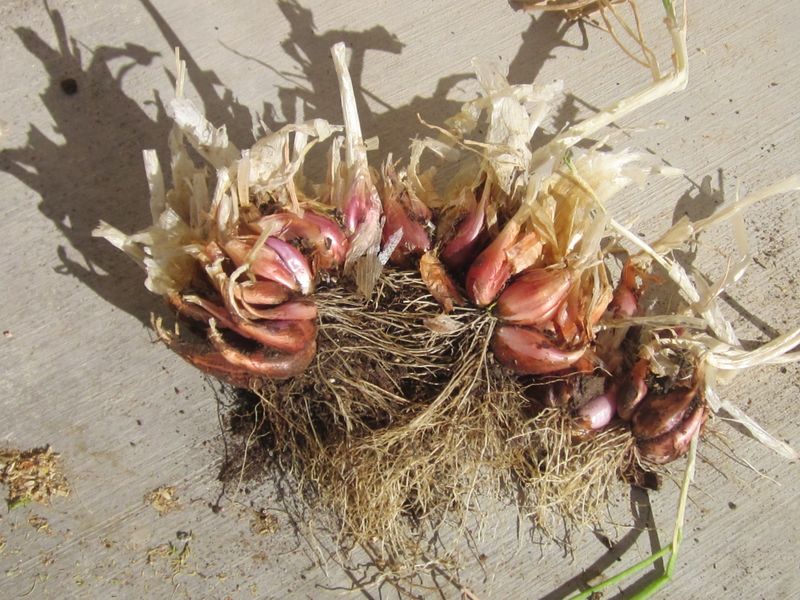
Few vegetables have a story as rooted in Arizona as this one. The I’itoi onion is named after I’itoi, an important figure for the Tohono O’odham people, and it has been grown in the Sonoran Desert for generations, with roots tracing back to the slopes of Baboquivari Peak.
What makes it stand out on this list is staying power. I’itoi onions are perennial, multiplying underground into clusters of small, shallot-like bulbs.
Plant a handful once, and you can keep harvesting for years.
They are well adapted to heat, alkaline soil, and limited water, which makes them a natural fit for low-maintenance desert yards. They rarely flower or set seed, so you grow them by dividing bulbs.
Tuck bulbs an inch deep and about six inches apart in October. They will spread into thick clumps over winter.
Snip the green tops like chives, or dig a few bulbs for a mild, sweet onion flavor.
In summer, the tops may fade as the plant rests. Don’t worry, the bulbs are just snoozing through the heat.
Divide clumps each fall to share with neighbors and keep the patch healthy.
Look for them at local nurseries and seed libraries.
10. Kohlrabi
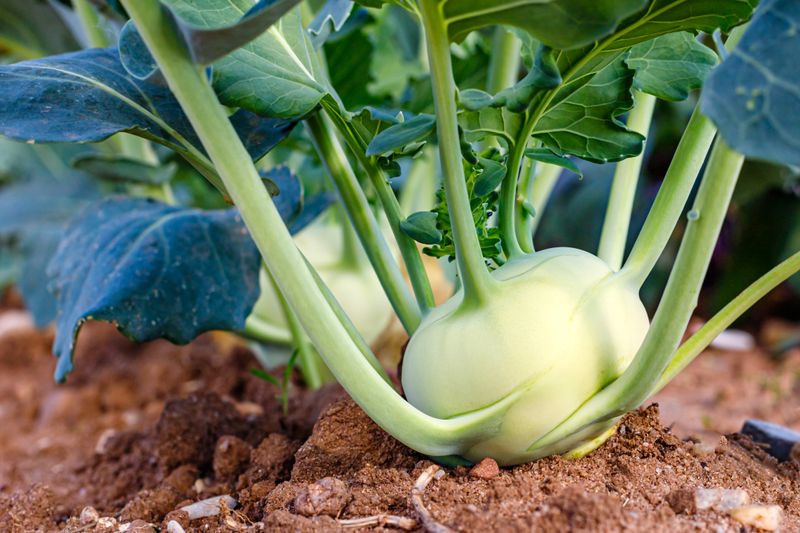
Ever seen a vegetable that looks like a tiny alien spaceship? Kohlrabi is that quirky globe with leaves sticking out from every side, and it always gets a reaction from visitors walking past your garden.
Technically, kohlrabi isn’t a root at all. The round part is a swollen stem that sits right at or just above the soil line.
Still, it fills the same spot in the kitchen as turnips and radishes, so it earns a place here.
The flavor is a surprise too. Think crisp broccoli stem mixed with a mild, sweet apple.
Slice it raw for snacking, shred it into slaw, or roast it until golden.
Kohlrabi loves Arizona’s cool season. Sow seeds a quarter inch deep in October, or set out transplants, spacing them about six inches apart.
They mature quickly, in about 45 to 60 days.
Harvest when bulbs reach two to three inches wide. Larger ones can become tough and woody, so don’t let them linger too long.
Steady watering and rich, compost-boosted soil keep the bulbs tender. Purple and white varieties taste nearly the same inside, so plant both for a colorful bed.
Kids especially love picking these funny-looking treats.
11. Jerusalem Artichokes (Sunchokes)
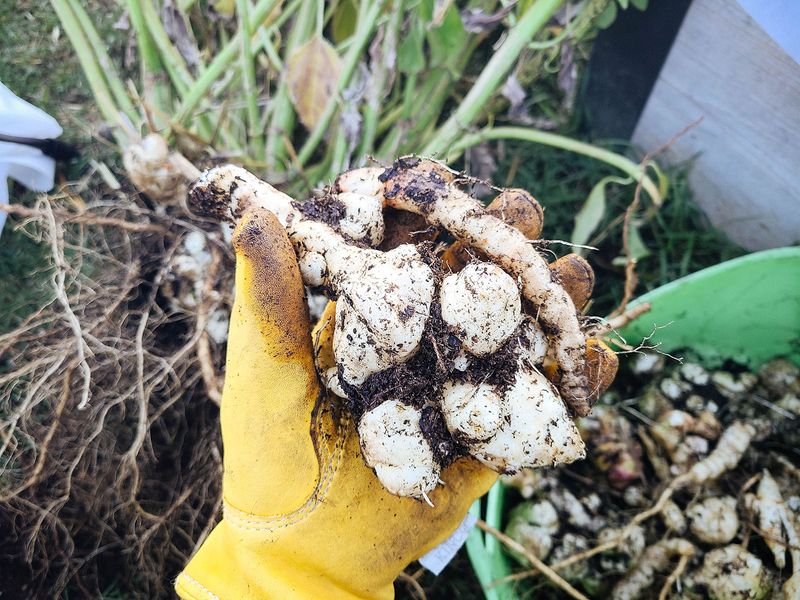
Don’t let the name fool you. Jerusalem artichokes have nothing to do with Jerusalem and aren’t artichokes.
They are actually a kind of sunflower, native to North America, with knobby tubers that taste nutty and slightly sweet.
Above ground, the plants grow tall and cheerful, producing bright yellow blooms that can attract bees, butterflies, and other pollinators. That gives your yard a bonus habitat boost while you wait for the harvest underground.
Plant tubers about four inches deep and a foot apart in fall. They are perennial, meaning they return year after year, and they can tolerate tough soil better than many vegetables.
A friendly warning, though. Sunchokes spread enthusiastically.
Any small piece left in the ground will sprout again, so give them their own corner or a large raised bed where they can’t take over.
Tubers are ready once the stalks fade, and you can dig them through winter as needed. They keep best in the soil rather than in the fridge.
Roast them like potatoes, slice them thin into chips, or blend them into a creamy soup. Start with small servings, since their natural fiber can be a bit rough on some tummies at first.
12. Sweet Potatoes
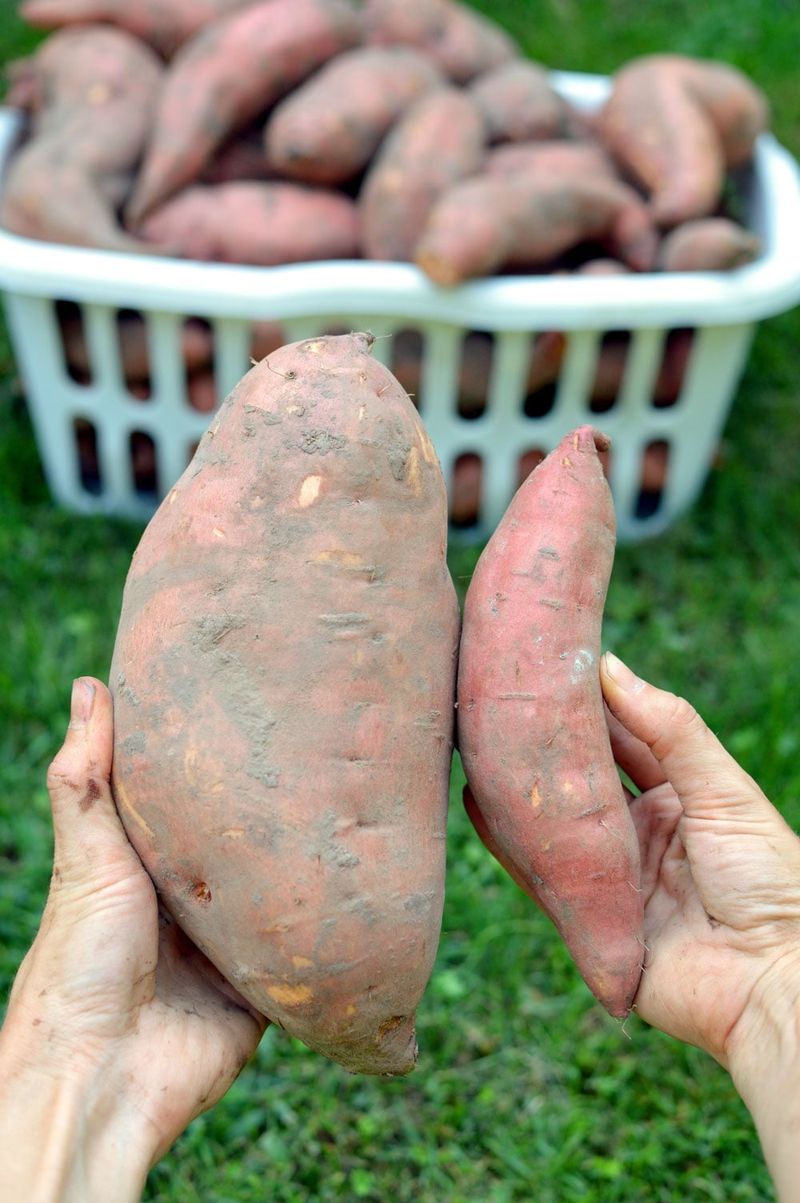
Here is the rebel of the list. Sweet potatoes love heat, not cold, so October is less about planting and more about digging.
If you set slips out in late spring, now is when that buried treasure starts to pay off.
That makes them a smart partner for the other crops here. Pull your sweet potatoes in October before the first chilly nights, then use the cleared bed for carrots, beets, or garlic.
One space, two harvests, almost no downtime.
Gently lift roots with a garden fork, working from the outside of the plant inward to avoid stabbing them. Cure them in a warm, shady spot for a week or two.
Curing turns starches into sugars and toughens the skin for storage.
Many Arizona gardeners grow sweet potatoes as an edible perennial. Leave a few small roots in the ground, and in milder spots the vines may return when warmth comes back.
Cover the area with mulch if a frost threatens.
The leafy vines are edible too, and they shade the soil during brutal summers, helping it hold water. Varieties like Beauregard and Japanese purple types do well in the low desert heat.