Skip Thirsty Photinia And Plant This Arizona Native Hedge That Screens Your Yard On No Water
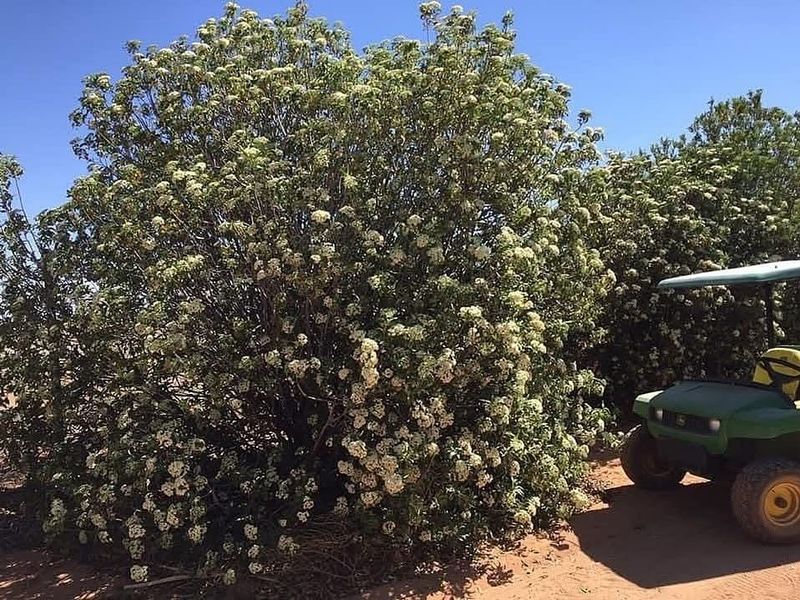
If your photinia hedge is drinking up your water budget every time the temperature climbs past 100 degrees, there is a better option growing right here in the Sonoran Desert. Arizona rosewood is an evergreen native shrub that can serve as a lower-water privacy screen once it gets established in the right spot.
The catch is that the title’s promise of “no water” is not quite accurate, and knowing the real story will save you from a dead hedge and a wasted season. Read on to find out whether this plant fits your yard and what it actually takes to get it growing.
Arizona rosewood offers a lower-water photinia alternative
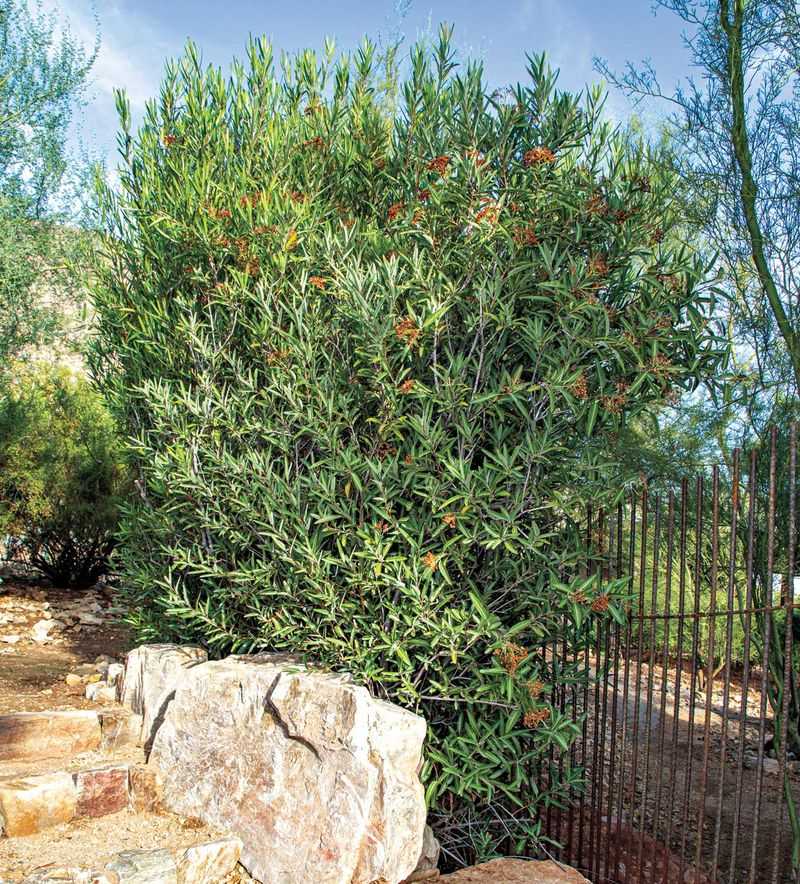
Vauquelinia californica, commonly called Arizona rosewood, is an evergreen shrub native to Arizona, Baja California, and northern Mexico. University of Arizona Cooperative Extension recommends it specifically for privacy screens, barriers, informal hedges, and small-tree training.
That puts it in direct competition with photinia as a screening plant, but with a profile that fits the low desert considerably better in terms of water demand.
At maturity, Arizona rosewood typically reaches 10 to 15 feet tall and 5 to 10 feet wide. That size range is enough to block a sightline from a neighboring second story or screen a pool equipment pad, making it genuinely functional rather than just ornamental.
Because it keeps its leaves year-round, the screening job does not disappear in winter the way it would with a deciduous plant.
Photinia is not impossible to grow in Arizona, but it can require more frequent irrigation than many desert-adapted plants, particularly as a shallow-rooted evergreen during dry winter stretches. Swapping to rosewood may reduce how often you run the drip system after the plant is established, though the actual savings depend on your irrigation setup, spacing, soil, and local weather.
Homeowners who want a natural-looking, informal screen and can be patient with slow growth are the best candidates for this swap.
Low-water does not mean no water
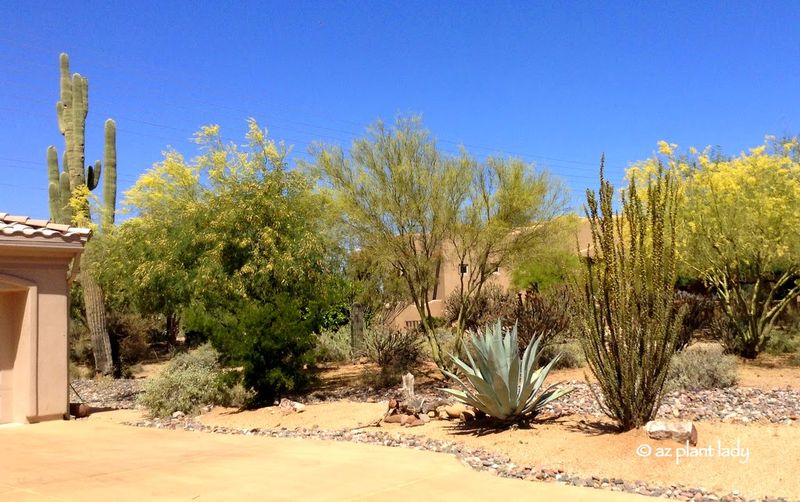
The headline on this article uses the phrase “no water,” and that wording needs a direct correction before anything else. A newly planted Arizona rosewood requires deep, infrequent irrigation while its root system expands into the surrounding soil.
Skipping that establishment water is one of the fastest ways to lose a plant in a Phoenix or Tucson summer.
Even after a rosewood is fully established, it is not guaranteed to survive purely on rainfall in every yard. University of Arizona guidance on drought and extreme heat makes clear that native and desert-adapted plants can still suffer damage or die during prolonged drought or record-breaking heat events.
The Phoenix AMA Low Water Use and Drought Tolerant Plant List includes Arizona rosewood, and it appears on the Water Smart Landscapes Program plant list as well, but appearing on those lists confirms classification, not identical performance in every backyard.
The realistic benefit is that a well-established rosewood in a suitable site may need far less supplemental irrigation than a photinia hedge would in the same conditions. “Far less” is not the same as “none,” and it is not a guaranteed percentage of savings. Think of the plant as potentially lower-water once established rather than maintenance-free, and plan your irrigation system accordingly so you can dial back frequency as the shrub matures rather than turning the system off entirely.
Your Arizona Garden Changes Every Week. Your Plan Should Too.
Gardening in Arizona changes quickly throughout the season. Every Friday you’ll receive a simple weekly plan showing exactly what to plant, prune, fertilize, harvest, and protect so you never miss the right timing.
Match the shrub to the site
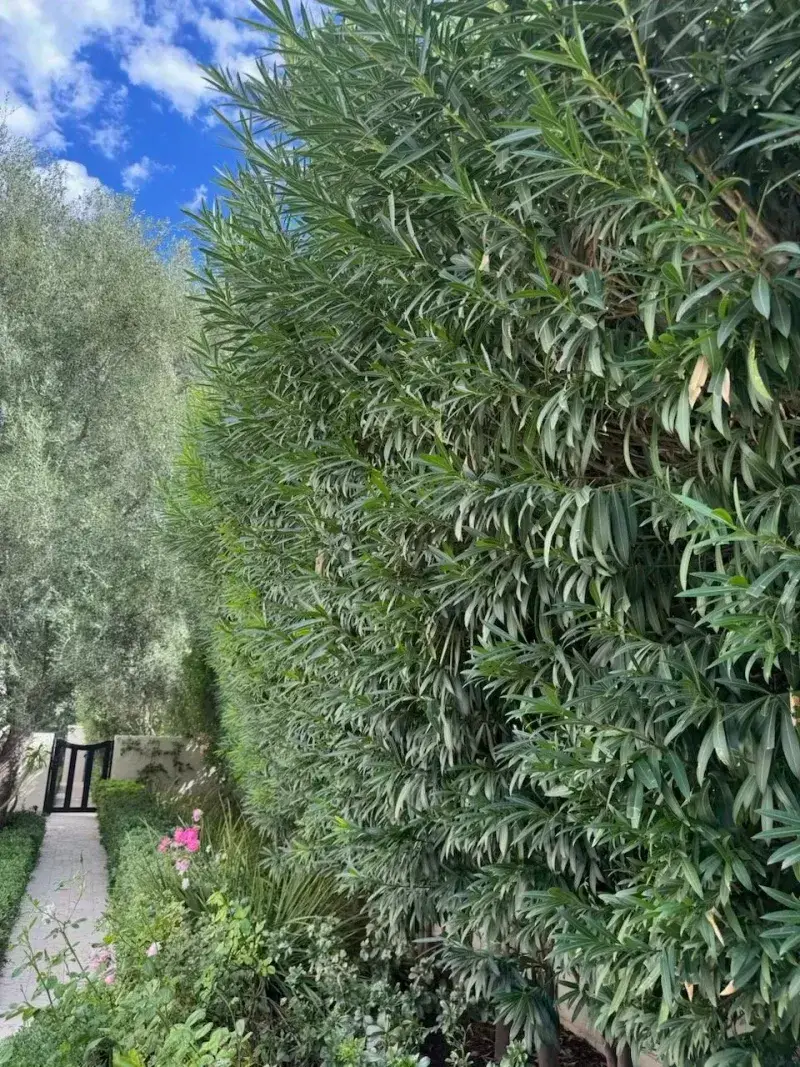
Being native to Arizona does not make Arizona rosewood equally suited to every corner of the state. Climate zone and elevation matter significantly: conditions in the Phoenix metro are different from Tucson, and both are very different from higher-elevation Arizona towns that see harder winters.
University of Arizona Extension guidance on Arizona climate zones explains that elevation, temperature range, and frost exposure all influence which plants perform reliably in a given location.
Before purchasing plants, walk the planting area and evaluate sun exposure, reflected heat from walls or pavement, soil texture, compaction, and drainage. A spot that collects standing water after monsoon storms is not a good candidate.
A south-facing wall with intense afternoon sun bouncing off light-colored stucco adds heat stress that even a tough native may struggle with. Check for underground utilities and overhead lines before digging, and measure the available horizontal space carefully.
Mature Arizona rosewood can spread 5 to 10 feet wide, so a narrow side yard or a strip between a wall and a walkway may force constant corrective pruning just to keep the plant from blocking foot traffic. University of Arizona guidance on choosing plants recommends matching final plant size to available space before installation rather than relying on pruning to manage an overgrown shrub indefinitely.
Keep soil advice practical: assess texture, compaction, and drainage at your specific site rather than assuming the plant handles any condition without issue.
Establish the roots before reducing irrigation
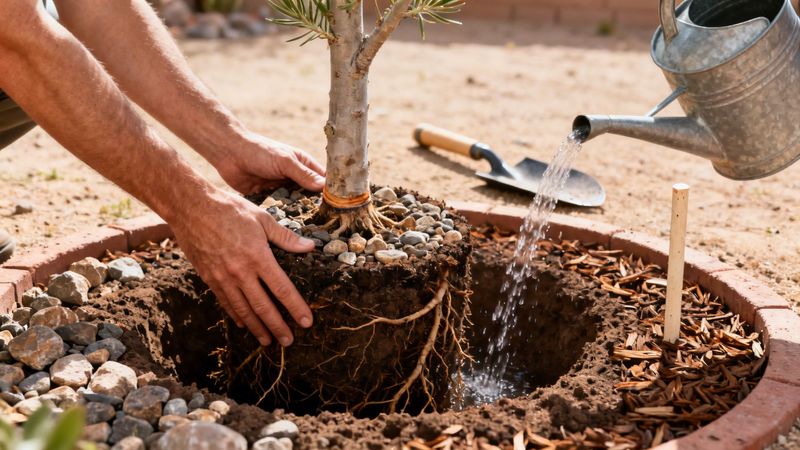
Planting method sets the foundation for everything that follows. University of Arizona Extension recommends placing Arizona rosewood in loosened, unamended soil and wetting both the root ball and the surrounding soil deeply right after planting.
Amending desert soil with potting mix or compost can actually create a barrier that discourages roots from spreading outward into the native ground, so resist the urge to improve the hole.
Young shrubs need more frequent irrigation than established ones, and frequency should shift with the season, the soil type, the plant’s size, and the current weather. University of Arizona watering guidance for trees and shrubs recommends allowing the soil to dry somewhat between waterings rather than keeping it constantly moist.
Overwatering is a real risk in clay-heavy soils where water drains slowly, so feel the soil a few inches down before running the system again.
Do not count on summer monsoon rain to carry a new planting through its first months. Monsoon storms are intense and unpredictable, and a plant that just went into the ground cannot absorb and store rainfall the way an established shrub can.
The safer approach is to favor cooler planting windows, with fall and early spring generally giving transplants the best chance to root before extreme heat arrives. Check with your local Cooperative Extension office or a native-plant nursery for the best timing at your specific location, because conditions in Phoenix and Tucson differ enough that a single calendar date does not apply everywhere.
Plan for a slow, informal screen
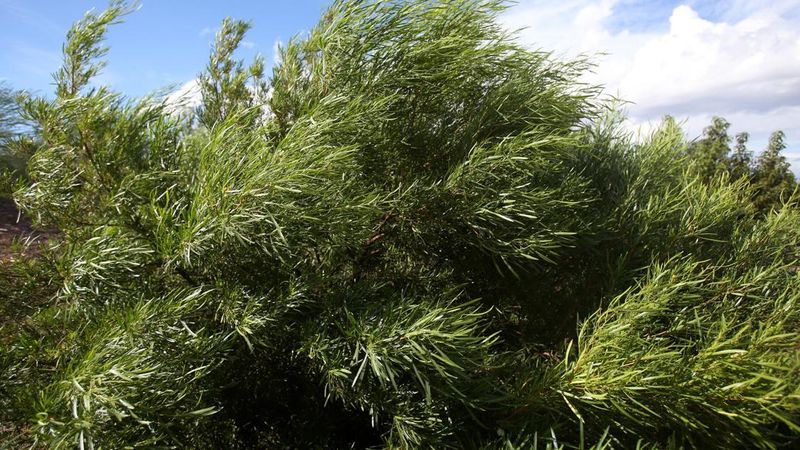
Patience is not optional with this plant. Arizona rosewood is slow-growing, and during its first year in the ground it may show almost no visible top growth at all while its roots expand below the surface.
That underground work is essential, but it means the plant will not close a sightline in a season or two. No reliable evidence supports a universal timeline for full screening, so plan around that uncertainty rather than expecting a specific number of years to privacy.
Once mature, the shrub works best as an informal, natural-looking hedge rather than a tightly clipped geometric wall. University of Arizona Extension guidance on pruning shrubs in low- and mid-elevation deserts notes that slow-growing shrubs should generally be allowed to reach their natural size, with pruning reserved for corrective work rather than constant shaping.
Giving the plant room to fill out on its own reduces labor and keeps the plant healthier than repeated shearing would.
Homeowners who cannot wait for slow growth have a few practical options. Temporary fence panels or shade cloth can block a view while the rosewood establishes.
A layered planting that pairs rosewood with a faster-growing, lower-profile desert-adapted shrub in front can add visual density while the rosewood climbs. Just do not expect any companion plant to guarantee full screening by a specific date either, because growth rates vary with soil, water, and exposure.
Use its habitat benefit without overstating it
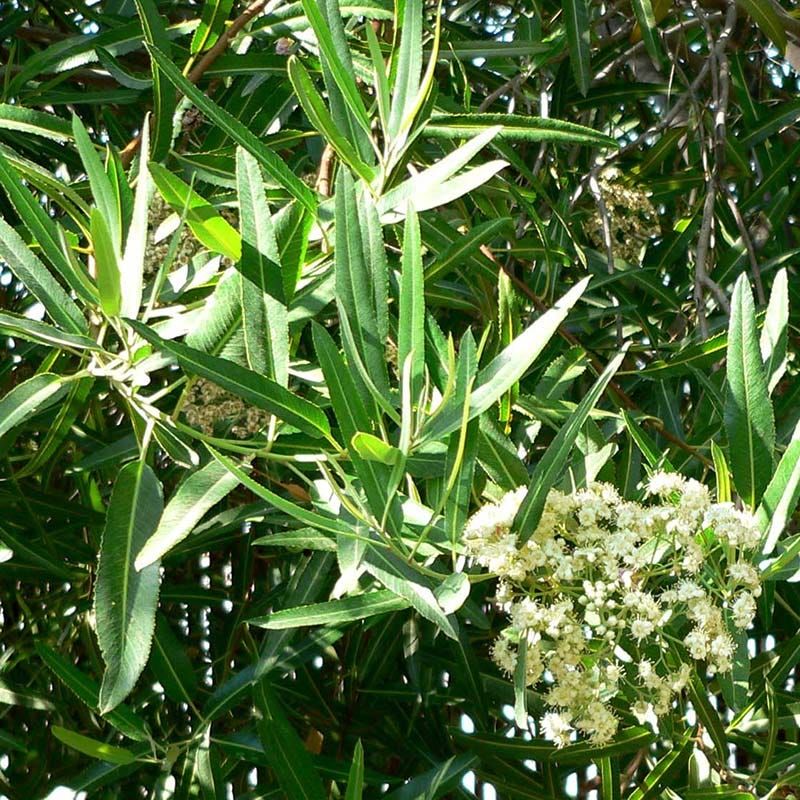
Arizona rosewood produces clusters of small, cream-colored flowers that attract bees. That is a real and documented benefit for pollinator habitat in a low-desert yard, where flowering native plants can be scarce during certain times of year.
If supporting native bees and honeybees matters to you, rosewood earns its place in the landscape on that basis alone.
The placement question is worth thinking through before installation. A rosewood hedge planted along a back wall away from foot traffic presents no practical problem for most households.
Placing it beside a gate you pass through daily, along a narrow walkway, next to a children’s play area, or right behind a patio dining set puts you and your family in regular proximity to actively foraging bees during bloom time. That is not a reason to avoid the plant, but it is a reason to be thoughtful about where it goes.
Broader wildlife claims need to stay in check. Birds, butterflies, and other wildlife may visit a yard with Arizona rosewood, but those outcomes depend heavily on surrounding vegetation, available water, shelter, pesticide use, and local wildlife populations.
The documented benefit is bee attraction during flowering. Everything beyond that is possible but not guaranteed by the plant itself, and honest planning starts with what the evidence actually supports rather than a wish list.
Do not mistake the hedge for pest control
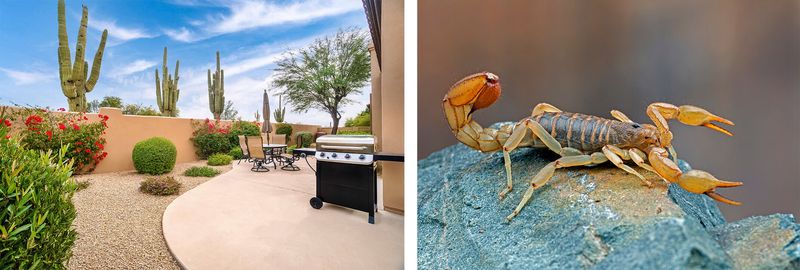
No evidence in the available research shows that Arizona rosewood stops scorpions, mosquitoes, ticks, or any other common household pest. Planting a native hedge along the property line is not a substitute for actual pest management, and presenting it as one sets up a homeowner for a frustrating and potentially dangerous surprise.
Scorpion prevention in Arizona depends on removing the conditions that attract and shelter them. University of Arizona Extension guidance on scorpions and pest-proofing emphasizes clearing debris piles, wood stacks, and leaf litter away from the home’s foundation, maintaining a clear zone around the structure, and sealing gaps in doors, windows, and plumbing penetrations where scorpions can enter.
Those steps have documented support. A hedge species does not.
A well-maintained yard with Arizona rosewood as a screen can absolutely coexist with a smart scorpion-management routine. Keeping the area under and around the hedge free of accumulated leaf litter, bark, and clutter reduces the harborage spots that scorpions seek out.
That benefit comes from good yard hygiene, not from any chemical or biological property of the plant itself. The rosewood earns its place as a screen and a pollinator plant, and that is already a strong case without adding pest-control claims the evidence does not support.
Choose Arizona rosewood for the conditions it can meet
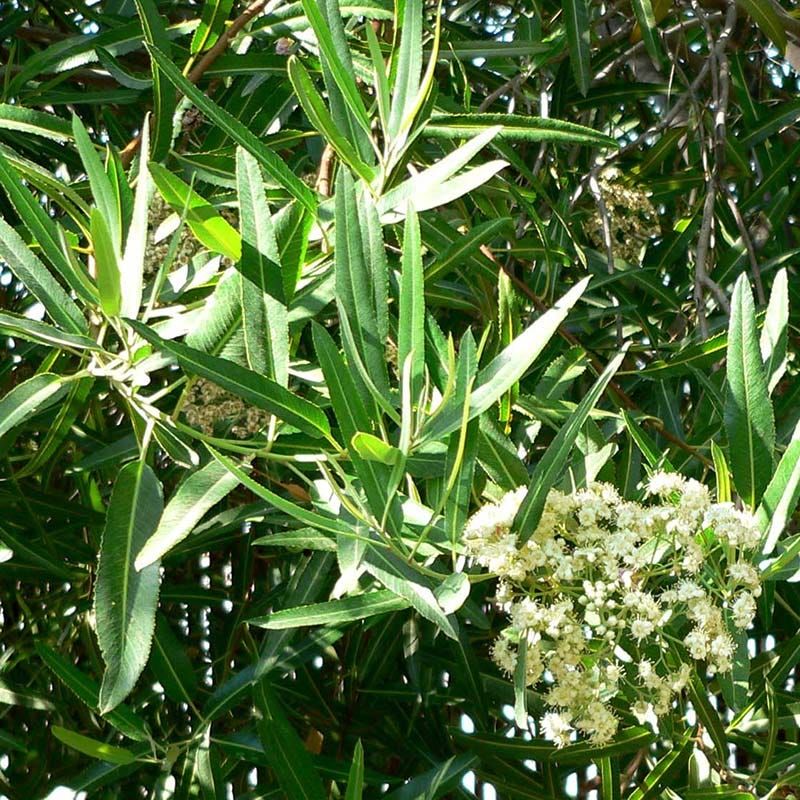
Arizona rosewood is a good fit for a homeowner who wants an evergreen, Arizona-native informal screen, can commit to establishment irrigation, has room for a shrub that may reach 5 to 10 feet wide, and can wait for slow growth to deliver privacy over time. Those four conditions together describe a specific use case, not a universal replacement for every photinia hedge in the state.
If your yard needs an immediate, tightly clipped privacy wall, or if the available space is too narrow for the plant’s mature width, rosewood is not the right choice for that situation. The same applies if your site has poor drainage, excessive reflected heat with no relief, or irrigation access that cannot support the establishment period.
Matching the plant to conditions it can actually meet produces a better outcome than forcing it into a difficult spot and hoping for the best.
The core recommendation is straightforward: rosewood may use significantly less supplemental water than photinia once established in a suitable low-desert site. That potential reduction in ongoing irrigation is the real payoff, not zero water, not guaranteed savings, and not pest control.
A plant that fits the site, gets proper establishment care, and is given room to grow on its own terms can deliver a durable, low-maintenance screen that earns its place in an Arizona yard for years to come.