The Simple Garage Setup That Carries Michigan Potted Plants Through Winter
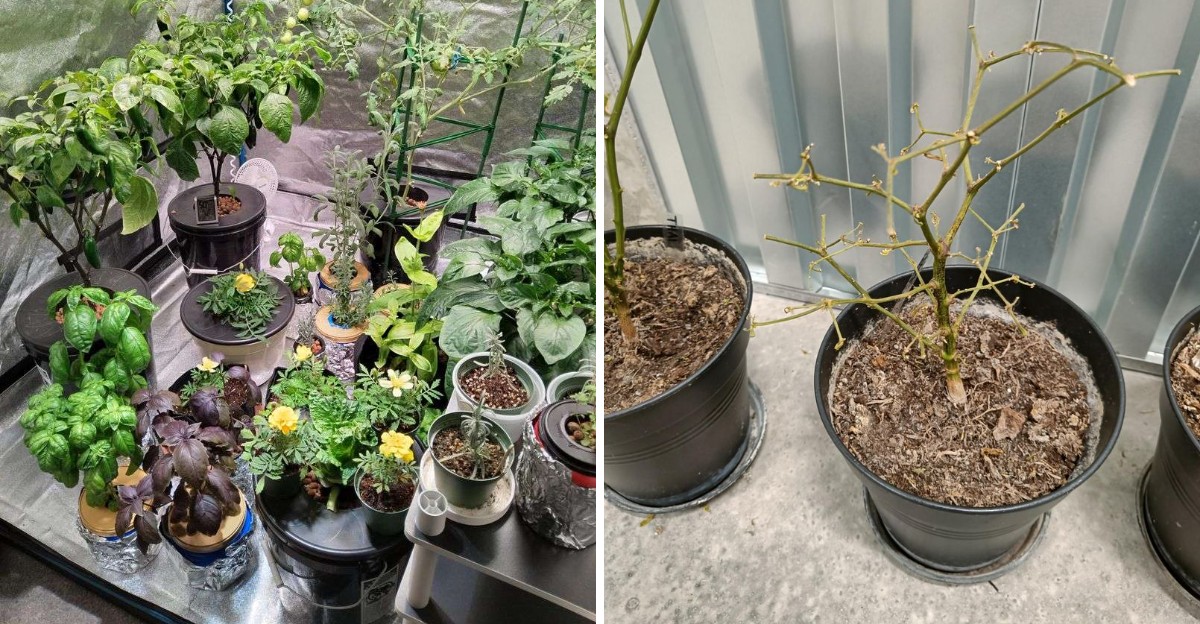
Many potted plants don’t need to come all the way indoors to survive a Michigan winter. A garage can offer just enough protection from deep freezes without forcing plants into a warm, bright indoor space they don’t actually need.
This works especially well for dormant or semi-dormant plants that mostly need to avoid hard freezing rather than continue active growth.
A simple setup with some insulation, occasional light, and minimal watering can keep these plants safe until spring. Because garages naturally stay a bit warmer than the outdoors but far cooler than a heated home, they hit a useful middle ground for many pots.
This approach saves indoor space while still giving plants the protection they need through the coldest months.
1. Know Which Plants Belong In The Garage
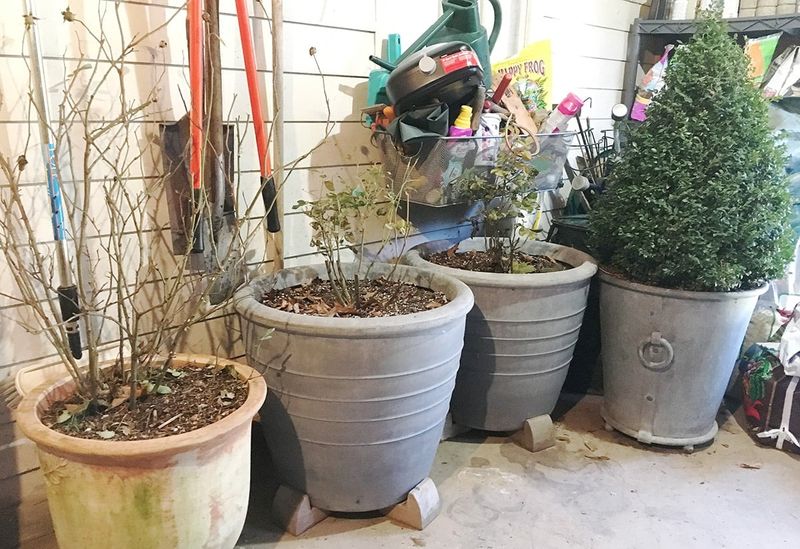
Not every pot on your patio wants the same winter home. An unheated garage is a perfect resting spot for some plants and a poor choice for others. Knowing the difference saves you a lot of trouble later.
Plants that go dormant are the stars of garage storage. Hardy perennials, shrubs, roses, and small trees in containers all do well there, since they simply need their roots shielded from brutal cold.
Tender plants that can rest quietly, like potted figs, also fit right in once their leaves fall. Tropical houseplants are a different story.
Plants such as pothos, peace lilies, and hibiscus keep growing all year, so they need warmth and steady light. A chilly, dim garage would stress them badly, which means they belong inside the house with you.
A simple fall sorting session makes the whole job easier. Walk around your yard and split containers into three groups: hardy plants that only need root protection, tender plants that can rest dormant, and growing plants that must come indoors.
Sticky notes or plant tags help you remember who goes where. Michigan gardeners have extra reason to be careful here.
A shrub rated for Zone 5 might shrug off winter in the ground, yet the same plant in a pot faces much colder root temperatures. Soil in a container freezes fast from every side, top and bottom included.
Roots are usually far less cold hardy than branches, so that exposure matters a lot. Giving those pots garage shelter is often the difference between a thriving plant in May and an empty container.
2. Wait For Dormancy Before Moving Plants In
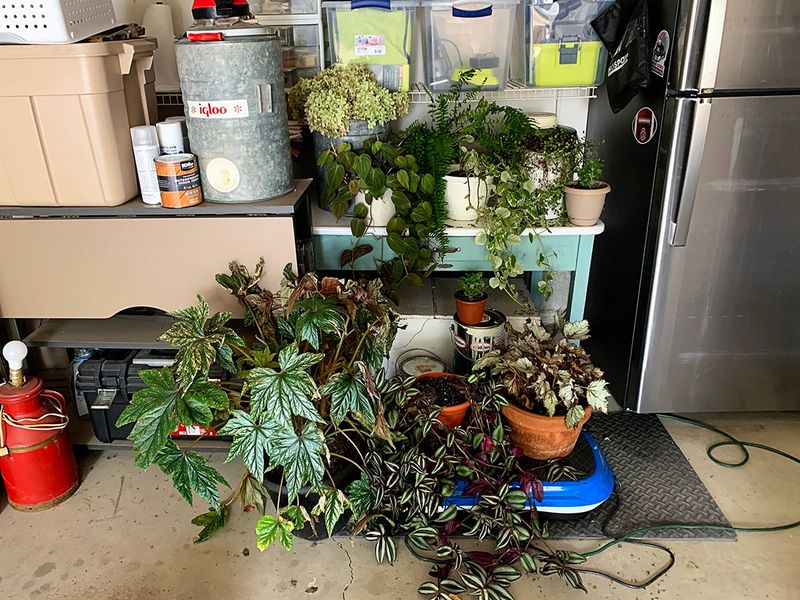
Patience pays off in late fall. Many gardeners rush pots into the garage at the first chilly night, but that eager move can actually backfire.
Plants brought in too early often think the season is still going. Sheltered from the cold, they keep pushing out leaves and new shoots. Then they run into the dim light of a garage and grow weak, pale, and stressed.
A few light frosts work like an alarm clock telling plants it is time to rest. Growth slows down, leaves drop, and the plant settles into a sleepy state that carries it all the way to spring. That natural shutdown is exactly what you want before storage.
So how do you time it? Leave hardy plants outside through several light frosts until deciduous types have dropped their leaves. After that, move them in before the soil in the pots freezes solid, since frozen pots are heavy and hard to handle.
Tender plants like figs follow a similar plan with a little less wiggle room. Bring them in once their leaves fall but before hard freezes arrive, usually when nights dip into the low 20s.
Location changes the calendar across the state. Gardeners in the Upper Peninsula and northern Lower Peninsula often reach this point in October.
Folks in southern Michigan and along the Lake Michigan shoreline, where the big lake keeps fall a bit milder, may wait until mid or late November. Watching your local forecast is smarter than following a fixed date.
3. Use The Warmest Wall In The Garage
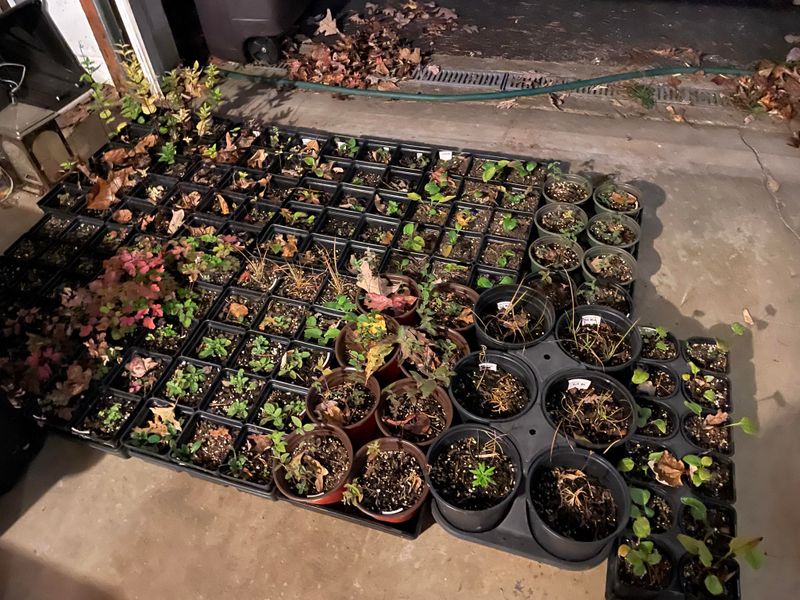
Every garage has a sweet spot, and finding it is easier than you think. Temperatures inside can vary quite a bit from one corner to another. Smart placement gives your plants a real head start.
In an attached garage, the wall shared with your house is usually the champion. Heat from your living space slowly leaks through that wall, keeping the area nearby a few degrees warmer.
Meanwhile, spots near the big garage door and along outside walls get the coldest air and the wildest temperature swings.
Every time that door opens on a January morning, a blast of frigid air rushes in. Plants parked right beside it take the hit first. Gaps under the door and around old windows also let in steady drafts that chill pots even further.
The fix is simple. Line your containers up along the house-side wall and keep them well away from the garage door and any drafty cracks.
Put your most tender plants, like figs or borderline shrubs, in the warmest part of that wall, with tougher plants filling in around the edges. Michigan garages vary a lot, so know what you have.
An attached garage often stays several degrees warmer than outdoors, which can be enough to protect roots through a hard freeze. A detached garage, on the other hand, may get nearly as cold as the open yard.
If yours stands alone, plan on extra insulation for your pots, or consider a cool basement for the most delicate ones.
4. Get Pots Off The Cold Concrete
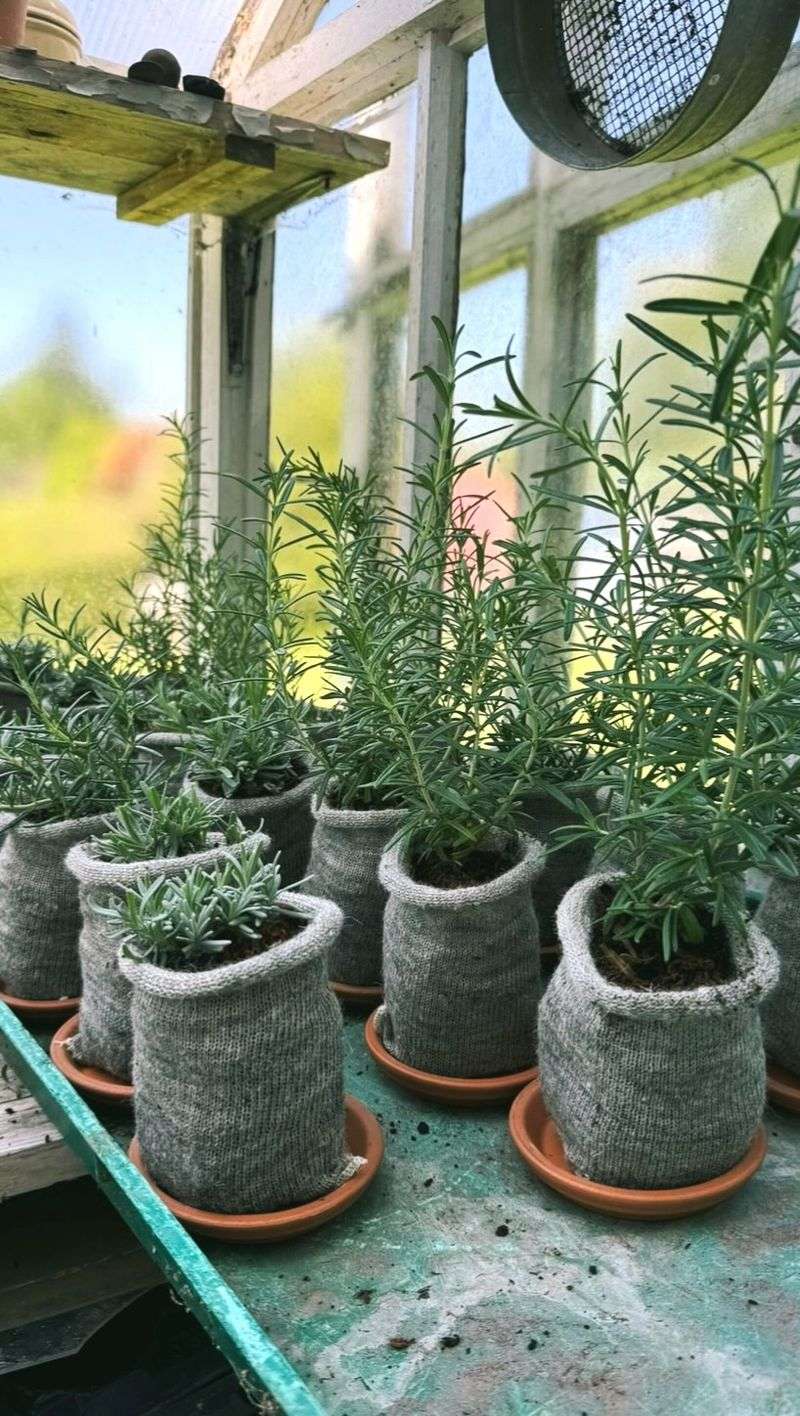
Concrete looks harmless, but it works like a giant ice pack under your pots. A garage floor soaks up cold from the ground and holds it for weeks. Anything sitting on it slowly loses warmth.
Heat flows from warmer things to colder things, so the soil in a pot keeps giving up its heat to the slab below.
Roots near the bottom end up much colder than they would be just a few inches higher. On top of that, moisture can gather underneath the pot where air never moves.
That damp, cold spot is bad news. Soggy soil at the base can lead to root rot, and freezing water around drainage holes may crack clay or ceramic containers. Lifting pots solves both problems at once.
You probably already own something that works. Wooden pallets, spare boards, bricks, or sheets of rigid foam insulation all make great platforms. Foam is especially helpful because it blocks cold from rising, and it is easy to find at any home store.
Leave a little breathing room behind your plants, too. A gap of a few inches between the pots and the wall lets air move freely, which helps keep mold and mildew away.
Michigan garage floors can sit near or below freezing for months, from December right into March. That long stretch of cold adds up for roots that never get a break.
A cheap pallet or a scrap of foam board may be the easiest upgrade you make all winter, and your plants will thank you when spring arrives.
5. Group And Wrap Pots For Extra Insulation

Penguins huddle together to beat the Antarctic cold, and your pots can use the same trick. A lonely container loses heat from every side. A tight group shares warmth and blocks cold for its neighbors.
Soil freezes and thaws more slowly when pots are packed close. That steadiness matters, because repeated freezing and thawing stresses roots far more than a steady chill. Wrapping the group adds another layer of calm.
Start by pushing your containers into a snug cluster. Place the most tender plants right in the middle, where they are surrounded on all sides by tougher friends. Think of it as giving your fig the warmest seat in the house.
Next, fill the gaps. Bags of shredded leaves, straw, or mulch stuffed between pots act like fluffy insulation, trapping air and holding back cold. Many gardeners simply rake fall leaves into trash bags, which turns yard waste into free winter protection.
During the coldest weeks, wrap the outside of the whole bunch. Old blankets, burlap, or bubble wrap all work well. Bubble wrap is surprisingly effective since those little air pockets slow heat loss, and it can be reused year after year.
Michigan throws some serious cold snaps each winter, when arctic air can push temperatures below zero for days.
Garage temperatures can drop well below freezing during those stretches. A wrapped, tightly grouped cluster gives roots a buffer that could keep them safe, and the setup takes less than an hour to put together.
6. Dormant Plants Need Little Or No Light
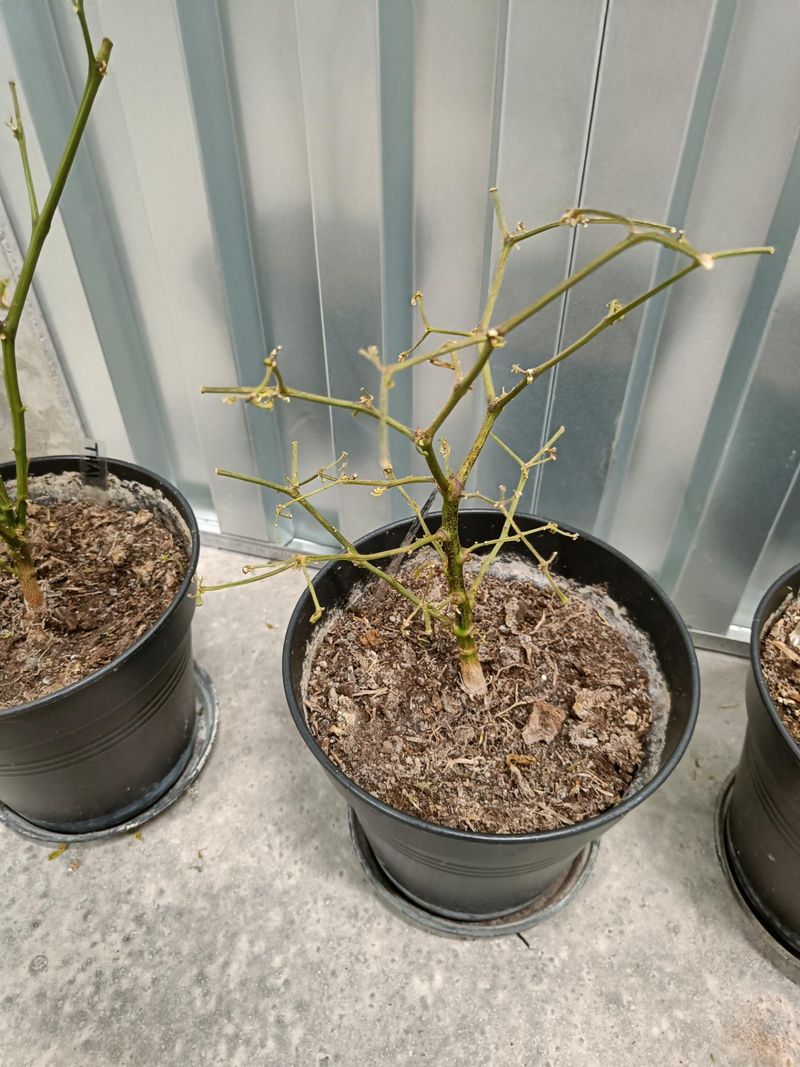
Here is a pleasant surprise for anyone with a dark garage: your sleeping plants honestly do not care. Deciduous plants that have dropped their leaves are resting completely. With no leaves, they cannot make food from sunlight anyway.
Potted maples, hydrangeas, roses, and figs can sit in a shadowy corner all winter and be perfectly fine. Their buds wait quietly until spring warmth wakes them up. Light simply is not part of their winter needs.
Evergreens play by slightly different rules. Potted boxwoods, arborvitae, junipers, and dwarf spruces keep their needles or leaves all year. Those leaves still lose a bit of moisture, and the plants appreciate some light to stay healthy.
If your garage has a window, give that spot to your evergreens. Even weak winter light through a small pane helps. Deciduous plants and figs can fill the darker areas without any worry.
One thing to avoid is extra warmth or brightness. Keep all stored plants away from space heaters, furnaces, and bright work lights. Heat and strong light can trick a plant into waking early, pushing tender new growth that struggles when cold returns.
Plenty of Michigan garages have few windows or none at all, and that is no reason to skip this method.
Gardeners across the state carry dormant plants through winter in total darkness every year. As long as the plants are truly resting, a dim garage is a quiet, safe bedroom until spring.
7. Water Lightly About Once A Month
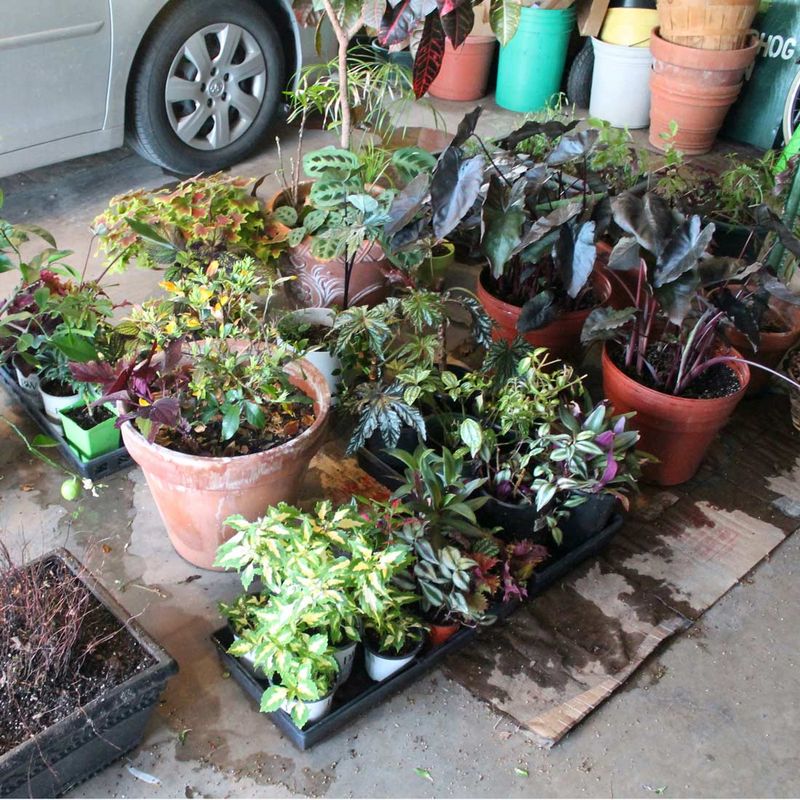
Out of sight should never mean out of mind. Stored plants look asleep, yet their roots are still alive and need a little moisture. Forgetting them for five months is one of the most common winter mistakes.
Soil in a container dries out slowly, even in the cold. Over weeks in a garage, it can turn completely dry. Roots sitting in bone-dry soil get damaged, even if the temperature stayed just right the whole time.
A monthly check keeps things on track. Mark a reminder on your calendar, maybe the first weekend of each month. Push a finger a few inches into the soil to see how it feels.
Water lightly when the soil is dry a few inches down and not frozen. Pouring water on frozen soil does little good, since it cannot soak in. A mild day, when the garage warms slightly, is the best time to water.
Go easy with the watering can. Soaking a pot leaves soil wet and cold for weeks, which invites rot. A modest drink that dampens the soil without flooding it works best.
Evergreens deserve slightly more water than dormant deciduous plants. Their leaves keep losing moisture all winter, so they dry out faster.
Michigan winter air is often surprisingly dry, especially during long cold spells. Combine that with months in storage, and containers can end up parched by spring. A few minutes each month keeps roots ready for a strong start when warm weather returns.
8. Watch The Temperature With A Simple Thermometer
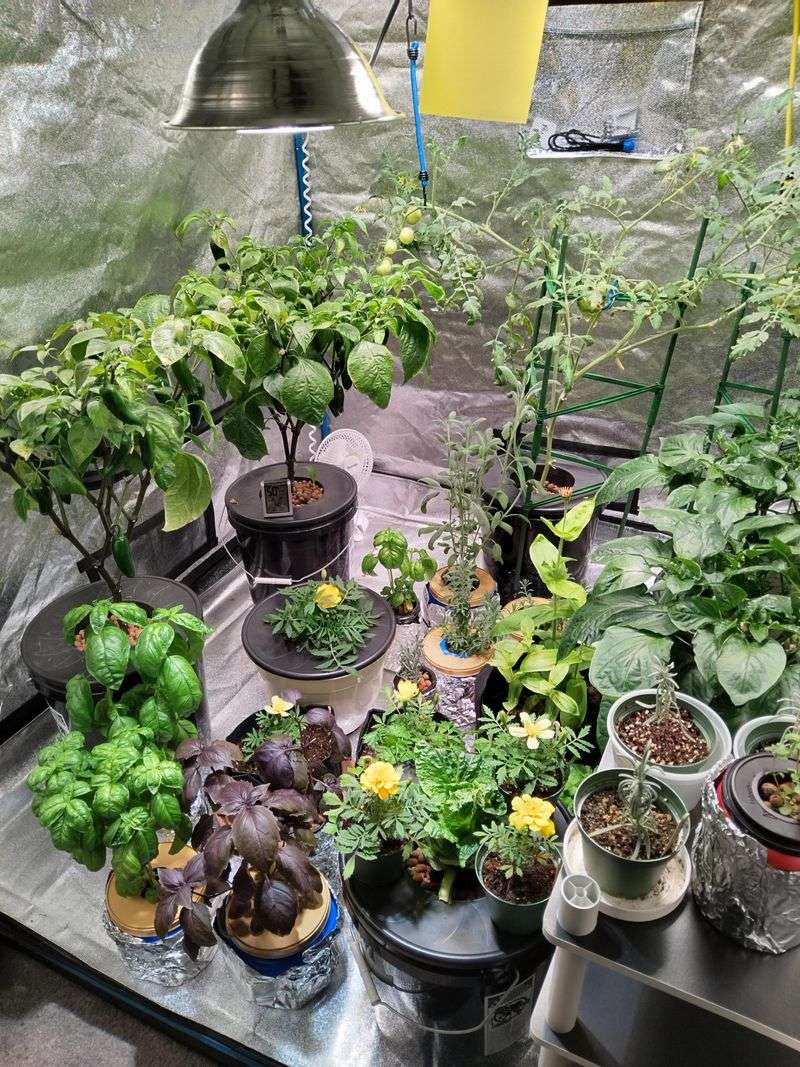
Guessing is easy, but knowing is better. A cheap thermometer turns your garage from a mystery into a place you can actually manage. It may be the smartest few dollars you spend on your plants.
Dormant hardy plants like staying cold, just not extremely cold. Tender plants such as figs need protection from dropping much below about 20°F, since their roots and stems can be harmed at lower temperatures.
On the flip side, a garage that heats up on a sunny afternoon can wake plants too soon. A minimum-maximum thermometer is the perfect tool for this job. It records the lowest and highest temperatures since you last reset it.
That means you can see what happened overnight without standing in a freezing garage at 3 a.m. Hang it near your plants, at about pot level, rather than across the room. Check it every few days, especially when the forecast looks wild.
When a severe cold snap is coming, act early. Add extra blankets or bubble wrap around your cluster, or carry the most tender pots into a cool basement for a few days. Once the deep freeze passes, they can go back.
Warm spells need attention, too. On unusually sunny, mild winter days, crack the garage door a bit to let heat escape if the space warms up.
Michigan weather loves surprises. A single week can bring a mild thaw followed by below-zero nights. A thermometer helps you stay one step ahead of those swings.
9. Keep Mice Away From Stored Plants

Your garage is not the only cozy shelter in the neighborhood, at least not in the eyes of a mouse. When fields freeze and food runs low, mice go looking for warm, quiet places. A garage full of potted plants looks like a winter buffet.
These tiny visitors can cause big trouble. Mice chew bark on shrubs and small trees, sometimes going all the way around the trunk. They also dig into pots and snack on stored bulbs and roots, especially once outdoor food becomes scarce.
Bark damage is the sneakiest problem because it often hides near the soil line. A tree can look fine in winter and then struggle badly in spring. Checking your pots every week or two helps you spot chewed bark, small holes, or loose soil early.
Protecting woody plants is easy with hardware cloth. Wrap a cylinder of this sturdy wire mesh around the lower trunk, pushing it slightly into the soil. Mice cannot chew through it, and it lifts right off in spring.
Traps add another line of defense. Mice like to run along walls, so place snap traps there, near your plants but away from pets and kids.
Food sources matter just as much. Keep birdseed, grass seed, and pet food sealed in metal or thick plastic bins. An open bag practically sends out invitations.
Michigan mice start moving indoors as soon as the first cold nights arrive in fall. Setting up defenses when your plants go in keeps them safe until spring.