How New York Lawns Can Survive Fall Drought Without A Single Extra Watering
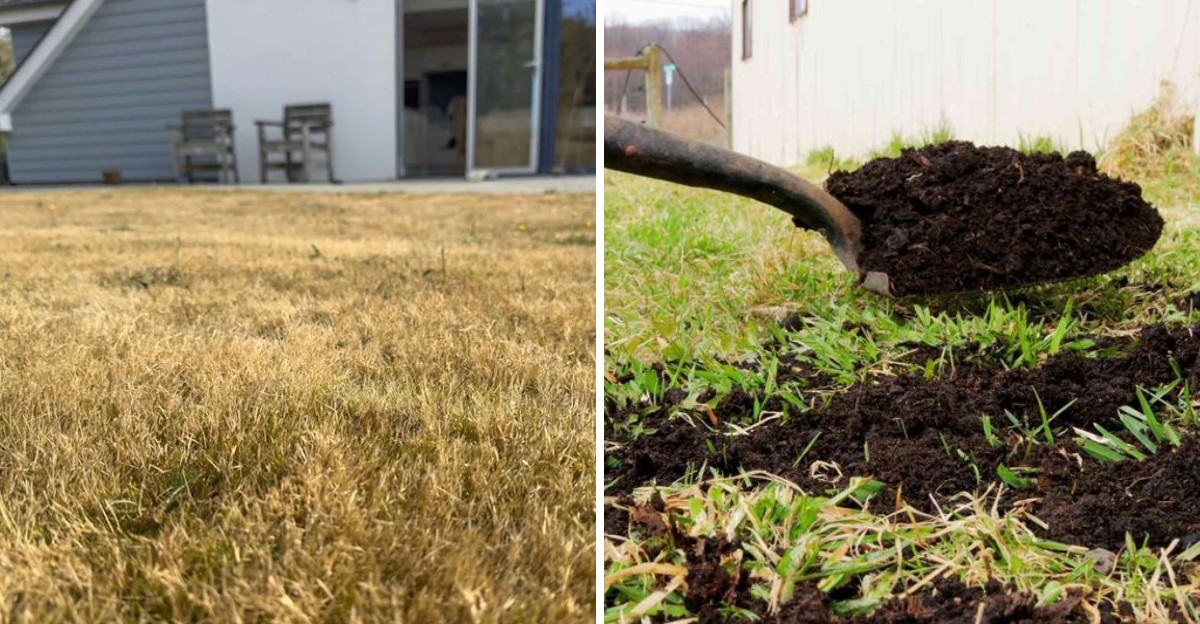
Fall is supposed to be all cider and crunchy leaves, so why does your lawn look like a stale cracker?
Crispy edges, dull middle, and zero chill. Rude.
Before you sprint for the hose, hold on. That tired grass is tougher than it looks, and it has a few tricks tucked under its blades.
A dry autumn in New York can make anyone who loves a green yard a little twitchy. The plot twist is that a few smart habits can often do more for your turf than a sprinkler running on repeat, and your water bill gets to relax too.
Everything coming up is simple, cheap, and surprisingly low drama. Grab something warm to sip, because these small changes can help your lawn roll into winter feeling pretty good about itself.
1. Raise Your Mower Blade Higher
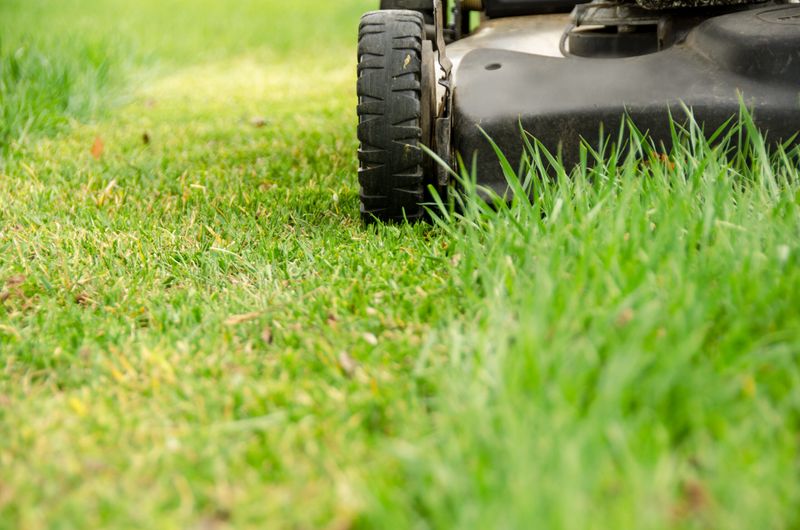
Tall grass is like a beach umbrella for the New York soil. Each blade throws a little shade that keeps the ground cooler and slows how fast moisture escapes.
Cornell Cooperative Extension suggests mowing at least three inches tall to encourage larger root systems. During a dry fall, try setting the deck at three inches or a little higher.
Taller grass tends to grow deeper roots, and deeper roots can reach water hiding far below the dusty surface.
A good rule is to remove only one third of the blade at a time. Chopping off more than that shocks the plant and forces it to spend energy healing.
A stressed lawn has less strength left to handle dry weather.
Sharp blades matter just as much as height. A dull mower tears the grass, leaving ragged brown tips that lose water quickly.
Sharpening the blade once or twice a season gives you clean cuts that seal faster.
Timing helps too. Mow in the cool evening or on a cloudy day rather than in the hot afternoon sun.
Grass recovers better when it is not baking right after a trim.
Fun fact: grass kept taller usually builds a deeper root system, and that hidden network works like a private water tank.
Your mower setting is one of the easiest ways to build it.
2. Leave The Clippings On Your Lawn
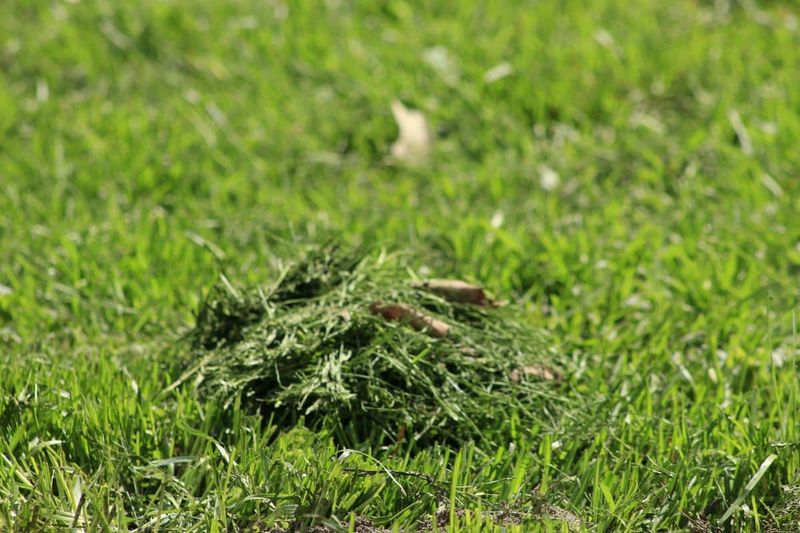
Raking up clippings feels tidy, but it throws away free help. Those tiny green bits are mostly water and nutrients your lawn already worked hard to make.
Gardeners call the habit grasscycling. You simply let clippings fall back onto the turf as you mow.
Within a week or two, they break down and feed the soil below.
During a dry spell, clippings act like a thin blanket. They shade the soil surface and slow evaporation.
Every bit of moisture saved counts when the rain stays away for weeks.
Some folks worry that clippings cause thatch. Thatch actually comes mostly from roots and stems, not from short grass pieces.
As long as you mow often and keep cuts small, clippings sink in and vanish fast.
A mulching mower makes the job easier. It chops grass into tiny pieces that slip down between blades instead of sitting on top in clumps.
Your New York Garden Changes Every Week. Your Plan Should Too.
Gardening in New York changes quickly throughout the season. Every Friday you’ll receive a simple weekly plan showing exactly what to plant, prune, fertilize, harvest, and protect so you never miss the right timing.
If you spot heavy piles, spread them out with a rake so they do not smother any patches.
Many towns across New York encourage residents to leave clippings because it cuts down on yard waste pickups. You save time, bags, and trips to the curb.
Your lawn gets a slow snack of nitrogen at the same time.
It is a rare chore that gets easier while giving better results.
3. Let Dormancy Work Its Magic
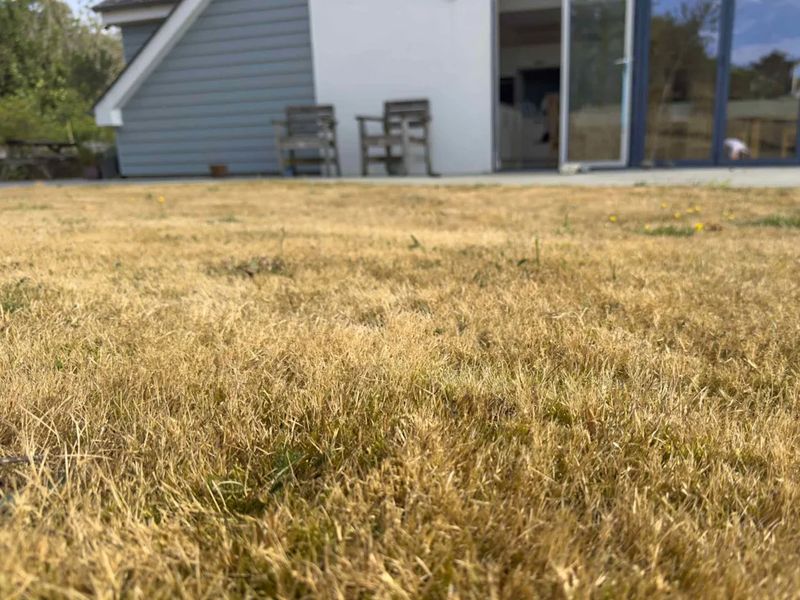
Here is a secret many neighbors miss. A golden lawn is often just sleeping, not giving up.
Cool-season grasses like Kentucky bluegrass and fescue are common across New York. When water runs short, they slip into dormancy.
They stop growing, turn tan, and save their energy deep in the crown and roots.
Think of it like a bear taking a nap. The plant is still alive and waiting for better weather.
Once fall rains return and temperatures cool, many dormant lawns begin to green up again. How quickly that happens depends on the grass type, the soil, and how long the dry spell lasted.
Dormancy does have limits, though. Cornell notes that New York grasses can stay dormant for about six weeks without trouble.
If the dry stretch runs longer, extension programs in other states suggest a light drink of roughly a quarter to a half inch every few weeks. That small amount is meant to keep the crowns hydrated, not to turn the lawn green again.
Outside of that, try not to fight the process. Light, random sprinkling can wake the grass up, only for it to struggle again when the soil dries.
That back and forth can burn through stored energy fast.
So relax and let the lawn rest. Keep heavy traffic low, skip fertilizer for now, and wait for the weather to shift.
Your patience pays off when cooler days and natural showers arrive.
To check if grass is resting, give a few blades a gentle tug. If they hold firm, the roots are fine.
If they pull out with no effort, look closer for grubs or other trouble.
A brown fall lawn might not win a prize. Still, it is often doing exactly what nature designed it to do, and that is pretty clever.
4. Keep Feet And Paws Off Thirsty Grass

Ever notice footprints that stay pressed into the lawn for hours? That is a clear sign your grass is short on water and long on stress.
Healthy blades spring back after you step on them. Dry blades lose that bounce because their cells are low on moisture.
Each step can crack and bruise them, leaving brown trails behind.
In many New York yards, fall means football games, raking parties, and pets racing around. All that action adds up during a drought.
Soil also gets packed down, which makes it harder for future rain to soak in.
Try setting up a few simple paths for daily trips. Stepping stones, mulch walkways, or even a strip of old boards can guide people where you want them.
Kids and dogs follow routes faster than you might think.
Move outdoor games to a different spot every week if possible. Rotating play areas spreads out the wear so no single patch takes all the punishment.
Parking cars, trailers, or heavy equipment on the lawn is best saved for later.
Pet owners can help by walking dogs on the edges or a gravel area. Dog urine is extra harsh on dry grass, so a quick splash from a watering can on those spots is a smart exception.
A little traffic control now means a thicker, happier lawn next spring.
5. Hold Off On Fertilizer Until Rain Returns
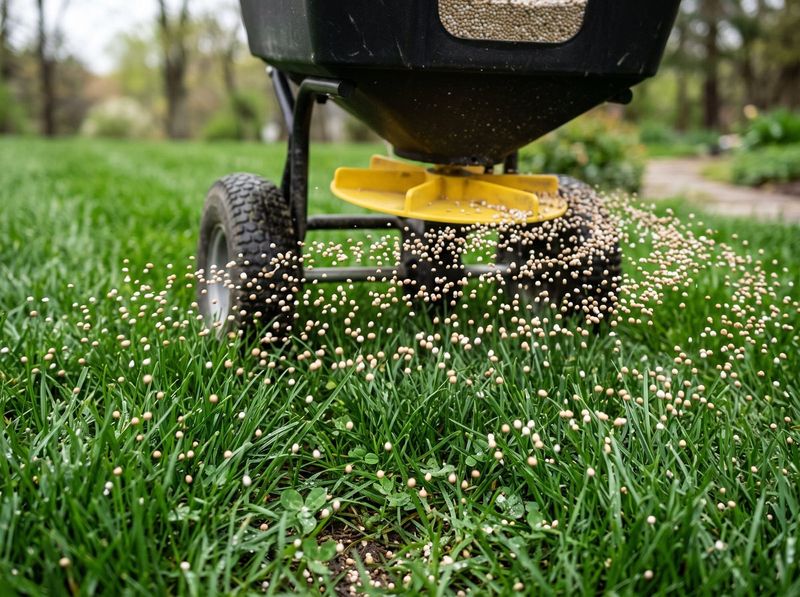
Feeding a thirsty lawn sounds kind, yet it can backfire. Fertilizer pushes grass to grow, and growth needs water your yard may not have.
Most fertilizers contain salts. When soil is dry, those salts can pull moisture away from roots instead of helping them.
The result can be scorched, yellow streaks that look worse than plain dormancy.
Fall is usually a good time to feed lawns across the state. Experts often recommend a September or October application for strong roots.
During a drought, though, it pays to wait until the soil is moist again.
Here is a handy test. Push a screwdriver into the ground.
If it slides in easily for several inches, there is enough moisture to fertilize safely. If it fights you, put the bag back on the shelf.
Keep New York’s fertilizer rules in mind too. A product with more than 0.67 percent phosphate can only go on an established lawn when a soil test shows a need, so a phosphorus-free bag is the usual choice.
Fertilizer for non-farm use is also off limits between December 1 and April 1.
When you do feed, choose a slow-release product. It sends nutrients out gently over weeks rather than all at once.
That steady pace matches the calm growth grass prefers in cooler weather.
Compost is another gentle choice. It improves soil life and typically adds nutrients with a much lighter salt load, and New York’s fertilizer law does not restrict it.
Waiting may feel like doing nothing. In truth, smart timing saves money, protects roots, and helps keep nutrients from washing into local streams when the first big storm finally rolls through.
6. Fight Weeds Gently On Your Turf
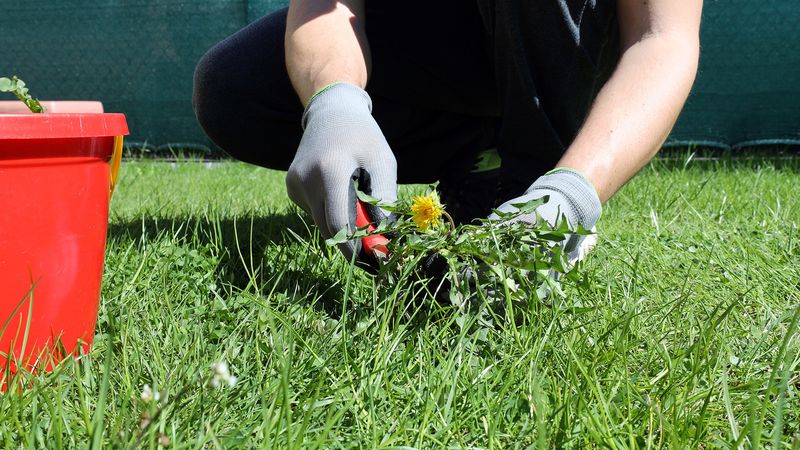
Weeds are sneaky opportunists. When your grass slows down in a dry spell, crabgrass, plantain, and dandelions rush in to steal what little water remains.
Every weed in your lawn is a tiny competitor sipping from the same soil. Removing them leaves more moisture for the grass you actually want.
The challenge is doing it without adding more stress.
Skip heavy chemical sprays during a drought. Many herbicide labels warn against using them on stressed turf because they can harm grass along with weeds.
They also work poorly when weeds are dry and not actively growing.
Hand pulling is your best friend right now. A simple forked weeding tool pops out roots with little damage to nearby grass.
Try weeding after a light morning dew when the ground is a bit softer.
Focus on big offenders first. Wide, leafy weeds shade out grass and soak up the most water.
Small ones can wait for cooler, wetter weeks.
Many homeowners in New York find that a thick, tall lawn handles weeds better on its own. Dense turf blocks sunlight from reaching weed seeds, so fewer sprout to begin with.
Mowing high helps with that.
Toss pulled weeds in the trash rather than the compost if they have gone to seed. That way, you avoid planting next year’s crop by accident.
7. Build Thirst-Proof Soil With Compost
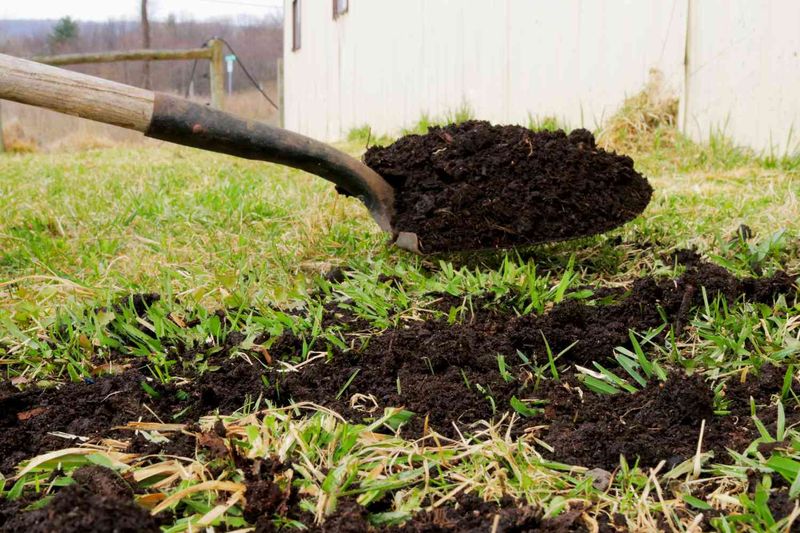
Good soil works like a kitchen sponge. It grabs water when it rains and slowly hands it back to roots during dry days.
Many lawns in New York sit on heavy clay or thin, rocky ground. Clay packs tight and sheds rain, while sandy spots drain too quickly.
Compost can help ease both problems by adding organic matter.
A practice called topdressing is simple. Spread a thin layer of fine compost, about a quarter inch deep, across the lawn.
Rake it in so it settles between grass blades and touches the soil.
Do not worry about smothering your grass. The layer is thin enough that blades poke right through.
Over time, earthworms and soil microbes pull the compost down and mix it in for you.
Extra organic matter can help soil hold onto moisture a bit longer between rains, which is a nice perk for a lawn facing a dry stretch. Results build year after year, so starting now pays off later.
You can buy bagged compost or make your own from leaves and kitchen scraps. Fall leaves are everywhere this time of year, which makes a free supply easy to gather.
Topdressing pairs nicely with any fall routine. It feeds soil life, improves texture, and quietly prepares your yard to handle the next dry spell with far less fuss.
8. Turn Fallen Leaves Into Lawn Armor
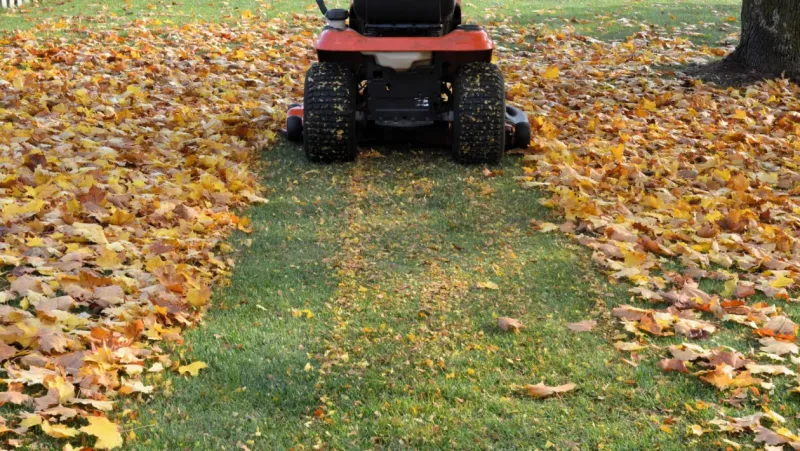
Autumn hands you a free gift every year, and most people bag it up and set it on the curb. Those crunchy leaves can protect your lawn during a dry season.
Instead of raking, run your mower over the leaves. The blades shred them into dime-sized pieces that drift down between the grass.
In a few weeks, they break down and enrich the soil.
Shredded leaves act as a light mulch. They shade the soil, hold in moisture, and feed earthworms that loosen packed ground.
Research from Michigan State University found that mulched leaves can even help reduce dandelions.
There is one catch. Whole leaves left in thick piles can mat down and block sunlight.
Grass under a soggy blanket of leaves may struggle, so keep things chopped and spread thin.
If you have too many leaves, rake the extra into garden beds or a compost pile. Trees across New York drop huge amounts, especially oaks and maples.
You will likely have plenty to share with your flower beds.
Mulching also saves energy and time. No more hauling heavy bags or waiting for town pickup days.
Fun bit of trivia: a single mature tree can drop well over a hundred pounds of leaves each fall. That is a lot of natural lawn food falling right into your lap.
9. Plan Ahead With Tough Grasses
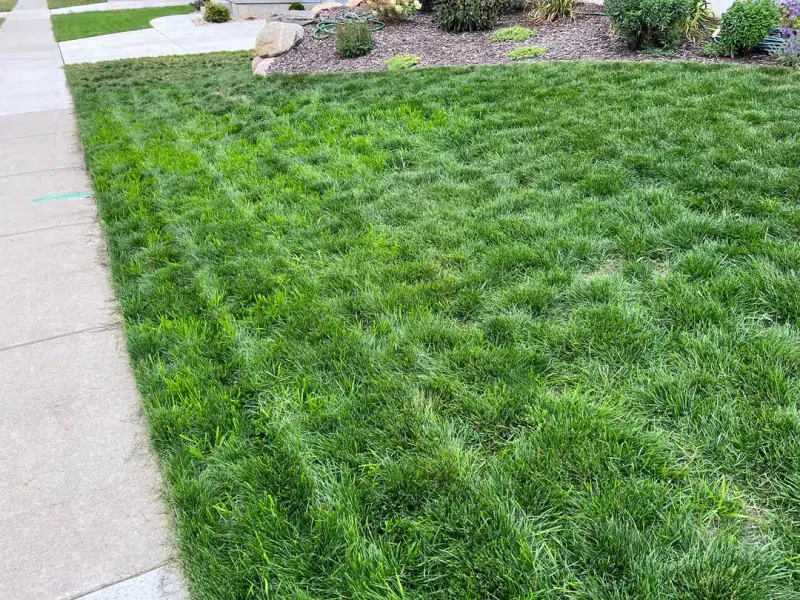
Some grasses handle dry weather like seasoned hikers carrying their own water. Choosing those types now can save plenty of worry in future autumns.
Tall fescue is a standout for drought tolerance. Its roots dig deeper than many other cool-season grasses, sometimes reaching two or three feet down.
Fine fescues also do well in shady, low-care spots.
Kentucky bluegrass looks lovely but tends to need more water. Many lawns in New York use a blend, mixing bluegrass with fescues for a balance of beauty and toughness.
The best time to overseed is late summer into early fall, once rain returns. Seeds need steady moisture to sprout, so wait until the forecast turns wetter.
Overseeding in drought conditions mostly feeds the birds.
Before seeding, consider core aeration. A machine pulls small plugs of soil, making space for air, water, and new roots.
Seeds that land in those holes often sprout faster and stronger.
Look for seed labeled with a high percentage of germination and low weed content. Cheap bags can hide filler and weed seeds that create more problems.
A little planning turns your lawn into a yard that shrugs off dry spells. With hardy grass, smart mowing, and healthy soil working together, your New York turf can stay strong without leaning on the hose.