Why California Gardeners Treat October As A Prime Planting Month
Many parts of the country treat autumn as the closing act, with rakes, sweaters, and gardens tucked away for sleep. California gardeners smile at that idea, because their real season is only now starting to stretch and yawn.
Step outside on an October morning and you can smell it, that cool damp earth scent drifting over fences. The summer heat has finally eased, and the soil feels soft and friendly under bare fingers.
Neighbors back east may be packing away their tools, but West Coast growers are pulling gloves back on. It looks a little backward at first, like celebrating New Year’s Day right in the middle of fall.
Yet the plants seem to agree with the plan, and they respond to this season with surprising energy. Roots stretch deeper, leaves look perkier, and the whole yard seems to take a long, relaxed breath.
Nobody seems to have told the garden that autumn is supposed to be the quiet season. It is busy anyway, and it clearly enjoys the extra work.
Cooler Soil Temperatures Plus Returning Rain Reset The Calendar
Soil in much of California can reach 80 degrees or more in August, which is too warm for many seeds. By October, that number often slips into the 60s, and seeds suddenly find conditions much more comfortable.
Think of the ground like an oven that was finally turned down after a long summer. Cooler soil lets young roots spread without stress, and helpful microbes become busier breaking down organic matter.
Rain completes the picture, since much of California gets most yearly water between October and April. Summer here is mostly dry, so gardeners lean on hoses, while fall and winter storms bring free water once they arrive.
Planting just before those first showers means nature handles a big share of the watering chores for you. Your water bill drops, and your plants sip slowly from moist ground.
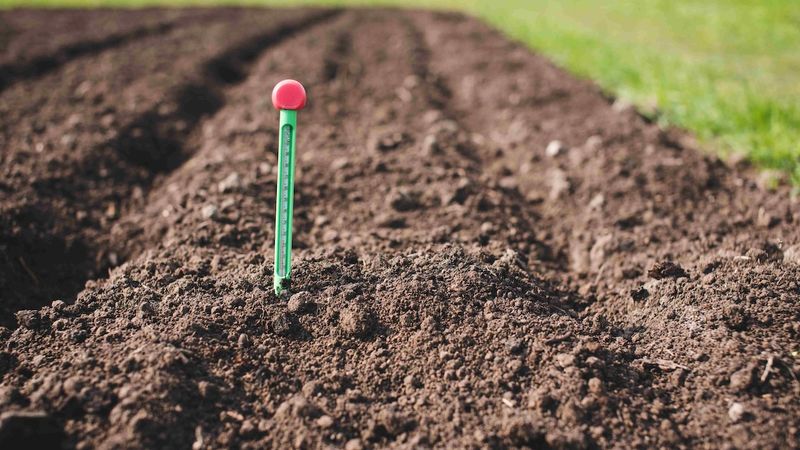
For a simple test, push an inexpensive soil thermometer about four inches deep around eight each morning. Readings between 55 and 70 degrees tell you lettuce, peas, and many flower seeds are ready to sprout.
Rain also rinses away salt that builds up in soil after months of hard tap water and fertilizer. Plants that looked tired in late summer can bounce back once winter showers wash those salts deeper into the soil.
Put cooler soil and returning rain together, and you get a natural reset button for the whole yard. Many gardeners mark October on their calendars as the moment that button gets pressed each year.
Mild Fall Weather That Favors Root Growth Over Leafy Growth
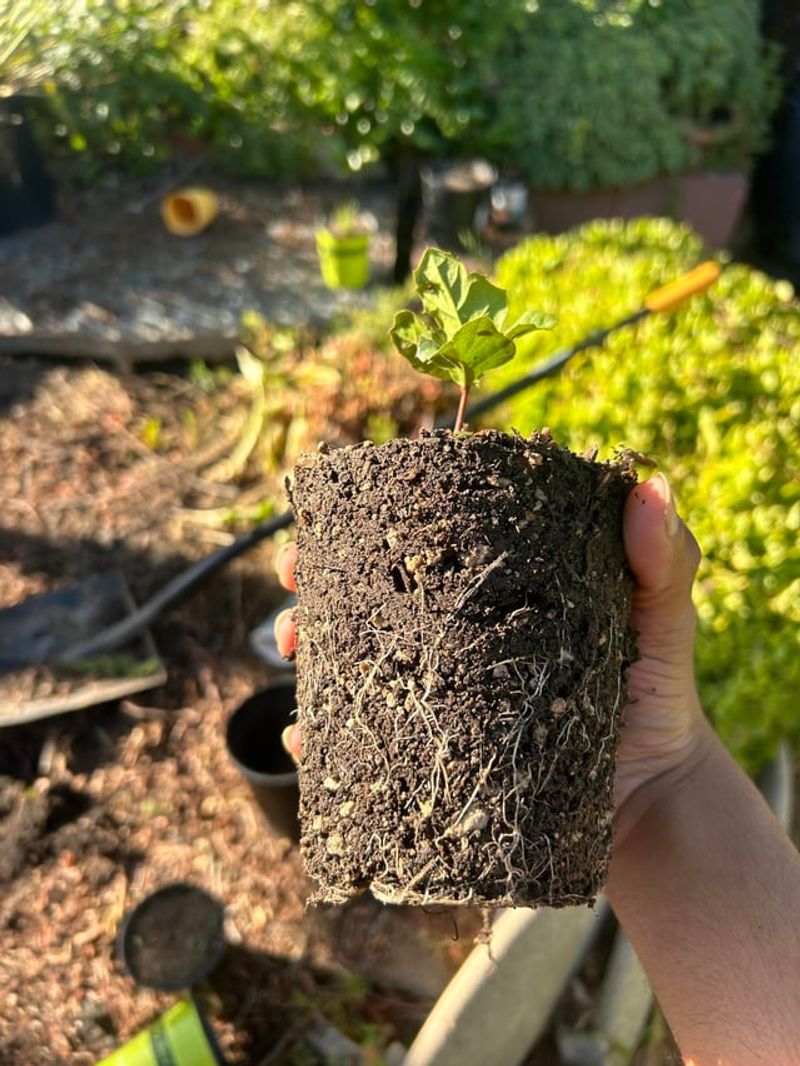
Picture a shrub planted in July, sweating through heat waves while its owner hauls buckets of water every evening. Now picture the same shrub planted in October, quietly stretching its roots through cool, damp soil without fuss.
Gardeners who try both often notice stronger growth by spring from the fall planting. The secret comes from how plants split their energy between what grows above ground and what grows below.
Your California Garden Changes Every Week. Your Plan Should Too.
Gardening in California changes quickly throughout the season. Every Friday you’ll receive a simple weekly plan showing exactly what to plant, prune, fertilize, harvest, and protect so you never miss the right timing.
Shorter days and cooler air send a signal that pushing out lots of new leaves can wait a while. Meanwhile, the soil still holds leftover warmth, so roots keep growing steadily even when the tops look sleepy.
It works a bit like building the basement of a house before anyone worries about painting the bedrooms. A strong root system helps a plant handle dry spells when hot weather returns, though new plantings still need regular watering through their first summer.
Trees, shrubs, perennials, and fruit plants gain the most from this timing, since they stay put for years. Many California nurseries stock more trees and shrubs in early fall.
When planting this month, skip heavy doses of high-nitrogen fertilizer, which pushes tender leaves instead of roots. A thin layer of compost on top of the soil offers steady support without forcing fast growth.
Patience matters here, because the plant may look the same for weeks while big changes happen underground. Come spring, that quiet work often shows up as thicker stems, brighter blooms, and less need for extra watering.
Cool-Season Vegetables Ready For Fall Planting
Ever tasted a carrot pulled from chilly winter soil and wondered why it seemed sweeter than the store kind? Cool nights push many vegetables to store extra sugar, which works like a built-in antifreeze for their cells.
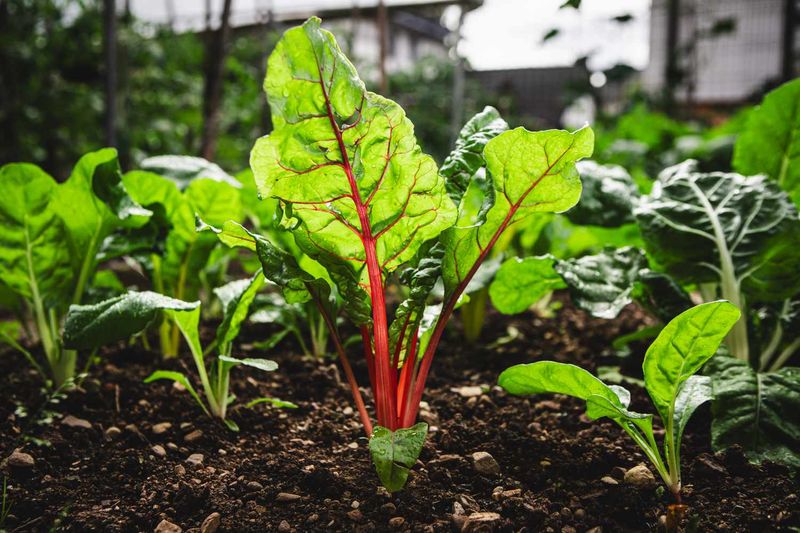
That sweet bonus is one reason California growers fill their beds with leafy greens and roots each October. Lettuce, spinach, kale, chard, and arugula grow quickly from seed and handle light chill well.
Root crops like carrots, beets, radishes, and turnips also enjoy loose, cool soil during the shorter fall days. Radishes are the speedy champions, often ready to munch in about four weeks after the seeds go in.
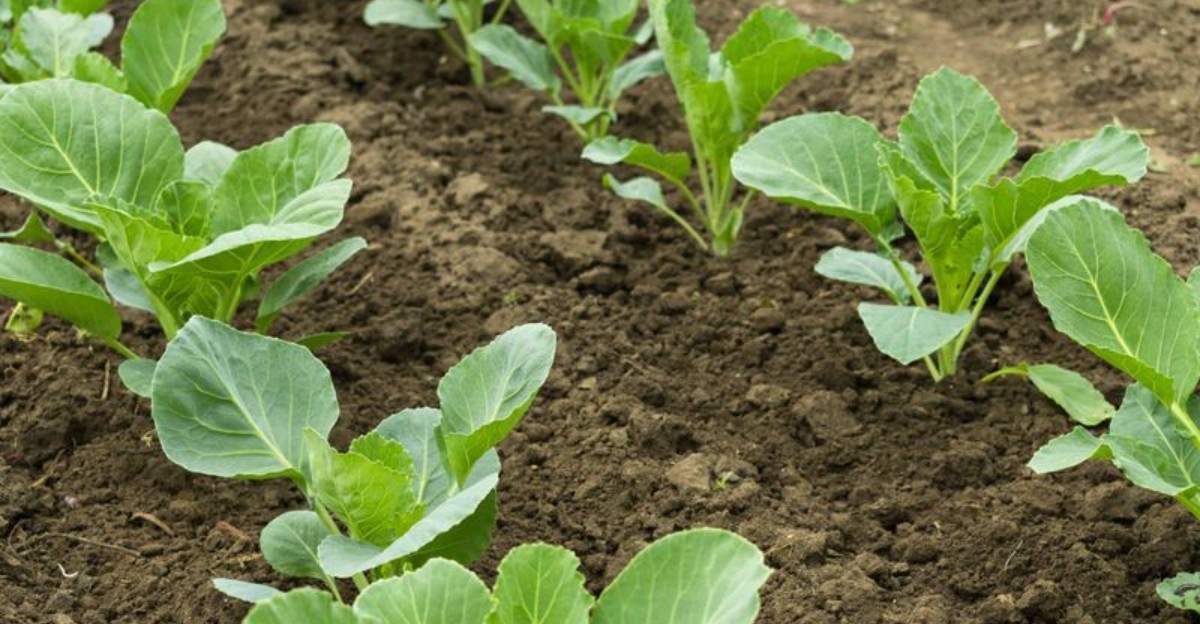
For bigger crops, set out transplants of broccoli, cabbage, cauliflower, and Brussels sprouts early in the month. Starting with young plants instead of seeds gives them a head start before the darkest weeks of December.
Peas and fava beans deserve a spot too, and fava beans even add nitrogen back into tired garden soil. Garlic cloves tucked in during October or November turn into plump bulbs ready for harvest next summer.
One fun trick is planting a short row of lettuce every two weeks instead of one giant patch. Your salad bowl stays stocked through much of the winter, and you rarely end up with too many greens at once.
Many warm-season pests fade as temperatures drop, though aphids and cabbage worms can still show up, so check the undersides of leaves each week. Milder weather, sweeter flavors, and less watering add up to a vegetable season that feels easy and rewarding.
Native Plants That Settle In Before Winter Rains
Long before lawns and sprinklers arrived, California hillsides followed their own rhythm of green winters and golden summers. Native plants grew up with that pattern, so they expect to start fresh when the first rains arrive.
Planting them in October lets you work with that ancient schedule instead of working against it all year. Winter storms soak their roots naturally, and by the next dry season, many need very little extra water.
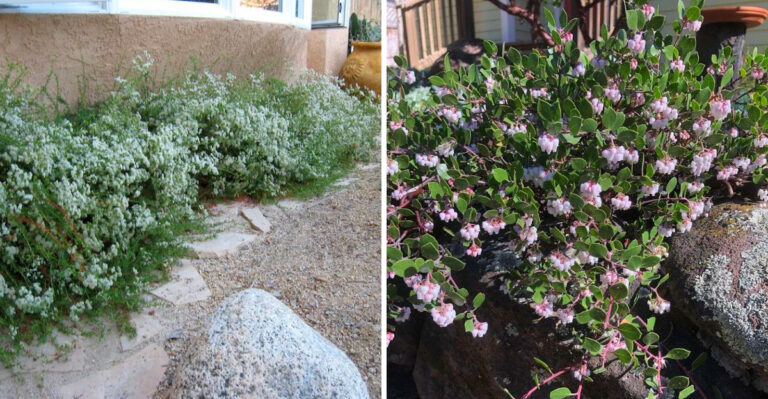
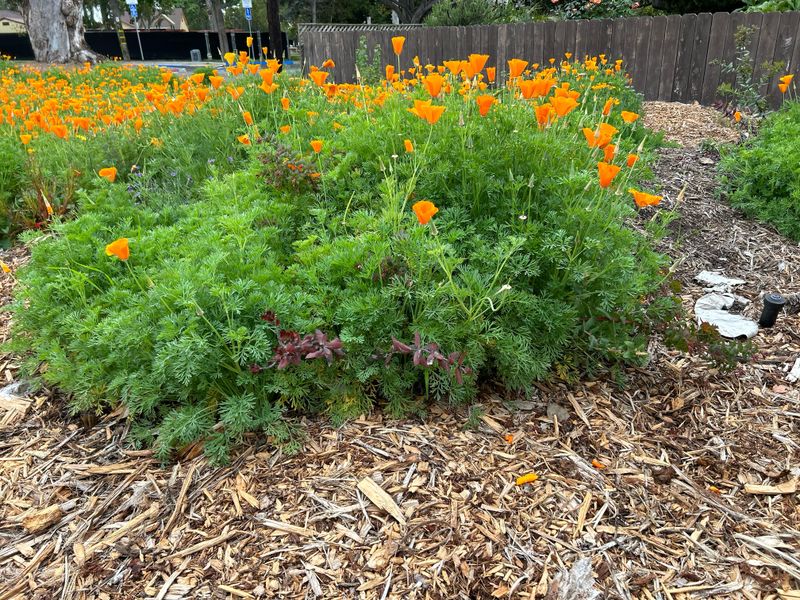
Some favorites to try include California fuchsia, ceanothus, manzanita, sages, yarrow, and the cheerful orange California poppy. Poppy seeds can be scattered over bare soil in fall and raked in lightly, and rain does most of the rest.
A fun bit of history is that the poppy became the official state flower way back in 1903. Its bright orange blooms can color whole hillsides each spring.
Natives also feed local bees, butterflies, and hummingbirds that have relied on these flowers for thousands of years. A single manzanita blooming in late winter can buzz with pollinators when little else in the yard flowers.
When planting, dig a hole only as deep as the root ball and skip rich potting mixes in the hole. Most natives prefer plain native soil, a deep watering at planting, and another soak during dry spells until winter rains take over.
Avoid heavy summer watering once they settle in, since many natives struggle with soggy roots in warm weather. Give them one rainy season to settle, and they often reward you with years of easy, colorful growth.
Soil Preparation Steps Before The First Heavy Downpour
Think of the first big storm as a delivery truck bringing water, and your soil as the loading dock. If the dock is hard, cracked, or bare, much of that precious delivery simply runs off down the street.
Start by pulling weeds and clearing out tired summer crops, tossing healthy leftovers into the compost pile. Plants that showed signs of disease belong in the green waste bin, since they can spread trouble later.
Next, loosen compacted areas with a garden fork, gently rocking it back and forth instead of flipping everything over. Loose soil lets rain soak down deep, while heavy digging can harm the tiny creatures that keep beds healthy.
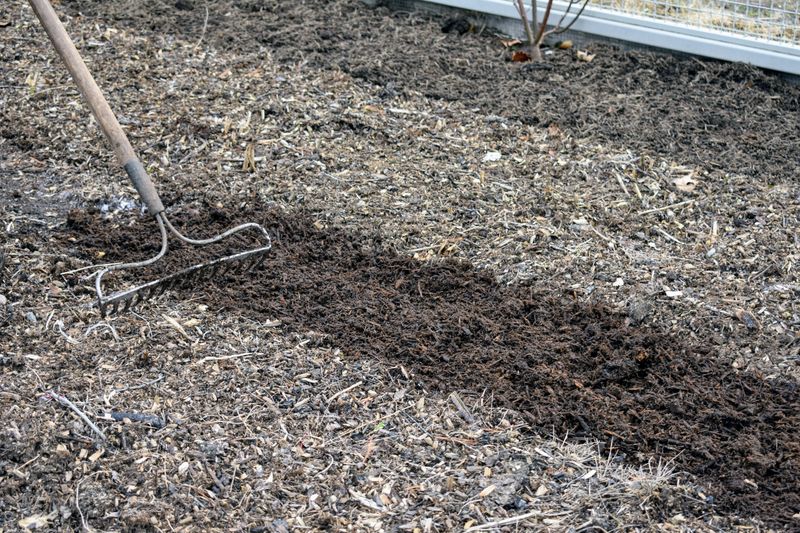
Spread two or three inches of compost across your beds to feed the soil and improve its texture. Clay soil drains better with compost, and sandy soil holds water longer, so nearly every yard benefits.
Top everything with mulch, such as shredded bark or straw, to shield bare ground from pounding raindrops. Mulch also slows erosion on slopes and limits weed seeds from sprouting when the wet weather settles in.
Take a walk around the yard and check gutters, downspouts, and low spots where puddles tend to collect. Many water districts and utilities across the state offer rebates for rain barrels, which can capture water for later use.
Doing these chores in early October, before soggy ground turns to mud, saves your back and your boots. A little effort now helps winter storm water soak into your beds instead of running off into the street.
Regional Frost Timing Across California Climate Zones
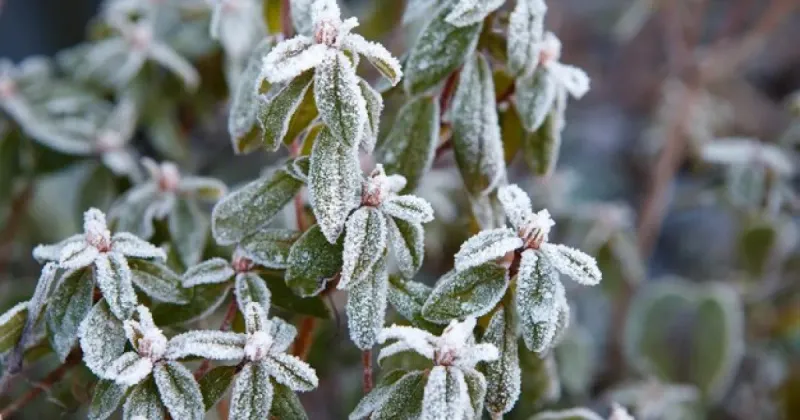
California stretches roughly 770 miles from north to south, so one frost date simply cannot fit the whole state. A gardener in San Diego and another near Lake Tahoe can live in very different worlds each winter.
Along the southern coast and around Los Angeles, frost is rare, and some neighborhoods go years without any. Gardeners there can plant cool-season crops from October through February with very little worry about chilly nights.
The Bay Area and central coast stay fairly mild too, although inland valleys there can see light frost. Most of those chilly mornings show up between late December and early February, then fade with spring.
Over in the Central Valley, frost often arrives around mid to late November and can linger into March. Valley gardeners usually rush to plant in early October so crops get established before that first cold snap.
Mountain towns often see frost by September, and high desert areas commonly see it in October. Growers up there focus on garlic, hardy greens under covers, and planting trees while the soil stays workable.
To find your own timing, check your Sunset climate zone and look up the average first frost date for your zip code. Local nurseries and county extension offices also share frost dates that match your neighborhood pretty closely.
Keep an old bedsheet or frost cloth handy, since a surprise cold night can catch tender plants off guard. Knowing your zone turns guesswork into a plan, and October becomes the perfect month to put it to work.