What Every Texas Gardener Should Plant In Containers Before Winter Nights Arrive
Winter in Texas doesn’t have to mean empty pots and a bare porch. For many plants, the cool season is when they’re at their best.
Cool nights and mild afternoons create perfect conditions for crops and flowers that wilt in our summer heat.
Containers make it all easier. They fit on patios, steps, and balconies, and you can tuck them close to the house where it stays a little warmer at night.
A few well-planted pots can keep fresh flavor in the kitchen and color by the front door all season.
Timing matters, though. Plant too late, and young roots won’t have enough time to settle in before the coldest nights roll in. Now is the moment to fill those pots.
1. Pansies Bring Cheerful Little Faces
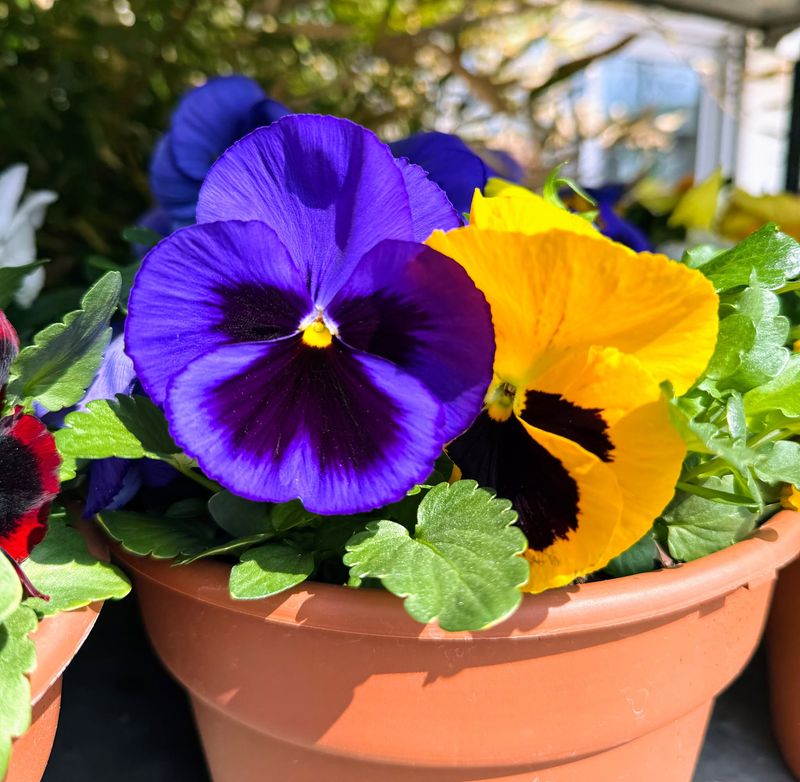
Few flowers greet you quite like a pansy does. Each bloom has markings that look like a tiny face, and kids often swear the flowers are smiling at them. In much of Texas, pansies bloom from fall all the way into spring.
Cold weather is where these plants shine. They can handle frost and keep going, and they often bounce right back after a chilly night.
Only a long, hard freeze tends to bother them, and even then a quick move into the garage helps.
Plant pansies in containers in October or November, once daytime highs drop into the 70s. Planting too early in the heat can make them stretch out and look tired. Choose a pot with drainage holes and fill it with fresh potting mix, not garden soil.
Sunlight matters a lot. Give your pots at least six hours of sun each day for the best blooms. A south-facing porch or patio is often a great choice during the shorter days of winter.
Water when the top inch of soil feels dry. Pots dry out faster than garden beds, especially on windy days. Feed them every two weeks with a liquid fertilizer made for blooming plants.
Here is a simple tip that makes a big difference. Pinch off old, faded flowers as soon as you see them. The plant will then put its energy into making new blooms instead of seeds.
Fun fact: the name pansy comes from the French word pensée, which means thought. People once gave pansies to loved ones as a way of saying they were thinking of them. A pot by your door can send that same sweet message to every visitor.
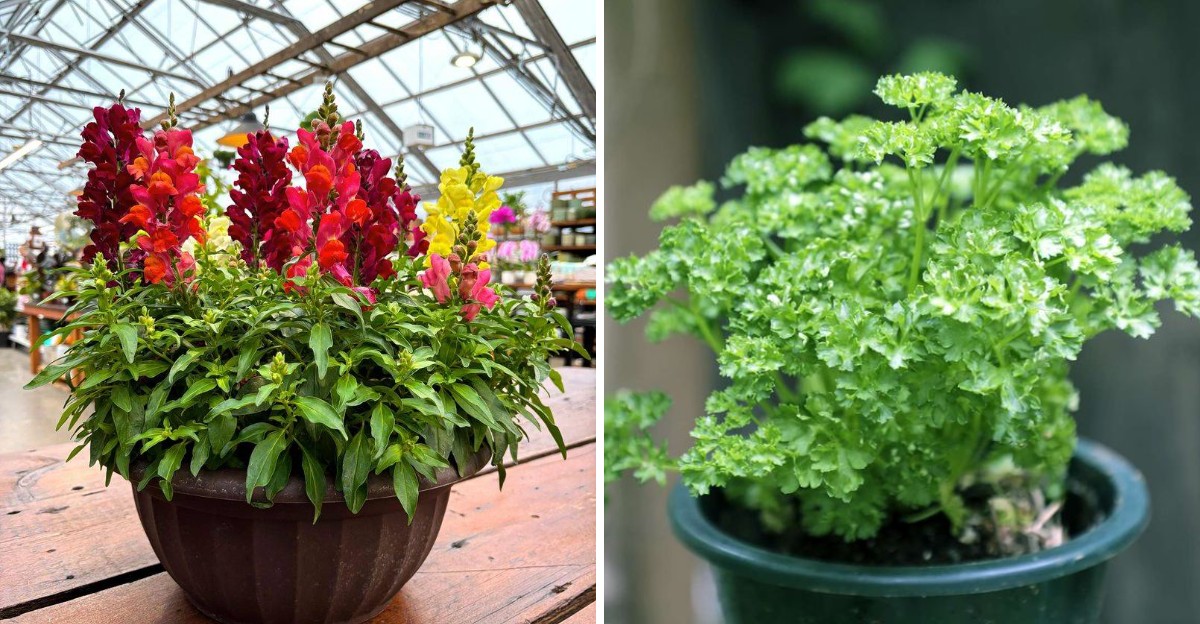
2. Snapdragons Add Height And Drama
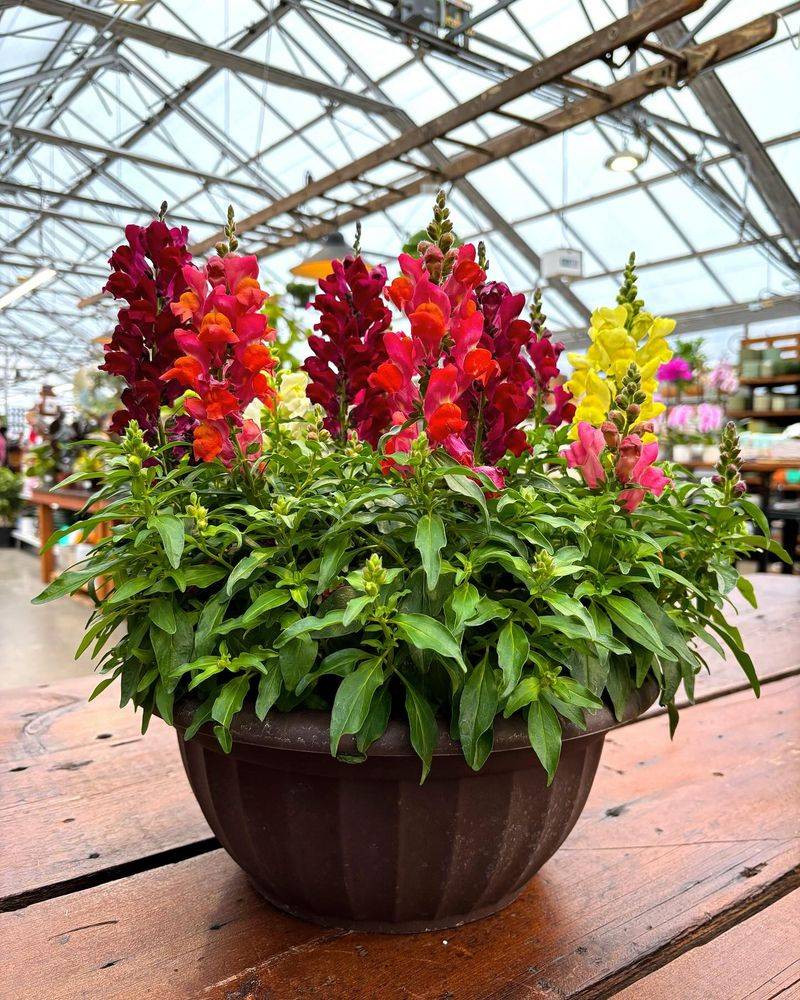
Squeeze the side of a snapdragon flower and watch it open like a little dragon mouth. Kids love it, and honestly, so do most grown-ups. Beyond the fun, snapdragons bring something many winter plants lack, which is height.
Their tall spikes of color can reach anywhere from 8 inches to 3 feet, depending on the type.
That makes them perfect for the back or center of a big container. Shorter plants like pansies can fill in around their feet.
Texas gardeners should plant snapdragons in fall. They will bloom some before winter, then take a short break during the coldest weeks. Once spring warms things up, they put on an even bigger show.
Your Texas Garden Changes Every Week. Your Plan Should Too.
Gardening in Texas changes quickly throughout the season. Every Friday you’ll receive a simple weekly plan showing exactly what to plant, prune, fertilize, harvest, and protect so you never miss the right timing.
Light freezes usually do not trouble them. If temperatures drop into the low 20s, cover the pots with a frost cloth or move them to shelter. Taller types may need a small stake to keep them from flopping in strong winds.
Pick a pot at least 12 inches wide for tall kinds. Snapdragons like rich, well-drained potting mix and full sun. Let the soil dry slightly between waterings, because soggy roots can cause rot.
Want more flowers? Cut the main spike once it fades, and side shoots will form new blooms. Snapdragons also make lovely cut flowers for a kitchen table vase.
As a bonus, bumblebees adore them. Bees are strong enough to push open the flower mouth and crawl inside for nectar. Watching a fuzzy bee disappear into a bloom on a mild winter afternoon is a real treat.
3. Ornamental Kale And Cabbage Steal The Show
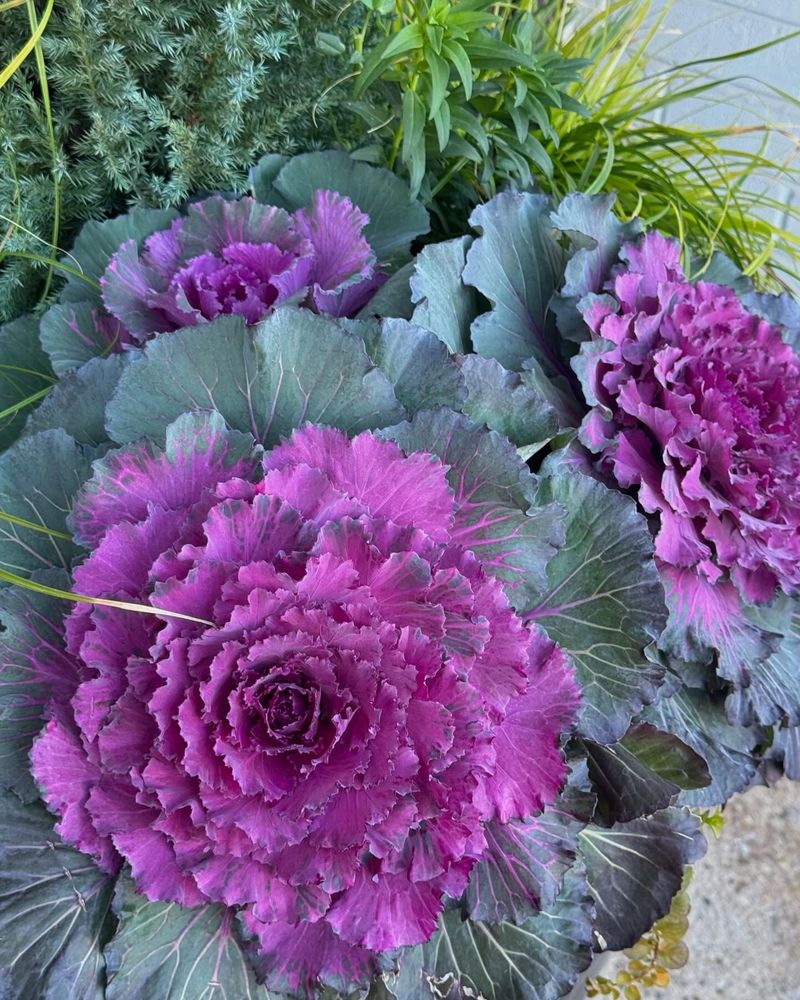
Some plants just look better when the weather gets cold, and ornamental kale and cabbage top that list.
Their leaves form big rosettes that look almost like giant flowers. The colors range from deep purple to hot pink to creamy white.
What makes them so special is how they react to chilly nights. Once temperatures drop below about 50 degrees, their centers start to brighten. The colder it gets, the bolder they look, which is pretty amazing for a leafy plant.
Frost does not scare them one bit. They can handle temperatures down into the teens once they are settled in.
That toughness makes them a smart pick for North Texas and the Panhandle, where winter bites a little harder.
Buy plants in fall and pop them into pots in October or November. Set each one slightly deeper than it sat in its nursery pot. One plant fits well in a 10-inch container, or you can group several in a large planter.
Give them full sun and water when the soil feels dry an inch down. They do not need much fertilizer. Too much food can actually make the colors weaker.
Keep an eye out for cabbage worms, the small green caterpillars that chew holes in leaves. Pick them off by hand or use a gentle, garden-safe spray.
Are they edible? Technically, yes, but they taste bitter and are grown mainly for looks. Treat them as decorations. They pair beautifully with pumpkins in fall and still look fresh when the holidays arrive.
4. Dianthus Smells As Sweet As It Looks
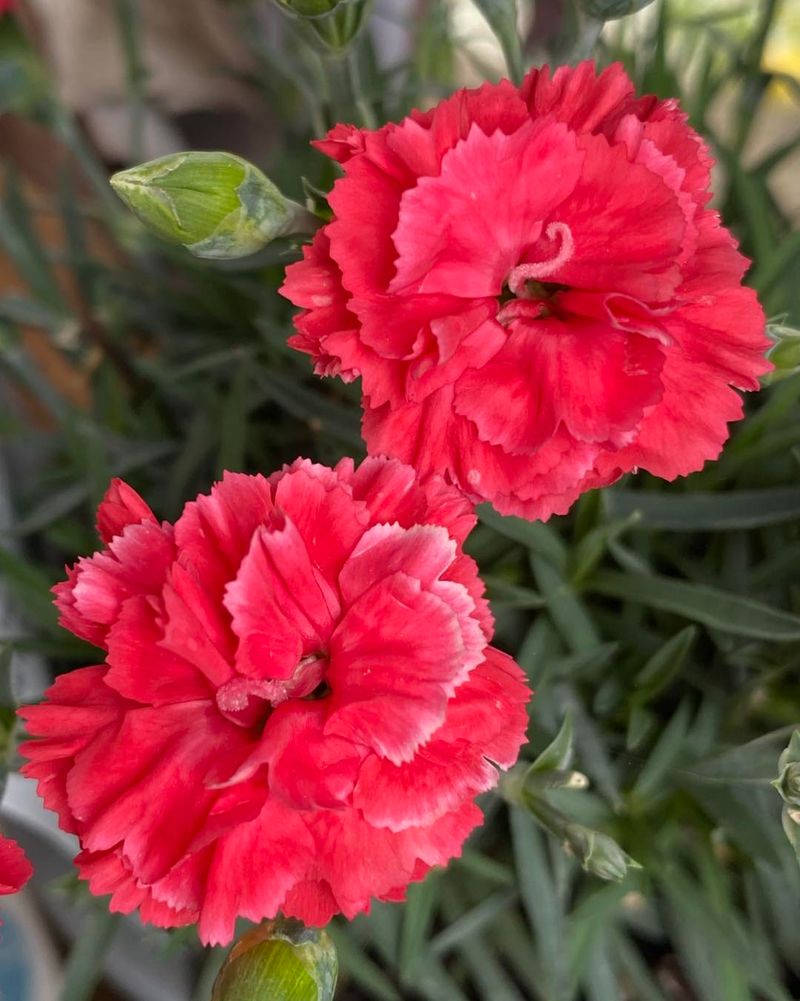
Lean in close to a dianthus and take a sniff. You will catch a light, spicy scent that smells a bit like cloves. That is why some people call these flowers pinks or clove pinks.
The blooms are small but full of charm. Each petal has frilly, fringed edges, as if someone trimmed them with pinking shears. Colors include pink, red, white, and two-tone mixes that look almost hand-painted.
Cool weather is when dianthus feels most at home. It shrugs off frost and keeps flowering through much of the Texas winter. In milder areas like Houston or San Antonio, it may bloom nearly nonstop until late spring.
Good drainage is the secret to success. Dianthus hates wet feet, so use a pot with plenty of holes and a light potting mix. Adding a handful of perlite helps water flow through even faster.
Place the container where it gets at least six hours of sun. Water deeply, then wait until the top of the soil dries before watering again. A slow-release fertilizer mixed in at planting time is usually enough.
Dianthus works well on its own in a small pot by a window or doorway. It also plays nicely in mixed containers, tucked along the edges where its low, grassy leaves can spill over the side.
Here is a little history for you. People have grown dianthus for over 2,000 years. The name comes from Greek words meaning flower of the gods. After one whiff on a cool morning, you might agree that the name fits.
5. Calendula Lights Up Gray Days
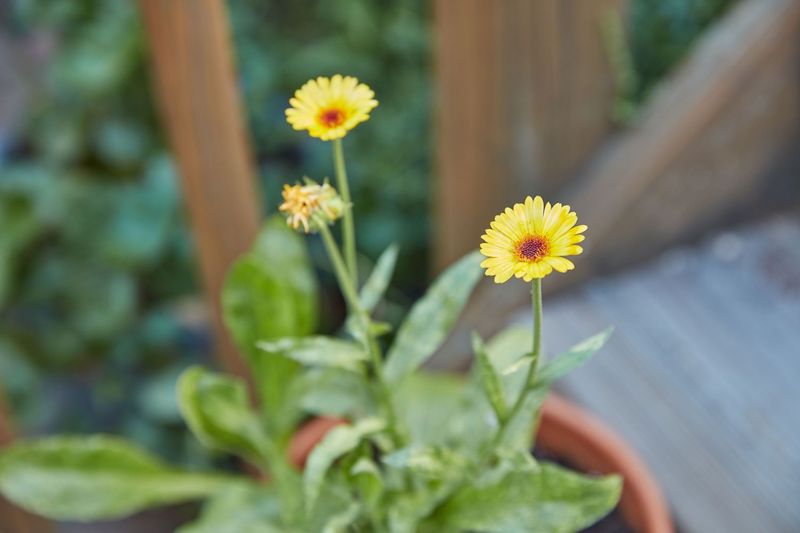
On a cloudy January afternoon, a pot of calendula looks like a little bowl of sunshine. The flowers glow in shades of bright orange and golden yellow. They seem to brighten the whole yard, even when the sky is gray.
Calendula, sometimes called pot marigold, loves Texas’s cooler months. It grows quickly from seed or from small nursery plants. Plant it in fall, and you can enjoy blooms through winter and into spring.
One of the coolest things about calendula is that you can eat the petals. They have a mild, slightly peppery taste. Sprinkle them over salads, soups, or rice to add a pop of color to your plate.
Pollinators love it too. On mild winter days, bees and other helpful insects come looking for food. Calendula gives them a welcome snack when few other flowers are open.
Growing it is pretty easy. Use a pot at least 8 inches deep with good drainage and regular potting mix. Give it full sun and water when the soil starts to feel dry.
Calendula can handle light frost. During a hard freeze, cover it or move the pot to a protected spot. Snip off spent blooms often, and the plant will keep making more.
Did you know? People have used calendula for hundreds of years in soaps, creams, and natural dyes.
Long ago, cooks even used the petals to give butter and cheese a richer yellow color. Your little pot of flowers comes with a long and busy past.
6. Parsley Feeds You And The Butterflies
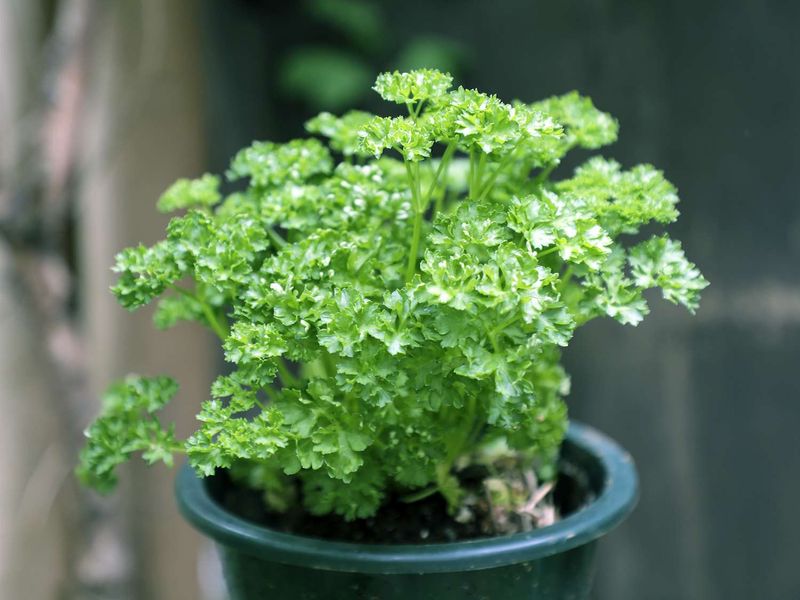
Parsley might seem like a plain old garnish, but it pulls a lot of weight in a winter garden. It keeps growing through fall and winter while many other herbs slow down. Frost barely slows it, so you can snip fresh leaves even on chilly mornings.
There are two main kinds to try. Curly parsley has frilly, bright green leaves that look pretty in pots. Flat-leaf, or Italian, parsley has a stronger flavor that many cooks prefer.
Start with small plants from a nursery, since parsley seeds can take weeks to sprout. Choose a pot at least 8 inches deep, because parsley grows a long taproot. Place it where it gets four to six hours of sun.
Keep the soil evenly moist but never soggy. When you harvest, cut the outer stems first near the base. New growth will keep coming from the center of the plant.
Now for the fun part. Parsley is a host plant for black swallowtail butterflies. These butterflies lay eggs on the leaves, and the hungry caterpillars munch away.
The caterpillars are striped green, black, and yellow, and they are pretty easy to spot. Please do not pull them off. Plant a little extra parsley so there is plenty for you and plenty for them.
Later, those caterpillars turn into beautiful black and blue butterflies. Kids especially love watching the whole change happen in a pot on the porch. Your parsley becomes both a kitchen helper and a living science lesson.
7. Strawberries Plant Now, Pick In Spring
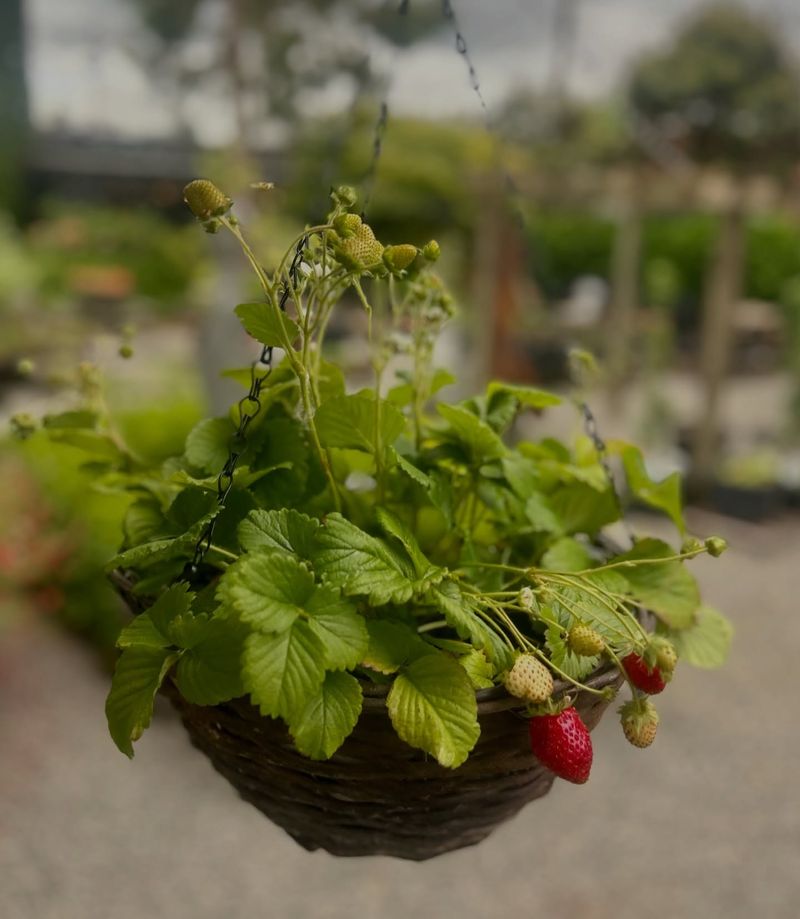
Most people think of strawberries as a spring treat. In Texas, though, the real work starts in fall. Planting in October or November gives the plants all winter to grow strong roots before fruiting in spring.
Containers make strawberries much easier to manage. Special strawberry pots with little side pockets look charming and save space. Hanging baskets, window boxes, and wide planters also work great.
Choose short-day or June-bearing types, which do well in most of the state. Varieties like Chandler and Sweet Charlie are popular with Texas growers. Ask your local nursery which kinds sell best in your area.
When planting, pay close attention to the crown. That is the thick spot where the leaves meet the roots. Keep it right at soil level, because burying it can cause rot.
Give your pots full sun and well-drained potting mix. Water regularly so the soil stays lightly moist. Feed every few weeks with a balanced fertilizer once new leaves appear.
The plants themselves can handle cold pretty well. The flowers, however, are more delicate and can be harmed by a hard freeze. Since your berries are in pots, just roll them into the garage or cover them on frosty nights.
Another perk of containers is that the fruit stays off the ground. That means cleaner berries, fewer slugs, and less rot. You will also have an easier time spotting ripe ones before the birds do.
By spring, you could be picking sweet, juicy berries right outside your door. Few things taste better than a strawberry warm from the sun.