What Zoysia Lawns Need In California After A Historic Dry Summer
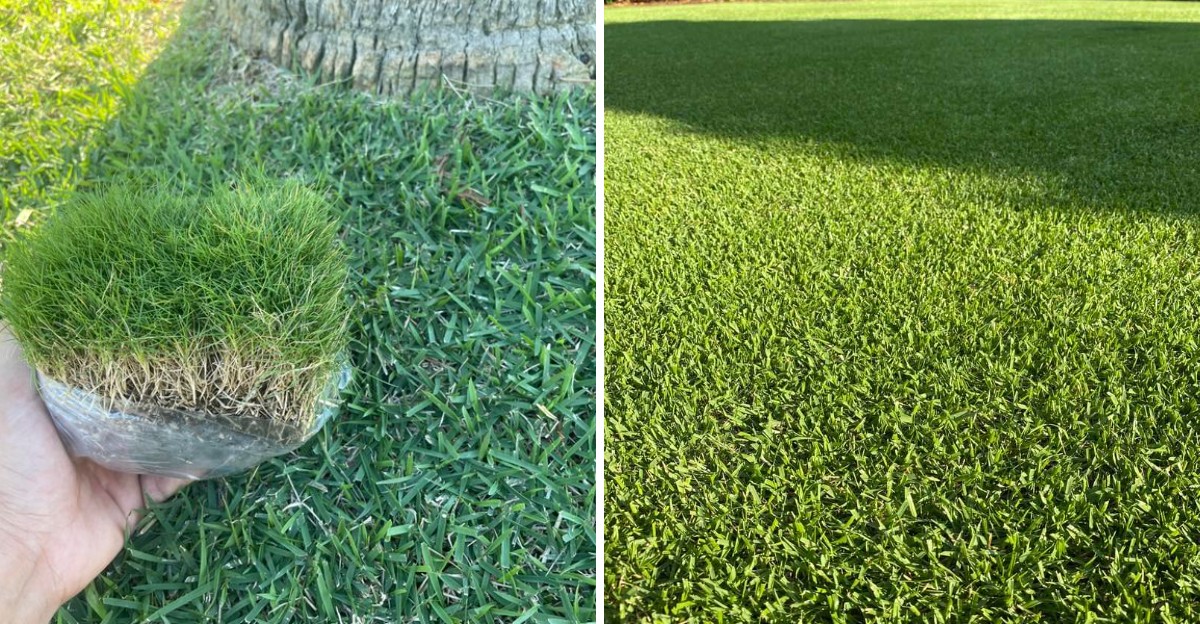
A long, dry California summer can leave even a well-loved lawn looking tired by fall. Edges turn tan, color fades, and the yard starts to resemble a worn welcome mat.
Many homeowners respond by reaching for the hose, the fertilizer bag, or both.
Warm-season zoysia, however, follows its own seasonal rhythm. What looks alarming in October may be perfectly normal, while a few hidden issues deserve real attention.
The right fall moves are simpler than many expect, and a couple of common habits can actually do more harm than good.
Understanding what this tough grass truly needs right now, and what it would rather skip, sets the stage for a strong comeback.
1. Zoysia Naturally Tolerates Dry Conditions
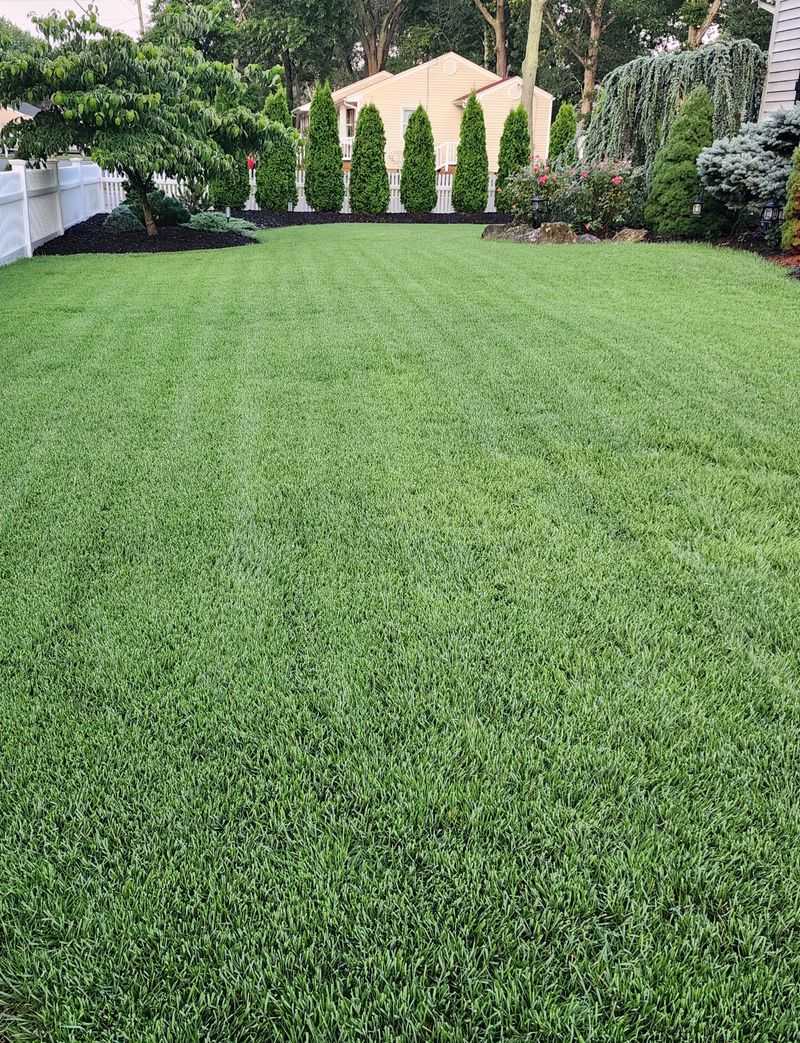
Plenty of neighbors watched cool-season lawns crisp up this summer while the zoysia next door stayed fairly green. That difference isn’t luck.
Zoysia is a warm-season grass, and UC turf experts list warm-season types as needing less water than cool-season grasses like tall fescue. Much of that toughness comes from its build.
The grass spreads by stems that creep along and just under the soil surface, forming a thick, carpet-like mat. Its roots can reach deeper than many expect, especially when watered deeply.
When water runs short, the grass slows its growth and holds on until moisture returns. That survival strategy serves it well in dry years.
Tolerant doesn’t mean invincible, though. Zoysia still feels drought stress, and a long stretch without enough water can thin it out, stall growth, and leave bare patches.
Sandy soil, heavy foot traffic, and spots near hot pavement can push it past its limits faster. Those areas deserve extra attention.
Zoysia works more like a camel than a cactus, going longer between drinks without skipping them entirely.
A walk around the yard reveals clues of real stress, like footprints that stay pressed down or a bluish-gray tint to the blades.
Those signs mean the turf was thirsty rather than finished. Knowing how hard the lawn was pushed helps guide fall care and sets realistic expectations for spring.
2. Brown Blades Often Mean Dormancy, Not Failure
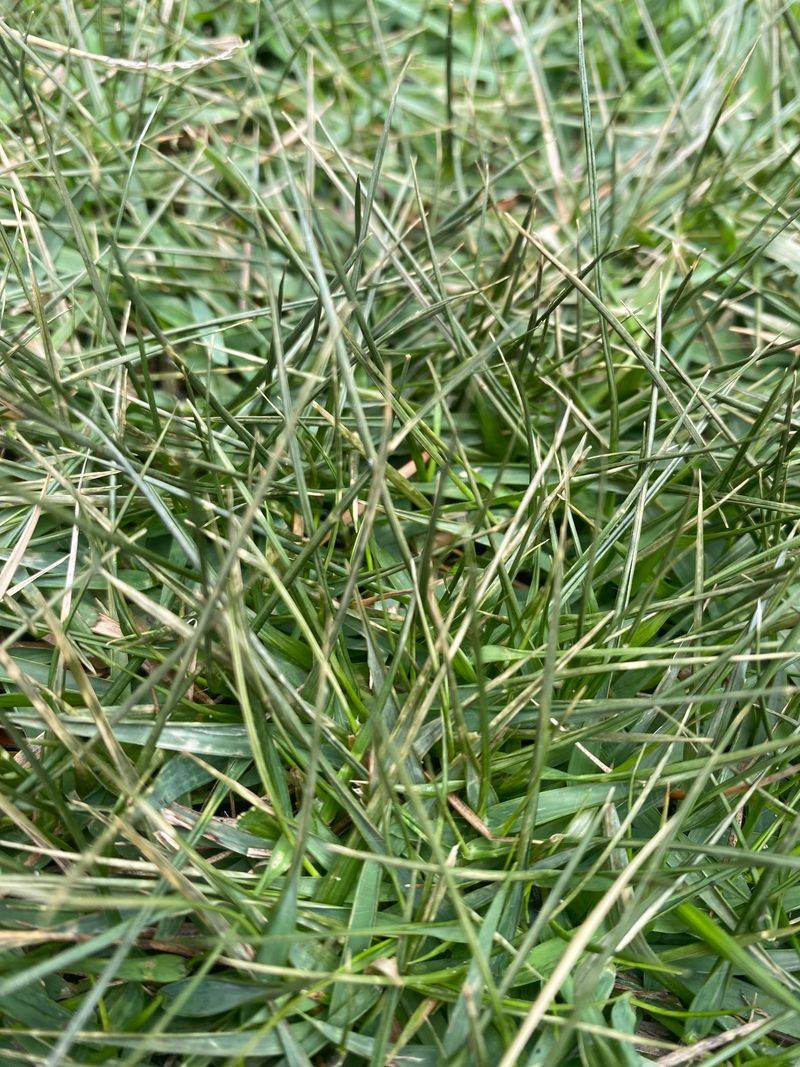
Cooler nights arrive, and almost on cue, zoysia begins losing its color. Many homeowners panic at this stage, though the grass is doing exactly what nature designed it to do.
Warm-season grasses grow best when temperatures run high. UC ANR notes that as weather cools in fall, these grasses slow down and can go dormant, turning tan or straw-colored through winter.
Milder coastal areas may keep a bit of green. Inland valleys often see a fuller, more dramatic fade.
Dormancy works like a long nap. The blades turn brown, but the crowns, stems, and roots below stay alive, waiting patiently for warmth.
A lawn in true decline looks different. Patchy brown areas with no pattern, blades that pull out easily, or roots that look short and weak all signal deeper trouble.
A gentle tug on brown grass in a few spots around the yard helps sort it out. Brown grass that holds firm, with some green near the base, usually points to normal seasonal rest.
Your California Garden Changes Every Week. Your Plan Should Too.
Gardening in California changes quickly throughout the season. Every Friday you’ll receive a simple weekly plan showing exactly what to plant, prune, fertilize, harvest, and protect so you never miss the right timing.
Patches that lift up like loose carpet deserve a closer look, since grubs or other problems could be responsible. UC IPM Pest Notes offer helpful photos for identifying common lawn pests.
Most of the time, brown in fall simply means zoysia has slipped into its sleepy sweater for the season. It isn’t waving a white flag, just settling in quietly until spring.
3. Water Deeply And Less Often
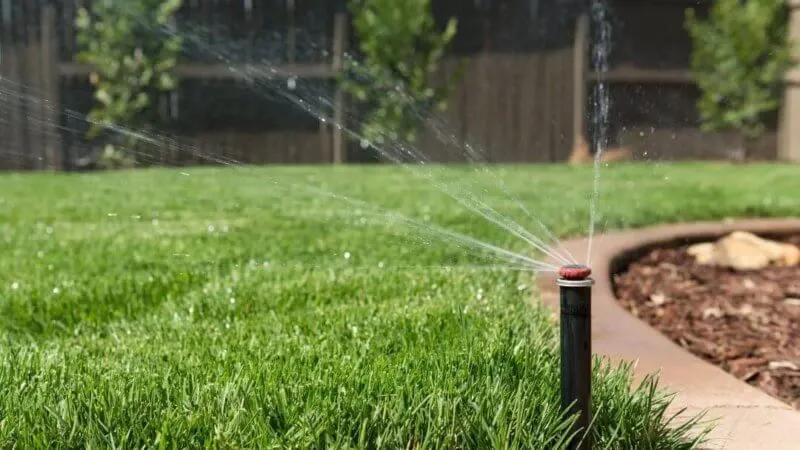
A quick five-minute sprinkle every day feels helpful, but zoysia treats it more like a tease. Shallow, frequent watering keeps moisture near the surface, so roots stay shallow, too.
UC turf guidance favors deep, infrequent watering instead. Soaking the root zone and then letting the top of the soil dry a bit encourages roots to chase water downward.
Deeper roots mean a lawn that handles the next dry stretch with more grit. That resilience pays off for years.
A long screwdriver or soil probe pushed into the ground after watering shows how far moisture traveled. Sliding easily several inches down means the schedule is on track.
Stopping after an inch or two signals water isn’t reaching far enough.
Clay soil, common across much of California, soaks up water slowly. The cycle-and-soak method helps by running sprinklers for a few minutes, pausing to let water sink in, then running them again.
Runoff into the gutter drops dramatically.
Fall also changes the math. Cooler days and shorter sunlight mean the lawn uses less water than it did in July.
Controller schedules deserve an adjustment as the season shifts. A good rain is a perfect reason to turn the system off for a while.
Early morning watering works best, when evaporation is low and winds are calm. The lawn, the water bill, and the soil all benefit from a deep conversation instead of small talk.
4. Skip Heavy Nitrogen This Late
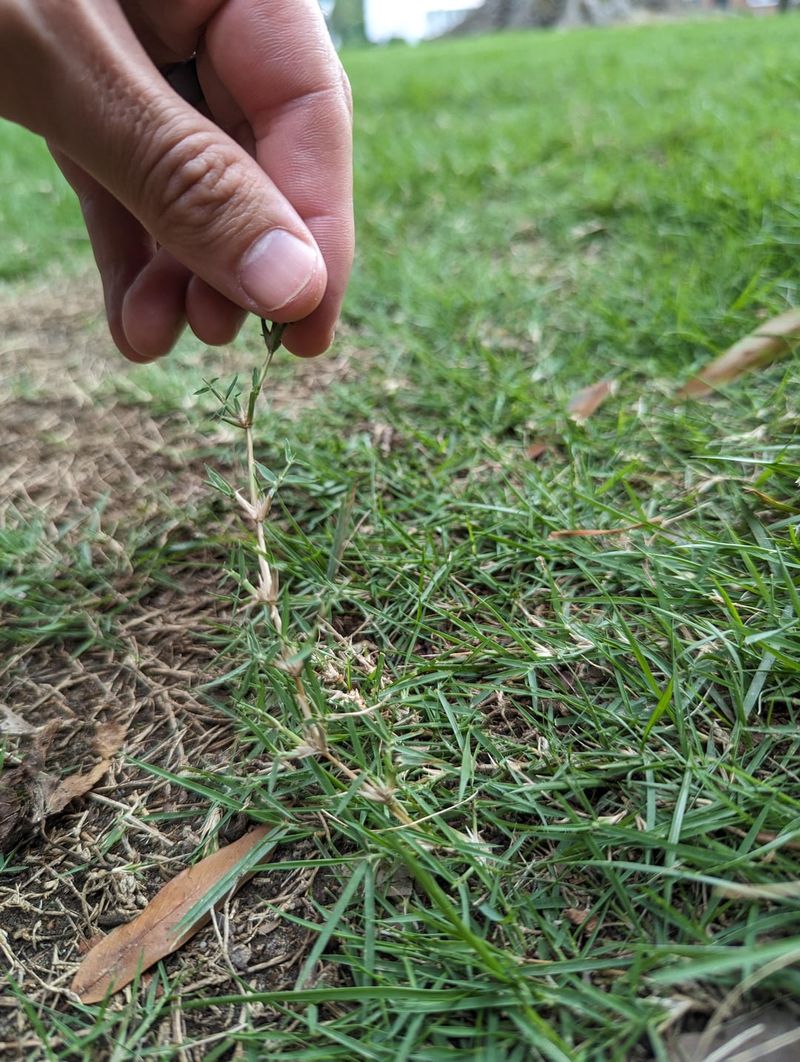
Garden centers love stacking fertilizer bags near the entrance every fall. For a cool-season lawn, that timing can make sense, but for zoysia, a big scoop of nitrogen now resembles serving espresso at bedtime.
Nitrogen pushes leafy growth. UC ANR fertilizer guidance for warm-season grasses focuses feeding on months of active growth, mainly late spring through summer.
Heavy fall nitrogen nudges zoysia to make tender new blades just as it should be slowing down. That timing works against its natural rest.
Soft late growth can be more prone to cold injury and disease. It may also feed weeds more than the lawn, since winter weeds gear up while zoysia winds down.
Extra fertilizer the grass can’t use may wash into storm drains, too. That’s wasted money and a problem for local waterways.
A lean, dry summer can tempt homeowners to make up for lost time. The lawn didn’t miss a meal so much as take a break, and it can’t eat much while napping.
Fertilizer is best saved for spring, once the grass greens up and starts growing on its own. A soil test beforehand reveals whether the yard truly needs nitrogen, potassium, or nothing at all.
A half-used bag can stay sealed in a dry spot until warmer weather. Stored properly, it’ll keep until zoysia is hungry and ready to put that boost to good use.
5. Dry Summers Leave Thatch And Thin Spots
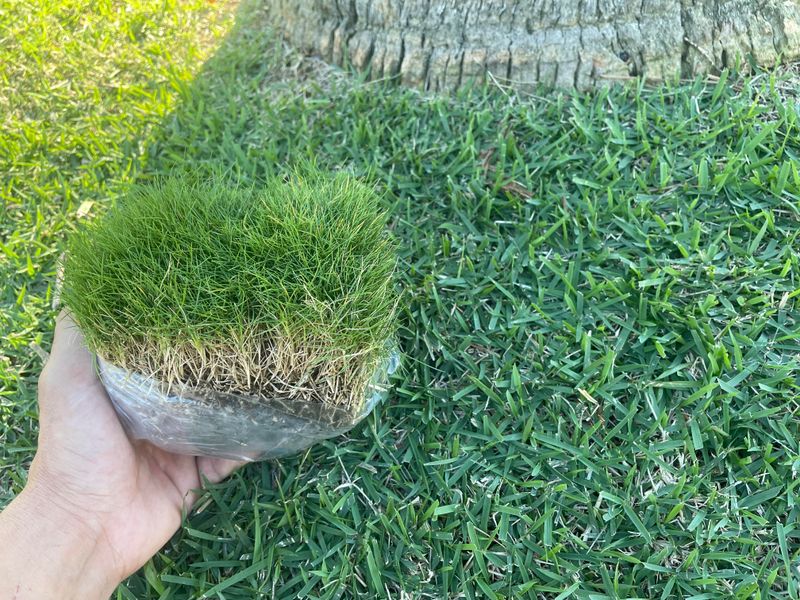
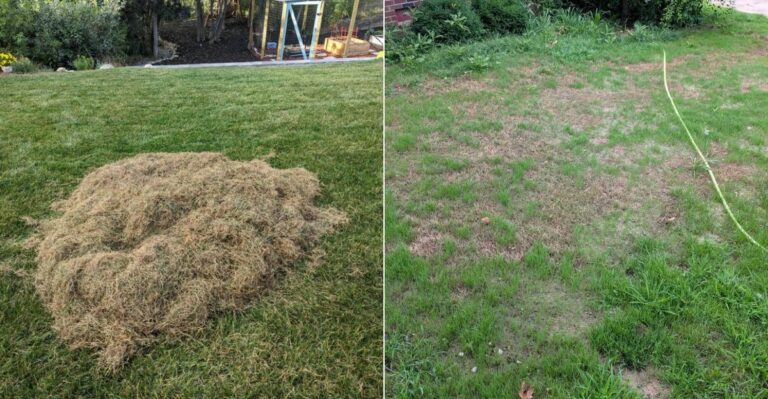
A palm pressed into the lawn can reveal a lot. Turf that bounces back like a soft mattress probably carries a thick layer of thatch, and zoysia is known for building it up.
Thatch is a mat of living and spent stems, roots, and clippings sitting between the green blades and the soil. A thin layer is fine and even protects the crowns.
UC IPM notes that thatch thicker than about half an inch can block water, air, and nutrients from reaching the roots. That’s when trouble starts.
A dry summer makes the problem worse. Water beads up on thick thatch and runs off before soaking in, while drought stress can leave thin, weak patches where the grass lost ground.
Measuring before acting makes sense. A small wedge of turf cut with a trowel shows the brown layer above the soil line.
A thin layer can stay right where it is.
Thick thatch calls for dethatching or core aeration. Timing matters a great deal here.
Zoysia recovers from dethatching and aerating best while actively growing, which means late spring or early summer. Ripping it up in fall leaves wounds that can’t heal before dormancy.
Small flags marking thin spots make useful reminders for now. Keeping foot traffic off those areas and watering them deeply helps.
Next spring then brings a ready-made repair map instead of guesswork.
6. Winter Weeds Move Into Thin Turf
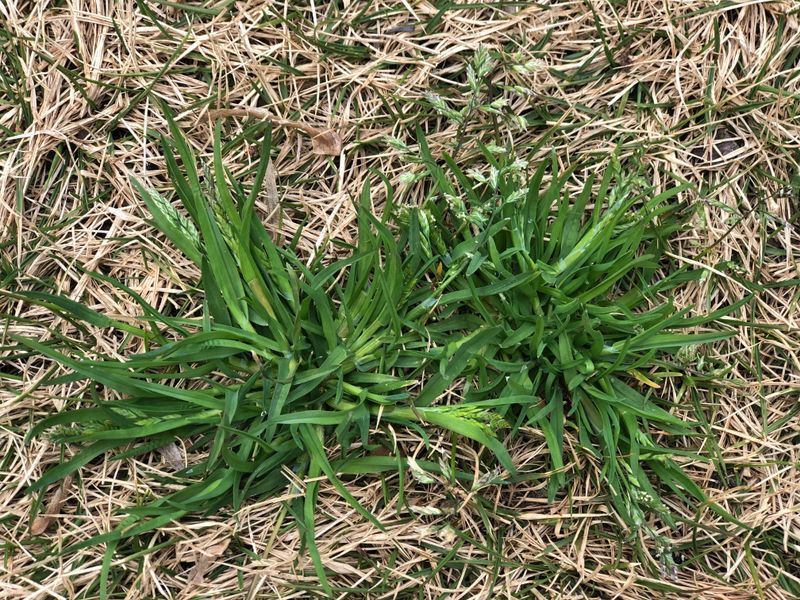
Bare soil rarely stays empty for long. Much like an open parking space on a busy street, it gets claimed quickly, and weeds are waiting to pull right in.
Winter weeds like annual bluegrass, chickweed, and bur clover sprout in fall and grow through the cool months. Zoysia, meanwhile, is resting.
UC IPM explains that thin, weak turf gives these weeds the light and space they need to take hold. They stand out, too, since bright green weeds pop against tan dormant grass.
A dense, healthy lawn offers the best defense. Thick turf shades the soil and leaves little room for weed seeds to sprout.
That’s one more reason to fix thin spots in spring, when zoysia can fill gaps on its own. Healthy density does most of the work.
Small weed patches pull out easily by hand for now, especially after rain softens the soil. Removing them before they flower prevents seeds for next year, and a sharp weeding tool speeds the job along.
Some homeowners use preemergent herbicides in late summer or early fall to stop winter weeds before they sprout. Timing and product choice matter, so UC IPM Pest Notes and careful label reading come first.
Proper mowing height during the growing season also helps. Scalping zoysia too short weakens it and opens the door for weeds.
Patience and density keep uninvited guests from crashing the party.
7. Follow Your Local Water Agency Rules
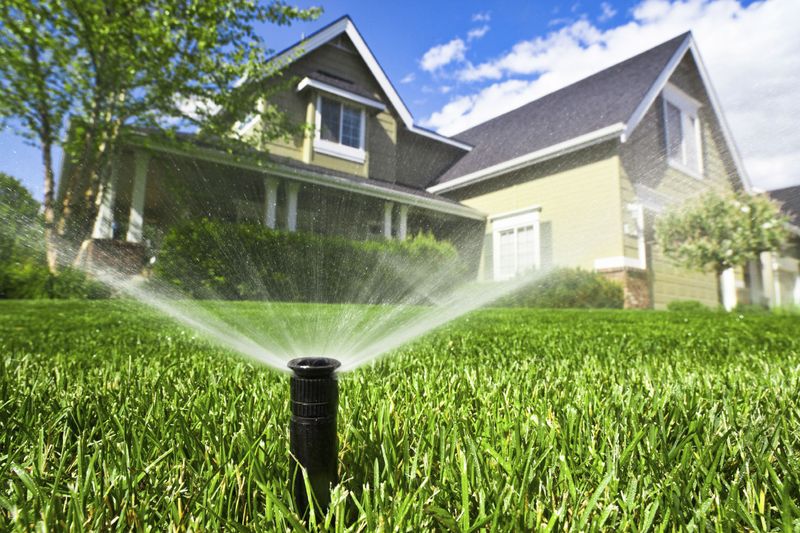
A cousin in another county may swear lawns can be watered three days a week, while a neighbor insists it’s only one. Both might be right for their own areas and wrong for someone else’s.
California has hundreds of water agencies, and each sets its own rules. Allowed watering days, hours, and limits can change with the season, rainfall, and supply levels.
What applied in July may not apply in November. Rumors rarely keep up with those changes.
The water agency’s website, or contact details on a water bill, offer the most reliable information. Many agencies post current schedules online and send updates by email or text.
Those websites often list helpful perks, too. Many agencies offer rebates on smart irrigation controllers, efficient sprinkler nozzles, or rain sensors.
Some even provide free home water checkups, where an expert inspects the system and suggests fixes. Those visits can uncover surprising savings.
Following the rules involves more than avoiding a fine, since it helps the whole community stretch its water supply. Fairly thrifty zoysia fits nicely into a water-wise plan, as long as deep watering happens on allowed days.
Leaks and broken sprinkler heads deserve prompt repair. A single cracked head can waste a surprising amount of water, soaking one area while leaving another dry.
Smart watering paired with local rules keeps both the lawn and the conscience in the green.
8. Recovery Shows Up In Spring Not October
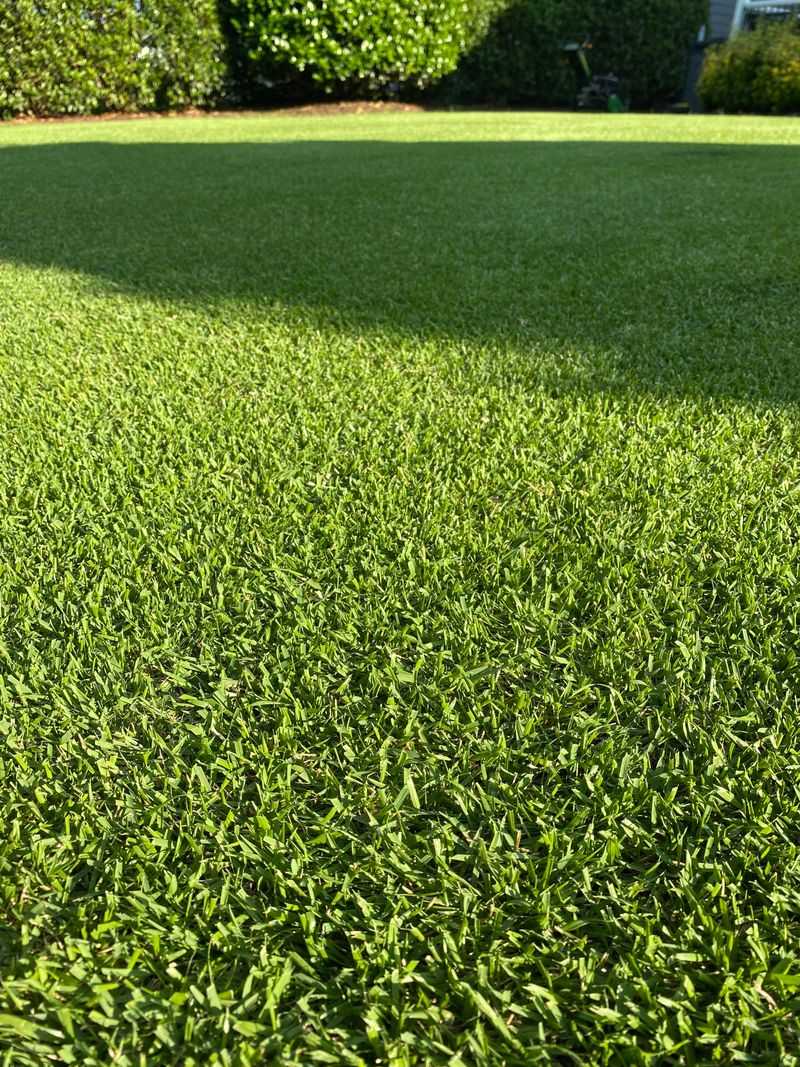
October can test the most patient gardener. Watering, waiting, and still facing a tired-looking lawn feels frustrating, yet the real comeback follows a different schedule.
Zoysia needs warm soil to grow actively. As spring temperatures climb, the grass wakes from dormancy and starts sending out new green shoots.
In much of California, green-up happens somewhere between March and May, depending on location and weather. That timing varies a bit from year to year.
Spring is when fall notes pay off. Those flags marking thin spots point to areas ready for aeration, dethatching when needed, and time for creeping stems to fill gaps.
Bigger bare areas may need plugs or sod to speed things along. Fertilizer belongs on the lawn once it has clearly greened up and started growing.
Regular mowing at the recommended height resumes then, too. Deep, infrequent watering continues, with adjustments as the days heat up.
Not every patch will bounce back, and that’s okay. Areas that stay brown well after the rest of the lawn greens may need replanting.
Spring offers a clear picture of what pulled through.
Until then, a little grace goes a long way. Zoysia worked hard through a long, dry summer and earned its rest.
With smart care now and patience through winter, the lawn should return green and ready to spring into action once the soil warms.