What It Means When A California Kingsnake Shows Up In Your Yard
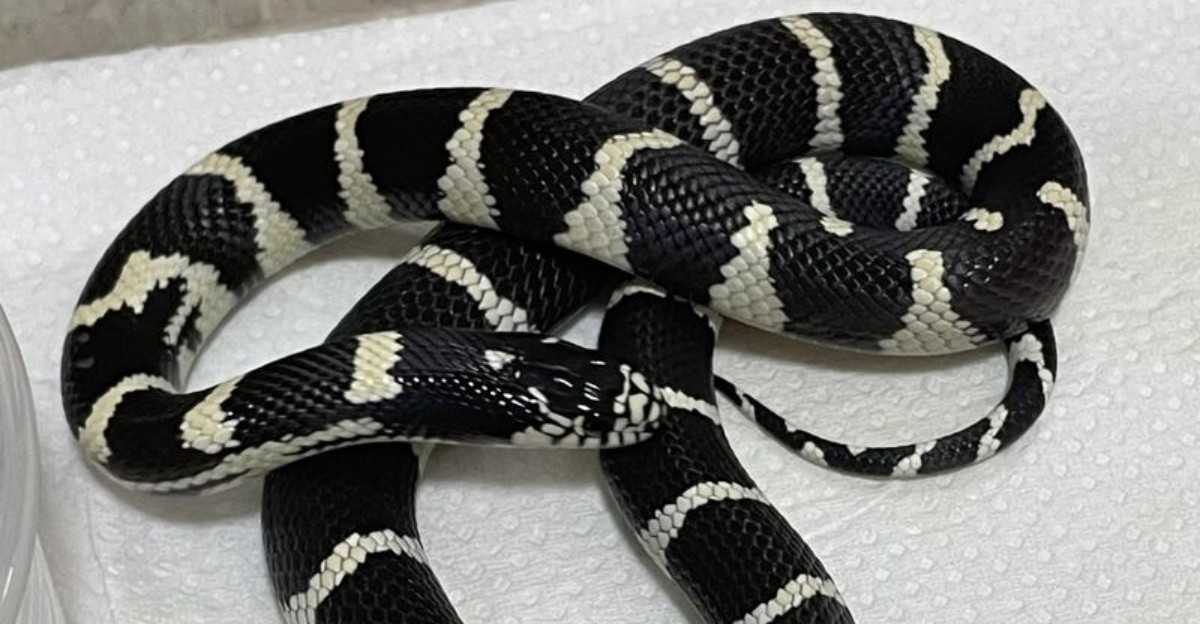
Bold black and white bands sliding across a sunny patio can stop anyone mid-step. A glossy snake appearing from under a flowerpot or along a fence line tends to set hearts pounding.
That reaction is natural, though this particular visitor deserves a closer look before panic sets in.
It’s a native resident found across much of California, from coastal canyons to suburban backyards, and its presence often says something encouraging about the surrounding land.
Questions about pets, legal rules, and safety still come up quickly. The answers are simpler than many expect.
Most of them come down to patience, respect, and a bit of distance, along with knowing the one situation that truly calls for outside help.
Kingsnakes Are Harmless To People
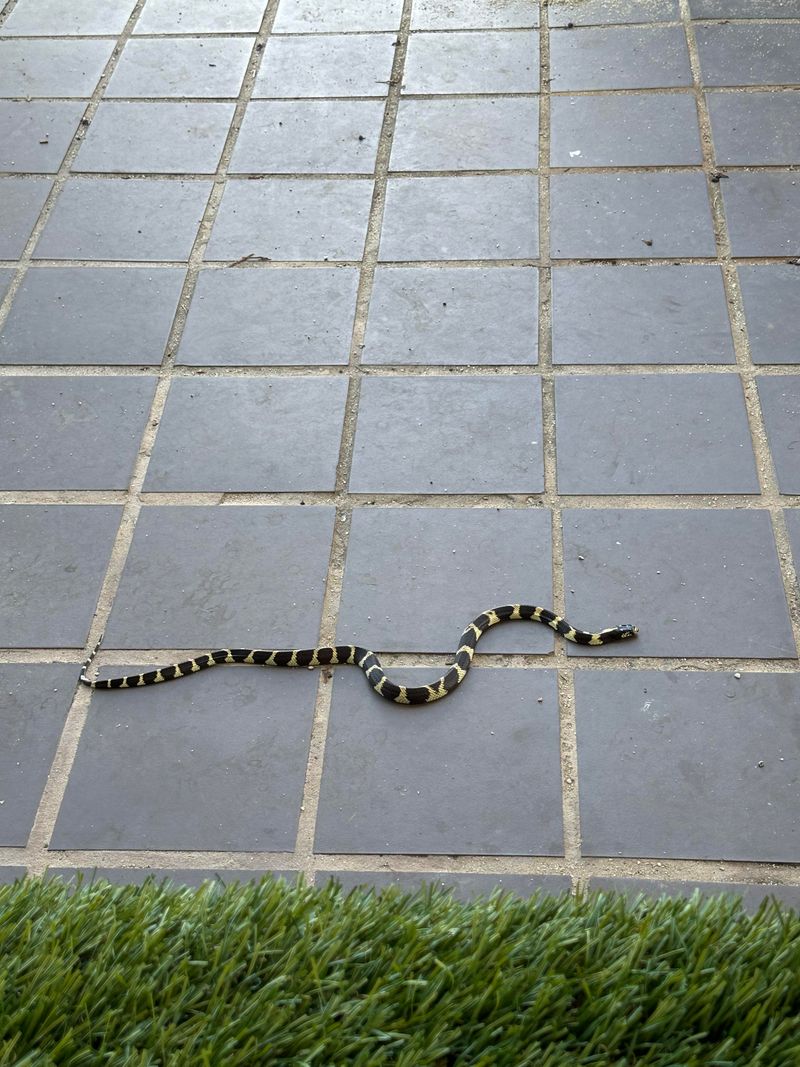
A nervous houseguest makes a better comparison than a threat. California kingsnakes have no venom at all, so they can’t poison people, kids, or dogs.
Instead of venom, a kingsnake relies on muscle. It wraps its body around small prey and squeezes, a hunting style called constriction.
A person or full-grown pet is far too big to interest it as a meal. That size gap keeps encounters low-risk.
Trouble usually starts only when someone grabs one. A cornered or handled kingsnake may hiss, shake its tail, or bite.
Its small teeth can leave scratches that deserve a good wash with soap and water.
Another defense is less painful but more memorable. A frightened kingsnake can release a musky, smelly liquid from glands near its tail, sometimes smearing it around while wriggling.
That makes picking one up a truly stinky idea. Most of the time, the snake wants nothing to do with people anyway.
Slipping under a shrub or into a woodpile sounds far better to it than facing a giant human. Footsteps and moving shadows usually send it gliding the other way.
Rattlesnakes also live in many parts of California, and kingsnake patterns vary a lot, with some wearing stripes instead of bands.
Every snake deserves respect and room, even when its identity seems certain, so calm distance remains the safest plan for everyone in the yard.
They Eat Rodents And Even Rattlesnakes
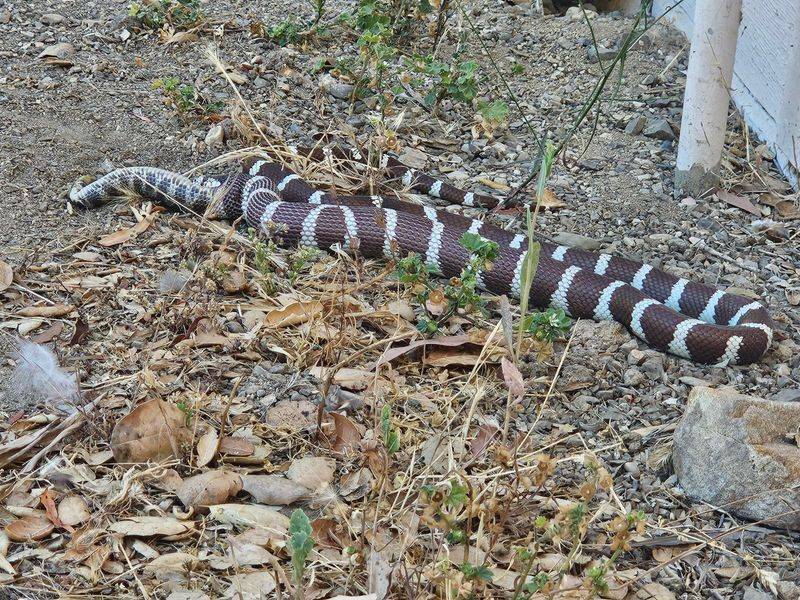
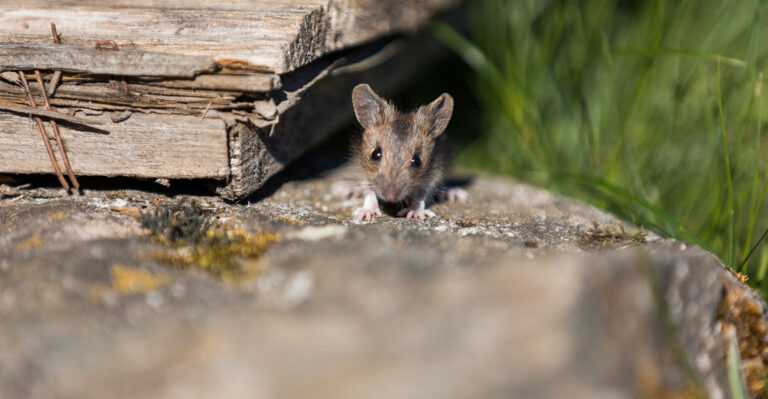
Mice nibbling the birdseed may have a quiet natural enemy living nearby. Kingsnakes make an excellent unpaid pest control crew, known for eating a wide range of animals.
Rodents such as mice and young rats sit high on the daily menu. Kingsnakes also hunt lizards, birds, and bird eggs, raiding nests tucked low in hedges when they find them.
The most famous part of their diet explains the royal name. The “king” connects to their habit of eating other snakes, including gopher snakes, garter snakes, and even rattlesnakes.
Rattlesnakes come with a special challenge, of course. Researchers have found that kingsnakes seem to have some natural resistance to rattlesnake venom.
That resistance is partial rather than a magic shield, so scientists don’t describe them as fully immune. Constriction does most of the actual work.
A kingsnake grabs its prey, coils tightly, and squeezes steadily until the meal is subdued. It then swallows the prey whole, starting with the head.
Your California Garden Changes Every Week. Your Plan Should Too.
Gardening in California changes quickly throughout the season. Every Friday you’ll receive a simple weekly plan showing exactly what to plant, prune, fertilize, harvest, and protect so you never miss the right timing.
A single kingsnake won’t clear every rattlesnake from a whole neighborhood, though. One snake eats only so much and roams a wide area.
Rattlesnakes may still be present, especially near rocky hillsides and open land.
The kingsnake works best as a helpful neighbor rather than a security guard. Usual safety habits, like wearing closed shoes outdoors and watching every step, pair nicely with nature’s free rodent patrol.
A Sighting Means A Healthy Food Web
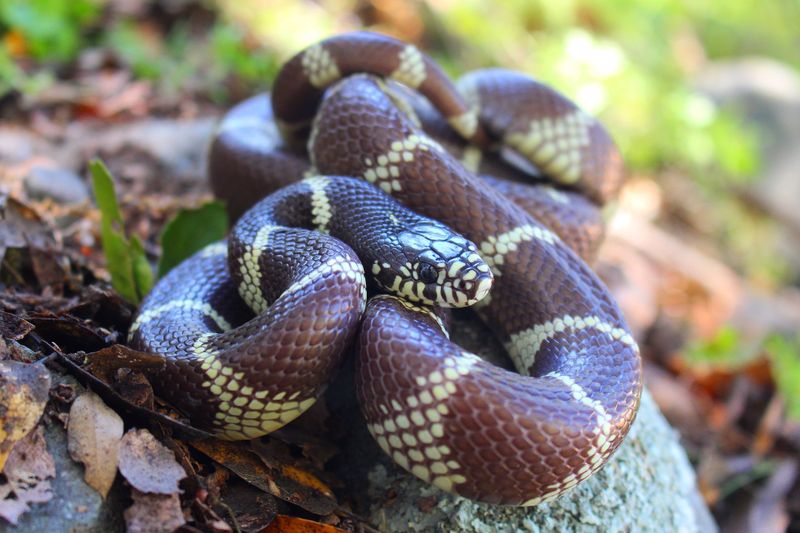
Snakes act a bit like report cards for the land around a house. A kingsnake gliding past the tomatoes hints that the local ecosystem is earning decent grades.
Predators need prey to survive. A kingsnake wouldn’t stick around without enough mice, lizards, and other small animals to eat.
Those animals, in turn, need insects, seeds, and plants. The connections form a chain, with plants feeding insects, insects feeding lizards, and lizards feeding snakes.
Hawks, owls, and coyotes sometimes eat kingsnakes, so the chain keeps stretching upward. Removing one link makes things wobble.
Too few predators can let rodent numbers climb, which may mean more chewed garden hoses and more mice near the home. A balanced web helps keep those swings smaller.
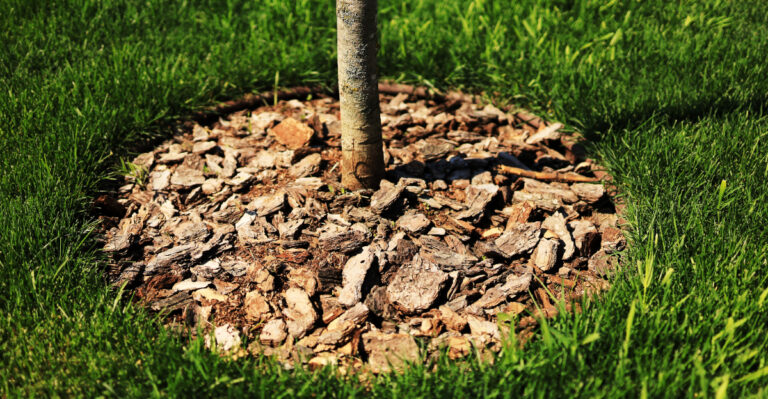
Yards often play a part. Native plants, mulch, rock edges, and leaf litter give small animals food and hiding spots, and those same features attract a hunting snake.
California kingsnakes live in many habitats, including deserts, grasslands, woodlands, farmland, and suburbs. That flexible lifestyle helps them thrive where other reptiles struggle.
Heavy rodent poisons are best skipped for anyone hoping to support this balance. Poisoned rodents can harm the snakes, owls, and hawks that eat them.
Sealing gaps, storing pet food, and cleaning up fallen fruit offer gentler pest management. Letting predators handle some of the work keeps the neighborhood a little wilder in the best way.
Fall Brings Searches For Winter Shelter
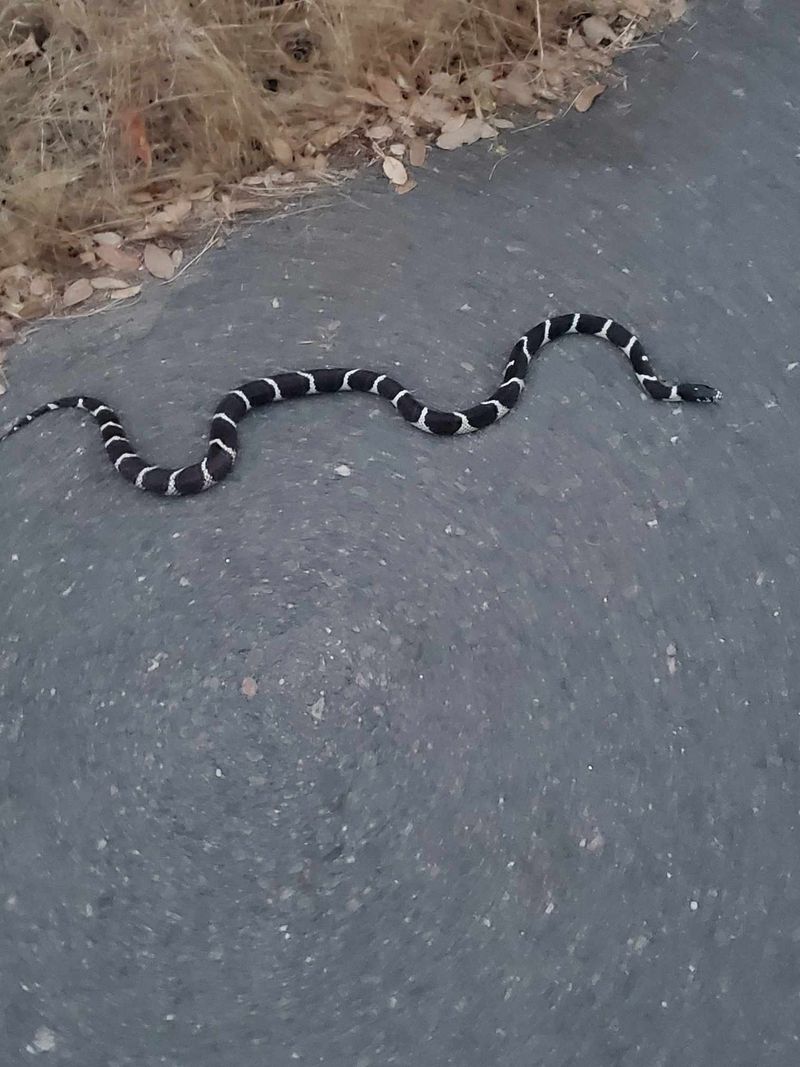
Crisp mornings and golden leaves signal more than pumpkin season. As temperatures drop, snakes begin scouting for safe places to spend the cold months.
Reptiles can’t make their own body heat. They depend on the sun and warm ground to stay active, so chilly nights send them looking for sheltered spots with steadier temperatures.
Kingsnakes often choose rodent burrows, rock crevices, deep leaf piles, or spaces under logs. In a yard, that can mean woodpiles, sheds, gaps under decks, or loose stacks of lumber.
A tidy garage corner might look surprisingly cozy to a cold snake. Warm fall days add another twist.
A sunny afternoon can bring snakes out to bask, hunt, and keep searching. Spotting one in October or even November isn’t unusual in much of California.
Winter doesn’t always mean a full shutdown, either. During mild spells, some snakes emerge briefly to warm up before tucking back in.
Activity usually picks up again in spring as days lengthen.
A few simple steps reduce surprise visitors near the house. Firewood stored away from walls and raised off the ground, sealed cracks around doors, foundations, and vents, and cleared clutter beside the home all help.
Gloves and a tool make sense when moving piles of wood or debris in fall. Lifting boards slowly gives any hidden animal a chance to slip away, keeping chores calm instead of startling.
Never Handle Any Snake To Identify It
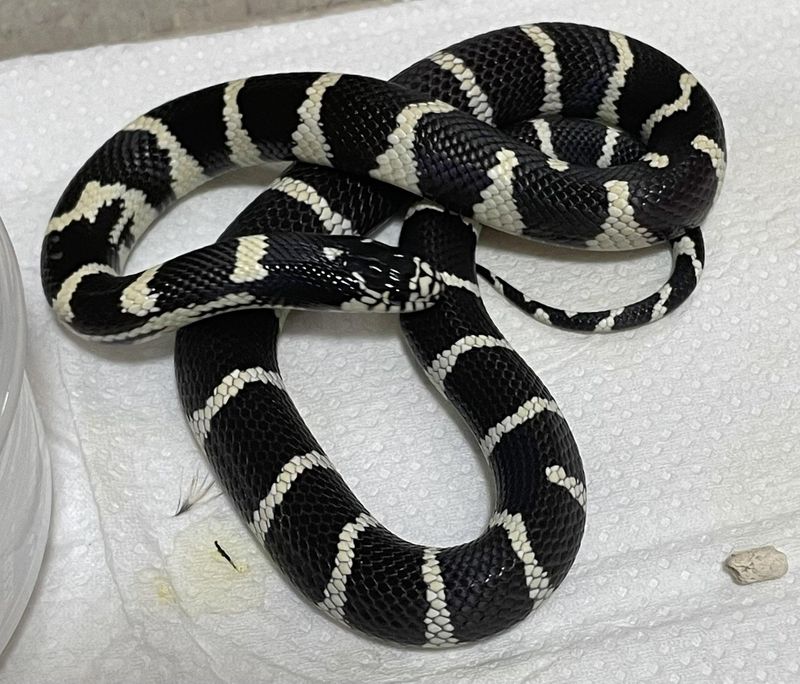
Curiosity pulls people closer, and that’s exactly the wrong move. Many snake bites happen when someone tries to touch, catch, or move a snake, so staying back is the easiest safety rule around.
Leaning in for a better look isn’t a reliable way to identify a snake. Patterns and colors can fool even very experienced people.
Kingsnakes come in banded, striped, and mixed versions, and lighting can play tricks on the eyes. Any uncertain snake is best treated as potentially dangerous.
Several feet of space works well, and more is even better. A calm walk away lets the animal choose its own path.
Children need clear, simple instructions. Stopping, stepping back, and telling an adult whenever a snake appears works best.
Practicing it like a fire drill makes the reaction feel natural.
Pets are naturally curious, too. Calling a dog away and keeping it leashed until the snake leaves prevents scratches or worse, especially if the snake turns out to be a different species.
Shovels, hoses, and sticks are best left alone. Swinging tools at a snake brings people closer, raises the chance of a bite, and stresses an animal that was only passing through.
A photo from a distance works well for learning more later. Phone zoom does the job far better than walking closer.
Comparing pictures with trusted resources afterward keeps everyone perfectly safe.
Native Reptile Protections May Apply
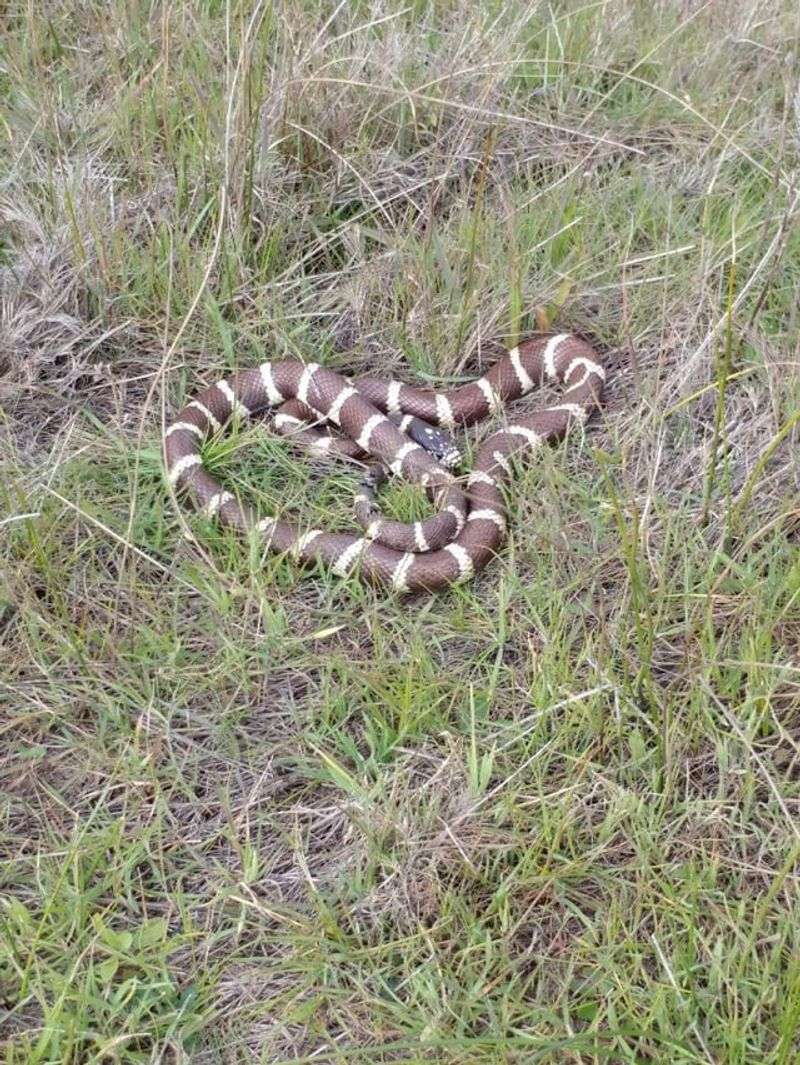
Scooping up a wild snake to keep as a pet might sound fun. In California, though, native reptiles count as wildlife, and the state has rules about them.
The California Department of Fish and Wildlife, often called CDFW, manages native animals, including reptiles. State regulations control when, how, and whether people can collect or keep certain species.
Some reptiles are fully protected, while others fall under licenses, limits, and special conditions. Rules can be detailed and change over time.
Requirements may depend on the species, the location, and the intended use of the animal. Selling or releasing wild-caught reptiles can bring extra restrictions.
Guessing is risky, so the official source makes the best guide. CDFW publishes its reptile and amphibian regulations online, and regional offices can answer questions far more reliably than a random social media post.
Relocating a snake can cause problems, too. A moved snake lands in unfamiliar territory without known shelters or hunting grounds.
It may struggle to find food or a safe winter spot, or it may simply wander back. Leaving it in place usually works out better for everyone.
California kingsnakes have been bred in captivity for decades, so pet store kingsnakes usually come from breeders rather than the wild.
Anyone wanting a pet snake can look into captive-bred animals and local laws. The snake in the yard is best left alone and enjoyed from a distance.