The Zone 7a Virginia Vegetables You Can Still Plant In Early October
Cool mornings and smoky air make it feel like the garden season is over. In Zone 7a Virginia, early October is more like halftime.
The soil still holds summer warmth, while the crisp air makes leafy greens taste sweeter. Plenty of gardeners pull their tomato vines and miss some of the tastiest crops of the year.
Some vegetables grow fast enough to beat the cold. Others sleep through winter and wake up ready to pick in early spring.
A little row cover and smart timing can keep salads coming into November. Fresh greens can return again before spring planting even begins.
The vegetables below are still safe to plant right now. Get them in the ground this week, and your garden keeps producing long after the pumpkins leave the porch.
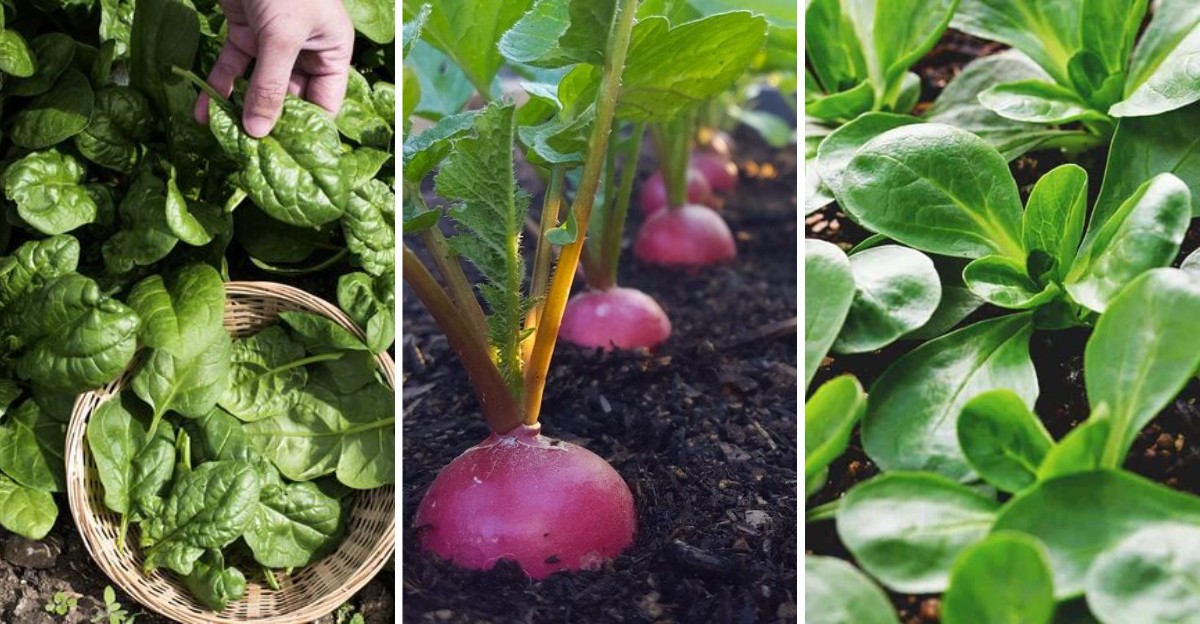
1. Spinach To Harvest Now And Again In Spring
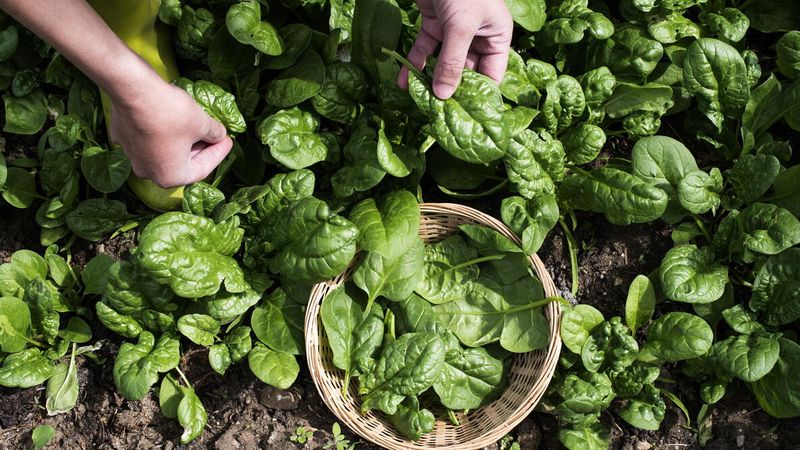
Picture yourself picking crisp spinach leaves in February while your neighbors stare at bare, frozen dirt. Sowing seeds in early October can turn that winter daydream into a real harvest.
Most of Zone 7a Virginia sees its first fall frost around October 15. Spinach shrugs that off easily, handling cold snaps down to about 10 degrees.
Sow seeds about half an inch deep in loose, rich soil with good drainage. Space rows roughly a foot apart so air can move between the plants.
Water seeds well after planting, since October soil can turn surprisingly dry. Keep the bed evenly moist until sprouts appear in about a week.
Young plants may only grow a handful of leaves before winter slows them down. Go ahead and snip a few, but leave the center crown untouched.
A light row cover makes a big difference in leaf quality during harsh weeks. It traps a little warmth and blocks drying winds that scorch tender greens.
Mulch lightly with straw around the plants after the ground cools. A cozy blanket helps roots stay steady through freezing and thawing cycles.
Once days stretch longer in late February, your patient plants wake up hungry. Expect a fresh flush of sweet, thick leaves by early March.
Variety choice matters more than many gardeners realize. Look for ‘Reflect’ or ‘Acadia’, two types praised for surviving winter and bouncing back fast.
Cold nights make spinach store extra sugar in its leaves. Many growers say winter spinach beats spring-sown leaves for flavor.
2. Radishes That Mature In About A Month
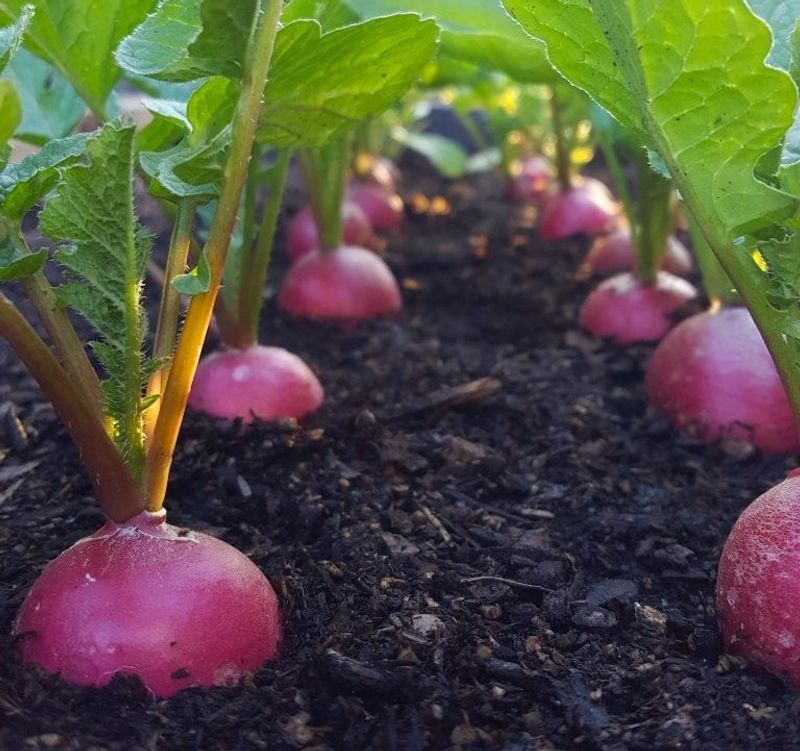
Impatient gardeners, meet your new best friend. Some radish varieties go from seed to snack in just 22 to 30 days.
Ideally, fall radishes go in by late September, about a month before frost. Still, quick types sown in early October can finish if you give them a little help.
Pick the fastest varieties you can find, such as ‘Cherry Belle’ or ‘French Breakfast’. Check the seed packet and choose anything listed under 30 days.
Sow seeds half an inch deep and about one inch apart. Crowded radishes tend to grow leafy tops with skinny, disappointing roots.
Thinning feels painful, but your harvest depends on it. Once sprouts show true leaves, pull extras so each plant has two inches of space.
Your Virginia Garden Changes Every Week. Your Plan Should Too.
Gardening in Virginia changes quickly throughout the season. Every Friday you’ll receive a simple weekly plan showing exactly what to plant, prune, fertilize, harvest, and protect so you never miss the right timing.
Light frost will not bother radishes much at all. A hard freeze, though, can turn the roots soft and spongy.
Toss a row cover over the bed when the forecast drops below the upper 20s. Cover edges with bricks or soil so the wind cannot sneak underneath.
Steady moisture keeps roots crisp and mild instead of woody and fiery. Water deeply once or twice a week if fall rains skip your yard.
Here is a fun trick for kids and adults alike. Mix radish seeds into a row of slower carrots to mark the row and loosen soil.
Harvest promptly once the roots reach about an inch wide. Left too long, radishes split and get pithy fast.
3. Arugula For Fast, Peppery Greens
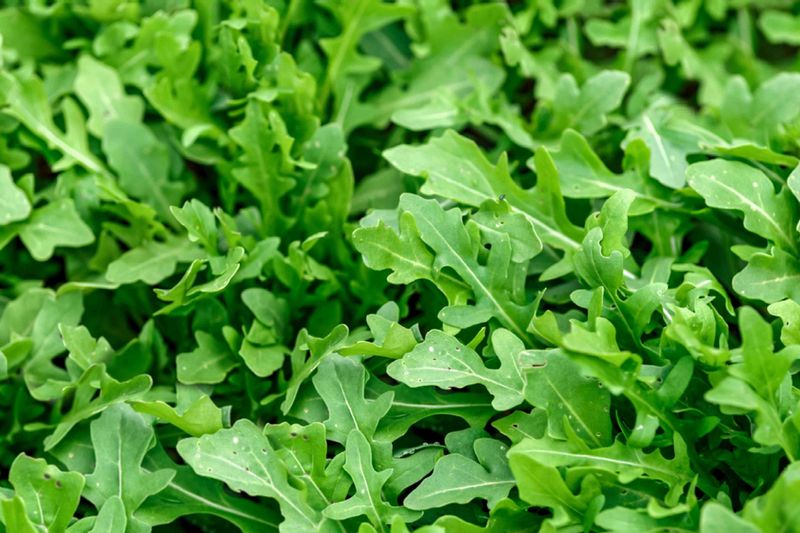
A pinch of arugula can wake up a sleepy sandwich in seconds. Lucky for you, fall is when this zippy green tastes its very best.
Warm weather pushes arugula toward bitterness and early flowering. Cool October days keep the flavor peppery, nutty, and pleasantly bright.
Seeds sprout quickly, often popping up within four or five days. Most plants reach full harvest size around 40 days after sowing.
Scatter seeds thinly across a wide row, then cover them with a quarter inch of soil. Pat the surface gently so seeds touch moist earth.
Arugula handles chilly nights better than most lettuce. Mature plants can tolerate temperatures dipping to around 18 degrees.
Baby leaves make a lovely harvest long before the plants grow large. Snip them at two or three inches tall for a milder bite.
Cutting about an inch above the base lets the plant regrow. You may get three or four harvests from one sowing this way.
Gardeners often use row covers to keep arugula producing into winter. The fabric softens frost damage and keeps leaves tender.
Flea beetles sometimes chew tiny holes in the leaves early in the season. Covering the bed right after sowing keeps those hungry pests away.
Fun fact for your next dinner party: ancient Romans grew arugula centuries ago. They prized it as a flavorful herb, not just a salad filler.
4. Lettuce And Mesclun Under Row Cover
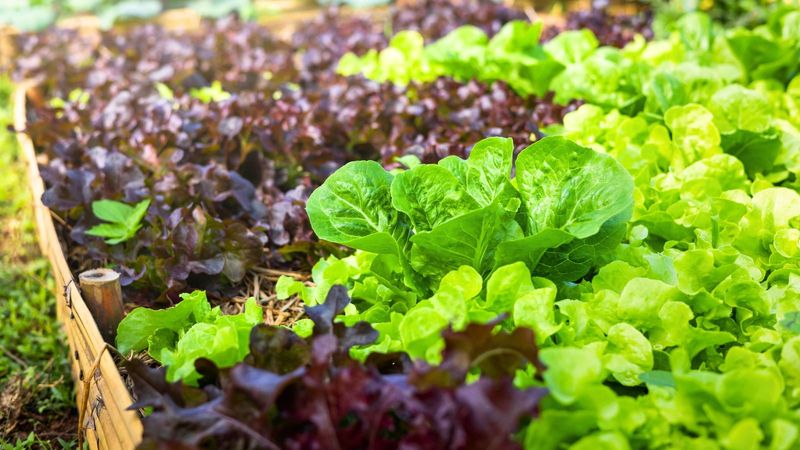
Homegrown salad in December sounds like something only greenhouse owners enjoy. With a simple row cover, regular backyard growers can pull it off too.
Lettuce and mesclun mixes love the mild temperatures of September and October. Seeds sown now still have time to grow plenty of tender leaves.
Choose loose-leaf types or mesclun blends rather than big heading lettuce. Leafy varieties grow faster and let you harvest a little at a time.
Sprinkle seeds on the soil surface and barely cover them. Lettuce needs some light to sprout, so a deep planting can slow things down.
Row cover acts like a lightweight jacket for your greens. Drape it over wire hoops so the fabric does not press on the leaves.
On sunny afternoons, peek under the cover to check for overheating. Lift one side if temperatures climb into the 70s.
Thanks to the Virginia climate, protected greens can keep growing into early winter. Many gardeners report salads straight through December this way.
Pick outer leaves first and leave the center to keep producing. A gentle twist or clean scissors works better than yanking.
Moisture matters, but soggy soil invites rot in cold weather. Water in the morning so leaves dry before chilly evenings arrive.
Red varieties look extra pretty in fall and often handle cold well. Try ‘Red Salad Bowl’ or ‘Rouge d’Hiver’ for color.
5. Mustard Greens That Shrug Off Frost
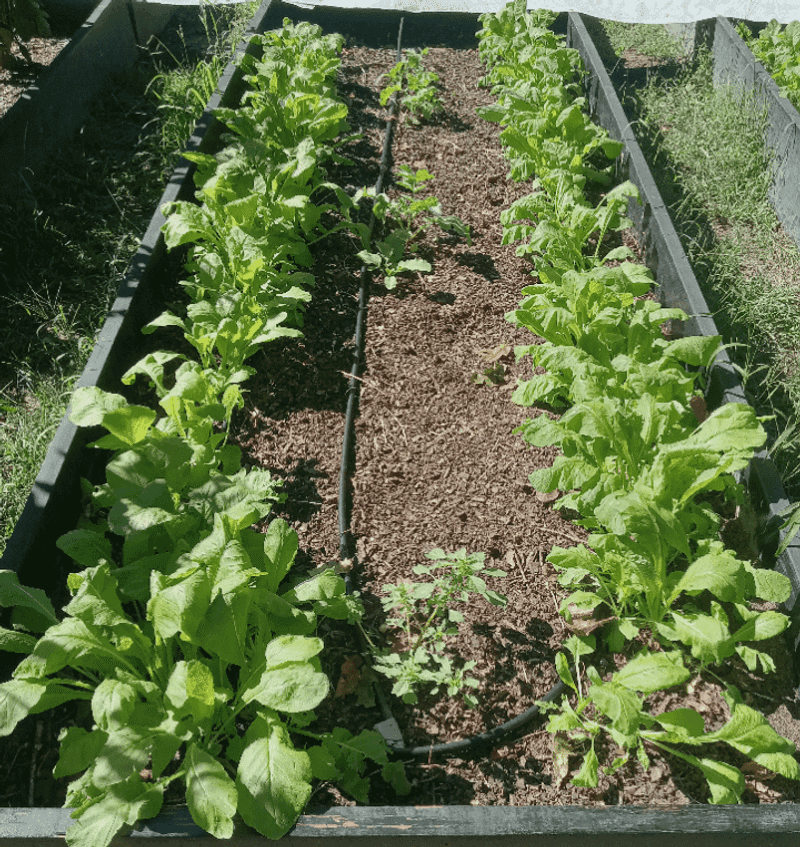
Grandma knew something about mustard greens that newer gardeners are just figuring out. A good frost turns their spicy bite into something rich and mellow.
Mustard greens thrive when cool weather settles in. Their bold, peppery leaves grow fast and handle chilly mornings without complaint.
In many Virginia kitchens, ‘Old Fashioned Ragged Edge’ holds a special place. Its frilly leaves cook down beautifully with a little onion and smoked turkey.
Guidelines suggest planting about four to six weeks before your first expected frost. Early October lands near the edge, so plant right away.
Direct sow seeds a quarter inch deep in fertile, well-drained soil. Thin seedlings to about six inches apart once they sprout.
Baby leaves can be picked in as little as three weeks. Toss them raw into salads for a gentle kick of heat.
Frost actually helps the flavor rather than hurting it. Cold triggers the plant to make sugars that balance out the spicy notes.
Feed the bed with compost before planting for quick, leafy growth. Nitrogen-rich soil keeps the greens dark and tender.
Aphids sometimes cluster underneath the leaves during warm spells. A strong spray of water usually knocks them off within a day or two.
Harvest the bottom leaves first and let the top keep growing. One planting can feed your family for weeks.
6. Turnips Grown For Tender Greens
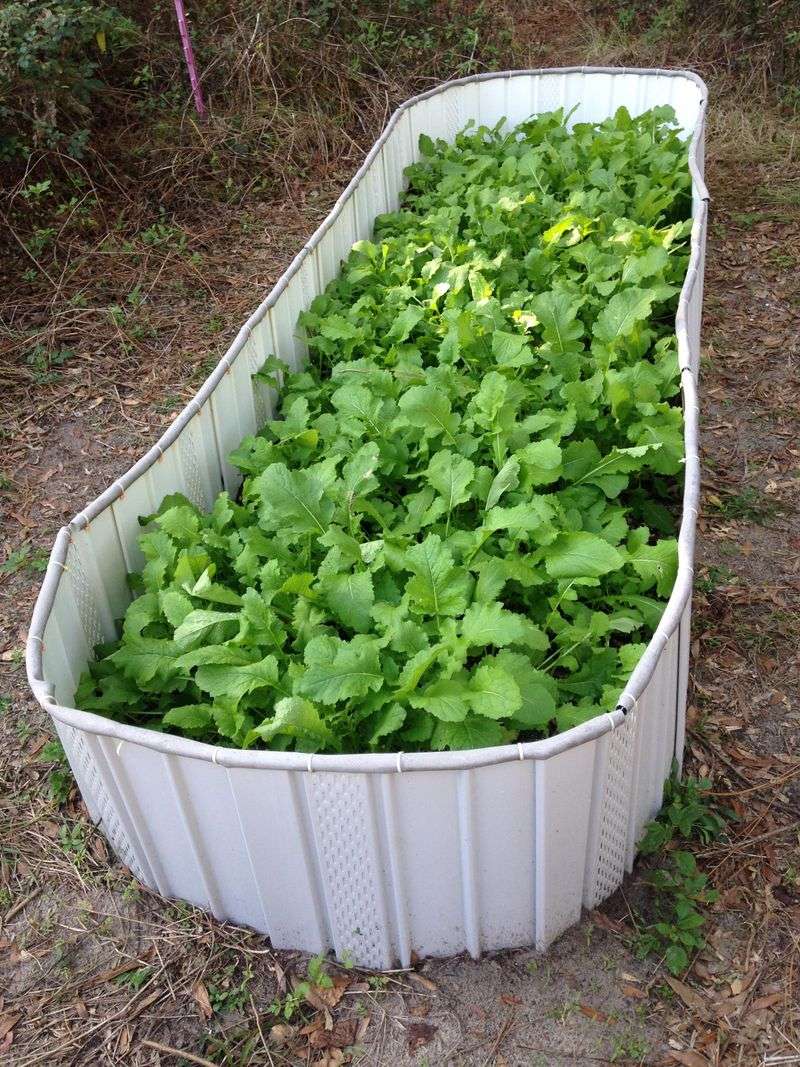
Southern cooks have known for generations that turnip tops can steal the show. Growing turnips just for their greens is quick, cheap, and very rewarding.
Turnips usually go in during September across Zone 7a. An early October planting can still produce a generous crop of leaves.
Roots need longer to size up before the hard cold arrives. Greens, on the other hand, grow fast enough to beat the calendar.
Varieties like ‘Seven Top’ are bred for leaves rather than roots. ‘Shogoin’ and ‘Purple Top White Globe’ also grow plenty of tasty tops.
Broadcast seeds thickly over a prepared bed and rake them lightly into the soil. Closer spacing works fine since you are not chasing big roots.
Leaves are ready to cut when they reach about four to six inches tall. Young greens taste mild and cook up in just minutes.
Snip outer leaves and leave the growing center alone. Plants will keep sending up fresh foliage for weeks.
Cold-tolerant turnips can handle a frost without much trouble. Nippy weather even sweetens their flavor a bit.
Keep weeds pulled while the seedlings are tiny. Turnips grow fast, but early competition can slow them down.
Bonus tip: any roots that do form make a sweet surprise in winter soups. Nothing in this bed goes to waste.
7. Kale Transplants For Winter Harvests
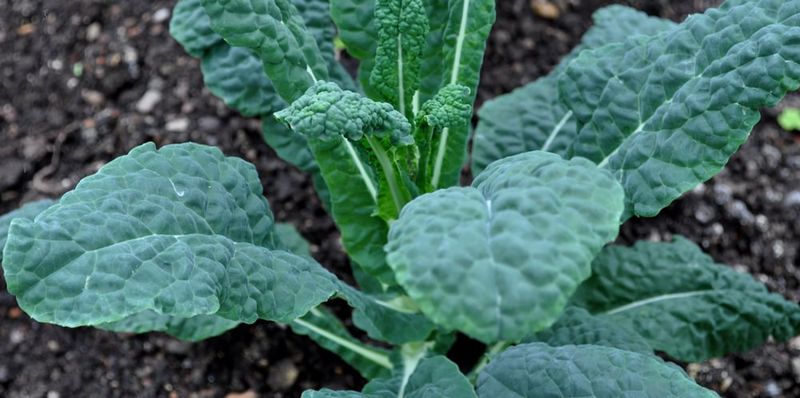
Kale is the friend who shows up in a snowstorm with soup. While other crops call it quits, this sturdy green keeps on giving.
September is the classic time to start kale from seed for winter. By early October, buying transplants gives you a strong head start.
Garden centers usually stock healthy kale starts this time of year. Choose plants with sturdy stems and no yellow leaves.
Set transplants about 12 to 18 inches apart in rich soil. Plant them at the same depth they sat in their pots.
Water thoroughly after planting to settle roots into their new home. Keep the soil moist for the first two weeks.
‘Vates Dwarf Blue Scotch Curled’ ranks among the toughest varieties for cold. Low, compact plants also resist wind damage nicely.
Other winter-ready picks include ‘Redbor’, ‘Winterbor’, ‘Dinosaur’, and ‘Siberian’. Mixing a few types adds color and texture to your plate.
Frost works a little magic on kale flavor. Leaves turn noticeably sweeter after a few cold nights.
Harvest from the bottom of the plant and work upward. The top keeps growing, almost like a tiny palm tree.
Cabbage worms may nibble during warm fall spells. A row cover or hand-picking usually keeps damage small and manageable.
8. Collard Transplants That Sweeten After Frost
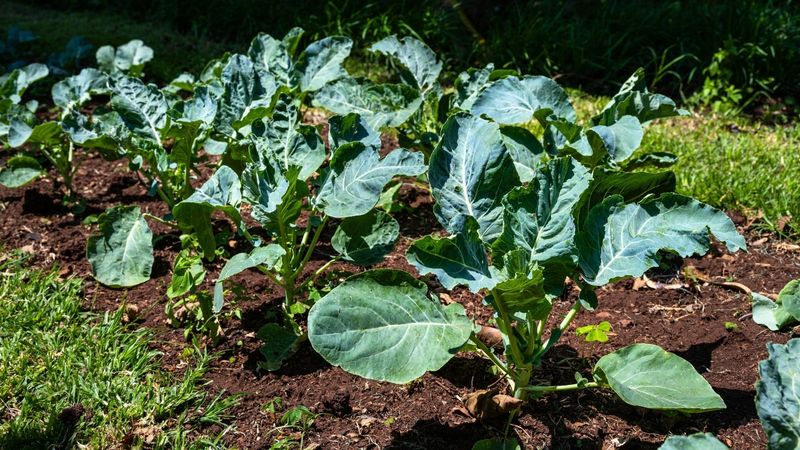
Ask any Southern cook about collards, and you will hear one rule. Wait until after the first frost before you pick.
Cold temperatures change starches in collard leaves into natural sugars. Fall crops often grow the sweetest, most tender greens all year.
Seeds for fall collards ideally start eight to ten weeks before frost. Since October has arrived, transplants are your best bet now.
Look for compact starts with four to six healthy leaves. Lanky, overgrown plants may struggle to settle into chilly soil.
Space collards about 18 inches apart in a sunny spot. Their broad leaves need room to soak up shorter autumn daylight.
Mix compost into the planting hole before setting each transplant. Collards are heavy feeders and reward rich soil with big leaves.
Mature collards can handle temperatures down to around 19 degrees. Gardeners in Virginia often harvest them well into winter.
During extreme cold snaps, toss an old sheet or row cover over the plants. Remove it once temperatures climb back above freezing.
Pick the lower leaves when they are about the size of your hand. Younger leaves cook faster and taste less tough.
History buff bonus: collards have grown in Southern gardens for centuries. Many families still pass down favorite seeds like ‘Georgia Southern’.
9. Mache For Hardy Winter Salads
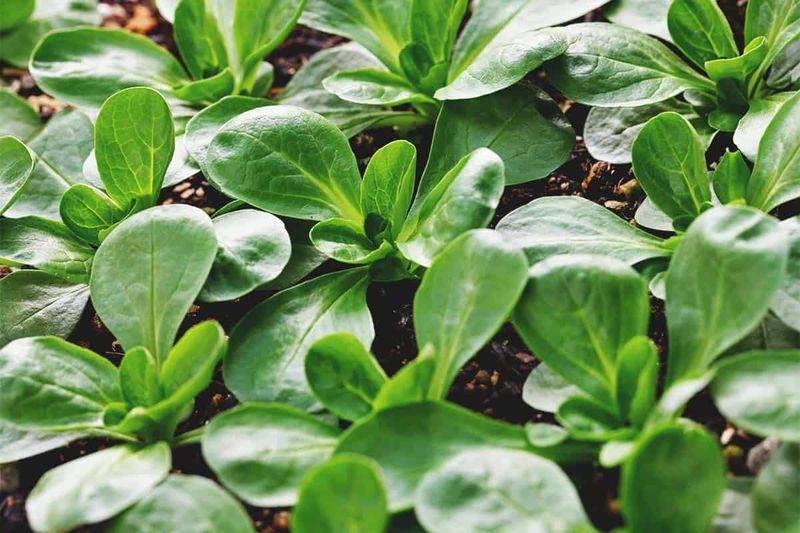
Meet the tiny salad green that laughs at cold weather. Mache, also called corn salad, may be the toughest leafy crop you can grow.
Little rosettes of spoon-shaped leaves give mache a charming look. The flavor is mild, buttery, and slightly nutty.
Mache handles cold even better than arugula, which is saying something. Many gardeners pick it straight through winter with simple protection.
Seeds germinate best in cool soil, making October a great time to sow. Warm summer soil, in fact, tends to keep them from sprouting.
Sprinkle seeds a quarter inch deep and keep the bed evenly moist. Germination can take one to two weeks, so stay patient.
Plants grow slowly, but they stay compact and tidy. Space them about four inches apart for full rosettes.
A cold frame or row cover helps leaves stay clean and tender. Harsh wind and heavy snow can bruise uncovered plants.
Harvest whole rosettes by cutting them at soil level. Rinse carefully, since dirt likes to hide in the centers.
Fun fact: mache once grew wild in European grain fields. Farmers gathered it as a free winter salad green.
Toss mache with beets and a light vinaigrette for a fancy winter dish. Guests will wonder where you found fresh greens in January.
10. Onion Sets For Early Spring Scallions
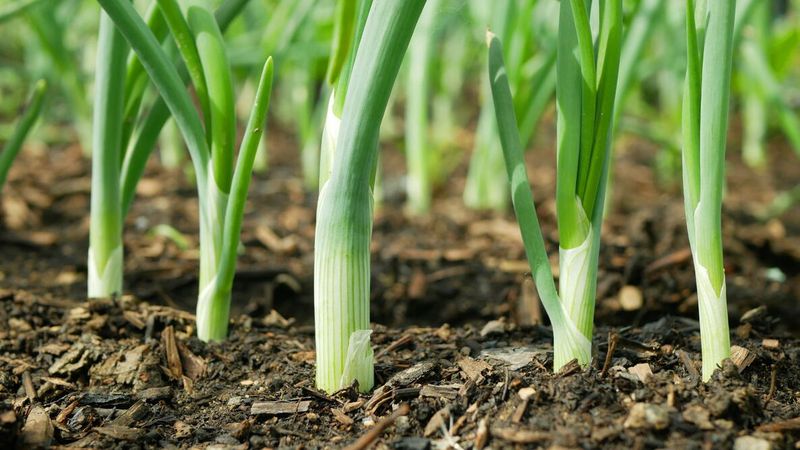
Planting onions in fall feels a bit like hiding presents for your future self. Come early spring, green shoots pop up ready to pick.
Onion sets are small bulbs grown the previous year. They root quickly, making them easier than seeds for fall planting.
Planting in October gives sets time to grow roots before winter dormancy. Overwintering works well across Virginia’s Zone 7a gardens.
Push each set into loose soil, pointed end up. Leave the tip just barely peeking above the surface.
Space sets about two inches apart if you want scallions. Tight spacing works because you will harvest them young and slim.
Mulch with a few inches of straw after the ground cools. A cozy layer prevents bulbs from heaving out during freeze and thaw.
Little top growth appears before winter, and that is perfectly fine. Roots stay busy underground even when nothing seems to happen.
By late February or March, bright green shoots will push through the mulch. Pull them as scallions once they reach pencil thickness.
Garlic makes a great bedmate for onion sets. Both alliums can go in from October through December.
Pick firm sets without soft spots or mold when shopping. Smaller bulbs are less likely to bolt and go to seed in spring.