How To Mow Fallen Leaves Into A Georgia Lawn Without Smothering The Grass
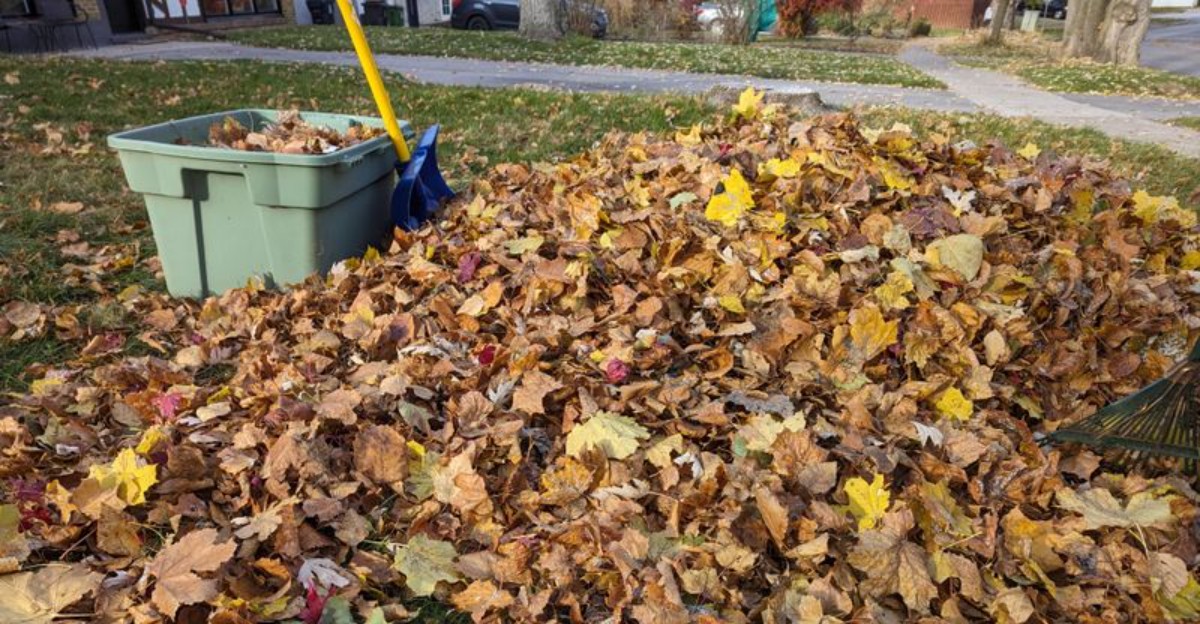
Raking and bagging leaves every weekend can eat up a lot of your fall, and the piles seem endless. Mowing them right into the lawn sounds like a much easier way to handle the job.
Done right, it can save you time and return useful organic matter to the soil.
In Georgia, though, big oaks and maples can drop leaves faster than a lawn can handle. A thick layer left on the grass blocks light and holds moisture, which can thin out the turf underneath.
The line between helping your lawn and smothering it is often thinner than many homeowners expect.
Getting it right usually takes a few small adjustments rather than new equipment.
Look closely at how much grass still shows through after your next pass with the mower.
1. Those Fallen Leaves Can Feed Your Lawn Instead Of Filling Bags
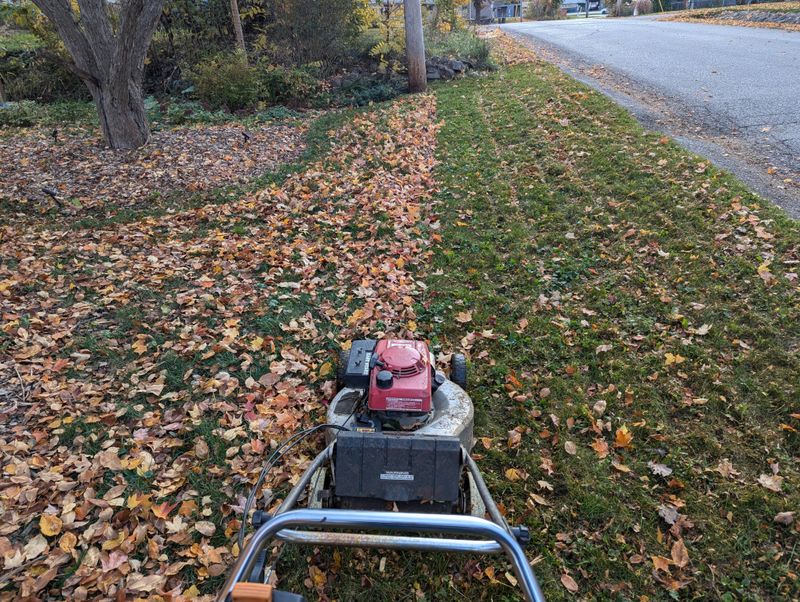
Raking and bagging can eat up a whole Saturday, and sometimes it isn’t even necessary. Your mower may handle most of that work in a fraction of the time.
Leaves hold small amounts of nutrients and carbon that soil organisms slowly break down over the winter months.
Once shredded and left on the turf, those bits gradually add organic matter to the top layer of soil. Results build slowly over several seasons, so don’t expect overnight changes.
Plenty of Georgia yards sit on heavy red clay that drains poorly and packs down hard.
Added organic matter can help clay soil hold a looser structure over time, though the effect is modest. Leaves are a helpful supplement, not a replacement for proper fertilizing or soil testing.
Skipping the bags also cuts down on trips to the curb and plastic waste.
Some towns limit leaf pickup or charge for yard waste bags, so mulching may save money too. Check your local rules if you plan to haul any extras away.
Keep expectations realistic as you start.
A yard under three huge oaks will produce far more leaves than a yard with one small maple. Mulching usually works well for light to moderate leaf loads, while heavy loads take extra steps covered later.
2. Small, Shredded Pieces Break Down Much Faster Than Whole Leaves
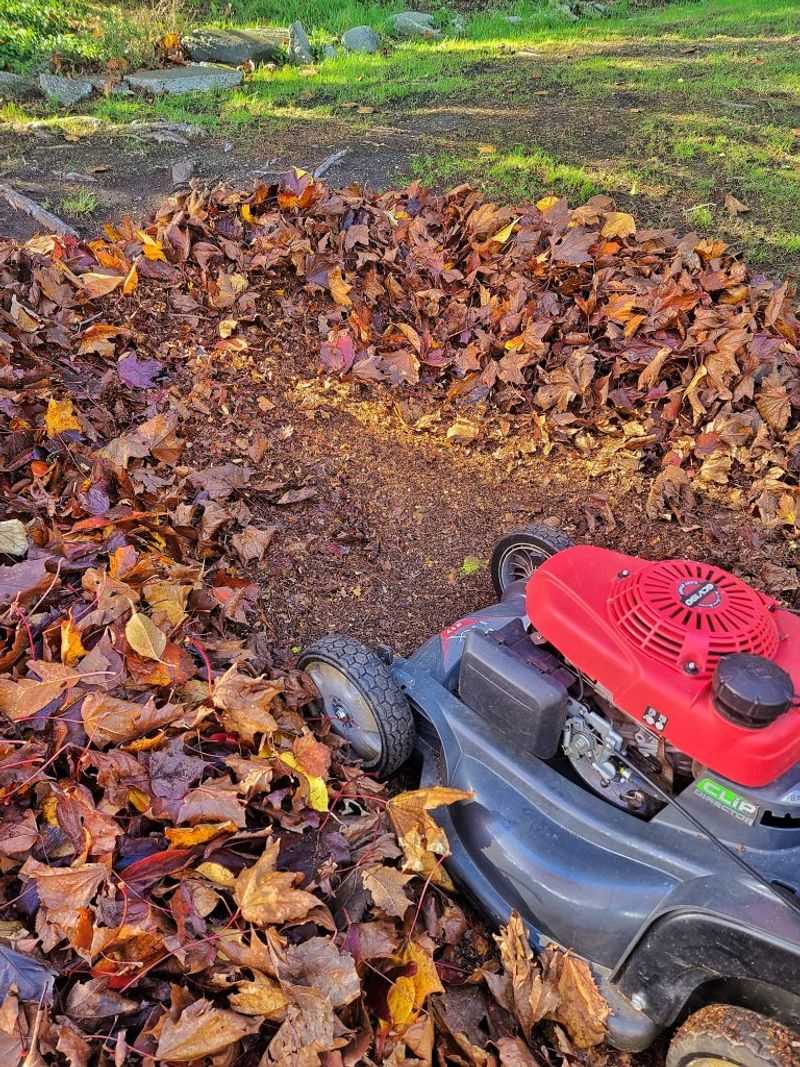
Whole leaves act like tiny roof shingles. Laid flat, they overlap and block sunlight from the grass below.
Shredded pieces fall between grass blades instead of sitting on top of them.
Aim for bits roughly the size of a dime or smaller. At that size, they usually slip down to the soil surface where moisture and microbes can work on them.
Big pieces linger, while small ones tend to fade from view within a week or two in mild weather.
Breakdown speed still depends on temperature, rainfall, and leaf type. Oak leaves are tougher and often take longer than maple or sweetgum leaves.
So how can you tell if you shredded enough?
Walk the yard after mowing and look down at the grass. If you can see about half or more of the green blades through the leaf bits, you are in good shape.
Your Georgia Garden Changes Every Week. Your Plan Should Too.
Gardening in Georgia changes quickly throughout the season. Every Friday you’ll receive a simple weekly plan showing exactly what to plant, prune, fertilize, harvest, and protect so you never miss the right timing.
When large chunks remain, make a second pass in a different direction.
Crisscrossing the yard often catches pieces the first pass missed. Lowering your speed a little gives the blade more time to chop each leaf, though you should keep your normal cutting height so the grass itself doesn’t get scalped.
3. Dry Leaves Chop Up Far Easier Than Wet, Matted Ones
Soggy leaves fight back. They stick to the mower deck, clog the chute, and come out as wet clumps rather than fine bits.
Crisp, dry leaves shatter when the blade hits them, which is exactly what you want.
Fall in Georgia often brings dry, sunny stretches between rain fronts, and those days are ideal for mowing leaves. Try waiting a day or two after a soaking rain, depending on sun and wind.
Morning dew counts too.
Mowing in the late morning or afternoon usually gives the leaves time to dry out. Early mowing may leave you scraping gunk from under the deck.
Wet clumps left on the lawn can mat down and hold moisture against the grass.
That damp, shaded layer may encourage fungal problems in some lawns, especially in cool, humid weather. Rake up any heavy clumps you notice before they sit for days.
Sometimes rain just won’t let up.
If leaves are piling up and the forecast stays wet, mowing damp leaves is still better than letting a thick blanket sit for weeks. Just mow slowly, clean the deck afterward, and follow up with another pass once things dry.
4. A Mulching Blade Or Kit Makes The Job Quicker
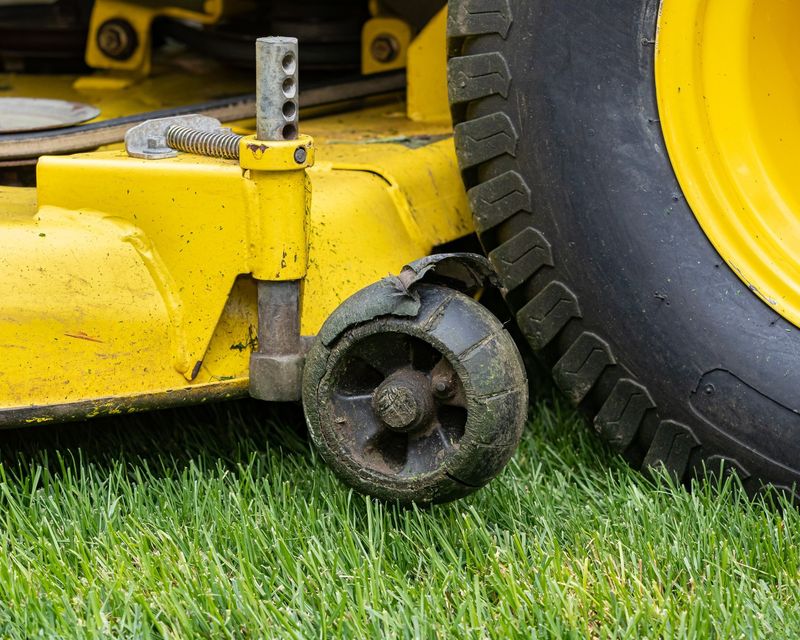
Got a standard mower? It can still shred leaves, though usually with more passes than a mower set up for mulching.
Mulching blades have extra curves and cutting edges that keep leaves circulating under the deck longer.
Each leaf gets hit several times before dropping, so pieces often come out smaller. Many mowers sold now include a mulching option, so check your manual before buying anything.
A mulching plug or kit closes off the side chute or bag opening.
Without that escape route, leaves stay under the deck and get cut again. Kits are typically made for specific models, so match the part number to your machine.
Blade sharpness matters just as much as blade style.
A dull blade tears leaves and grass rather than slicing them cleanly. Sharpening once or twice a season is a common habit, and fall leaf duty is a good reminder to check it.
Safety comes first with any blade work.
Disconnect the spark plug wire or remove the battery before reaching under the deck. If you aren’t comfortable swapping blades, a local small engine shop can usually handle it for a modest fee.
5. Mow Often During Peak Leaf Drop To Keep Layers Thin
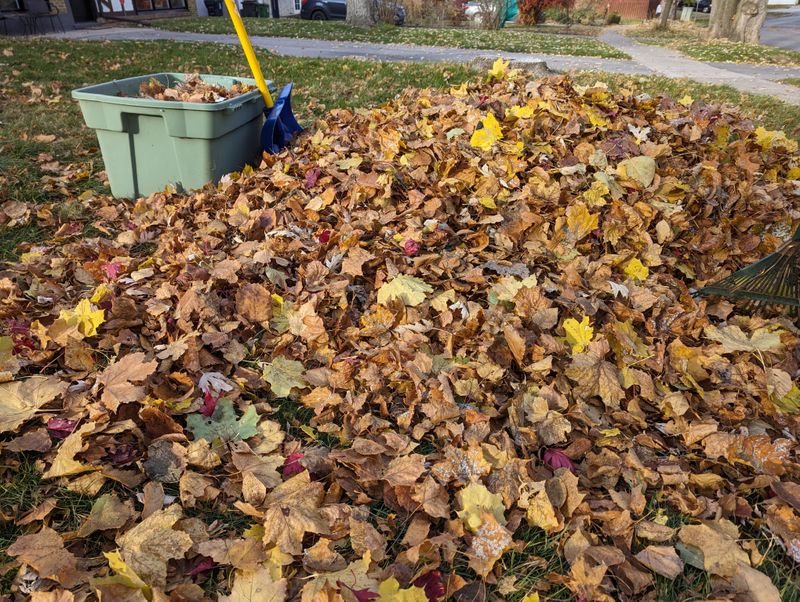
Waiting until every tree is bare sounds efficient, but it usually backfires. By then, the pile may be too deep for any mower to handle well.
Thin layers are the secret to making mulching work.
Across much of Georgia, heavy leaf drop tends to run from late October into early December, varying by tree species and elevation. North Georgia trees often drop earlier than those near the coast.
During those busy weeks, mowing once or even twice a week keeps things manageable.
Each pass only has to chop a light layer, so the blade does a better job. Your grass also gets regular breaks from being covered.
Here’s a simple rule of thumb that works for lots of yards.
If leaves cover roughly a third of the grass or more, it’s probably time to mow. Waiting until they bury the lawn makes the job slower and messier.
Wind and storms can dump a week’s worth of leaves overnight.
After a blustery day, take a quick look and decide whether an extra pass makes sense. Frequent, light mowing takes less effort per session and tends to leave the lawn looking tidier all season.
6. Fescue Lawns Need More Sunlight Through Fall Than Dormant Bermuda
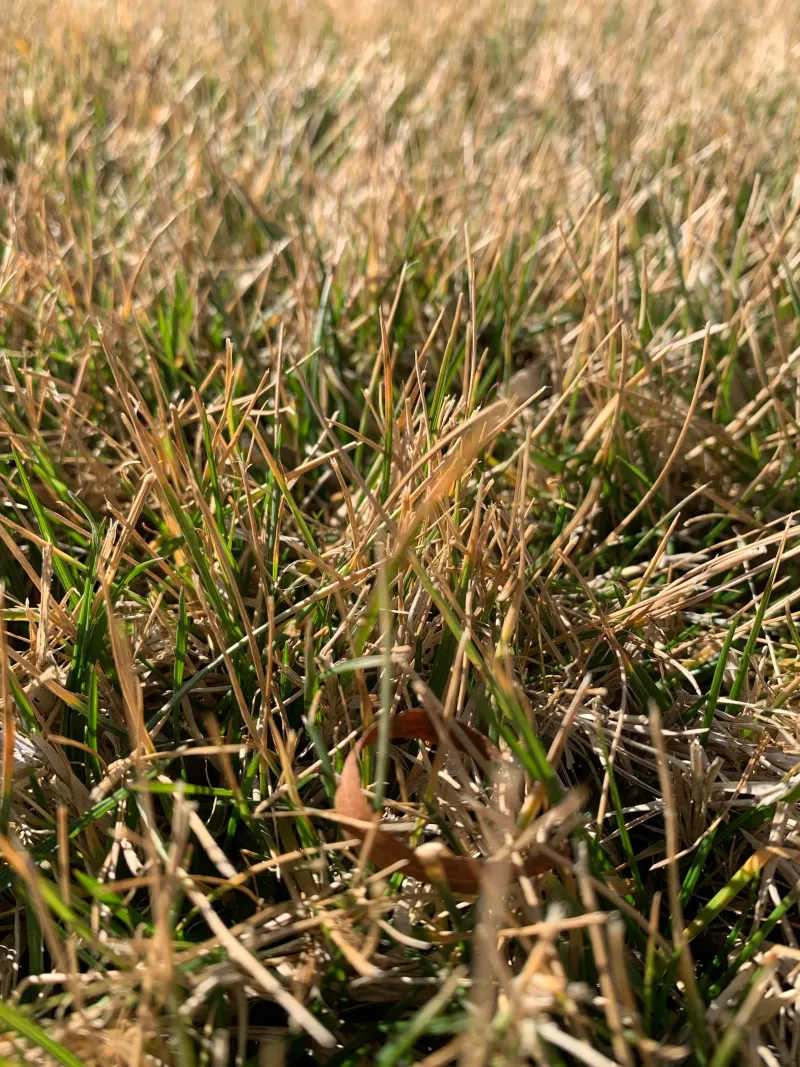
Grass type changes everything about leaf mulching. Two lawns on the same street can need very different care.
Tall fescue is a cool-season grass that stays green and actively grows in fall.
It’s common in north Georgia, especially around Atlanta and the mountains. Since fescue is building roots and recovering from summer heat, blocking its sunlight in fall can set it back.
Fescue owners should be extra careful about keeping leaf layers thin.
Newly seeded or overseeded fescue is even more sensitive. Young seedlings can struggle under a cover of leaves, so gentle raking or blowing may be a better choice over fresh seed.
Bermuda, zoysia, and centipede are warm-season grasses that slow down and turn tan as temperatures cool.
Once fully dormant, they aren’t using much sunlight, so a light layer of shredded leaves is usually less of a concern. Even so, thick mats can hold moisture against the crowns and are still best avoided.
Not sure which grass you have?
A local extension office can often help identify it from a sample or photo. Knowing your turf helps you decide how strict to be with leaf cleanup.
7. When Grass Disappears Under The Shreds, Move Some To Garden Beds
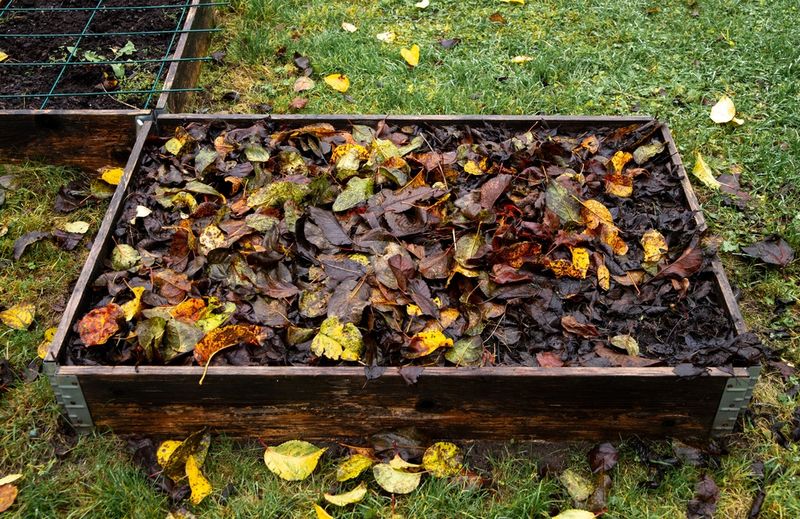
Sometimes the trees just win. Even after careful mowing, a heavy leaf load can leave the lawn buried under shredded bits.
That extra material doesn’t need to go to waste.
Attach your mower’s bag and make a pass to collect the excess shreds. Chopped leaves are far easier to move and spread than whole ones.
Spread a couple of inches around shrubs, perennials, and vegetable beds.
Shredded leaves make a useful mulch that can help hold soil moisture and moderate soil temperature through winter. Keep the layer pulled back a few inches from tree trunks and plant stems to help prevent rot.
Got more than your beds can hold?
A compost pile is the next natural stop. Mixing brown leaves with green materials like grass clippings or kitchen scraps can help the pile break down, though speed depends on moisture and turning.
Plenty of Georgia gardeners also save bags of shredded leaves for spring.
Stored leaves come in handy as compost browns or summer mulch later in the year. Whatever you choose, the goal is simple, which is keeping the lawn visible while putting every leaf to some good use around your yard.