When Should You Bring Your Houseplants Back Inside In New Jersey? Here’s The Temperature That Matters
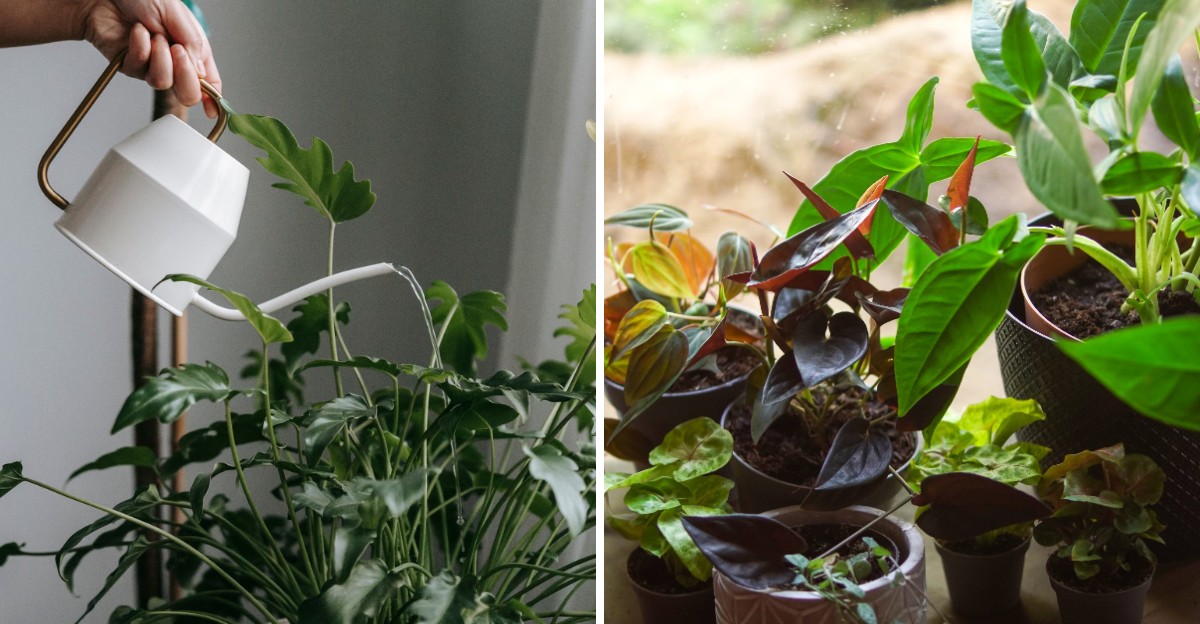
A sudden chilly night can stress the tropical plants you nurtured for months. Leaves darken, stems slump, and you wonder what happened.
Across New Jersey, the risky window arrives on a staggered schedule. Sussex County porches may see frost weeks before you spot it in Cape May.
Monstera, pothos, and snake plants start struggling long before ice forms. Cold stress hides quietly, then appears as spotted, floppy foliage.
You can outsmart it by watching the overnight low, not the daytime high. Track forecast lows from your local National Weather Service office.
Wash leaves with a damp cloth to remove aphids and spider mites hitching a ride. Then you choose a bright window away from drafty glass.
Move early, and you protect months of new growth. Wait too long in New Jersey, and your plants will greet you with drooping leaves.
1. Watch For Nights Dipping Below 50 Degrees
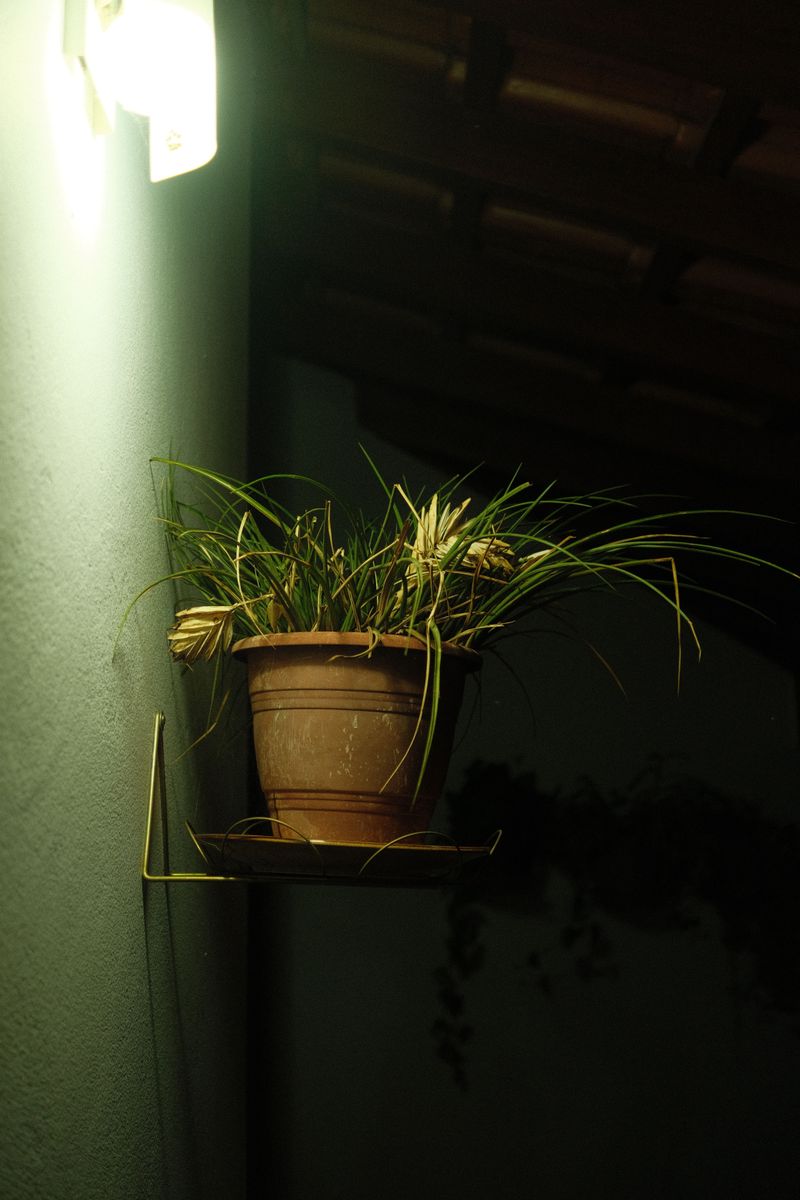
Think of 50 degrees Fahrenheit as a reliable benchmark for many tropical houseplants. Once nights start sliding below that mark, it is time to plan the move indoors.
Many popular plants, like pothos, philodendrons, and peace lilies, come from steamy rainforests. Their cells are built for warm, humid air, not crisp autumn evenings in Bergen County.
Below 50 degrees, growth slows down and roots struggle to pull up water. Leaves can develop dark patches, curl inward, or drop off with little warning.
Some extra sensitive plants show stress even sooner, around 55 degrees. Calatheas, crotons, and fiddle leaf figs fall into this sensitive group, so move them first.
Tougher plants, like jade and aloe, can handle a bit more chill. Still, letting them sit near 40 degrees can cause cold stress.
Pay closest attention to nighttime lows rather than afternoon highs. A sunny 68 degree day can give way to a 46 degree night in October.
A cheap outdoor thermometer near your plants gives you the most honest reading. Backyards, porches, and balconies can each run a few degrees different from the official forecast.
Once you see two or three nights in a row near 50, start hauling pots inside. Waiting for frost is too late for these warm weather plants.
Keep a note listing which plants are sensitive and which are hardy. That way, you know exactly who goes in first when the cold arrives.
Moving plants in stages spreads out the work over a few weekends. Your back, and your living room, will thank you for the slower pace.
2. Know The Difference Between North And South Jersey
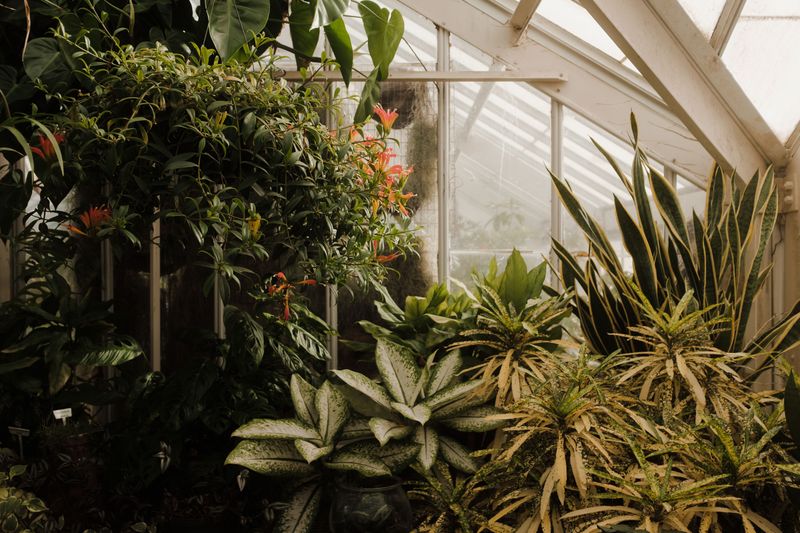
Sussex County and Cape May share a state, but their autumn nights feel noticeably different. Geography matters when deciding when your plants need shelter.
Northwest New Jersey sits higher up, with hills and valleys that trap cold air. Towns near High Point can see 40 degree nights by late September.
Central Jersey, including places like Princeton and New Brunswick, usually cools down a bit later. Mid October is a common time for moving plants there, but let the 50 degree nights guide you.
Down the shore, the ocean acts like a giant warm blanket. Coastal towns often hold onto milder nights well into late October or even November.
Your New Jersey Garden Changes Every Week. Your Plan Should Too.
Gardening in New Jersey changes quickly throughout the season. Every Friday you’ll receive a simple weekly plan showing exactly what to plant, prune, fertilize, harvest, and protect so you never miss the right timing.
Cities add their own twist, too. Newark, Jersey City, and Camden stay warmer thanks to pavement and buildings that soak up daytime heat.
Even inside one town, low spots and open fields chill faster than sheltered patios. A plant tucked against a brick wall may stay several degrees warmer.
Elevation can shift temperatures by a few degrees, which is plenty to stress tropical leaves. Even a small hill in your yard can make a difference.
Your USDA hardiness zone offers a helpful clue about winter lows. New Jersey spans roughly zones 6a to 8a, with colder zones in the north. Pair it with your local forecast for autumn timing.
Pay attention to frosty rooftops and car windshields on early mornings. They are natural signs that cold air has arrived.
Use your zone and local forecast together for the clearest picture. Neighbors with gardens can be a helpful source of advice, so ask what they notice each fall.
3. Track The October Forecast In New Jersey
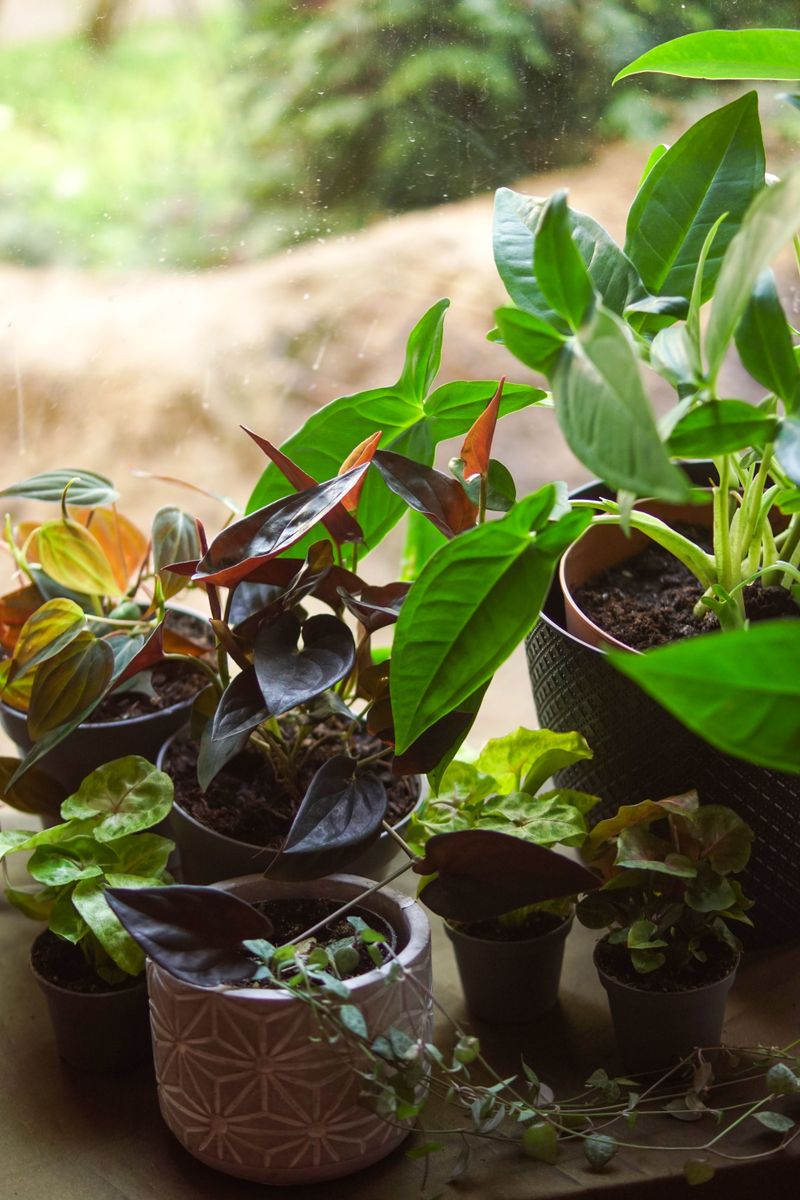
October weather in New Jersey can change quickly from one week to the next. One week feels like summer, and the next has you hunting for a hoodie.
Across much of New Jersey, nighttime lows begin dipping into the 40s by early to mid October. Average first frost dates usually land between late October and mid November in central and coastal areas, and earlier in the northwest.
That window gives you a few weeks of wiggle room, but not much more. Cold snaps can sneak in much earlier than the calendar suggests.
Checking the ten day forecast each morning takes about thirty seconds over breakfast. The National Weather Service website or local TV station apps work well for this.
Look for overnight lows rather than the big number shown at the top. Many apps hide the low in smaller print, so scroll down a little.
Turn on low-temperature alerts if your weather app offers them. A quick buzz on your phone can save a whole porch of greenery.
Wind matters too, especially near the coast and in open suburban yards. A breezy night can dry out leaves faster than a calm one.
If the forecast looks shaky, play it safe and bring plants in early. You can carry them back out for a sunny afternoon if warm weather returns.
Writing the dates on a kitchen calendar helps you spot patterns year after year. Soon you will know your own neighborhood’s habits better than any app.
4. Spot The Warning Signs Of Chill Stress
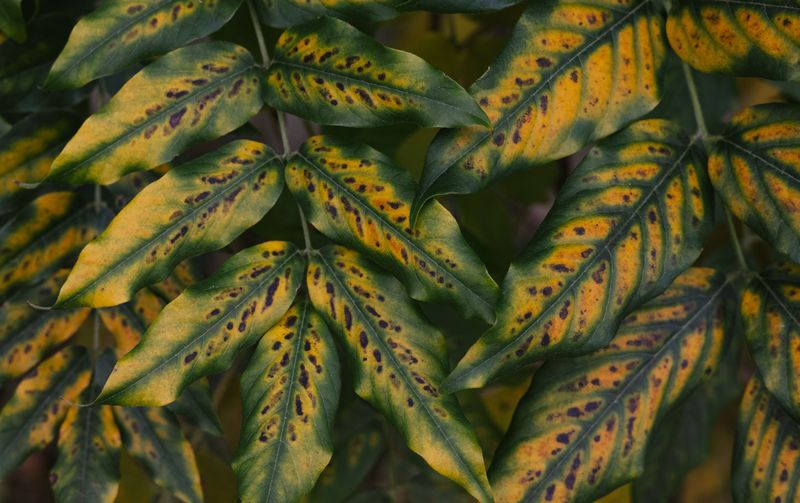
Plants cannot grab a sweater, but they do send signals when they feel cold. Learning to read those clues helps you act before real damage sets in.
Drooping leaves are often the first hint that something is off. A plant that looked perky yesterday may suddenly seem tired and limp.
Watch for leaves turning yellow, especially the lower ones. Cold roots have a hard time moving water and nutrients, so older leaves show stress first.
Dark or water-soaked spots are a more serious sign. That damage happens when cold harms the cells inside the leaf.
Curling or browning leaf edges can also point to cold stress. Tropical plants like calatheas show this fast, sometimes overnight.
Sudden leaf drop is another big clue, particularly with fiddle leaf figs and ficus trees. They tend to react strongly when temperatures swing quickly.
Feel the soil, too, since cold, soggy dirt can lead to root rot. Roots should feel firm and look white or tan, not brown and slimy.
If you spot these signs, bring the plant indoors right away. Trim off badly damaged leaves with clean scissors to help it focus on new growth.
Skip fertilizer for a few weeks while the plant recovers. Give it steady warmth, bright light, and a little patience.
Snapping a photo of each plant in September gives you a handy comparison. Side by side pictures make subtle changes much easier to catch.
Many chilled plants bounce back if the roots stayed healthy. New leaves often appear within a month or two once conditions improve.
5. Inspect Leaves For Hitchhiking Bugs
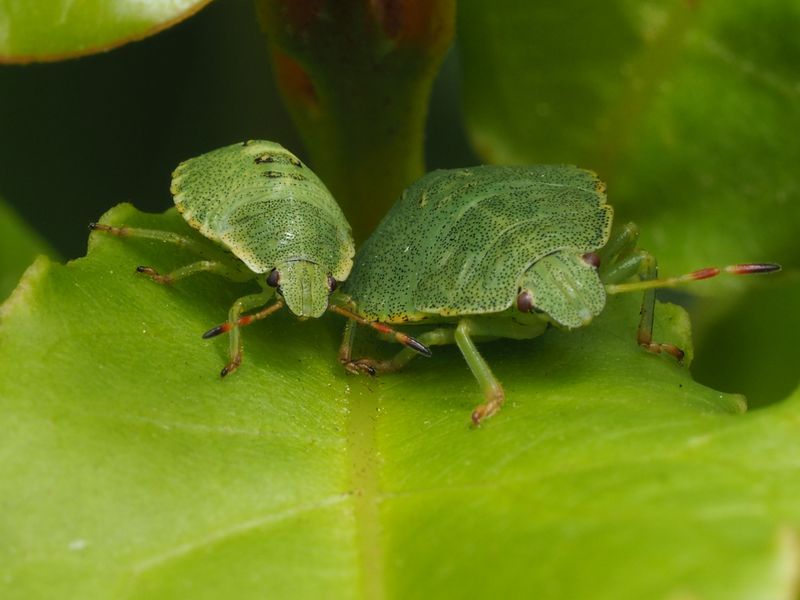
Unwanted pests are easy to overlook. Outdoor plants can carry tiny pests inside, where they spread to your other greenery.
Spider mites, aphids, mealybugs, and fungus gnats are common pests. Ants and even small spiders may hide in the pots, too.
Start by flipping over leaves and checking the undersides closely. Look for webbing, sticky residue, white fluff, or tiny moving specks.
A magnifying glass or your phone camera zoom helps spot the smallest pests. Mites can be smaller than a grain of sand, so look closely.
A gentle shower with the garden hose knocks off many pests before the move. Let the plant dry in the shade afterward so leaves do not scorch.
Insecticidal soap or neem oil makes a great follow up treatment. Spray all leaf surfaces, including stems and the spots where leaves meet stems.
Soil can hide critters as well. Soaking the pot in a bucket of water for fifteen minutes forces bugs to crawl out.
Some gardeners repot plants with fresh potting mix for extra peace of mind. It is a good chance to upgrade cramped roots after a summer growth spurt.
Once inside, keep newcomers apart from your other plants for about two weeks. That short quarantine lets you catch any pests that slipped past inspection.
Yellow sticky traps near the pots can catch flying pests like fungus gnats. Check them every few days to see if anything is buzzing around.
6. Ease The Move With A Slow Transition
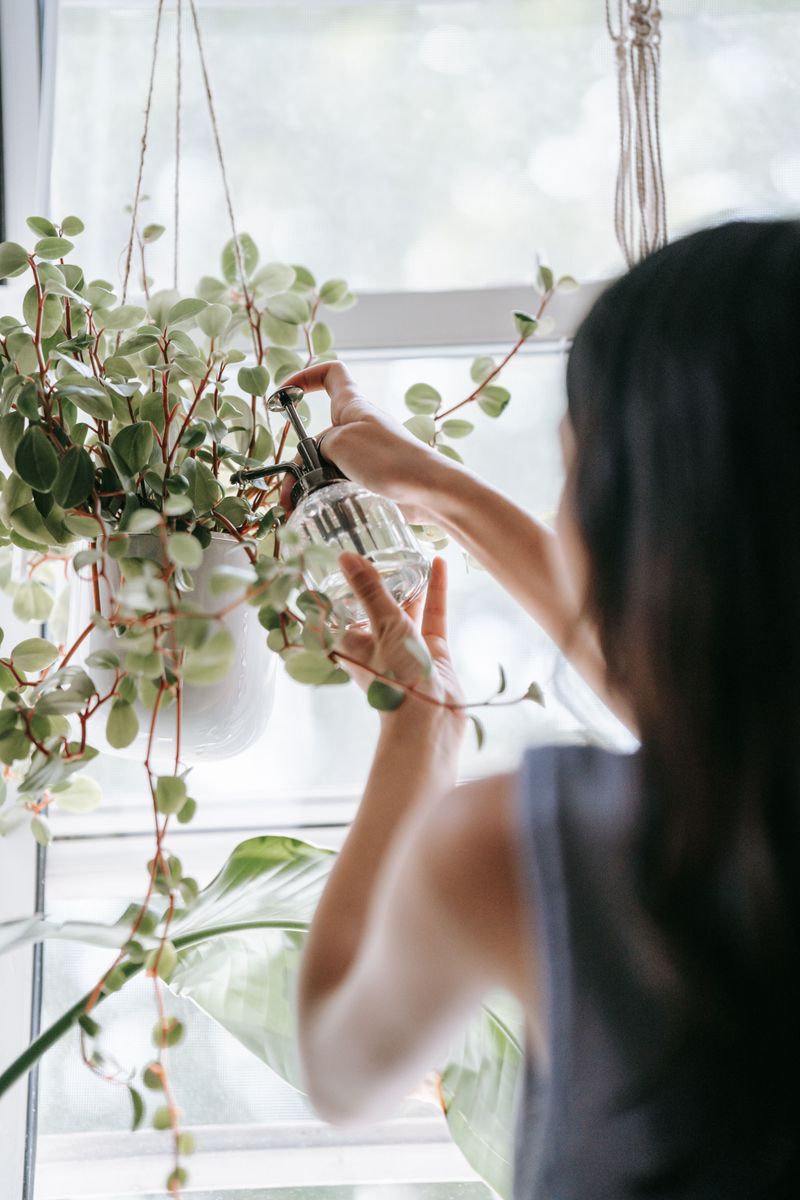
Imagine leaving a sunny beach and walking straight into a dim basement. Your plants feel a similar shock when moved indoors all at once.
Outdoor light is far stronger than anything inside a typical home, even near windows. Sudden changes can cause yellowing leaves and dropped foliage.
A gradual shift helps plants adjust smoothly. Start about a week or two before nights regularly hit 50 degrees.
First, move pots into a shadier spot outdoors, like under a tree or covered porch. Softer light lets them adjust while they still enjoy fresh air.
After a few days, bring them inside at night and back out during warm days. Some gardeners use a garage or sunroom as a halfway house.
A plant dolly or rolling stand makes the back and forth much easier. Heavy pots can strain your back, so lift with your legs.
Wipe the outside of each pot before carrying it across your floors. Muddy saucers and dripping bottoms can leave stains on carpets and wood.
Keep an eye on indoor heat sources while settling plants in. Radiators, heating vents, and fireplaces dry out leaves faster than you might expect.
Expect a little leaf drop during the first couple of weeks. A few yellow leaves are normal and do not mean you failed.
Rotate pots every week so each side gets a fair share of window light. Otherwise, stems may lean dramatically toward the glass like curious kids.
7. Pick The Brightest Indoor Spot For Winter
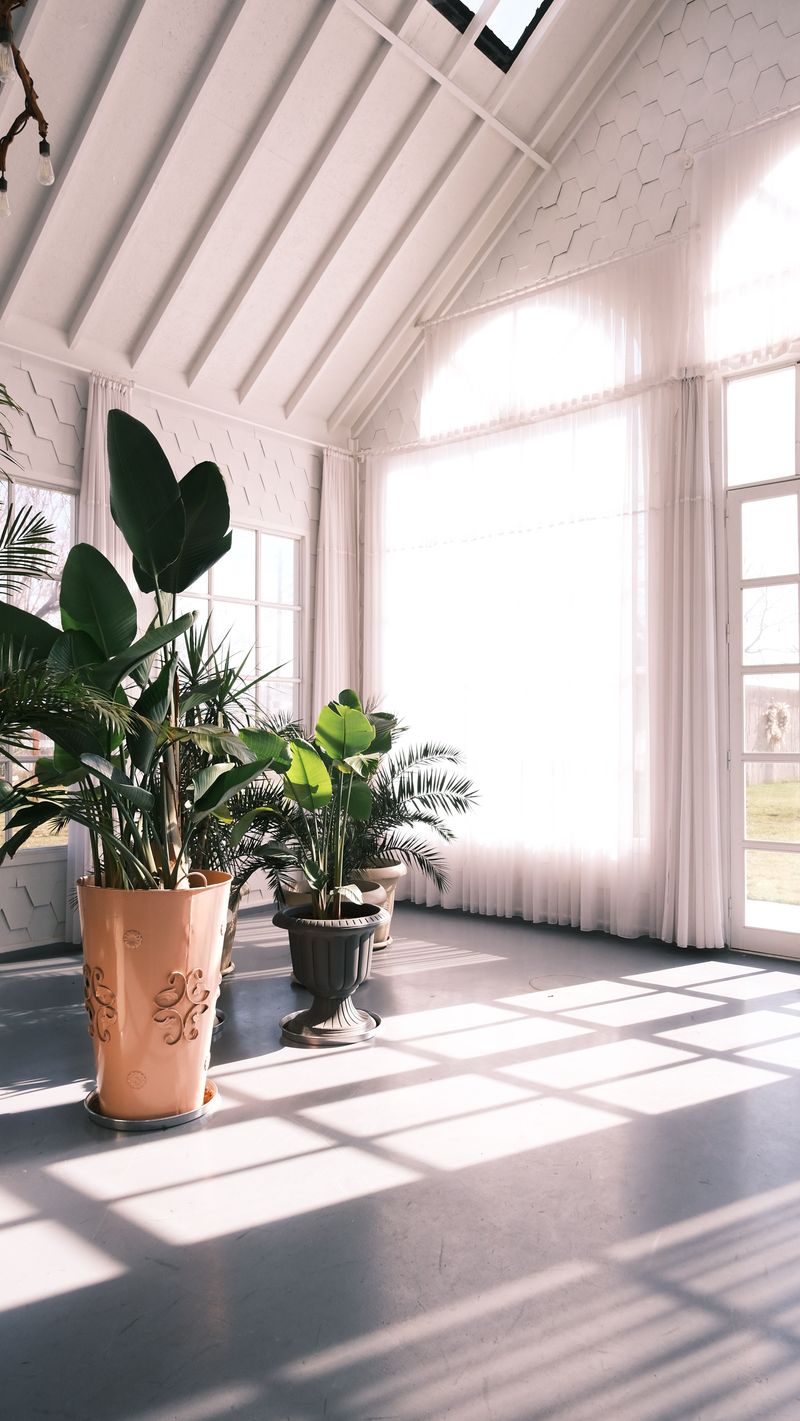
Winter sunlight in New Jersey is weak and short, with only about nine hours of daylight in December. Choosing the right spot makes a clear difference.
South facing windows are the best choice for sun loving plants. They deliver the most hours of bright light during the cold months.
East and west windows work well for medium light plants like pothos and philodendrons. North windows suit low light lovers such as snake plants and ZZ plants, but keep them off cold glass.
Keep pots a few inches away from cold glass on frosty nights. Leaves pressed against icy windows can get chilled, even indoors.
Avoid placing plants near drafty doors that open and close all day. Blasts of cold air can stress tropical plants as much as a chilly porch.
Grow lights are a smart backup if your home lacks good windows. Affordable LED models fit on shelves and use very little electricity.
Set grow lights on a timer for about twelve to fourteen hours each day. Plants love routine, and you will not need to remember the switch.
Indoor air also gets dry once the heat kicks on. Grouping plants together or running a small humidifier helps tropical leaves stay happy.
Try a pebble tray under sensitive plants for a small, local humidity boost. Fill a shallow dish with stones and water, then rest the pot on top.
Wipe dusty leaves with a damp cloth every few weeks. Clean leaves soak up more light, which matters a lot during gloomy winter days.
8. Adjust Watering And Feeding Once Inside
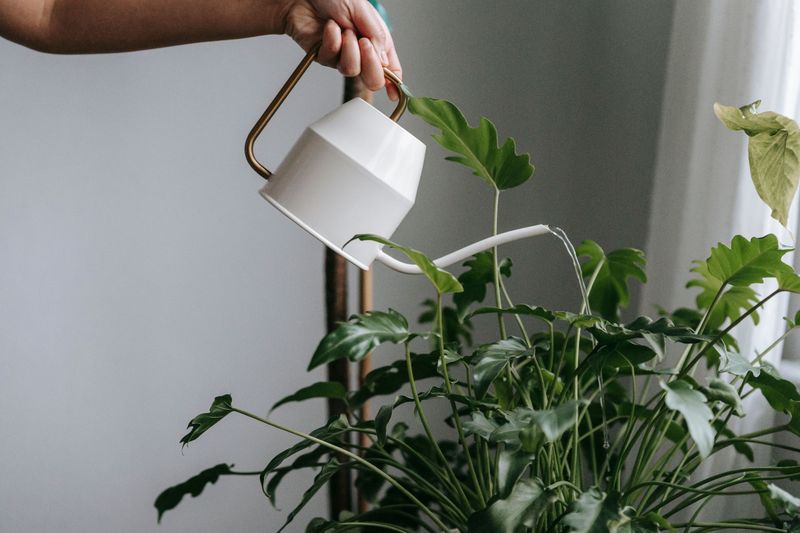
Here is a habit that trips up many plant parents every fall. Indoor plants need far less water in winter than they did on the sunny summer deck.
Cooler temperatures and shorter days slow plant growth way down. Less growth means roots drink less, so soil stays wet much longer.
Overwatering is one of the top reasons indoor plants struggle in winter. Soggy soil invites root rot, fungus gnats, and moldy smells.
Before watering, push a finger about two inches into the soil. If it still feels damp, wait a few more days and check again.
A moisture meter takes the guesswork out if finger testing feels messy. These handy gadgets cost just a few dollars at most garden centers.
Many plants that needed water twice a week outside may only need it every one to two weeks, depending on the plant, pot, and home. Succulents and snake plants can go even longer.
Room temperature water is gentler on tropical plants than icy tap water. Let a filled watering can sit out for a while before use.
Fertilizer can take a break until spring. Most houseplants rest from about November through February, so extra food just builds up salts in the soil.
Make sure every pot has drainage holes and empty saucers after watering. Standing water around roots can lead to root problems.
Come March, when days grow longer, you can slowly increase watering and feeding again. Your plants will reward you with fresh leaves and plenty of spring energy.