What It Means When Gardenias Set New Buds In A Florida October
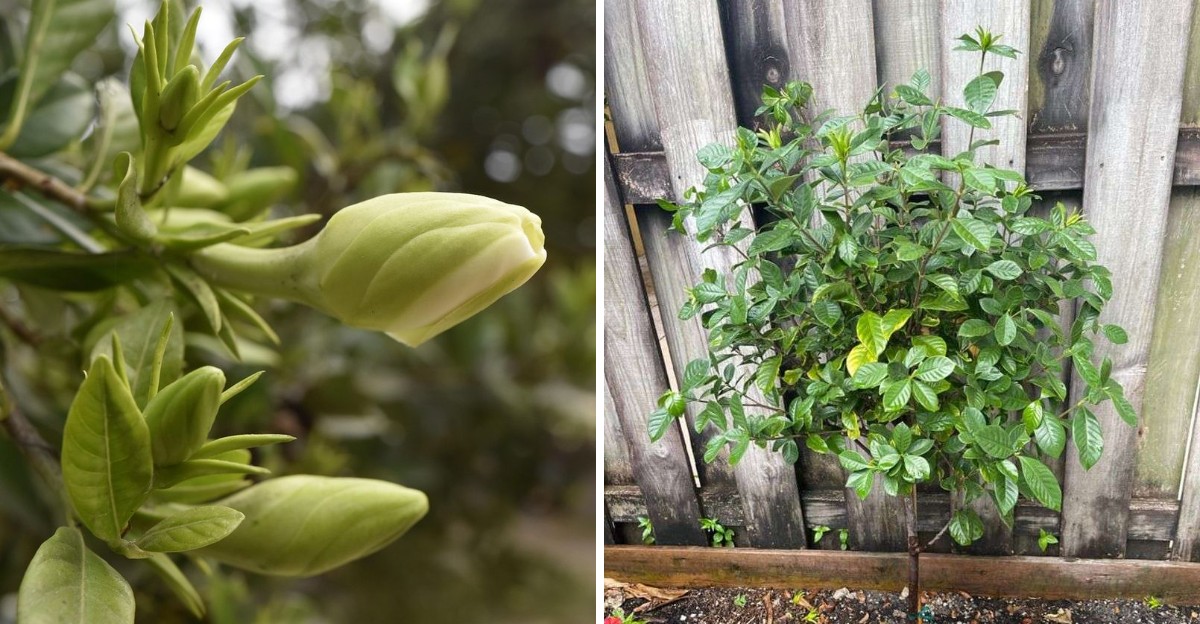
Spotting fresh green buds on your gardenia in October can make you wonder if the plant has its seasons mixed up.
Most gardenias bloom heavily in late spring, so buds this late can seem out of place.
Some varieties are known for reblooming, and warm fall weather can encourage a second round of flowers. Other buds may be forming for next year, which is a different situation.
Knowing which one you are looking at changes how you should care for the plant right now.
A mild Florida fall can keep gardenias growing longer than they would farther north. That extra growth is not always a problem, but tender buds can suffer if a cold snap arrives.
Look at where the buds sit on the stems and how large they are.
1. Fresh Buds In October Can Be Completely Normal
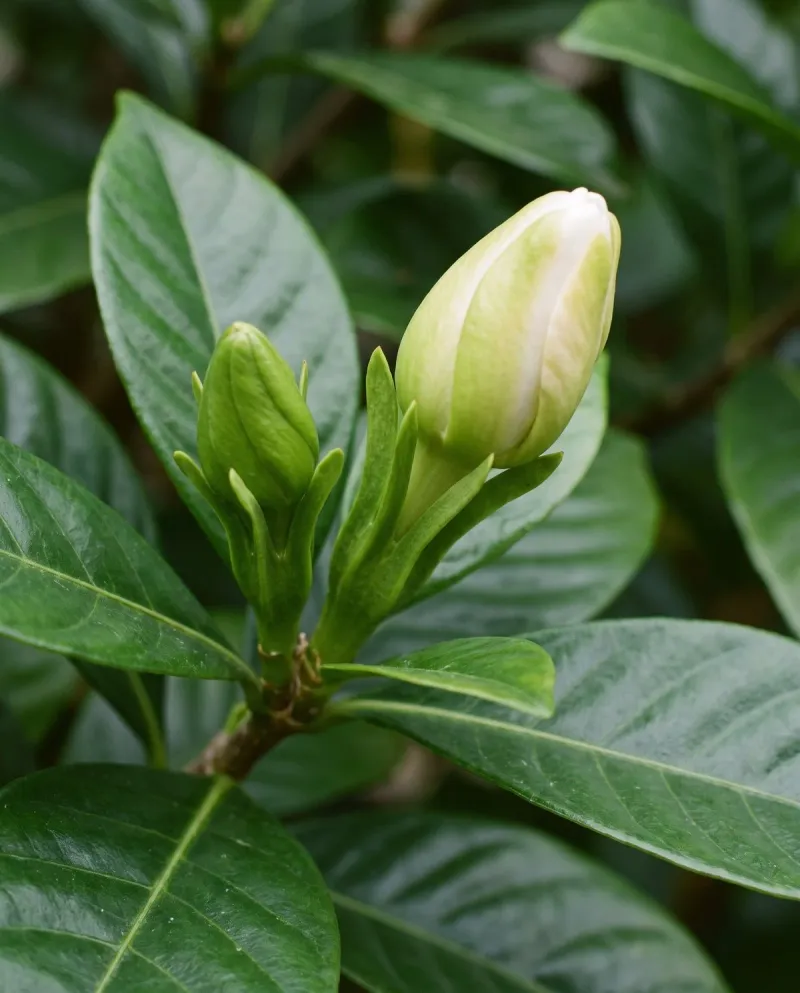
Relax, your gardenia is probably fine. Fall buds are a regular sight in warm-weather gardens, and they rarely signal a problem by themselves.
Gardenia flowering patterns vary by cultivar, and Florida’s long growing season can allow some plants to produce flowers beyond their main bloom period.
In Florida, that mix shows up often in fall, especially after the summer heat starts to ease.
So the buds you see may simply be the plant reacting to a pleasant change in the weather.
Healthy leaves are a good sign to look for alongside the buds. Deep green foliage without heavy yellowing usually means the shrub has the energy to support new growth.
Yellow leaves with green veins can point to a nutrient issue, often iron or magnesium, which is common in alkaline soils.
Check the buds every week or so to see how they develop. Some may continue developing, while others can drop if growing conditions become unfavorable.
Either outcome can be normal, depending on your variety and local conditions.
Keep up with steady care rather than changing your routine because of the buds. Regular watering, mulch, and a little patience tend to work better than sudden feeding or heavy trimming.
2. Cooler Weather Can Slow The Development Of Gardenia Buds
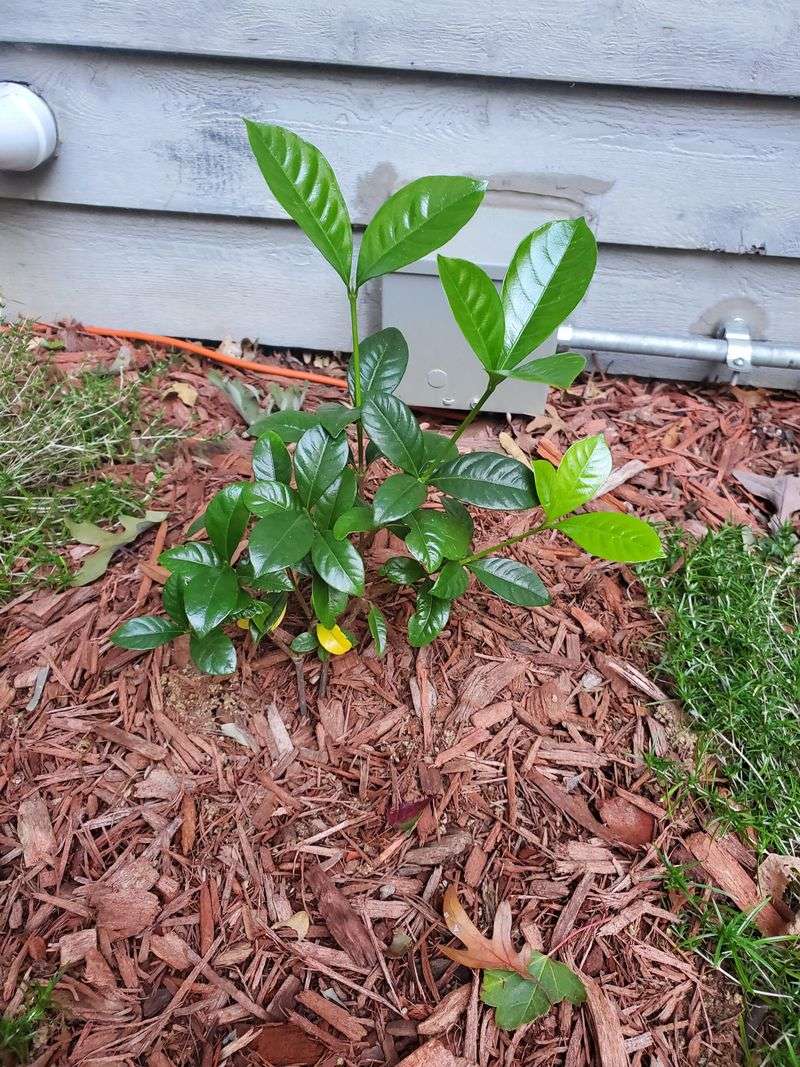
Not every bud is in a hurry.
Gardenia buds may develop more slowly as temperatures cool, and unusually cool weather can also contribute to bud drop.
Gardeners sometimes worry when buds stay small for weeks, but slow progress is often part of the plan.
Cooler weather tends to slow growth, so a bud may hold its size for a long stretch.
Your location matters here more than you might expect.
Gardens in North Florida see more cold nights, so buds there may stay tight longer or get damaged by frost. South Florida gardens often stay mild enough that buds keep inching forward through winter.
Central areas fall somewhere in between, and results can change from one year to the next.
Watch for buds that turn brown, soft, or loose at the base. Those are less likely to open, while firm green buds are usually still on track.
Your Florida Garden Changes Every Week. Your Plan Should Too.
Gardening in Florida changes quickly throughout the season. Every Friday you’ll receive a simple weekly plan showing exactly what to plant, prune, fertilize, harvest, and protect so you never miss the right timing.
Steady moisture helps these waiting buds hang on through the season.
A two to three inch layer of mulch can keep roots evenly moist and a bit warmer on chilly nights. Just keep the mulch pulled back a few inches from the main stem to reduce rot risk.
Keep conditions steady and watch whether the buds remain firm and continue developing.
3. Reblooming Varieties May Produce Another Round Of Fall Flowers
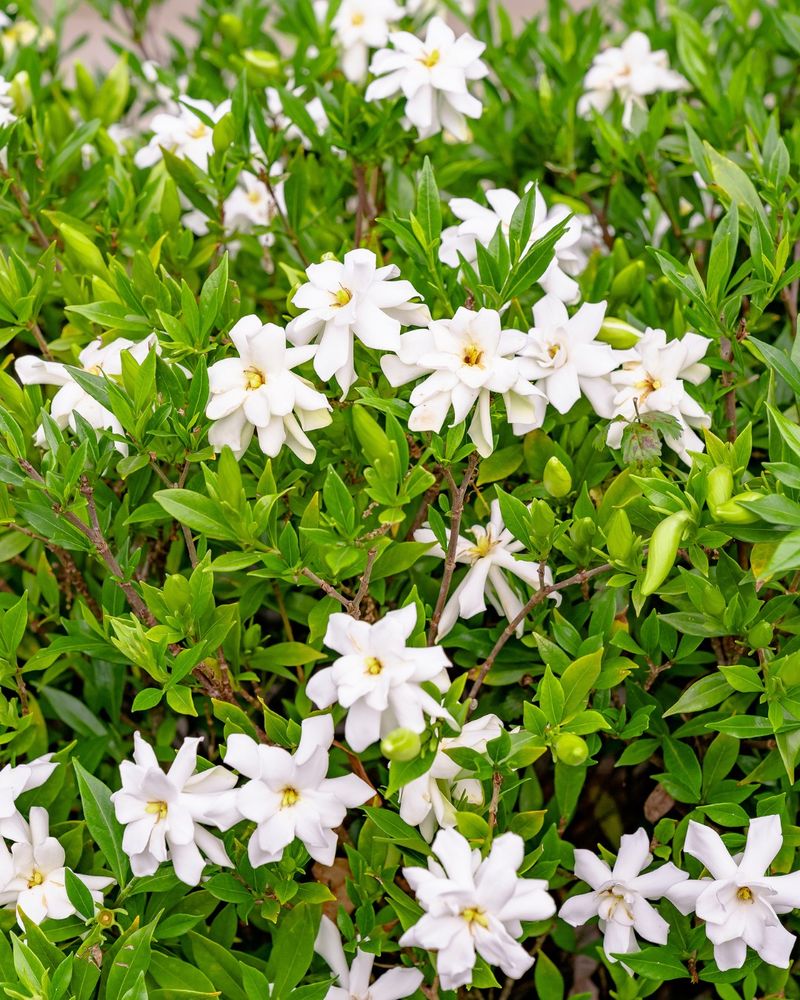
Surprise blooms in fall? Some gardenias are bred to do exactly that.
Reblooming types, such as certain cultivars sold under names like Jubilation or the Everblooming selections, can flower more than once in a year. Their main show still tends to come in spring, but a smaller fall round is common.
Check your plant tag if you still have it, since it often lists whether the variety reblooms.
No tag? Think back to whether the shrub flowered in summer or past autumns.
A plant with a history of repeat blooming will likely keep that habit when growing conditions stay favorable.
Fall flowers on reblooming types are often fewer and sometimes smaller than the spring flush.
That is not a sign of trouble. The plant simply has less energy and shorter days to work with, so it puts out a lighter crop.
Florida’s long warm season can give rebloomers extra time to set buds, though results vary by region and by year.
To support that second round, give the plant a light feeding with an acid-loving shrub fertilizer in late summer, following the label. Skip heavy late-fall feeding, since soft new growth can be easily hurt by cold.
Enjoy the fragrance on cool evenings, because fall blooms may last a bit longer when temperatures drop.
4. Some Varieties Form Flowers On Both New And Older Growth
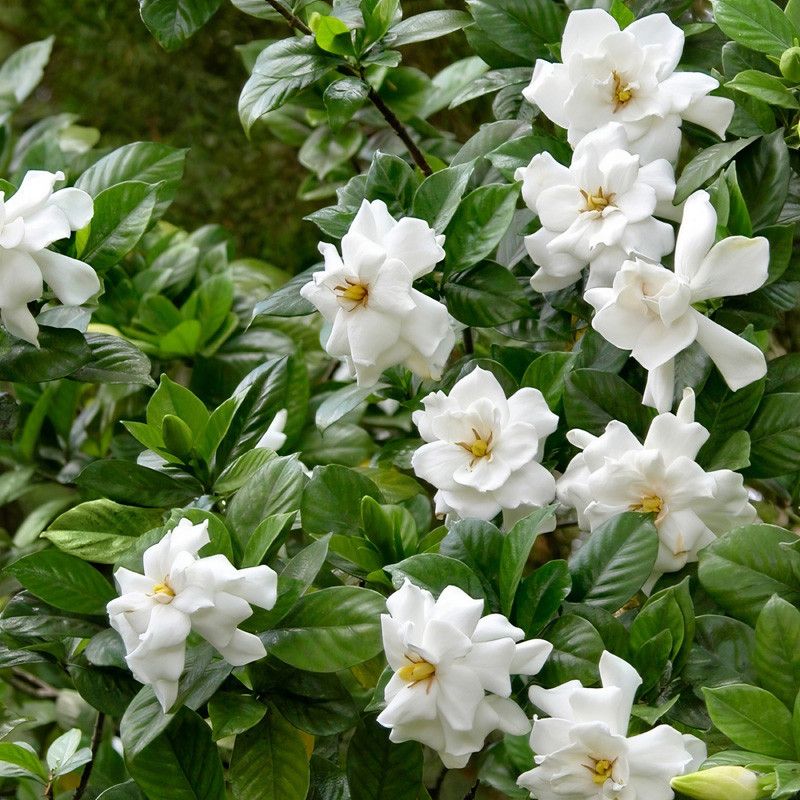
Old wood or new wood makes a real difference. Where a gardenia sets its buds affects how you should prune it and what you can expect each season.
Traditional gardenias mostly form flower buds on older growth from the previous season.
Reblooming selections can flower on both older stems and fresh shoots. That trait helps explain why they keep producing buds after the main spring bloom ends.
Take a close look at your shrub in October and notice where the buds are sitting.
Check your cultivar when possible, because some gardenias flower on old wood only while others can flower on both old and new growth.
Knowing this helps you plan your trimming without guessing.
Gardeners across Florida often prune at the wrong time simply because they did not know which type of growth carried the flowers. A quick check of the stems can save you a lot of lost blooms.
Encourage healthy new shoots with consistent watering and mulch during dry fall weeks.
Avoid heavy fertilizing late in the year, especially in cooler northern areas. Tender shoots that push out too close to winter tend to be more easily damaged when a cold front rolls through.
5. Dry Soil And Weather Stress Can Cause Developing Buds To Drop
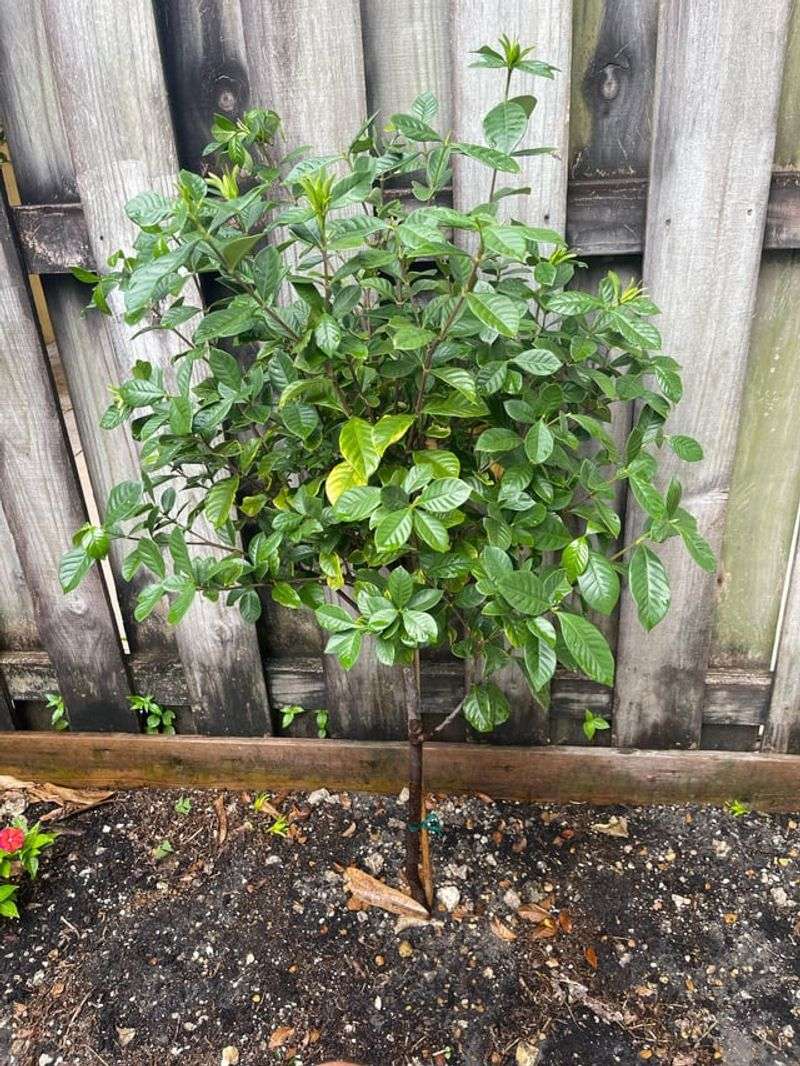
Bud drop is frustrating, and it often starts at the roots. Gardenias are known for dropping buds when conditions swing too far in one direction.
October can turn dry in parts of Florida once the summer rainy season fades, and sandy soil drains fast.
Dry soil is one of the most common reasons buds fall before opening. Push a finger about two inches into the soil, and water deeply if it feels dry.
Too much water can cause trouble as well, since soggy roots struggle to take up nutrients.
Aim for soil that stays evenly moist but not wet. A slow, deep soak once or twice a week often works better than a quick daily sprinkle, though your soil type will shape the right schedule.
Sudden temperature changes can also trigger bud drop.
A hot afternoon followed by a chilly night can stress the plant, and there is not much you can do about weather. Mulch and steady watering can help soften those swings a little.
Pests like aphids, mealybugs, and whiteflies may add stress too, so check the undersides of leaves.
Losing a few buds is normal and usually not worth worrying about. Heavy, repeated bud drop is a sign to look closer at watering, pests, and soil health.
6. Avoid Heavy Fall Pruning That Could Remove Future Flowers
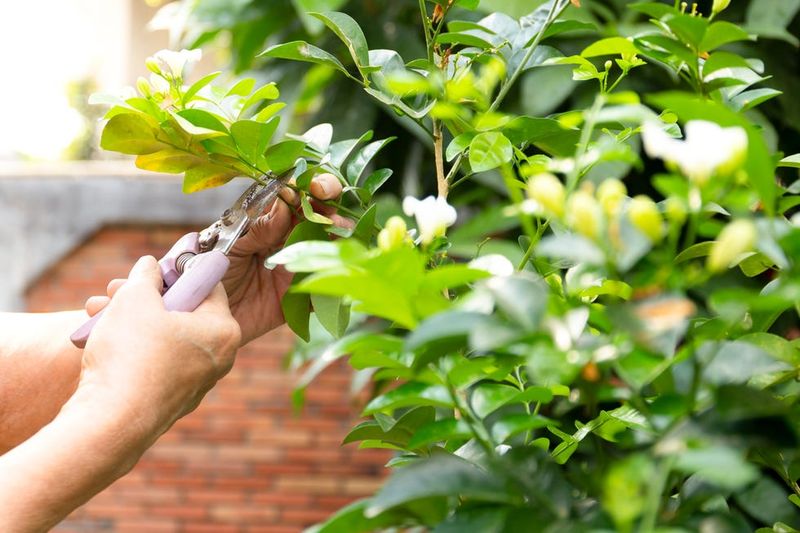
Put the shears down for a moment. A big fall trim can quietly remove a large share of next spring’s flowers.
Gardenias often set buds for the coming season by late summer and fall, so cutting now may take them off before you ever see them.
Most gardeners do best pruning soon after the main spring bloom finishes. That timing gives the shrub several months to grow new stems and form fresh buds before cooler weather.
Light touch-ups in October are usually fine.
Snip out broken branches, crossing stems, or any growth that looks diseased. Clean your blades between cuts, especially if you are removing sick wood.
Shaping can wait, even if a few stems look a little wild right now.
Homeowners in Florida sometimes trim in fall to tidy up after summer growth, which is understandable. Still, a shrub that looks a bit shaggy in October may reward you with far more blooms in spring.
Reblooming types are a bit more forgiving because they can flower on new shoots. Even so, heavy cuts late in the year can reduce the number of buds and leave fresh growth exposed to cold.
When in doubt, cut less and wait until after spring flowering to do any serious shaping.
7. Protect Tender Growth When Frost Threatens
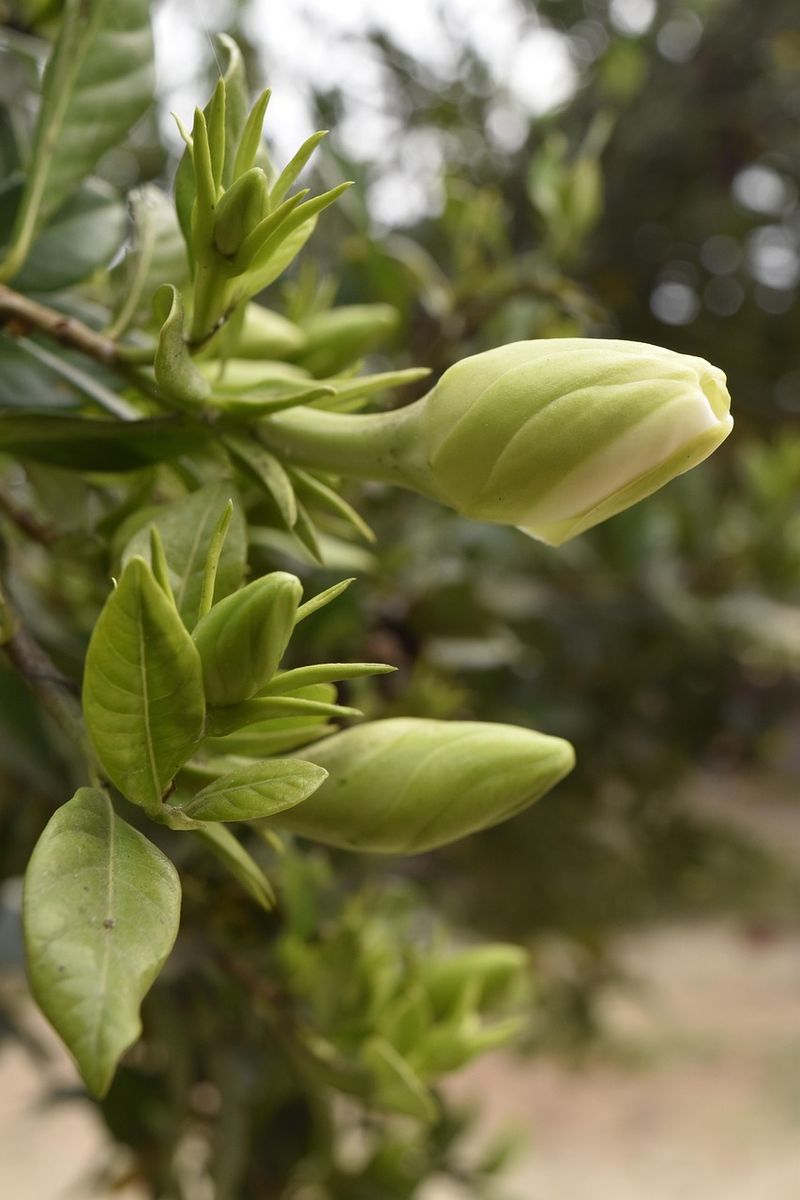
One cold night can undo weeks of bud growth. Gardenias are fairly hardy shrubs, but their buds and tender new shoots are more sensitive than the older leaves.
Frost risk depends heavily on where you live in Florida, so keep an eye on your local forecast.
North Florida gardens may see frost from late fall into winter in many years. Central areas get occasional cold snaps, while much of South Florida rarely needs frost protection at all.
October frost is uncommon in most of the state, but planning ahead makes sense for later months.
Keep a breathable frost cloth or old bedsheet ready when a freeze warning shows up. Drape it over the shrub in the evening, letting it reach the ground to hold in warmth from the soil.
Remove the cover the next morning once temperatures rise above freezing.
Plastic sheeting is not a great choice if it touches the leaves directly. It can transfer cold to the plant and trap moisture, which may cause more damage than it prevents.
Watering a day before a cold night can help, since moist soil tends to hold heat better than dry soil.
Potted gardenias are easier to protect. Move them into a garage or against a warm wall until the cold passes.