Why Low Spots In Your Yard Frost Before The Rest Of The North Carolina Garden
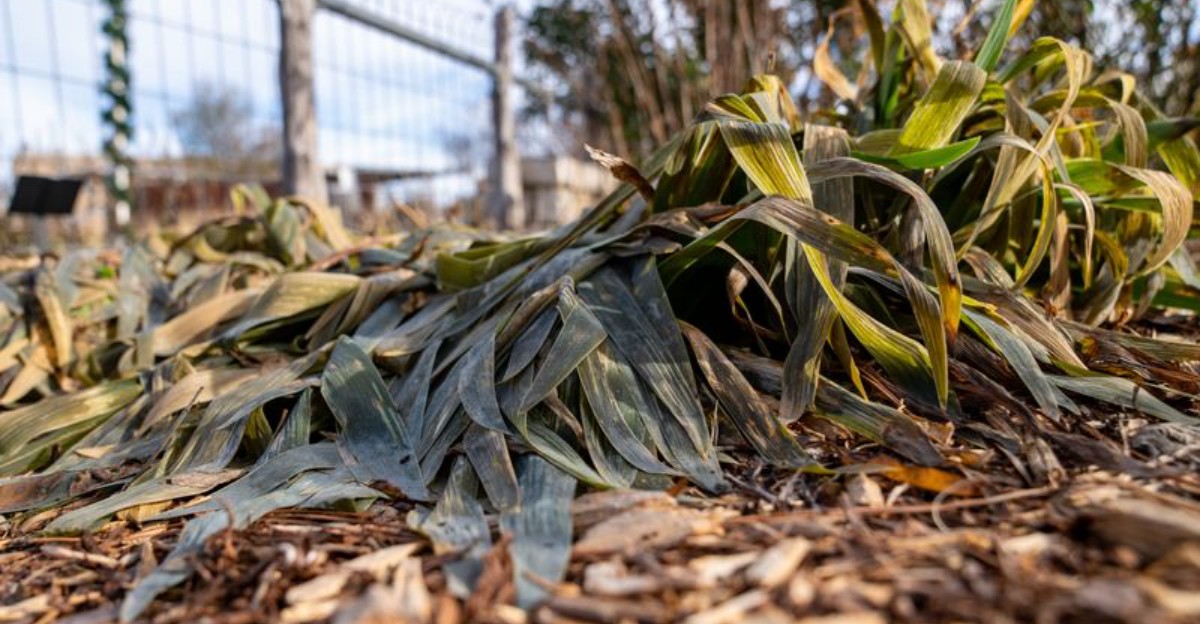
Picture a crisp October morning, with the grass crunching softly under your slippers. One corner of the yard glitters with white crystals, yet the rest looks green and ordinary.
Gardeners across the Piedmont often notice this odd pattern in fall, and it puzzles even seasoned growers. Tomatoes on the hill seem fine, while basil down by the ditch looks wilted and dark.
The difference can be a few feet of elevation, which hardly seems like enough to matter. Still, nature plays by rules that stay invisible until you step outside before sunrise and notice them.
Air in those dips feels sharper on your cheeks, almost like opening a chilly refrigerator door. Your breath shows up in small clouds there, a quiet sign that the air is colder.
Even the neighborhood cat seems to know which corner of the yard to skip on mornings like this. Your yard keeps a secret weather map, and the low ground quietly holds its coldest chapter.
Cold Air Slides Downhill Like Water

Think of cold air as an invisible syrup that pours across your lawn after the sun goes down. Chilly air is heavier than warm air, so it slowly slides toward the lowest ground it can find.
Once it settles into a dip, ditch, or hollow, that cold pool just sits there until morning sunlight arrives. Meanwhile, the warmer air floats above it like a cozy blanket hovering over the higher parts of your yard.
Scientists call this process cold air drainage, and it happens in valleys and backyards all across the state. Mountain towns near Asheville see it on a large scale, while Piedmont lawns show a smaller version.
Even a slope of a few feet can create a noticeable temperature gap on calm nights. That small gap matters a lot when the air hovers right around the freezing point in early October.
Ground surfaces also lose heat quickly after dark, especially bare soil, grass, and mulch that faces the open sky. As those surfaces chill, they cool the air touching them, which then trickles downhill to join the cold pool.
Picture a bathtub filling up from the bottom, with the coldest water gathering at the deepest point first. Your yard behaves in a similar way, so the lowest beds feel winter’s first nibble before anything else.
Walk your property at dawn after a clear night and look for patches of white on the lowest grass. Those frosty spots act like a map, showing exactly where cold air likes to gather and linger.
Clear Calm Nights Bring The First Chill

Weather forecasters in Raleigh often warn about patchy frost in low areas, and there is a solid reason behind it. Patchy frost forms mostly on nights when skies are clear, winds are light, and the air feels dry.
Clouds act like a lid on a pot, trapping warmth near the ground and slowing the nightly cooldown. Without that lid, heat escapes straight up into space, and the ground cools surprisingly fast after sunset.
Your North Carolina Garden Changes Every Week. Your Plan Should Too.
Gardening in North Carolina changes quickly throughout the season. Every Friday you’ll receive a simple weekly plan showing exactly what to plant, prune, fertilize, harvest, and protect so you never miss the right timing.
Wind matters too, because a steady breeze stirs the air and mixes cold pockets with warmer layers above. On still nights, nothing breaks up the chilly puddle, so it deepens hour by hour in the hollows.
In much of North Carolina, the first light frost often shows up between mid October and mid November. Mountain counties usually see it sooner, sometimes in late September, while coastal towns may wait until late November or early December.
Low spots can feel that first bite a week or two earlier than the official frost date suggests. Those dates come from weather stations, which usually sit on open, level ground rather than in shady dips.
Keep an eye on the evening forecast during early fall, especially when lows are expected in the upper thirties. A predicted low of 36 degrees can still mean frost at the bottom of a sloping backyard.
Calm, starry evenings feel lovely for sitting on the porch, but they often signal trouble for tender plants. Treat those clear skies as a friendly reminder to check your low beds before heading inside for bed.
A Hedge At The Bottom Can Hold The Cold

My neighbor once planted a tidy row of boxwoods along the bottom of her yard for extra privacy. By the next October, her pepper plants just uphill from that hedge were the first to show frost damage.
Her hedge acted like a dam, stopping cold air from draining away and making the chilly pool grow deeper. Solid fences, stone walls, sheds, and thick shrubs can all block the natural flow of air downhill.
Plenty of homeowners do not realize that a new privacy fence can change how cold moves across their property. The air piles up behind the barrier, creating a frost pocket where none existed before the project.
Planting tender crops or young fruit trees right above that barrier often leads to disappointment and wasted effort. Late beans, peppers, and potted herbs tend to struggle first when they sit in these trapped zones.
Fixing the problem does not mean tearing out every fence, though a few small changes can help quite a bit. Leaving a gap at the bottom of a fence lets cold air slip through and keep flowing downhill.
Thinning the lower branches of a dense hedge works in a similar way, opening a path for the chill. Early fall pruning should stay light, since heavy cuts this late can push tender growth before winter arrives.
Take a slow walk along any barrier at the low end of your yard after the next cold night. Frosty grass piled against one side tells you the air is stuck and could use an escape route.
Quick Fixes For Chilly Hollows This Fall
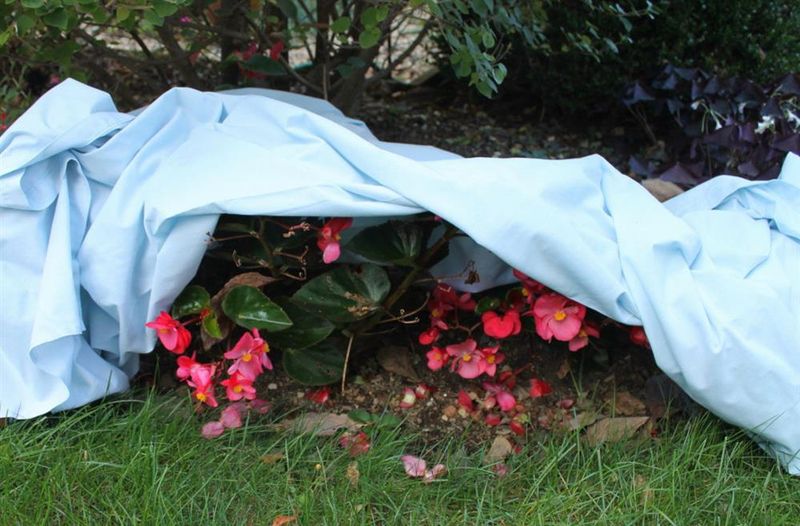
A bedsheet, a few buckets, and a little planning can save a surprising number of plants this October. Simple tools from the garage can protect plants well on a mild frost night.
Covering plants in the late afternoon traps warmth that the soil soaked up during the sunny fall day. Let old sheets, frost cloth, or cardboard boxes drape all the way down to the ground for best results.
Avoid plastic touching the leaves directly, because it can transfer cold and leave burned spots by morning. If plastic is all you have, prop it up with stakes so a pocket of air separates it from plants.
Watering the soil a day before a cold snap also helps, since moist ground holds and releases heat better. Dry, fluffy soil loses warmth quickly, leaving roots and low leaves exposed to the chill that settles overnight.
Potted plants sitting in a low corner can simply move uphill or onto a porch for the night. Even a spot near the house foundation stays a few degrees warmer, thanks to heat leaking from inside.
Jugs of water placed around tender plants soak up sun and release a little warmth after dark. Dark colored jugs work best because they absorb more sunlight during bright October afternoons.
Remove covers by mid morning once temperatures climb, so plants can breathe and soak up the sunshine. Leaving them on too long can cause overheating, which stresses plants as well.
Blackened Leaves Tell The Real Story
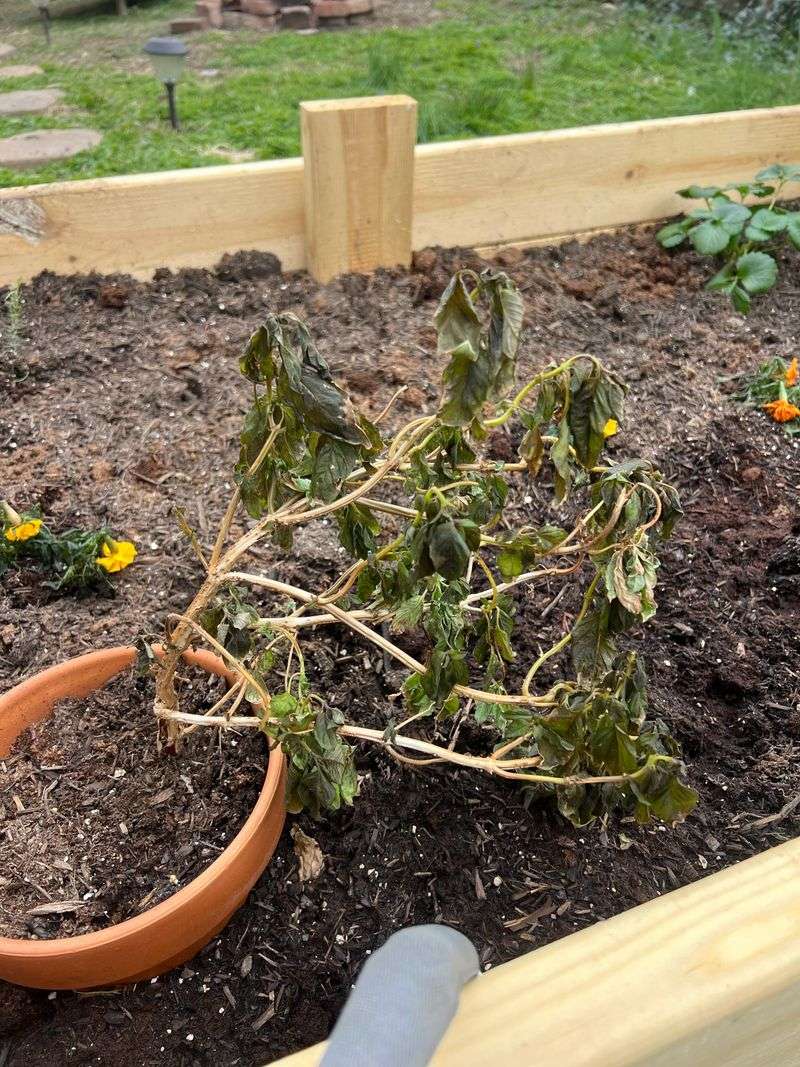
Basil can blacken after a single cold night, which makes it a useful early warning plant. When basil in a low bed darkens while uphill basil stays green, you have found a classic frost pocket.
Frost damage happens when ice forms around plant cells and draws water out of them, which damages the cell walls. Once those walls break, leaves turn limp, watery, and dark, usually by the afternoon following a cold night.
Tomatoes, peppers, squash, and sweet potato vines are among the first crops to show this kind of injury. Ornamentals like coleus, impatiens, and elephant ears also sulk quickly when the low ground turns frosty.
Hardier fall crops behave very differently, and many North Carolina gardeners rely on them through the cooler months. Collards, kale, and turnips can shrug off light frost, and collards may even taste sweeter afterward.
Fun fact: cold weather pushes collards to turn starches into sugars, which act like a natural antifreeze inside leaves. Southern cooks have known for generations that greens picked after a frosty morning taste better on the table.
Resist the urge to prune damaged leaves right away, since they can shield the inner growth from future chills. Wait a few days to see which stems recover, then trim the mushy parts with clean, sharp shears.
Snap a few photos of the damaged areas, because they create a helpful record for planning next season. Over a couple of years, those pictures reveal patterns that a quick glance at the yard might miss.
Smarter Bed Placement For Future Seasons
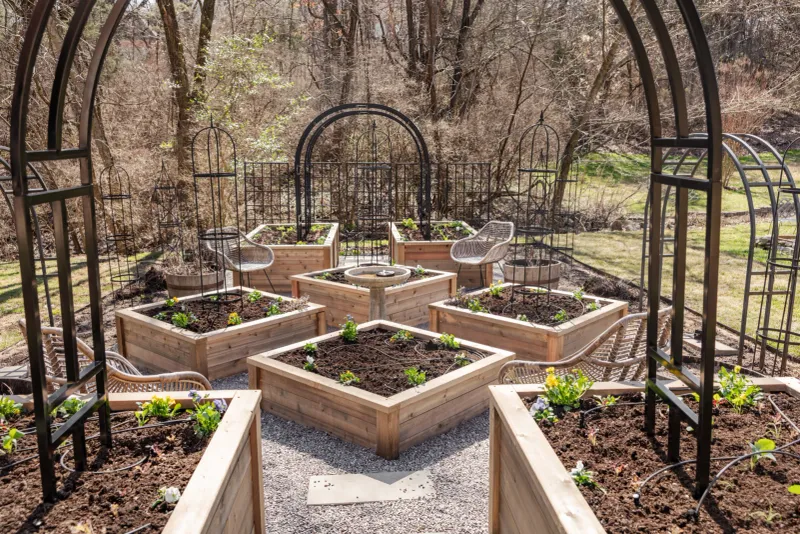
Good garden planning starts with a simple question about where water flows during a heavy autumn rain. Cold air tends to follow those same paths, so puddle spots often double as the chilliest spots too.
Save the higher, sloping parts of your yard for tender crops, young fruit trees, and early blooming shrubs. Peaches and blueberries in particular benefit from upper slopes, where spring blossoms face less danger from late cold.
Low ground still has value, especially for tough plants that handle cold snaps with plenty of grace. Native shrubs like inkberry holly, along with cabbage, spinach, and garlic, can tolerate those cooler pockets well.
Mid October through November is a great time to plant garlic in North Carolina, and chilly hollows suit it nicely. Fall is also ideal for planting trees and shrubs, since warm soil helps roots settle in before winter.
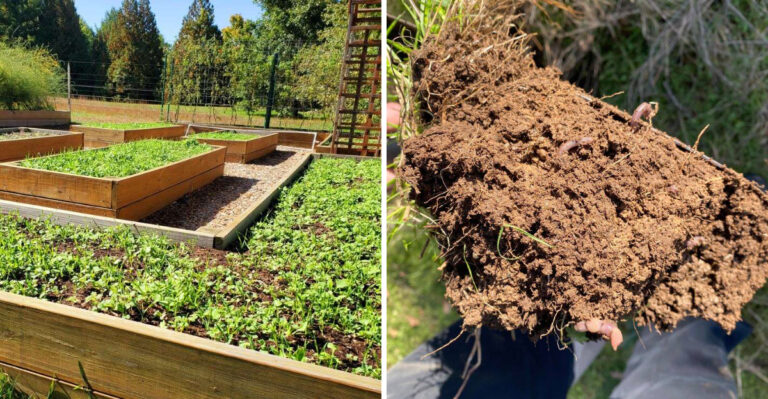
Raised beds offer another clever trick, lifting roots and stems above the coldest layer of settling air. Even twelve inches of extra height can make a noticeable difference on those calm, clear autumn nights.
A cheap outdoor thermometer placed in your lowest bed can reveal just how chilly that spot gets. Compare its morning reading with one near the house, and the temperature gap will likely surprise you.
Jot those numbers in a garden notebook each fall to build a personal frost map of your yard. With a few seasons of notes, you can place every plant where it has the best chance to flourish.