Act Now To Protect Your New York Hydrangeas Before Nights Get Colder
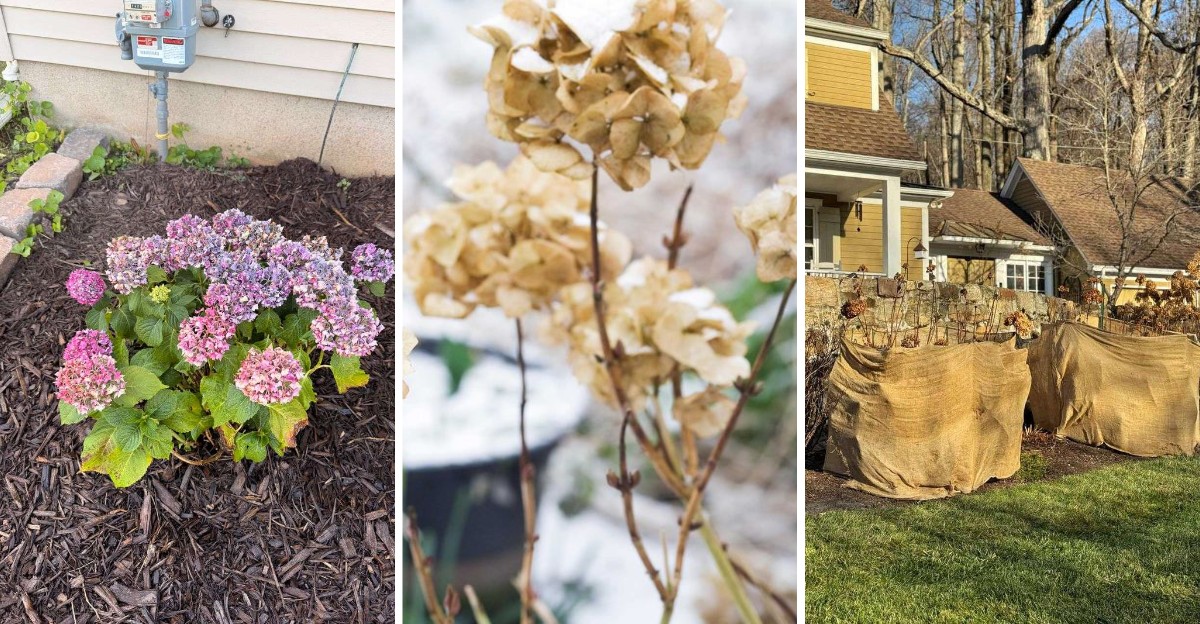
That crisp bite in the evening air is a warning for your hydrangeas. Across New York, fall nights are sliding toward frost faster than most gardeners expect.
Bigleaf types already carry next summer’s flower buds on their stems. A hard freeze can damage those buds before you even grab a jacket.
Luckily, a few simple moves right now can make a huge difference. Smart watering, a cozy layer of protection, and a little patience with your pruners do most of the work.
These steps fit almost any yard, from a Buffalo lot to a Brooklyn backyard. Get them done this week, and next July could bring a shrub loaded with blue and pink blooms.
1. Water Deeply Before The Soil Chills
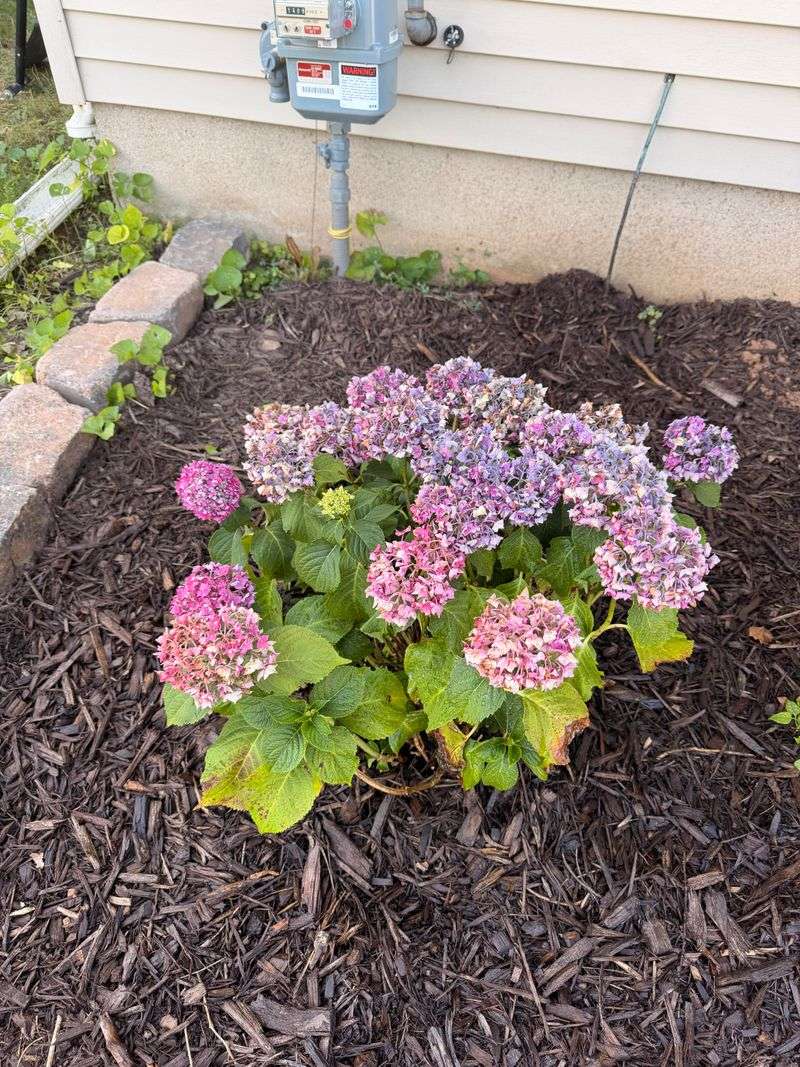
Picture a camel loading up on water before a long desert trek. Your hydrangea needs the same kind of drink before winter arrives.
Roots keep working until the ground freezes solid, even after leaves start to fade. Moist soil also holds warmth better than dry soil, which helps protect those roots.
Winter wind is sneaky and thirsty. It pulls moisture from stems and buds long after the plant goes dormant.
Give each shrub a slow, deep soak instead of a quick sprinkle. A soaker hose running for about an hour works nicely for most mature plants.
Check the soil with your finger before each watering session. Let the top inch dry out a bit between soaks to avoid soggy roots.
Fall rain in New York can be generous one year and stingy the next. Keep a simple rain gauge nearby so you know when to step in.
Cool weather slows evaporation, so plants need water less often than in July. Once a week usually does the job during a dry autumn stretch.
Overwatering brings its own trouble, including root rot in heavy clay soil. Aim for soil that feels like a wrung-out sponge, not a muddy puddle.
Morning is the best time to water during chilly weeks. Leaves and soil surfaces dry before nightfall, which keeps fungus problems away.
Plan one final deep soak right before the ground starts to freeze. Mark it on your calendar for late November in most regions.
Fun fact: well-watered roots can handle cold better than parched ones. Hydrated plant cells resist freeze damage more effectively during long winter nights.
2. Stop Fertilizing So Stems Can Harden Off
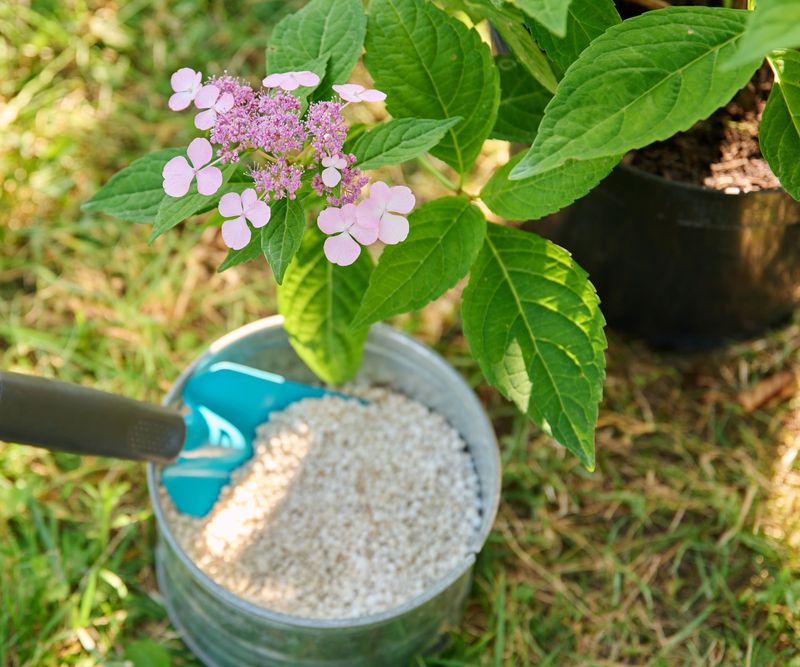
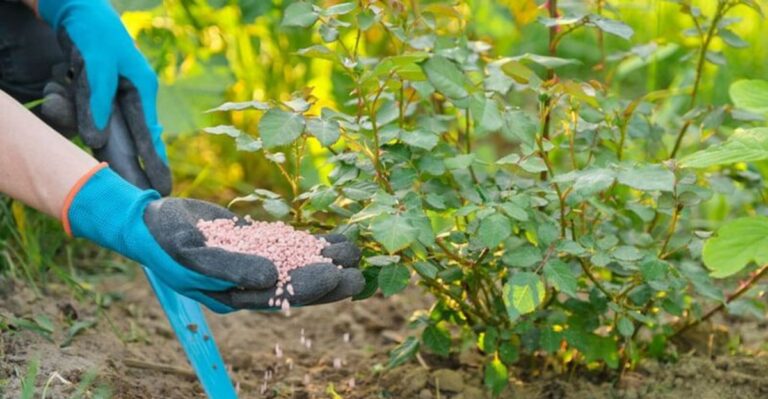
Feeding a hydrangea in fall is a bit like serving espresso at bedtime. The plant gets energized right when it should be winding down.
Fertilizer pushes out soft, leafy shoots full of water. Those tender stems have no time to toughen up before frost arrives.
Gardeners call the toughening process hardening off. Stems slowly turn woody and firm so they can survive freezing temperatures.
Put the fertilizer away by early September in most parts of the state. Northern and upstate gardeners may want to stop even sooner.
Fresh green growth in October is a warning sign, not a victory. A single cold night can blacken it and send damage deeper into the stem.
Your New York Garden Changes Every Week. Your Plan Should Too.
Gardening in New York changes quickly throughout the season. Every Friday you’ll receive a simple weekly plan showing exactly what to plant, prune, fertilize, harvest, and protect so you never miss the right timing.
Bigleaf types set next year’s buds on this season’s wood. Damaged stems often mean fewer flowers when summer rolls around again.
Slow-release pellets can keep feeding longer than you expect. Read the label, since some products last three months or more in the soil.
Compost is a gentler option if you want to enrich the bed. A thin layer adds nutrients slowly without triggering a growth spurt.
Lawn fertilizer can wander into flower beds too. Keep spreaders away from hydrangea roots during fall lawn care.
Spring is the right moment to feed again. Wait until new leaves unfold before offering a balanced meal.
Think of autumn as nap time for your shrubs. A rested plant wakes up stronger and ready to bloom.
3. Keep The Pruners In The Shed
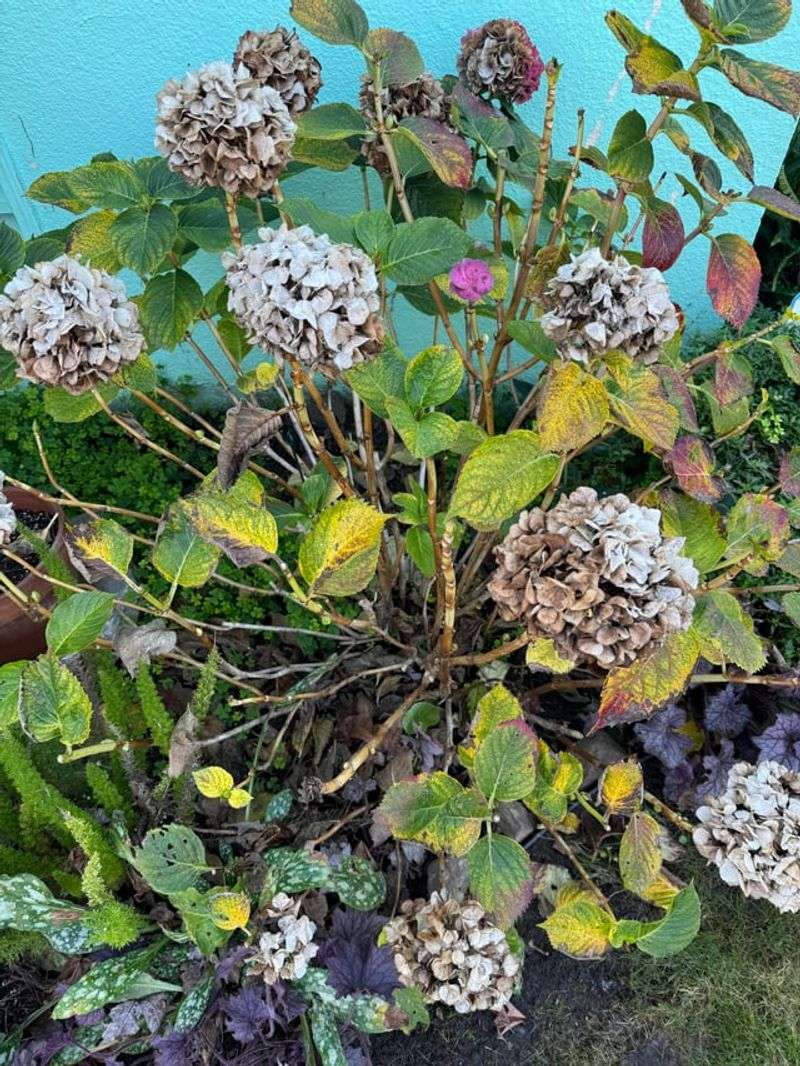
Every fall, eager gardeners grab shears and give hydrangeas a tidy haircut. Next summer, many of them stare at leafy shrubs with zero flowers.
Bigleaf and oakleaf hydrangeas bloom on old wood. Their flower buds are already tucked along the stems right now.
Cut those stems in October, and you snip off July’s show. Fat buds near the tips hold the most promise.
Fresh cuts also open wounds that cold air can enter. Pruned stems may suffer more winter damage than untouched ones.
Panicle and smooth hydrangeas bloom on new wood instead. Even so, late winter or early spring is a better time to shape them.
Not sure which kind you have? Look for cone-shaped flowers on panicle types and big white balls on smooth types like Annabelle.
A little cleanup is fine during fall. Remove branches that are clearly broken, diseased, or lifeless to keep the plant healthy.
Scratch a stem lightly with your fingernail to check it. Green tissue underneath means the branch is still alive and worth keeping.
Wipe your blades with rubbing alcohol before any small cuts. Clean tools help stop disease from spreading between plants.
Many gardeners hang their pruners on a hook as a reminder. Out of sight really can keep cutting out of mind.
Patience now pays off in color later. Your shrub will reward you with heavier blooms next season.
4. Mulch Over The Crown With Shredded Leaves
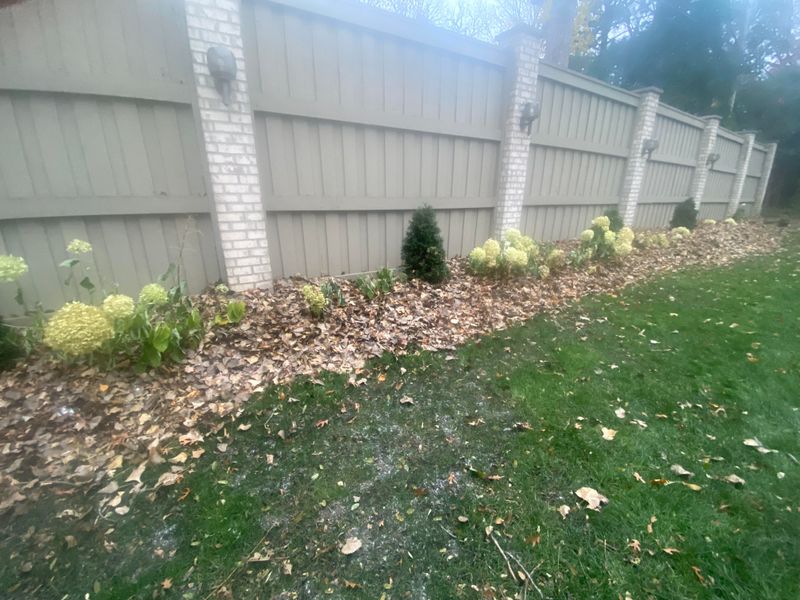
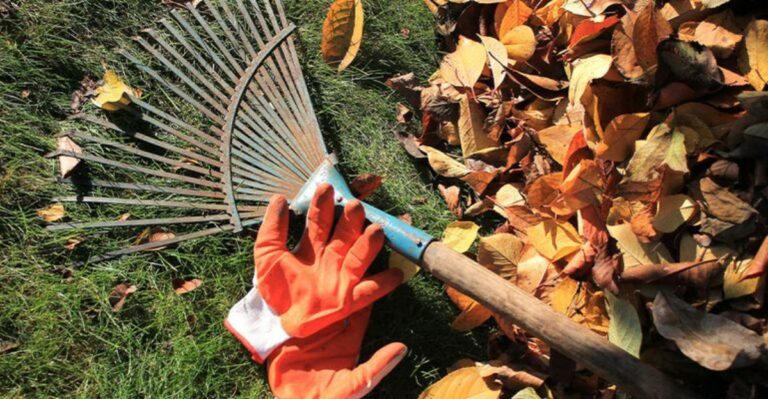
Those piles of maple and oak leaves on your lawn are free winter insulation. Your hydrangea’s crown would love a cozy blanket of them.
The crown is where stems meet the roots. Keeping it protected helps the plant bounce back quickly in spring.
Shred the leaves before spreading them out. Running a mower over a pile works well and takes only minutes.
Whole leaves can mat down into a soggy, airless layer. Shredded pieces stay fluffy and let water drain through easily.
Spread about 2 to 3 inches in milder spots like Long Island. Colder upstate gardens may need a thicker layer, up to a foot deep.
Leave a small gap of a few inches around each stem. Mulch piled tightly against bark can hold moisture and invite rot.
Timing matters more than many people think. Mulch after the first frost but before the ground freezes hard.
Freeze and thaw cycles can heave roots right out of the soil. A good mulch layer keeps soil temperatures steady and calm.
Straw and pine needles make fine backups if leaves are scarce. Avoid fresh wood chips near the crown, since they may hold too much dampness.
By spring, the leaves begin breaking down into rich organic matter. Your soil gets a slow, natural boost at no cost.
Neighbors bagging leaves at the curb? Ask nicely, and you may score a mulch jackpot.
5. Surround Bigleaf Types With A Wire Cage
Endless Summer, Nikko Blue, and other bigleaf varieties are the divas of the hydrangea world. They need extra pampering when temperatures drop near 5 to 10 degrees.
Their flower buds sit exposed on last year’s stems. Harsh cold and drying winds can damage them before spring.
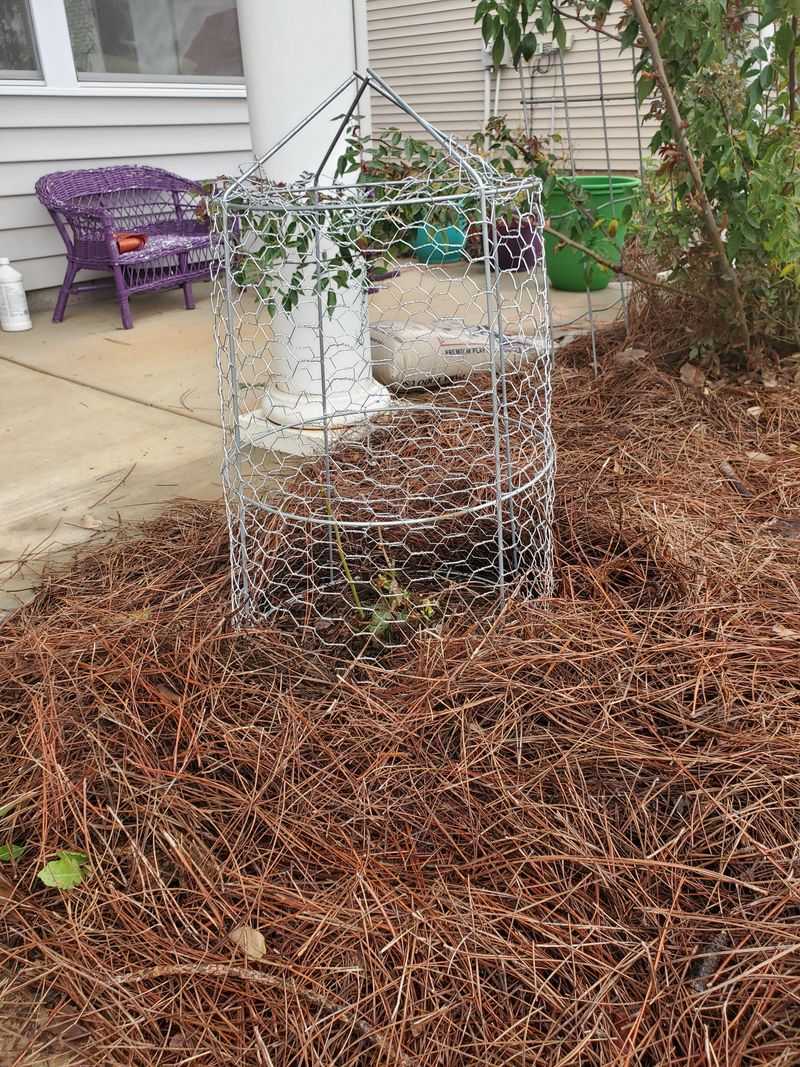
A simple wire cage creates a shelter around the whole shrub. Chicken wire or garden fencing both work well for the job.
Make the cylinder a little wider and taller than the plant. Stems should fit inside without bending or snapping.
Drive three or four wooden stakes into the soil around the shrub first. Wrap the wire around the stakes and secure it with zip ties.
Push the bottom edge of the cage a couple inches into the soil. A firm base keeps winter winds from tipping it over.
For bonus protection, wrap burlap around the outside of the wire. The fabric blocks wind while still letting air move freely.
Late November is a great time to build the cage in most of New York. The plant should be fully dormant by then.
Plan to remove it around mid-April once hard freezes fade. Watch the forecast and take it down gradually if needed.
Gardeners on the windy shores of Lake Erie swear by this method. Many report fuller blooms after even rough winters.
Store the wire flat in summer, and it will last for years.
6. Fill The Cage With Dry Leaves Or Straw
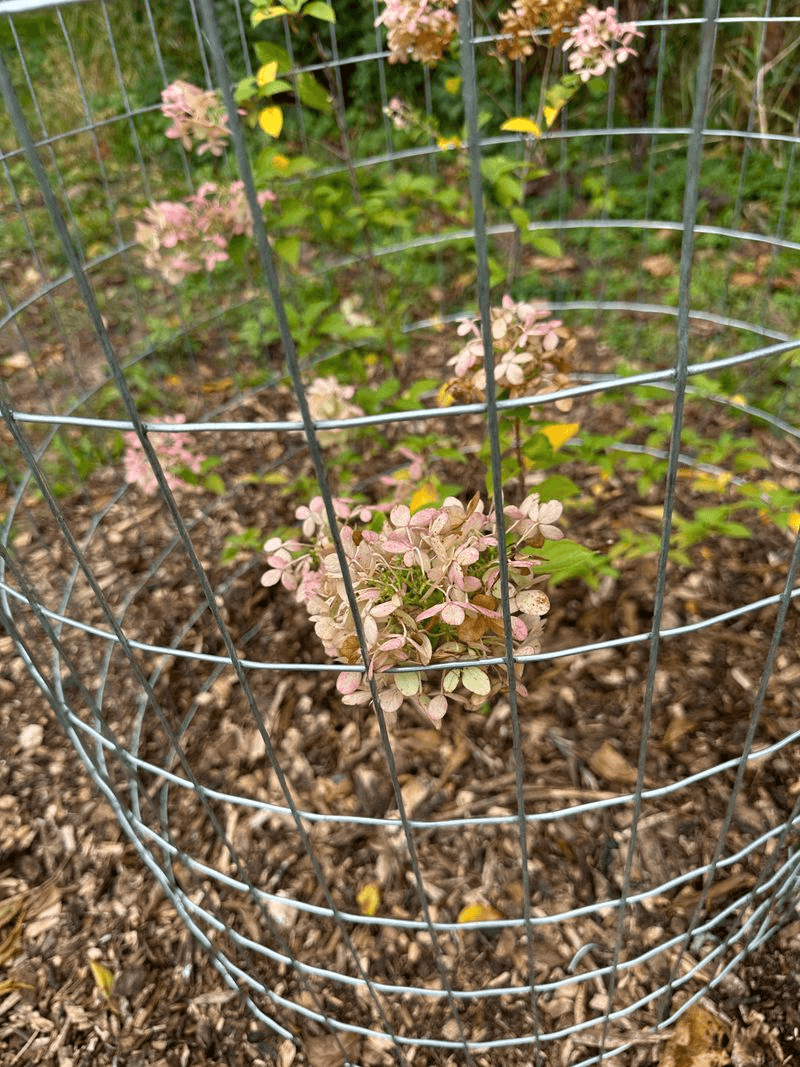
A cage without stuffing is like a sleeping bag with no filling. The real magic happens once you pack it with dry insulation.
Dry leaves, straw, and pine needles all trap pockets of air. Air acts as a buffer against bitter cold and whipping wind.
Gather your materials on a dry, sunny afternoon. Wet leaves clump together and can encourage mold inside the cage.
Oak leaves are a favorite because they curl and resist matting. Maple leaves work too, especially when mixed with straw.
Add the filling a handful at a time. Drop it gently around the stems rather than stuffing it down hard.
Pack loosely so the material stays fluffy. Tightly crammed leaves lose their insulating power and can hold too much moisture.
Be careful around the tips of each stem. Those plump buds hold next summer’s flowers and snap off easily.
Fill the cage right up to the top of the plant. A little extra on top helps shield the highest buds.
Settling happens over a few weeks. Check after big storms and top off any sunken spots.
Mice sometimes move into leafy cages for the winter. A ring of hardware cloth at the base can discourage these tiny tenants.
Come April, pull the leaves out slowly over several days. Dump them in the compost pile so nothing goes to waste.
7. Keep Frost Cloth Ready For Early Cold Snaps
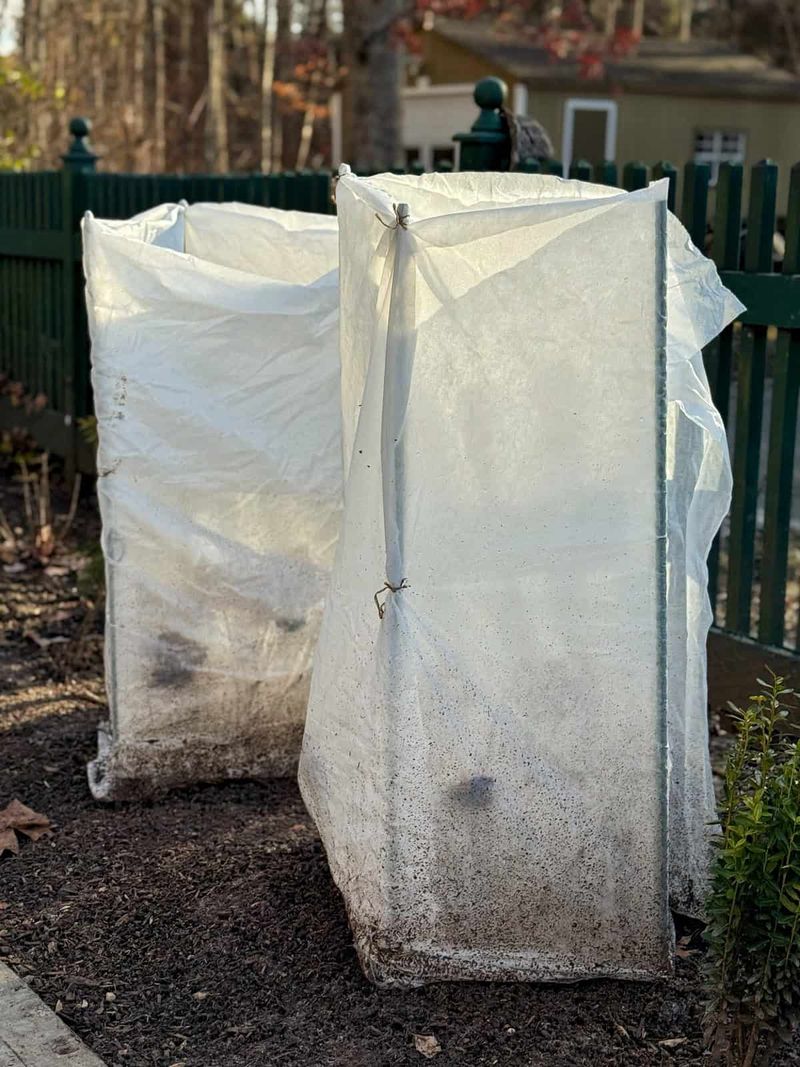
Weather in New York loves surprises. A balmy October afternoon can turn into a frosty night before dinner is done.
Frost cloth is your emergency blanket for those moments. Some people call it garden fleece or a frost blanket.
The lightweight fabric traps warmth rising from the soil. It still lets air and water pass through, so plants can breathe.
Buy a roll early in the season and keep it handy. Waiting until a freeze warning often means empty store shelves.
Drape the cloth over plants before the sun goes down. Covering early traps the warmth that soil soaked up during the day.
Try not to let the fabric rest directly on leaves. A few stakes or tomato cages can hold it up like a little tent.
Secure the edges with rocks, bricks, or landscape pins. Loose edges let cold air sneak in and flap around in the wind.
Uncover plants the next morning once temperatures climb. Leaving the cloth on all day can make things too warm underneath.
Burlap works in a pinch if frost cloth is not available. Old bedsheets can help on lighter frost nights too.
Set up a free weather alert on your phone for frost warnings. A quick buzz can save a whole season of buds.
Fold and store the fabric dry after each use. It will be ready for the next sudden chill.
8. Move Potted Hydrangeas Into An Unheated Garage
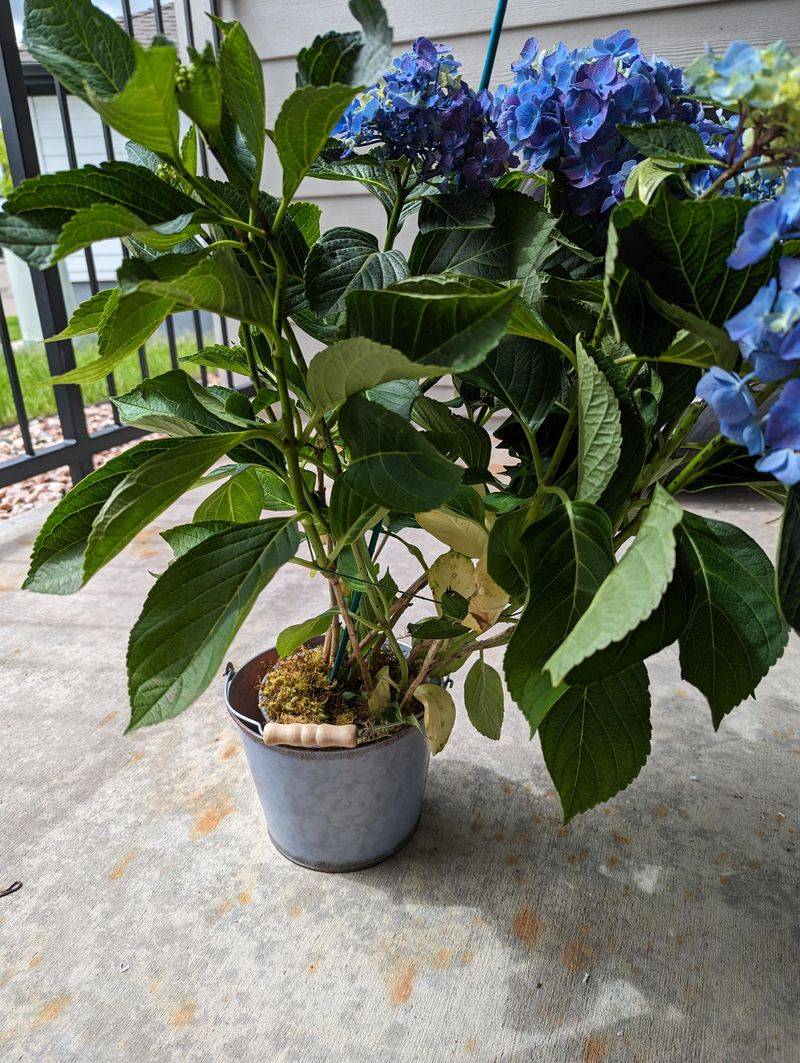
Potted hydrangeas face a tougher winter than their in-ground cousins. Their roots sit above ground, surrounded by freezing air on every side.
Soil in a container can freeze solid within days. Garden soil, by contrast, insulates roots far more effectively.
An unheated garage makes a smart winter hideout. A cool shed or chilly basement can work just as well.
Aim for temperatures between 40 and 50 degrees Fahrenheit. That range keeps the plant dormant without letting it freeze.
Skip the heated living room, even if it feels kind. Warmth can wake the plant too early and cause weak, spindly growth.
Place the pot on a wooden board or thick cardboard. Cold concrete floors pull warmth away from roots surprisingly fast.
Humid spaces can invite mold onto stems and soil. Crack a window now and then if air feels stuffy.
Check the soil about once a month during winter. Add a small drink of water whenever the top few inches feel dry.
Darkness is fine for a dormant plant. Leaves have already dropped, so light is not needed until spring.
Bring the pot back outside gradually in April. Start with a few hours of shade so it adjusts to the brighter world.
Many New York apartment gardeners use building storage rooms for the same trick. Any cool, sheltered space can become a winter retreat.
9. Skip Plastic Wraps That Trap Moisture
Plastic sheeting looks like an easy fix on a freezing night. Unfortunately, it can cause more harm than the cold itself.
Plastic does not breathe the way fabric does. Moisture from the soil and plant gets trapped underneath with nowhere to go.
Trapped dampness creates a perfect home for mold and rot. Stems may turn mushy and brown by late winter.
Sunny days bring another problem entirely. Plastic acts like a tiny greenhouse, heating the plant well above outdoor temperatures.
Warm afternoons can trick buds into waking up early. Then nighttime temperatures plunge, and the tender tissue freezes hard.
Bubble wrap carries the same risks, despite its puffy charm. Save it for packing dishes rather than wrapping shrubs.
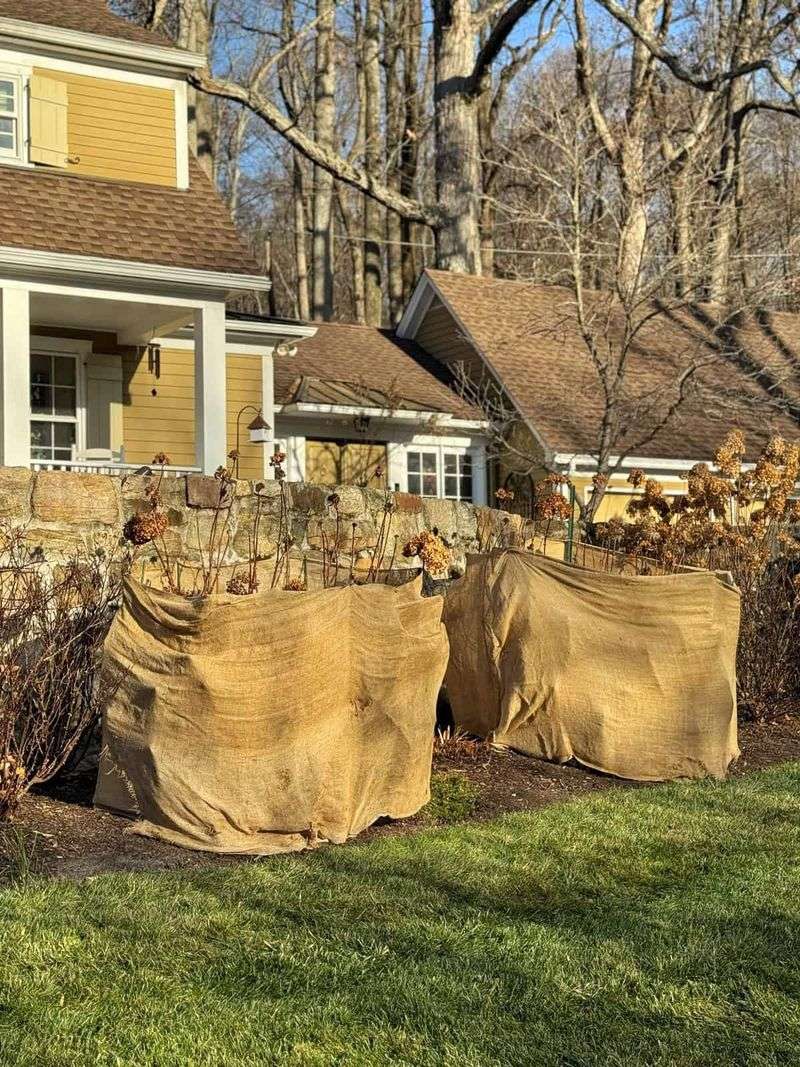
Breathable materials make far better choices. Burlap and horticultural fleece let air flow while blocking harsh wind.
Burlap is cheap at most garden centers and hardware stores. It also blends in nicely with a sleepy winter landscape.
If plastic is the only option during a sudden freeze, use it carefully. Remove it first thing in the morning before sun hits.
Never let plastic touch the leaves or stems directly. Contact spots freeze faster than the surrounding air.
Here is a quirky fact: early gardeners used straw mats to shield plants. Old-fashioned breathable covers still work wonders today.
10. Leave Faded Blooms On As Extra Insulation
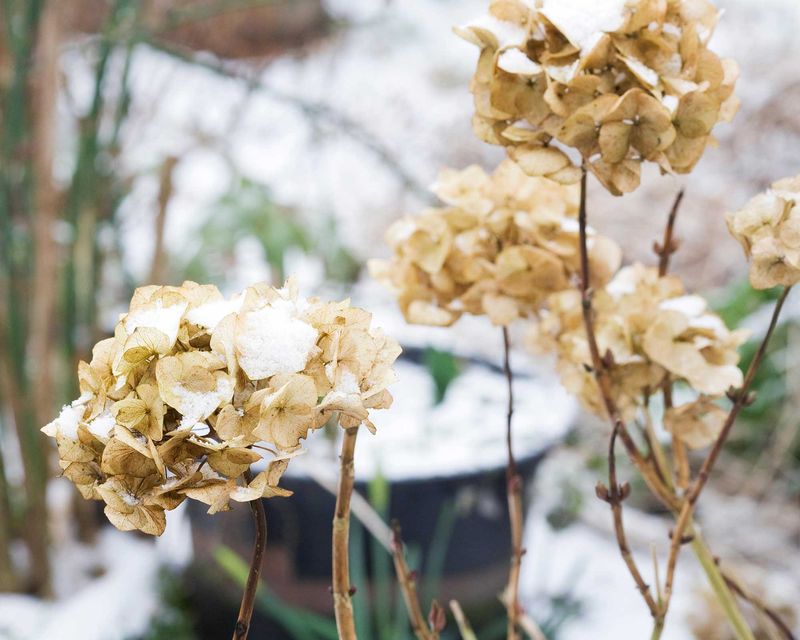
Those papery brown flower heads might look a little messy. Yet they quietly serve as tiny winter umbrellas for your shrub.
Dried blooms sit right above next year’s top buds. They catch snow and block icy wind from hitting the buds directly.
Gardeners in harsh winter regions often lean on this simple trick. It costs nothing and takes zero effort.
Removing faded blooms in fall carries real risk for bigleaf and oakleaf types. A careless snip can take next summer’s buds along with it.
Some experts argue trimming helps plants focus on roots and leaves. That benefit matters more during summer than late in the year.
When in doubt, let the old flowers stay put. Late winter or early spring is a safer window for tidying up.
Frosty mornings turn the dried heads into sparkling sculptures. Snow piled on top makes them look like scoops of vanilla ice cream.
Birds sometimes perch among the stems while searching for insects. Your garden stays lively even in the gray months.
Cut the old heads just above the first set of healthy buds in spring. Look for plump green buds before making any cuts.
Dried blooms also make lovely indoor arrangements. Snip a few from panicle types for a rustic winter vase.
Across New York, this lazy-looking habit helps hydrangeas greet summer with a bang. Sometimes doing less really is the smartest move.