7 Things That Attract Brown Recluse Spider To Your Texas Yard
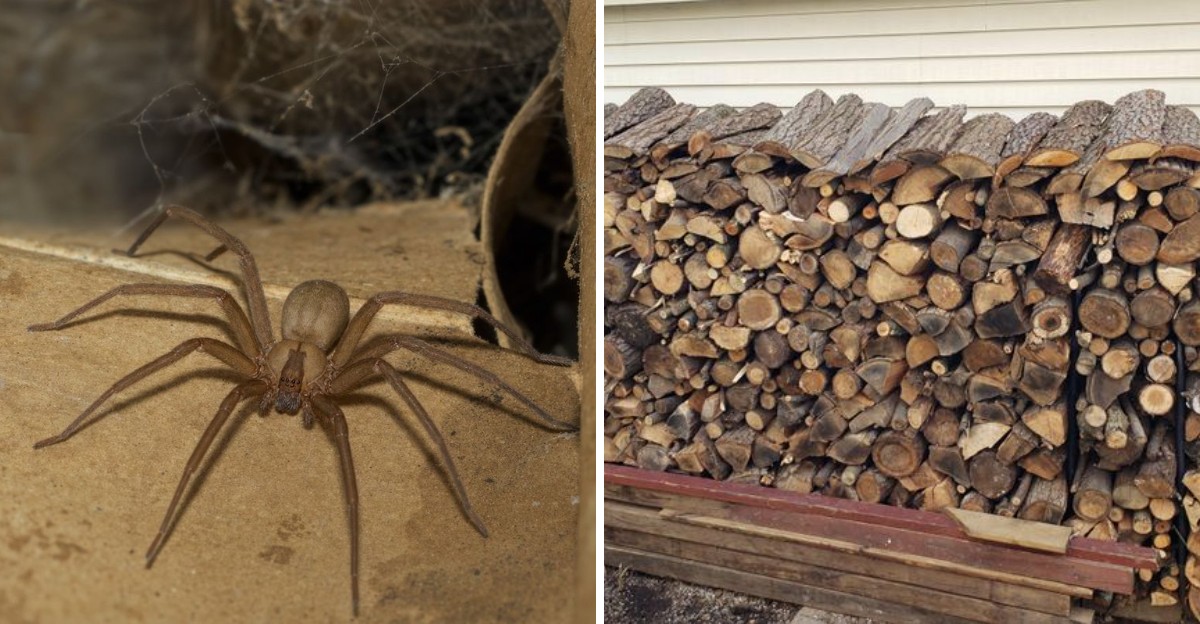
There’s a reason it’s called the brown recluse. This spider hates attention. It hides in dark, quiet corners, hunts at night, and does everything it can to avoid people. That shy nature is exactly what makes it tricky.
Brown recluses are common across much of Texas, and they’re experts at moving in unnoticed. They tuck themselves into woodpiles, stacked boxes, garden sheds, and clutter that rarely gets touched.
Most bites happen by accident, when someone reaches into one of those spots or slips on a pair of gloves that’s been sitting outside. While serious reactions are uncommon, a bite can still be painful and slow to heal.
Thankfully, these spiders don’t show up at random. Certain conditions in your yard make it much more inviting.
1. Clutter And Debris Piles
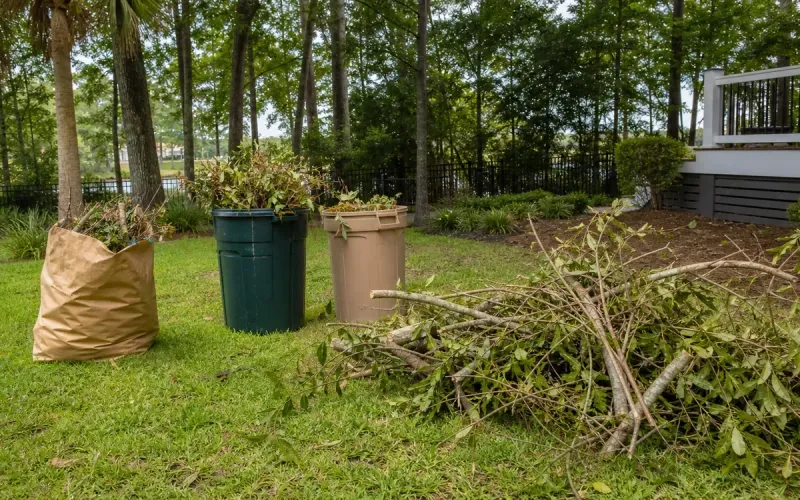
Every Texas yard seems to grow a junk corner over time. It starts with one leftover board from a fence repair. Then come the old tires, cracked flowerpots, and a broken lawn chair nobody wants to haul away.
To a brown recluse, that pile looks like a fancy hotel. These spiders hunt at night and spend their days tucked away in tight, dry gaps. Clutter gives them hundreds of tiny rooms to choose from, and nobody ever bothers them there.
Old tires are especially sneaky. They hold shade inside their curved walls and stay dry if they lie flat under a tree.
Stacked flowerpots act the same way, with small dark spaces between each pot. Even a forgotten tarp folded on the grass can shelter a whole group of spiders.
So what can you do? Start by picking one weekend to clear out the mess. Haul away anything you truly do not need, and donate or recycle what you can. For items you want to keep, store them up on shelves or racks instead of on the ground.
Always wear thick gloves and long sleeves while you clean. Lift items slowly and look before you grab.
A long-handled rake or grabber tool can help you move things without putting your hands into hidden gaps.
After the big cleanup, make it a habit to walk your yard once a month. Look for new piles that sneak up, like stacked pavers or bags of mulch. Keeping things tidy is not just about looks.
A neat yard simply gives recluses fewer places to settle down. Fewer hiding spots means fewer spiders, and that means fewer surprise meetings for you and your family.
2. Firewood Stacked Against Your Walls
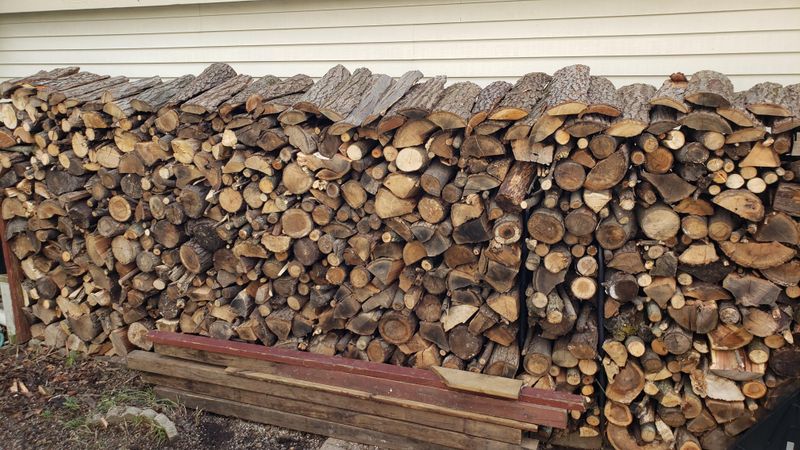
Nothing beats a cozy fire on a chilly Texas night in January. Many families keep a big stack of firewood handy all year long. The trouble starts when that stack sits right against the side of the house.
Firewood is full of cracks, loose bark, and dark gaps between the logs. Brown recluses love these narrow spaces because they stay dry and shaded.
Better yet for the spider, beetles, termites, and roaches also live in woodpiles, so dinner is never far away.
Your Texas Garden Changes Every Week. Your Plan Should Too.
Gardening in Texas changes quickly throughout the season. Every Friday you’ll receive a simple weekly plan showing exactly what to plant, prune, fertilize, harvest, and protect so you never miss the right timing.
When the stack touches your walls, it becomes a bridge. Spiders can crawl from the wood straight into cracks in your siding or brick. From there, getting inside your home is only a short trip.
Luckily, a few easy changes can fix the problem. Move your firewood at least 20 feet away from the house if you can.
Keep it raised off the ground on a metal rack or a couple of cinder blocks. Lifting the wood lets air flow underneath and makes it less cozy for bugs.
Covering only the top with a tarp keeps rain off while leaving the sides open. Fully wrapped piles trap shade and hold in that dark, quiet feel spiders adore. Try to buy only the amount of wood you will burn in one season, too.
Fun fact: brown recluses can go many months without eating a single meal. That means an old woodpile left alone for a year can still be home to them.
Whenever you carry logs inside, wear gloves and knock each piece against the ground first. Never stack firewood indoors for long periods. Bring in only what you will burn that evening.
3. Rock Piles And Landscape Stones
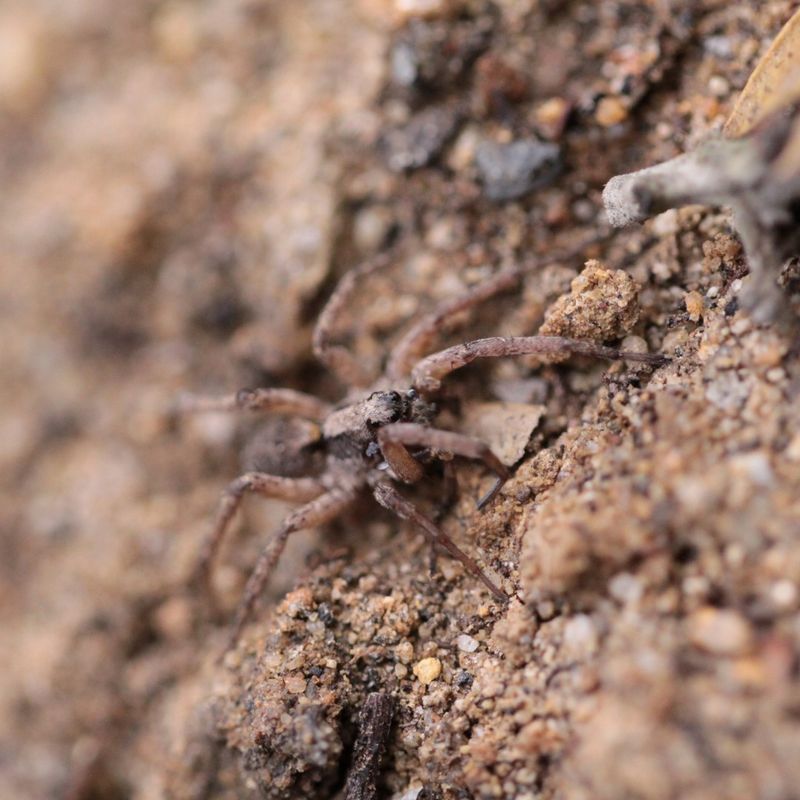
Ask any Texas gardener about xeriscaping, and you will hear a lot of praise. Limestone borders, river rocks, and gravel beds save water and look great in our hot climate. Yet those same stones can quietly roll out a welcome mat for brown recluses.
Rocks hold cool air underneath them, even when the afternoon sun is blazing. The gaps between loose stones stay shady and calm. For a spider trying to escape the heat, it is like finding a secret basement.
Rock piles left over from old projects are even more inviting. Over time, leaves and dirt fill in around them, and insects move in too. Soon you have a hidden spider neighborhood right at the edge of your flower bed.
You do not have to tear out your pretty landscaping. Just be smart about it. Set border stones firmly into the soil so there are fewer open gaps beneath them. Remove random rock piles you are not using, or spread them out into a single flat layer.
Here is the most useful tip of all. Always wear sturdy gloves when moving rocks, pavers, or edging stones.
Many bites happen when someone reaches under a stone with bare hands and presses a spider against their skin.
Flip rocks toward you, not away, so the open side faces away from your body. Wearing closed-toe shoes and long pants while working in rock beds helps as well.
Keep plants trimmed back from your stone areas so sunlight can reach them. Bright, open spaces feel far less safe to a recluse. A little care lets you enjoy your beautiful rock garden without unwanted eight-legged guests.
4. Sheds, Garages, And Cardboard Boxes
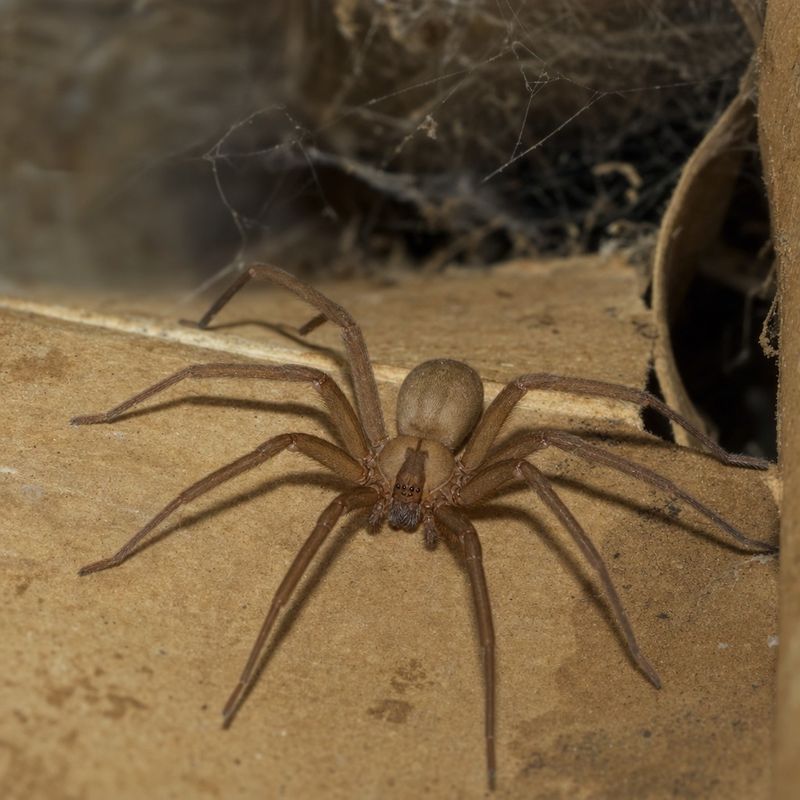
Brown recluses earned their name for good reason. They are true homebodies who hate company. Sheds and garages are some of their absolute favorite places to live.
Think about how often you visit the back of your shed. Maybe once a year to grab the holiday lights? Those quiet corners stay dark, dry, and peaceful for months at a time, which is exactly what a recluse wants.
Cardboard boxes make things even worse. The spiders can crawl into the folds and flaps and hide inside the corrugated layers.
Some experts say recluses may even be attracted to cardboard because it feels like the bark of a dry tree. On top of that, boxes often get stacked on the floor, giving spiders easy access.
Swapping cardboard for plastic bins with tight lids is one of the best moves you can make. Clear bins also let you see what is inside without digging around. Store the bins on shelves off the floor whenever possible.
Before you use anything stored in a garage or shed, give it a good shake. That goes for gardening gloves, boots, jackets, sleeping bags, and camping gear. Take a quick peek inside before you slip your hand or foot in.
Sticky glue traps placed along walls and in corners are a handy tool. They catch roaming spiders and also show you how many are around. Check and replace them every few weeks.
Finally, try to visit and tidy your storage spaces more often. Sweep floors, knock down webs, and move items around now and then. Regular activity tells recluses that this spot is no longer a quiet hideaway.
5. An All-You-Can-Eat Bug Buffet
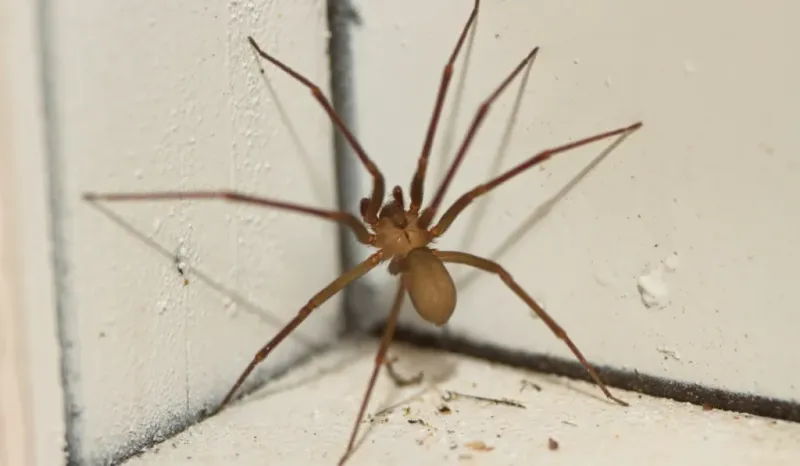
Spiders are not much different from us when it comes to food. They go where the meals are easy to find. In Texas, where bugs are plentiful most of the year, that can mean your yard.
Brown recluses are hunters, not web builders who wait for prey to fly in. They roam at night looking for crickets, cockroaches, silverfish, and other small insects. A yard crawling with bugs is like a restaurant with free refills.
Outdoor lights play a big role here. Bright white porch lights pull in moths, beetles, and flying insects after dark.
Those bugs attract crickets and other critters, and the spiders follow close behind. Your porch light can turn into the start of a food chain.
One easy fix is changing your bulbs. Yellow bug lights or warm-colored LEDs attract far fewer insects than bright white ones. Motion sensor lights also help because they only switch on when needed.
Next, cut down on the things bugs love. Keep trash cans closed tightly and rinse them out now and then.
Clean up fallen fruit, spilled pet food, and standing water. Trim thick ground cover near the house, since crickets love hiding in it.
Did you know? A brown recluse may even munch on insects it finds lying around. That makes a buggy garage floor extra appealing.
If insects are a constant problem, a pest control service can treat around your home’s foundation.
Treating the bugs often helps with the spiders, too. When the buffet closes, the hungry guests usually move on to find their meals elsewhere.
6. Dark Spaces Under Decks And Porches
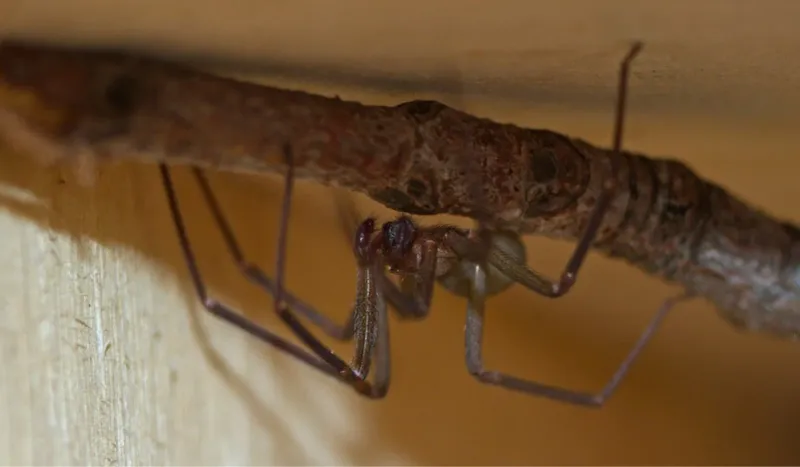
Crawl under your deck with a flashlight sometime, and you might be surprised. Most of us never look down there. That is exactly why brown recluses think it is perfect.
The space beneath decks, porches, and raised homes stays shady all day long. Rain rarely reaches it, and people almost never visit. For a spider that wants to stay hidden, it is the ultimate quiet zone.
Crawl spaces are another big hotspot in Texas homes, especially older ones built on pier and beam foundations.
These areas often hold old wood scraps, stored items, and plenty of insects. A single crawl space can hide a large group of recluses without anyone ever noticing.
The best defense is simply paying attention. Every few months, put on gloves, long sleeves, and a hat, then take a look. Bring a bright flashlight and check corners, beams, and the undersides of boards.
Clear out anything stored beneath your deck or porch, like spare lumber or old pots. The less stuff down there, the fewer hiding spots spiders have. Sweep away webs and dry leaves while you are at it.
Lattice skirting or screen panels around the bottom of a deck can keep out larger pests that bring bugs.
Just make sure you can still open a panel to check inside. Good airflow also helps keep these spaces drier and less cozy.
If your crawl space feels too tight or the problem seems big, call a professional. Pest experts have the right gear to inspect and treat hard-to-reach places safely. Regular checkups keep spider numbers low before they ever grow.
7. Open Doors Into Your Home
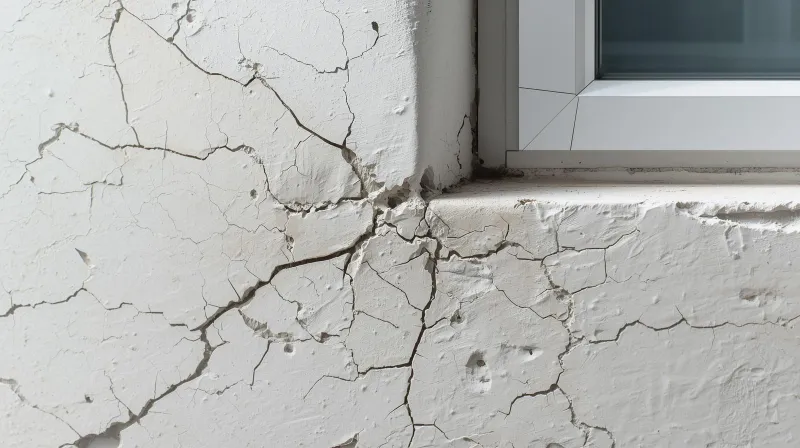
A tiny crack might not look like much to you. To a brown recluse, it is a front door with a big welcome sign. These spiders can squeeze through gaps about as thin as a credit card.
Once they settle into your yard, recluses often wander toward your house. Gaps under doors, cracks in the foundation, and holes around pipes or cable lines give them an easy path inside. From there, they head for closets, attics, and spaces behind furniture.
Sealing those openings is one of the smartest things you can do. Walk around the outside of your home and look closely at windows, doors, and the foundation. Fill small cracks with caulk, and use foam sealant for bigger holes around utility lines.
Door sweeps are cheap and simple to install. They close the gap at the bottom of exterior doors, including the one leading to your garage. Check your window screens for rips and patch any holes you find.
Here is some comforting news. Brown recluses rarely bite unless they get trapped against your skin. Most bites happen when someone puts on a shoe, glove, or shirt where a spider is hiding.
That is why a few habits go a long way. Shake out shoes, gloves, and clothes left in the garage before wearing them. Keep beds pulled away from walls and avoid letting blankets touch the floor.
If you ever suspect a bite, wash the spot and call your doctor. Sealing your home, staying alert, and keeping your yard tidy all work together. With these steps, you can enjoy your Texas home with much less worry.