The Meaning Behind Seeing Ravens In Your Texas Yard
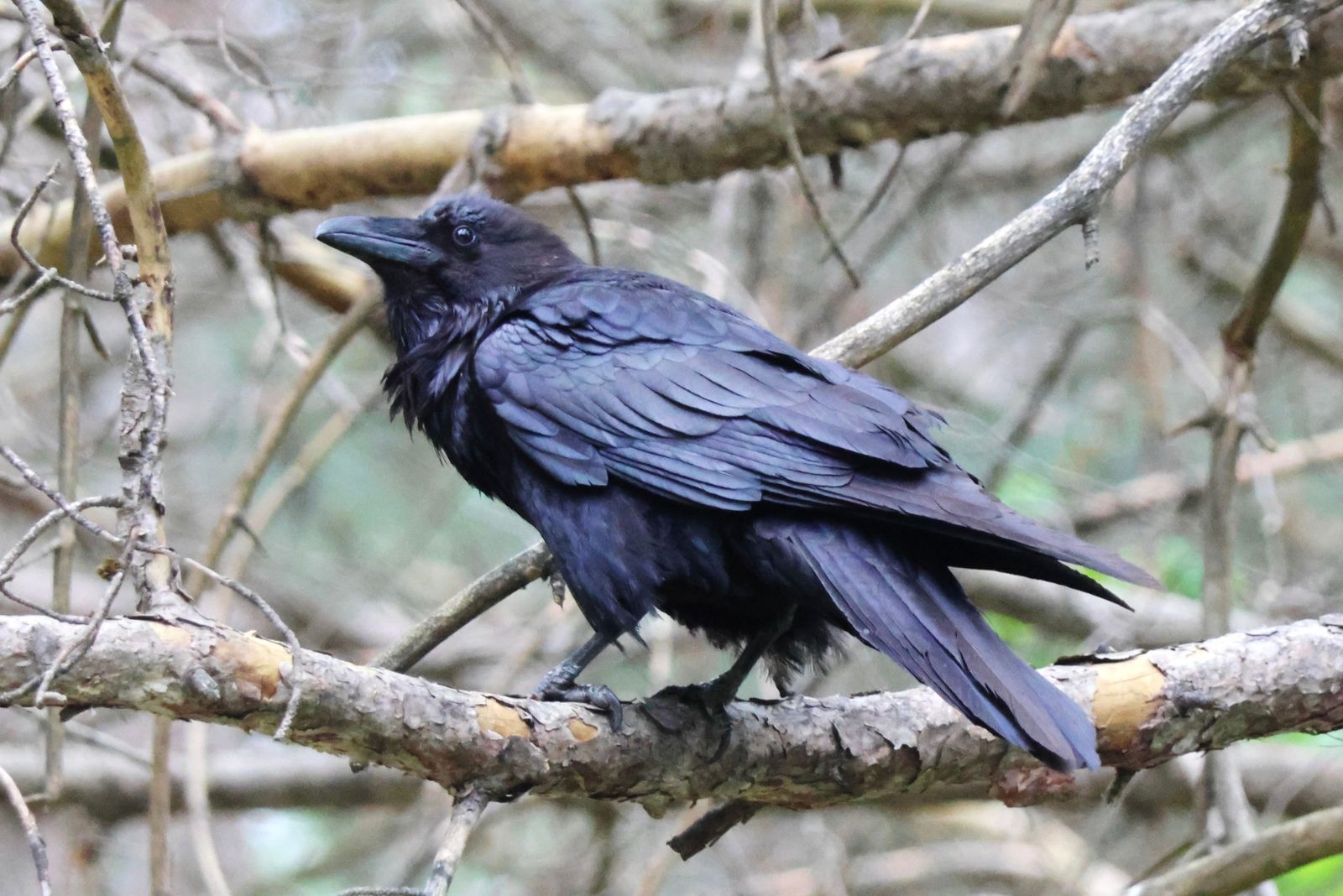
Spotting a raven in your Texas yard is not an everyday occurrence for most people, which is exactly why it tends to leave an impression. These are large, striking birds with an intelligence that feels almost uncomfortable to observe up close.
That steady, assessing gaze, the way they seem to be evaluating rather than simply looking. Most people who encounter a raven remember it. And many of them find themselves wondering what it means.
Ravens have carried profound symbolic meaning across human cultures for thousands of years.
From Norse mythology to Indigenous traditions across North America, from Edgar Allan Poe to the folklore of communities that have long called Texas home, the raven has never been just a bird.
It has been a messenger, an omen, a symbol of transformation, mystery, and intelligence that sits somewhere between the ordinary world and something harder to name.
A raven appearing in your Texas yard tends to prompt the kind of reflection that most backyard wildlife simply doesn’t inspire.
Here’s what people across many traditions believe it means and why the raven has carried this weight for so long.
1. Your Location May Provide An Important Clue To The Species
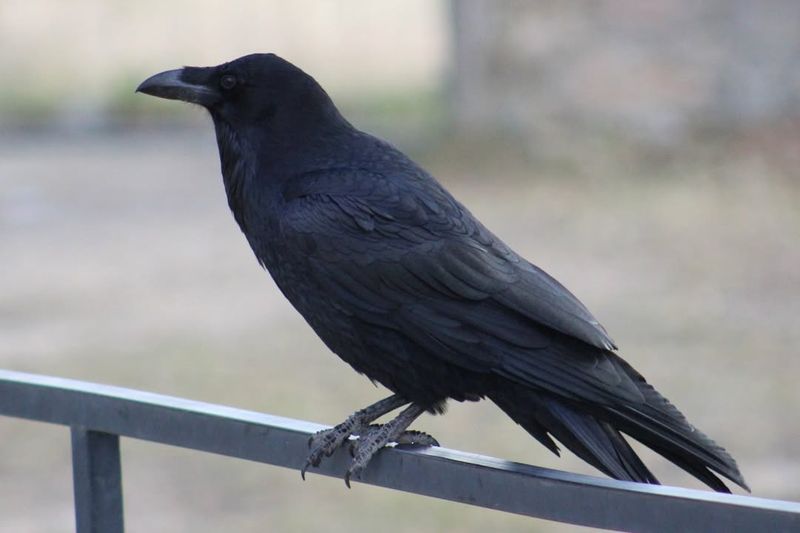
Not every big, black bird you see in Texas is actually a raven, and your location can tell you a lot right away. Texas is home to two raven species: the Common Raven and the Chihuahuan Raven.
Both tend to favor the western and drier parts of the state, so geography is your first helpful clue.
Chihuahuan Ravens love wide-open spaces. You will most often spot them in desert grasslands, open scrublands, and flat ranching country.
Common Ravens, on the other hand, are a little more flexible. They can be found in mountains, deserts, ranchland, and even near rural settlements across the western half of the state.
If you live in eastern Texas, the bird you are watching might not be a raven at all. American Crows and Great-tailed Grackles look surprisingly similar at first glance.
Both are large, dark birds that are common across eastern and central Texas neighborhoods and woodlands.
Telling these species apart takes a little practice. Ravens are generally larger than crows, with a heavier, more curved beak and a wedge-shaped tail when they fly.
Grackles have a long, keel-shaped tail and a bright yellow eye that stands out clearly up close.
Paying attention to the shape of the tail in flight is one of the easiest ways to identify a raven quickly. Crows have a rounded or squared-off tail, while ravens show that distinctive diamond or wedge shape.
Knowing which species you are actually watching makes the whole experience much more interesting and helps you understand what the bird is doing in your yard.
2. The Raven Has Probably Found Food Nearby
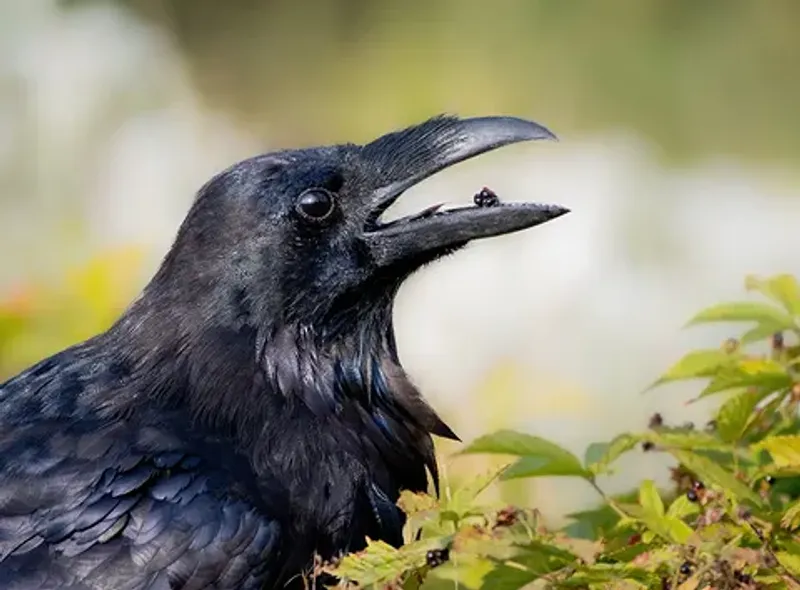
Ravens are some of the most resourceful birds on the planet, and if one keeps showing up in your yard, food is almost always the reason. These birds are true omnivores, meaning they eat just about anything they can find.
Your Texas Garden Changes Every Week. Your Plan Should Too.
Gardening in Texas changes quickly throughout the season. Every Friday you’ll receive a simple weekly plan showing exactly what to plant, prune, fertilize, harvest, and protect so you never miss the right timing.
Insects, small rodents, eggs, fruit, grain, carrion, and even human food scraps are all fair game.
Your yard may be offering something attractive without you even realizing it. Unsecured garbage cans are a classic draw.
Ravens are smart enough to figure out lids, tip over containers, and rummage through bags. Outdoor pet food bowls left out overnight are another easy target that brings these birds back again and again.
Compost piles can also attract ravens, especially if they contain food scraps like vegetable peels, bread, or meat. Fallen fruit from backyard trees is another overlooked food source.
If you have a fig, peach, or plum tree dropping ripe fruit on the ground, ravens will notice quickly.
Small animals can also be part of the attraction. Exposed chicken coops, rabbit hutches, or areas with high insect activity may draw a raven that is simply looking for its next meal.
The bird is not being aggressive without reason. It is doing what it was built to do. Reducing easy food access is the most effective way to manage repeated raven visits if they become a problem. Use bungee cords or locking lids on trash cans.
Bring in pet food bowls at night. Rake up fallen fruit regularly. Ravens are persistent, but removing the reward usually encourages them to search elsewhere for their meals.
3. Your Property Offers A Useful Lookout Point
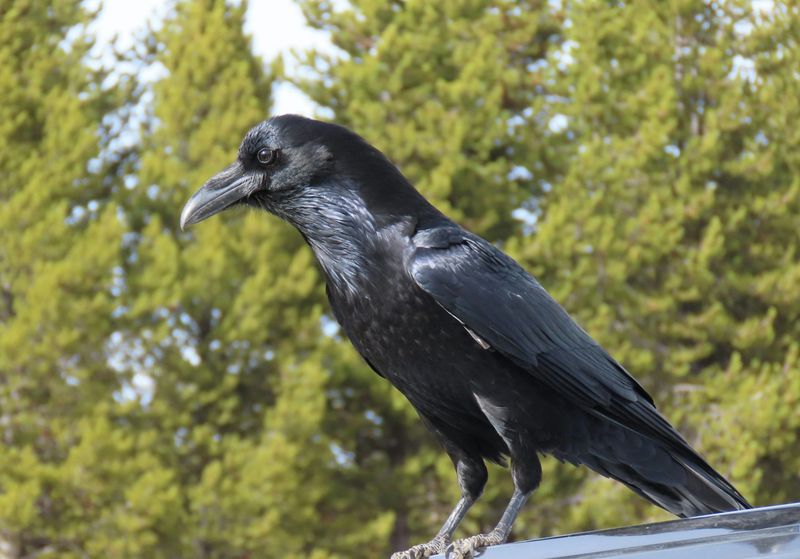
Ravens are strategic birds. They do not just wander around randomly. When a raven lands on your roof, a tall tree, a fence post, or a utility pole, it is usually using that spot as a lookout.
Height gives them a major advantage when they are scanning for food or watching for potential threats.
From an elevated perch, a raven can see a wide area below. It can spot movement in the grass, watch other animals at a food source, or keep an eye on approaching predators.
Choosing the right perch is actually a sign of how intelligent these birds are. They think ahead and use their environment strategically.
In the open landscapes of West Texas, natural tall trees can be hard to come by. Chihuahuan Ravens have adapted well to this challenge.
Utility poles and structures have become common perching spots, and these birds will sometimes even build their nests on power line towers and similar man-made structures when no better option is available.
If your yard has tall trees, a two-story roofline, or prominent fence posts, you have essentially provided prime raven real estate.
The bird is not targeting your home for any mysterious reason. It simply found a great vantage point that helps it stay safe and well-fed.
Watching a raven perch and survey its surroundings is actually a wonderful opportunity to observe animal intelligence up close. You may notice it tilting its head, tracking movement below, or calling to other birds in the area.
These behaviors are all part of how ravens communicate and coordinate with each other throughout the day.
4. Several Ravens May Indicate A Productive Feeding Area
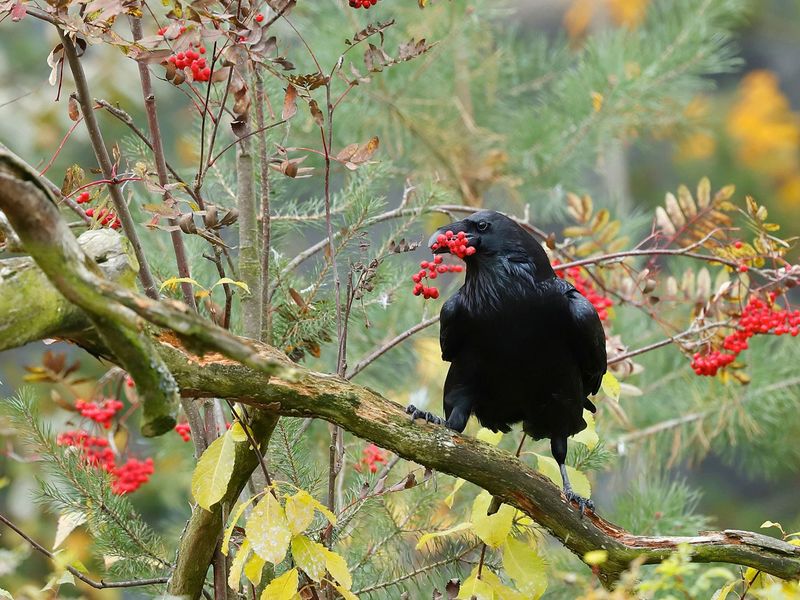
Seeing a whole group of ravens in your yard or neighborhood can feel surprising, but it usually has a very straightforward explanation. Ravens, especially Chihuahuan Ravens, are highly social birds.
They form flocks regularly, particularly when food is plentiful and easy to access in one location.
Chihuahuan Ravens are well known for gathering in large numbers around agricultural areas, livestock operations, and landfills. If your neighborhood is near a farm, a feed lot, or a waste facility, that can easily explain why multiple ravens are showing up together.
They are following the food, plain and simple. Word spreads fast in the raven world. When one bird finds a reliable food source, others tend to follow.
Ravens use calls and even visual cues to signal to other flock members that something worth eating has been found. A group visit is often less about your specific yard and more about the general area offering consistent rewards.
Seeing several ravens together does not mean anything unusual or alarming is about to happen. Folklore has long connected groups of ravens with dark omens, but there is no scientific evidence to back that up.
What you are really watching is a group of clever, social animals doing what works for them.
If the flock becomes a nuisance, look for shared food sources in the area that might be drawing them in. Coordinating with neighbors to secure trash cans, compost bins, and outdoor pet food can make a big difference.
Ravens are smart enough to move on when a location stops being reliably rewarding, so reducing food access is your most practical tool.
5. A Pair Returning Repeatedly Could Have A Nest Nearby
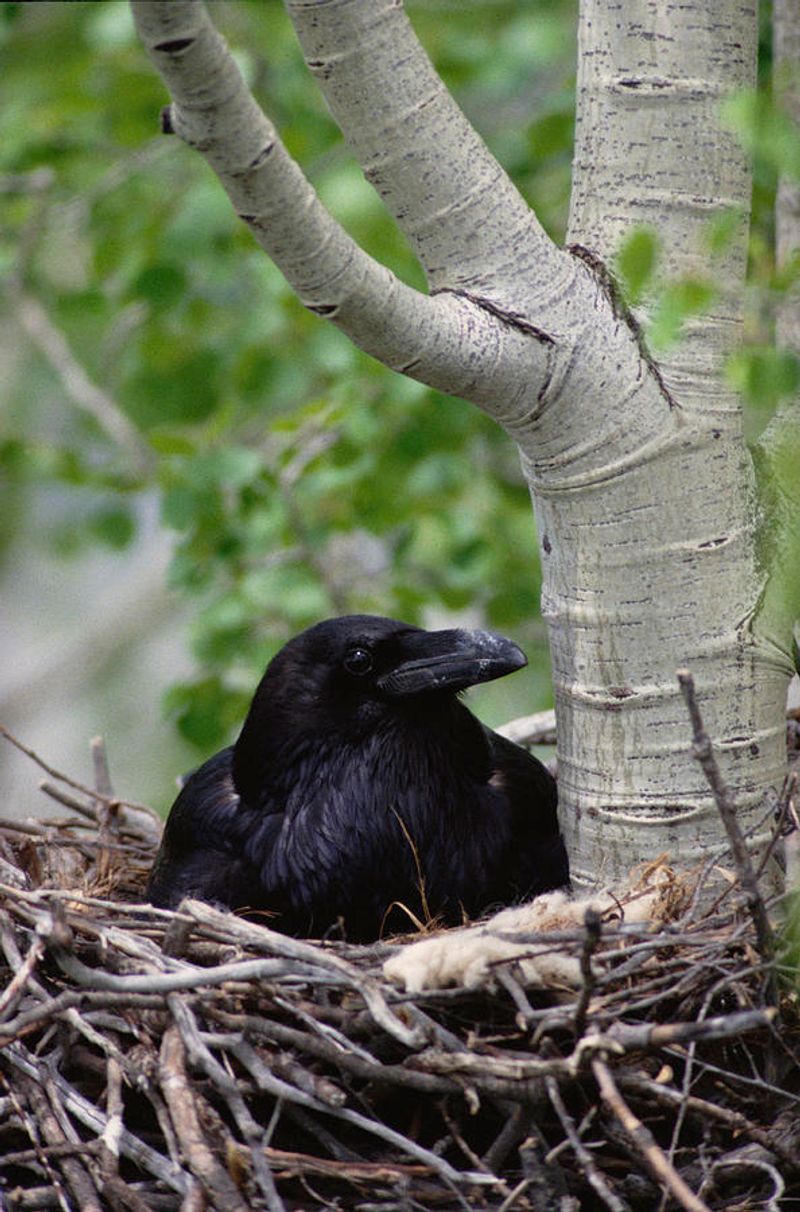
Ravens mate for life, and bonded pairs tend to stay close to their nesting territory. If you keep seeing two ravens returning to the same spot in or near your yard, there is a reasonable chance they have a nest somewhere close by.
Watching their behavior carefully can help you figure out if that is what is happening. During breeding season, which typically runs from late winter into spring in Texas, you may notice specific behaviors that suggest nesting activity. Stick-carrying is a big one.
If a raven is picking up small branches, twigs, or other nesting materials and flying off with them, it is almost certainly building or repairing a nest nearby.
Defensive calling is another sign to watch for. Ravens that have a nest in the area will sometimes make loud, persistent calls when people or animals get too close to the territory.
They may also swoop low near intruders as a warning. This behavior tends to be more intense during the weeks when eggs or young birds are present.
One important thing to keep in mind: a single brief sighting of two ravens does not automatically mean there is a nest nearby. Ravens can travel several miles while foraging for food, so pairs may pass through an area without ever nesting there.
Repeated visits over multiple days, combined with nesting behaviors, paint a clearer picture.
If you do find a raven nest nearby, give the birds space and enjoy watching from a respectful distance.
Ravens are fascinating parents, and observing their behavior during nesting season offers a rare and rewarding glimpse into just how complex and devoted these birds can be.
6. Their Presence Usually Reflects Normal Wildlife Activity, Not An Omen
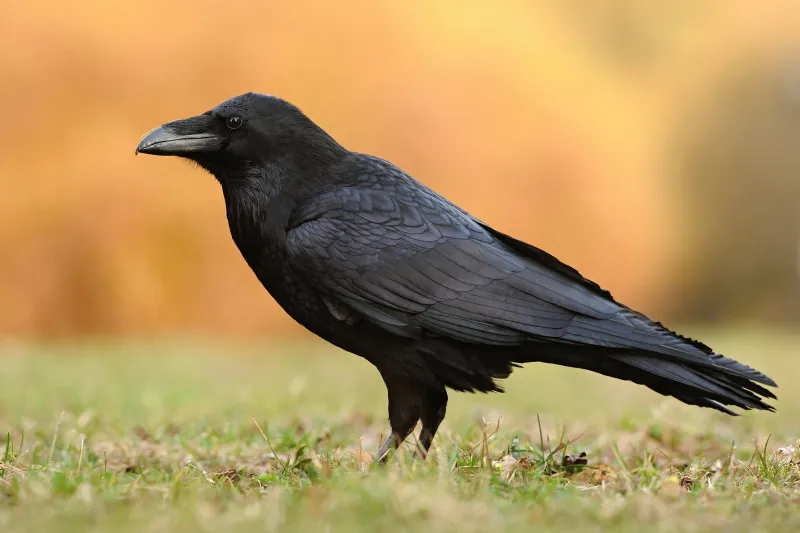
Ravens have carried a heavy reputation throughout history. In many cultures, they have been linked to mystery, bad luck, and dark prophecy.
It is easy to see why a large, black, highly intelligent bird circling your yard might make some people feel uneasy. But the truth is much less dramatic than the legends suggest.
Scientifically speaking, a raven visiting your yard is simply a wild animal doing what wild animals do. Ravens play an important ecological role.
They help clean up carrion, control insect populations, and prey on small animals that might otherwise overpopulate an area. Their presence in your neighborhood is a sign of a functioning local ecosystem, not a warning of something bad on the horizon.
There is no credible scientific evidence that a raven’s appearance predicts misfortune, illness, or any kind of coming event.
The association between ravens and bad omens comes entirely from folklore and mythology, not from biology or behavioral research. Ravens show up where food, shelter, and good lookout points exist. That is the full story.
That said, there are practical reasons to manage persistent raven visits. If ravens are getting into your trash, raiding a chicken coop, or bothering outdoor pets, securing those attractants is a smart and simple response.
Use locking trash cans, cover compost bins, and store poultry feed in sealed containers. Most of the time, though, watching a raven in your yard is a genuine treat. These birds are among the most intelligent animals in the world.
They solve problems, play, use tools, and even show what looks a lot like curiosity. Enjoy the visit for what it is: a front-row seat to one of nature’s most impressive creatures.